Plant Features
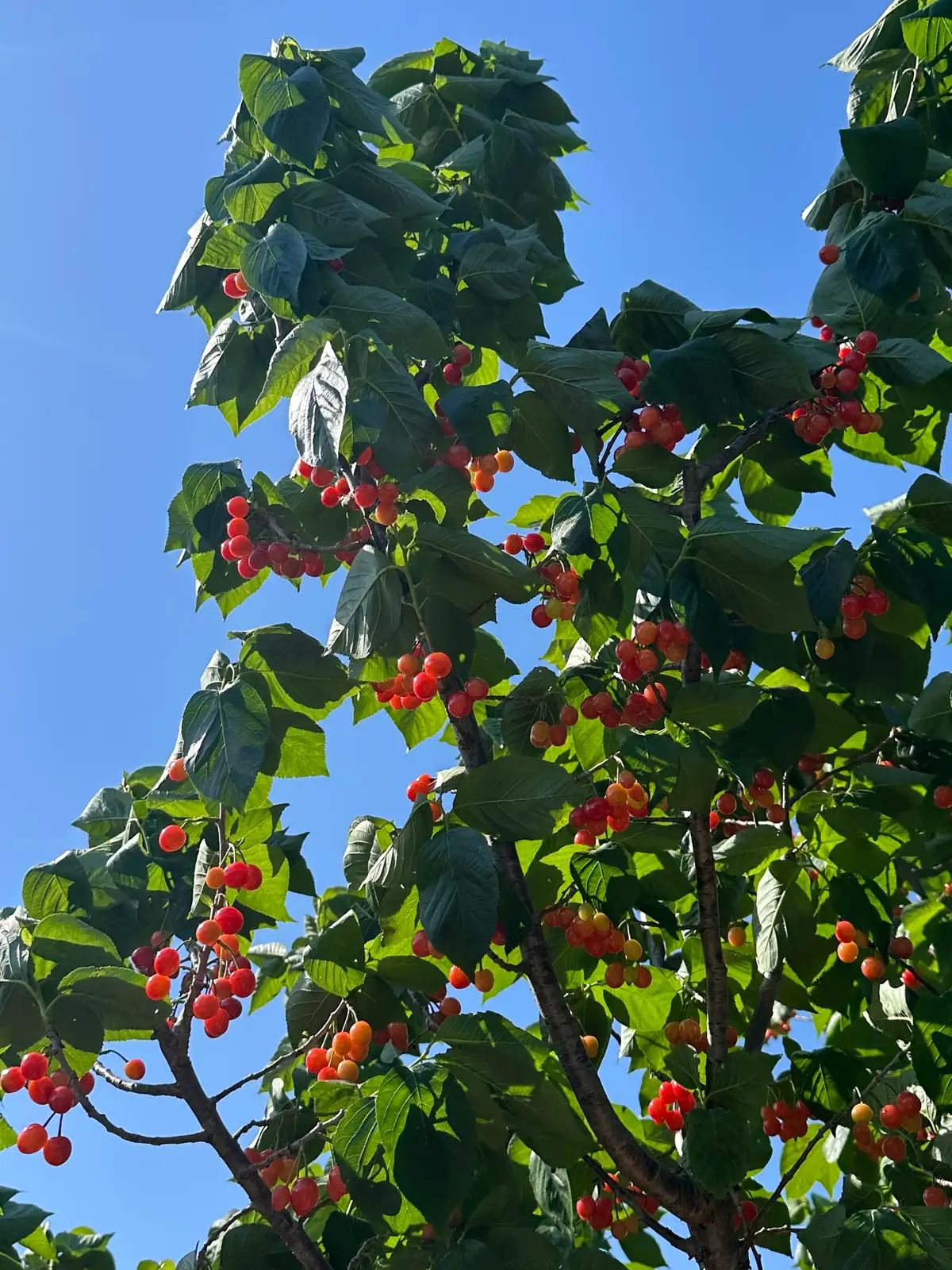
- Size: Typically 3–8 m (9.8–26.2 ft) tall.
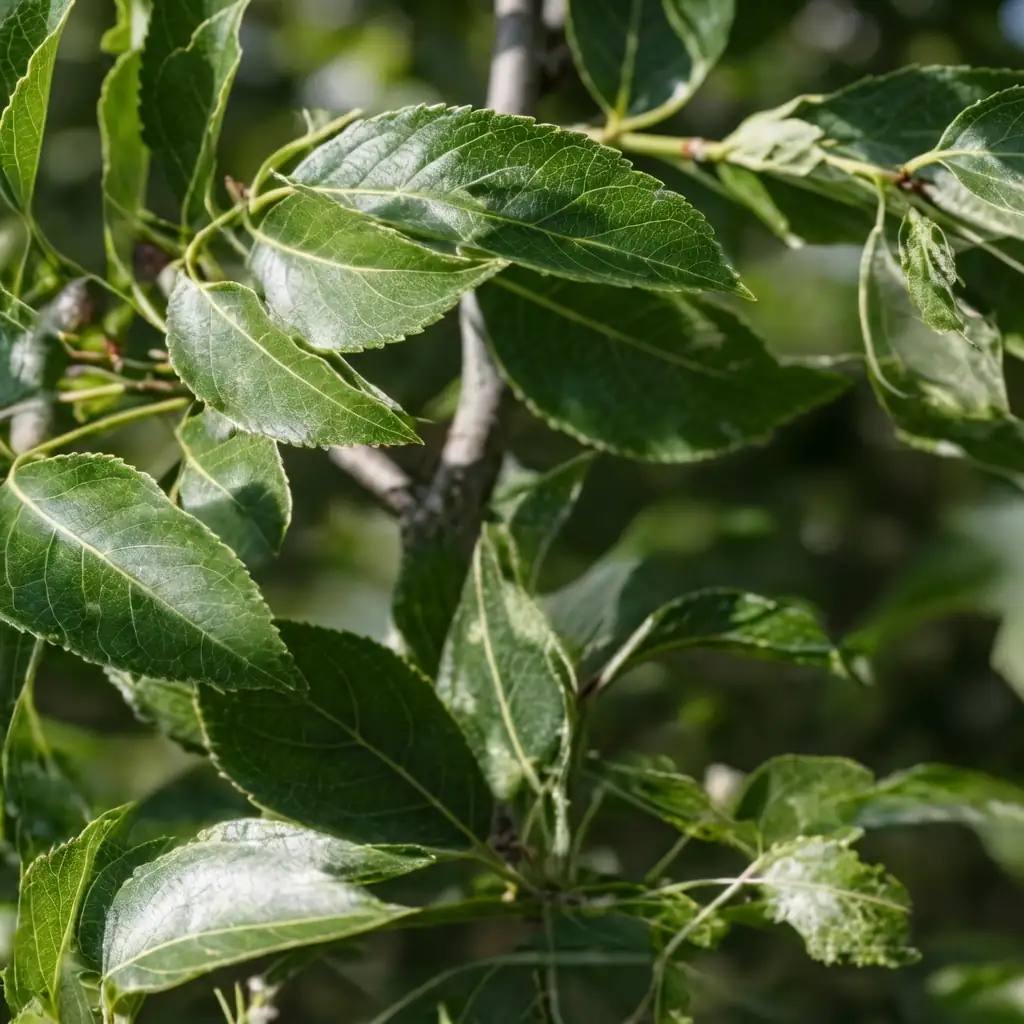
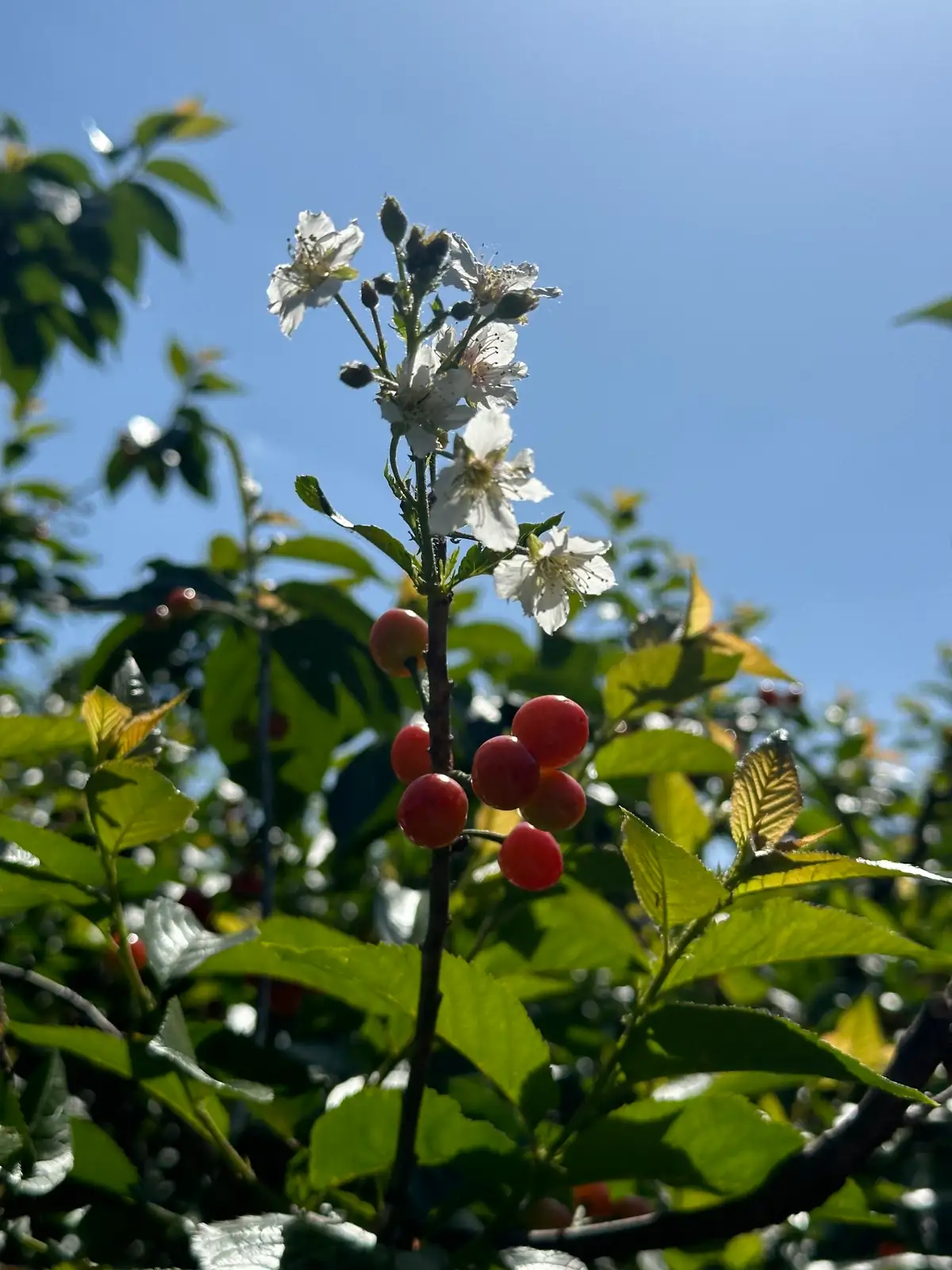
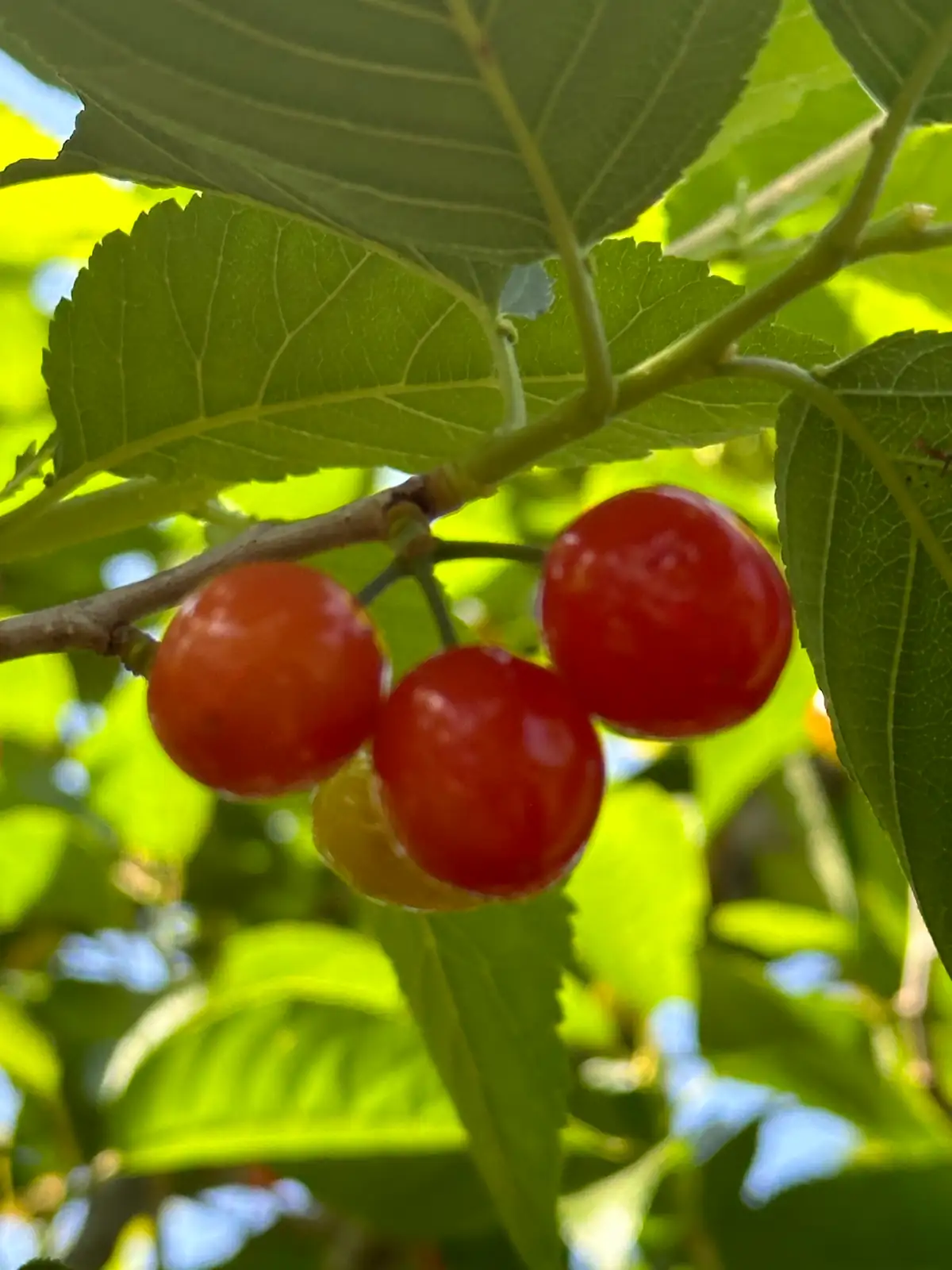
- Foliage: Leaves are ovate to ovate-elliptic with finely serrated margins. The petiole commonly bears two small glands near the tip. As a deciduous tree, it shows clear buds—distinct terminal buds with solitary lateral buds—before leaf-out.
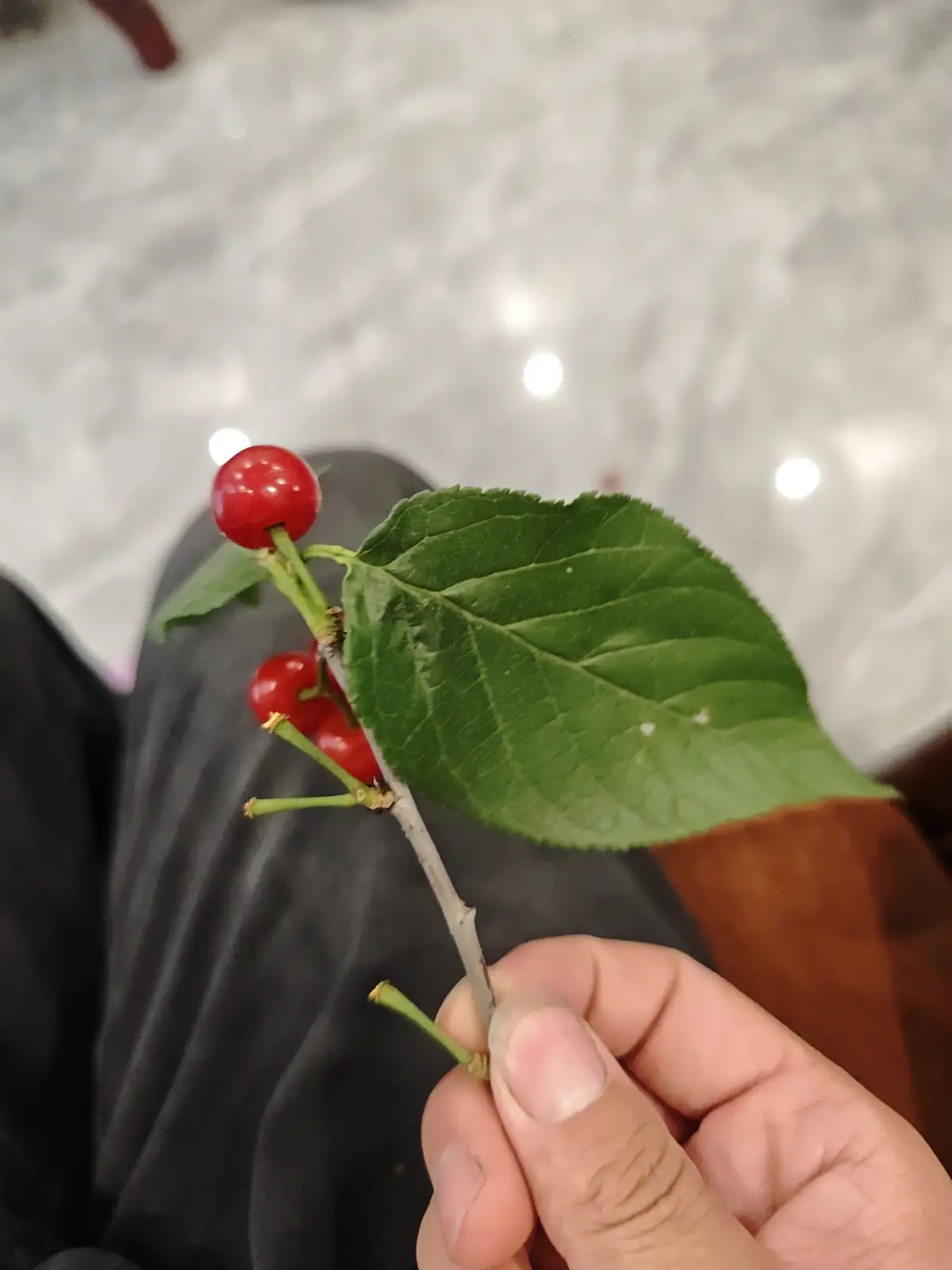
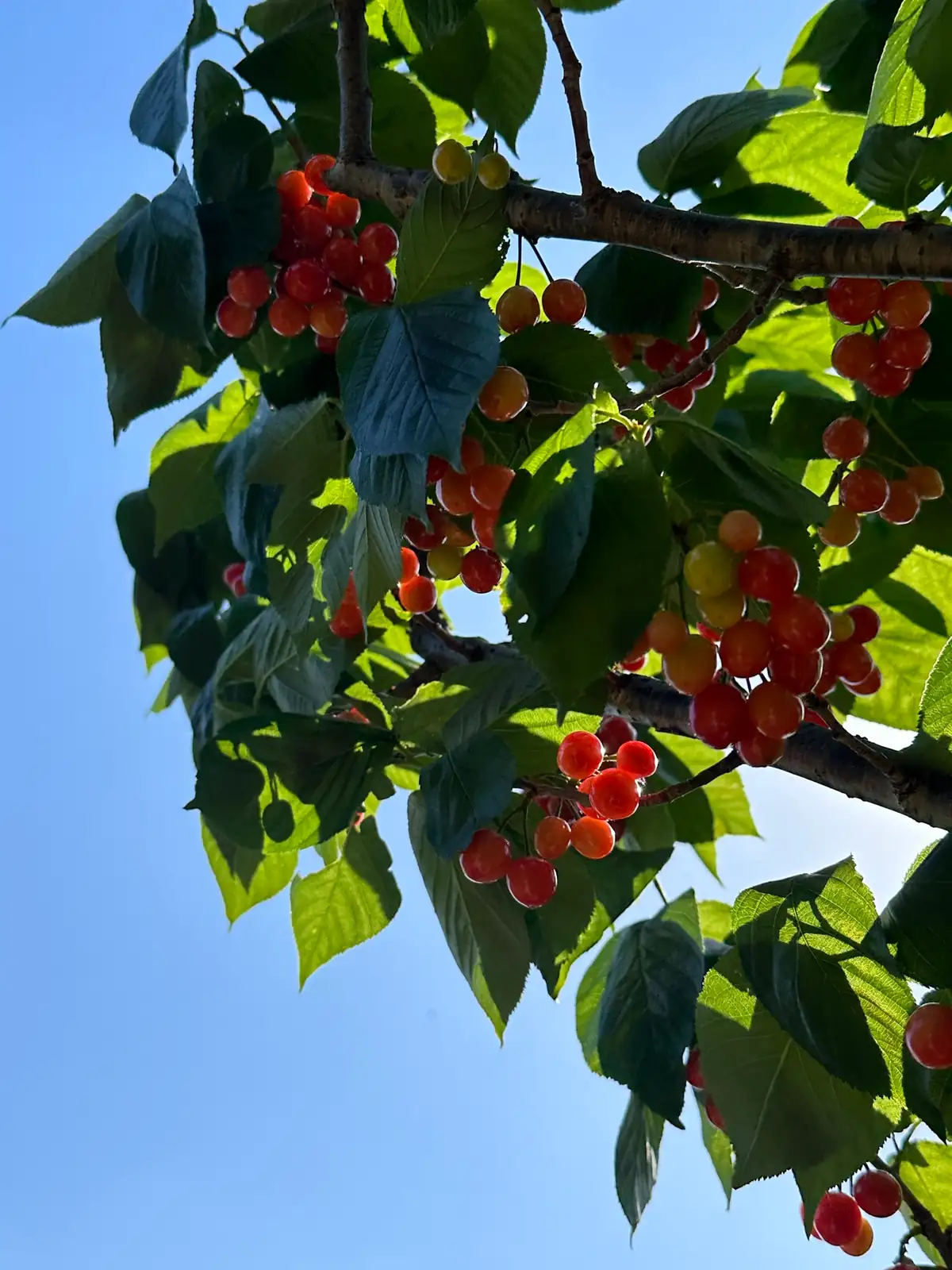
- Flower: White flowers appear before the leaves, carried in small corymbs of about 3–6 blooms; the calyx tube is hairy. The fruit is a nearly spherical, groove-less, bright red drupe about 1–1.5 cm (0.39–0.59 in) in diameter.
- Flowering Season: March–April
- Growth Habit: Fast-growing, deciduous small tree.
Environment
Sunlight
Full sun to light shade; for the best bloom and the sweetest, most reliable fruiting, give it full sun.
Temperature
Prefers warm, moist conditions but is fairly cold-tolerant; ideal growing temperatures about 15–25°C (59–77°F).
Humidity
Prefers moderate to relatively high humidity, but handles average outdoor humidity once established.
Soil
Fertile, well-drained sandy loam is ideal. It tolerates poorer soils and some drought once established, but performs poorly in waterlogged or poorly drained sites.
Placement
Best outdoors in gardens, parks, courtyards, and orchard/agrourism landscapes. Choose an open, sunny location with good air circulation.
Hardiness
Cold-tolerant; commonly grown in USDA Zones 6–8 (approx.).
Care Guide
Difficulty
Moderate outdoors: vigorous and adaptable, but it looks and crops best with strong light, good drainage, and simple seasonal care (watering during establishment, light feeding, and sensible pruning).
Buying Guide
Pick a tree with a healthy, unscarred trunk and well-spaced branches. Avoid any signs of stress or disease such as gumming on the bark, blackened buds, cankers, or tightly circling/pot-bound roots. If your main goal is fruit, confirm the cultivar identity and whether it needs a compatible pollinator in your area.
Watering
After planting, water deeply and keep the soil evenly moist while roots establish. Once established, water during prolonged dry spells rather than little-and-often; avoid frequent shallow watering. Good drainage is essential—do not allow waterlogging.
Fertilization
Feed in early spring with a balanced slow-release fertilizer or well-rotted compost. Go easy on nitrogen: too much can produce lots of leafy growth with fewer flowers and fruit.
Pruning
Prune after flowering or after harvest to shape the canopy, remove crossing branches, and improve airflow. Remove dead, diseased, or damaged wood promptly. If disease is suspected, disinfect tools between cuts.
Propagation
Most commonly grafted or budded onto suitable Prunus rootstocks for reliable performance. Seed is possible but offspring can vary. Cuttings may work in some conditions but are generally less predictable than grafting.
Repotting
Usually planted in the ground rather than kept long-term in a container. For young container trees, move up a pot every 1–2 years, refresh the mix, and prioritize excellent drainage.
📅 Seasonal Care Calendar
Spring (Mar–Apr): enjoy bloom; monitor for pests/diseases; light feeding. Late spring–early summer (May–Jun): fruiting period; water during dry spells and protect fruit from birds. Summer: prune lightly after harvest; avoid heavy nitrogen. Autumn–winter: clean up fallen leaves/fruit for sanitation; do structural pruning only if needed during mild periods.
Pests, Diseases & Safety
Common Pests & Diseases
Common pests include aphids, scale insects, caterpillars, and spider mites. Possible diseases (depending on climate and hygiene) include leaf spot, brown rot, blossom blight, and canker. Prevention helps a lot: plant in full sun, keep the canopy open for airflow, remove fallen leaves and “mummified” fruit, and treat outbreaks promptly with targeted measures appropriate to your region.
Toxicity
Ripe fruit is edible. As with many Prunus species, pits/seeds and wilted leaves can contain cyanogenic compounds. Don’t allow pets or livestock to chew leaves or to crush/eat large quantities of pits.
Culture & Symbolism
Symbolism: Often linked with spring renewal, beauty, and abundance—thanks to its early blossoms followed by generous fruiting.
History & Legends: Long cultivated and admired in temperate regions as both an ornamental and a fruit tree, prized for its early-season bloom and showy fruit display.
Uses: Grown as a landscape and courtyard tree for abundant early blossoms and bright fruit. The red cherries are eaten fresh and can be made into products like cherry jam. It’s also used in parks and urban green spaces, where it’s often noted for helping trap airborne dust and contributing to improved local environmental quality.
Fun Facts
- It’s an early bloomer: flowers typically open in March–April, and fruit often ripens in May–June.
- The fruits are small but eye-catching—nearly spherical, bright red drupes about 1–1.5 cm (0.39–0.59 in) across.
- The red-fruit-on-green-leaves contrast can be surprisingly showy in the landscape at peak ripeness.
- Often cited as a useful urban greening tree for its tolerance of smoke and its ability to capture airborne dust.
- In the wild it can be found in varied habitats, from forest edges and wooded slopes to shrublands and grasslands.