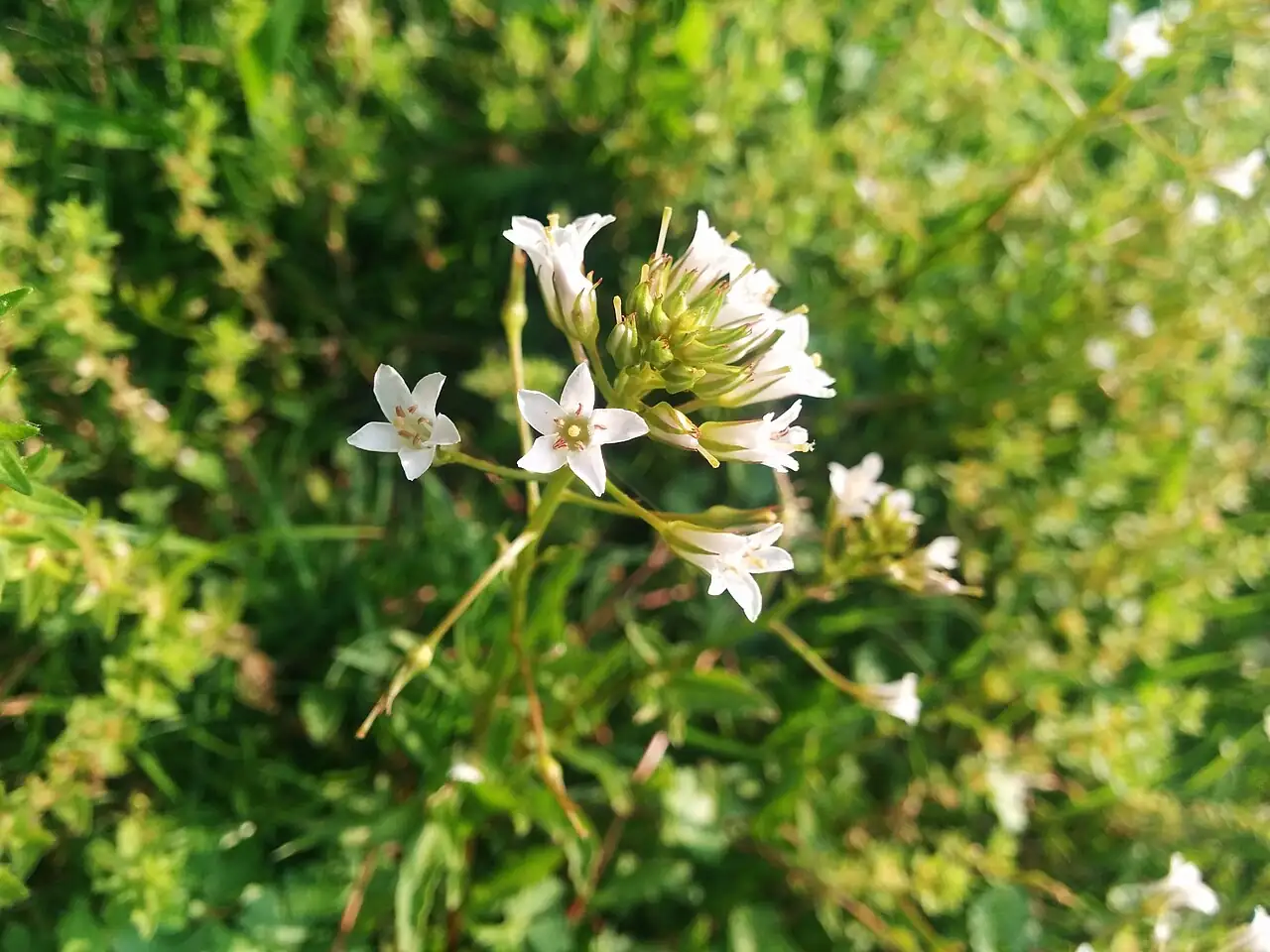
Plant Features
- Size:10–30 cm (4–12 in) tall
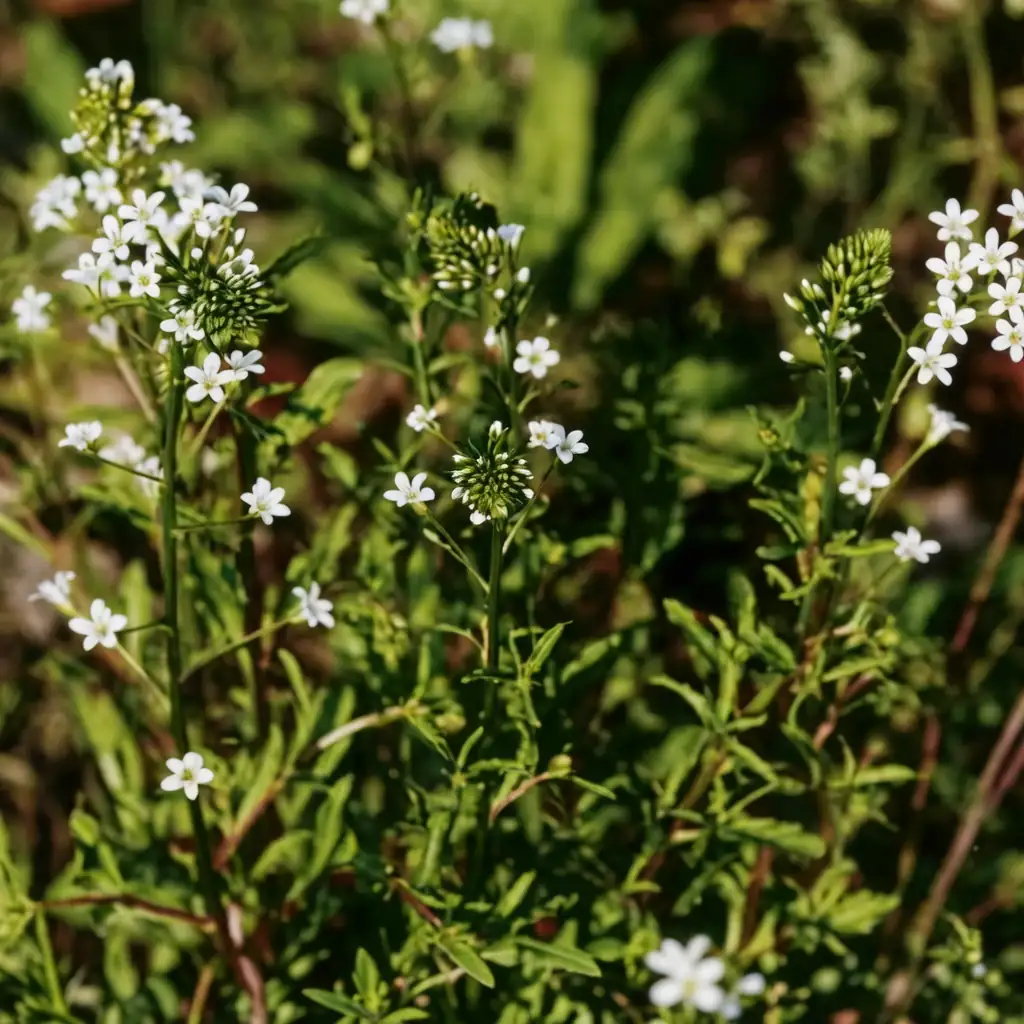
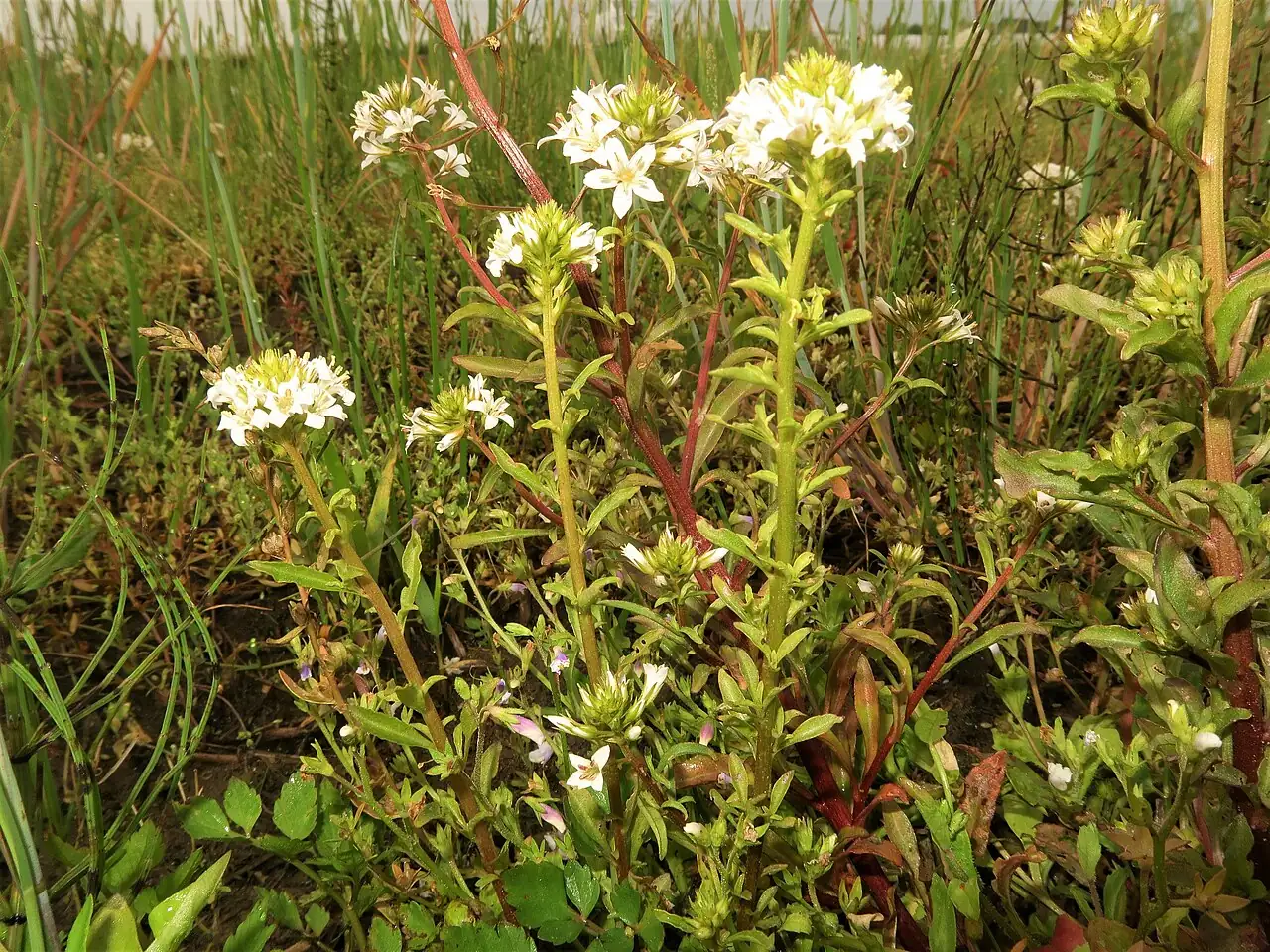
- Foliage: Basal leaves are spoon-shaped to inversely lance-shaped. The whole plant is hairless and smooth, giving it a clean, glossy look. Stems are usually solitary or in small clusters, upright, and may be unbranched or lightly branched.
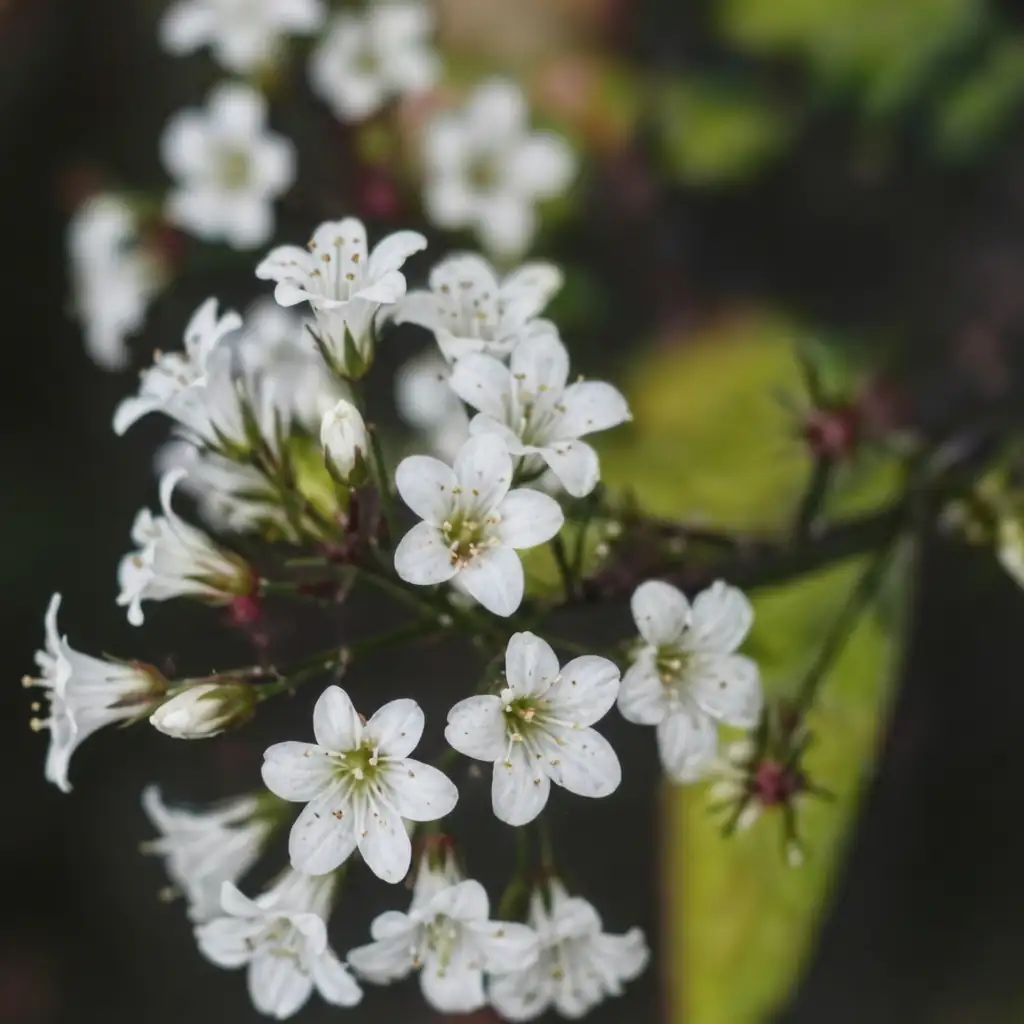
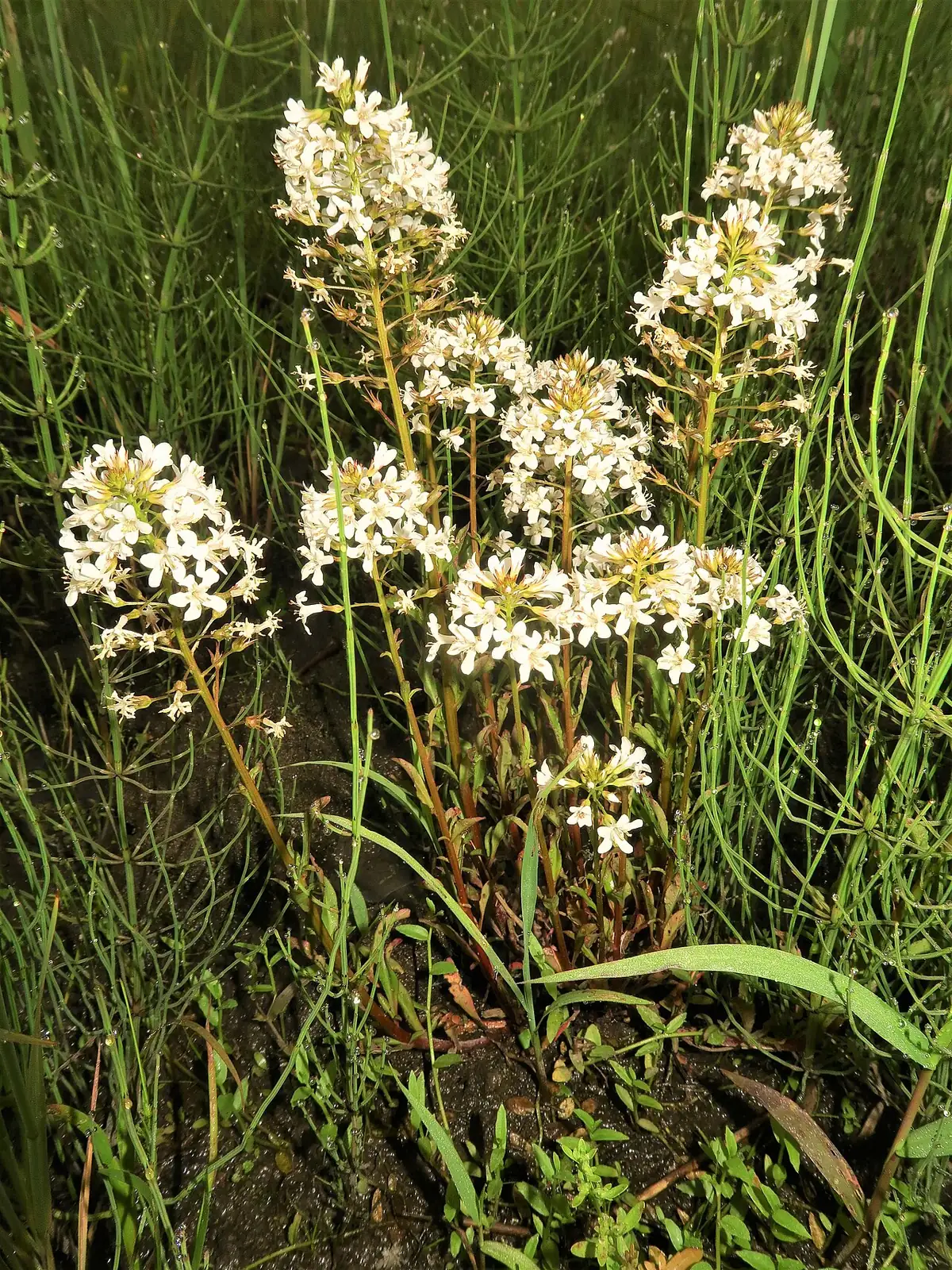
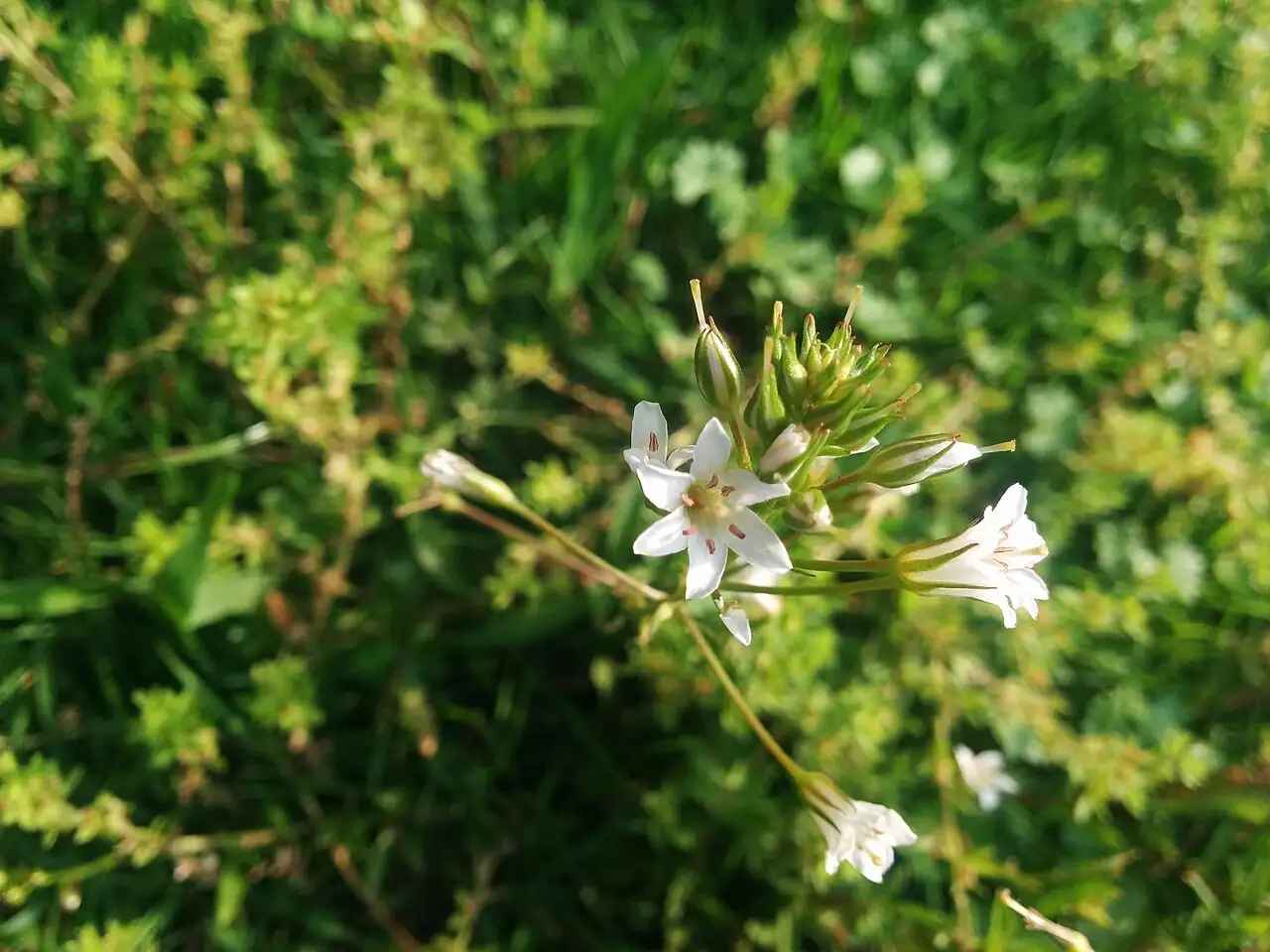
- Flower: Flowers are borne in terminal racemes (upright flower spikes). While flower color wasn’t explicitly stated in the source, this species is commonly described as producing white blooms.
- Flowering Season: March–June
- Growth Habit: A low, shallow-rooted annual to biennial herb. It typically grows upright with one or a few stems and tends to suffer quickly if allowed to dry, but responds well to feeding. After flowering, it forms spherical seed capsules about 2–3 mm (0.08–0.12 in) in diameter.
Environment
Sunlight
Full sun to partial shade. Brighter light usually encourages stronger flowering, but it can adapt as long as soil moisture stays steady.
Temperature
Prefers cool to warm conditions, roughly 10–30°C (50–86°F). Protect from hard frost.
Humidity
Enjoys consistently moist surroundings and naturally occurs in damp, waterside habitats.
Soil
Moist, fertile soil enriched with organic matter. Keep evenly damp, but avoid stagnant, oxygen-poor conditions; ensure drainage so heavy rain doesn’t turn the root zone into waterlogged mud.
Placement
Pond/stream edges, rain gardens, wet margins, damp borders, or containers that can be kept consistently moist (also works as small-scale groundcover in reliably damp beds).
Hardiness
Not frost-hardy; often grown as an annual/biennial where winters freeze. Roughly suited to outdoor culture in USDA Zone 8–11 depending on local winter conditions.
Care Guide
Difficulty
Easy to moderate. It’s quite straightforward if you can keep it evenly moist and mildly fed; it struggles in drought because of its shallow roots.
Buying Guide
Pick compact plants with fresh green leaves and upright, sturdy stems. Avoid plants in sour-smelling, waterlogged potting mix or plants that look wilted from drying out.
Watering
Do not let the pot or bed dry out completely. In dry weather, water as needed (often morning and evening). In rainy periods, focus on drainage—standing water and poor aeration can lead to rot.
Fertilization
Nutrient-loving. Feed lightly but regularly during active growth—e.g., a balanced liquid fertilizer at half strength every 2–4 weeks—or mix compost/slow-release fertilizer into the soil.
Pruning
Not required. Deadhead spent flower spikes for a tidier look or to reduce self-seeding; leave them if you want seeds to form.
Propagation
Most commonly grown from seed. Allow capsules to mature, then sow on a consistently moist substrate. (Division may be possible if plants form clumps, but seed is the usual method for annual/biennial habit.)
Repotting
Repot early in growth once roots begin filling the container. Use a moisture-retentive yet well-draining mix, and don’t allow pots to dry out.
📅 Seasonal Care Calendar
Flowering: March–June. Fruiting: April–July. Keep evenly moist throughout; increase watering in drought (often morning and evening). During rainy seasons, prioritize drainage to prevent waterlogging.
Pests, Diseases & Safety
Common Pests & Diseases
Not specified in the source. In very wet, poorly drained conditions, watch for rot. In gardens and containers, monitor for aphids and slugs/snails; manage with good airflow, clean-up of debris, and targeted controls if needed.
Toxicity
No toxicity information provided. Treat as toxicity unknown—discourage ingestion by children and pets.
Culture & Symbolism
Symbolism: Not documented in the source.
History & Legends: Not documented in the source.
Uses: Valued mainly as an ornamental for moist-ground groundcover, waterside/pond-edge plantings, rain-garden margins, and container growing where soil can be kept evenly damp.
FAQ
When does it flower?
March–June.
When does it fruit?
April–July.
How tall does it get?
About 10–30 cm (4–12 in) tall.
What habitat does it prefer?
Consistently damp places—field margins, stream banks, and moist roadside slopes.
What are the key care tips?
Keep soil consistently moist (it’s shallow-rooted), feed lightly because it’s nutrient-loving, water more during drought, and ensure drainage in rainy periods to avoid waterlogging.
Fun Facts
- The entire plant is hairless, which gives it a smooth, polished look.
- Its seed capsules are tiny and round—about 2–3 mm (0.08–0.12 in) across—and typically mature from April to July.
- It’s a familiar sight in China along wet field edges and streamside habitats.
- It can be grown as groundcover, a pond-edge accent, or a container plant—moisture is the secret to keeping it happy.