Plant Features
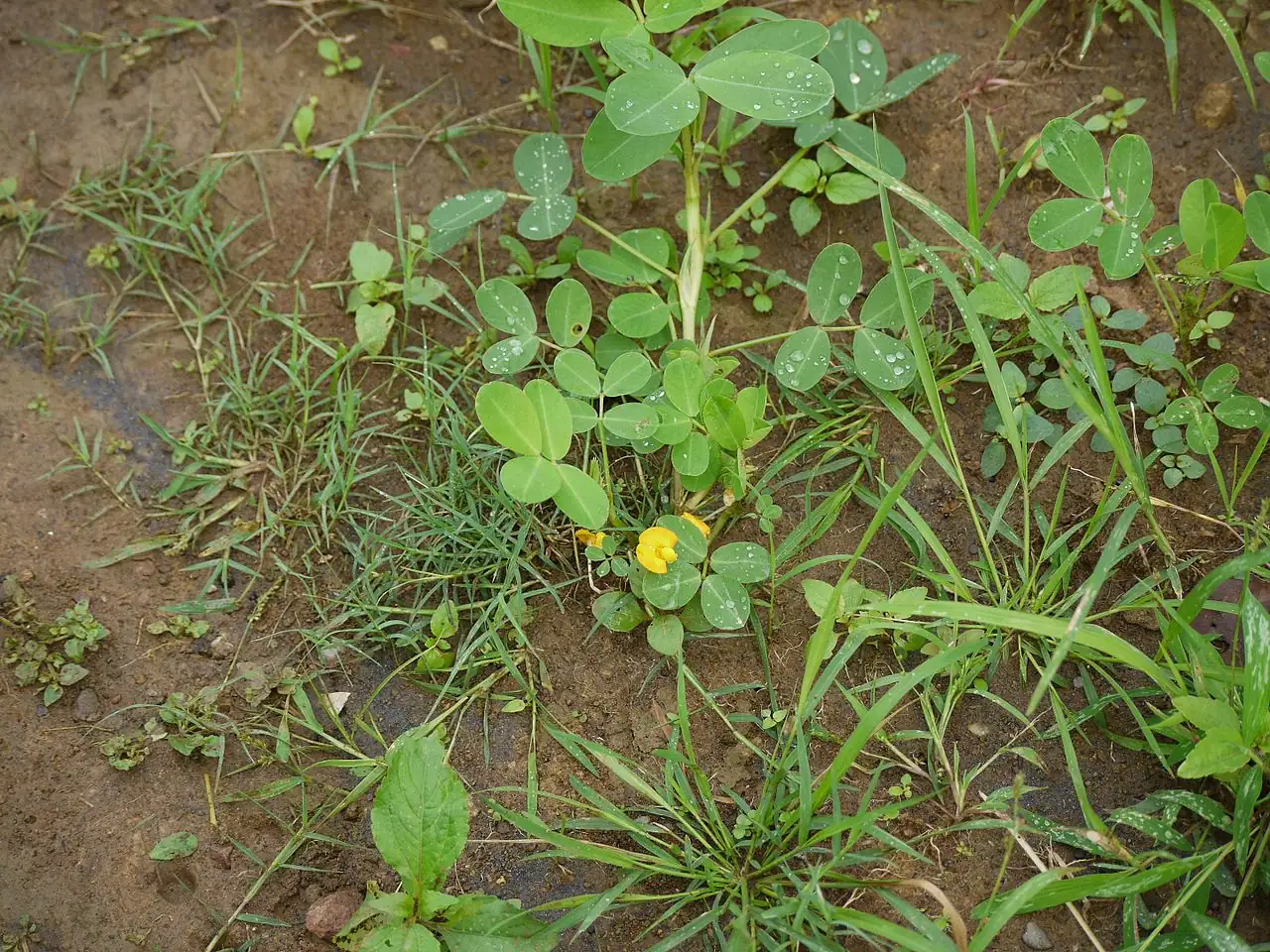
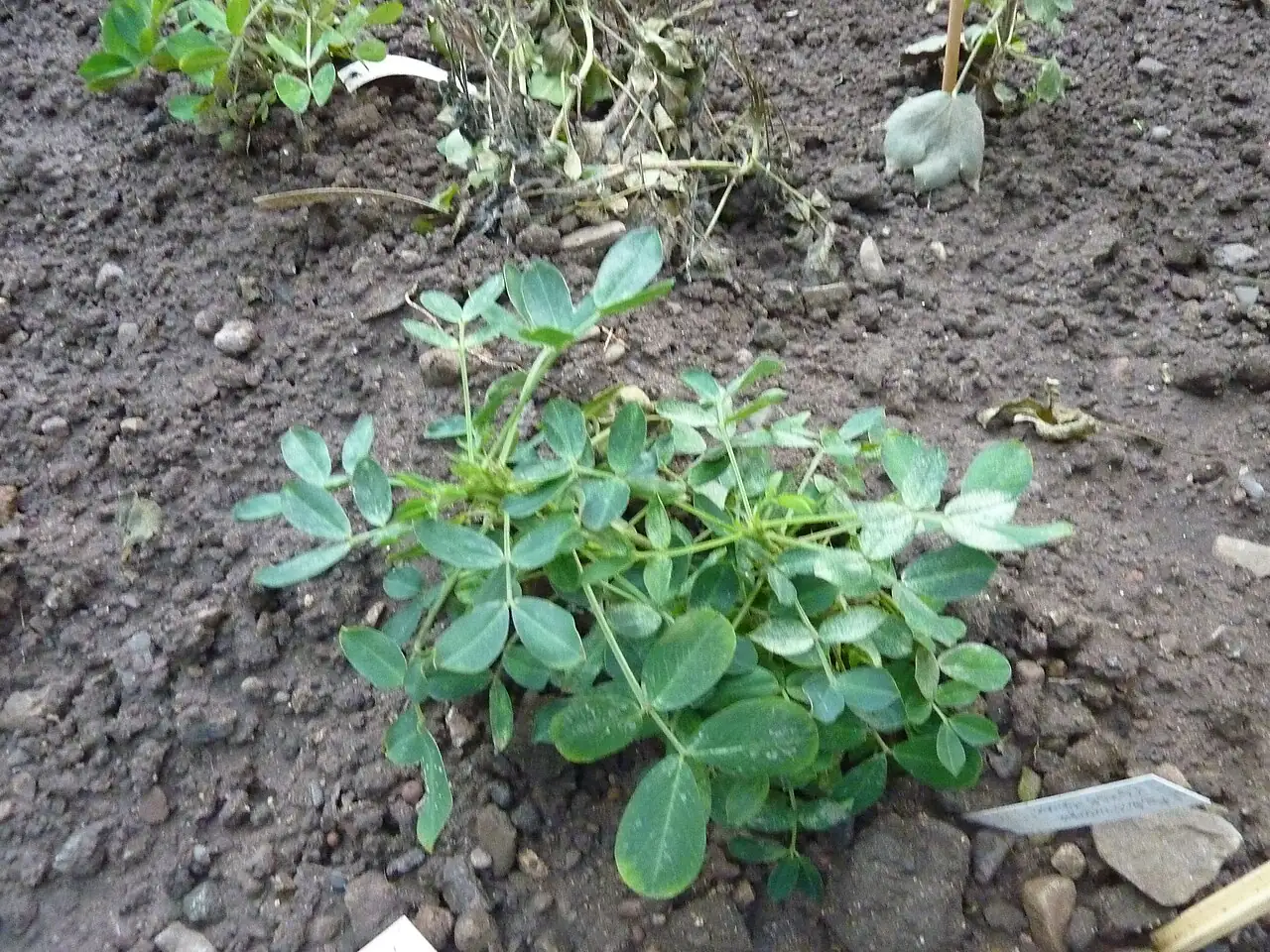
- Size: Typically 20–80 cm (8–31 in) tall, often with a low, spreading habit depending on cultivar and growing conditions.
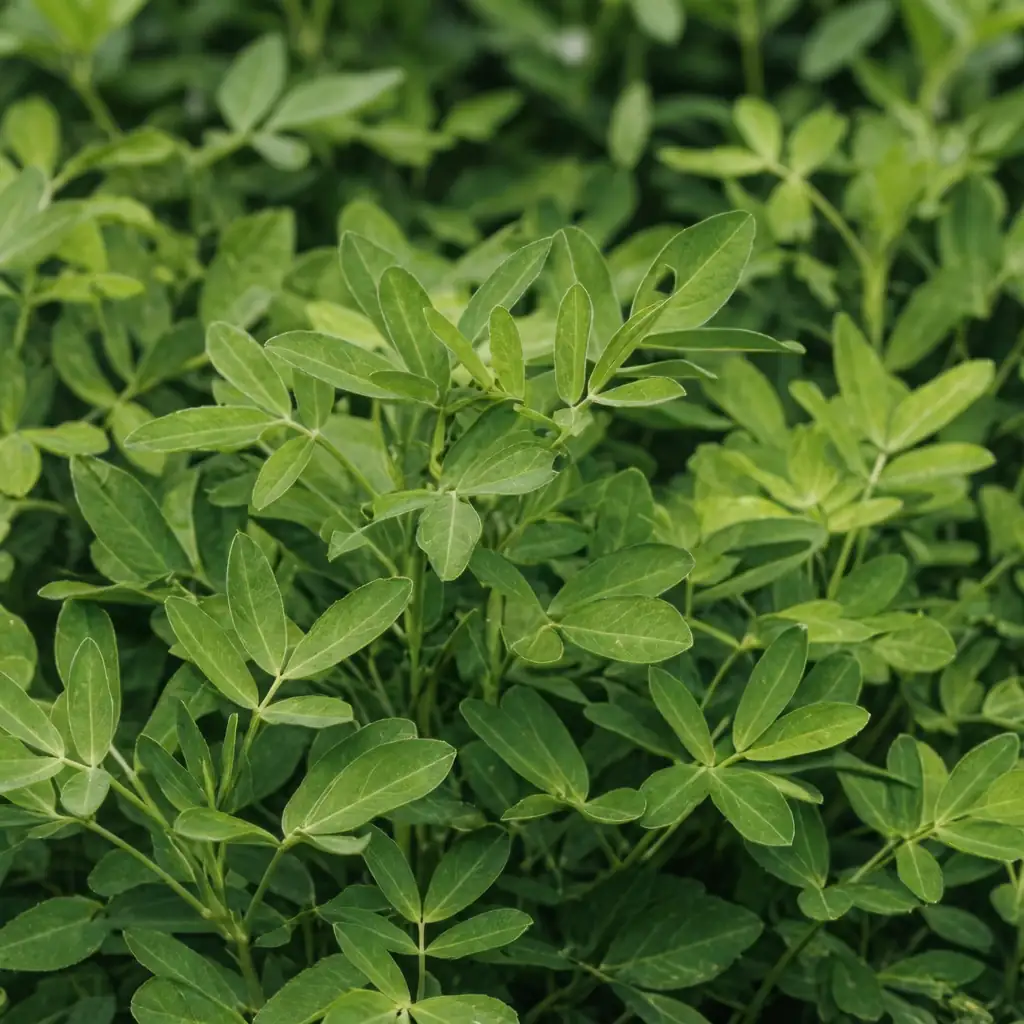
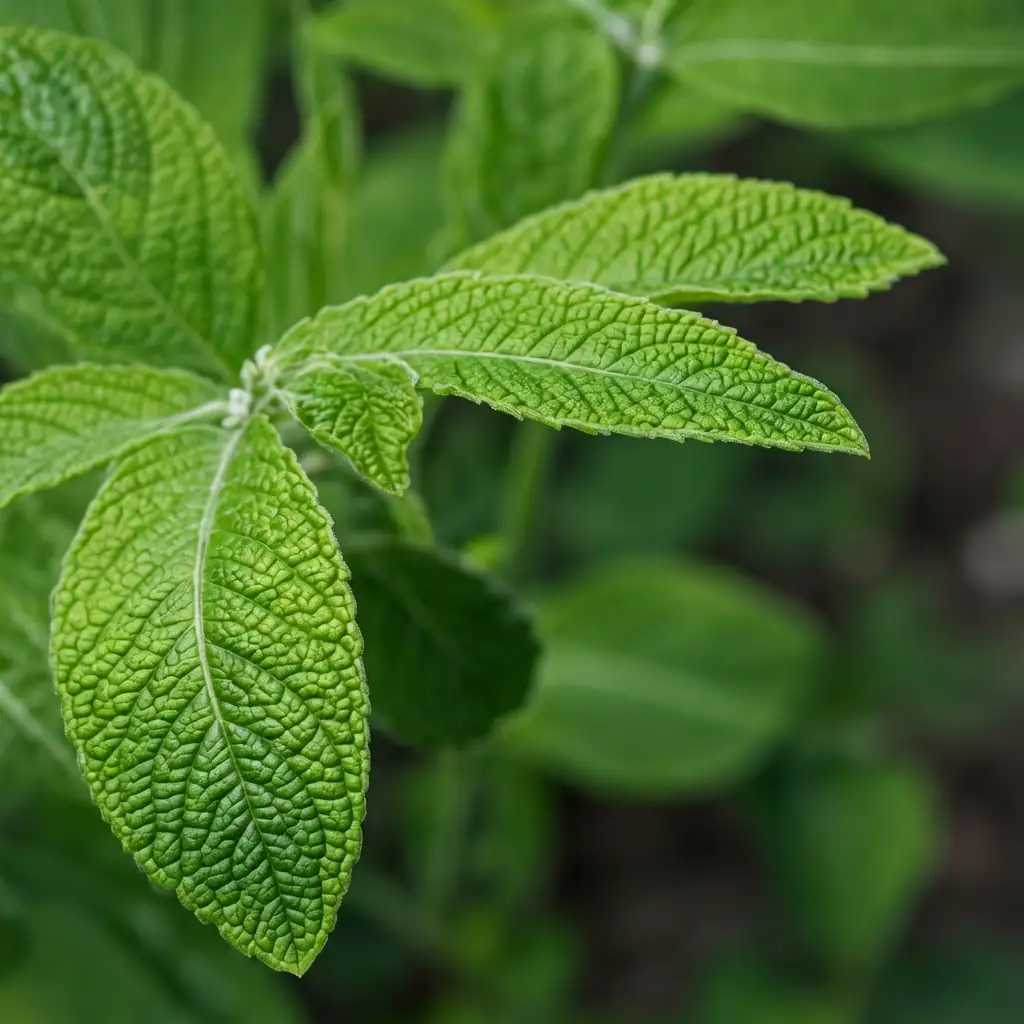
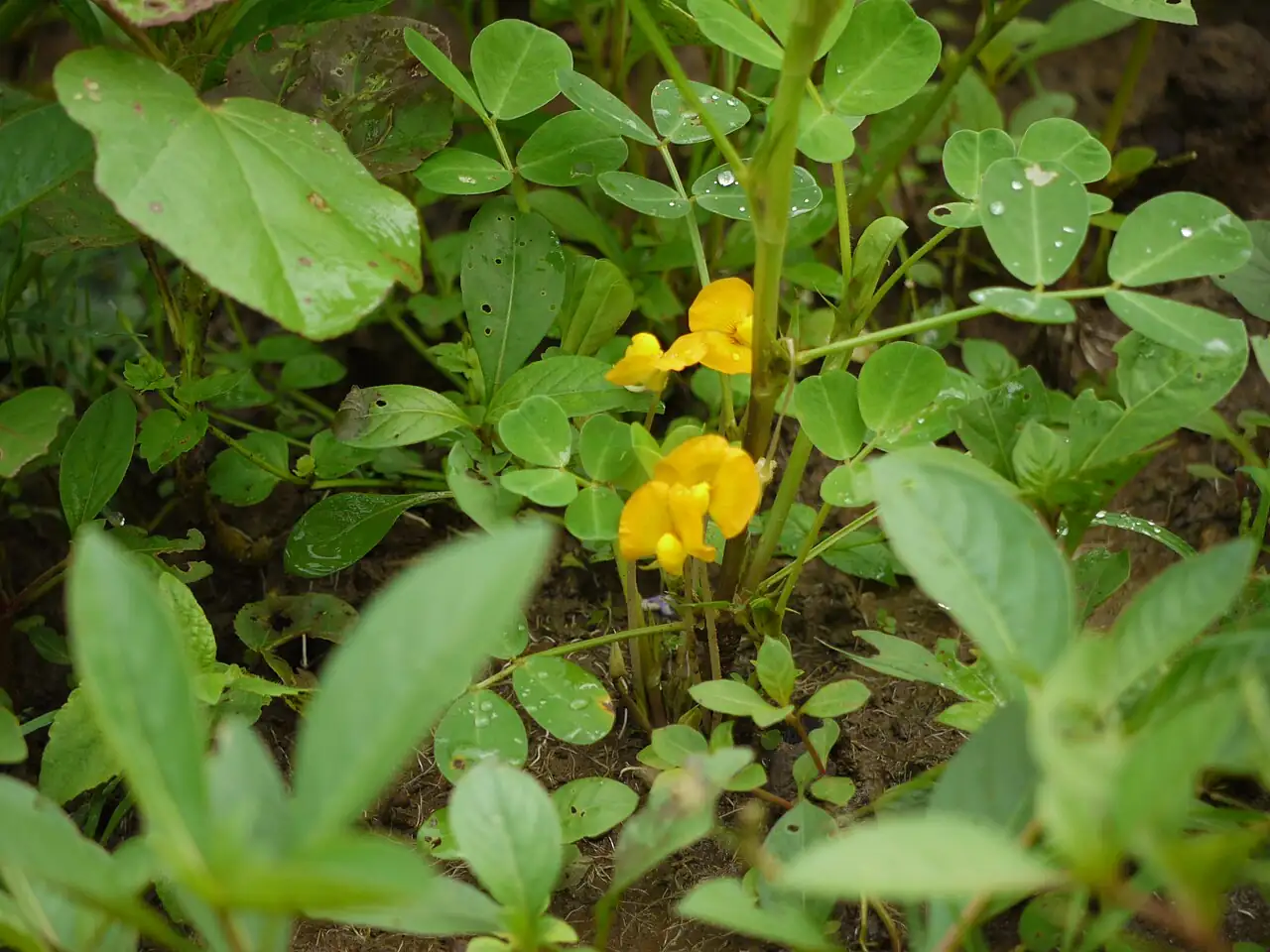
- Foliage: Leaves are compound, usually with two pairs of oval to obovate leaflets. The foliage is often softly hairy, giving it a slightly fuzzy look and feel. Stems are branched and may show subtle angles or ridges.
- Flower: Small, pea-like flowers about 8 mm (0.3 in) long, usually yellow to golden yellow. After pollination, a slender stalk (the “peg”) elongates and drills down into the soil; the pod then forms and swells underground.
- Flowering Season: June–August (summer in warm-temperate climates)
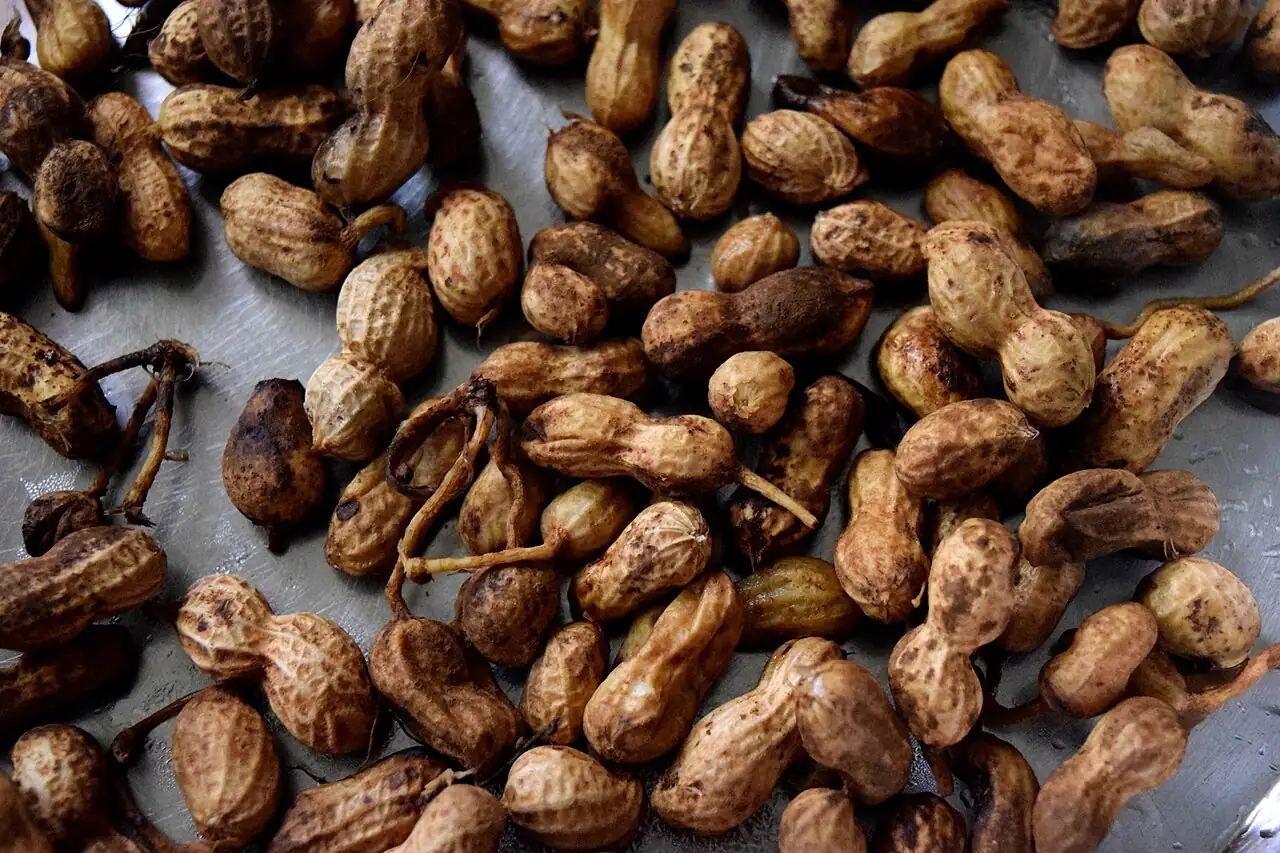
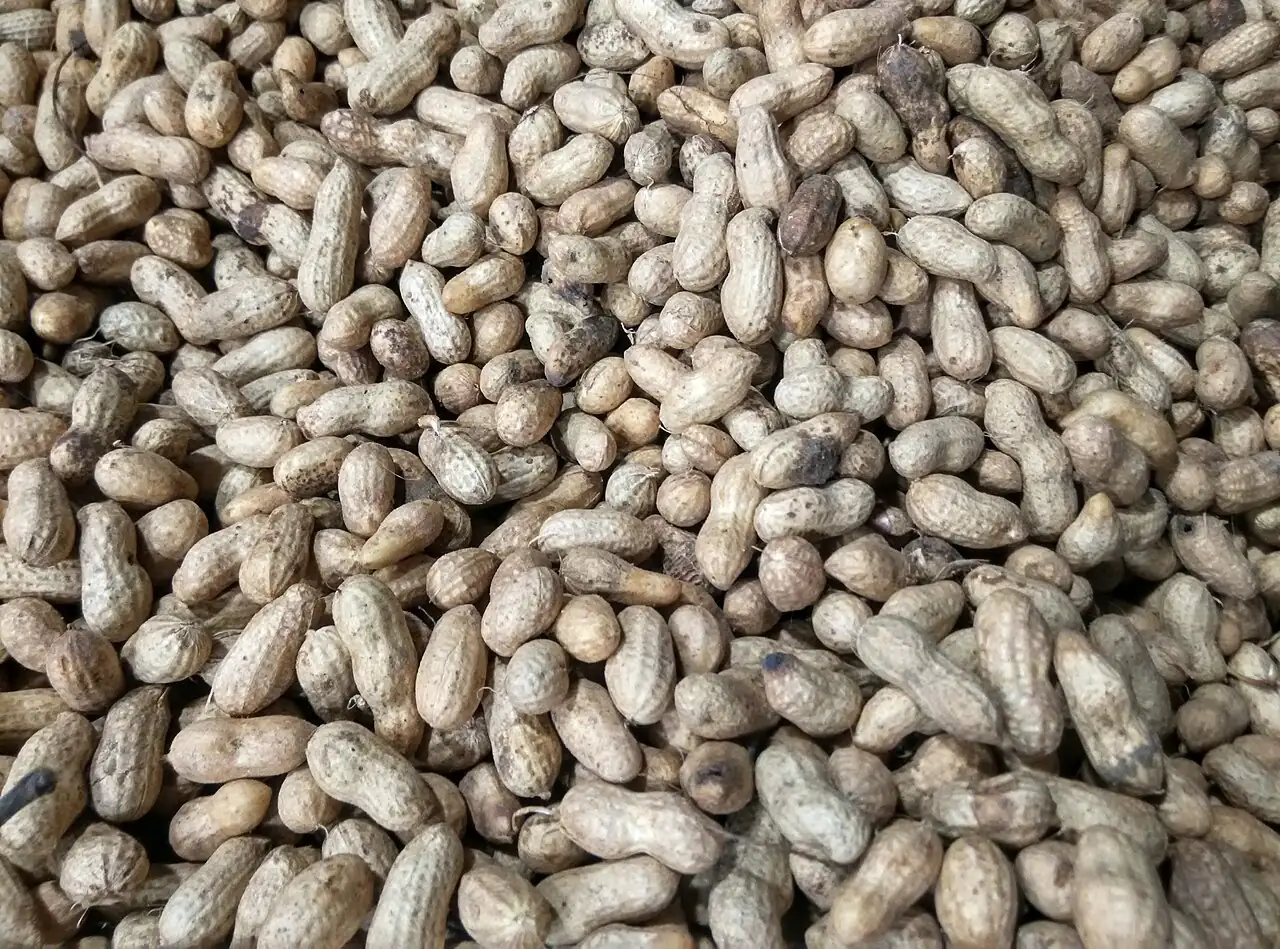
- Growth Habit: Annual herbaceous legume with a spreading, branched form. Forms root nodules with nitrogen-fixing bacteria; produces thick-walled, swollen pods that mature beneath the soil surface.
Environment
Sunlight
Full sun for best flowering and pod set—aim for at least 6–8 hours of direct sun per day.
Temperature
Warm-season crop; grows best around 20–30°C (68–86°F). Very sensitive to frost—plant only after all frost risk has passed and soils have warmed.
Humidity
Prefers moderate humidity and a well-timed watering/rain pattern: steady moisture during flowering and early pod set, then relatively drier conditions closer to harvest to reduce pod rot.
Soil
Light, loose, well-drained sandy or sandy-loam soil so pegs and pods can penetrate easily. Avoid heavy, compacted clay or waterlogged ground.
Placement
Outdoor field beds, raised beds, or large containers placed in a warm, sunny location. Ensure the soil/mix is deep and loose enough for underground pod development.
Hardiness
Frost-tender annual; typically grown as a warm-season crop (often in USDA Zones 8–11, or as a summer annual elsewhere).
Care Guide
Difficulty
Moderate. Easy to sprout and grow leafy growth, but a good harvest depends on consistent warmth, full sun, loose soil, and a sufficiently long frost-free season.
Buying Guide
For planting, choose fresh, viable seed peanuts (or raw, unroasted peanuts with intact skins). Avoid roasted or salted peanuts. If your summers are shorter, look for early-maturing cultivars to improve the chance of a full crop.
Watering
Water regularly during flowering and early pod set, keeping soil evenly moist but never soggy. As pods mature and harvest approaches, reduce watering to lower the risk of mold and rot. In containers, let the top 2–5 cm (1–2 in) dry slightly between waterings.
Fertilization
Peanuts need relatively little nitrogen because they are legumes. Mix in compost or apply a balanced fertilizer at planting. Ensure calcium is available during pegging and pod fill (gypsum is commonly used if soil calcium is low). Avoid heavy nitrogen feeding, which can encourage leafy growth at the expense of pods.
Pruning
Usually unnecessary. Remove damaged or diseased growth, and keep weeds under control so pegs can reach the soil surface easily.
Propagation
By seed. Sow after frost once soil is warm. Plant about 2.5–5 cm (1–2 in) deep, spacing roughly 10–20 cm (4–8 in) apart depending on cultivar.
Repotting
Generally not repotted. If growing in containers, start in the final deep pot to avoid disturbing roots and developing pegs; use a loose, well-draining mix.
📅 Seasonal Care Calendar
Spring: sow after frost in warmed soil. Summer: keep soil evenly moist during flowering/pegging; keep beds loose and weed-free. Late summer to early fall: reduce watering as plants yellow; harvest before frost when pods are mature, then cure/dry in a warm, airy place.
Pests, Diseases & Safety
Common Pests & Diseases
Watch for aphids, thrips, and leaf-feeding caterpillars. Fungal problems such as leaf spots, rust, and soil-borne rots are more likely in humid weather or poorly drained soils. Helpful practices include crop rotation, good spacing/airflow, clean seed, well-drained soil, and avoiding overhead watering late in the day.
Toxicity
Not toxic as a food plant, but peanuts are a major human allergen and can trigger severe reactions. Proper drying and storage are important—damp storage can lead to aflatoxin contamination. Keep peanut products away from pets if allergies are a concern; high-fat foods can also upset some animals’ digestion.
Culture & Symbolism
Symbolism: Often linked with abundance, nourishment, and a kind of “grounded prosperity,” thanks to its reliable yields and hidden underground pods.
History & Legends: Originally domesticated in South America, peanuts spread globally through trade and became a major food and oil crop. Today they’re extensively cultivated in China, with Shandong noted as one of the largest production areas.
Uses: Grown for edible seeds and as a major source of vegetable oil; used widely in snacks and cooking. As a nitrogen-fixing legume, it can also play a soil-improving role in crop rotations.
FAQ
Why do peanuts form underground?
After pollination, the plant produces a “peg” that grows downward into the soil; the pod then develops and matures underground—a signature trait of Arachis hypogaea.
Can peanuts be grown in containers?
Yes. Use a deep, wide container with a loose, sandy, well-draining mix so pegs can enter the soil. Provide full sun and a long, warm growing season for the best yield.
Fun Facts
- Peanut roots form nodules that house nitrogen-fixing bacteria, helping enrich the soil.
- The flowers are tiny—about 8 mm (0.3 in)—and usually yellow to golden yellow.
- In warm-temperate climates, flowering and early pod development often peak in summer (around June–August).
- Peanuts are widely cultivated across China; Shandong is a particularly important producing region.
- The common name “Groundnut” comes from the plant’s unusual habit of maturing its pods underground.