Plant Features
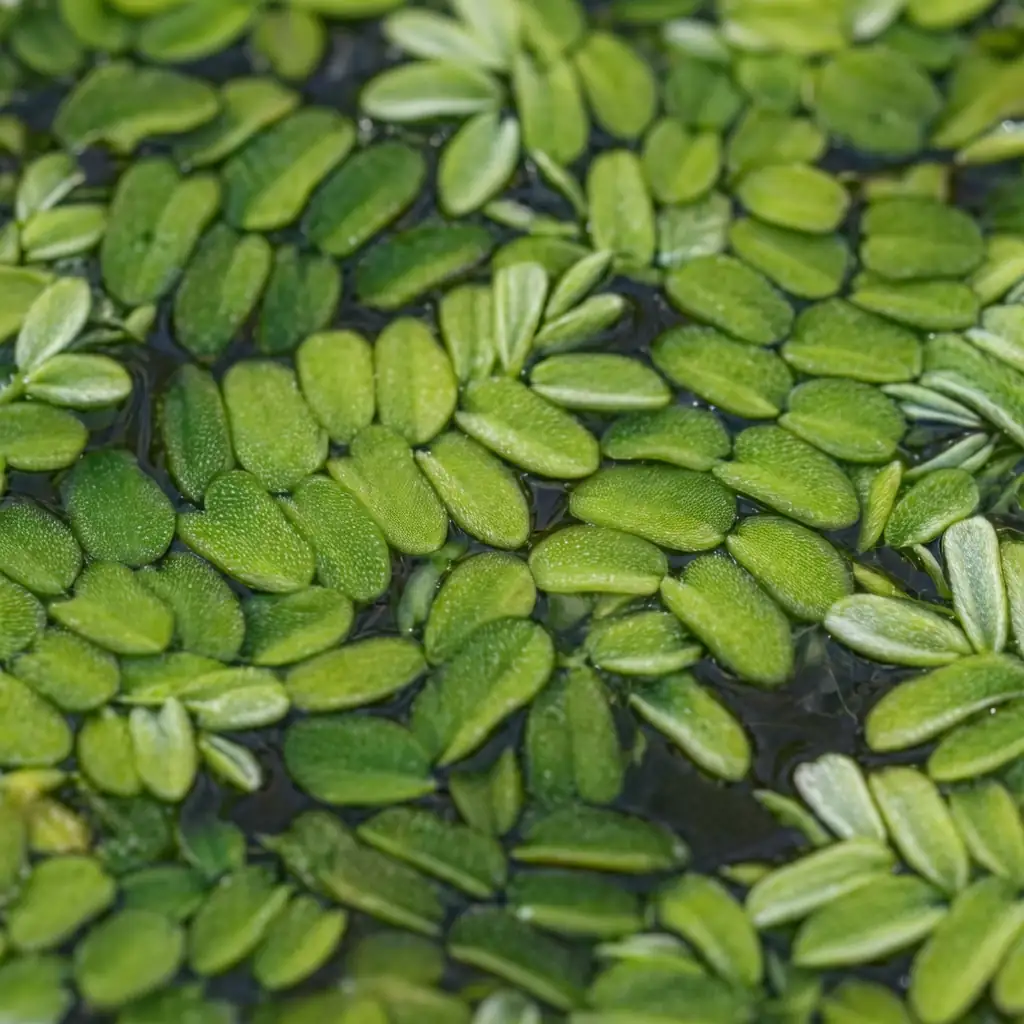
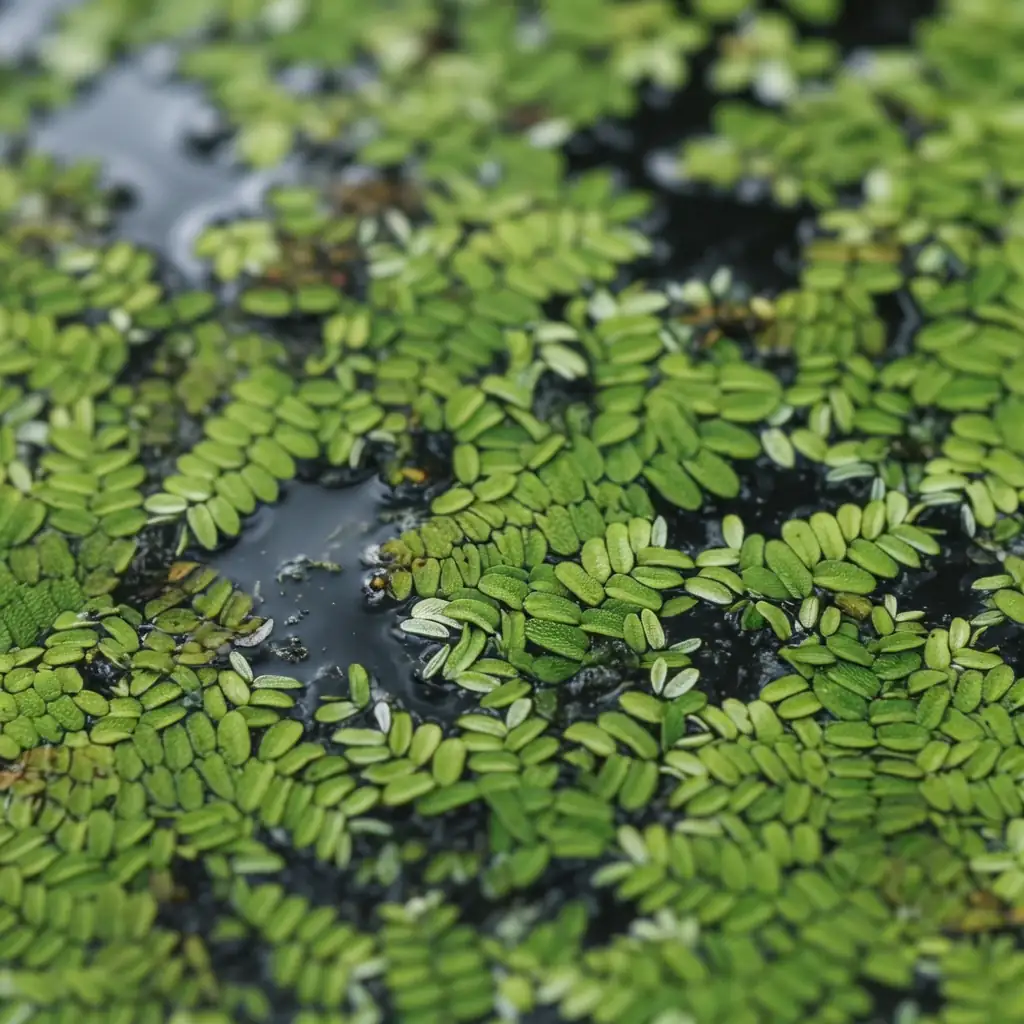
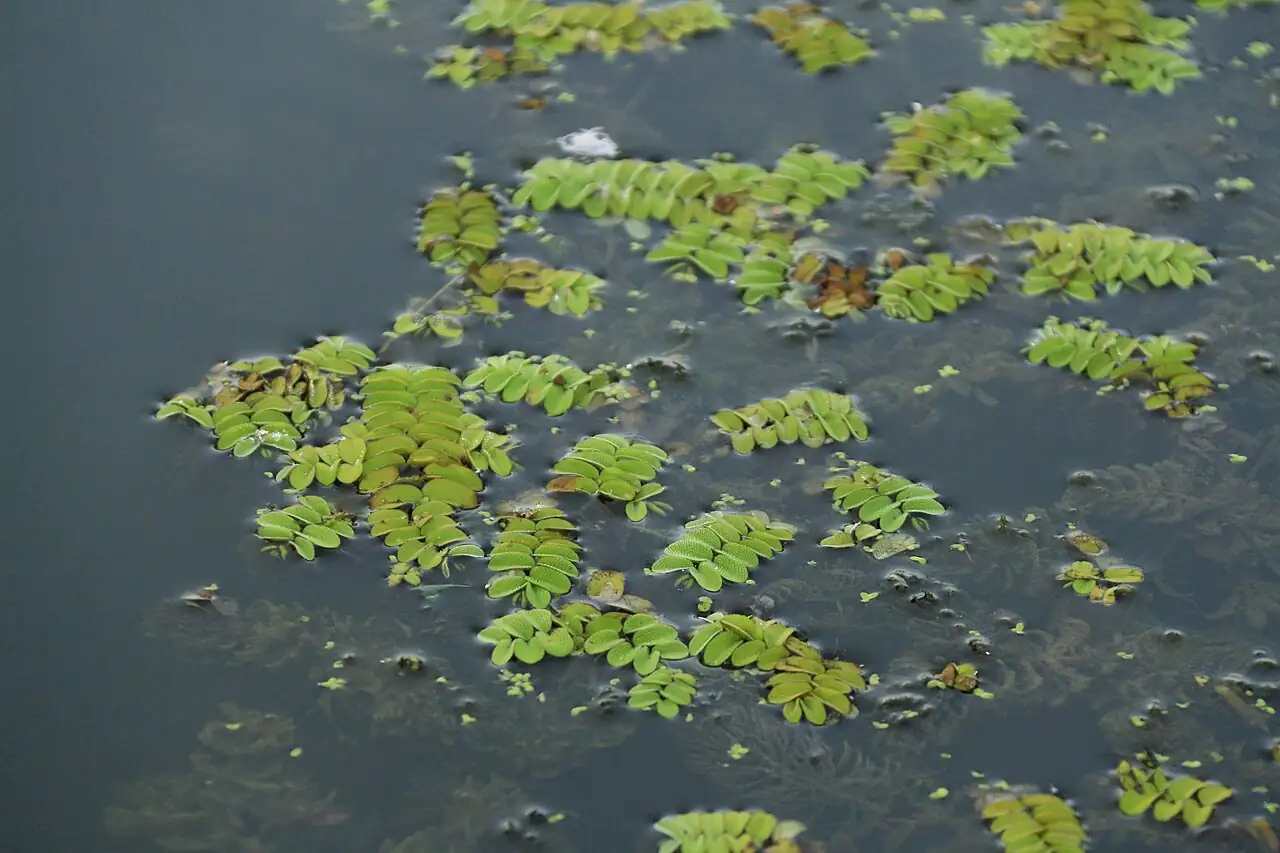
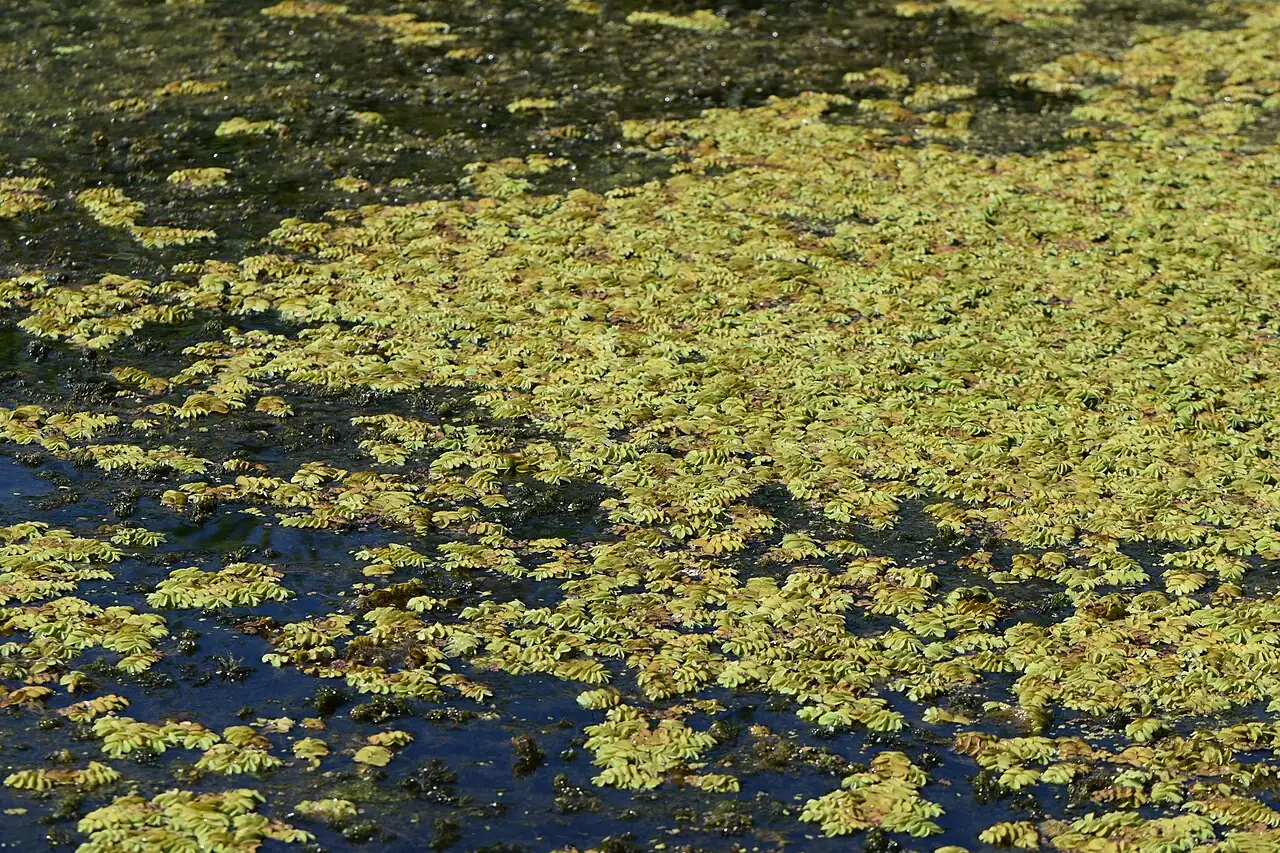
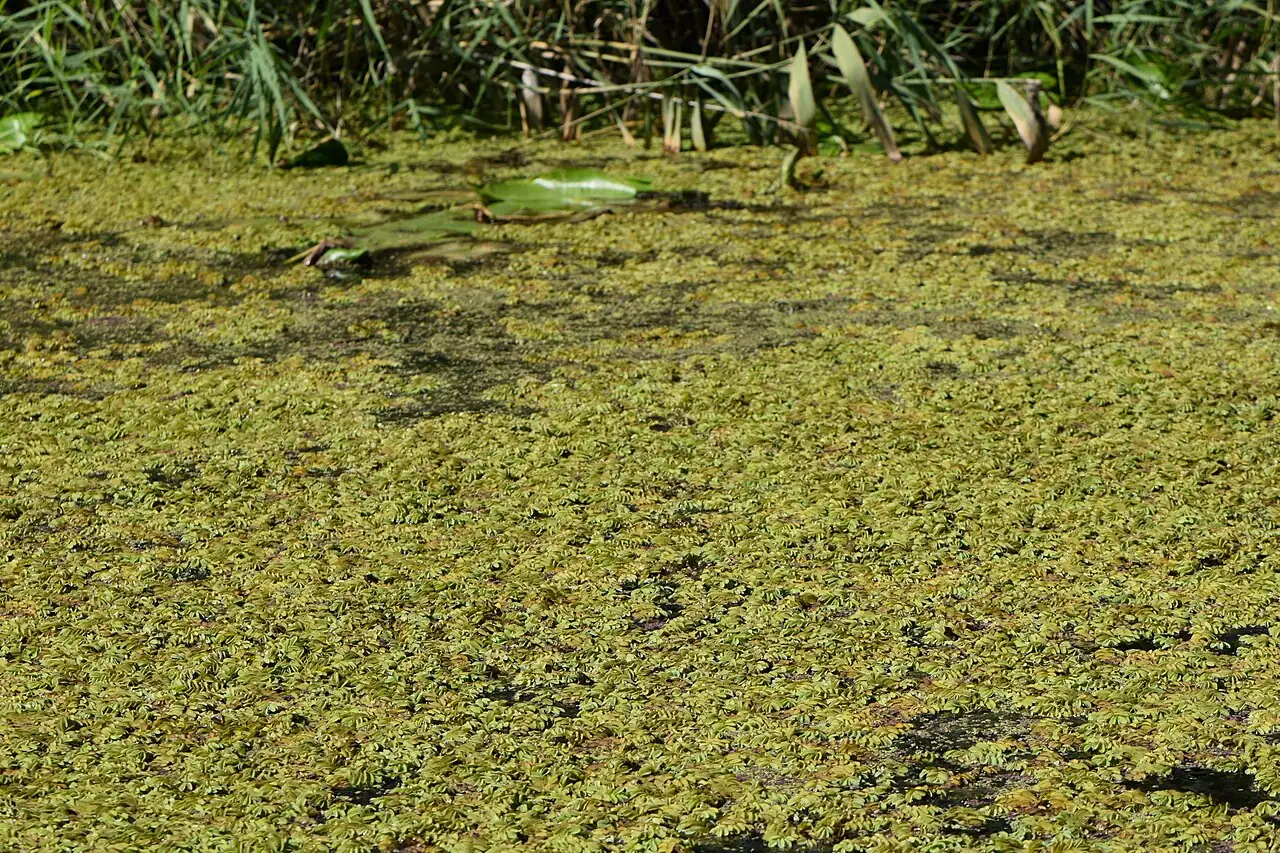
- Size: Perennial, free-floating aquatic fern with slender creeping stems and no true roots. Individual floating fronds are typically a few millimeters to about 2 cm (0.1–0.8 in) long, and colonies can expand into broad mats across the water surface.
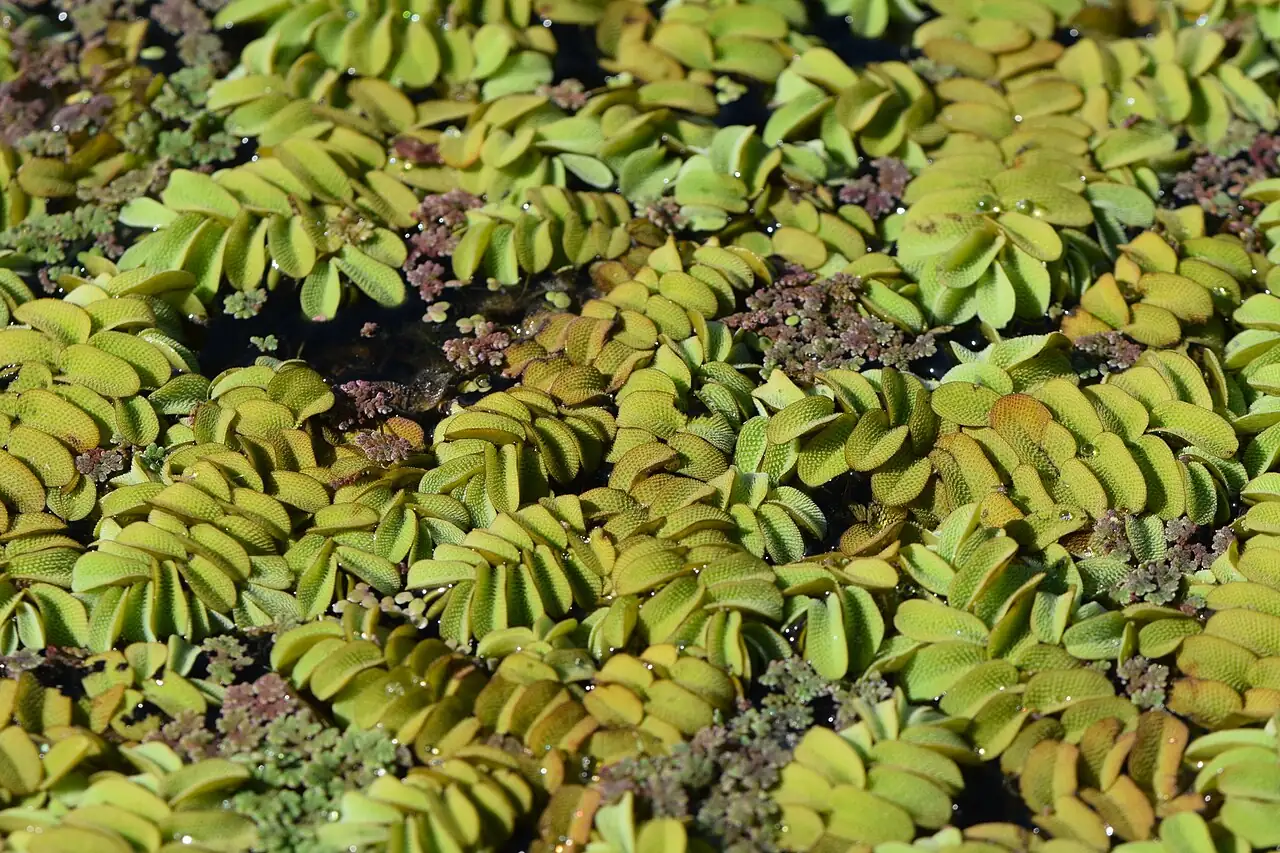
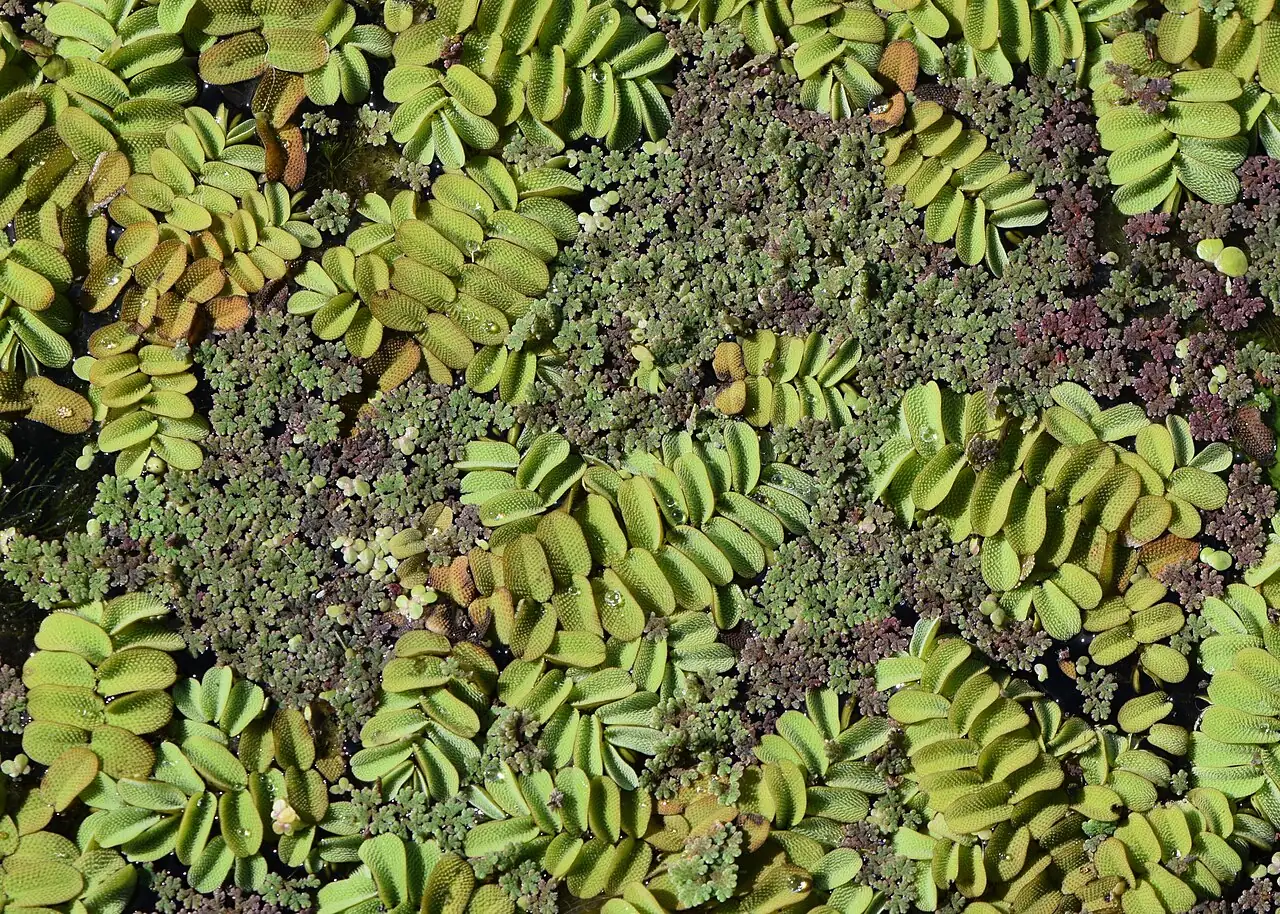
- Foliage: Fronds are arranged in whorls of three along the creeping stem: two floating fronds ride on the water surface in opposite rows, often giving a neat, feathered or ladder-like pattern. Their upper surface carries short, stiff hairs and small, regularly arranged wart-like bumps between the lateral veins. The third frond hangs below the surface and is finely divided into threadlike segments, mimicking roots.
- Flower: This is a fern, so it does not flower. Instead, it produces spore-bearing structures (sporocarps) that are nearly spherical and clustered near the base of the submerged frond. The sporocarps do not split open and contain several megasporangia, typically with one megaspore per megasporangium.
- Flowering Season: Spore production: May–June (5–6); sporocarps often noted July–August (7–8).
- Growth Habit: Free-floating, mat-forming aquatic fern with slender creeping stems (often with brownish hairs). Best in warm, bright conditions over still or gently moving freshwater.
Environment
Sunlight
Full sun to bright light for best growth. In very hot climates, light shade during peak afternoon sun can reduce stress.
Temperature
Warm-loving; about 18–30°C (64–86°F) for active growth. Sensitive to frost and slows markedly in cool water.
Humidity
Aquatic plant—humidity is effectively provided by its water habitat; it must remain floating on water rather than grown in potting mix.
Soil
Not soil-dependent because it is free-floating, though it commonly occurs above muddy/silty bottoms in rice paddies, ditches, ponds, and slow streams.
Placement
Ideal for still or gently moving freshwater: ponds, water gardens, rice paddies, ditches, and quiet stream/pond margins. Works well as a decorative surface cover when managed so it doesn’t blanket the entire surface.
Hardiness
Not frost-hardy. Often treated as a warm-season outdoor aquatic in temperate climates, or grown year-round outdoors only where winters are mild and frost-free.
Care Guide
Difficulty
Easy when its basics are met: calm water, warmth, and strong light. Problems usually come from cold snaps, fast-moving/aerated water, or poor water quality.
Buying Guide
Pick plants with bright green, firm floating fronds and no mushiness, bad odor, or heavy browning. Check carefully for hitchhiking pests. If buying for outdoor use, confirm local rules—some Salvinia relatives are regulated in certain regions due to invasive potential.
Watering
No traditional watering—simply keep it floating on clean, calm freshwater. Maintain a stable water level, and avoid strong aeration/currents that can shred or sink the mat.
Fertilization
Often unnecessary in nutrient-rich ponds. In very clean, nutrient-poor water, a very low-dose aquatic fertilizer can help—go slowly and monitor to avoid algae blooms.
Pruning
Skim and thin regularly to prevent total surface coverage. Keeping open water helps oxygen exchange and allows light to reach submerged plants and aquatic life.
Propagation
Mostly by vegetative fragmentation—small pieces readily form new colonies. It can also reproduce by spores via sporocarps seasonally, though gardeners usually rely on division/fragmentation.
Repotting
Not applicable (free-floating). In tubs or containers, periodically refresh water and remove decaying bits to keep the system clean.
📅 Seasonal Care Calendar
Spring: introduce outdoors once frost danger passes and water warms. Summer: fastest growth—thin frequently and provide strong light. Autumn: growth slows—remove excess biomass to prevent decay. Winter: protect from cold; in cold climates, overwinter indoors in a warm, bright container of water.
Pests, Diseases & Safety
Common Pests & Diseases
Usually trouble-free. Possible issues include aphids or other small sap-feeders on the floating fronds, plus rot/melting triggered by cold water, stagnant decay, or poor water quality. Remove damaged material and correct conditions; use pond-safe controls only if needed.
Toxicity
Not widely documented as toxic to people or pets, but it’s not a food plant. Discourage pets from eating large quantities, and do not dump it into natural waterways where it could spread.
Culture & Symbolism
Symbolism: Often linked with calm water, simplicity, and the quiet charm of freshwater gardens.
History & Legends: A familiar floating fern in East Asian freshwater habitats, especially in rice-field and ditch ecosystems where it naturally forms surface mats.
Uses: A decorative, texture-rich surface plant for ponds and water gardens. In balanced setups it may help with water management by taking up dissolved nutrients and providing shade that can reduce algae pressure—best results come from regular thinning and good overall pond care.
FAQ
Does water spangles have roots?
No—it’s rootless. The “rooty” part is actually a submerged frond divided into threadlike segments.
Why is it turning brown or falling apart?
Most often from cold water, poor water quality (decay buildup), or too much current/aeration. Move it to warmer, cleaner, calmer water with bright light and remove damaged pieces.
Will it cover my entire pond?
It can spread quickly in warm, still, nutrient-rich water. Thin it regularly to maintain open water for gas exchange and to keep light available for other plants.
Fun Facts
- It’s a floating fern with no true roots—its underwater “roots” are actually a modified frond.
- Its fronds come in threes: two float on the surface while the third hangs below like a delicate tassel.
- The floating fronds have a distinctive texture with stiff hairs and neatly arranged tiny bumps between veins.
- Instead of flowers, it makes small, nearly spherical sporocarps that hold the spores for reproduction.
- In the right conditions it can form a living green quilt across the water—pretty, but best kept in check.