


Plant Features
- Size: Typically 2–8 m (6.6–26.2 ft) tall, depending on cultivar and pruning.
- Foliage: Young twigs are reddish-brown to brownish green. Leaves are narrow, lance-shaped, and finely serrated along the edges.
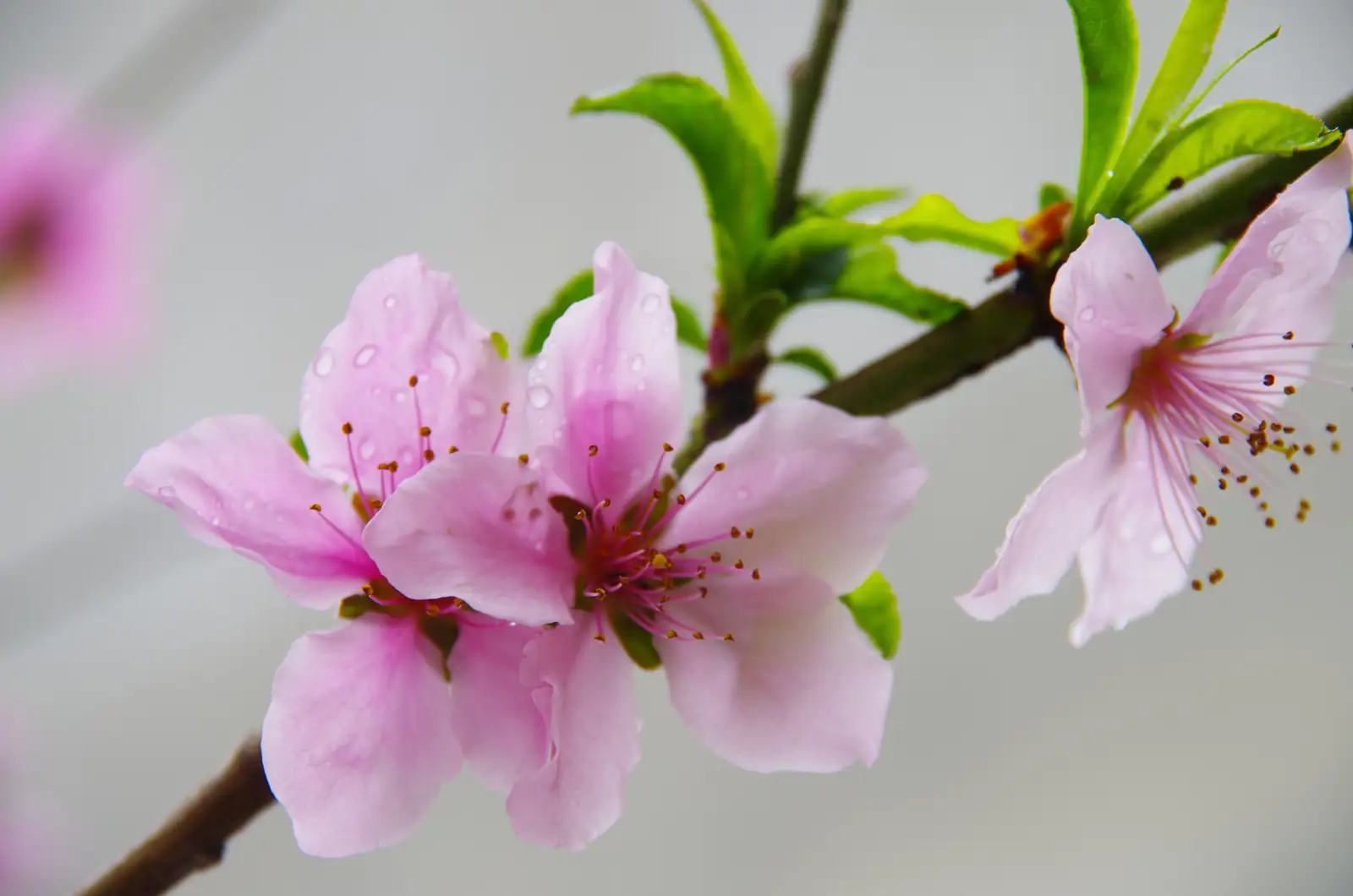
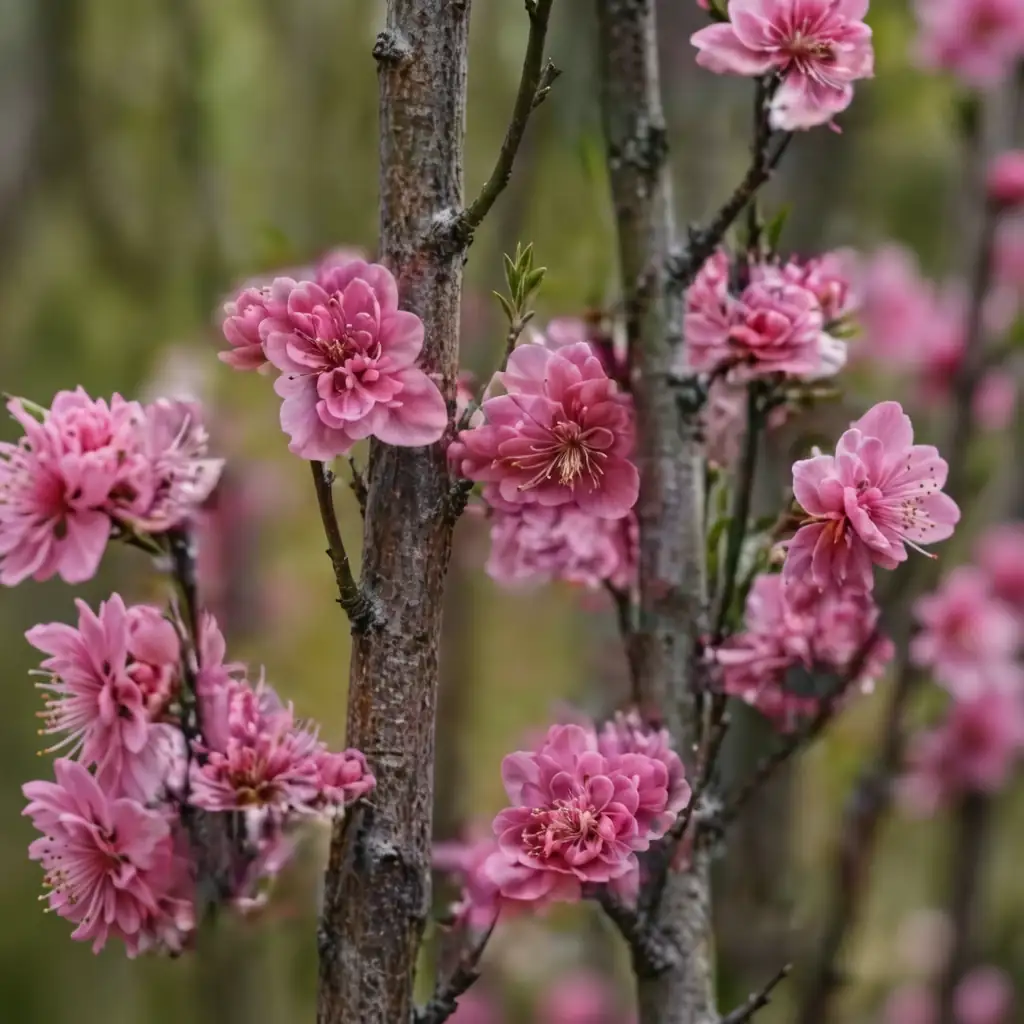
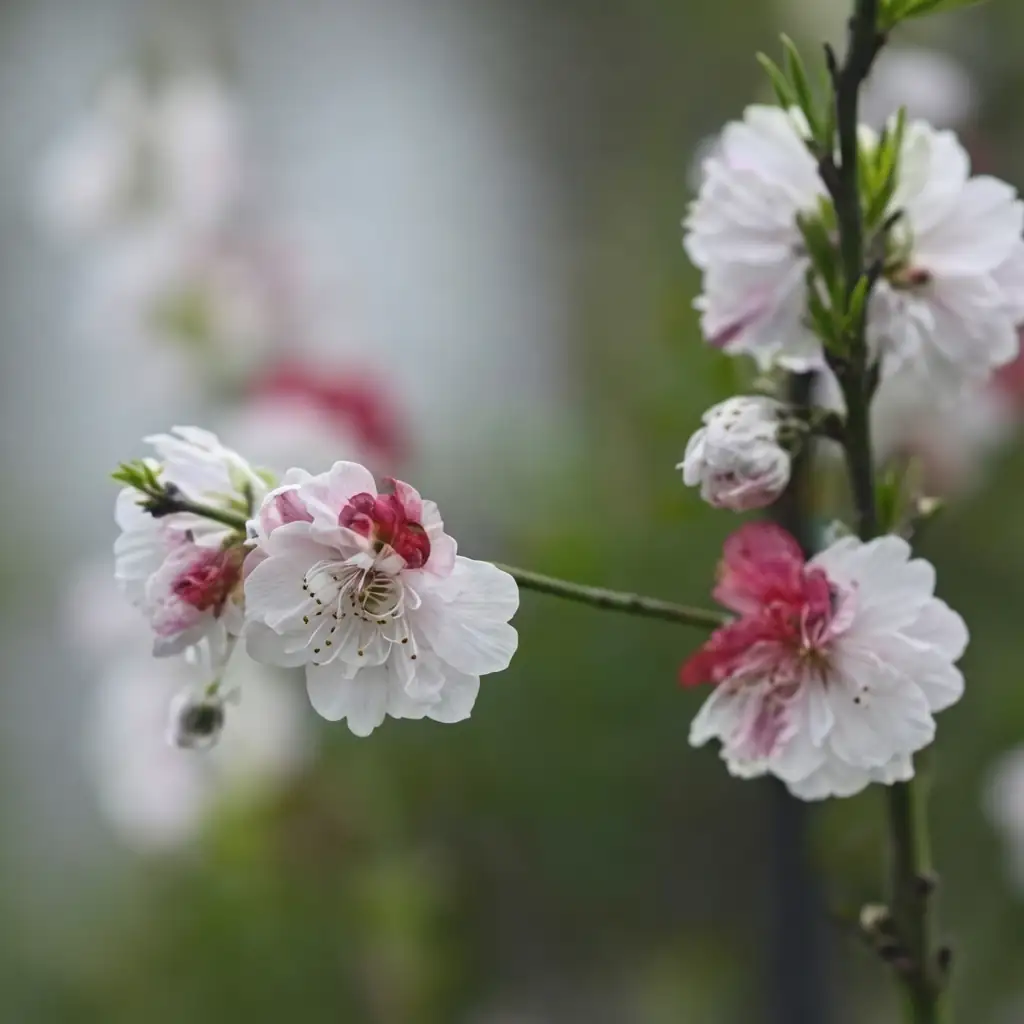
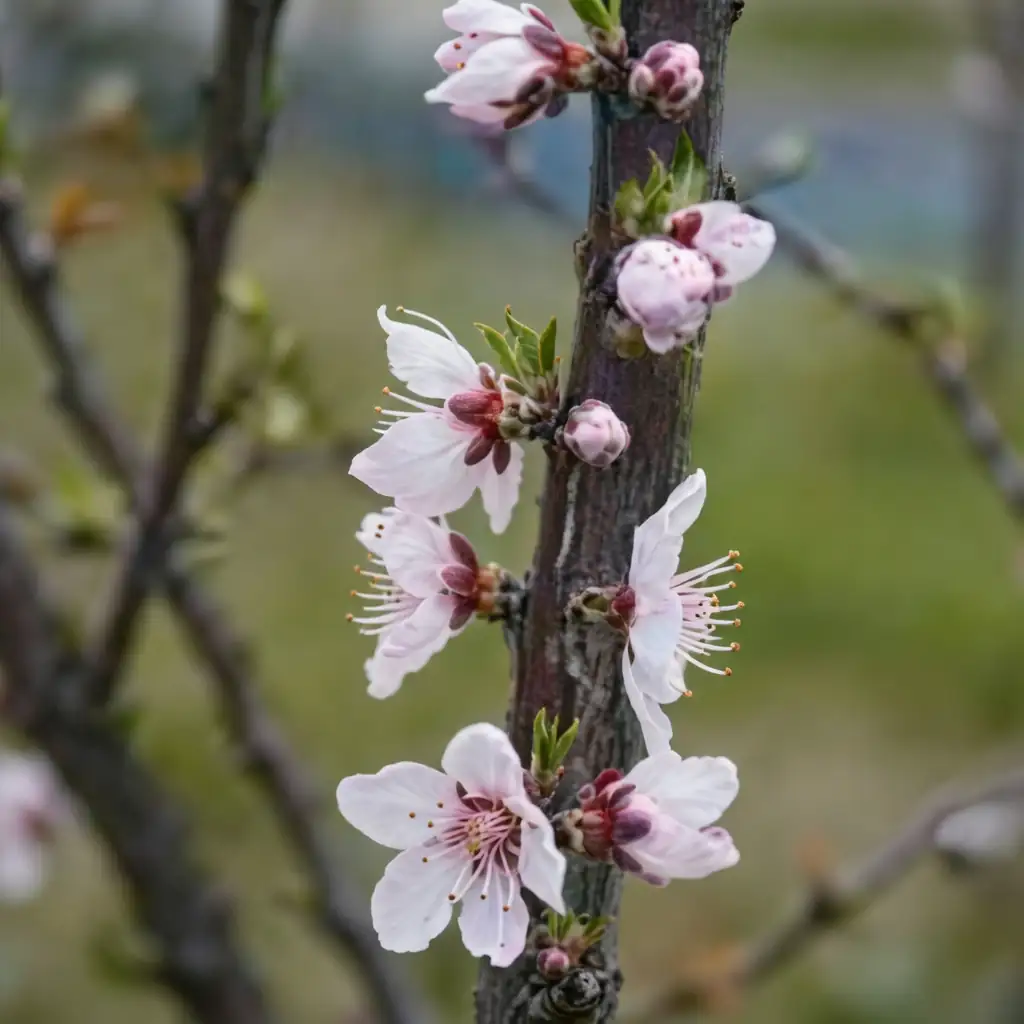
- Flower: Showy, usually single pink flowers open on bare wood before the leaves emerge, creating a bright early-spring display.
- Flowering Season: March–April (early spring)
- Growth Habit: Deciduous, generally fast-growing small tree with a relatively short lifespan compared with many orchard trees; typically shallow-rooted.
Environment
Sunlight
Full sun; performs poorly in shade.
Temperature
Temperate-climate tree with good cold hardiness; needs winter chill for dependable flowering and fruiting (chill requirement varies by cultivar).
Humidity
Handles drier conditions once established; does best with moderate humidity and good airflow to help prevent fungal disease.
Soil
Adaptable to many soils (including relatively poor or slightly saline/alkaline soils) as long as drainage is excellent. Avoid waterlogged ground and sites with high groundwater.
Placement
Plant in an open, sunny position. Works well as a specimen tree or planted in rows/groups; often used on slopes, near ponds, or at woodland edges. Traditional plantings may pair peach with willows near water for a striking spring contrast.
Hardiness
Generally USDA Zone 5–9 (varies by cultivar); not tolerant of prolonged waterlogging.
Care Guide
Difficulty
Easy in the right climate. The keys are full sun, sharply drained soil, and consistent pruning to keep the canopy open and airy.
Buying Guide
Select a cultivar matched to your local winter chill and summer heat. Choose healthy nursery stock with a solid graft union, no signs of canker, and a well-branched framework; avoid trees with damaged roots or shriveled buds.
Watering
Water regularly while establishing. Once established, peach is fairly drought-tolerant, but steady moisture during the growing season improves fruit size and quality. Never let it sit in water—fast drainage is essential, and avoid sites with high groundwater.
Fertilization
Apply a balanced fertilizer in early spring. If the tree becomes overly leafy with poor fruiting, cut back on nitrogen. In containers or low-fertility soils, use lighter but more frequent feeding during the growing season.
Pruning
Prune every year during dormancy to maintain an open canopy (often trained to an open-center shape). Remove dead, diseased, crossing, and crowded branches. Thin fruit if the crop is heavy to improve fruit size and reduce limb breakage.
Propagation
Typically propagated by grafting or budding named cultivars onto suitable rootstocks; seedlings vary and won’t come true to type.
Repotting
Best grown in the ground. If kept in a large container, repot every 2–3 years (or root-prune and refresh the mix) in late winter to early spring, using a sharply draining potting mix.
📅 Seasonal Care Calendar
Flowering: March–April (early spring). Fruiting: June–August (summer). Prune during winter dormancy; monitor pests and diseases from spring through harvest, and remove fallen leaves and mummified fruit to reduce infection carryover.
Pests, Diseases & Safety
Common Pests & Diseases
Common problems include peach leaf curl, brown rot, powdery mildew, bacterial spot, aphids, scale insects, and fruit-boring moths/codling-type pests. Prevention focuses on full sun, good airflow, sanitation (especially removing mummified fruit), and timely dormant and in-season treatments where appropriate.
Toxicity
The fruit flesh is edible. The pits (seeds) and wilted leaves contain cyanogenic compounds and should not be eaten; keep away from pets and livestock. The tree may exude “peach gum,” which is traditionally used in foods and some herbal practices.
Culture & Symbolism
Symbolism: In Chinese culture, peaches are a famous symbol of longevity, blessings, and auspicious celebration—think of “longevity peaches” and mythical “immortal peaches.”
History & Legends: Peach has been cultivated in China for thousands of years, leading to a remarkable diversity of cultivars; globally, thousands of named varieties have been selected for flavor, texture, ripening season, and climate adaptation.
Uses: A major fruit crop for fresh eating and processing, and also a beloved ornamental for its spring bloom. In landscaping it can be used as a specimen, planted in avenues, or grouped for seasonal color—especially near water. Peach gum (a natural trunk exudate) has been used historically as an adhesive and is also eaten/used in traditional preparations in some regions.
FAQ
When does it flower?
Usually March–April (early spring), though timing shifts with local climate.
When does it fruit?
Most commonly June–August (summer), depending on the cultivar and growing conditions.
How tall does it usually grow?
Typically about 2–8 m (6.6–26.2 ft), strongly influenced by cultivar choice and pruning.
Where is it native and where is it grown?
It’s native to China and is now widely cultivated across China and in many regions around the world.
What growing conditions does it prefer?
Full sun, well-drained soil, and good airflow. It tolerates some drought once established and a range of soil types, but it strongly dislikes waterlogged ground or high groundwater.
Fun Facts
- Peach blossoms often open before the leaves, so the tree can look like a cloud of pink in early spring.
- There are thousands of named peach cultivars worldwide, bred for taste, texture, ripening time, and climate needs.
- Peach trees can produce a natural exudate called peach gum, traditionally used in foods and herbal preparations.
- In East Asian garden design, peaches are sometimes planted with willows near water for a classic pink-and-green spring contrast.


