

Plant Features
- Size:10–30 cm (4–12 in) tall; typically forms a small clump rather than a wide-spreading plant.
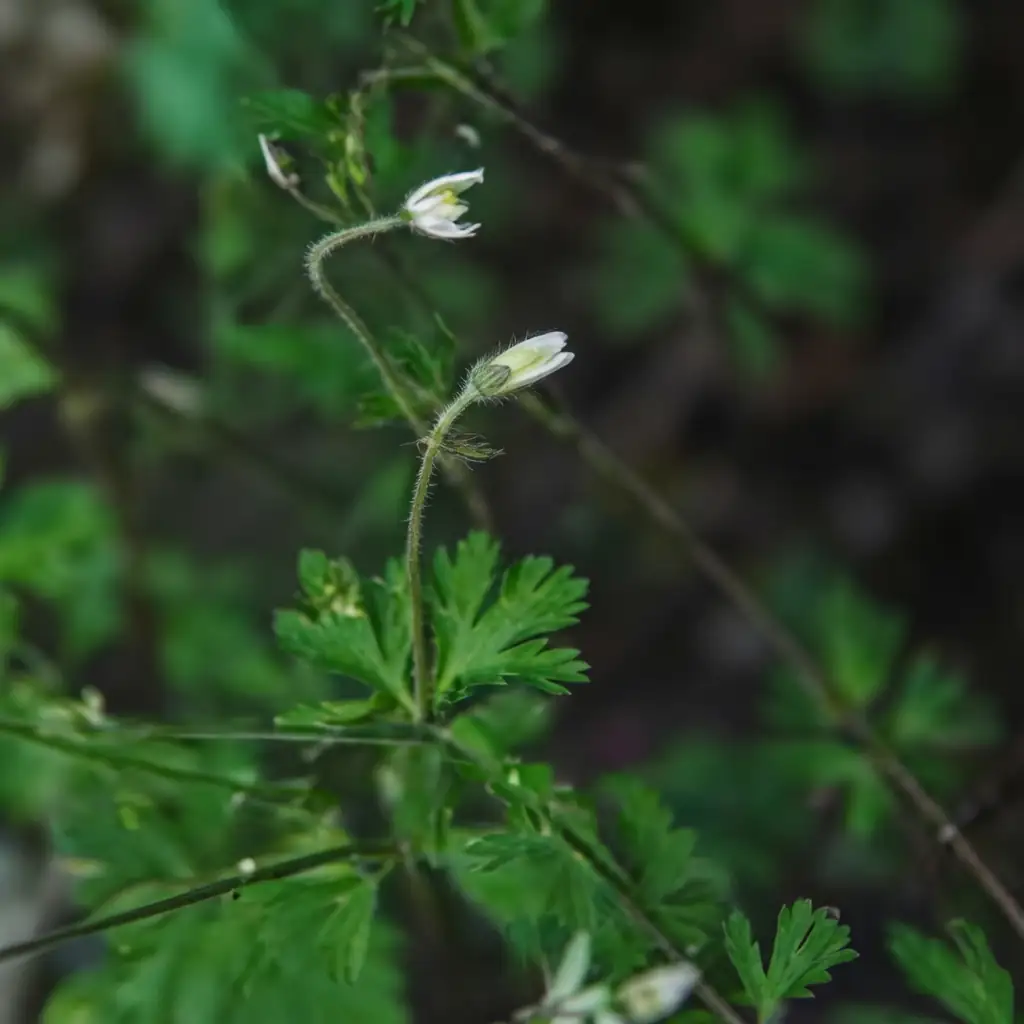
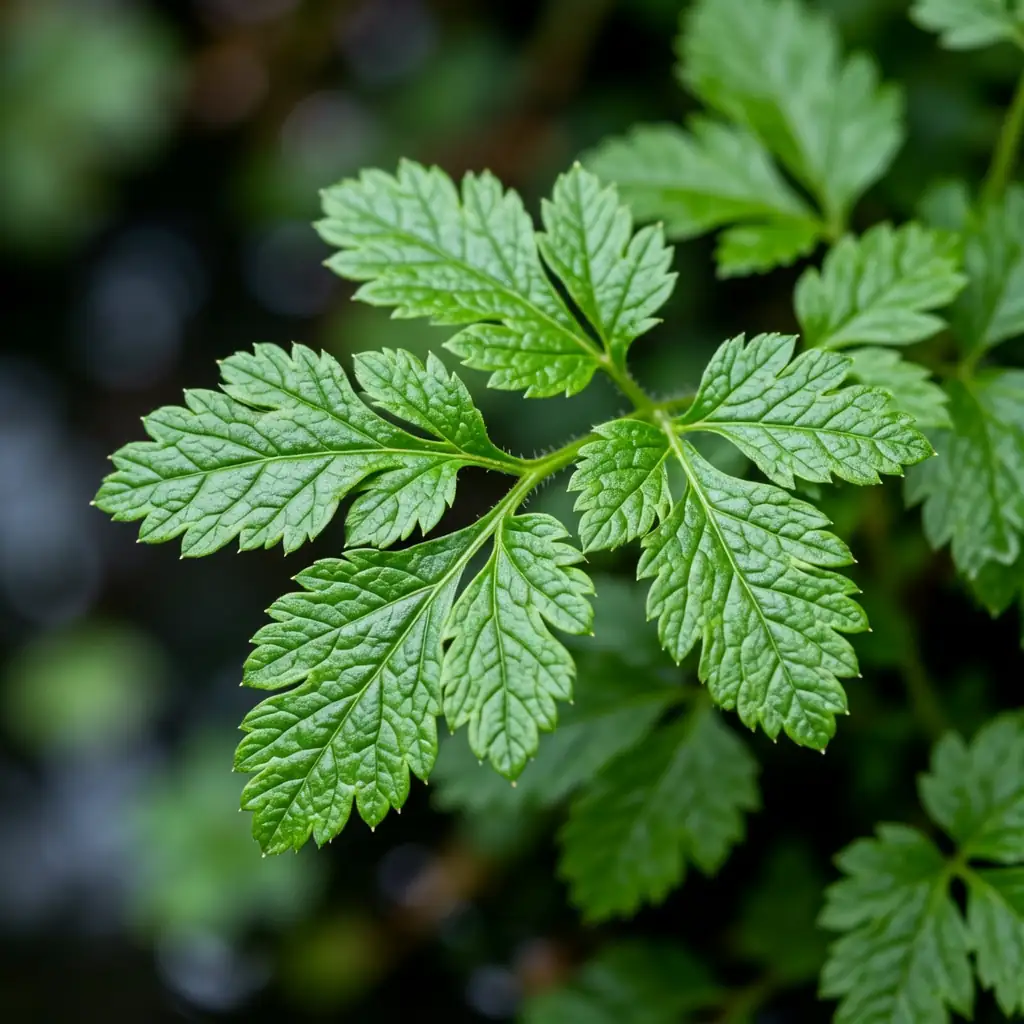
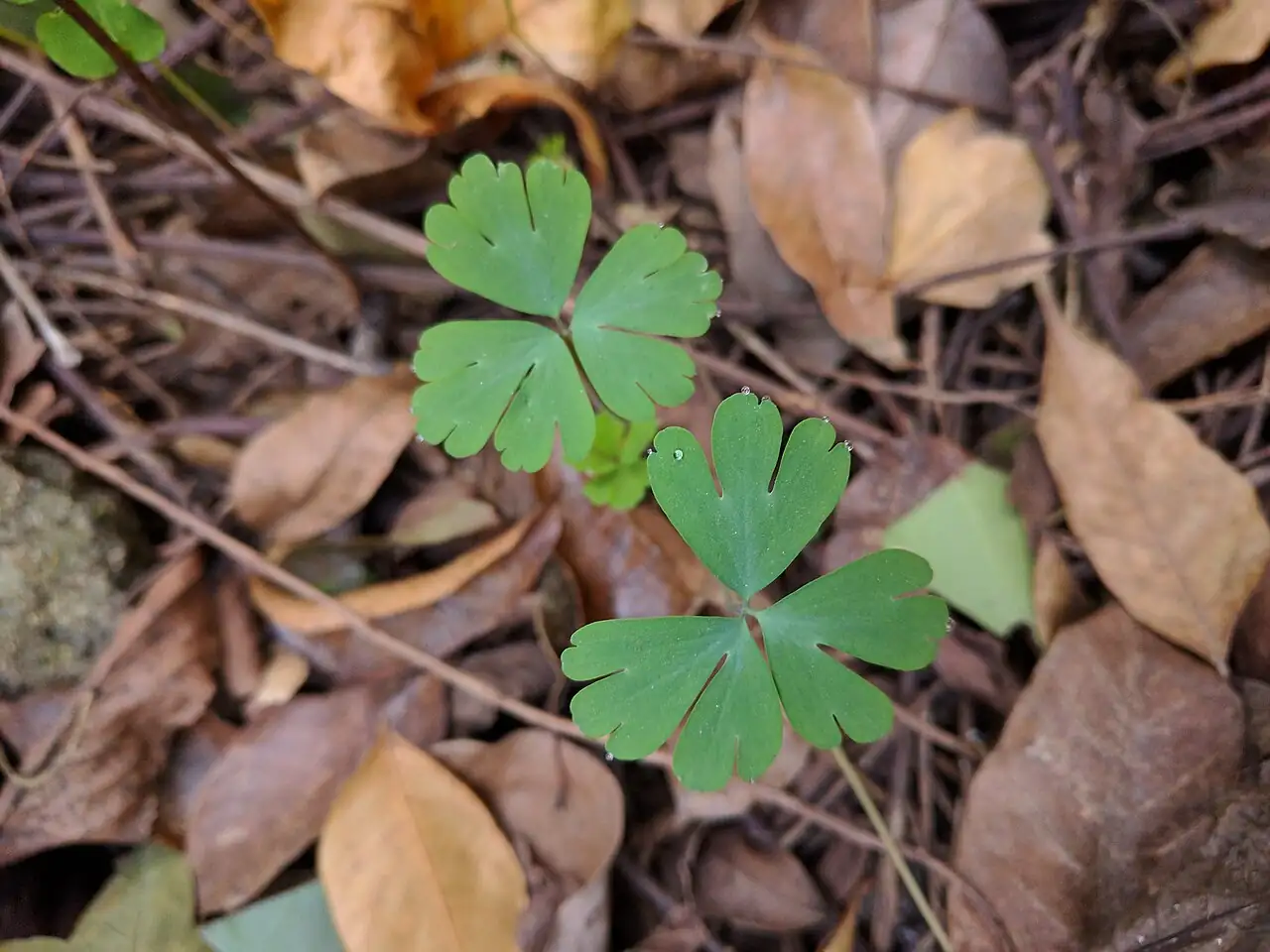
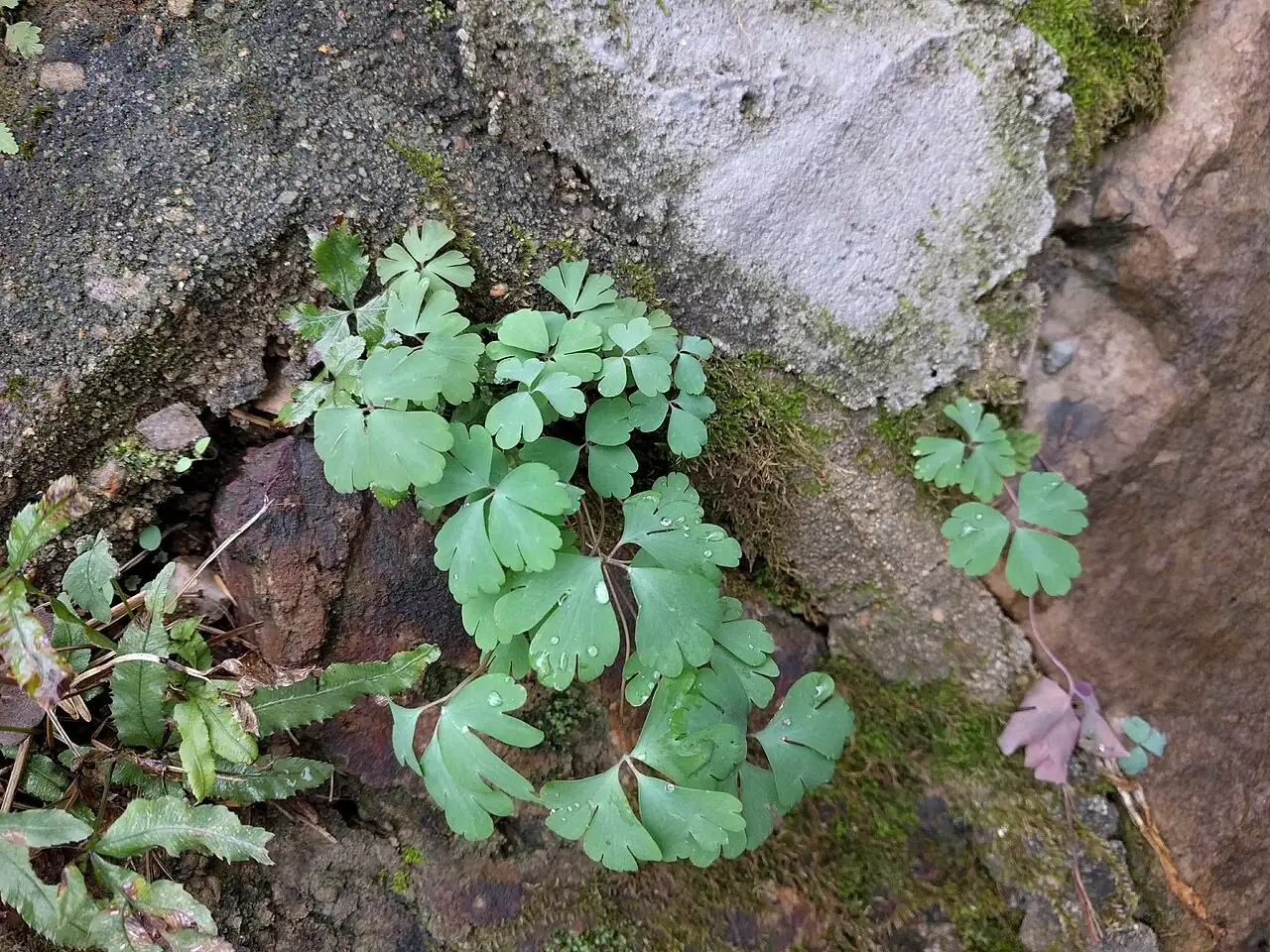
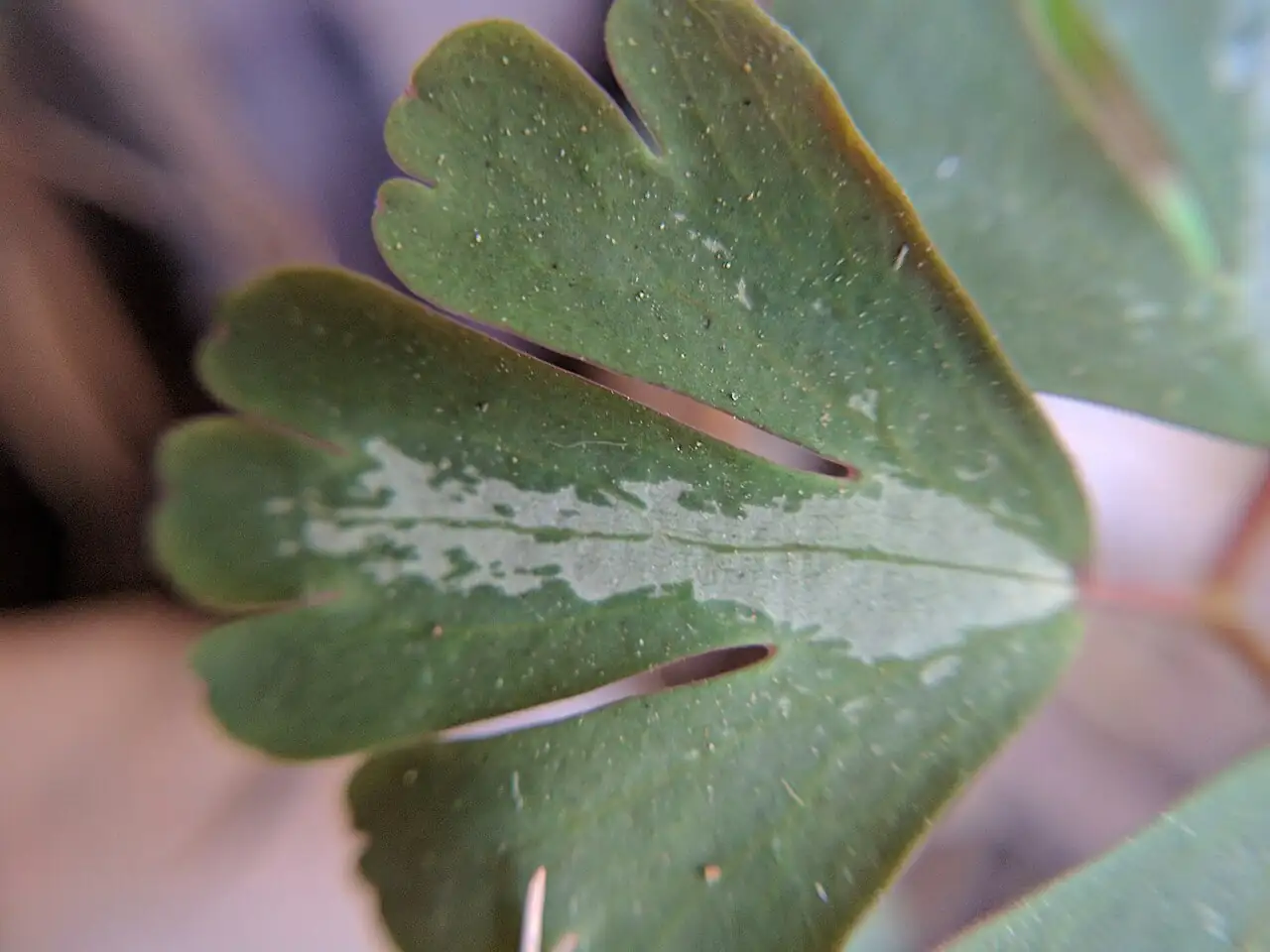
- Foliage: Produces many basal leaves that are palmately divided into three leaflets. Overall leaf shape is broadly ovate; the leaflets are fan- to diamond-shaped and deeply 3-lobed, with each lobe often further notched. Leaf surfaces are usually smooth (hairless). Smaller stem leaves resemble the basal leaves.
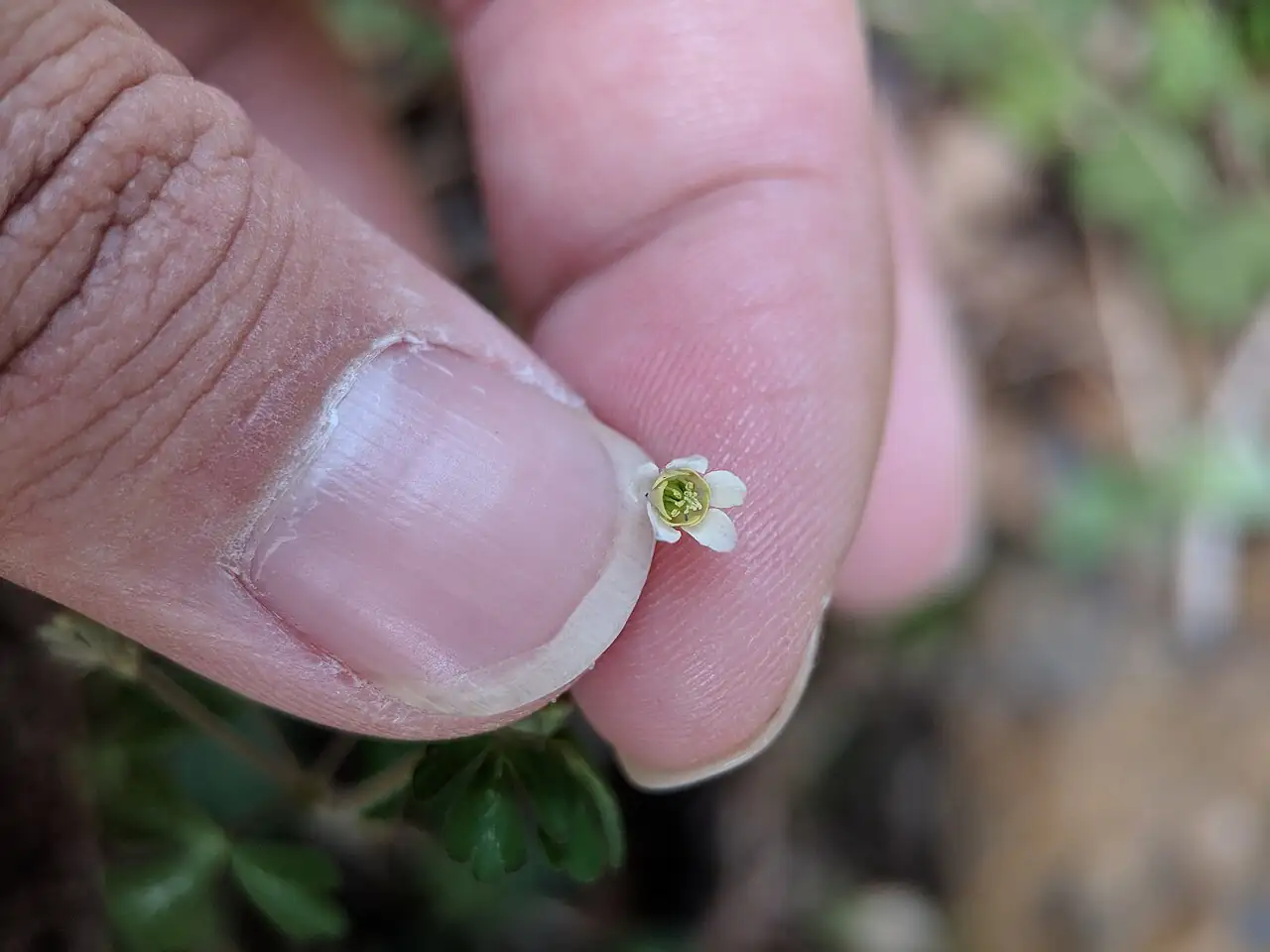
- Flower: Borne on slender stalks with tiny bracts. Flowers are small and nodding: sepals are white, often tinged pale purple, with pointed tips; petals are spoon-shaped. After flowering, it forms follicle-type fruits; seeds are oval to elliptic, brown to very dark brown/blackish, and covered in many tiny wart-like bumps.
- Flowering Season: March–April (with fruiting typically April–May)
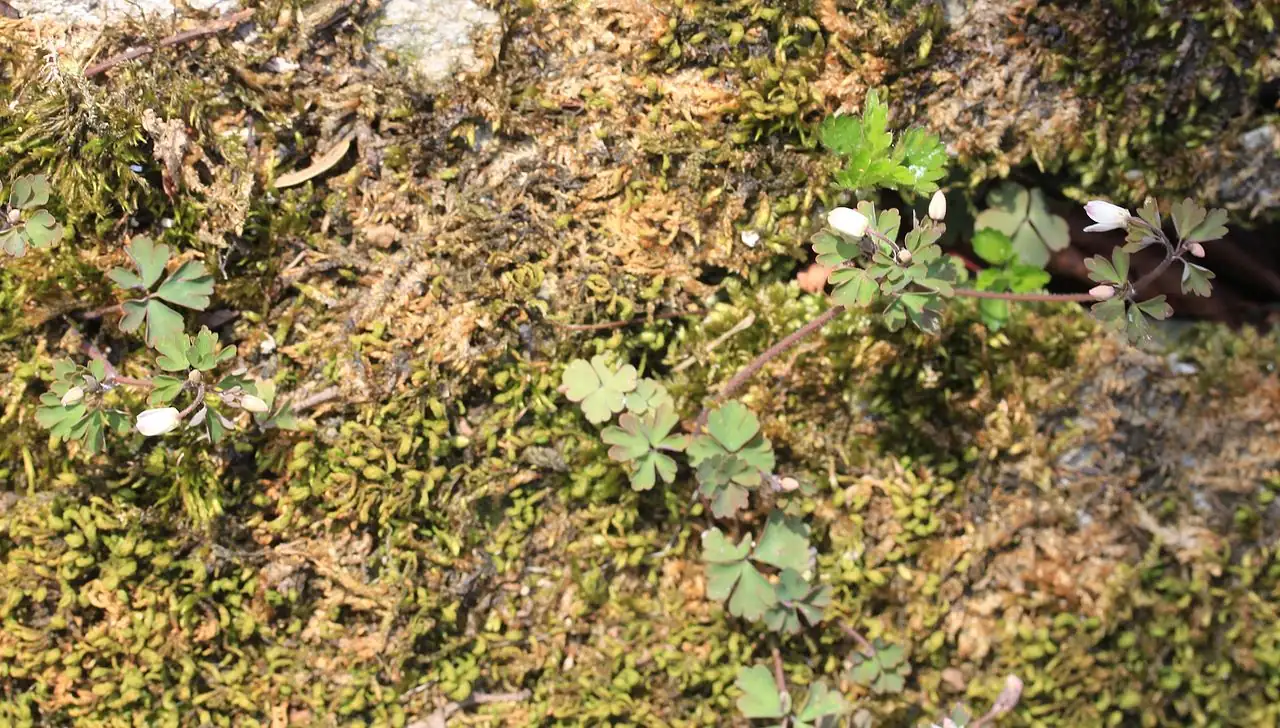
- Growth Habit: Low, herbaceous, tuber-rooted perennial that grows as a tidy clump in shaded woodland edges, roadsides, and moist valley habitats.
Environment
Sunlight
Shade to dappled shade; avoid harsh direct midday sun. Best in cool, sheltered, woodland-like light.
Temperature
Best growth around 0–25°C (32–77°F). Tolerates cold but tends to struggle in prolonged heat.
Humidity
Prefers moderately to consistently humid conditions and evenly moist soil; avoid stagnant, waterlogged conditions.
Soil
Loose, fertile, well-drained loam rich in organic matter (leaf mold/compost). Keep evenly moist but never soggy.
Placement
Outdoors in a shaded bed, woodland garden, or the cool north/east side of a building; in pots, place in bright shade with good airflow and protection from heat.
Hardiness
Cold-tolerant but heat-sensitive; avoid hot summers and waterlogging. (Often easiest in cool-spring climates or shaded gardens that stay relatively cool.)
Care Guide
Difficulty
Moderate: straightforward in cool, shaded, evenly moist conditions. The main pitfalls are summer heat and poorly drained soil that can cause rot. Aim for shade/dappled shade, humus-rich mix, and temperatures around 0–25°C (32–77°F).
Buying Guide
Pick plants with a firm, healthy crown and fresh, undamaged leaves. Avoid containers that smell sour or show signs of constantly wet media or basal rot. If buying as tubers, choose ones that are plump and unshrivelled, with no soft spots.
Watering
Keep soil lightly and consistently moist during active growth. Let the top 1–2 cm (0.4–0.8 in) dry slightly between waterings, then water thoroughly. Reduce watering after fruiting or when the plant naturally slows down/dorms. Never leave standing water in a saucer; waterlogging is a common cause of crown/root rot.
Fertilization
In the ground, top-dress with compost or leaf mold in early spring. In containers, feed lightly with a balanced fertilizer at 1/4–1/2 strength every 3–4 weeks during active growth, then stop during hot weather or when growth slows.
Pruning
Deadhead (remove spent flower stalks) if you don’t want self-seeding. As foliage naturally yellows and declines, trim it back and keep the crown area tidy to reduce rot risk.
Propagation
Seed sowing works well (fresh seed often germinates best). You can also divide established clumps in cool conditions when growth is slow or the plant is dormant—typically early spring or autumn. Handle the tuberous roots gently to prevent damage.
Repotting
Repot in early spring before strong growth begins. Use a well-drained, humus-rich mix in a pot with drainage holes. Don’t bury the crown too deeply. Refresh potting mix every 1–2 years.
📅 Seasonal Care Calendar
Late winter–spring: active growth—keep evenly moist and shaded; light feeding. March–April: flowering. April–May: fruiting; after seed set, reduce watering slightly. Summer: protect from heat; keep cool and avoid soggy soil. Autumn: tidy up; optional division/repotting during cool weather.
Pests, Diseases & Safety
Common Pests & Diseases
May be bothered by slugs/snails (chewed leaves in shady sites) and aphids on flower stalks. Root/crown rot can occur in waterlogged or poorly drained soil. Improve drainage, avoid overwatering, and use barriers/traps for slugs or targeted treatments for aphids as needed.
Toxicity
Toxicity isn’t well documented in common ornamental references for this species. As a precaution, treat it as potentially harmful if ingested and keep it away from children and pets. Avoid any medicinal use without qualified professional guidance.
Culture & Symbolism
Uses: In parts of its native range, the tuberous root has been used in traditional medicine. The whole plant has also been used locally as a homemade pesticide. (Do not self-medicate or use as a pesticide without proper expertise and safety precautions.)
FAQ
Can it grow indoors?
Yes, in a cool spot with bright shade (or under grow lights), but it usually performs best outdoors in a shaded, cool location. Indoors, warm temperatures and dry air can shorten its active season.
Why is it declining in summer?
This is commonly heat stress or a natural slowdown after flowering and fruiting. Keep it cooler and shaded, maintain even moisture without waterlogging, and pause fertilizing during hot periods.
Fun Facts
- It typically flowers in March–April and often sets seed in April–May.
- It’s native to China and has been recorded across many provinces, including Sichuan, Guizhou, Hubei, Hunan, northern Guangxi, Jiangxi, Fujian, Zhejiang, Jiangsu, Anhui, and southern Shaanxi.
- The tuberous root has traditional medicinal uses, and the plant has also been used locally as a homemade pesticide.


