Plant Features
- Size: Typically 30–100 cm (12–39 in) tall; can reach 100+ cm (39+ in) in good conditions.
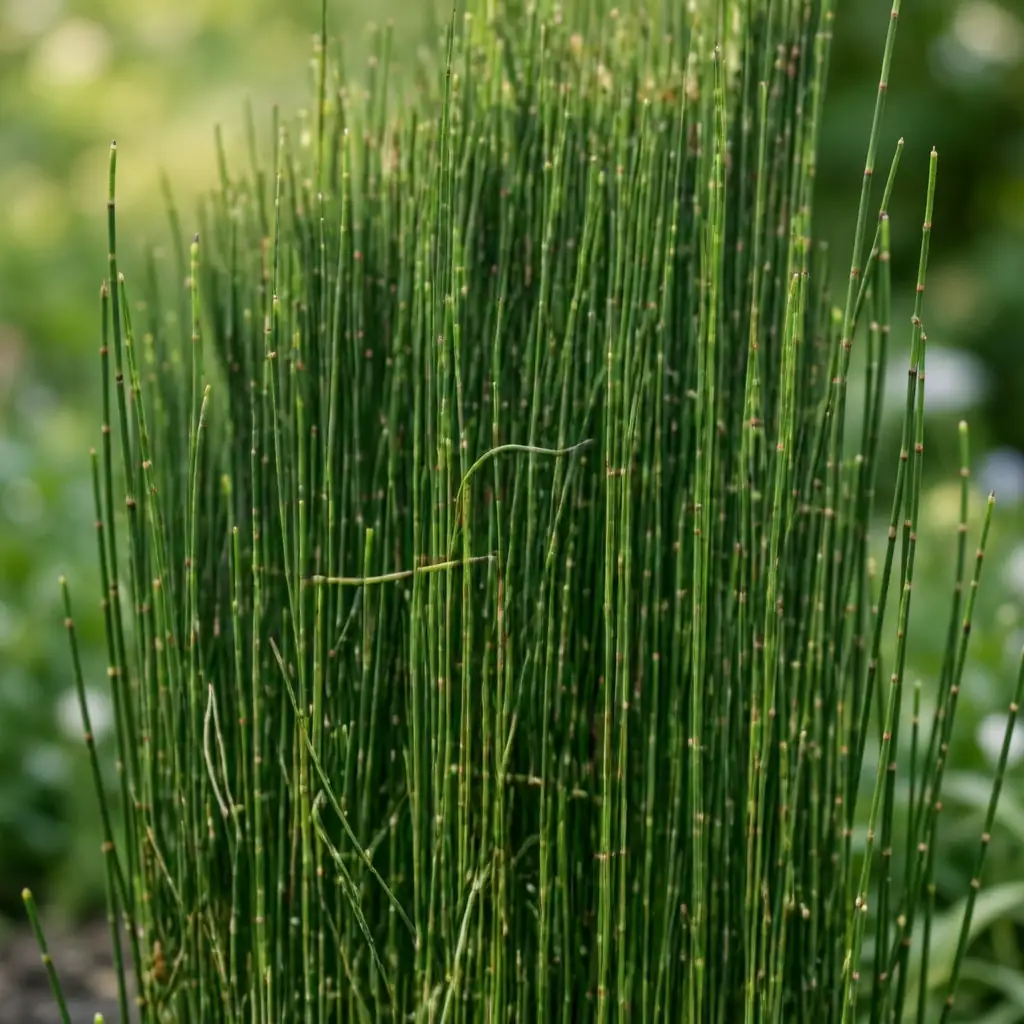
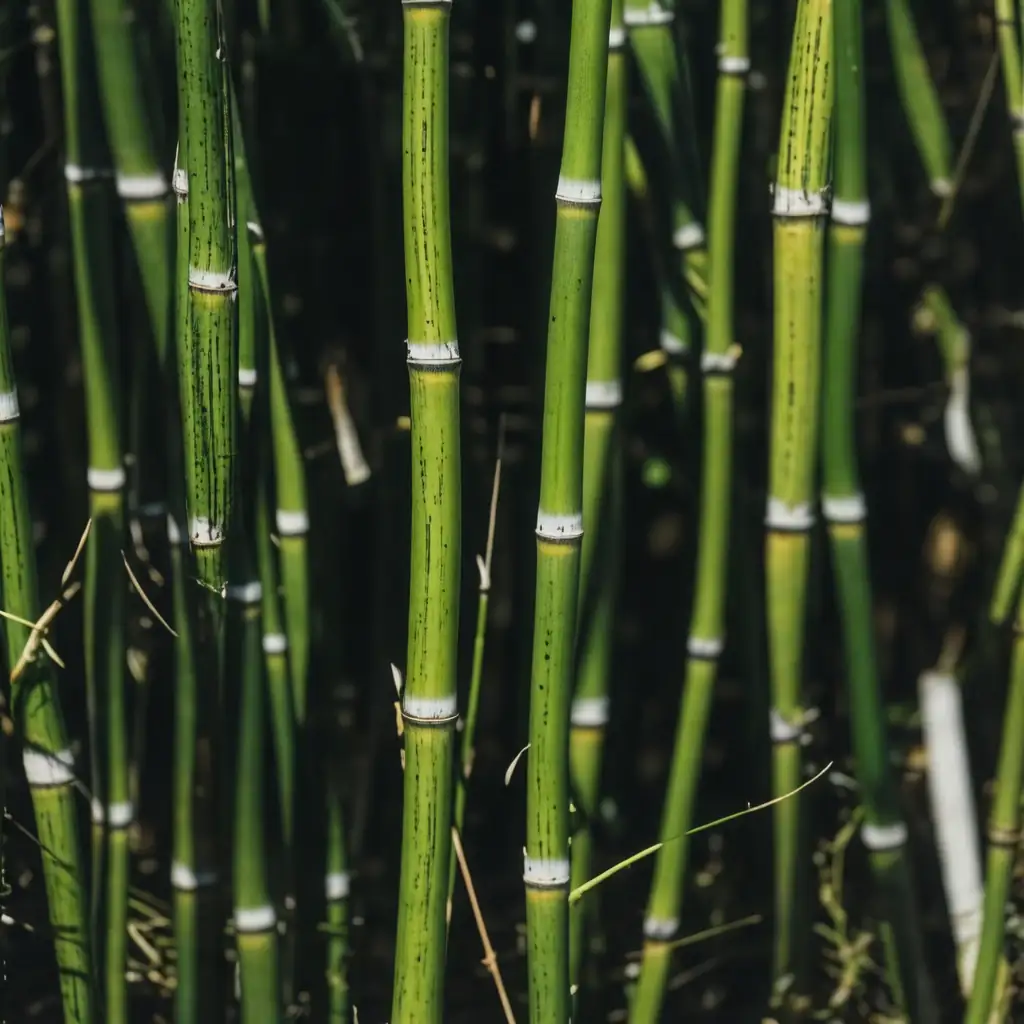
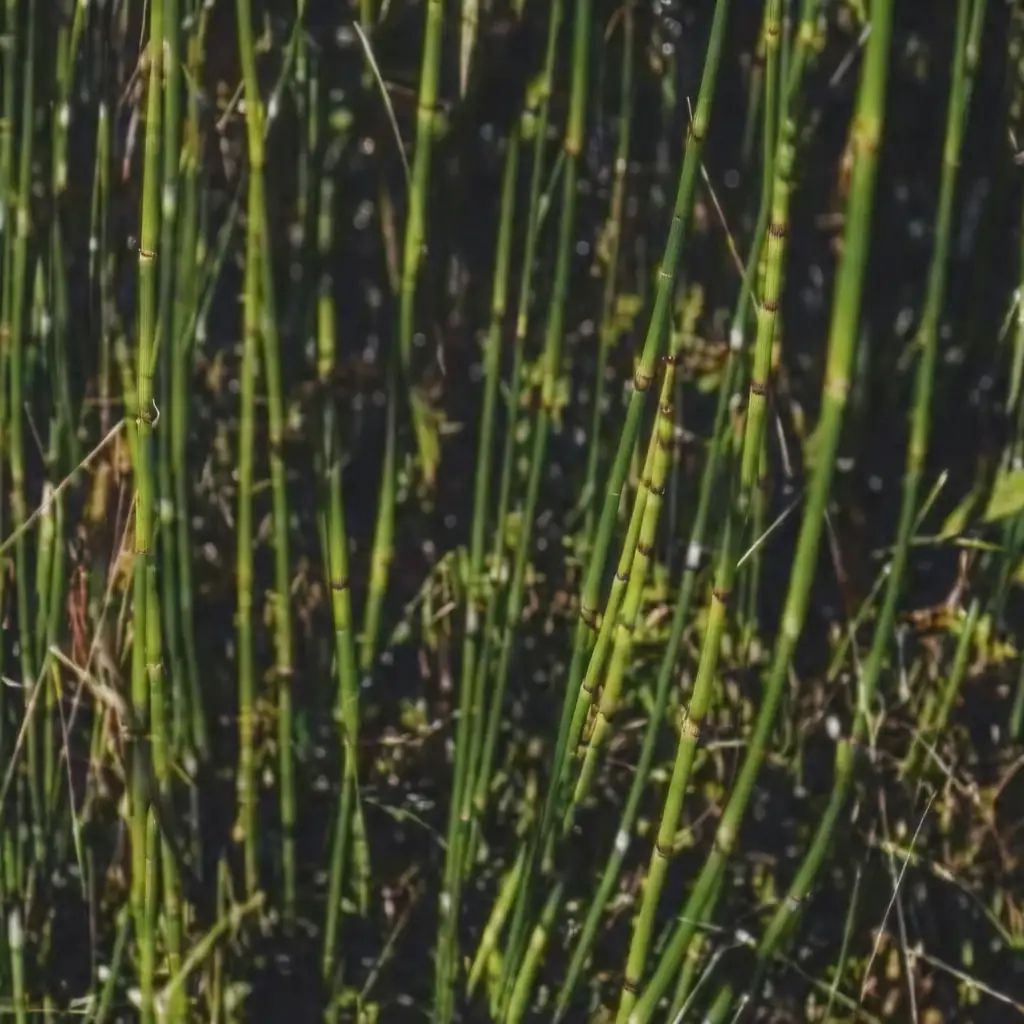
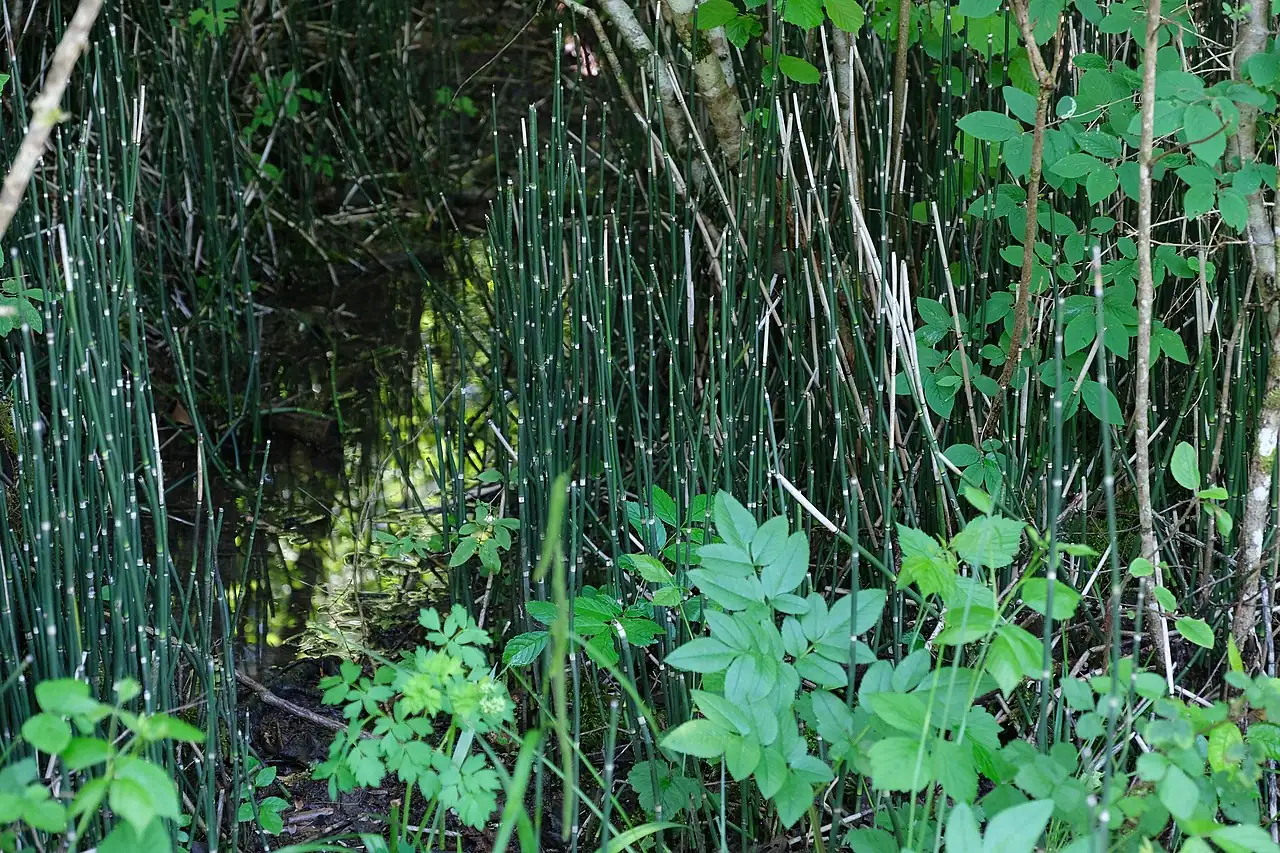
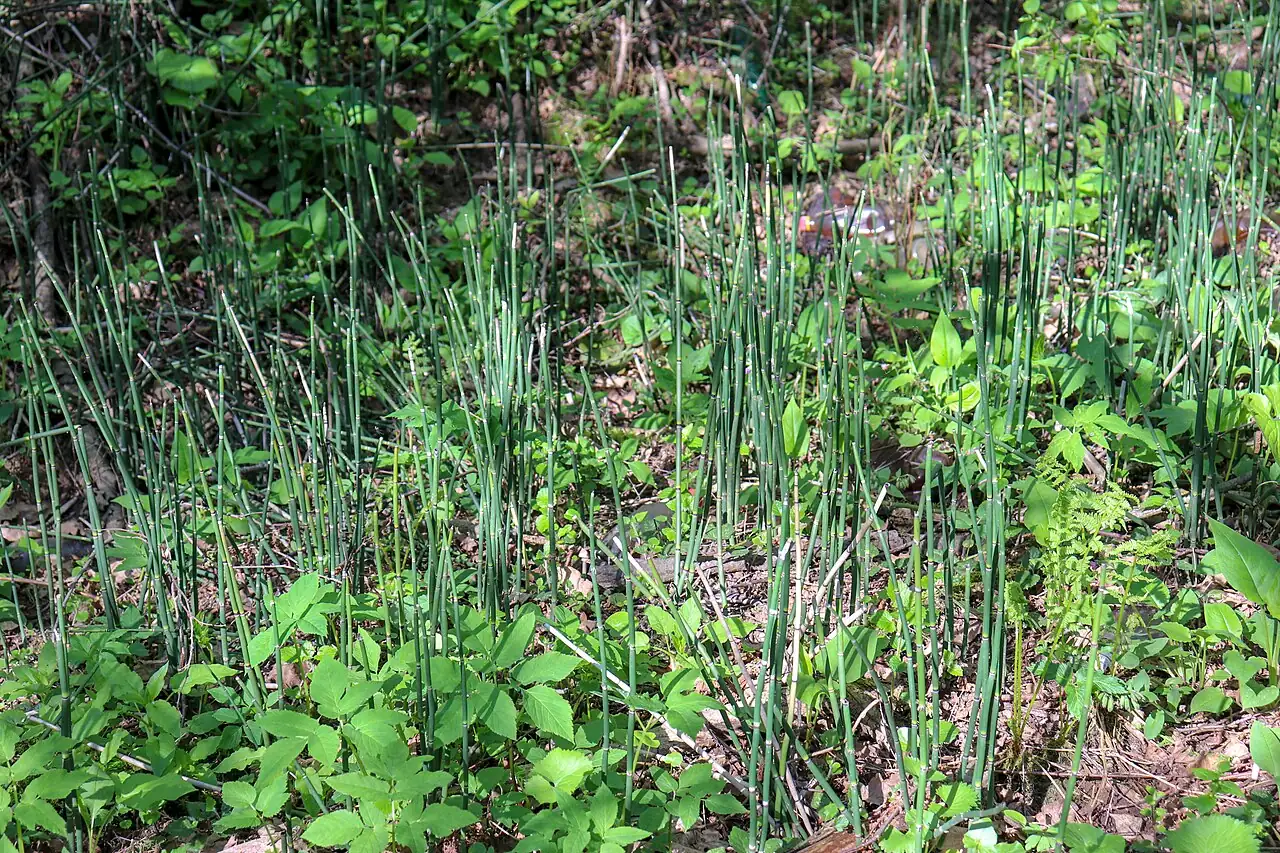
- Foliage: Leafless-looking, vertical green stems with distinct joints; each node is wrapped by a dark brown to black sheath with a darker ring near the top and base. Underground rhizomes are dark brown to black and may have yellow-brown hairs at nodes and roots.
- Flower: No true flowers. Produces an egg-shaped, cone-like spore strobilus at the stem tip, sometimes with a small point; typically sessile (without a stalk).
- Flowering Season: Spore cones are commonly produced in late summer, around August–September (Aug–Sep).
- Growth Habit: Evergreen perennial forming colonies from creeping or somewhat upright rhizomes; stems are erect and long-lasting.
Environment
Sunlight
Partial shade to shade; prefers bright, filtered light rather than harsh full sun.
Temperature
Best growth in cool to mild conditions around 10–25°C (50–77°F); generally tolerates winter cold once established.
Humidity
Prefers high humidity and consistently moist air and surroundings; not suited to very dry sites.
Soil
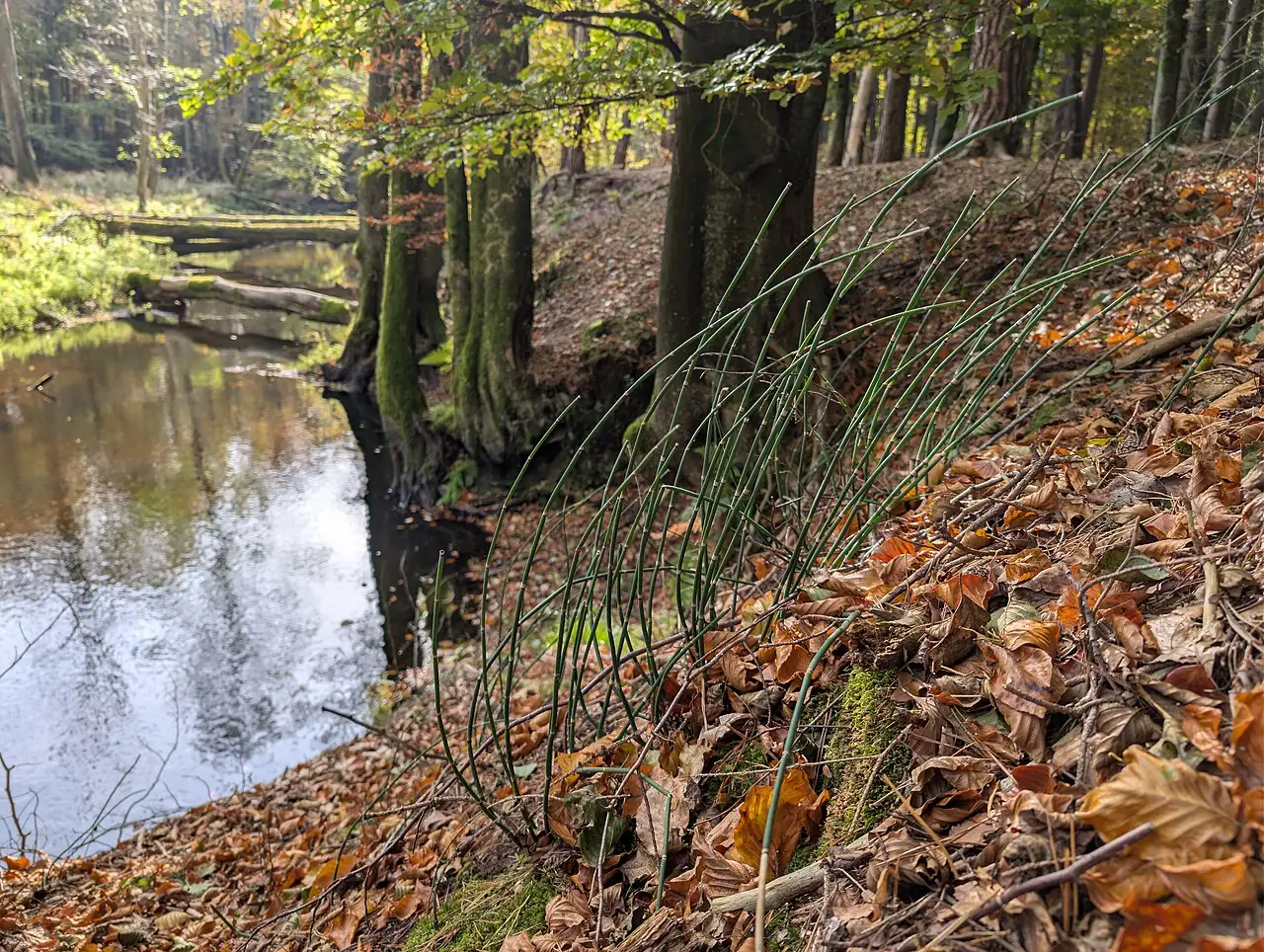
Moist to wet, humus-rich soil; thrives along streams, riverbanks, wet meadows, and other damp ground. In containers, use a moisture-retentive mix and never allow it to dry out.
Placement
Ideal for bog gardens, pond edges, and consistently damp borders; can be grown indoors in bright, humid spots if kept evenly moist.
Hardiness
Cold-hardy; commonly grown outdoors in USDA Zone 4–9 (approx.).
Care Guide
Difficulty
Moderate. Easy if kept constantly moist; struggles if allowed to dry out. Can spread aggressively outdoors via rhizomes—use barriers or containers.
Buying Guide
Choose plants with firm, upright green stems and intact dark node bands. Avoid pots with dried-out media or stems that are yellowing, shriveled, or collapsing. If planting in the ground, consider buying container-grown plants to help manage spread.
Watering
Keep the substrate consistently moist to wet at all times. In pots, water thoroughly and frequently; standing the pot in 1–3 cm (0.4–1.2 in) of water can help maintain constant moisture. Do not let it dry out.
Fertilization
Light feeder. If grown in containers, apply a diluted balanced fertilizer at 1/4 strength every 4–6 weeks during active growth (spring to early autumn). Avoid heavy feeding, which can cause weak growth.
Pruning
Remove browned or damaged stems at the base as needed. Cut back old stems in late winter or early spring to encourage fresh, clean growth.
Propagation
Divide rhizomes in spring or early autumn and replant sections with viable nodes. It also reproduces by spores via the terminal cone, but division is faster and more reliable for cultivation.
Repotting
Repot or divide every 1–2 years, or when the pot becomes crowded. Use a wide container and a moisture-retentive mix; consider a heavier pot to prevent tipping due to tall stems.
📅 Seasonal Care Calendar
Spring: divide/repot and resume regular watering. Summer: keep constantly wet and provide partial shade. Autumn: reduce feeding; maintain moisture. Winter: outdoors, keep soil from drying; indoors, keep cool-bright and evenly moist.
Pests, Diseases & Safety
Common Pests & Diseases
Generally trouble-free. In very dry indoor air it may weaken and become prone to spider mites; overly stagnant conditions can lead to stem rot. Maintain high moisture with good air movement and remove any rotting stems promptly.
Toxicity
Potentially toxic if eaten in quantity, especially to grazing animals (contains thiaminase in some horsetails). Keep away from pets and children who may chew plants; not intended for consumption.
Culture & Symbolism
Symbolism: Often associated with resilience and persistence thanks to its ancient lineage and tough, evergreen stems.
History & Legends: Horsetails are living relics of an ancient plant group that predates flowering plants; they reproduce by spores rather than seeds.
Uses: Ornamental for damp gardens and containers; the stiff, segmented stems are popular as cut stems in floral design.
FAQ
Does rough horsetail flower?
No. It does not produce flowers or seeds; it reproduces by spores formed in a cone-like structure at the stem tip.
Can I grow it indoors?
Yes, if you can provide bright, filtered light and keep the pot consistently moist (never dry). Higher humidity helps it stay lush.
Will it spread in my garden?
It can spread vigorously through rhizomes in wet soil. Plant in a container, use a root barrier, or site it where spreading is acceptable.
Fun Facts
- It’s an evergreen, spore-bearing plant—its “cones” are spore structures, not flowers.
- The stems can reach 100+ cm (39+ in) and have a distinctive banded, jointed look.
- It naturally favors shaded, wet places like stream edges and riverbanks.
- Its stiff, architectural stems are widely used as cut material in floral arrangements.