Plant Features
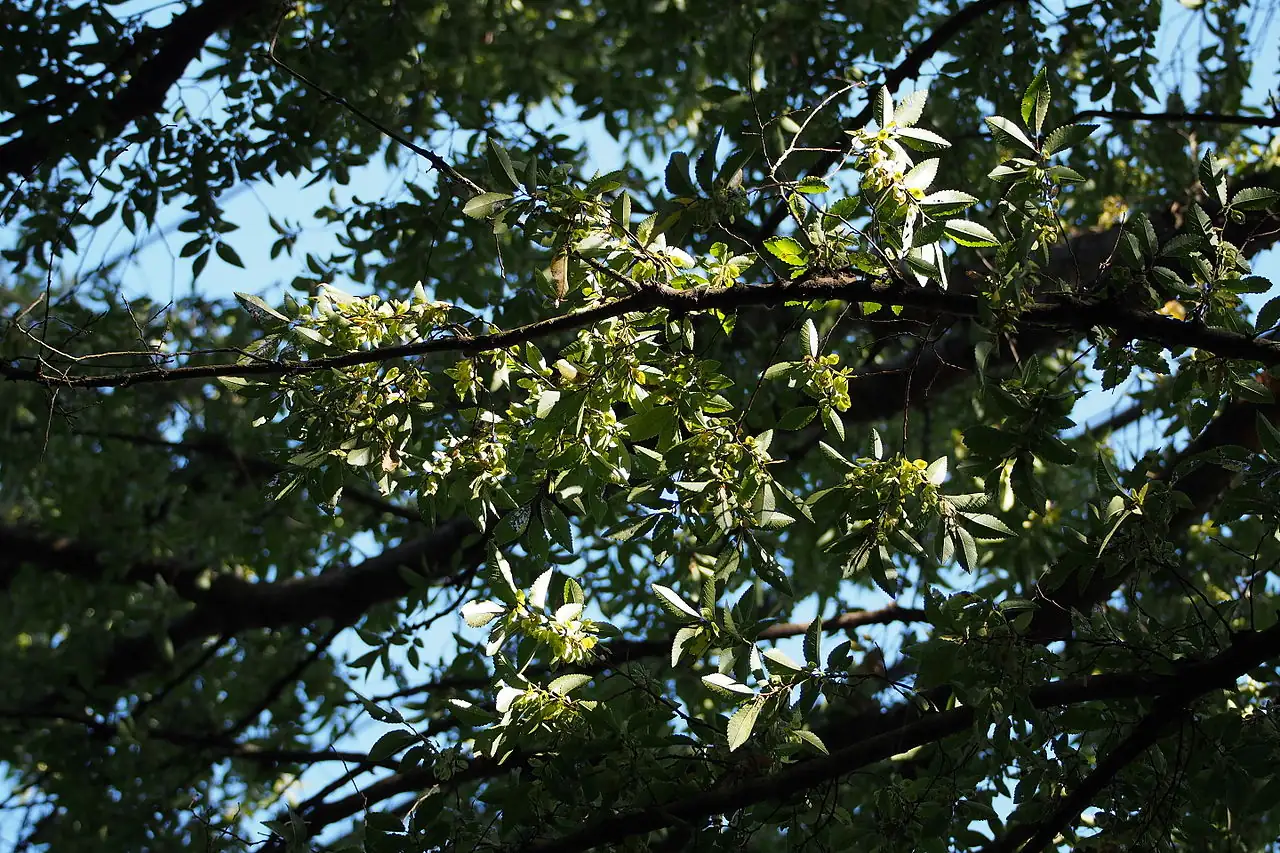
- Size: Up to 25 m (82 ft) tall; crown broadly rounded to oval.
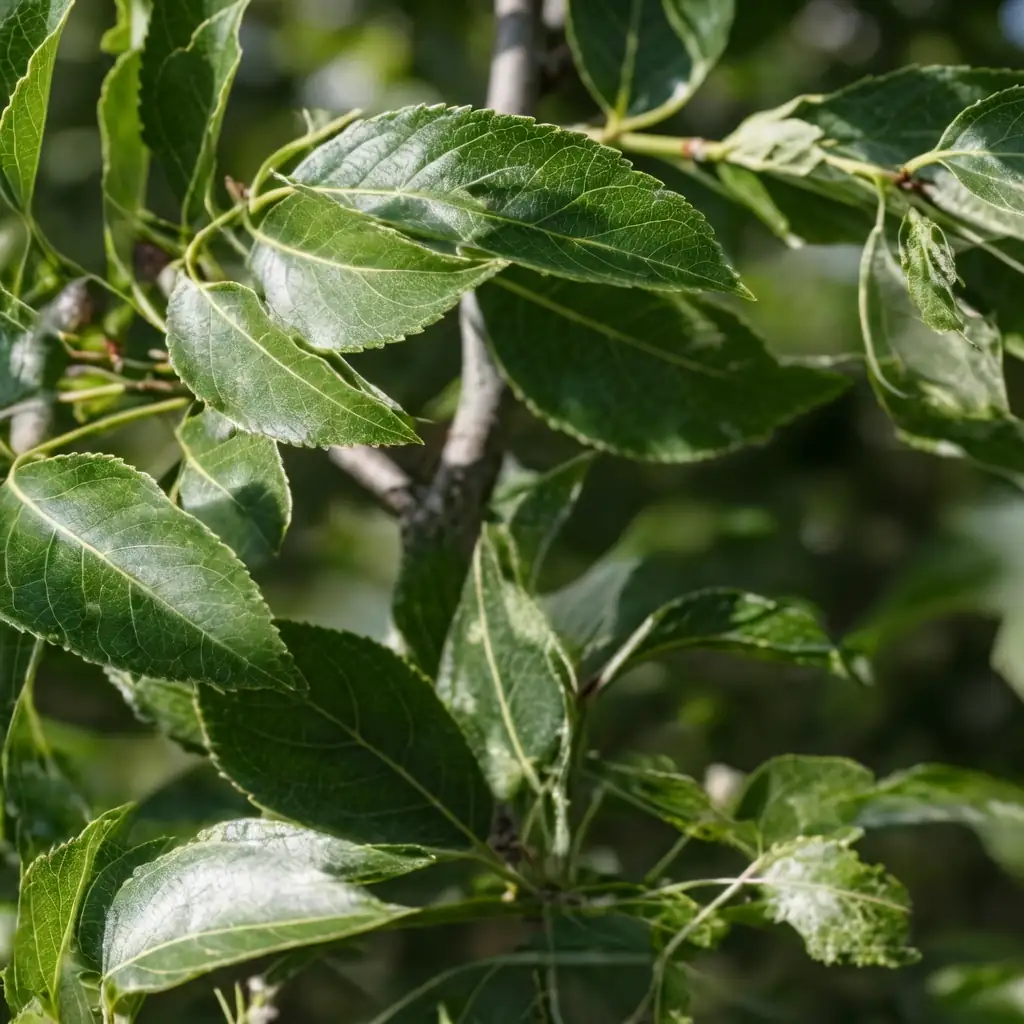
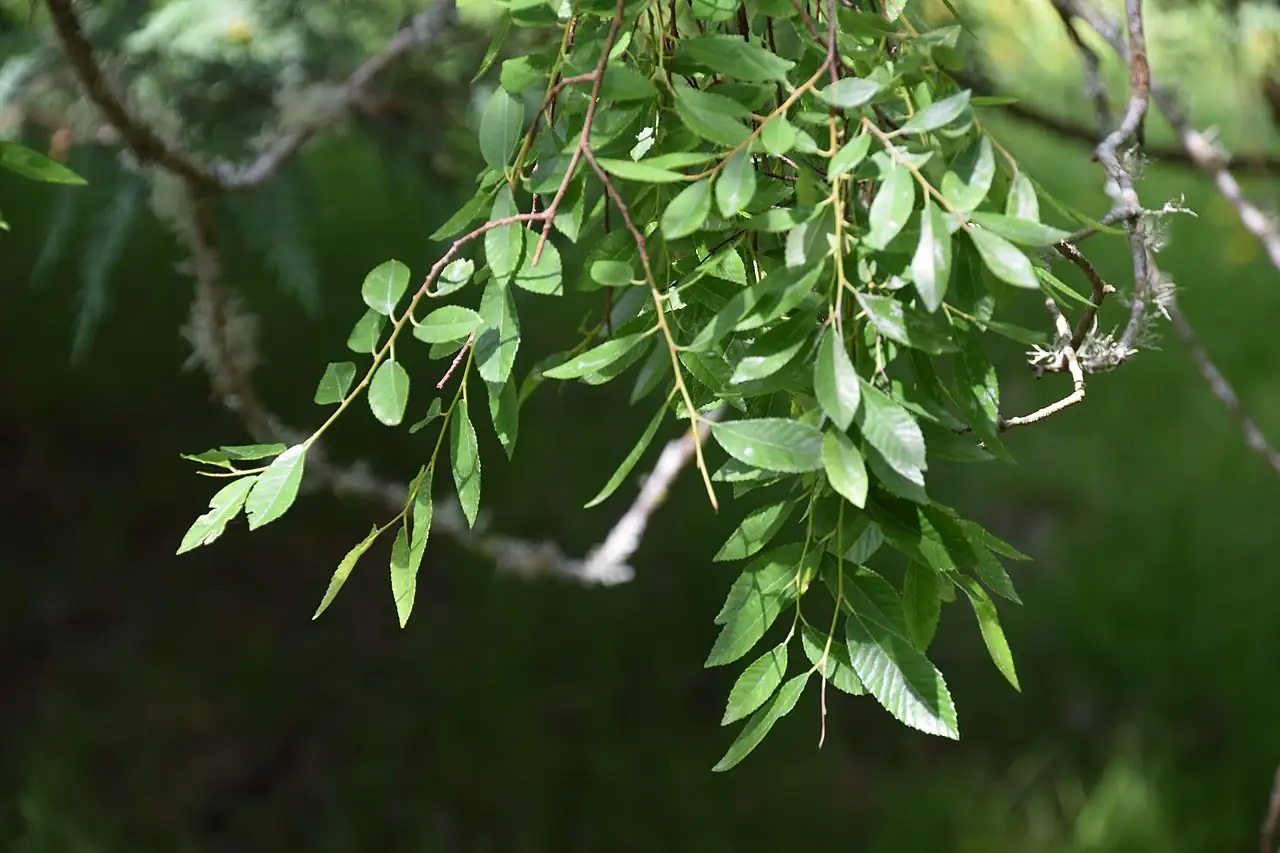
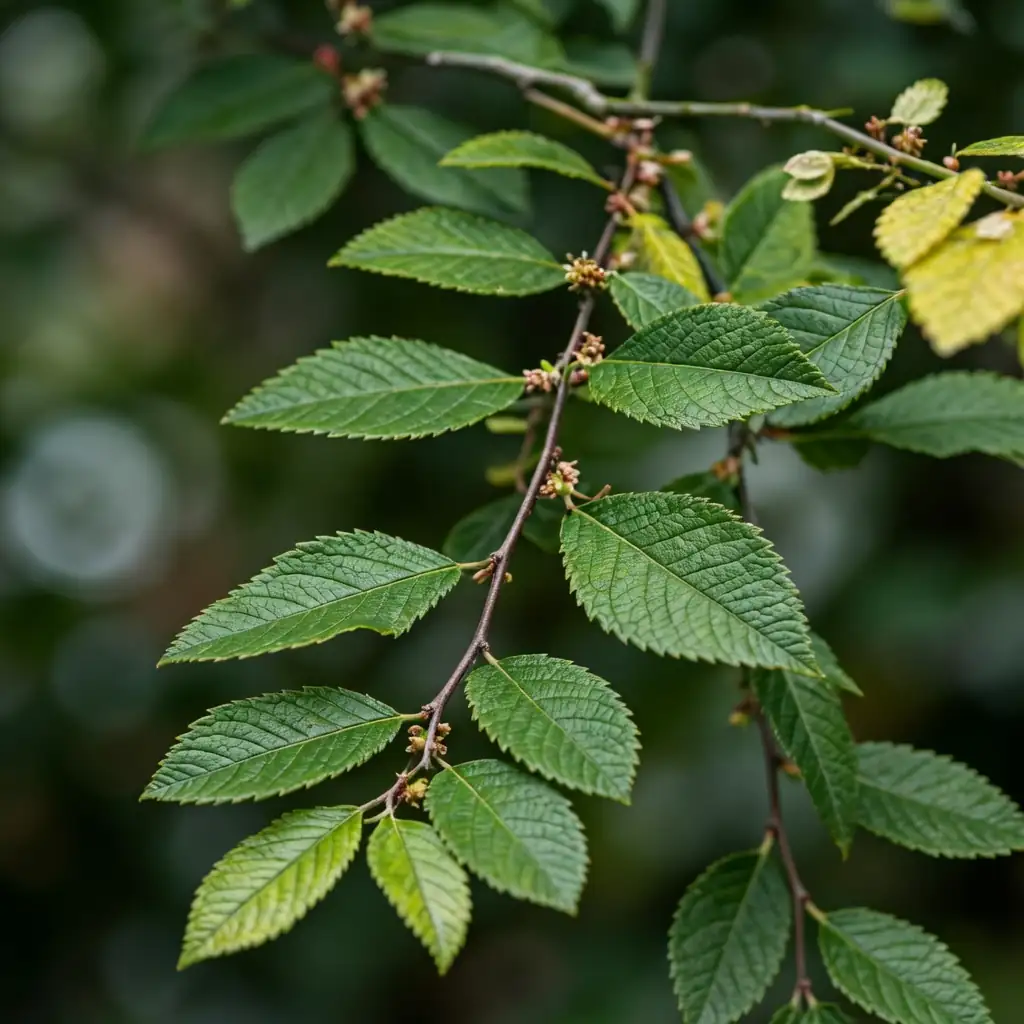
- Foliage: Leaves are narrow-elliptic to ovate (sometimes obovate) with fine serrations and a slightly uneven (asymmetric) leaf base. They feel fairly thick; young leaves may show some hair on the underside, which typically disappears as the leaf matures.
- Flower: Produces small, inconspicuous elm flowers, followed by small oval, winged fruits (samaras).
- Flowering Season: Late summer to early autumn (around August–September).
- Growth Habit: A deciduous tree with a flattened round to oval crown; the trunk may lean slightly rather than staying perfectly straight. Moderately fast growth with vigorous sprouting and excellent tolerance of pruning and repeated cutting—ideal for shaping and training.
Environment
Sunlight
Full sun to light shade; looks fullest and grows most densely in full sun.
Temperature
Prefers warm, humid conditions but is highly adaptable. During active growth it does well around 15–30°C (59–86°F), and established trees tolerate much broader heat and cold ranges.
Humidity
Flexible—handles average outdoor humidity, tolerates humid climates, and once established can also cope with drier air.
Soil
Adaptable to many soil types; best in well-drained loam. Can tolerate clay and occasional extra moisture if drainage is decent, but avoid constantly waterlogged ground.
Placement
Best outdoors as a street, park, or shade tree; also excellent in containers and as bonsai. Makes a strong specimen near water features, pavilions, and rock-focused garden compositions.
Hardiness
Generally hardy in USDA Zones 5–9 (approx.); cold-hardy and drought-tolerant once established, and notably tolerant of urban dust/air pollution.
Care Guide
Difficulty
Easy (especially outdoors once established). It adapts to many soils and conditions, and its strong regrowth after pruning makes it forgiving for shaping.
Buying Guide
Look for healthy, evenly colored foliage and twigs without dieback. Inspect stems for scale insects and check the root system—especially for bonsai stock. Avoid plants with girdling roots or a persistently soggy root ball.
Watering
Water regularly while establishing, keeping soil evenly moist but never saturated. Once established, water deeply during prolonged dry spells and let the top layer of soil dry slightly between waterings. Avoid chronic waterlogging, which can lead to root issues.
Fertilization
In the ground, feed lightly in spring with a balanced slow-release fertilizer if growth seems weak. For bonsai/containers, fertilize through active growth (spring to early autumn) with a balanced fertilizer at label rates; reduce or stop in late autumn and winter.
Pruning
Takes pruning exceptionally well. Do major structural pruning in late winter to early spring before strong growth begins; do lighter trims during the growing season to maintain shape. Remove crossing, damaged, or overly congested branches to improve airflow and structure.
Propagation
Propagated from seed (samaras) or semi-hardwood cuttings; also responds very well to air-layering—especially useful for creating bonsai material.
Repotting
For containers/bonsai, repot in early spring as buds swell, typically every 1–3 years depending on vigor. Use a free-draining mix, trim roots moderately, and protect from hard frost right after repotting.
📅 Seasonal Care Calendar
Flowers typically appear in late summer to early autumn (about August–September), with fruits maturing in autumn (around October). Do structural pruning in late winter/early spring; give supplemental watering during summer drought.
Pests, Diseases & Safety
Common Pests & Diseases
Can be bothered by aphids, scale insects, spider mites (especially in hot, dry weather), and elm leaf beetle in some regions. Poor drainage can cause root problems. Keep the tree vigorous with correct watering and spacing, prune out infested or dead growth, and use horticultural oil or appropriate controls when needed.
Toxicity
Generally considered non-toxic to people and pets, though chewing or ingesting plant material may still cause mild stomach upset in sensitive animals.
Culture & Symbolism
Symbolism: Often linked with resilience and endurance—this is a tree that handles hardship and springs back strongly after pruning.
History & Legends: Long cultivated in East Asia and widely admired in bonsai tradition because it buds back readily, builds fine branching, and develops increasingly beautiful bark as it ages.
Uses: A popular ornamental shade and street tree for urban greening, valued for its toughness and attractive bark. In gardens it’s often used as a specimen near water features or structures and paired with rocks; it’s also one of the most widely grown bonsai trees.
FAQ
Is Chinese elm good for bonsai?
Yes—it’s one of the best. It back-buds readily, tolerates heavy pruning, and develops fine twigging and attractive bark with age.
Does Chinese elm need full sun?
Full sun is ideal for dense growth and the best overall form, but it also tolerates light shade.
How tall can Chinese elm get?
In landscapes with enough space, it can reach about 25 m (82 ft) tall with a broadly rounded to oval crown.
Fun Facts
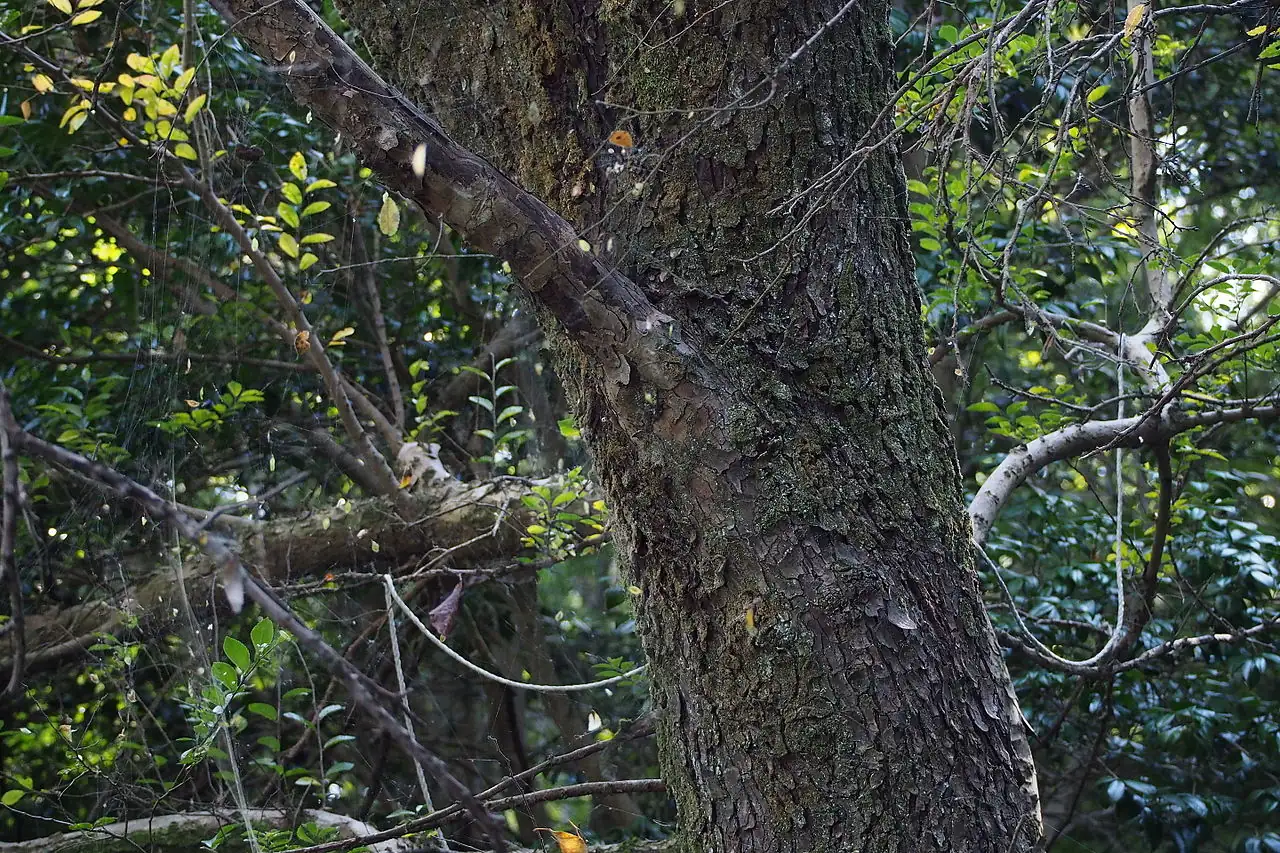
- The bark exfoliates in small, irregular flakes, creating a mottled, lace-like pattern that becomes more dramatic as the tree matures.
- Young leaves can be slightly hairy underneath, then become smoother as they mature.
- Its enthusiastic response to cutting is a major reason it’s so beloved in bonsai.
- Compared with many trees, it’s notably tolerant of urban dust and air pollution.