

Plant Features
- Size: Typically 10–30 cm (4–12 in) tall as a maintained turf; creeping stolons can extend to about 1 m (3.3 ft) and root at nodes to form new plants and branches.
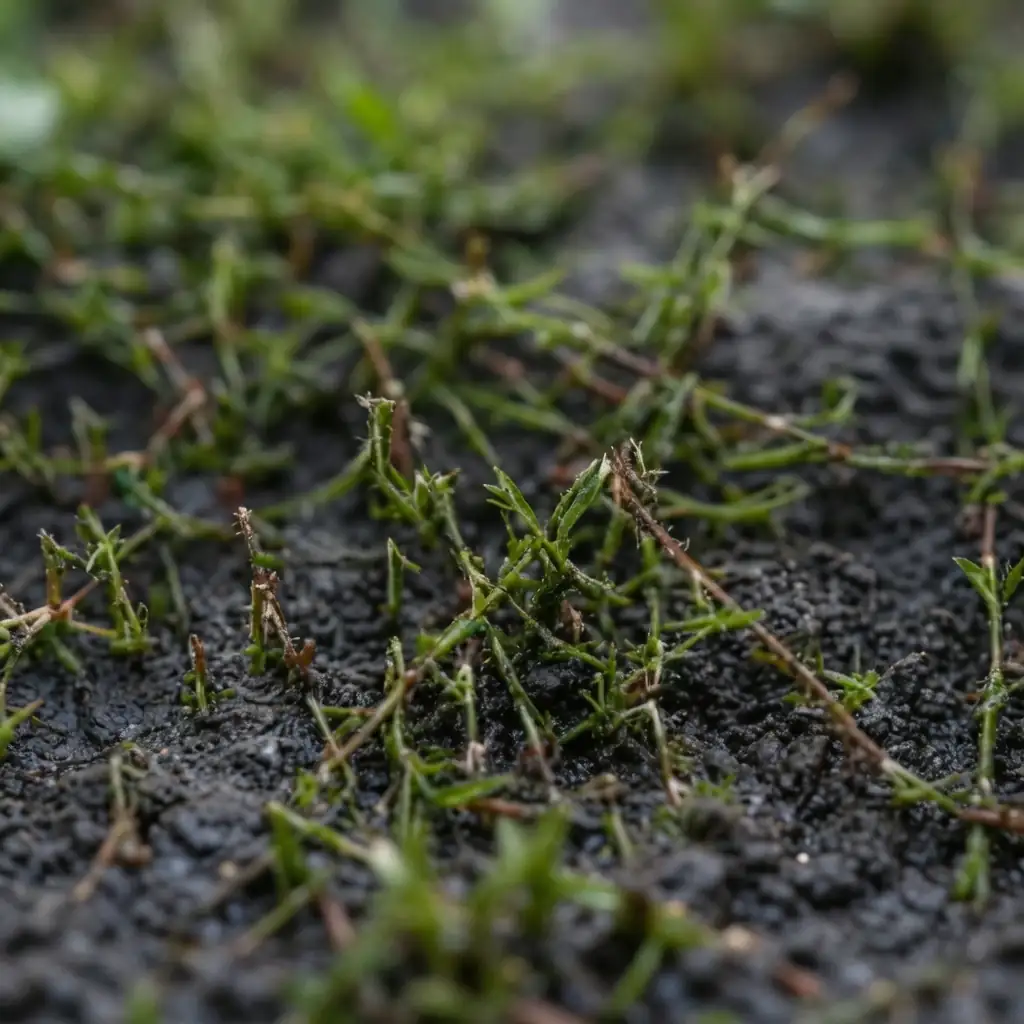
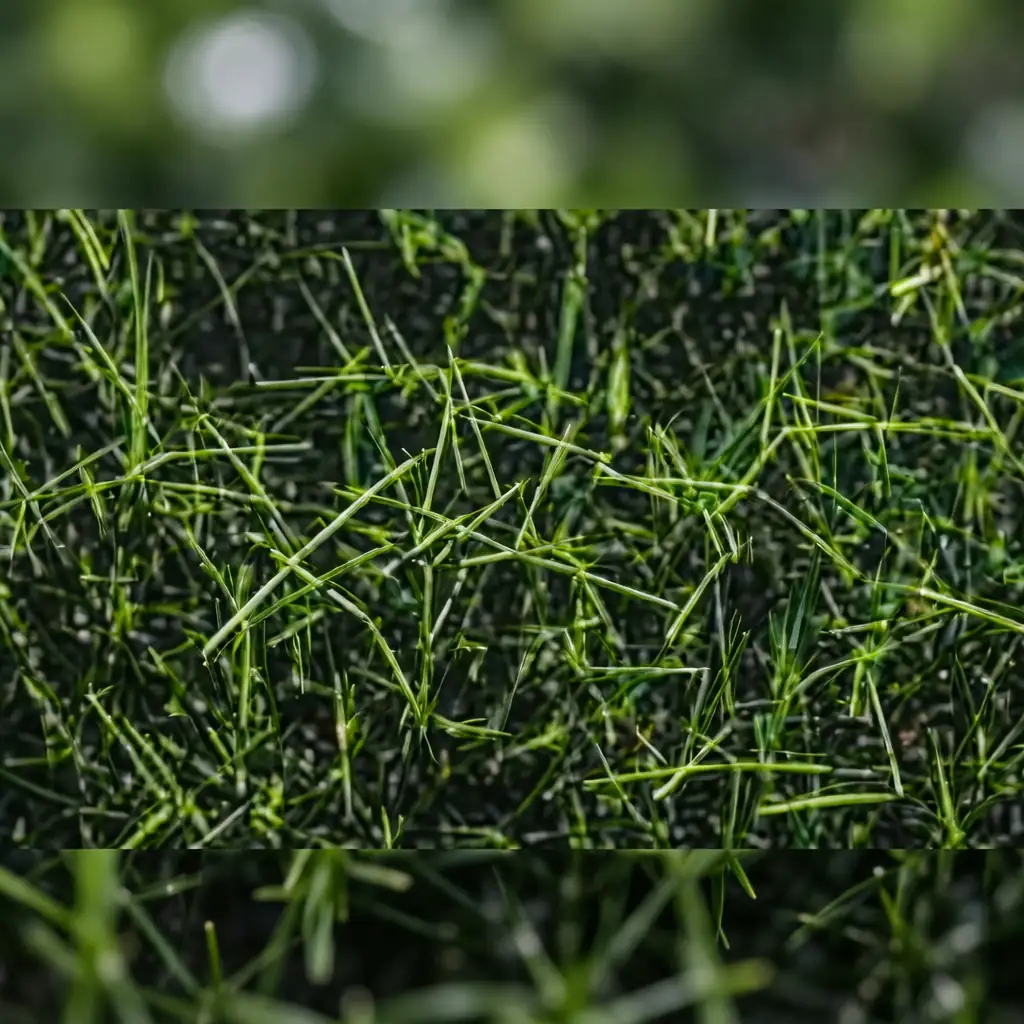
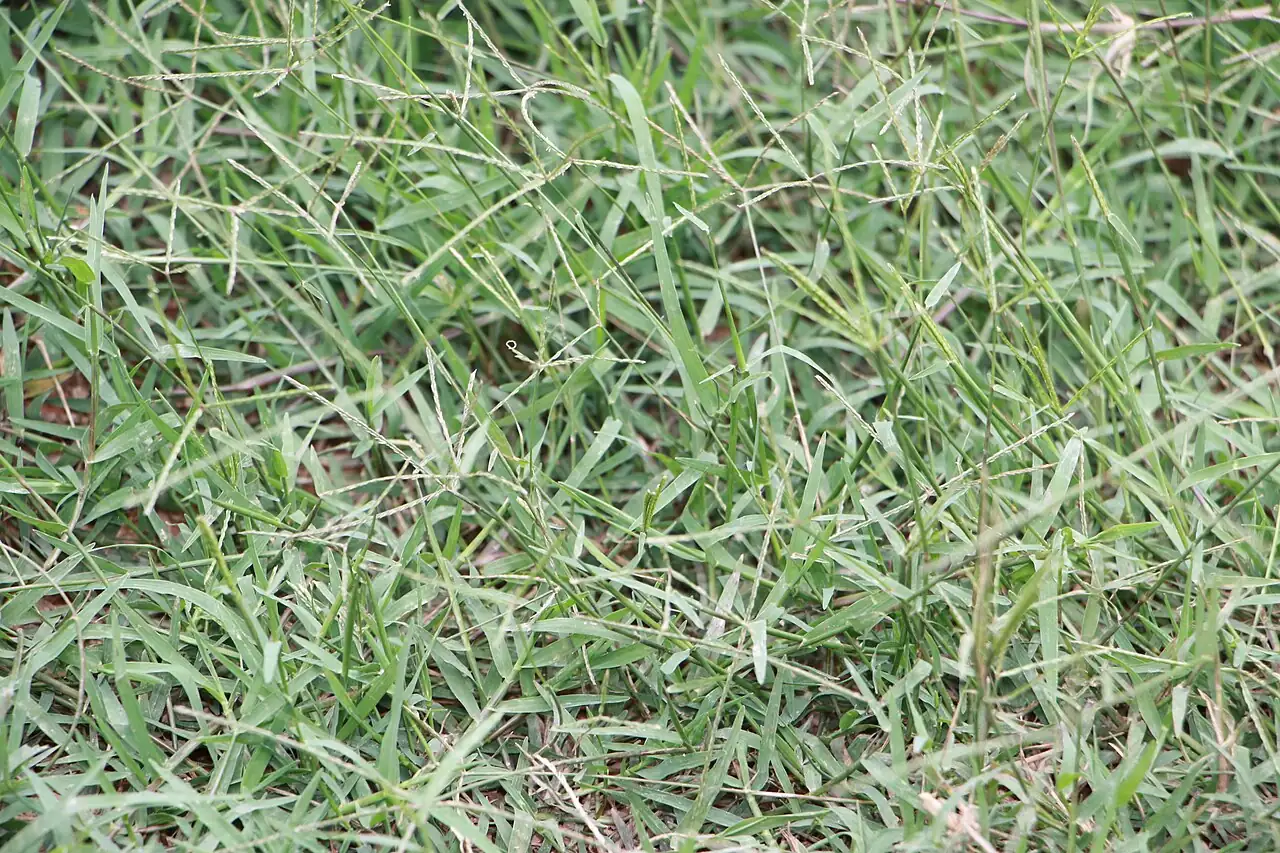
- Foliage: Leaves are narrow, linear, and usually flat, carried on low, wiry stems. The plant naturally hugs the ground and forms a dense turf by sending runners across the soil surface and rooting wherever nodes make contact.
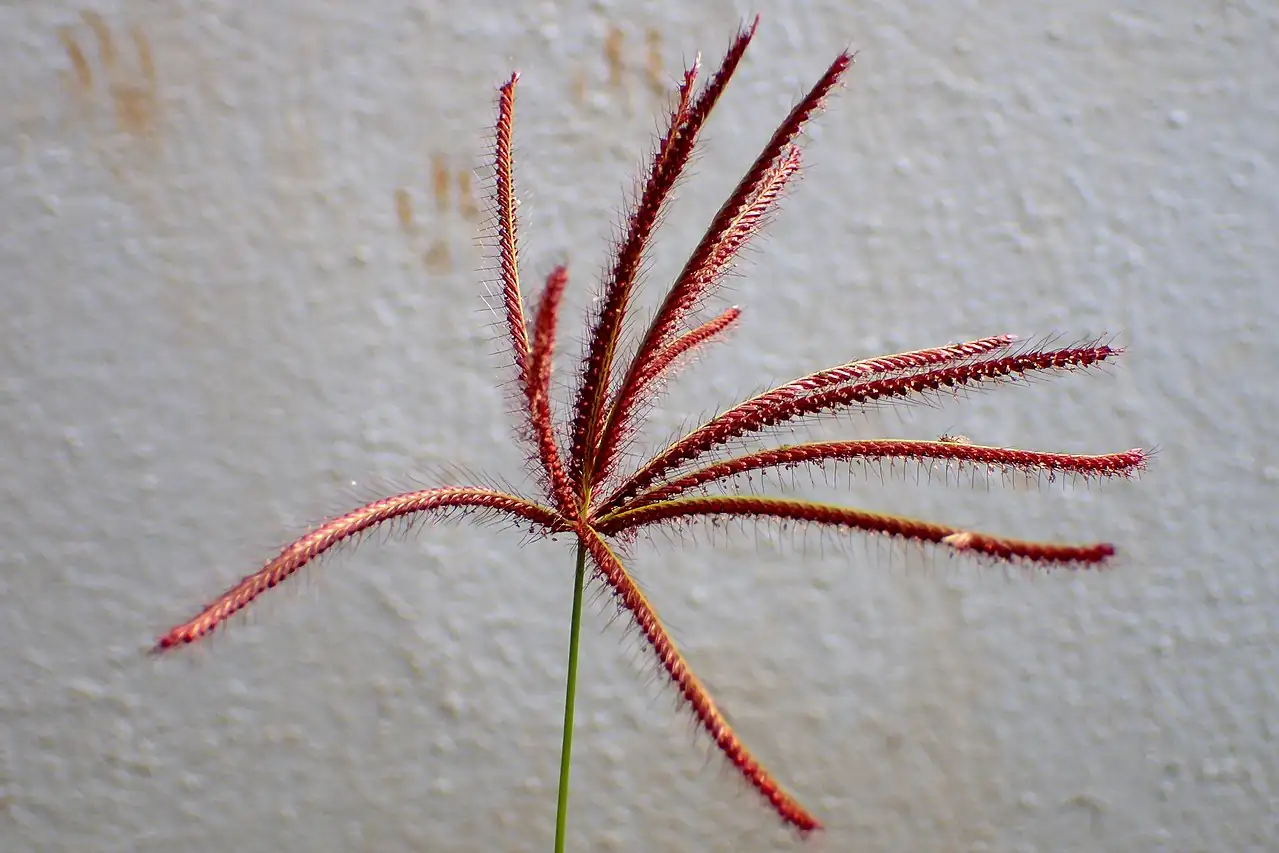
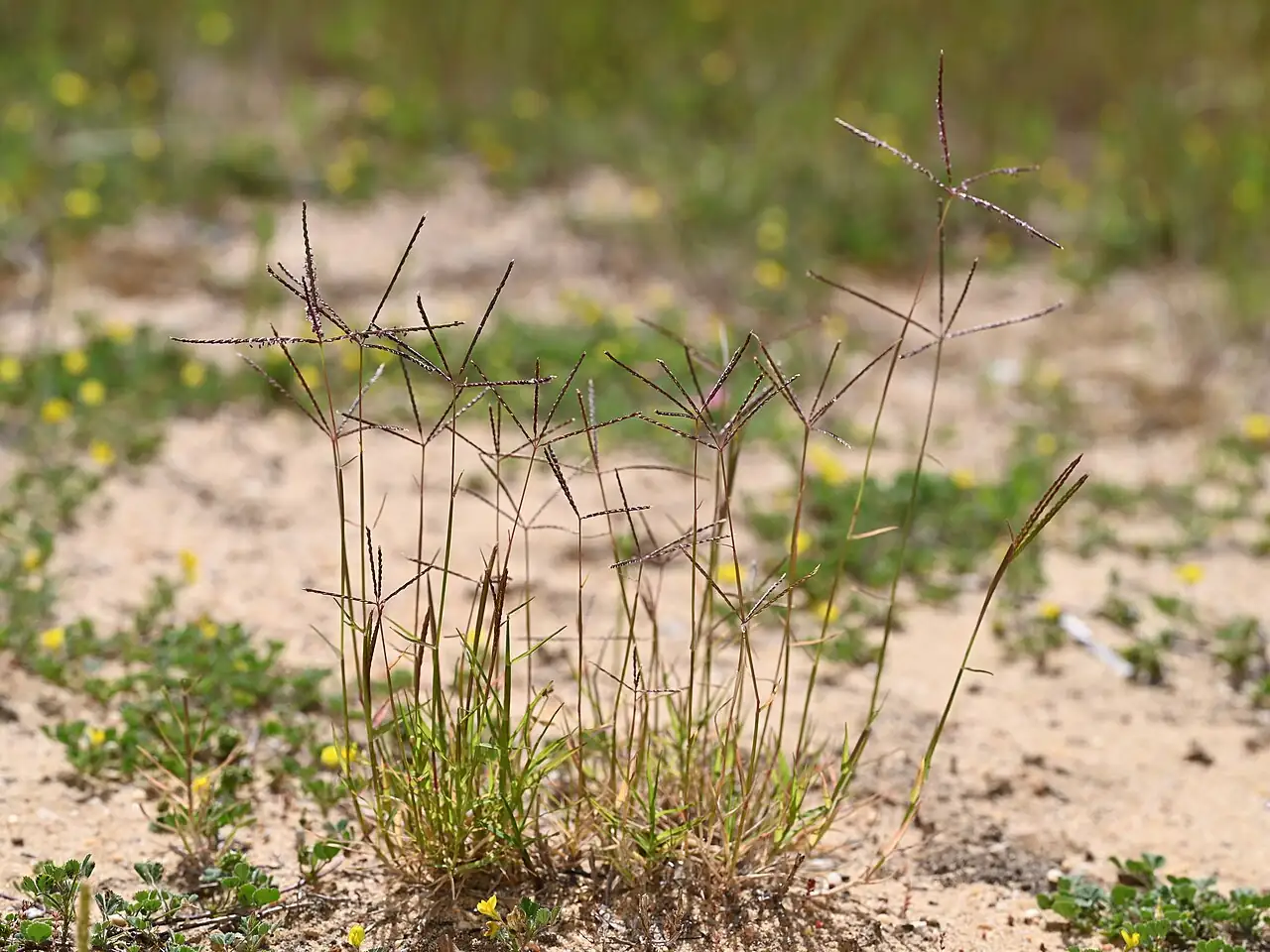
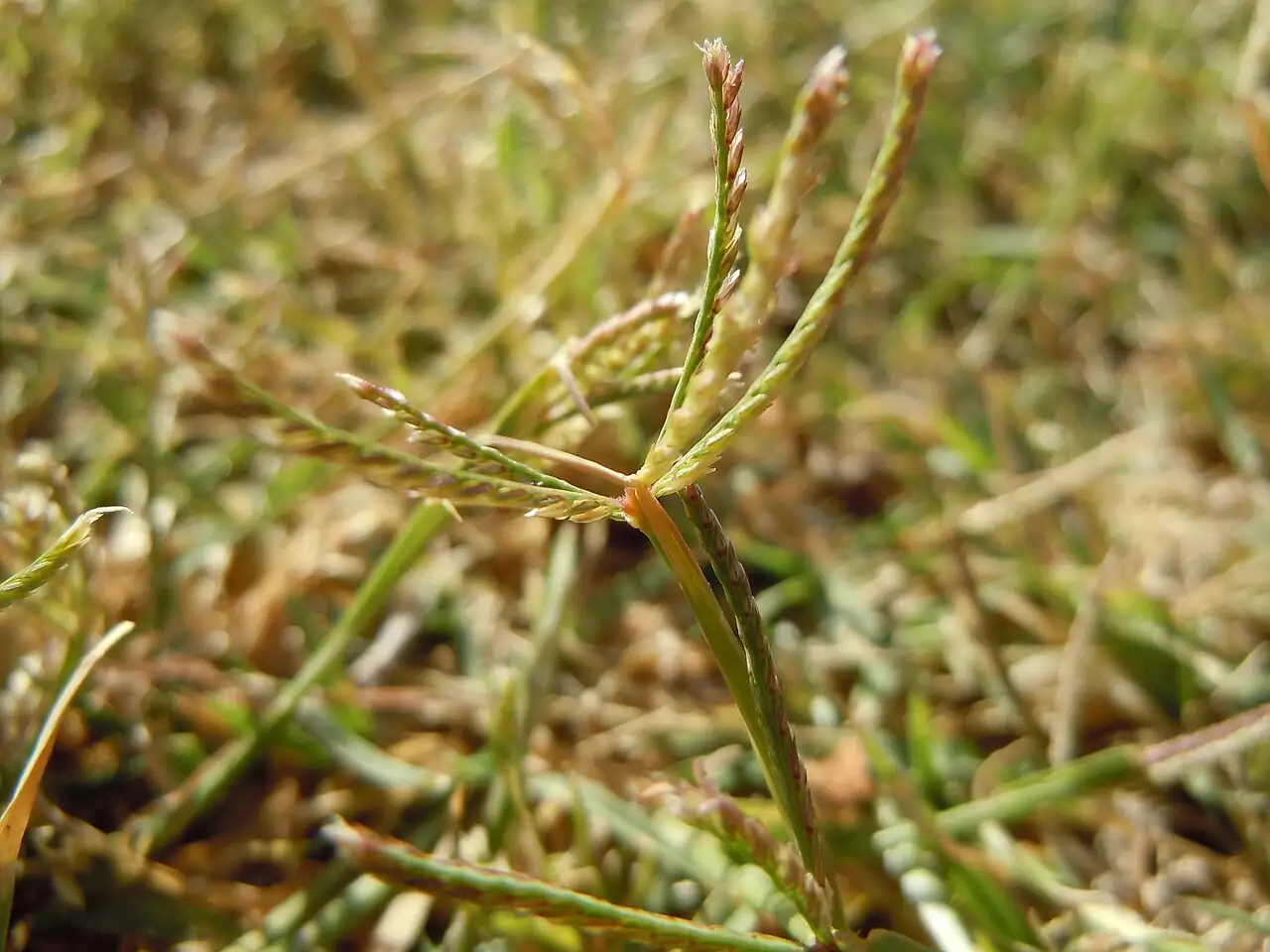
- Flower: Produces slender, finger-like seed heads (a digitate inflorescence), usually with 3–6 spikes radiating from a single point. Tiny spikelets line one side of each spike, giving the head its characteristic ‘little hand’ look.
- Flowering Season: May–October (May–October)
- Growth Habit: A perennial, strongly creeping/spreading grass that forms mats via stolons and rhizomes. It branches freely, roots at nodes, thrives in warmth and full sun, and tolerates drought, trampling, and frequent mowing.
Environment
Sunlight
Full sun is best; it struggles and thins in shade.
Temperature
Grows most vigorously around 20–35°C (68–95°F). In cool weather it slows down, and frost commonly damages or browns the top growth (often going dormant in winter in cooler regions).
Humidity
Adaptable; once established it handles dry air and drought well, though disease pressure can rise in warm, humid conditions if turf stays wet.
Soil
Prefers well-drained soil but adapts widely (sand to clay). For the best-looking turf, aim for moderately fertile soil with good drainage.
Placement
Outdoors in bright, sunny areas—lawns, parks, sports fields, and other high-traffic turf sites in warm climates.
Hardiness
USDA Zone 7–11 (7–11); widely naturalized across warm-temperate to tropical regions worldwide.
Care Guide
Difficulty
Easy to grow in full sun once established. As a ‘perfect lawn’ it can become high-maintenance because it responds to (and often requires) regular mowing, edging, and seasonal feeding.
Buying Guide
For turf, buy clean, vigorous material (seed, sod, sprigs, plugs) from reputable suppliers. Choose pieces that are evenly green with active runners and firm roots; avoid sod that is dry, straw-brown, weedy, or falls apart easily when lifted.
Watering
To establish: keep the top 2–5 cm (0.8–2 in) of soil evenly moist until roots take hold. After establishment: water deeply but less often—about 25–40 mm (1–1.6 in) per week during hot, dry periods, adjusting for rainfall, heat, and soil type.
Fertilization
Feed during active growth (late spring through summer in many regions). Turf programs typically supply nitrogen in split applications rather than one heavy dose. Avoid heavy fertilization in cool seasons when growth slows or the grass is heading into dormancy.
Pruning
Treat mowing as pruning: mow regularly to keep it dense and tidy. A common home-lawn mowing height is about 2.5–5 cm (1–2 in) (sports turf may be maintained shorter with intensive management). Edge frequently or use barriers to keep runners from invading beds and paths.
Propagation
Naturally spreads by stolons and rhizomes. Propagate by sod, plugs, sprigs, or division of rooted runners; seed is also used (though many turf cultivars are established vegetatively).
Repotting
Not typically grown as a potted plant. If started in trays or small containers (e.g., plugs), move up once roots fill the pot; use a well-draining mix and provide full sun.
📅 Seasonal Care Calendar
Spring–summer: peak growth—mow often, fertilize as needed, and water during drought. Autumn: taper fertilization and keep mowing until growth slows. Winter (cooler zones): dormancy—little to no feeding, minimal irrigation, and avoid heavy traffic on dormant turf to reduce damage.
Pests, Diseases & Safety
Common Pests & Diseases
May be affected by turf diseases such as dollar spot and brown patch (especially in warm, humid conditions), plus regional pests like mites and grubs. Reduce problems with good drainage, appropriate mowing height, balanced fertilization, and avoiding prolonged nighttime wetness from overwatering.
Toxicity
Generally non-toxic to people and pets. Seed heads and stiff grass parts can irritate sensitive mouths/paws, and pollen may trigger allergies in some individuals.
Culture & Symbolism
Symbolism: Often seen as a symbol of resilience and endurance—staying tough through heat, drought, and constant foot traffic.
History & Legends: Spread widely through intentional planting and accidental introduction as a durable turf and forage grass. In many warm regions it has naturalized and can act invasive where it escapes cultivation.
Uses: Popular warm-season lawn and sports-field turf; also used for erosion control and sunny groundcover in tough sites.
FAQ
Why is my Bermuda grass thinning in shade?
It’s a sun-lover. In shade it loses density and becomes weak and patchy. If you can’t increase light (tree pruning, reflecting light, reducing competition), consider replacing it with a more shade-tolerant turf or groundcover for that spot.
How do I stop it from invading garden beds?
Use solid edging or root barriers set 15–30 cm (6–12 in) deep, edge regularly, and pull/trim runners as soon as you see them. For severe invasions, targeted herbicide treatment may be needed—follow local guidance and label directions.
Fun Facts
- It spreads both above ground (stolons) and below ground (rhizomes), and can root wherever a node touches soil—one reason it fills in bare patches so fast.
- The seed head often looks like a tiny hand with 3–6 ‘fingers’ radiating from one point.
- Its fast recovery after wear is why it’s a go-to grass for many sports fields.
- In cooler climates it often turns brown and dormant in winter, then greens up quickly when warmth returns.


