Plant Features
- Size: Floating-leaved aquatic; spread commonly about 30–90 cm (12–35 in) or more depending on water depth and space.
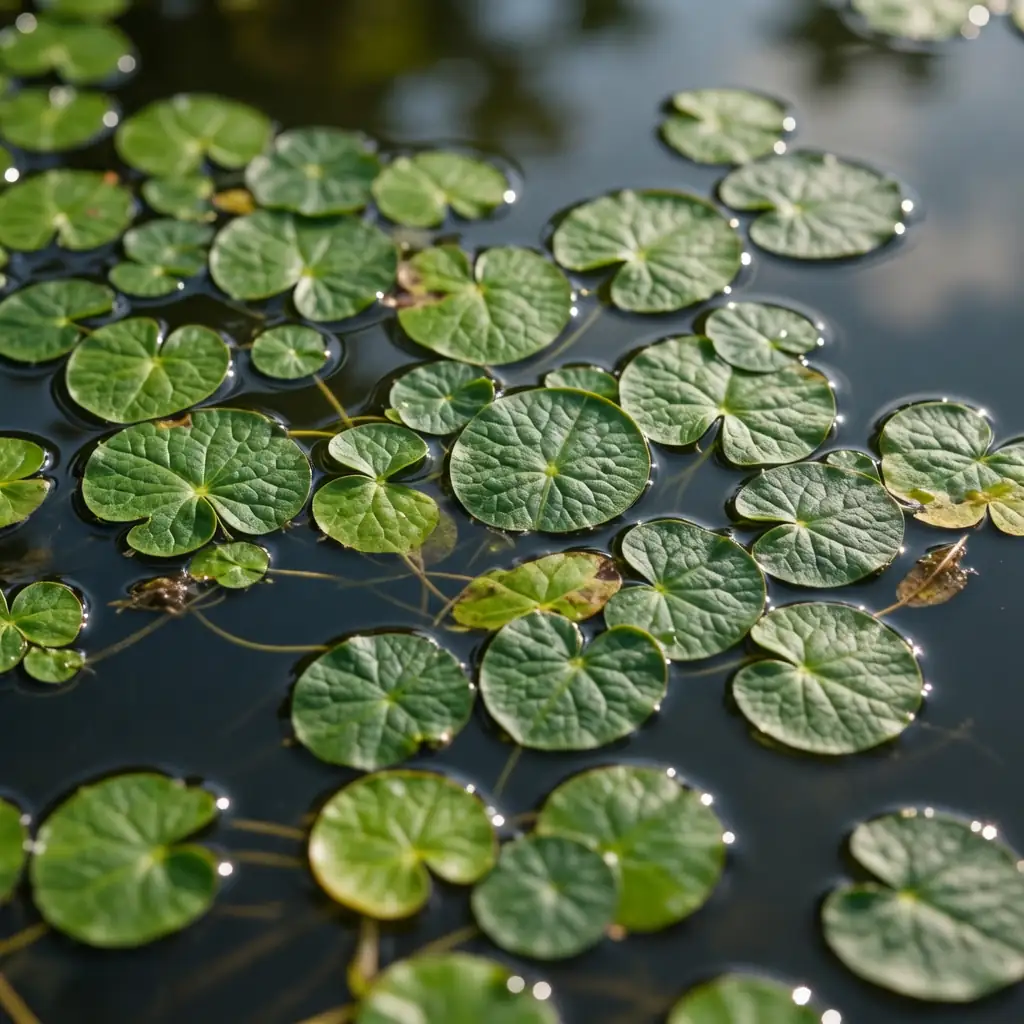
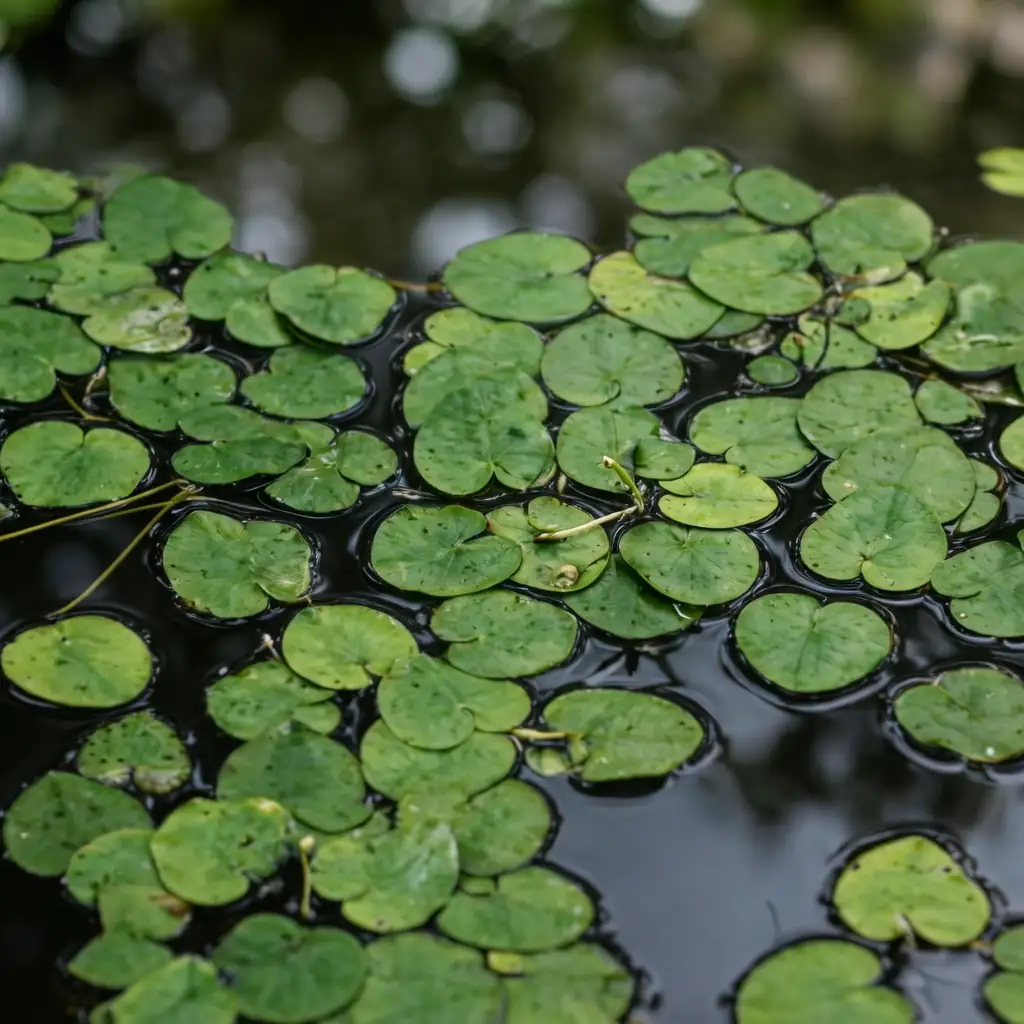
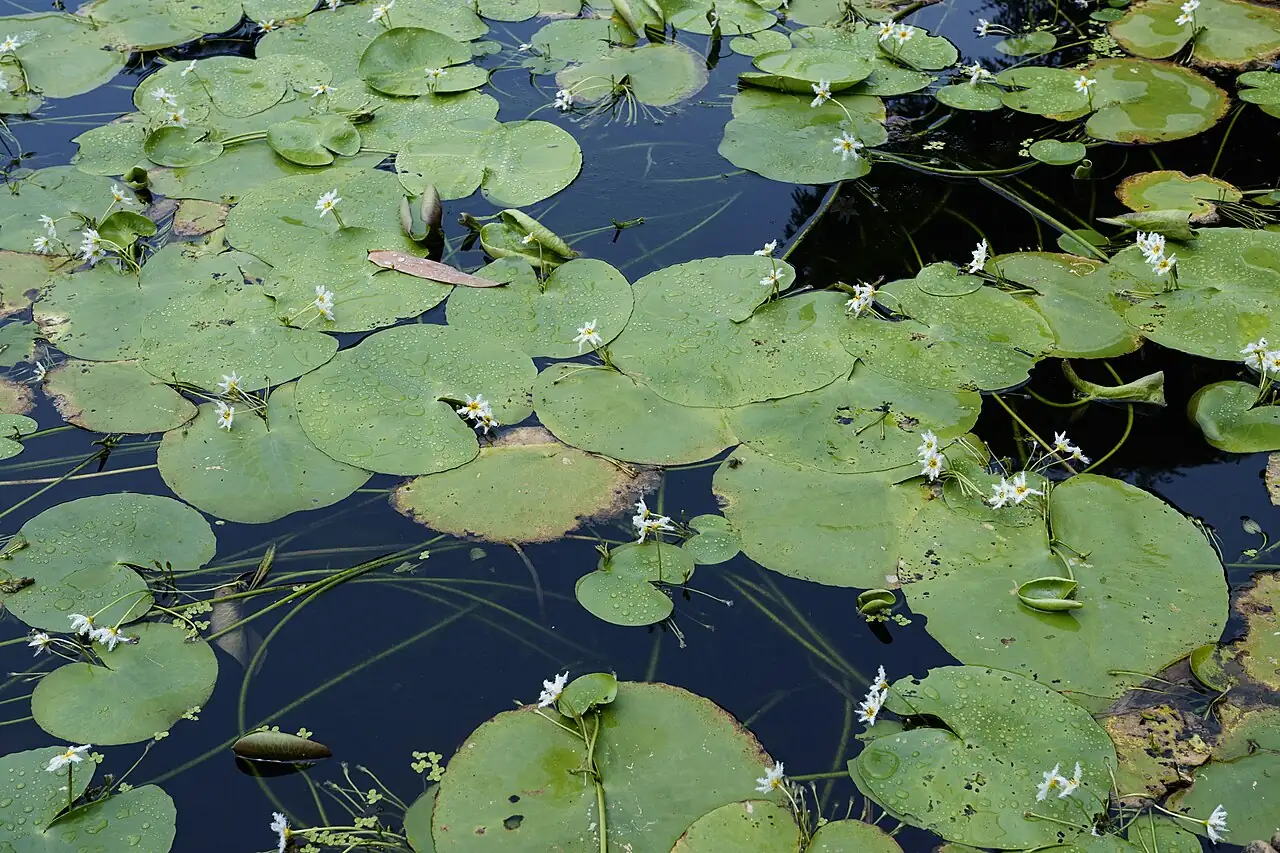
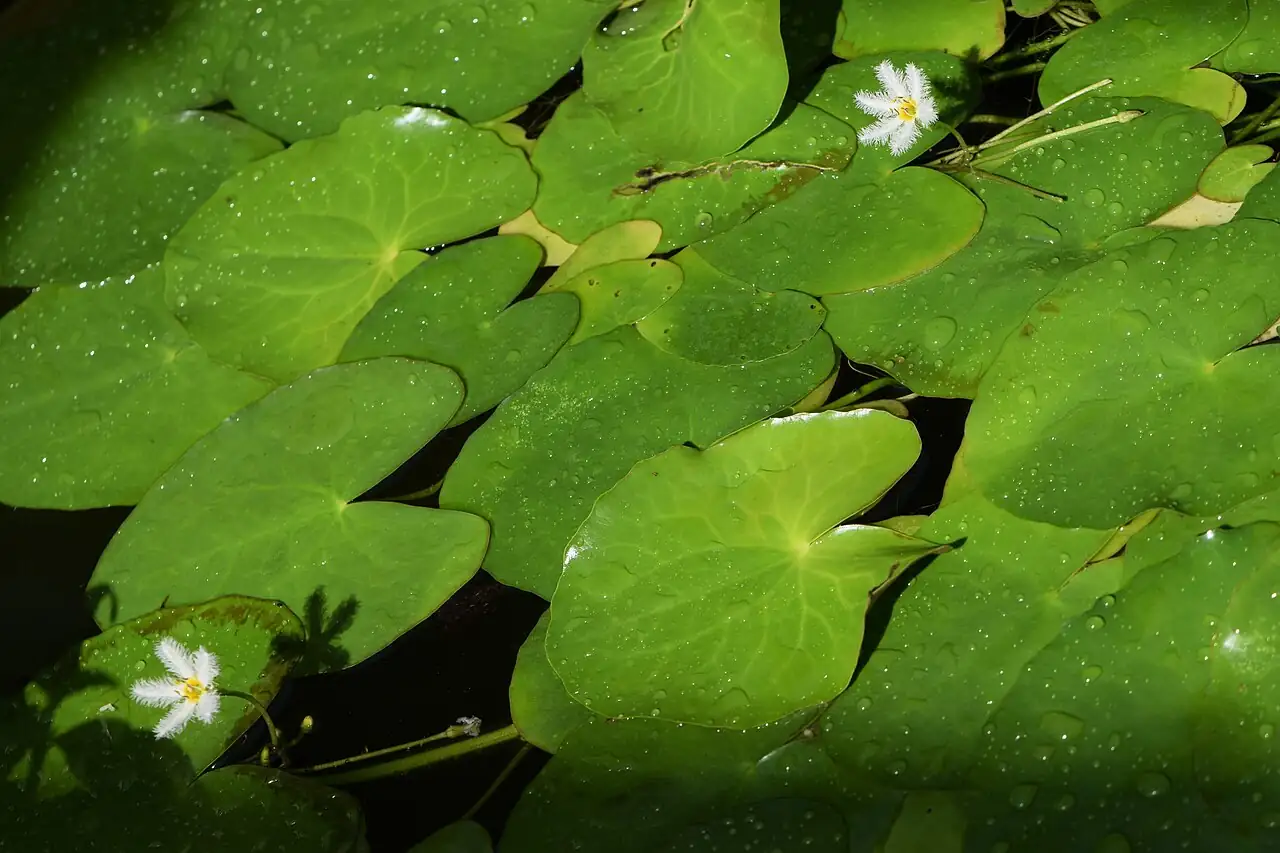
- Foliage: Floating leaves are single and fairly firm with a slightly leathery feel. Blades are broadly oval to egg-shaped with smooth (entire) margins and a distinctly heart-shaped base. The underside is dotted with many small glands; leaf stalks are relatively short.
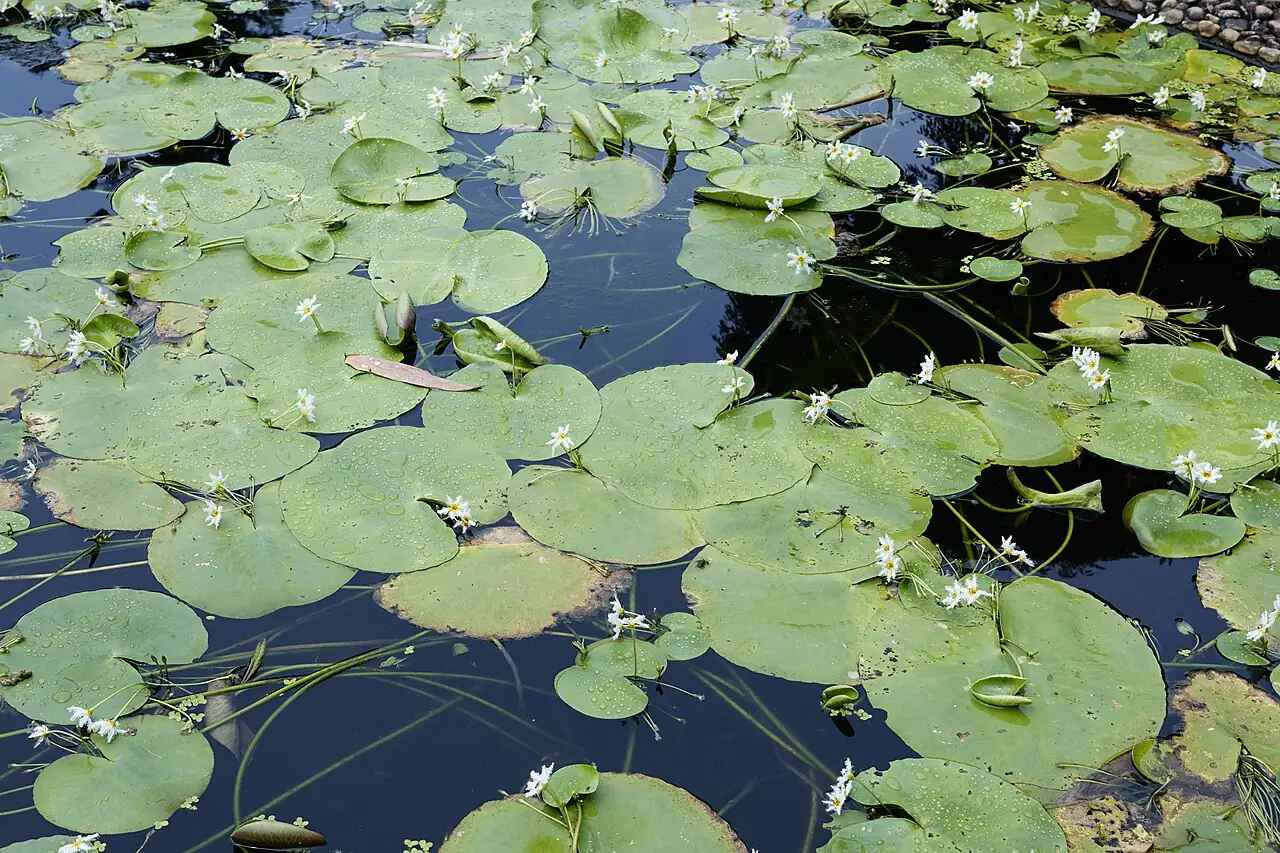
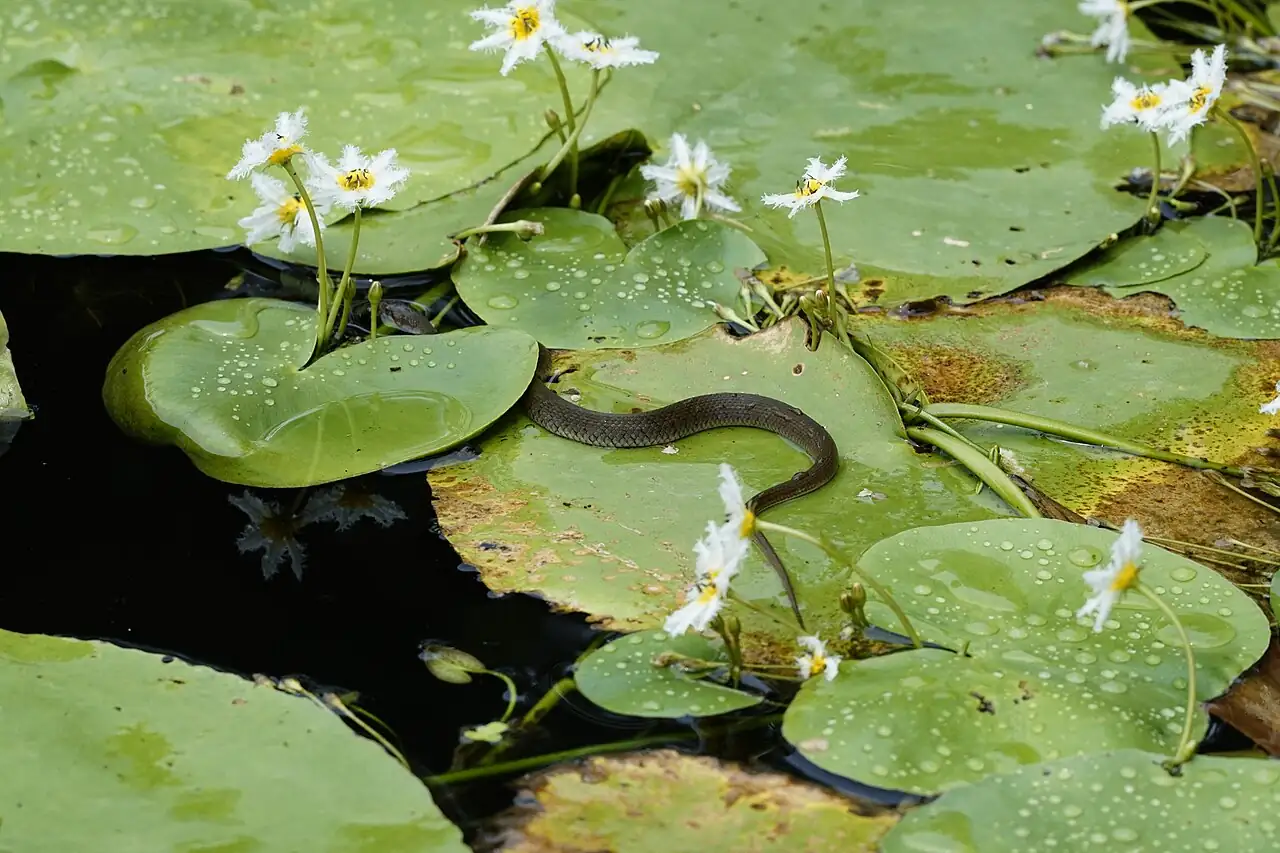
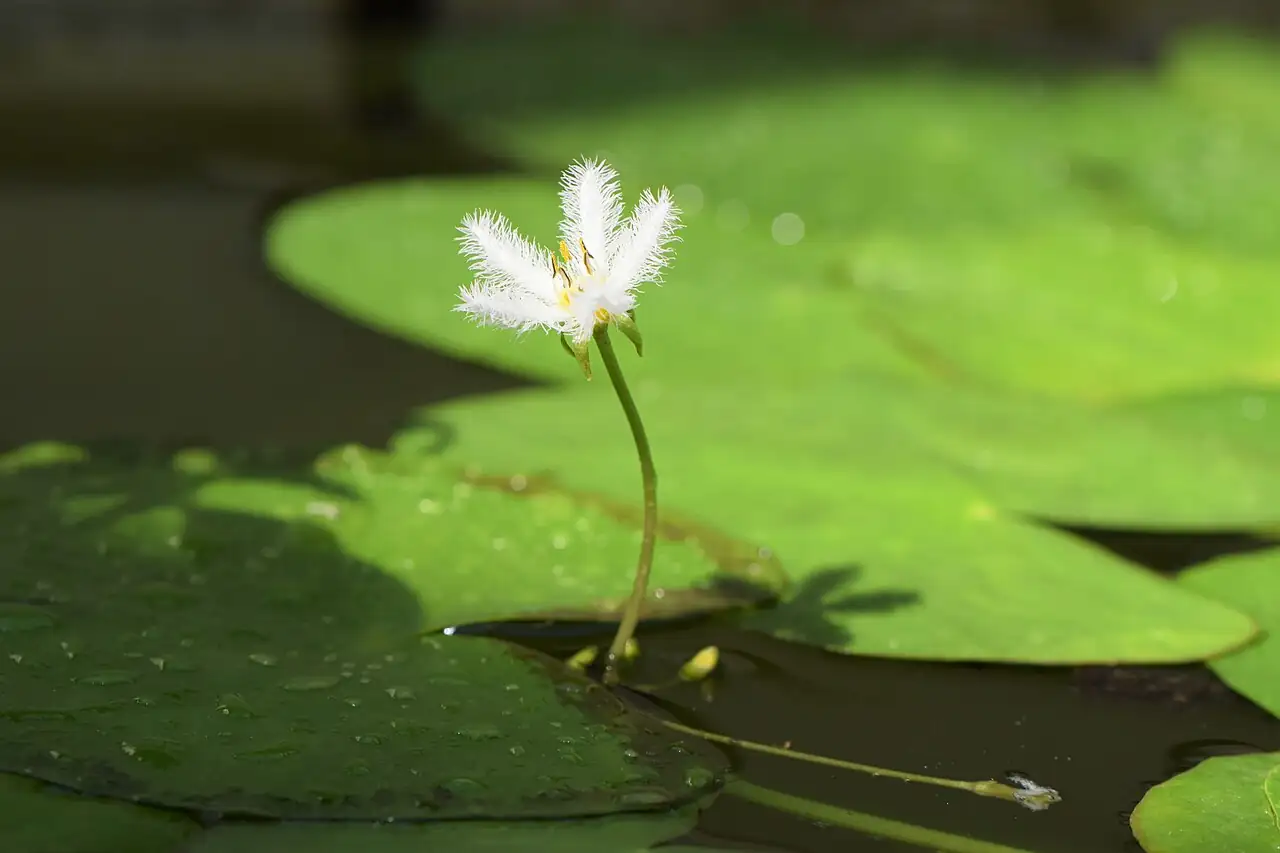
- Flower: Produces many small flowers in clusters at the nodes on slender stalks. The corolla is white with a distinct yellow throat/center. After flowering it can form an oval capsule (fruit).
- Flowering Season: August–October (Aug–Oct)
- Growth Habit: Perennial, floating-leaved aquatic herb that forms patches on the water surface; performs best in warm, humid conditions and calm water.
Environment
Sunlight
Full sun to partial sun; best flowering in full sun (at least 6 hours/day).
Temperature
Prefers warm conditions, roughly 20–30°C (68–86°F) during active growth; protect from cold and frost.
Humidity
Not applicable in the usual houseplant sense; grows in open freshwater and tolerates humid summer air.
Soil
Aquatic planting medium: heavy loam or aquatic soil in a basket/pot, submerged under still or slow-moving freshwater; avoid light, floating potting mixes. A thin gravel top-dressing helps keep the water clearer.
Placement
Outdoor ponds, lakes, and water gardens; ideal for mass planting on calm water surfaces in parks or scenic ponds.
Hardiness
Generally frost-tender; commonly treated as a warm-climate aquatic (approx. USDA Zone 9–11).
Care Guide
Difficulty
Moderate: easy in warm, sunny ponds with stable water levels; struggles with cold water, shade, or strong current.
Buying Guide
Choose plants with firm, unblemished floating leaves and visible new growth. Avoid specimens with mushy crowns, strong odor, or heavy algae smothering. Confirm it is legal and non-invasive in your region before purchase.
Watering
No routine watering needed when grown as an aquatic. Keep the crown and pot consistently submerged; avoid letting containers dry out during heat waves or maintenance drawdowns.
Fertilization
Use slow-release aquatic fertilizer tablets during the growing season. Typical schedule: every 4–6 weeks in spring and summer (or follow the product label). Reduce or stop feeding in cooler months.
Pruning
Remove yellowing leaves and spent flower stalks to keep water clear and reduce decay. Thin dense mats if they begin to cover too much of the surface.
Propagation
Division of established clumps or separation of rooted runners/plantlets during warm weather. Some populations also set seed after flowering.
Repotting
Repot or refresh the aquatic soil every 1–2 years, ideally in late spring to early summer. Use a wide basket/container and top with a thin layer of gravel to reduce clouding.
📅 Seasonal Care Calendar
Summer to autumn: peak display with silvery white flowers; best used in large drifts on pond or lake surfaces. Flowering and fruiting typically occur from August to October (Aug–Oct).
Pests, Diseases & Safety
Common Pests & Diseases
May be affected by aphids on emerging shoots, snails, and leaf-chewing aquatic insects; algae can smother leaves in nutrient-rich water. Reduce nutrient runoff, remove affected leaves, and use pond-safe controls when needed.
Toxicity
No well-established toxicity concerns are widely cited for typical ornamental pond use; however, avoid ingestion and keep pets from chewing aquatic plants as a precaution.
Culture & Symbolism
Symbolism: Often linked with calm water, bright summer days, and a peaceful, sparkling pond surface thanks to its white-and-yellow blooms.
Uses: Primarily ornamental: planted in ponds, lakes, and water gardens for a bright summer-to-autumn floral display; especially striking when used in mass drifts in parks and scenic waters.
FAQ
Why isn’t my Indian floatingheart flowering?
The most common reason is not enough sun. Aim for full sun (about 6+ hours/day) and keep water calm and warm; heavy shade and strong current often reduce blooming.
Do I need to “water” it if it’s in a pot in the pond?
Not in the usual sense—just make sure the pot stays submerged and doesn’t dry out during hot weather or when the pond level drops.
How do I keep it from covering too much of the pond surface?
Thin and remove excess mats regularly by lifting out crowded sections and trimming older leaves; this also improves light and oxygen for other pond life.
Fun Facts
- It’s a perennial aquatic herb whose leaves float right on the water surface.
- The leaf underside is dotted with tiny glands, and the leaf base is distinctly heart-shaped.
- Flowers appear in little clusters at the nodes; in bright sun they can look silvery as they sparkle on the water.
- Flowering and fruiting are usually concentrated from August to October (Aug–Oct).
- It naturally occurs around ponds, lakes, and slow streams and has been recorded from multiple regions of China.