Plant Features
- Size: Up to about 20 m (66 ft) tall; crown spread varies with site conditions and pruning.
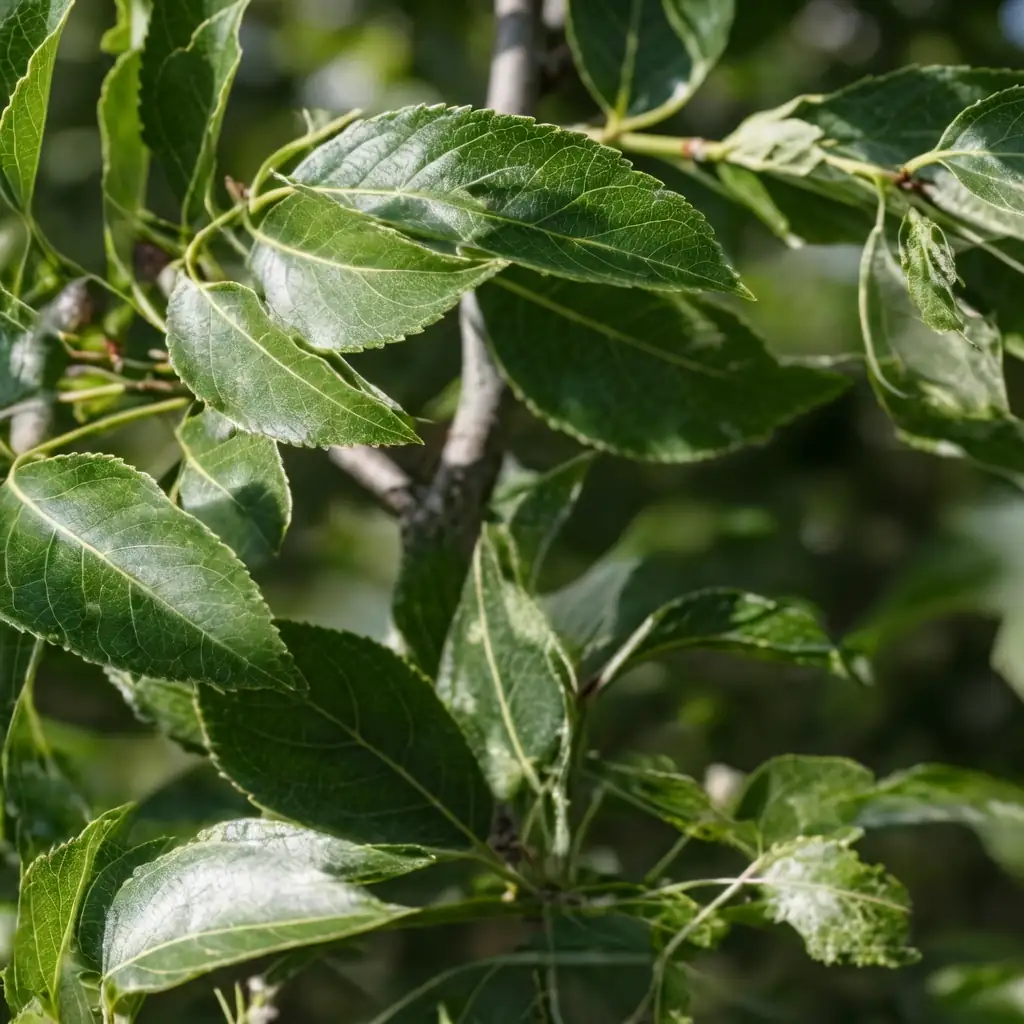
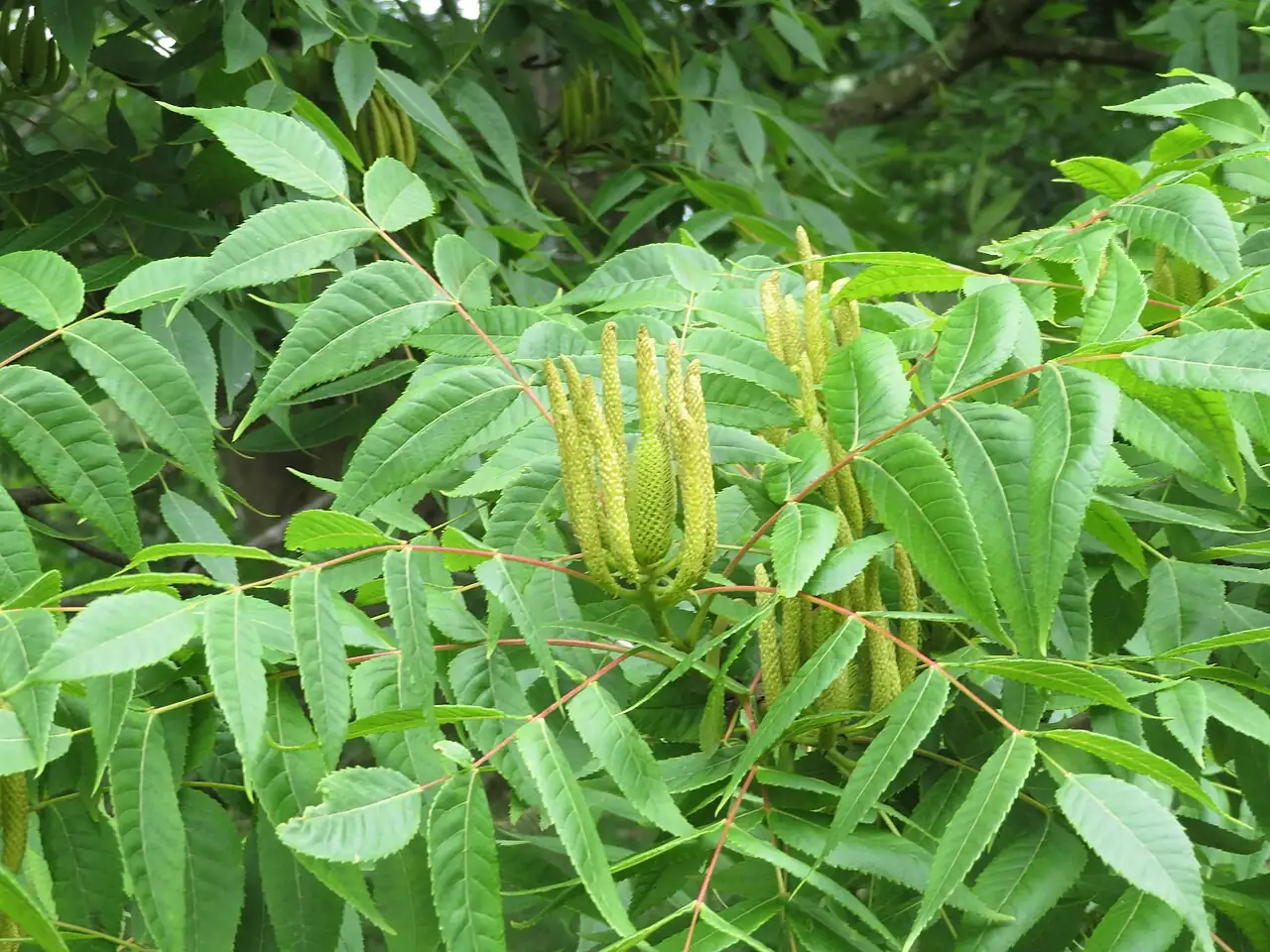
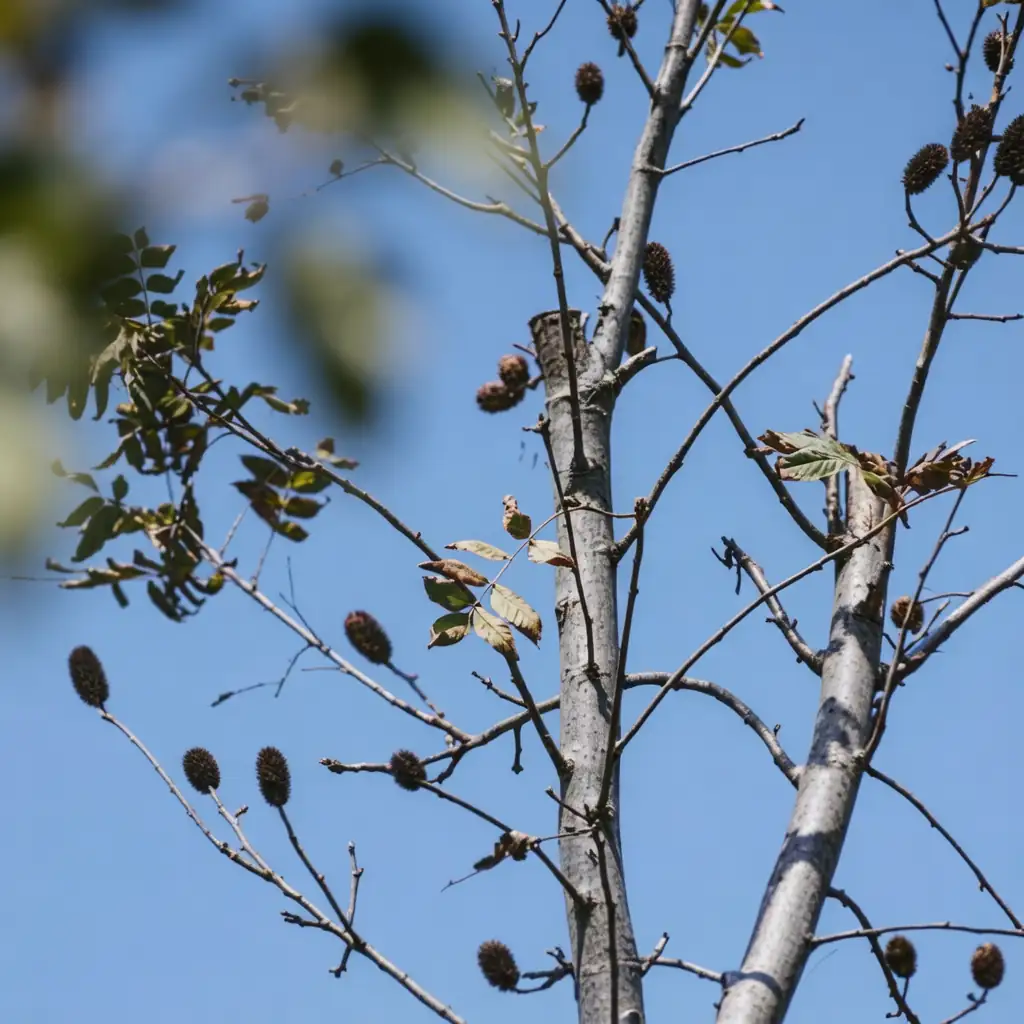
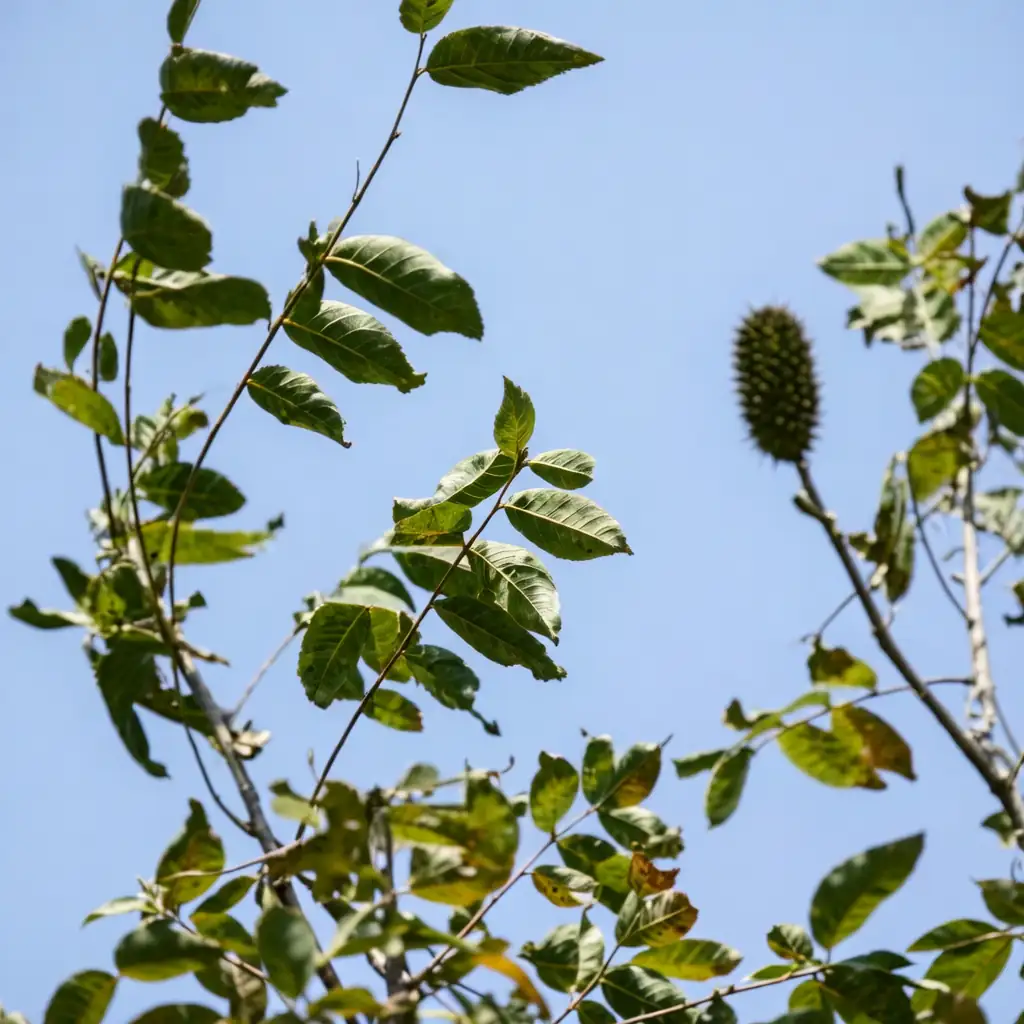
- Foliage: Leaves about 15–30 cm (5.9–11.8 in) long with a light, papery texture; the canopy is notably dense. Two-year-old twigs are dark brown with small lenticels. Bark is gray and, with age, develops irregular longitudinal fissures.
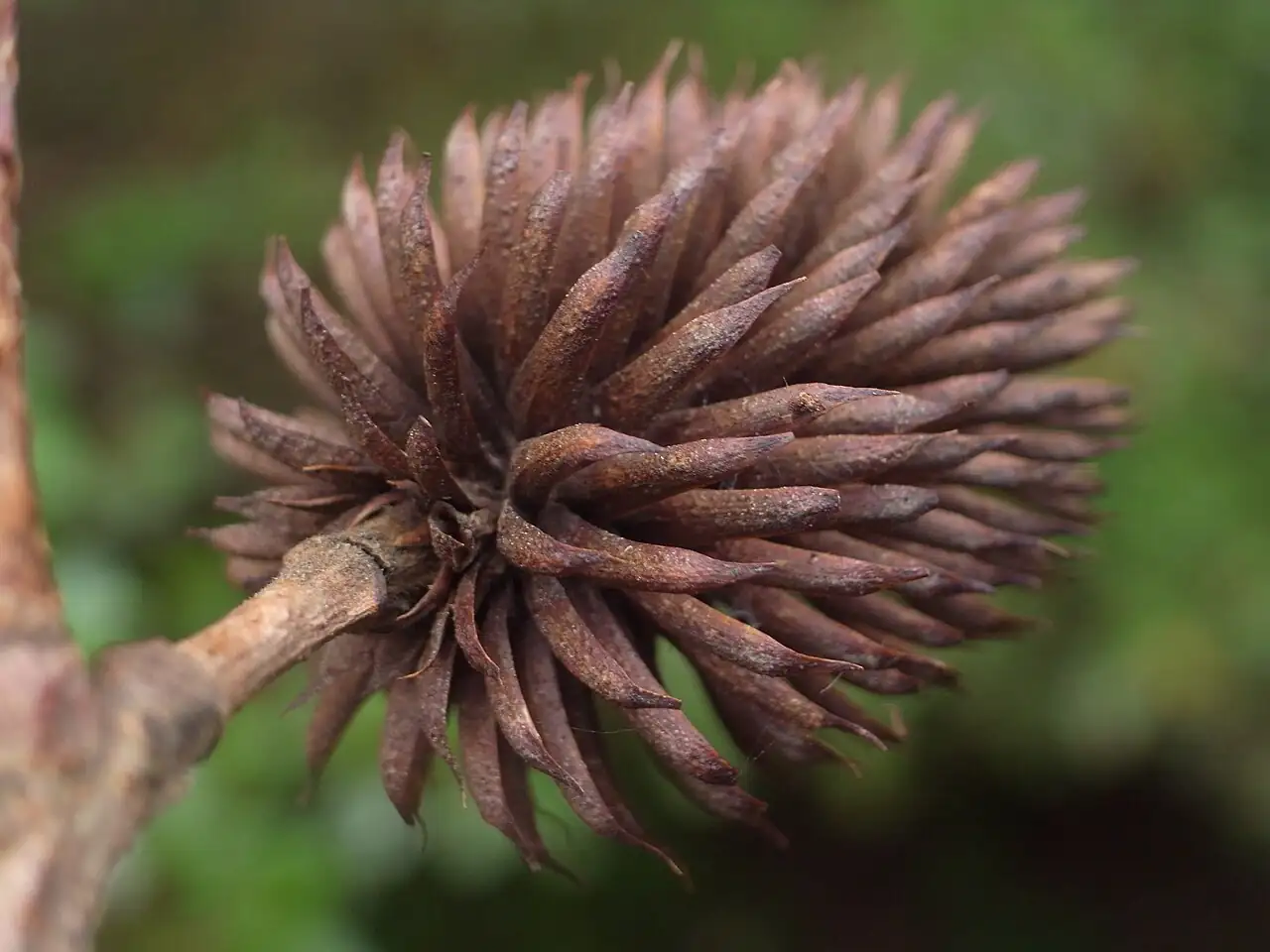
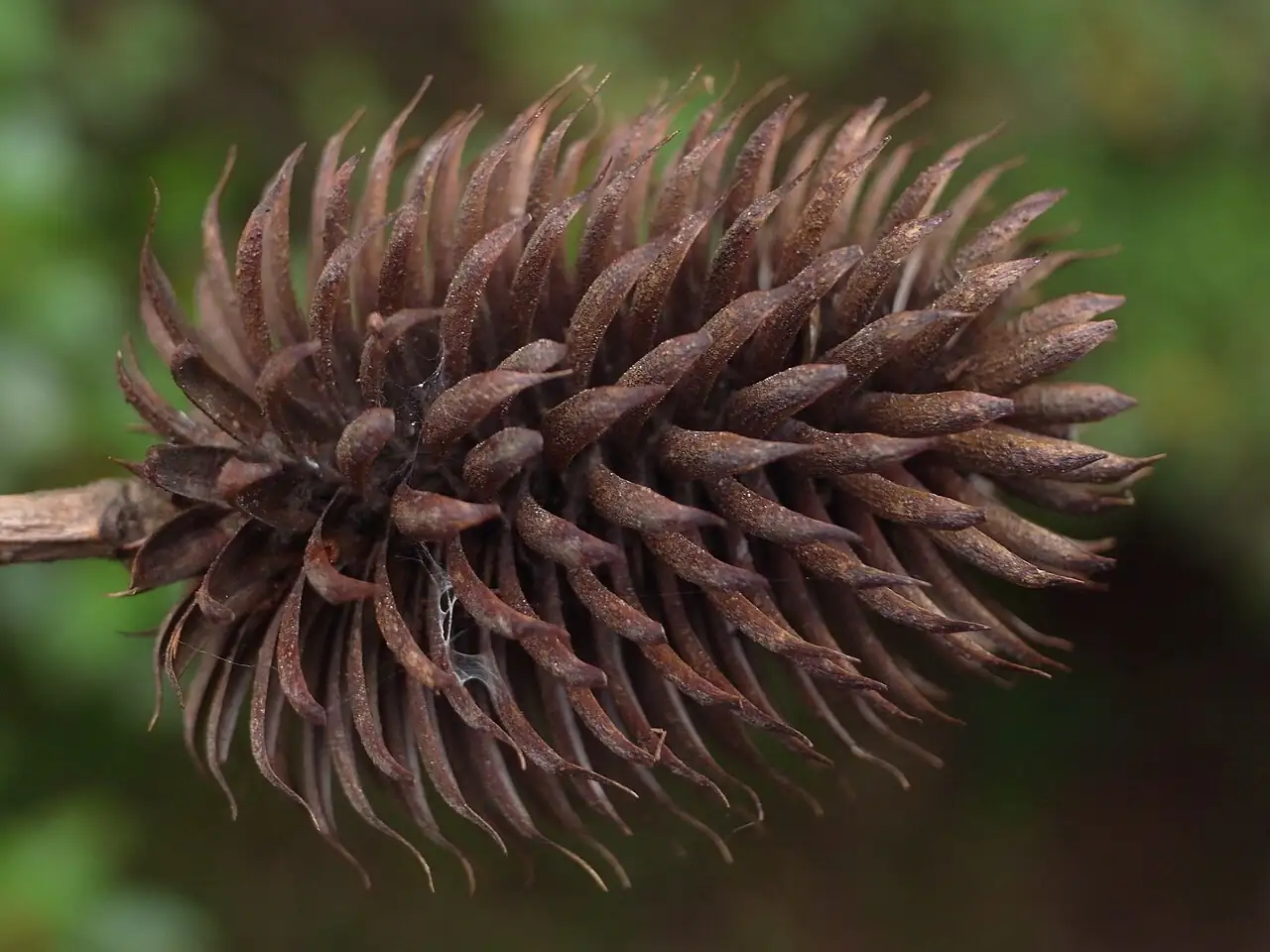
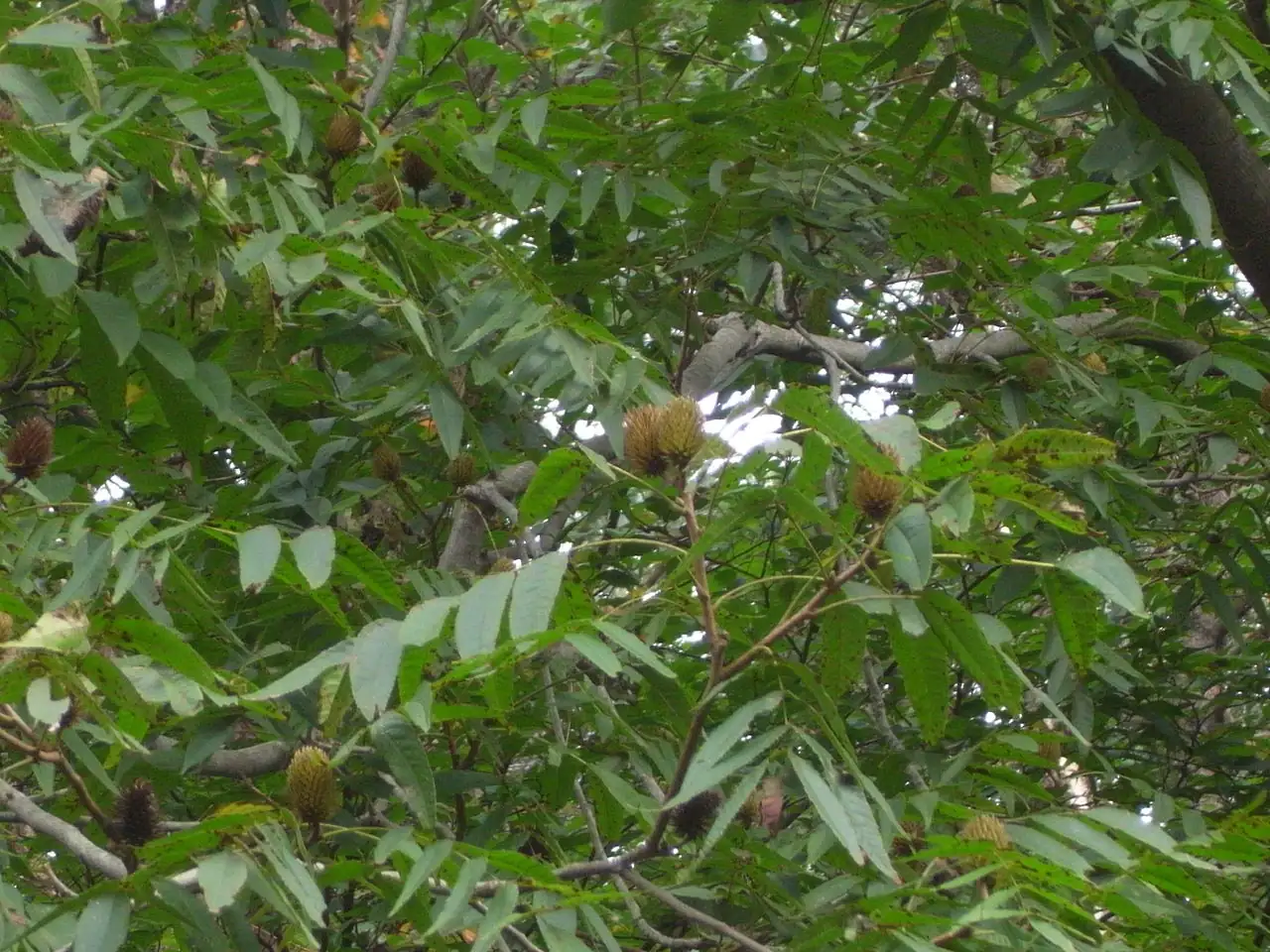
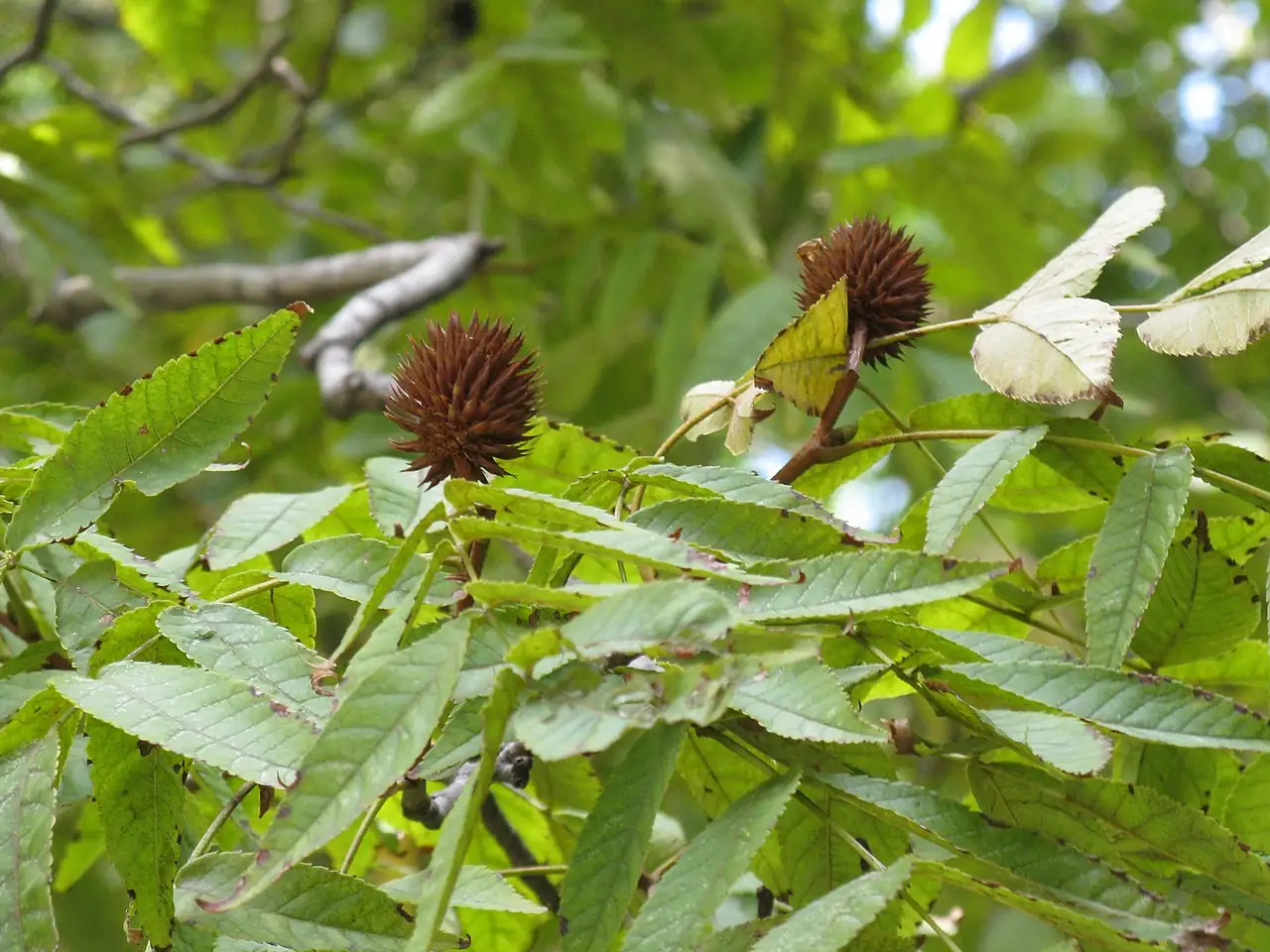
- Flower: Male and bisexual inflorescences appear near the tips of young branches, held upright in a corymb-like arrangement and giving a catkin-like look. After flowering, the plant forms very distinctive cone-like fruiting clusters through summer.
- Flowering Season: May–June
- Growth Habit: Deciduous, upright small tree with vigorous growth; readily resprouts after cutting or damage (strong coppice response).
Environment
Sunlight
Full sun for best growth; tolerates light shade.
Temperature
Prefers warm, humid conditions but is broadly hardy in temperate climates with cool winters. Young trees benefit from protection from prolonged extremes (severe freezes or intense heat).
Humidity
Moderate to high humidity preferred, though it adapts well once established.
Soil
Performs best in deep, fertile, neutral loam. Also tolerates thinner, poorer soils and some drought once established. Provide good drainage and avoid waterlogged sites.
Placement
Outdoors as a specimen or shade tree in gardens, parks, and streetscapes; also useful in larger landscape plantings and amenity woodland.
Hardiness
Generally suited to temperate landscapes; commonly cited around USDA Zones 6–9 (site and provenance dependent). Not a houseplant; best grown outdoors.
Care Guide
Difficulty
Easy (outdoors in suitable climates). Fast growth, tolerance of imperfect soils, and strong resprouting make it forgiving—especially once established.
Buying Guide
Pick a tree with a straight central leader, well-spaced branches, and no signs of dieback or canker. Avoid pot-bound stock—check for circling roots—and make sure the root flare is visible rather than buried.
Watering
Water consistently through the first 1–2 growing seasons to establish a deep root system. After that, water during extended dry spells with deep soakings, letting the top layer of soil dry slightly between waterings. Avoid waterlogging.
Fertilization
Often unnecessary in decent garden soil. If growth seems weak, apply a balanced slow-release fertilizer in spring at label rates. Avoid heavy nitrogen late in the season to prevent soft, frost-prone growth.
Pruning
Prune in late winter to early spring while dormant. Remove damaged, crossing, or crowded branches and maintain a clear framework. Because it resprouts strongly, don’t over-cut unless you’re deliberately renovating or coppicing.
Propagation
Usually grown from seed. Collect mature cone-like fruit clusters in summer, extract the seed, and sow in autumn or after cold stratification. It also responds well to coppicing, vigorously regrowing from cut stumps.
Repotting
Not typically kept long-term in containers. If grown in a pot while young, move up to a deeper container in early spring using a free-draining, loam-based mix, and plant out before roots become bound.
📅 Seasonal Care Calendar
Spring: plant, mulch, and keep evenly watered; light feeding only if needed. Summer: deep water in drought; monitor for pests. Autumn: collect seed; refresh mulch. Winter: do structural pruning while dormant.
Pests, Diseases & Safety
Common Pests & Diseases
Generally tough. Watch for aphids and scale, plus occasional leaf spots in humid weather. Encourage airflow, avoid late-day overhead watering, and clear fallen infected leaves if spotting becomes persistent.
Toxicity
No widely cited, specific toxicity is well documented for this species. As with many woody plants, swallowing large amounts of leaves or bark could still upset the stomach—use normal caution around pets and children.
Culture & Symbolism
Symbolism: Often associated with resilience and vitality—thanks to its quick growth and impressive ability to bounce back (resprout) after cutting or damage.
History & Legends: A distinctive Chinese native in the walnut family, grown mainly as an ornamental/amenity tree and appreciated for its dense shade and the unusual cone-like fruit clusters that linger through summer.
Uses: Primarily ornamental: a dependable specimen and shade tree for larger gardens and public landscapes; also planted in groups for park woodland effects and broad canopy coverage.
FAQ
What is the scientific name?
Platycarya strobilacea.
When does it flower?
Typically May–June, with upright catkin-like flower clusters.
When does it set fruit?
Usually mid to late summer (often July–August), forming distinctive cone-like fruiting clusters.
Where is it native and what conditions does it like?
It’s native across many provinces in China. It grows best in full sun with deep, fertile, neutral loam and moderate-to-high humidity, but it tolerates poorer soils and some drought once established.
Fun Facts
- In good conditions it can grow to around 20 m (66 ft) tall.
- Its summer fruit clusters look like small cones—one of the easiest ways to identify it.
- Older trees develop gray bark with irregular vertical fissures.
- It coppices readily, meaning it can resprout vigorously after being cut back.
- It’s valued for dense shade, making it popular in parks and larger landscape plantings.