Plant Features
- Size: Typically around 60 cm (24 in) tall; forms upright clumps (spread varies with site conditions and management).
- Foliage: Narrow, linear leaves. Leaf sheaths are characteristically flattened with a distinct ridge and fine soft hairs; near the base you may notice small, swollen hair-bases—handy ID clues when comparing similar grasses.
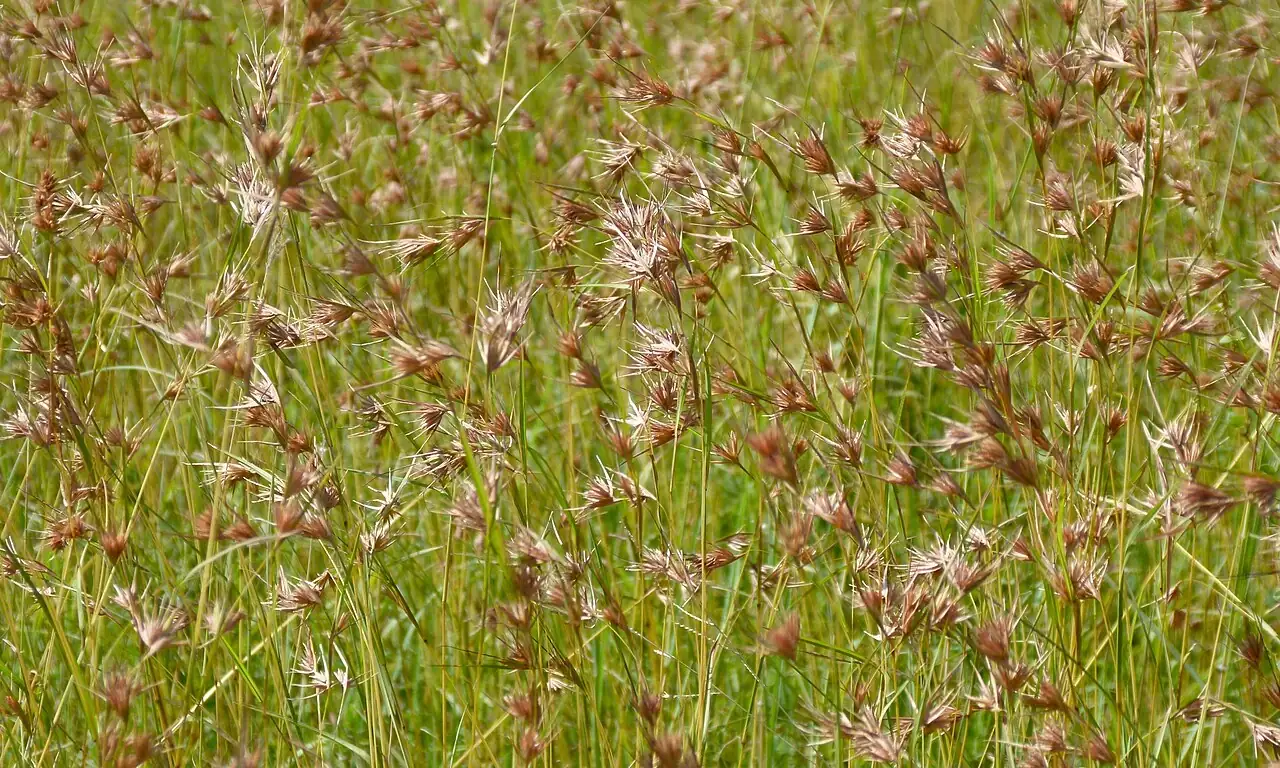
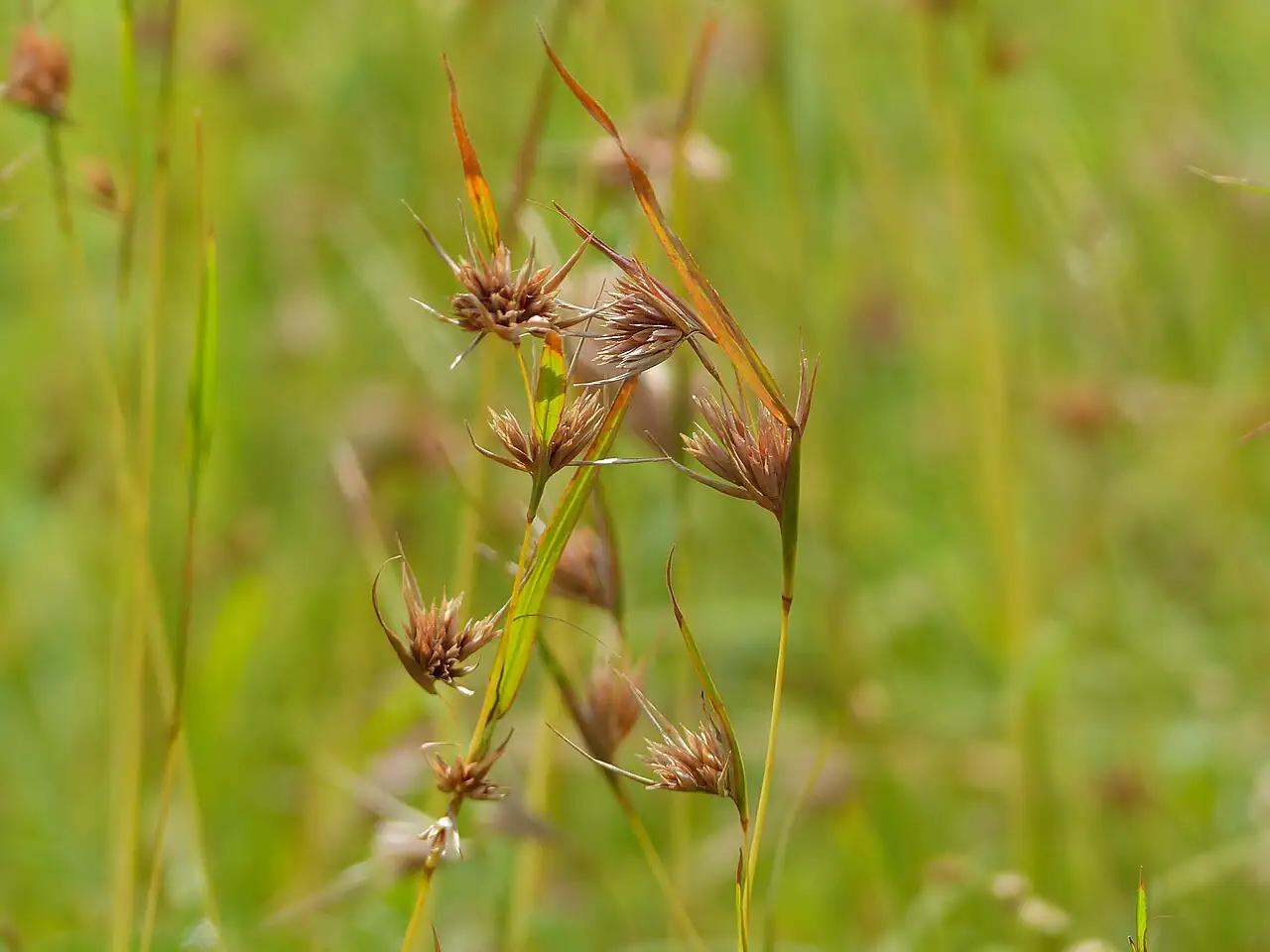
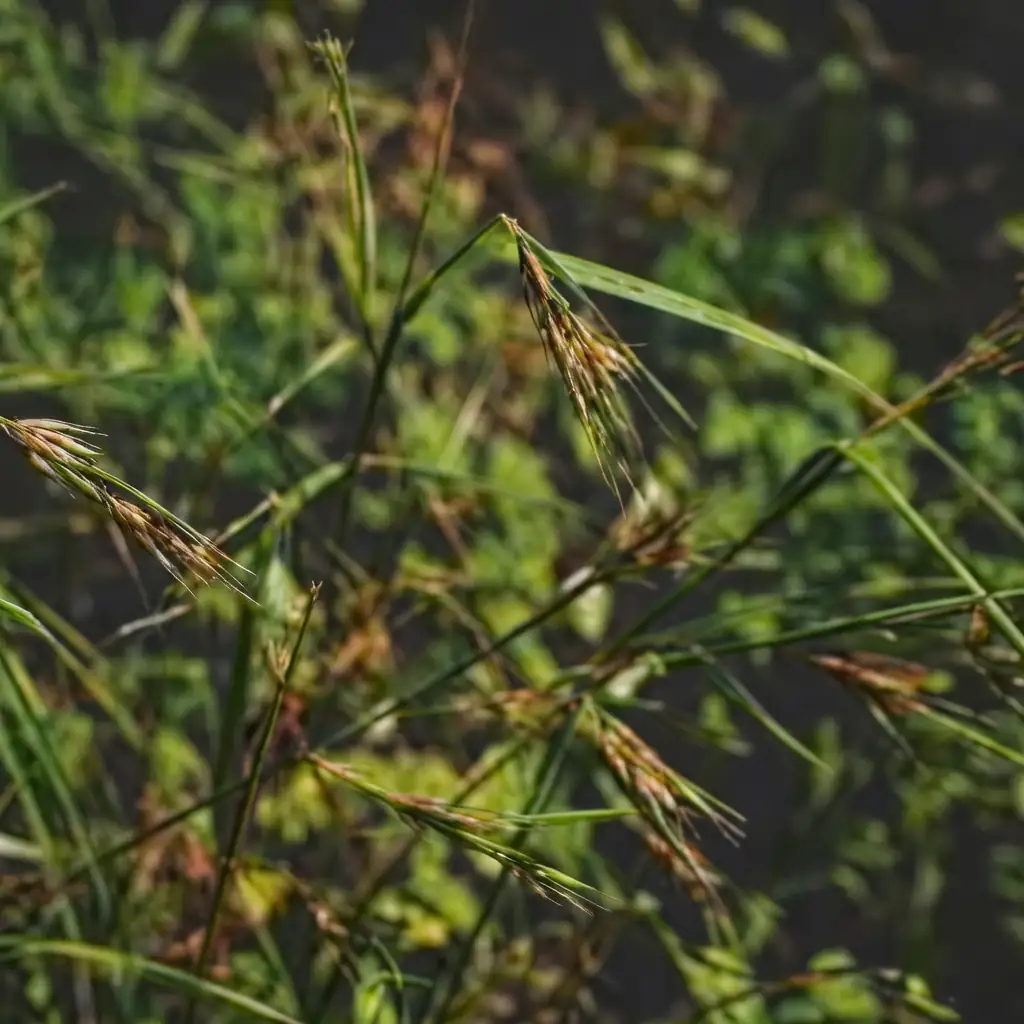
- Flower: Summer flowering stems carry awned spikelets. The awn column is rough to the touch or coated with short hairs, giving the seedheads a bristly texture and a wild-grass charm.
- Flowering Season: June–September (often overlaps with the main seed-setting period).
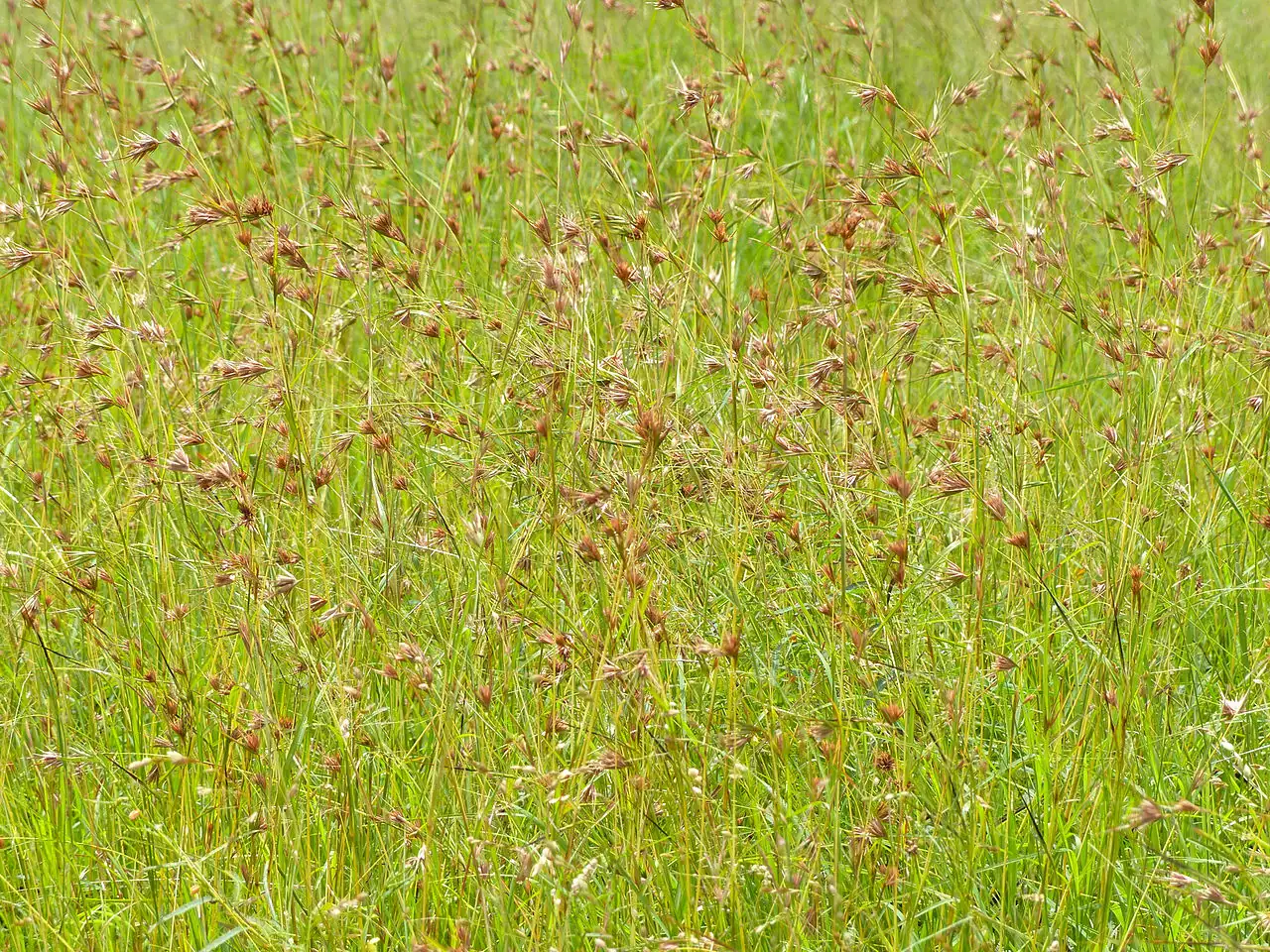
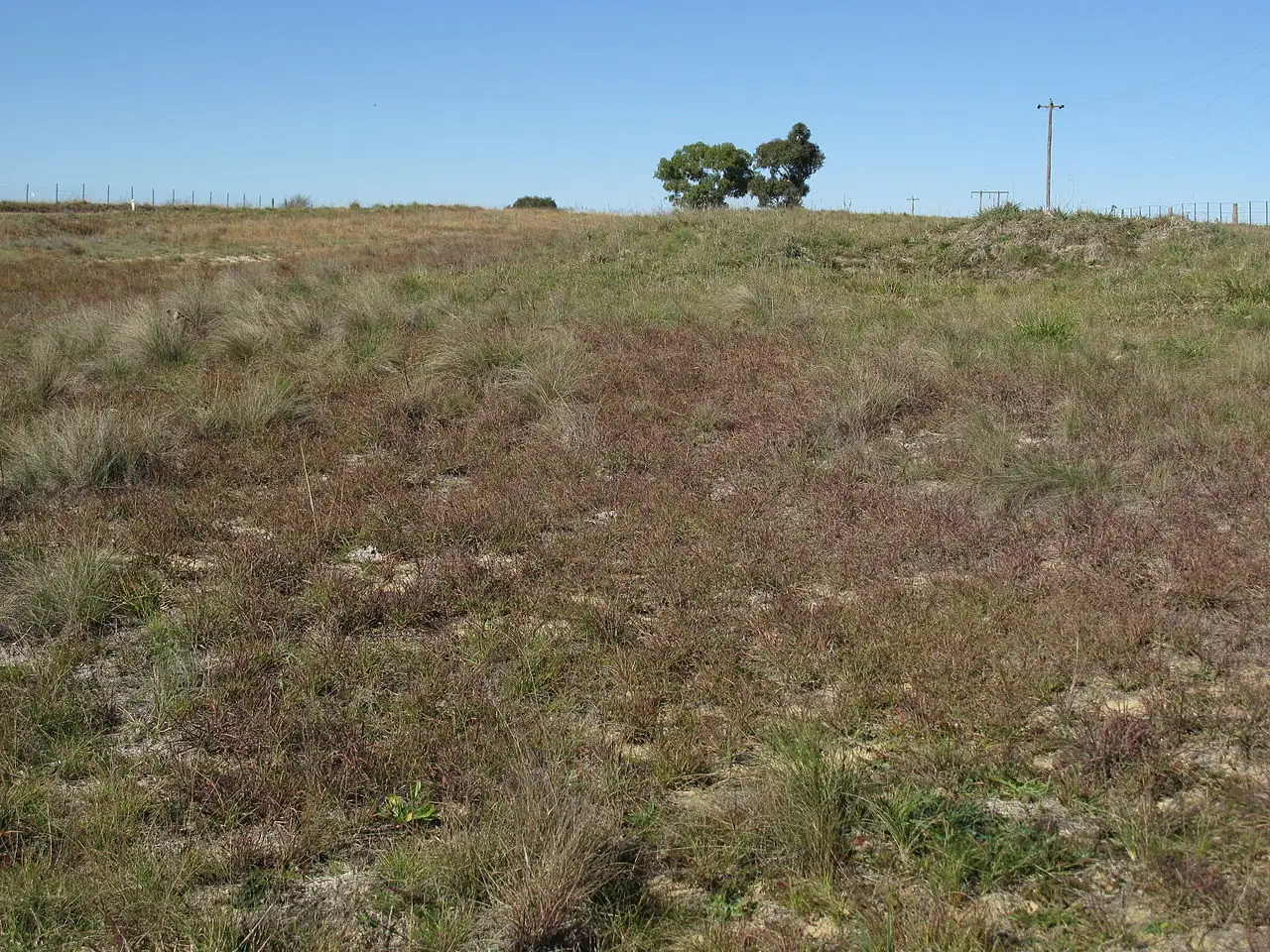
- Growth Habit: Perennial, tufted (bunch-forming) grass with few branches; often found and used in grassy slopes/meadows and along woodland edges.
Environment
Sunlight
Full sun to bright, open exposure; flowering and sturdy growth are best in full sun.
Temperature
Warm-season grass; strongest growth in the warm months, roughly 18–30°C (64–86°F).
Humidity
Adaptable; handles average to dry air well as long as the soil drains freely.
Soil
Well-drained soil is essential. Tolerates sandy or loamy soils and relatively low fertility; avoid persistently waterlogged ground (a common cause of decline).
Placement
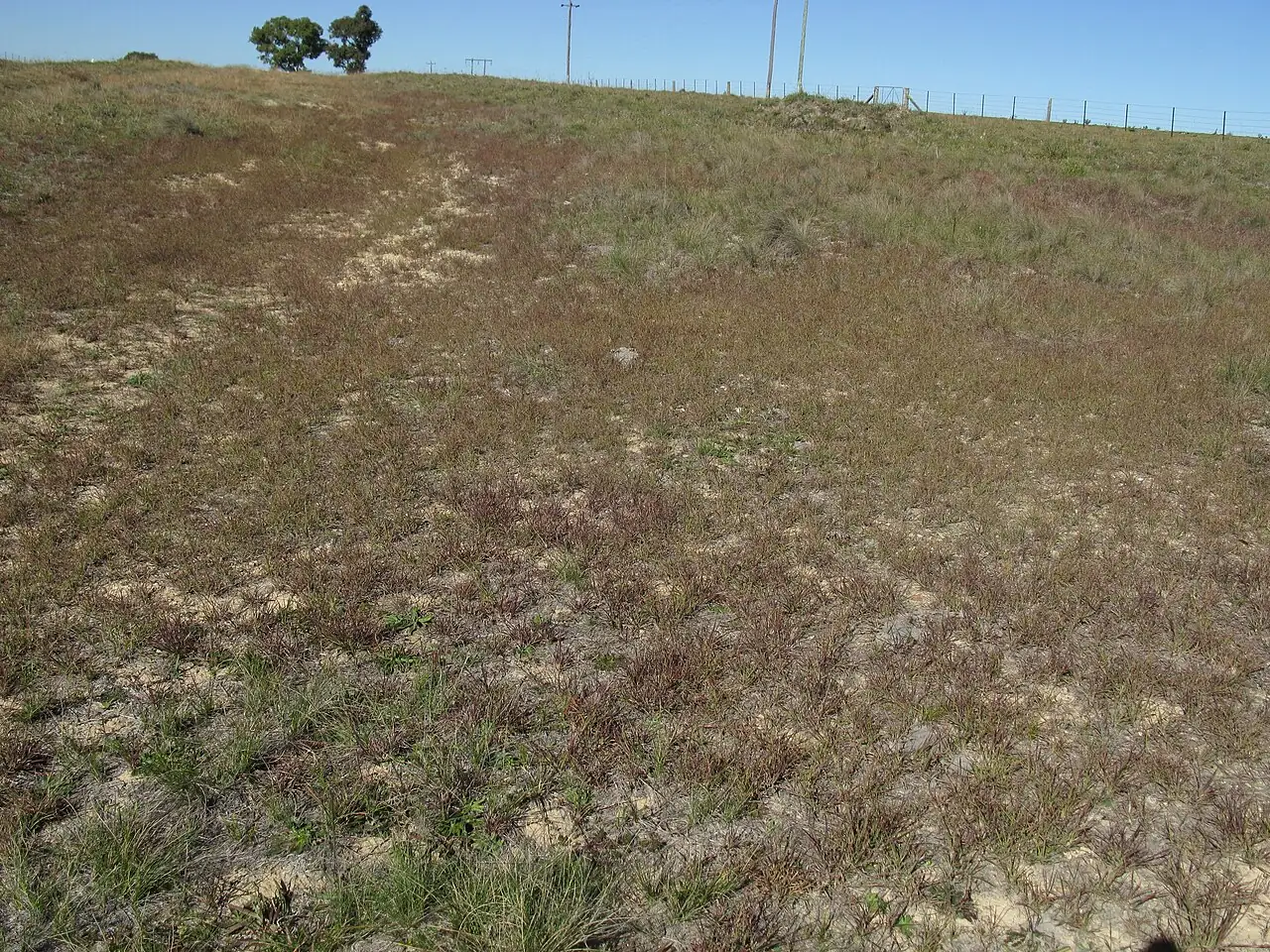
Best outdoors—meadow/prairie plantings, naturalistic borders, slopes, and woodland-edge style gardens; can be used as a self-seeding, loose ground layer in near-wild landscapes.
Hardiness
Often cited around USDA Zone 8–11 (approx.), with winter wetness and local forms strongly influencing survivability; drought-tolerant once established but not tolerant of soggy winter soils.
Care Guide
Difficulty
Easy to moderate outdoors: give it sun and drainage and it usually takes care of itself once established.
Buying Guide
Pick plants with a firm, healthy crown and strong basal growth. Avoid pots that smell sour or look waterlogged (a red flag for rot), and skip tall, floppy, overly soft growth that can come from excess water or nitrogen.
Watering
Water regularly during the first growing season to establish roots. After that, water deeply only during prolonged drought. Avoid frequent light watering, and don’t keep the soil constantly wet—this grass strongly prefers “drying out between drinks.”
Fertilization
Usually minimal. If growth is weak, apply a light, balanced slow-release feed in spring. Avoid heavy nitrogen, which can cause lush but floppy stems.
Pruning
Late winter to early spring: cut back old foliage to about 5–10 cm (2–4 in) before new shoots emerge. Remove spent stems when desired, especially if you want to reduce self-seeding.
Propagation
Divide established clumps in spring. Also grows readily from seed, and may self-seed in sunny, open plantings where conditions suit it.
Repotting
If grown in a container, repot in spring into a free-draining mix and a pot with generous drainage holes; divide if the crown becomes crowded.
📅 Seasonal Care Calendar
Spring: cut back, refresh or divide clumps if needed. Summer: minimal care—water only in extended dry spells. Late summer–fall: let seed mature if you want self-sowing (or deadhead to limit it). Winter: leave standing for structure and wildlife interest, then cut back before spring regrowth.
Pests, Diseases & Safety
Common Pests & Diseases
Generally trouble-free. The main risk is crown/root rot in poorly drained or waterlogged soil. Occasional aphids may show up on fresh growth; good airflow, avoiding overwatering, and improving drainage usually keeps problems minor.
Toxicity
No well-documented toxicity to people or pets. Like many grasses, leaves can cause mild skin irritation for sensitive handlers, and the awns may cause mechanical irritation (especially if brushed into eyes, noses, or pet ears).
Culture & Symbolism
Symbolism: Often linked with resilience and a relaxed, natural meadow aesthetic—thanks to its drought tolerance and willingness to self-sow.
History & Legends: Themeda triandra is widely known as an important native grass in parts of Australia and is also found across regions of Asia and Africa. This particular record notes its presence in Gyirong (Jilong), Tibet, China—highlighting how broadly adaptable the species complex can be.
Uses: A hardy ornamental for naturalistic gardens, prairie/meadow plantings, and low-input landscapes. It can also function as a loose, self-seeding ground layer in near-wild settings where a formal look isn’t the goal.
FAQ
Can it be used as a self-seeding groundcover?
Yes. In open, sunny sites with well-drained soil, it can set seed from summer into early autumn and may self-sow to create a light, naturalistic ground layer.
Why is my plant declining in a wet spot?
Poor drainage is the usual culprit—waterlogged soil can trigger crown or root rot. Move it to a better-drained location (or amend/raise the bed), reduce irrigation, and avoid heavy soils that stay wet.
Fun Facts
- It often flowers and sets seed over the same window—roughly June to September.
- This entry specifically records it from Gyirong (Jilong), Tibet, China.
- Expect an upright clump around 60 cm (24 in) tall in typical garden conditions.
- Useful ID clues include flattened, ridged leaf sheaths with fine hairs and a rough or short-hairy awn column.