Plant Features
- Size: Typically 20–40 cm (8–16 in) tall, forming a compact rosette about 20–45 cm (8–18 in) across (varies by cultivar).
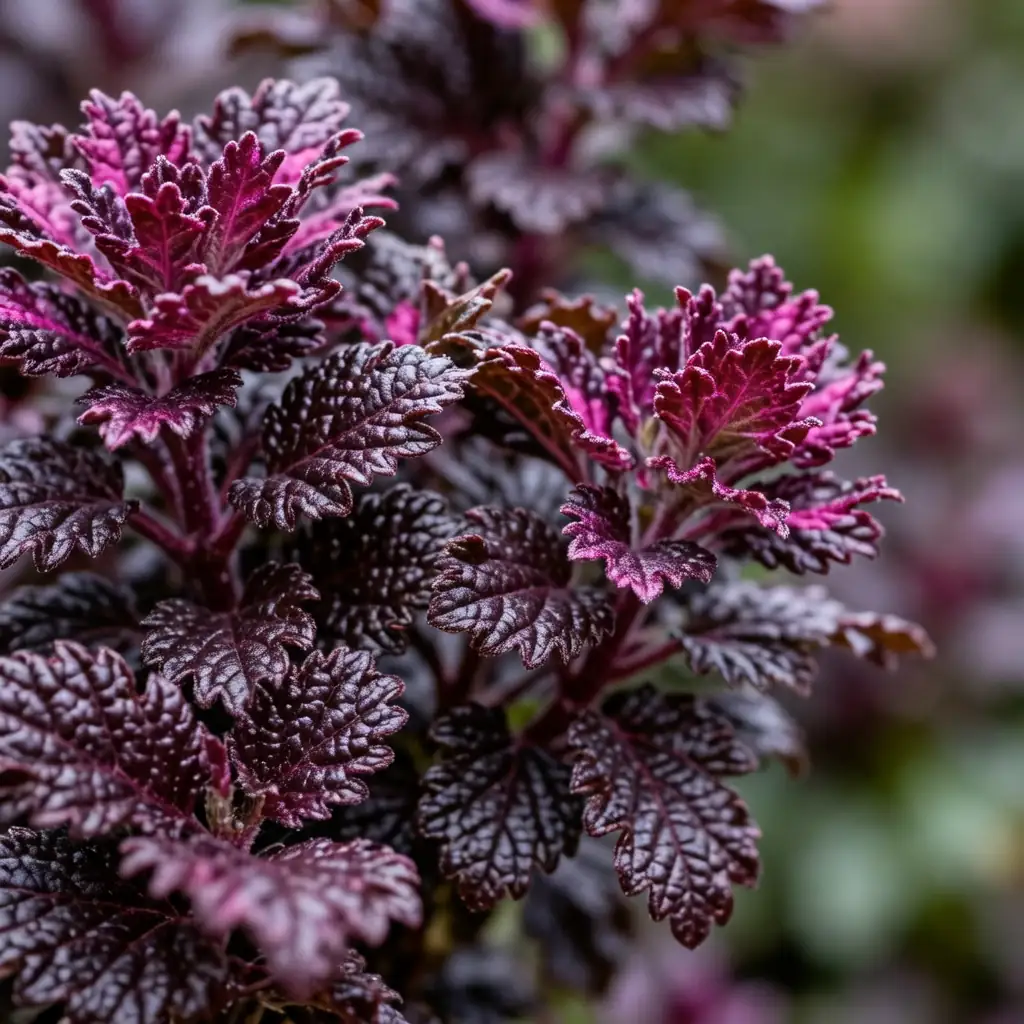
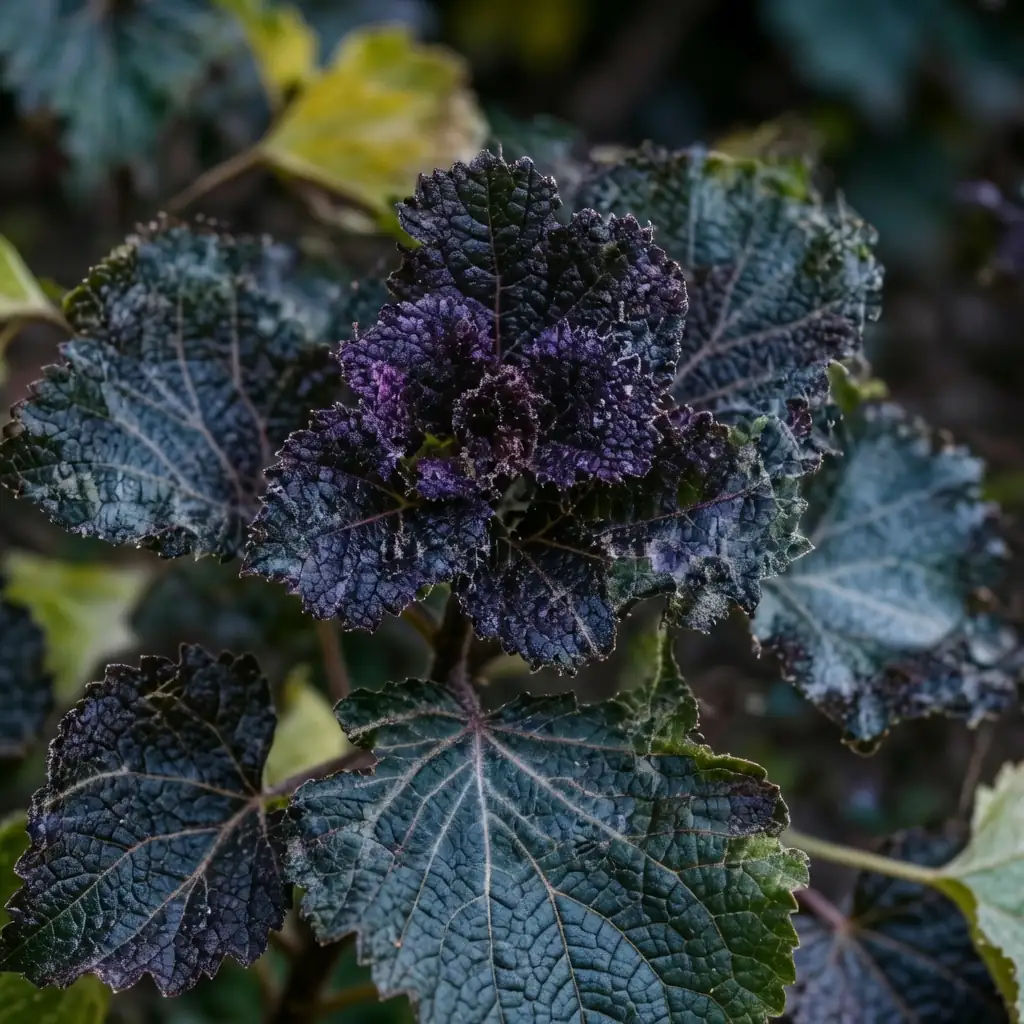
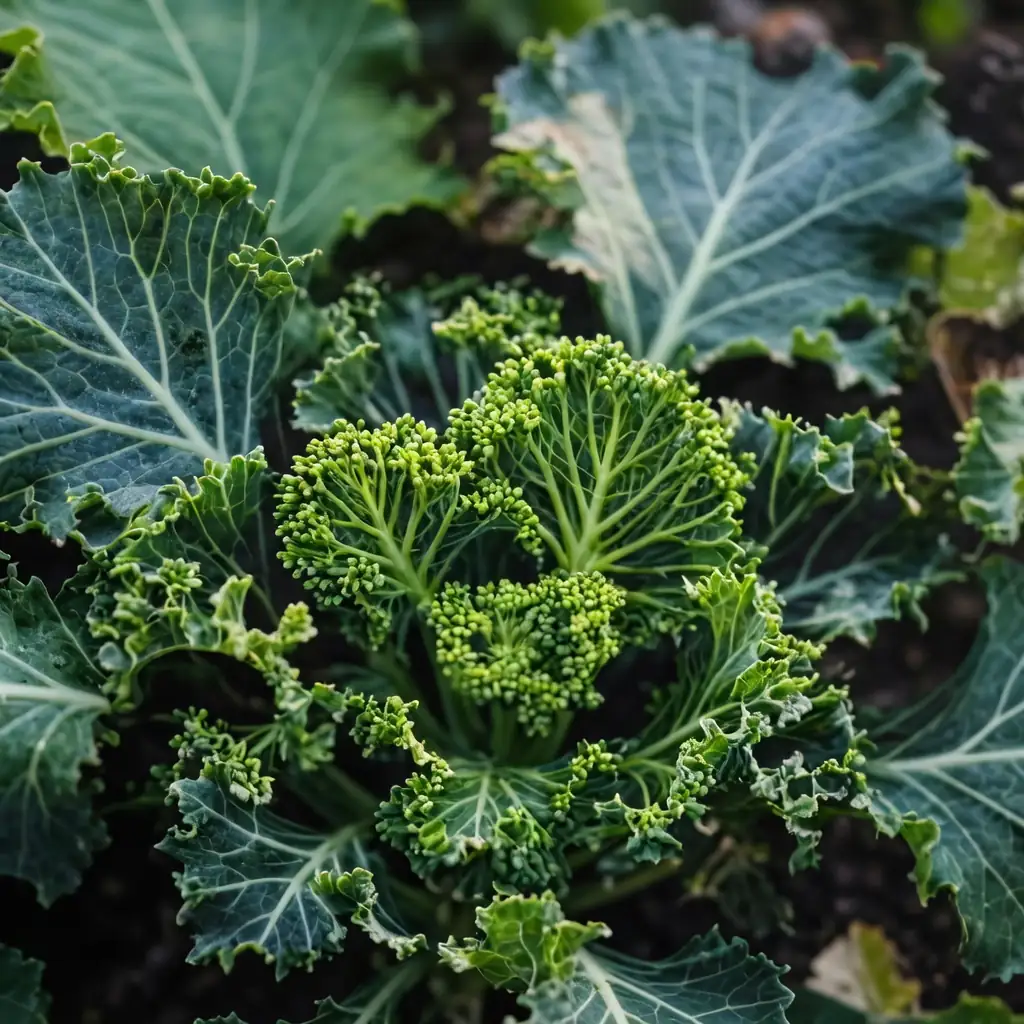
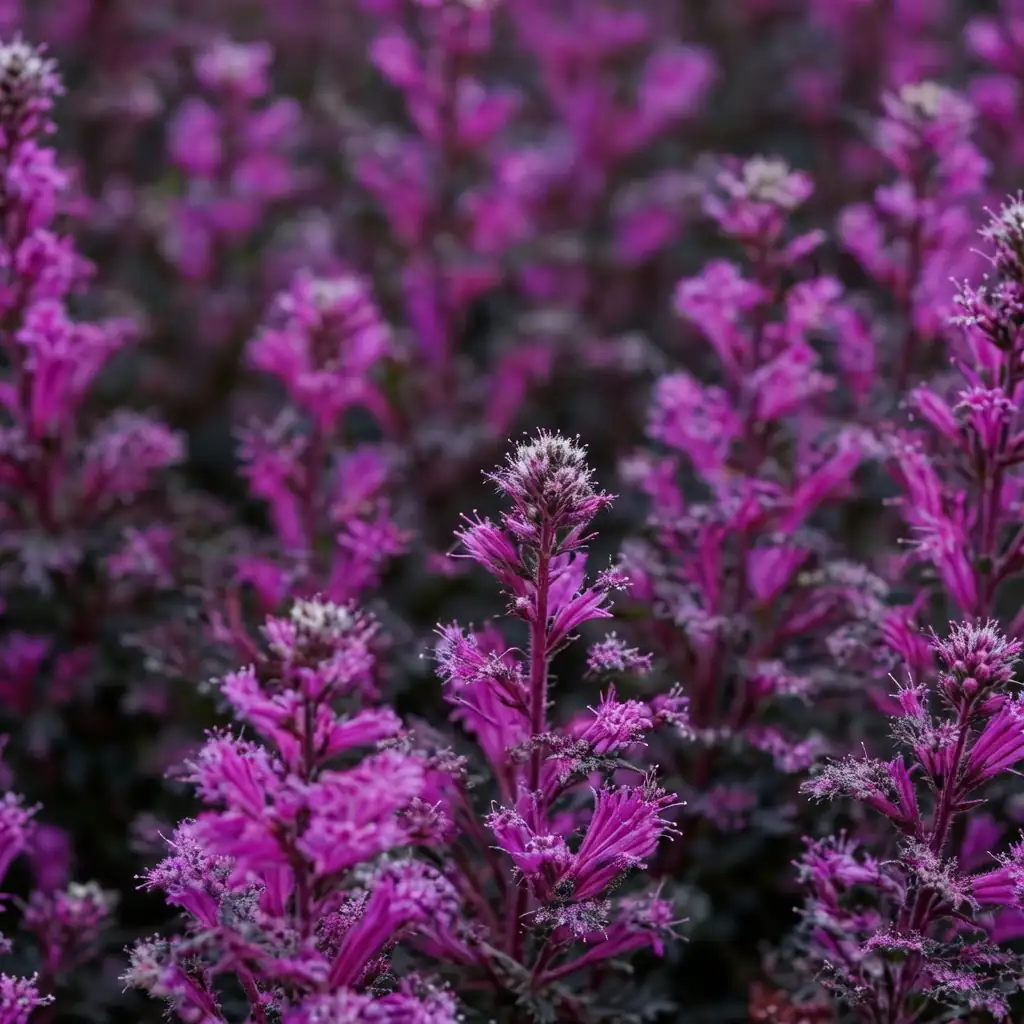
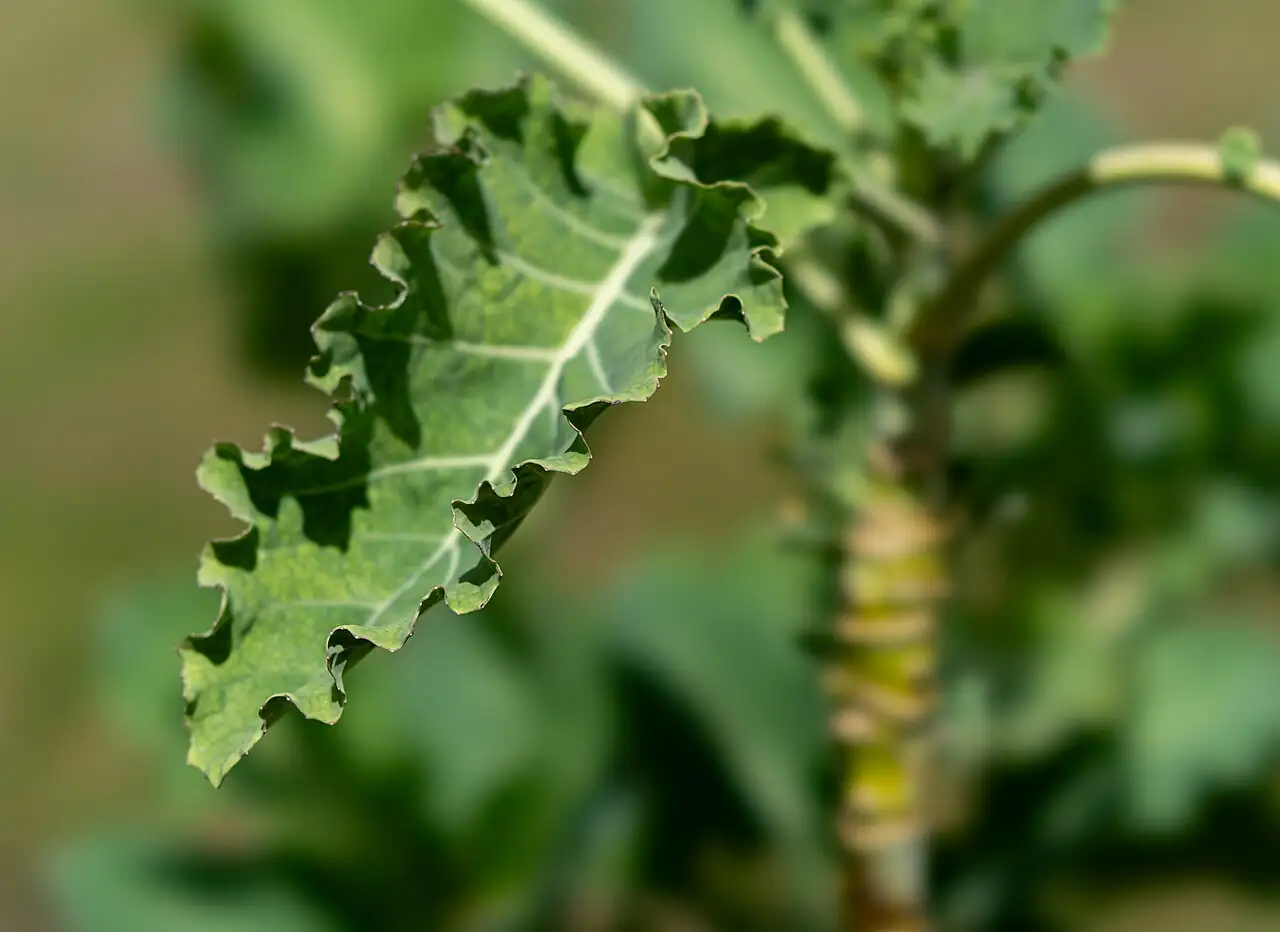
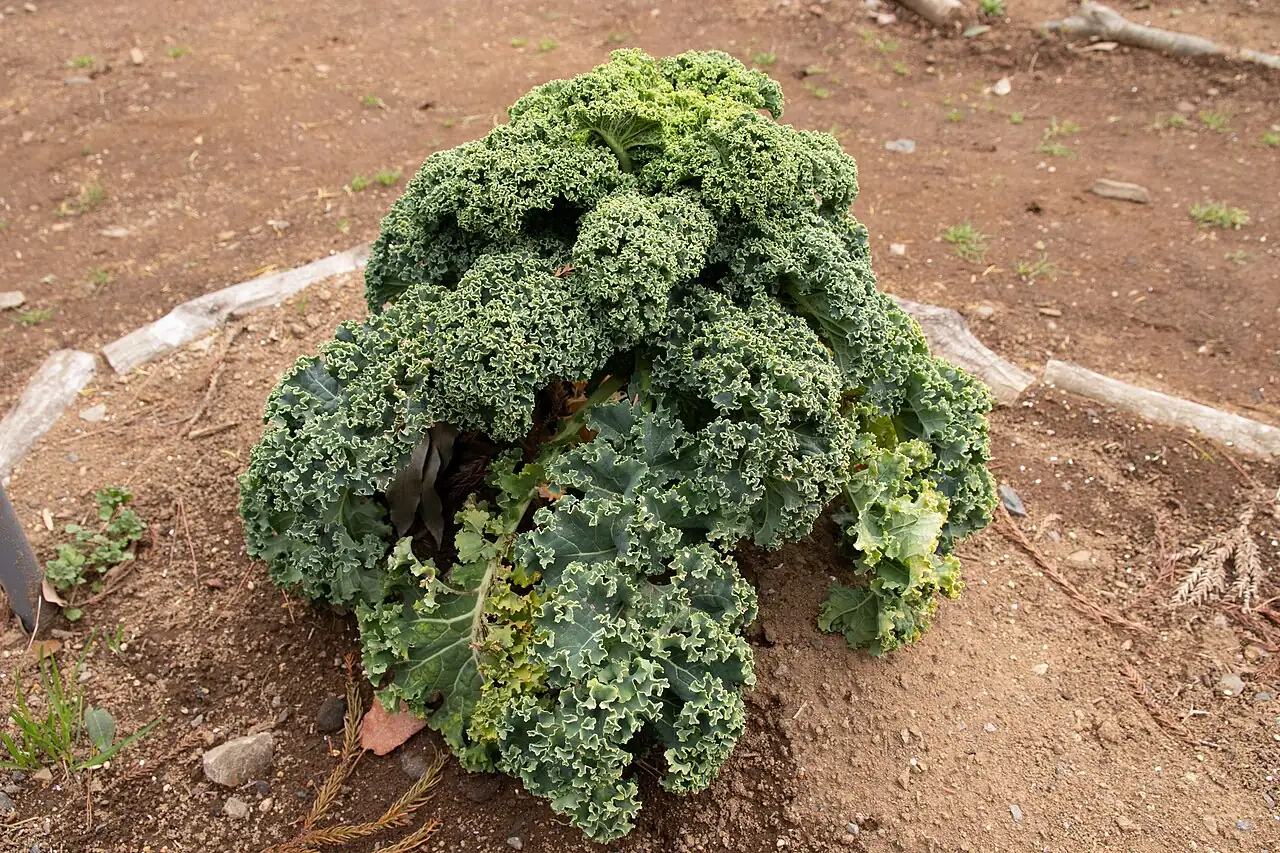
- Foliage: Leaves are densely layered in a basal rosette. They’re glossy and may be crinkled, lobed, ruffled, or wavy. Outer leaves tend to be broader and usually green to blue-green, sometimes with purplish veins or petioles, while the center leaves develop the most intense cream, pink, purple, or green tones as temperatures cool—creating the classic “flowering” look (it’s colored foliage, not petals).
- Flower: If allowed to overwinter and then bolt, it sends up upright stalks with racemes of small, pale yellow, four-petaled flowers typical of the mustard family, followed by slender seed pods (siliques) containing dark brown seeds.
- Flowering Season: Spring (about March–May; varies by climate).
- Growth Habit: Biennial, cool-season herb forming a low, clumping basal rosette; may bolt and flower in its second season.
Environment
Sunlight
Full sun to light shade; best leaf color and most compact rosettes develop in full sun.
Temperature
Grows best around 20–25°C (68–77°F). Tolerates repeated light frosts and often looks best after cool nights. Strong coloration is promoted by cool temperatures around 15°C (59°F) or lower. It can endure heat above 35°C (95°F), but the plant is usually less attractive and may color poorly in warm conditions.
Humidity
Average outdoor humidity is fine; good airflow helps prevent fungal leaf issues.
Soil
Fertile, well-drained soil with steady moisture is ideal; adaptable to many garden soils. Slightly acidic to neutral pH suits it well.
Placement
Best used for autumn and early-winter beds, borders, and mass plantings; also excellent in containers for balconies, patios, rooftops, and bright windowsills.
Hardiness
Cold-hardy cool-season bedding plant; tolerates repeated light frosts. Often grown as an annual in many regions.
Care Guide
Difficulty
Easy to moderate: very manageable in cool seasons, with the best color and form coming from sun, steady moisture, and cooler temperatures.
Buying Guide
Pick plants with tight, compact rosettes and crisp, undamaged leaves. Avoid ones with yellowing lower leaves, a soft or mushy crown, or obvious insect damage. If you want instant impact, choose plants that have already started to show color after cool weather.
Watering
Water deeply when the top 2–3 cm (about 1 in) of soil feels dry. Keep moisture consistent—never soggy, but don’t let it dry out completely. Pots dry faster (especially in sun and wind). Minimize late-day overhead watering to reduce leaf-spot problems.
Fertilization
At planting, enrich soil with compost or use a balanced slow-release fertilizer. During active growth, feed with a balanced fertilizer every 2–4 weeks as needed (follow label rates). Ease off on high feeding once weather is cold and coloration is developing, since heavy nitrogen can keep plants too green.
Pruning
No routine pruning needed. Simply remove yellowing or damaged outer leaves to keep the plant tidy and improve airflow.
Propagation
Primarily grown from seed. If plants are overwintered, they can flower and set seed; pods commonly mature in early summer (around June in many temperate climates) for seed collection.
Repotting
For container plants, repot once into a slightly larger pot—about 2–5 cm (1–2 in) wider—when roots fill the container. Use fresh, well-draining mix and handle gently to avoid damaging the crown.
📅 Seasonal Care Calendar
Autumn–early winter: peak display; cool temperatures around 15°C (59°F) or lower intensify leaf color. Spring (about March–May): plants may bolt and flower if overwintered. Early summer (around June): seed pods mature and seeds can be collected.
Pests, Diseases & Safety
Common Pests & Diseases
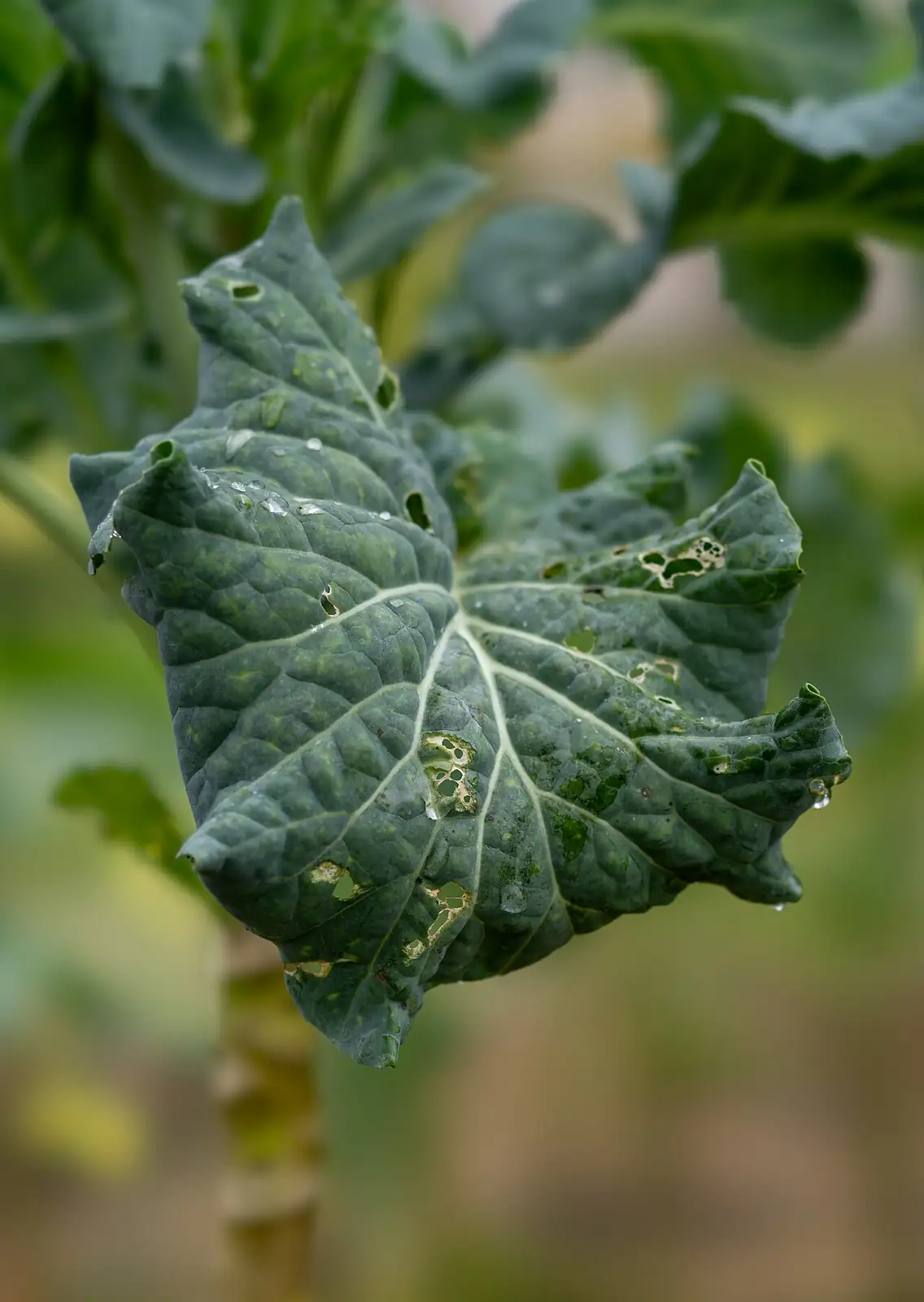
Common pests include aphids, cabbage worms/caterpillars, flea beetles, slugs/snails, and whiteflies. Possible diseases include downy mildew, powdery mildew, leaf spots, and clubroot (especially in poorly drained or repeatedly planted brassica soils). Use sanitation, good spacing/airflow, row covers, hand removal of caterpillars, and crop rotation; ensure excellent drainage to reduce soil-borne problems.
Toxicity
Generally non-toxic to people. Although it’s the same species group as edible kale, ornamental plants may have been treated with pesticides and are best considered decorative rather than food. Pets and livestock may get digestive upset if they eat large amounts of Brassica foliage.
Culture & Symbolism
Symbolism: A classic symbol of resilience and “winter beauty,” since its best colors arrive with cold weather.
History & Legends: Ornamental forms were selected from leafy Brassica oleracea types and have long been used as cool-season bedding plants for winter displays—especially in temperate gardens and city landscaping where reliable cold-season color is prized.
Uses: Mostly used as an ornamental foliage plant for late autumn and winter beds, borders, mass plantings, and containers. The tight, ball-like rosette and richly colored center make it a standout accent plant that reads like a flower from a distance.
FAQ
Why isn’t my ornamental kale changing color?
It needs cool weather to color up. Give it full sun and wait for sustained cool temperatures around 15°C (59°F) or lower. Warm nights and heavy nitrogen feeding can keep it greener for longer.
Can ornamental kale survive frost?
Yes—light frosts are usually fine, and the plant often looks even better after chilly nights. Prolonged hard freezes can still damage leaves, depending on cultivar and exposure.
Fun Facts
- It’s a form of Brassica oleracea—the same species group behind cabbage, broccoli, and many kales—selected mainly for colorful foliage rather than harvest.
- Despite the nickname “flowering kale,” the showy center is made of colored leaves, not petals.
- If it bolts, it produces small pale yellow mustard-family flowers and slender seed pods (siliques).
- Cool temperatures intensify the inner-leaf colors, making it one of the most dependable plants for winter color in many climates.