

Plant Features
- Size: Typically up to 20 cm (8 in) tall; forms a low, clumping basal rosette that can spread gradually over time.
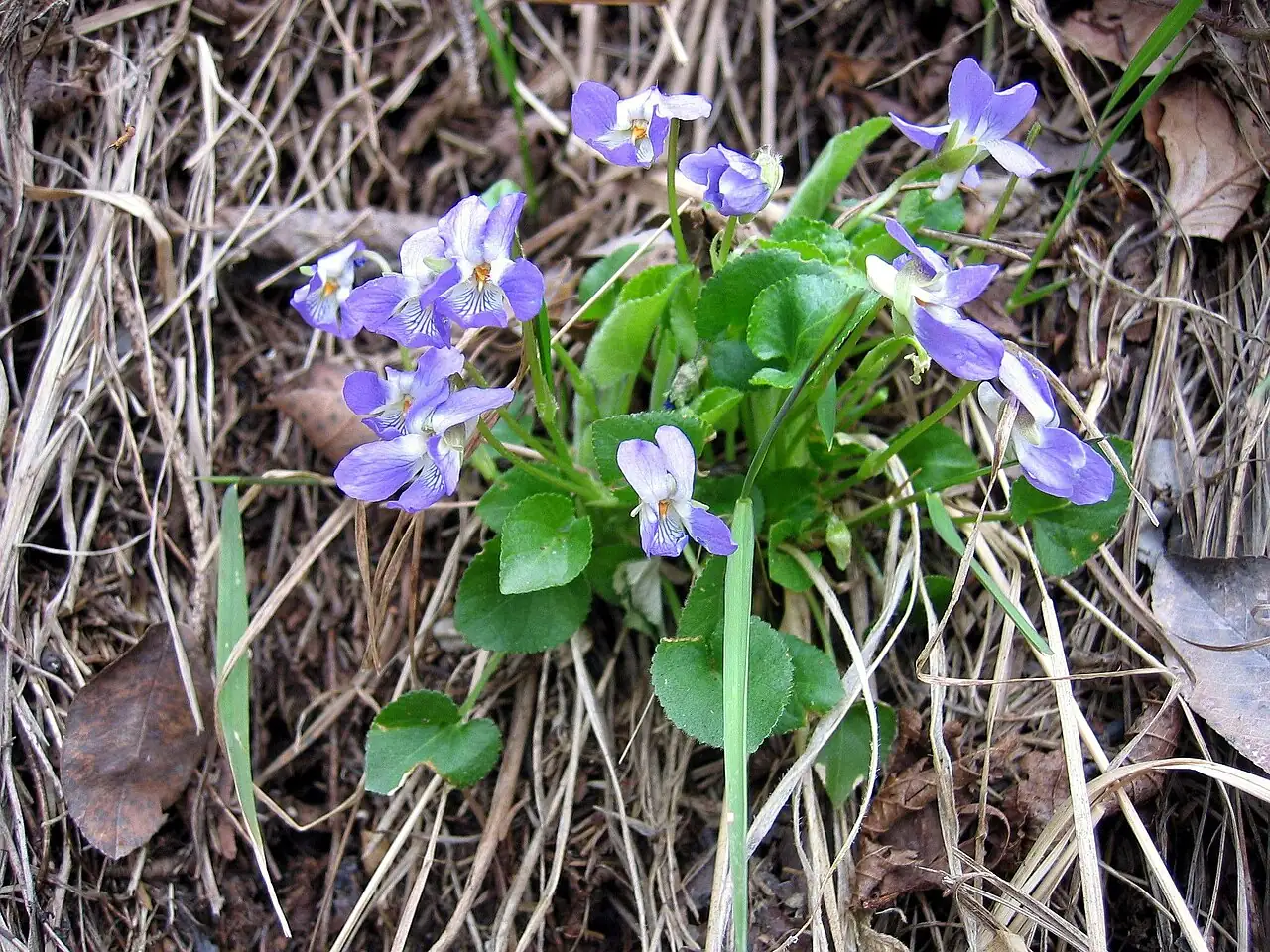
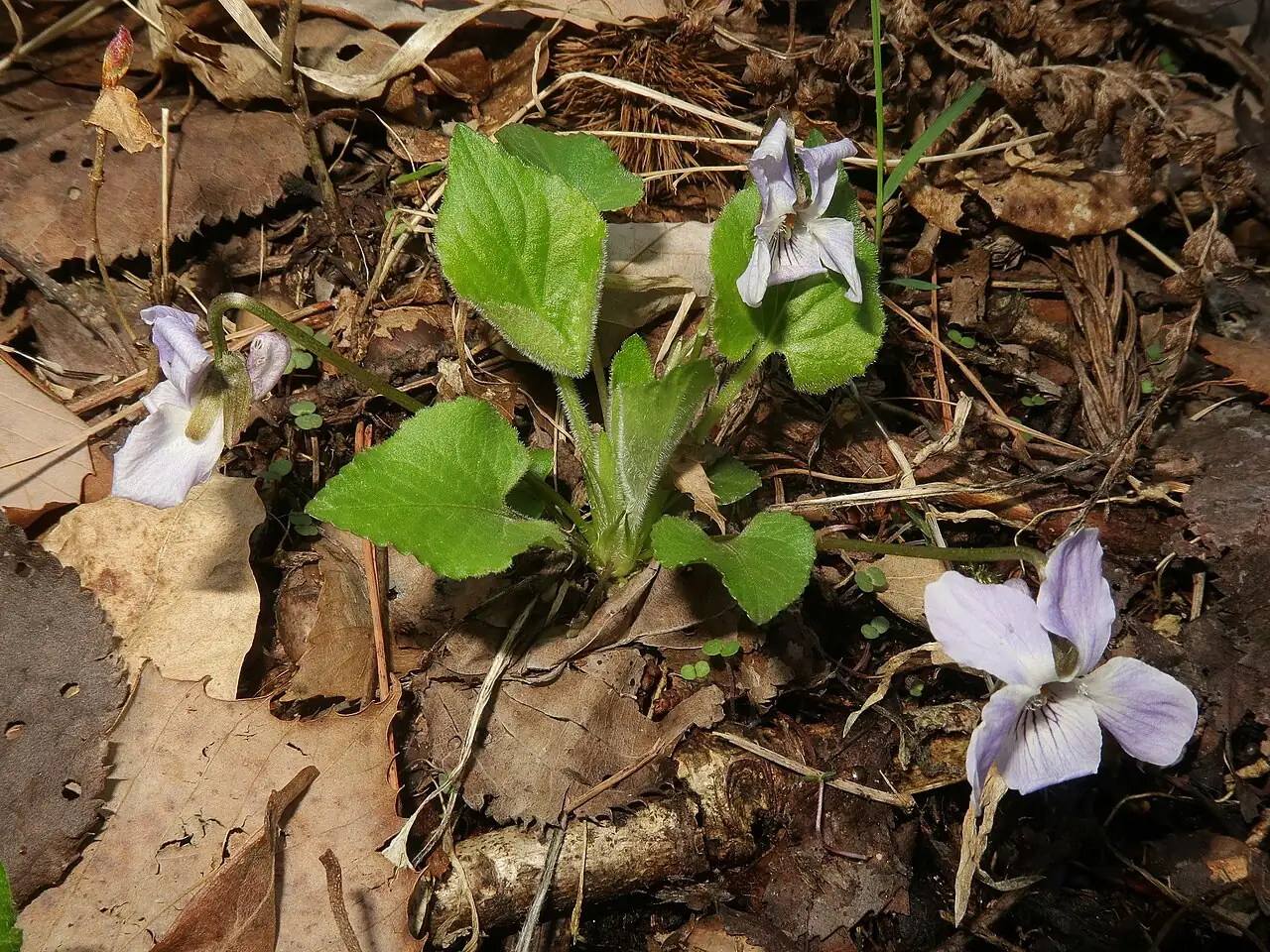
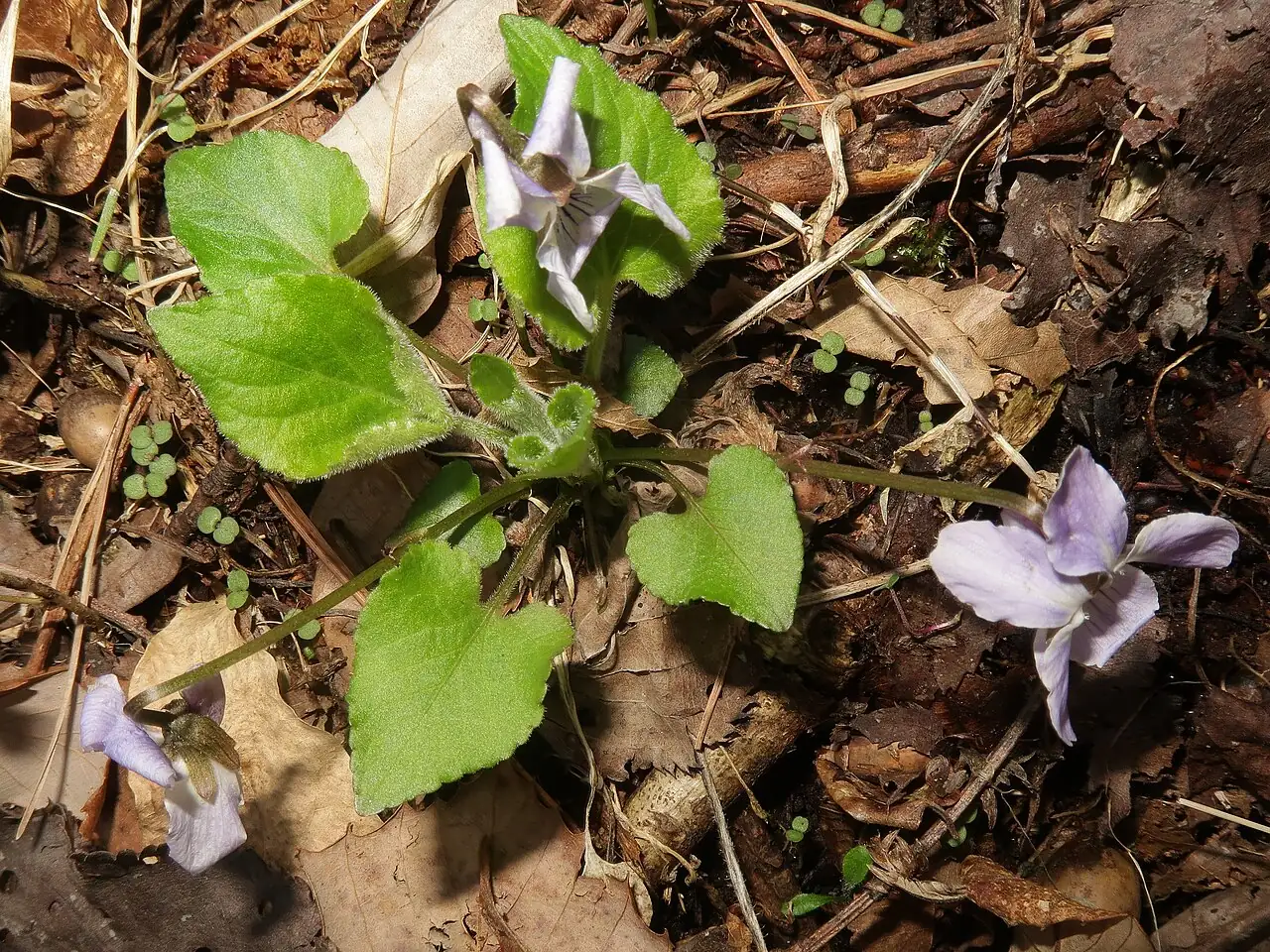
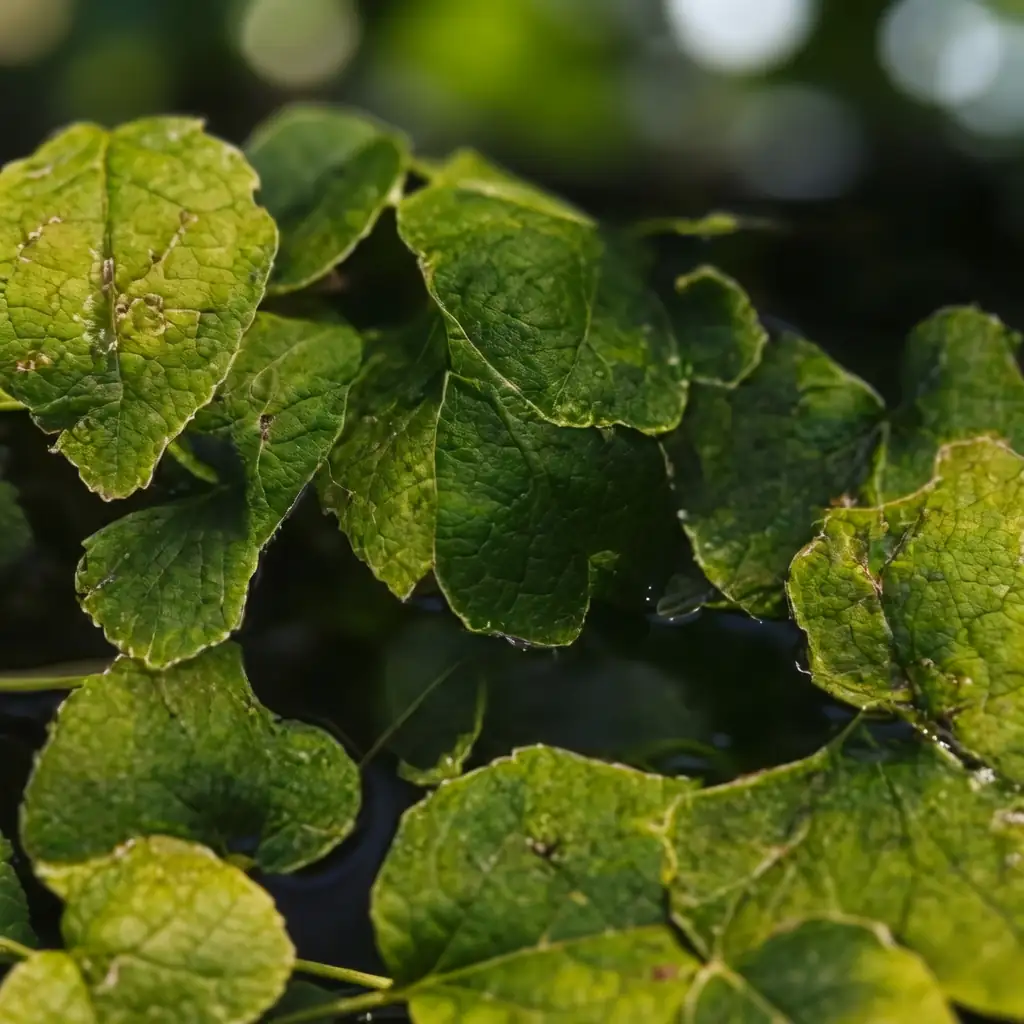
- Foliage: Leaves are mostly basal and arranged in a dense rosette; the leaf blades are broadly ovate to nearly round, creating a compact, tufted look that reads as a natural groundcover in shade.
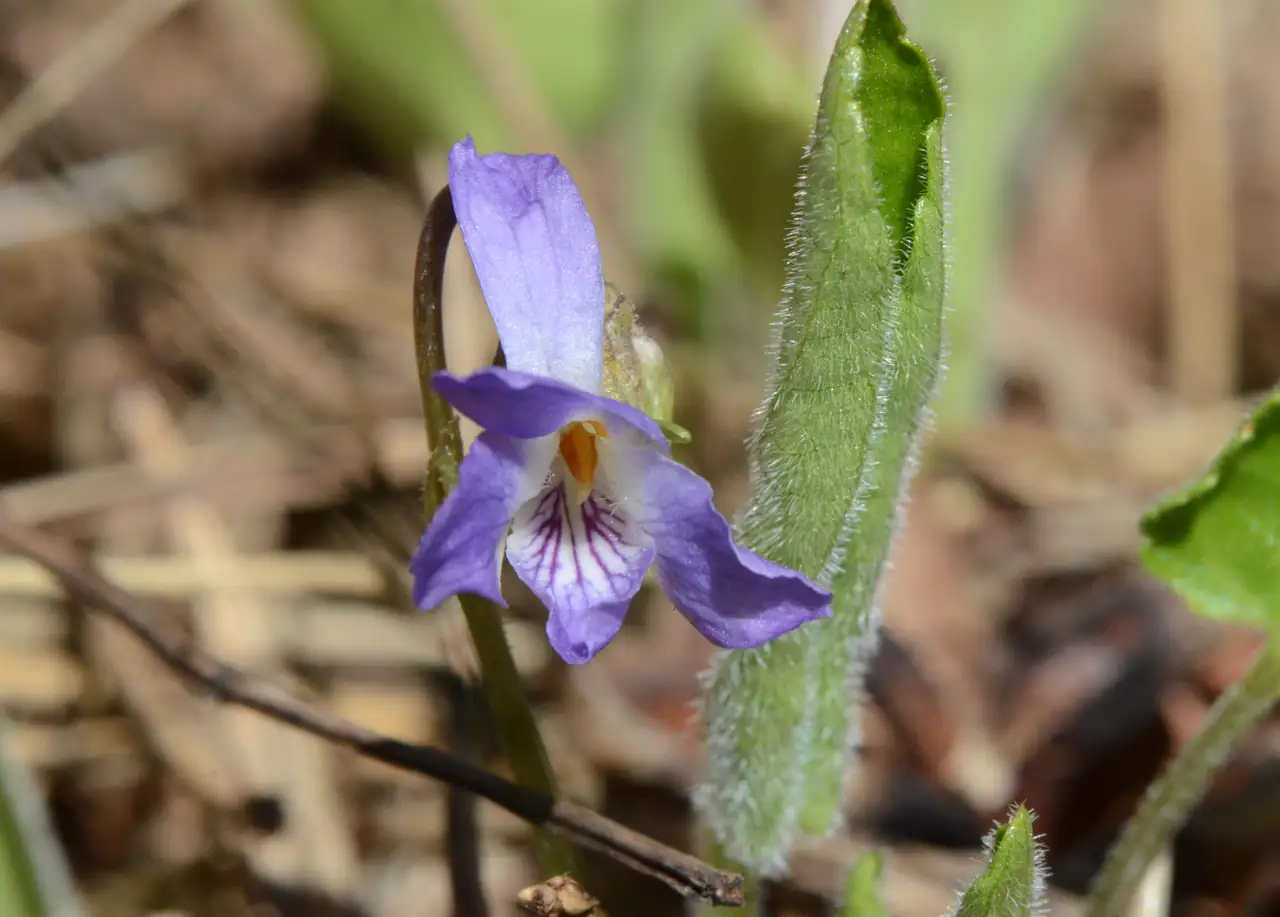
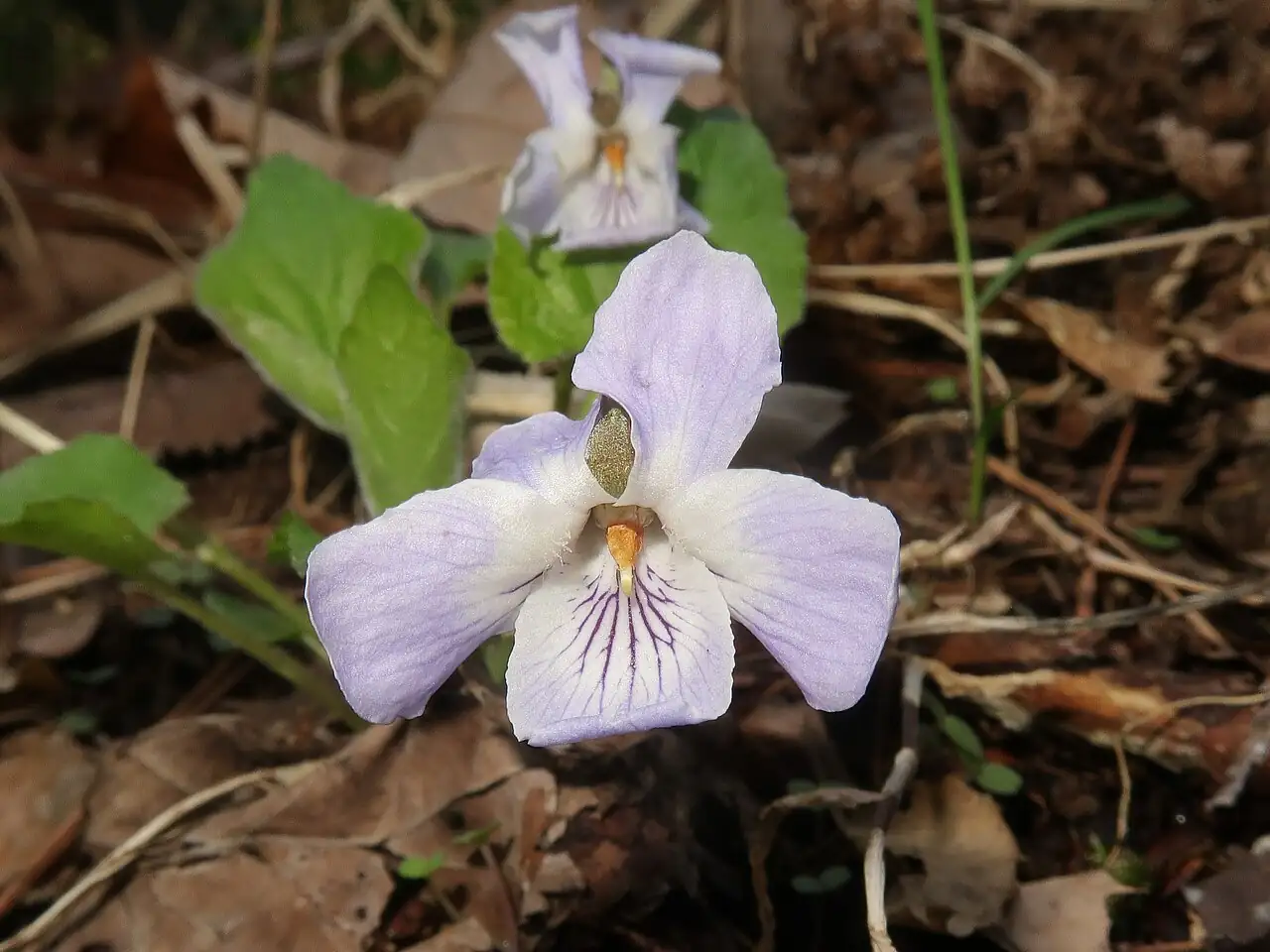
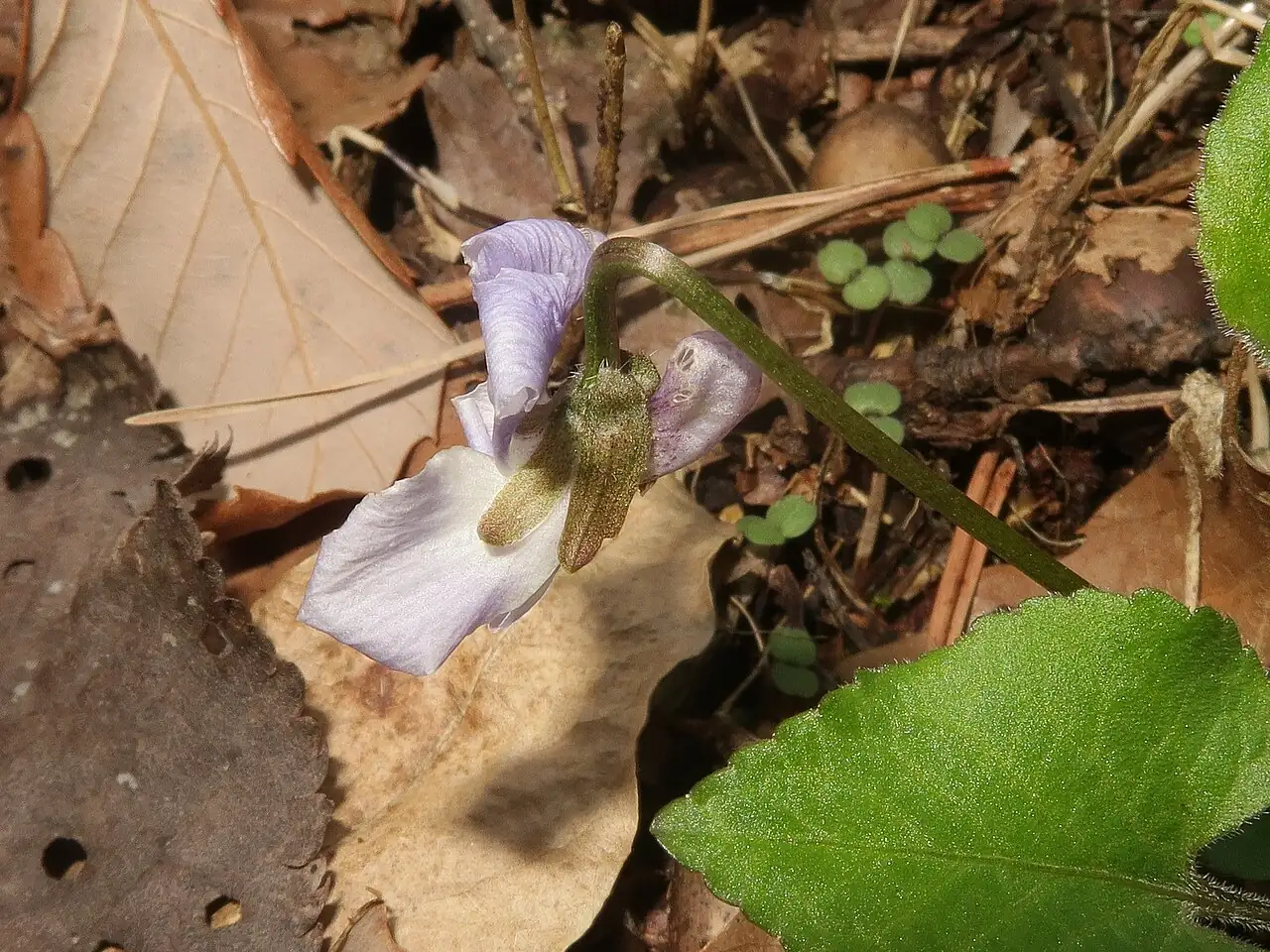
- Flower: Produces small, pale lavender (light purple) violet flowers. After flowering, it develops a nearly spherical seed capsule that is densely covered with soft white hairs—one of its most useful ID traits.
- Flowering Season: May to August
- Growth Habit: Low-growing, rosette-forming perennial herb with a thick, fleshy rhizome that can appear knobbly/nodular; generally shade-tolerant and adaptable when kept evenly moist.
Environment
Sunlight
Partial shade to full shade; happiest in dappled woodland light and protected from harsh midday sun.
Temperature
Cool-temperate to temperate conditions; best growth around 10–25°C (50–77°F).
Humidity
Prefers moderate to higher humidity with consistently moist conditions; may struggle in prolonged hot, dry weather.
Soil
Moist but well-drained, humus-rich soil (leaf mold/compost friendly). In nature it often occurs in damp, shady sites like gullies, woodland edges, and under shrubs.
Placement
Woodland garden, shady borders, under trees/shrubs, or naturalistic meadow edges—especially where the soil stays evenly moist. Also suitable for containers in shade if drainage is reliable.
Hardiness
Cold-hardy in temperate climates; roughly USDA Zone 4–8 (local performance can vary with winter wet and provenance).
Care Guide
Difficulty
Easy to moderate: quite adaptable once established, but looks best with shade and evenly moist, humus-rich soil (avoid extremes of drought or waterlogging).
Buying Guide
Pick plants with a tight, healthy basal rosette and a firm crown/rhizome. Avoid pots that smell sour (possible stagnant, waterlogged media) or plants with limp/collapsed leaves, which can hint at root or crown problems.
Watering
Aim for evenly moist soil. During establishment, water regularly; thereafter, water when the top 2–3 cm (0.8–1.2 in) begins to dry. Don’t let it dry out completely, but also avoid standing water—especially in heavy soils—since soggy conditions can rot the crown.
Fertilization
Light feeder. In spring, top-dress with compost or leaf mold. If extra feeding is needed, use a balanced fertilizer at 1/4–1/2 strength every 4–6 weeks during active growth, then stop in late summer to autumn.
Pruning
Deadhead spent blooms for a tidier appearance or if you’d like to reduce self-seeding. Remove yellowing or tired leaves to improve airflow and keep the plant looking fresh.
Propagation
Easiest by division of clumps/rhizomes in early spring or early autumn. It can also self-seed; seedlings can be moved once they’re large enough to handle.
Repotting
In containers, repot every 1–2 years in spring. Use a mix that holds moisture but drains well (for example: a loam-based mix with compost plus grit/perlite). Always ensure drainage holes are clear.
📅 Seasonal Care Calendar
Spring: plant or divide, refresh mulch/compost, begin light feeding. Summer (May–Aug): enjoy blooms; keep moisture even and deadhead if desired. Autumn: taper off feeding, keep lightly moist; optional division. Winter: protect from waterlogging in heavy soils; in pots, water sparingly but don’t let the rootball turn bone-dry.
Pests, Diseases & Safety
Common Pests & Diseases
Slugs/snails may chew leaves and flowers; aphids can cluster on soft new growth. The most serious issue is crown/root rot from poor drainage or consistently waterlogged soil—improve drainage, water thoughtfully, and use physical slug control as needed.
Toxicity
Generally considered low-toxicity and commonly grown ornamentally. Still, it’s best to prevent pets and children from eating plant parts; seek veterinary/medical advice if ingestion is followed by symptoms.
Culture & Symbolism
Symbolism: Violets are widely linked with modesty, faithfulness, and quiet affection (meanings can vary by culture).
History & Legends: Like many woodland violets across Europe and Asia, it’s appreciated as a gentle spring-to-summer wildflower. Botanically, this species is especially noted for its rounded, softly hairy fruit capsules.
Uses: Primarily ornamental—an attractive, natural-looking groundcover for shady woodland plantings, underplanting beneath shrubs/trees, and moist meadow-edge designs.
FAQ
When does it flower?
May to August.
When does it set fruit?
From May to August, after flowering; the developing capsules are nearly spherical and covered in soft white hairs.
How tall does it get?
About 20 cm (8 in) tall at most.
What is its growth habit?
A low, rosette-forming perennial with a thick rhizome that slowly expands; it’s well-suited to shady groundcover use.
Where does it naturally grow?
Across Asia and Europe, mainly in moist, shaded habitats like gullies, grassy slopes, scrub, woodland understory/edges, and shaded roadsides.
Fun Facts
- The thick, fleshy rhizome helps it return reliably year after year.
- That almost perfectly round, white-hairy seed capsule is a standout identification clue.
- Its basal rosette naturally creates a tidy, low carpet effect in shade.
- Its broad distribution across Europe and Asia hints at a plant that can be surprisingly adaptable—so long as it isn’t baked dry.


