

Plant Features
- Size:30–150 cm (12–59 in) tall
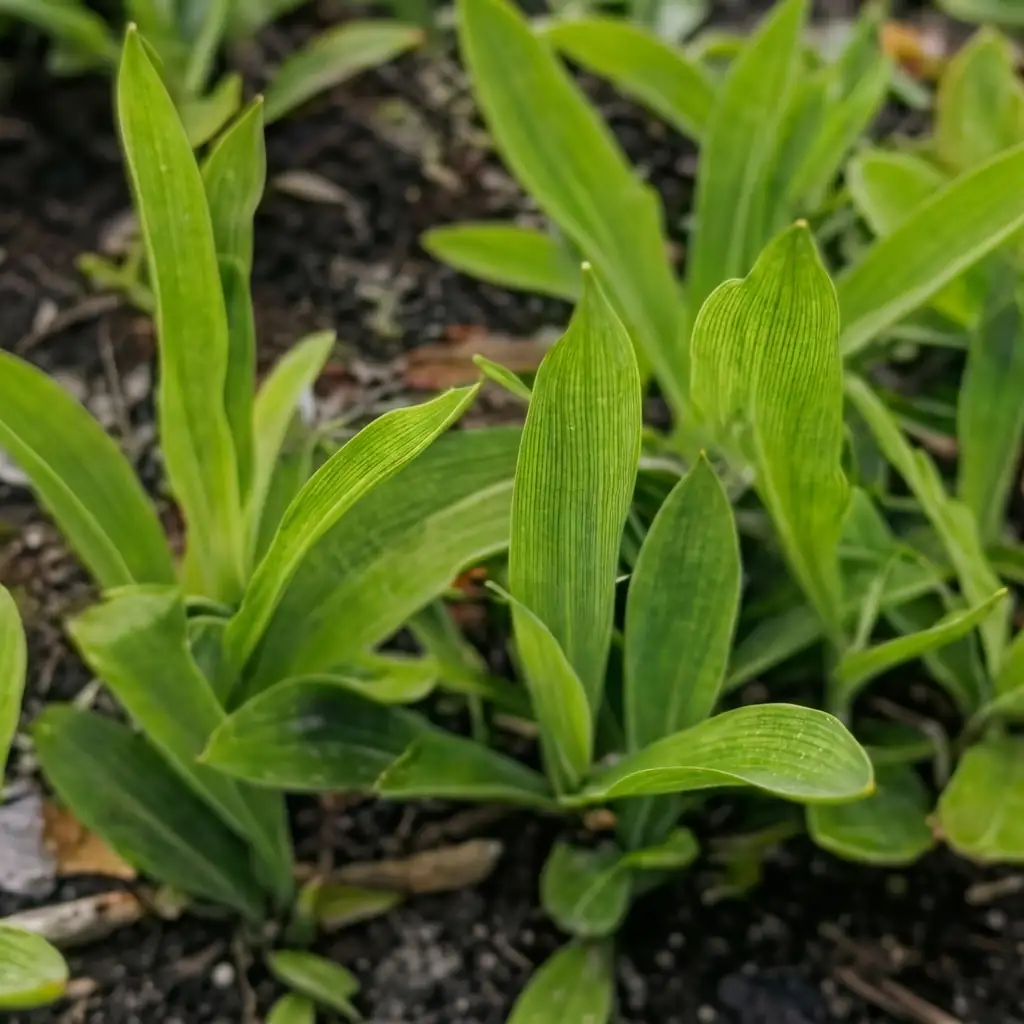
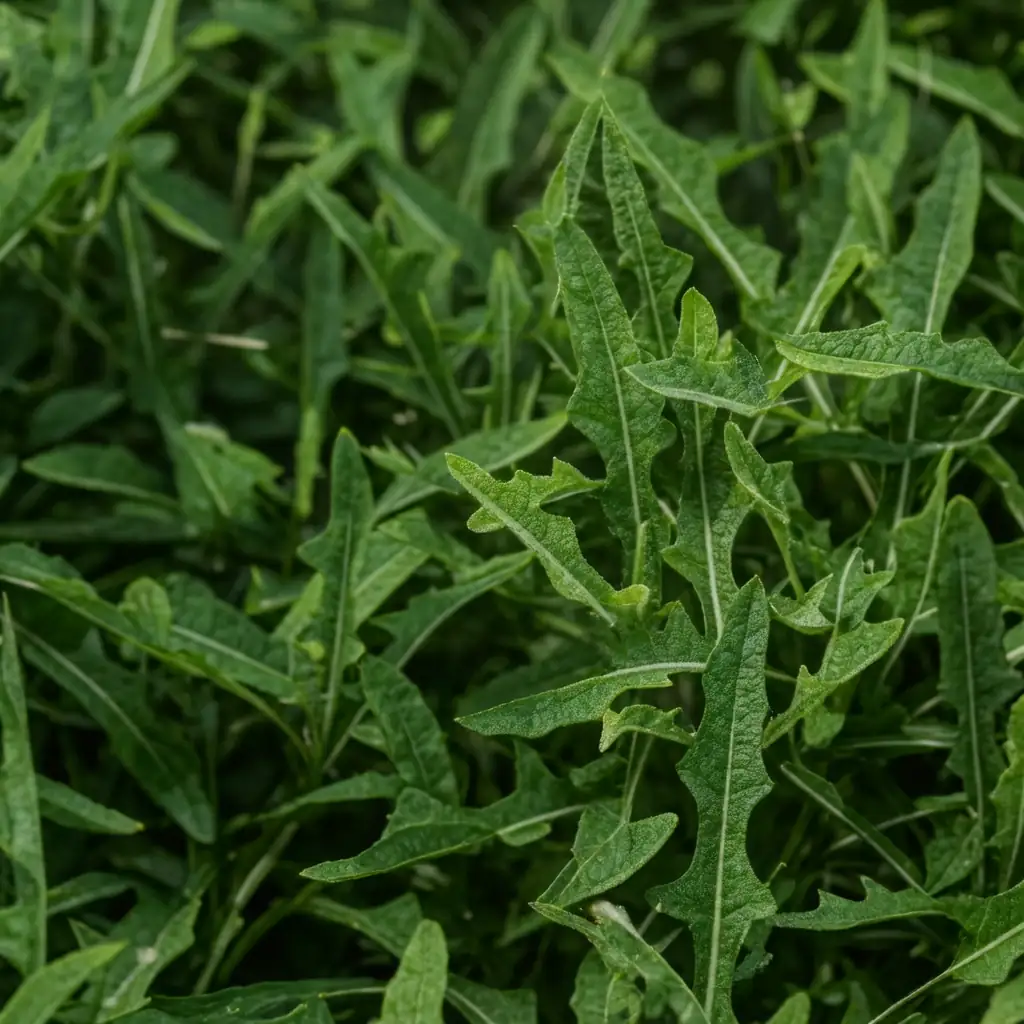
- Foliage: Numerous basal leaves gathered into a leafy rosette at the base. The foliage is typical of sow-thistles—soft and leafy, with shape and texture that can vary with plant age and growing conditions.
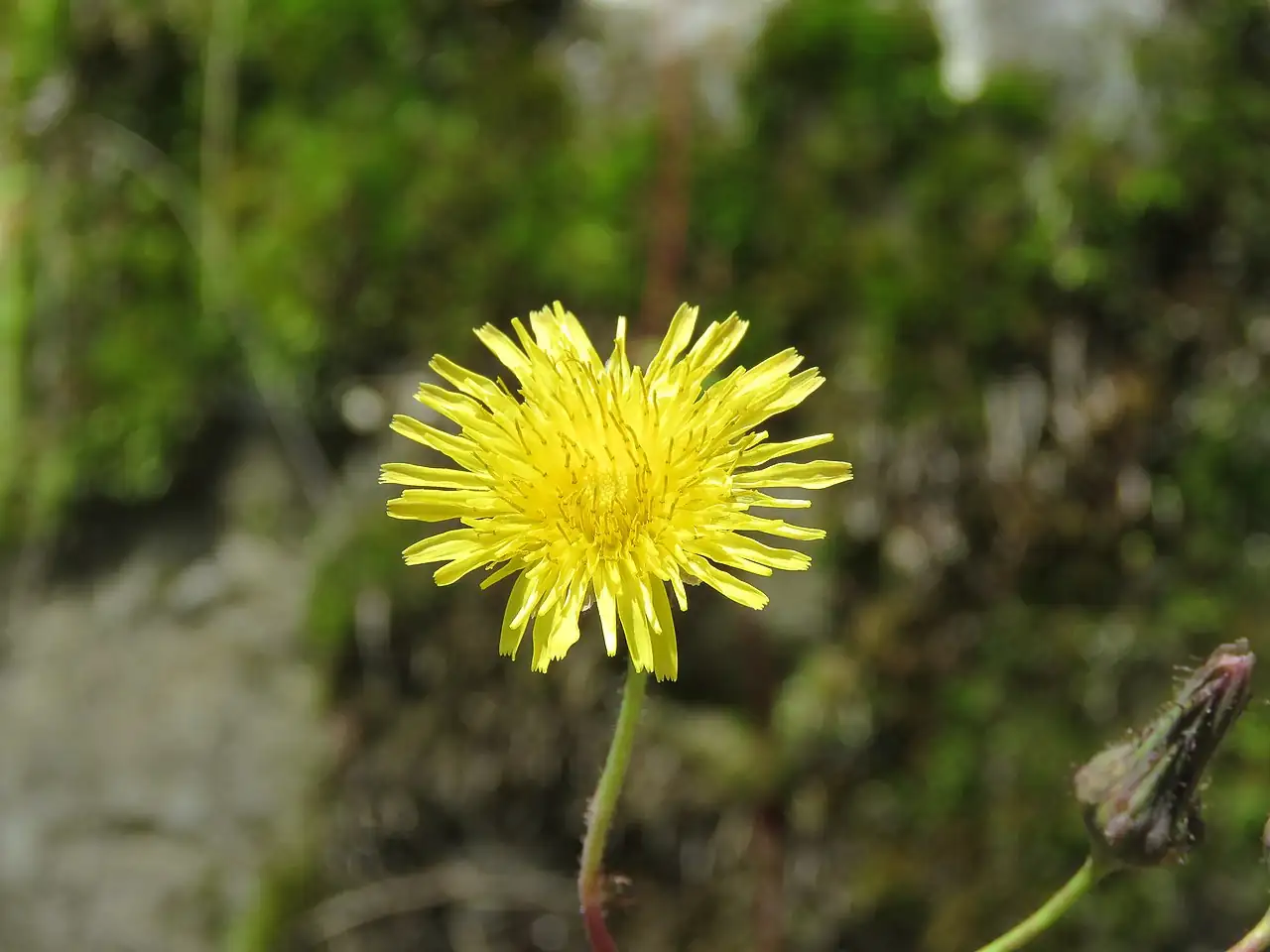
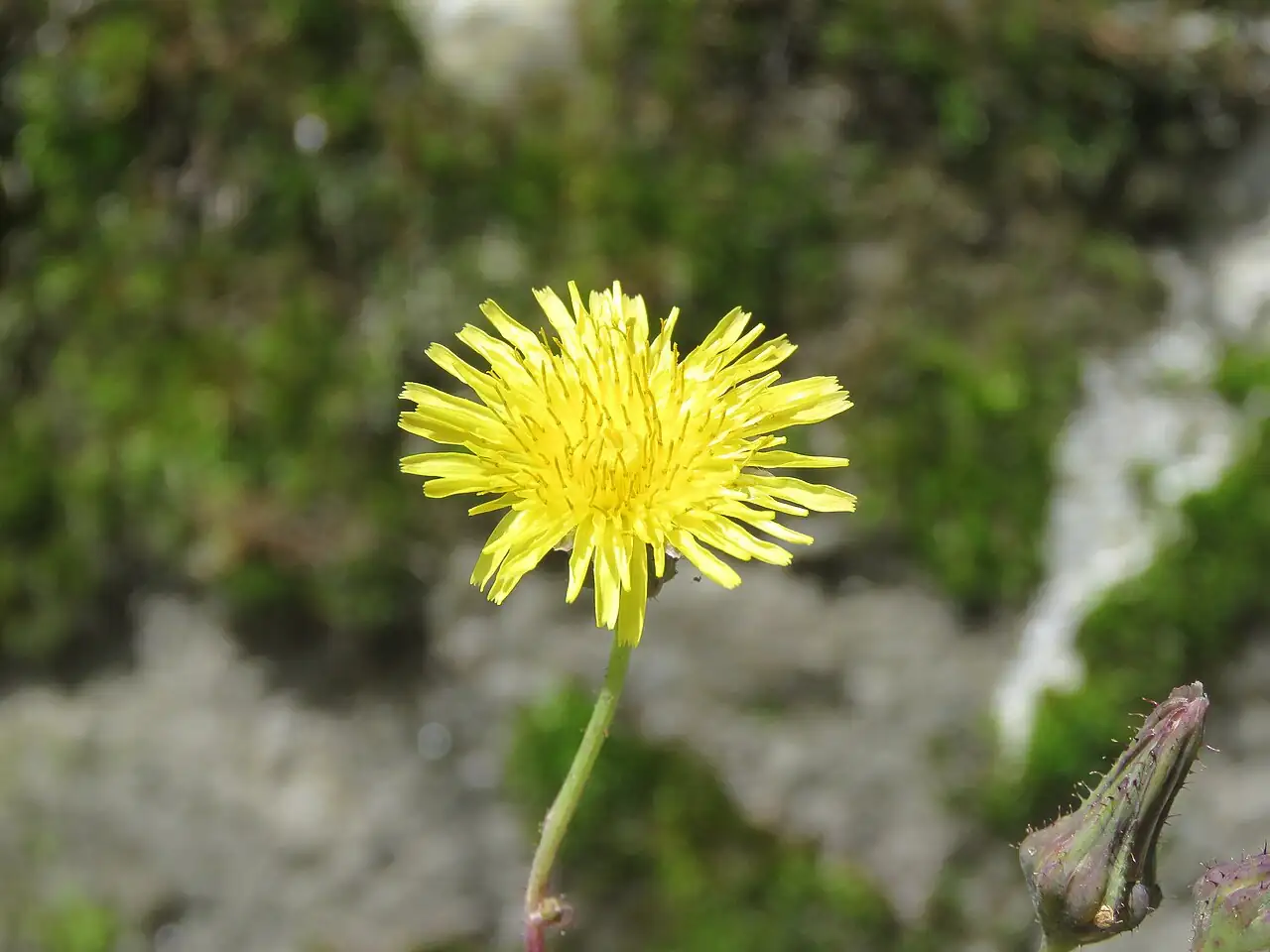
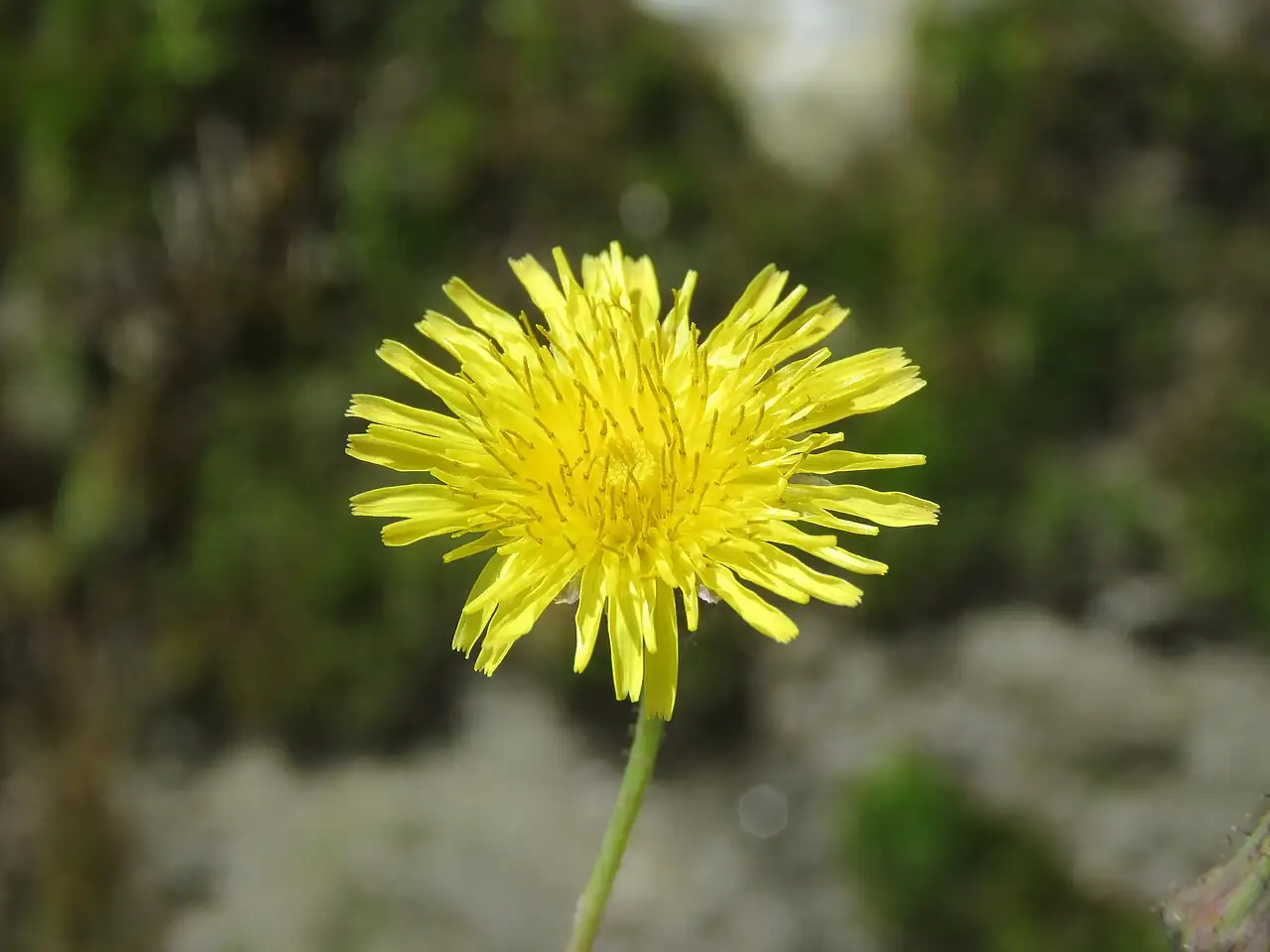
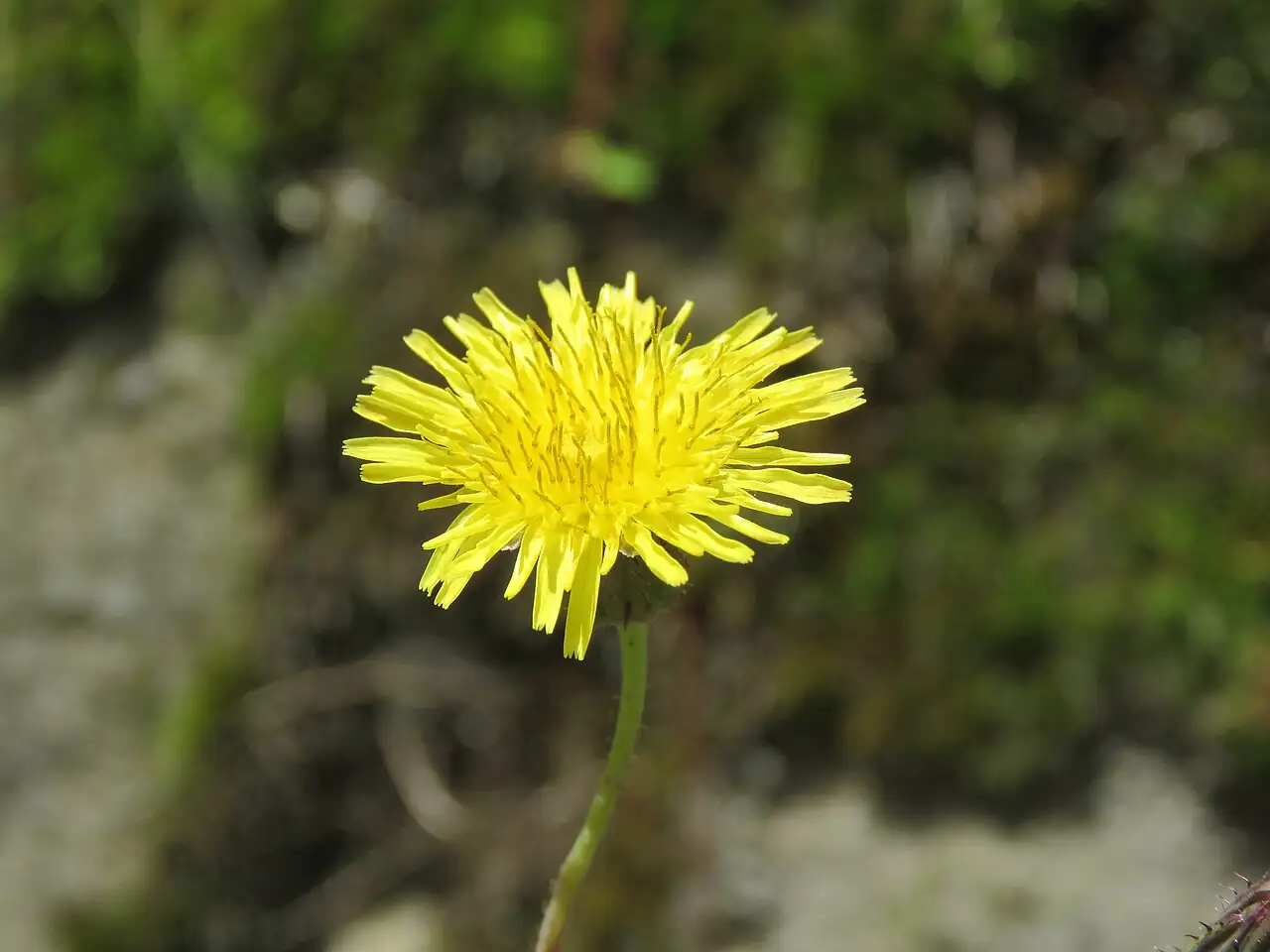
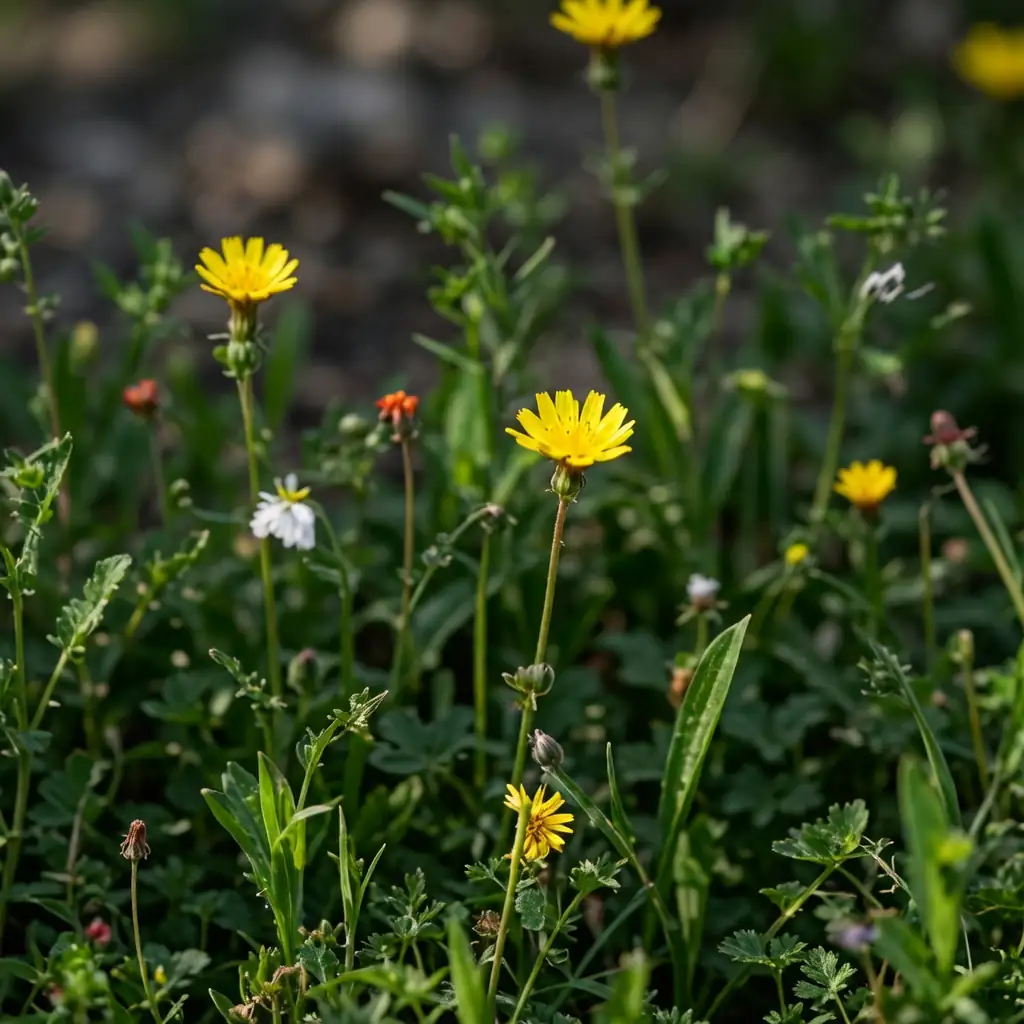
- Flower: Yellow composite flowerheads made up of many strap-shaped ray florets (dandelion-like). After bloom, the plant forms slightly flattened, oval achenes, each topped with a white pappus for wind dispersal.
- Flowering Season: January–September
- Growth Habit: Perennial herbaceous plant; clump-forming and capable of loosely spreading, especially where conditions stay warm and consistently moist.
Environment
Sunlight
Full sun to partial shade; it flowers best with brighter light, but appreciates some shade in hot spells if soil runs dry.
Temperature
Prefers warm conditions; roughly 15–30°C (59–86°F) for active growth.
Humidity
Prefers moist, humid conditions; avoid prolonged drought.
Soil
Moist, well-drained soil is ideal. Common in damp grassland, woodland edges, and near-water habitats (including gravelly riverbanks). Tolerates a range of soil textures as long as moisture is reliable.
Placement
Naturalistic gardens, meadow-style plantings, damp borders, and stream/pond-side areas—anywhere you want a relaxed, meadowy feel.
Hardiness
Not reliably frost-hardy; protect from hard freezes (exact USDA hardiness can vary by local form and site conditions).
Care Guide
Difficulty
Easy when given consistent moisture and decent light; tends to struggle or look sparse in hot, dry conditions or deep shade.
Buying Guide
Choose plants with fresh green basal growth and no wilting. Avoid pots that are bone-dry or badly root-bound, and check tender new growth for aphids.
Watering
Keep evenly moist, especially while establishing. Water when the top 2–3 cm (about 1 in) of soil begins to dry, and avoid letting the root zone dry out for long periods.
Fertilization
Generally a light feeder. Use a balanced fertilizer at half strength every 4–6 weeks during active growth, or top-dress with compost in spring.
Pruning
Deadhead to reduce self-seeding and keep a tidier appearance. Cut back tired stems after flowering to encourage fresh basal growth.
Propagation
Primarily by seed (wind-dispersed). Established clumps can also be divided in mild weather.
Repotting
If container-grown, repot in spring into a moisture-retentive but well-drained mix. Move up one pot size, about 2–5 cm (1–2 in) wider.
📅 Seasonal Care Calendar
Spring–summer: keep moisture consistent and remove spent flower stems if desired. During hot spells: water more and consider light afternoon shade. Cooler months: growth may slow—reduce watering, but don’t let soil dry out completely.
Pests, Diseases & Safety
Common Pests & Diseases
Aphids commonly gather on tender new growth; rinse off with water or use insecticidal soap if needed. Leaf spots can appear with stagnant air and overly wet foliage—improve airflow and avoid late-day overhead watering.
Toxicity
No widely cited, well-documented toxicity specific to this species. Still, avoid eating unless the plant is positively identified and confirmed safe locally, and keep unidentified wild plants away from pets and children.
Culture & Symbolism
Symbolism: More about vibe than symbolism—often appreciated for a simple, resilient “wild meadow” look.
History & Legends: No widely recorded legends specific to Sonchus wightianus are commonly referenced in English sources.
Uses: An easy filler for naturalistic groundcover effects in meadow or wildflower-style plantings, especially in reliably moist spots where it can blend seamlessly with grasses and other informal perennials.
FAQ
Is Wight’s sow-thistle the same as common sow-thistle?
No. It’s in the same genus (Sonchus) and can look similar, but it’s a different species. Accurate ID usually comes down to leaf details and the fruits/pappus.
Why is it getting floppy or sparse?
Most often it’s too dry or too shady. Give it brighter light and keep the soil consistently moist for sturdier, fuller growth.
Fun Facts
- It’s widely distributed across China.
- Flowering and fruiting can overlap for months, commonly from January to September.
- Its height changes dramatically with conditions, from about 30–150 cm (12–59 in).
- Each seed is an achene with a white, fluffy pappus that acts like a tiny parachute for wind travel.


