Plant Features
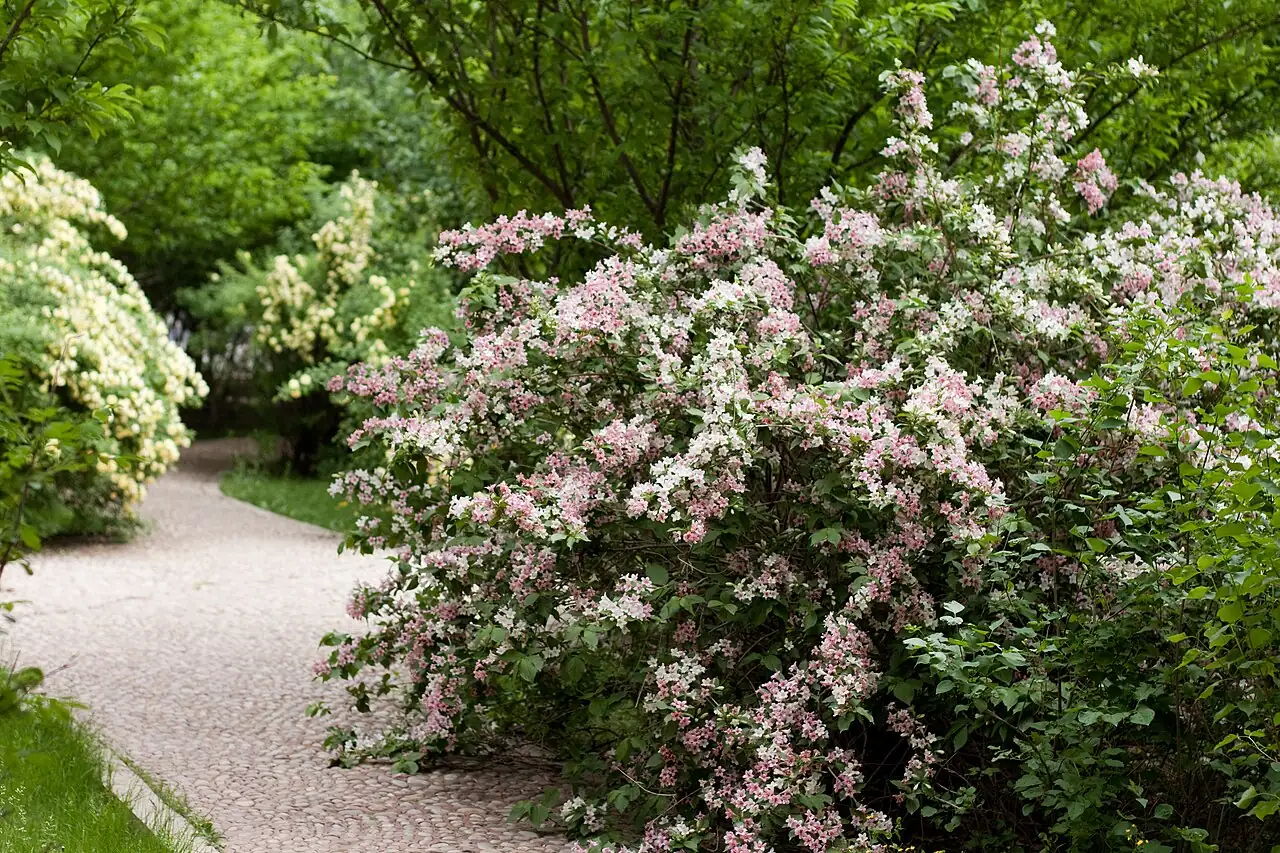
- Size: Typically 1.5–3 m (5–10 ft) tall with a similar spread of about 1.5–3 m (5–10 ft), depending on cultivar and pruning.
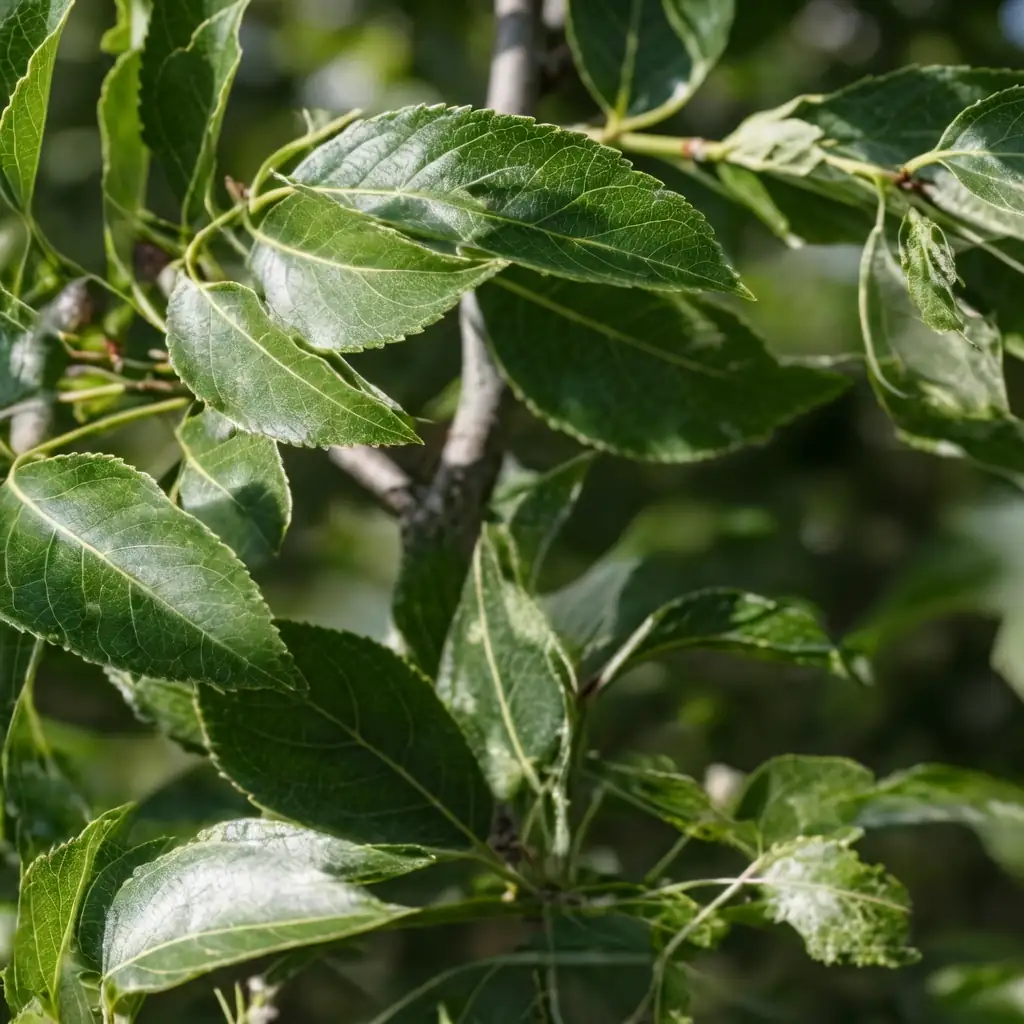
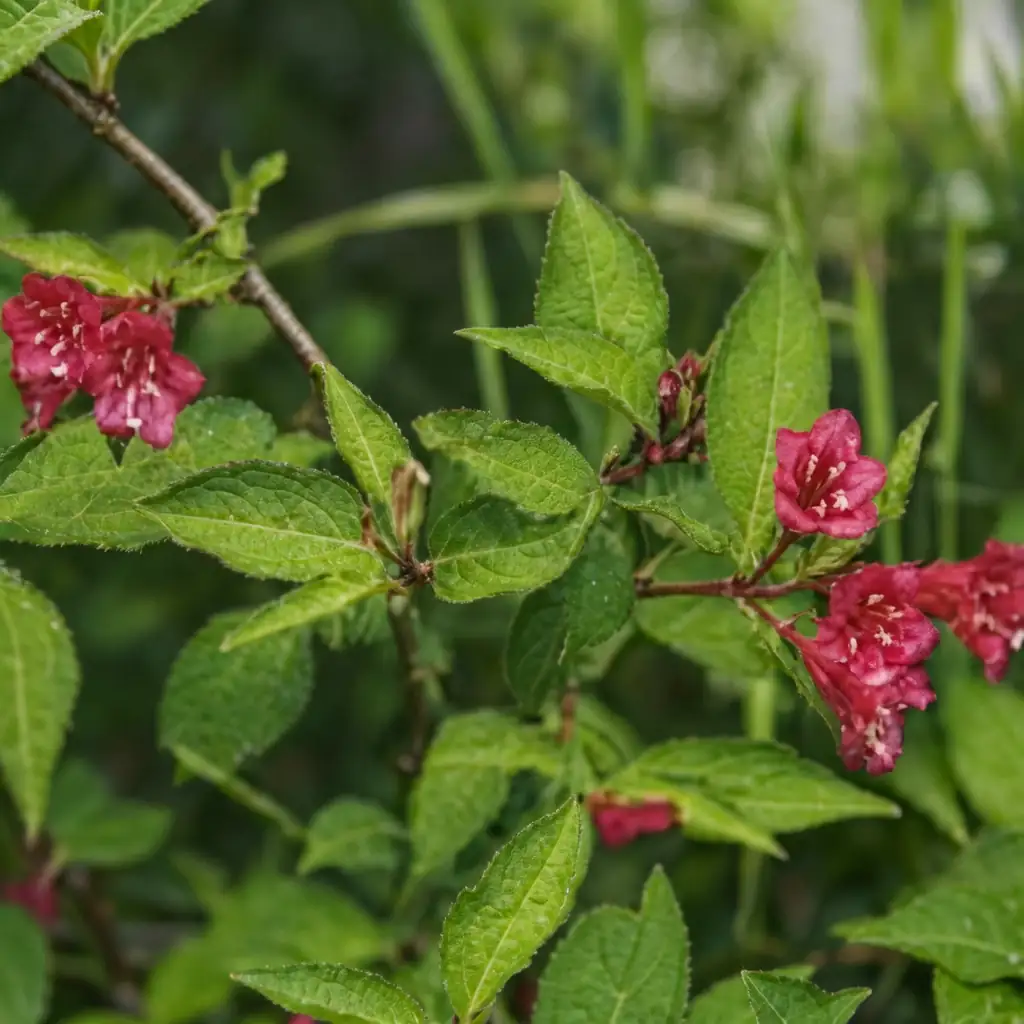
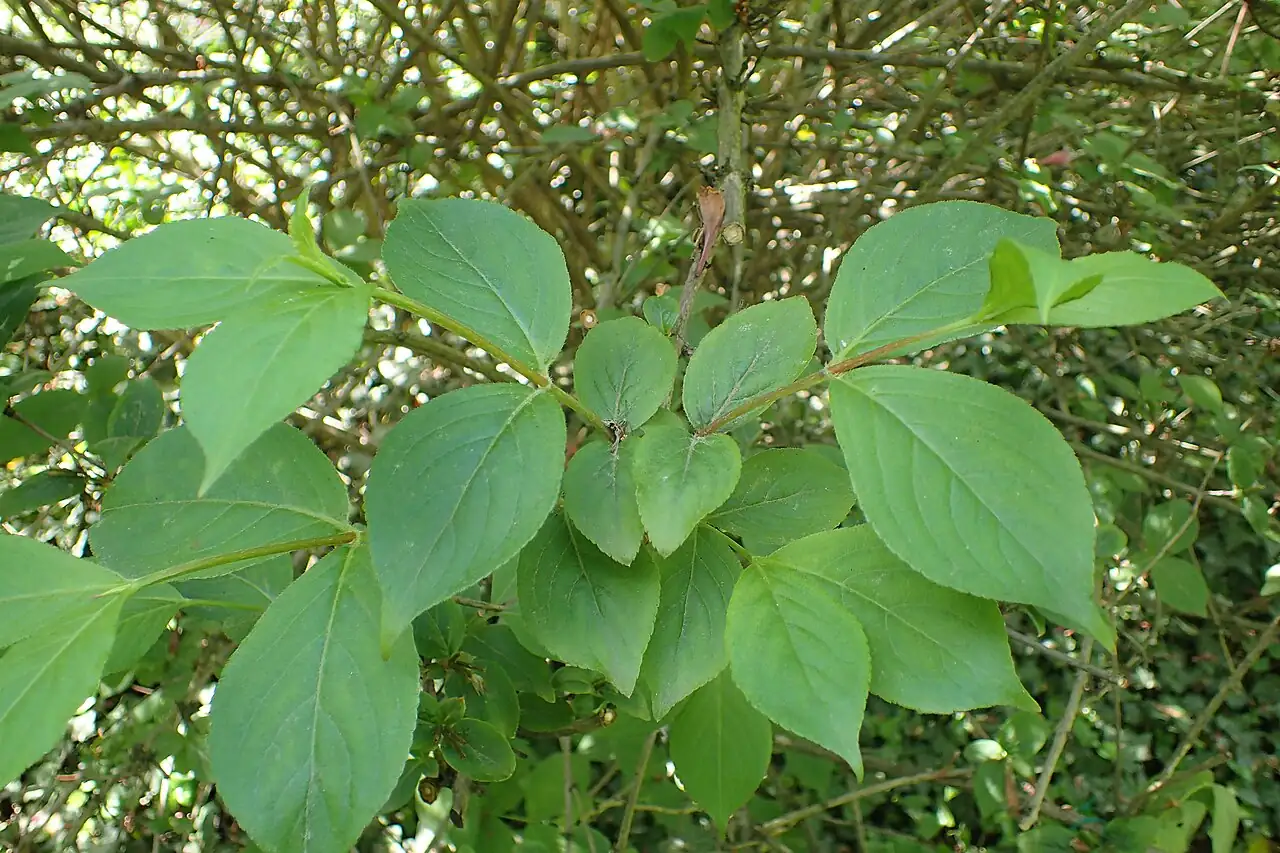
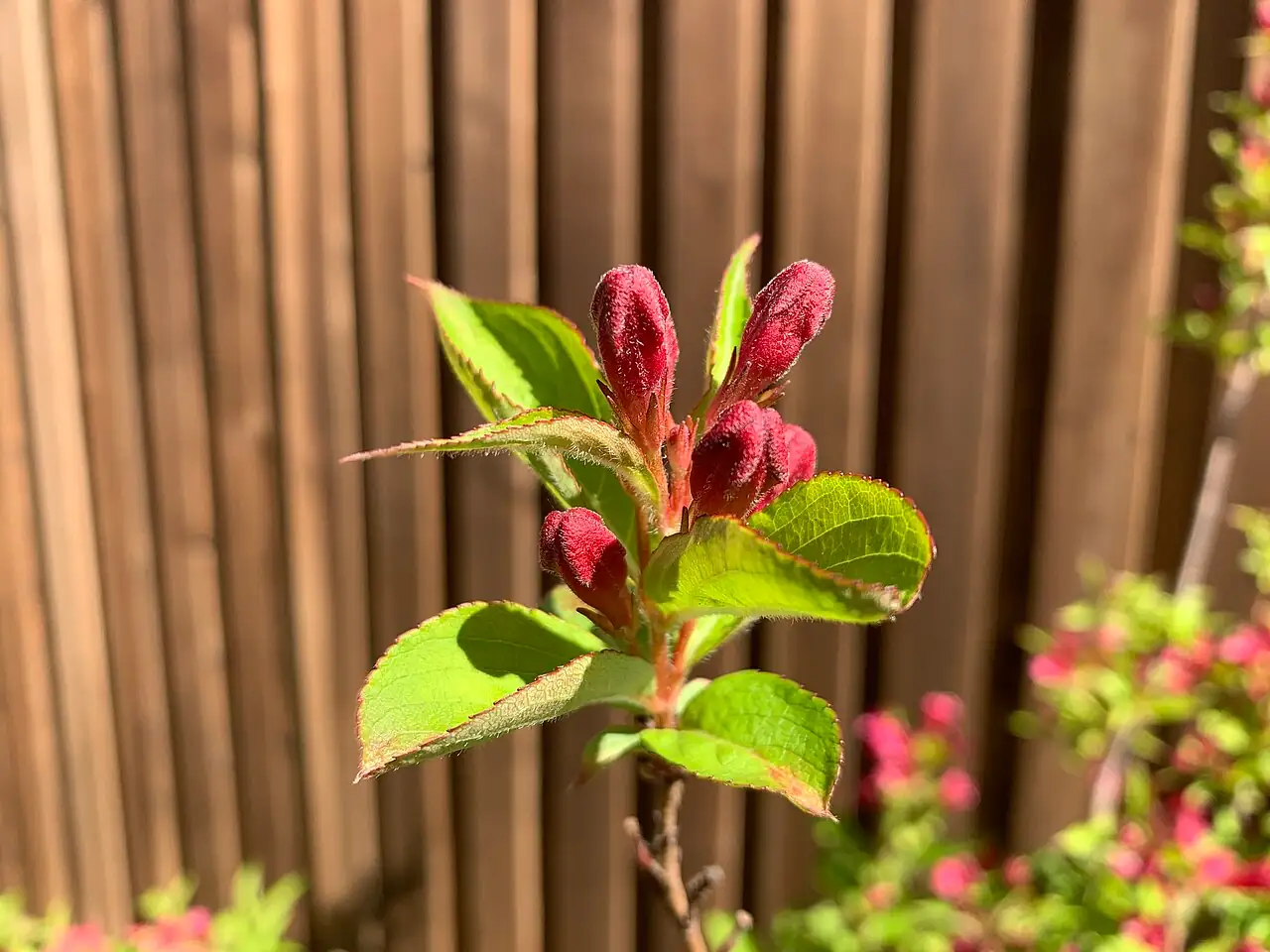
- Foliage: Leaves are oval to broadly elliptic with serrated edges. Young shoots may be softly hairy, and the undersides of leaves can feel slightly downy along the veins.
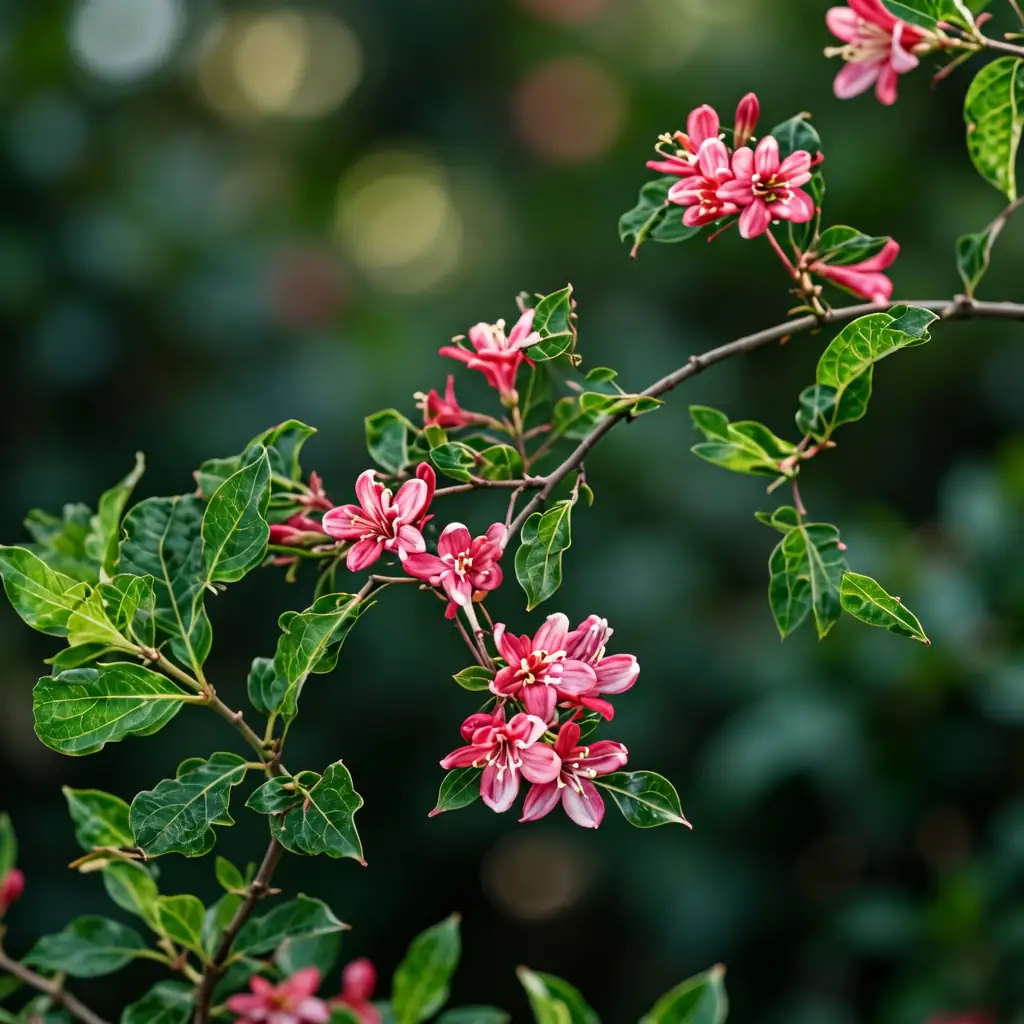
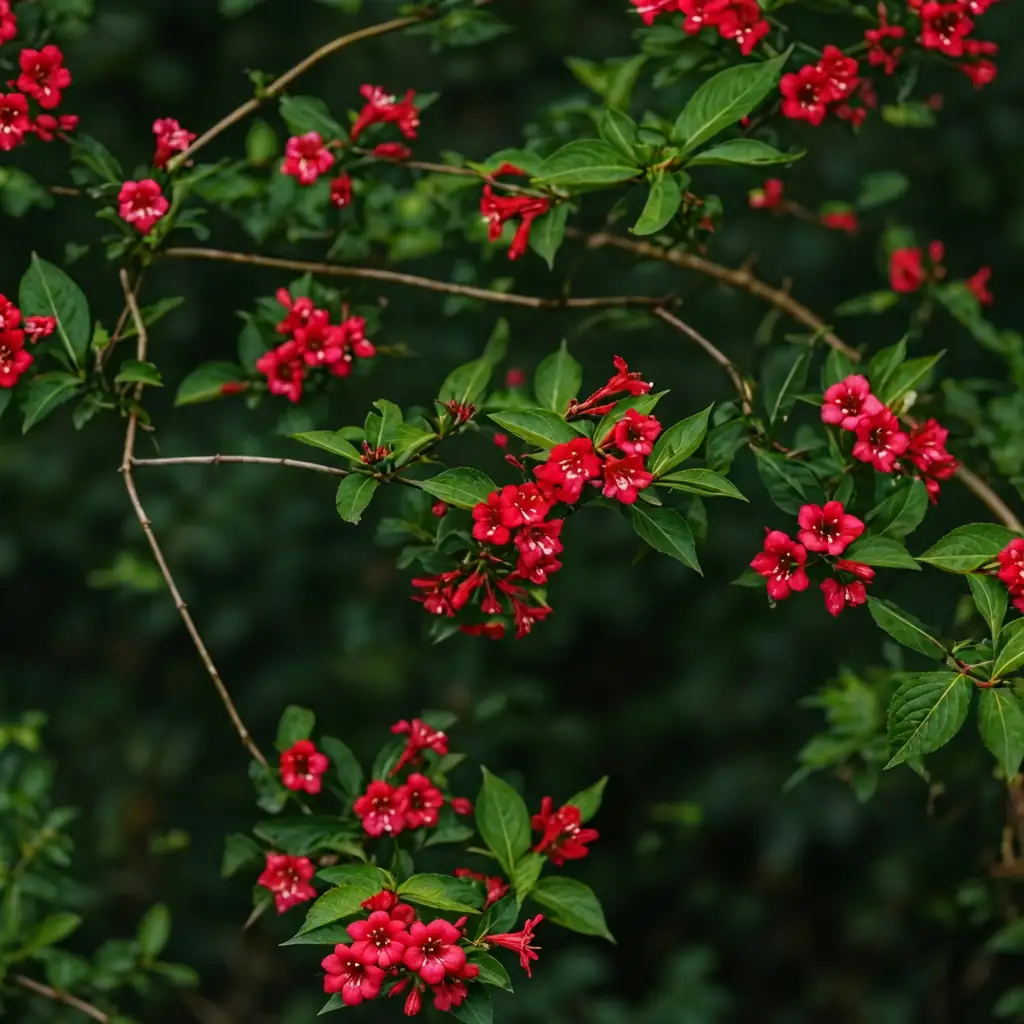
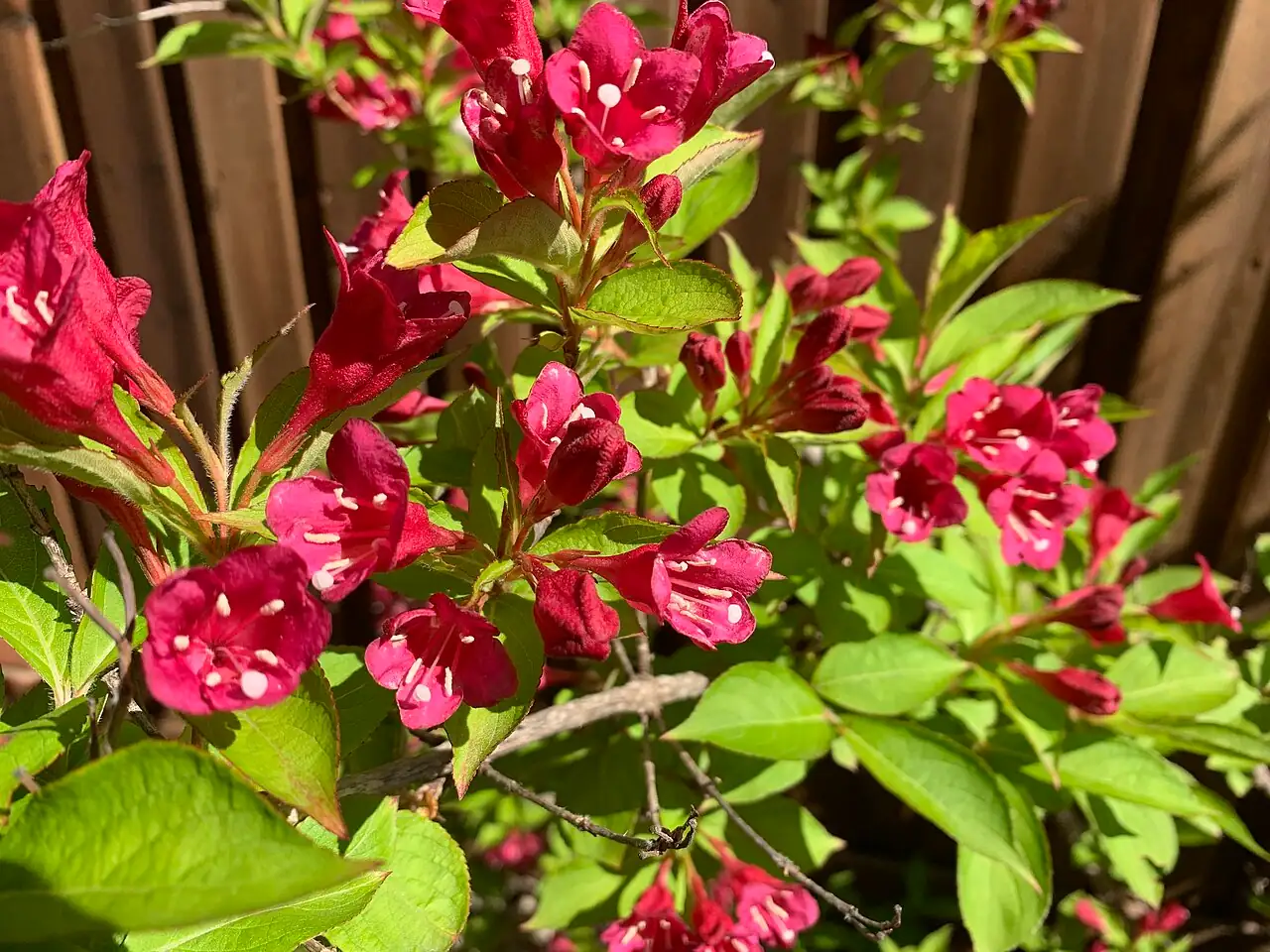
- Flower: Trumpet- to funnel-shaped, bell-like flowers with 5 lobes, usually rosy pink to rose-red (some forms are lighter pink). Blooms line the stems in spring; after flowering, the plant forms slender, capsule-like fruits.
- Flowering Season: April–June (spring to early summer)
- Growth Habit: A rounded, deciduous shrub with arching, spreading branches; it rebounds vigorously from buds and responds very well to pruning and renewal.
Environment
Sunlight
Full sun to partial shade; flowering is best in full sun.
Temperature
Cold-hardy and happiest in cool to temperate conditions; a typical growth range is about 5–30°C (41–86°F).
Humidity
Prefers evenly moist conditions; avoid prolonged waterlogging.
Soil
Adaptable (even to somewhat poorer soils), but best in deep, fertile, humus-rich, well-drained soil that stays evenly moist. Sensitive to waterlogged ground.
Placement
Garden borders, foundation plantings, mixed shrub groupings, woodland edges, slopes, and as an informal hedge; also works near ponds/lakesides provided the soil drains well.
Hardiness
USDA Zone 4–8 (generally not suited to hot tropical climates).
Care Guide
Difficulty
Easy. A tough, adaptable shrub that performs reliably with basic care; most problems come from too much shade (fewer flowers) or poor drainage (root stress).
Buying Guide
Pick plants with multiple healthy stems and a well-rooted, firm root ball. Avoid blackened stems, mushy roots, or chronic wilting. If flower color or plant size matters, choose a named cultivar and check stems and leaf undersides for aphids or scale before buying.
Watering
Water regularly during the first growing season so the soil stays evenly moist but not soggy. Once established, water deeply during dry spells rather than giving frequent light sprinkles. Avoid low spots where water collects.
Fertilization
In spring, use a balanced slow-release fertilizer or top-dress with compost. Don’t overdo nitrogen, which can push leafy growth at the expense of flowers.
Pruning
Prune right after flowering (late spring to early summer). Remove spent flowering stems, thin a few of the oldest canes at the base to rejuvenate, and lightly shape. Avoid hard pruning in late summer or fall, which can reduce next year’s bloom.
Propagation
Softwood cuttings in late spring to early summer, or semi-hardwood cuttings in mid to late summer. Layering is also very effective on the arching branches.
Repotting
Usually grown in the ground; in containers, repot every 2–3 years into fresh, well-draining mix and a slightly larger pot, or root-prune and refresh soil to maintain size.
📅 Seasonal Care Calendar
Spring: light feeding, mulch, and watch for aphids; enjoy peak bloom. Early summer: prune immediately after flowering. Summer: water in drought; avoid waterlogging. Autumn: keep pruning minimal; tidy fallen leaves and refresh mulch. Winter: generally hardy; protect container plants from repeated freeze–thaw cycles.
Pests, Diseases & Safety
Common Pests & Diseases
Can attract aphids, scale, and spider mites (especially in hot, dry weather). Powdery mildew and leaf spot may appear when airflow is poor. Improve spacing and air circulation, avoid late-day overhead watering, and use horticultural soap or oil if needed.
Toxicity
Generally considered non-toxic to people and pets, though chewing or eating plant material may still cause mild stomach upset in sensitive individuals.
Culture & Symbolism
Symbolism: Often linked with cheerful spring color, a sense of welcome, and abundance thanks to its heavy flowering.
History & Legends: A long-loved ornamental in East Asian gardens that became widely planted internationally; many cultivars were selected for richer flower color, varied foliage, and more compact growth.
Uses: A dependable ornamental shrub for courtyards and home landscapes—ideal for mass planting, shrub borders, and informal hedges. Appreciated for relatively good tolerance of urban pollution (dust and nitrogen oxides). Flowering branches are also used as cut stems for indoor displays.
FAQ
Why does my weigela have lots of leaves but few flowers?
Most often it’s from too much shade, pruning at the wrong time (after midsummer), or over-feeding with high-nitrogen fertilizer. Give it more sun if possible and prune right after flowering.
Can Japanese weigela grow in wet soil?
It likes consistent moisture but not waterlogged soil. If water stands after rain, improve drainage (raised bed, soil amendment) or choose a better-drained site.
Fun Facts
- In the wild it’s often found in moist valleys and at woodland edges.
- It’s valued in cities for relatively strong tolerance to dusty air and nitrogen-oxide pollution.
- Flowering stems are popular as cut branches in vases.
- It rebounds strongly after pruning, which makes rejuvenation easy.