Plant Features
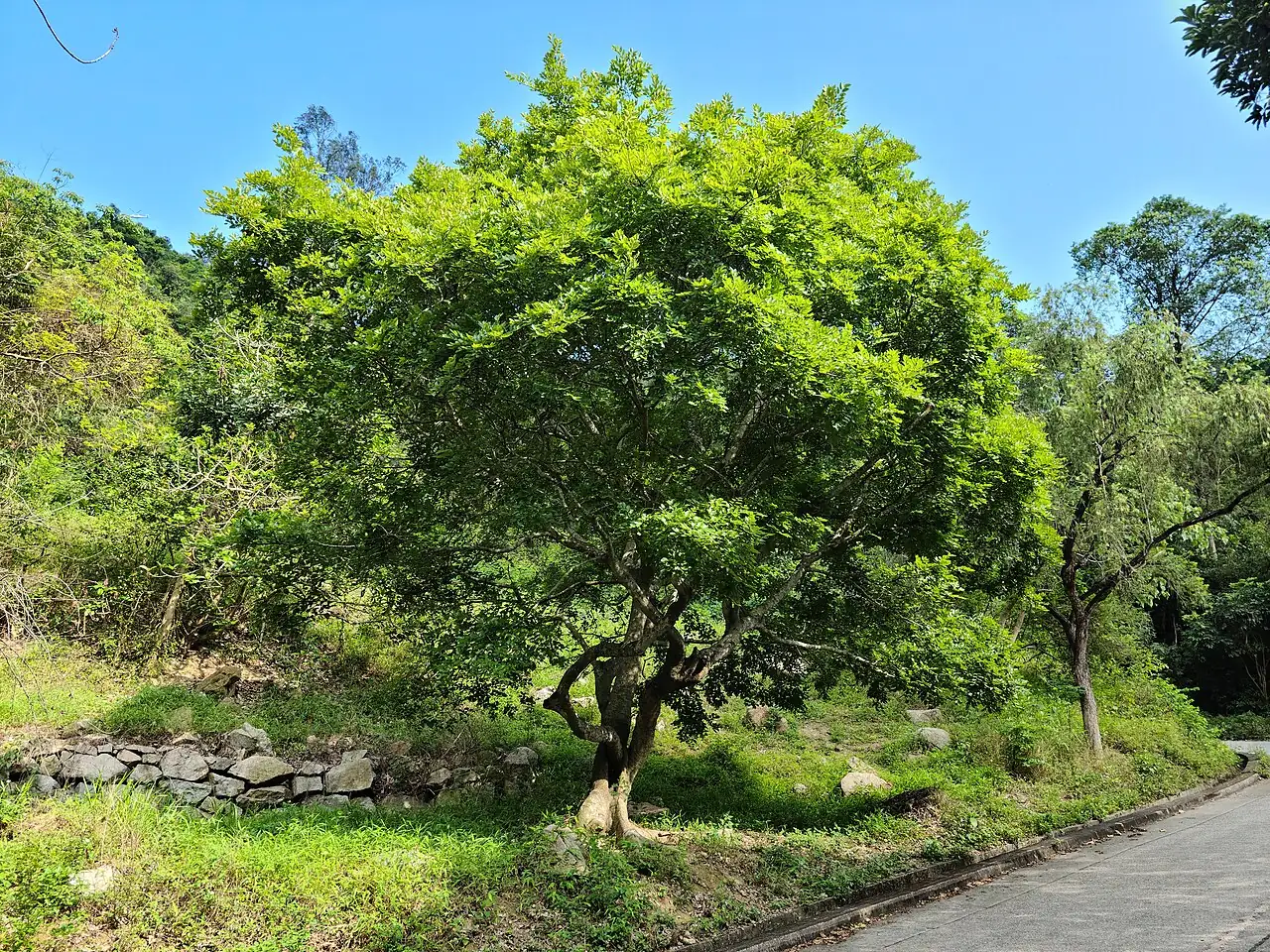
- Size: Up to 20 m (66 ft) tall, typically forming a broad, rounded to flattened-globose crown.
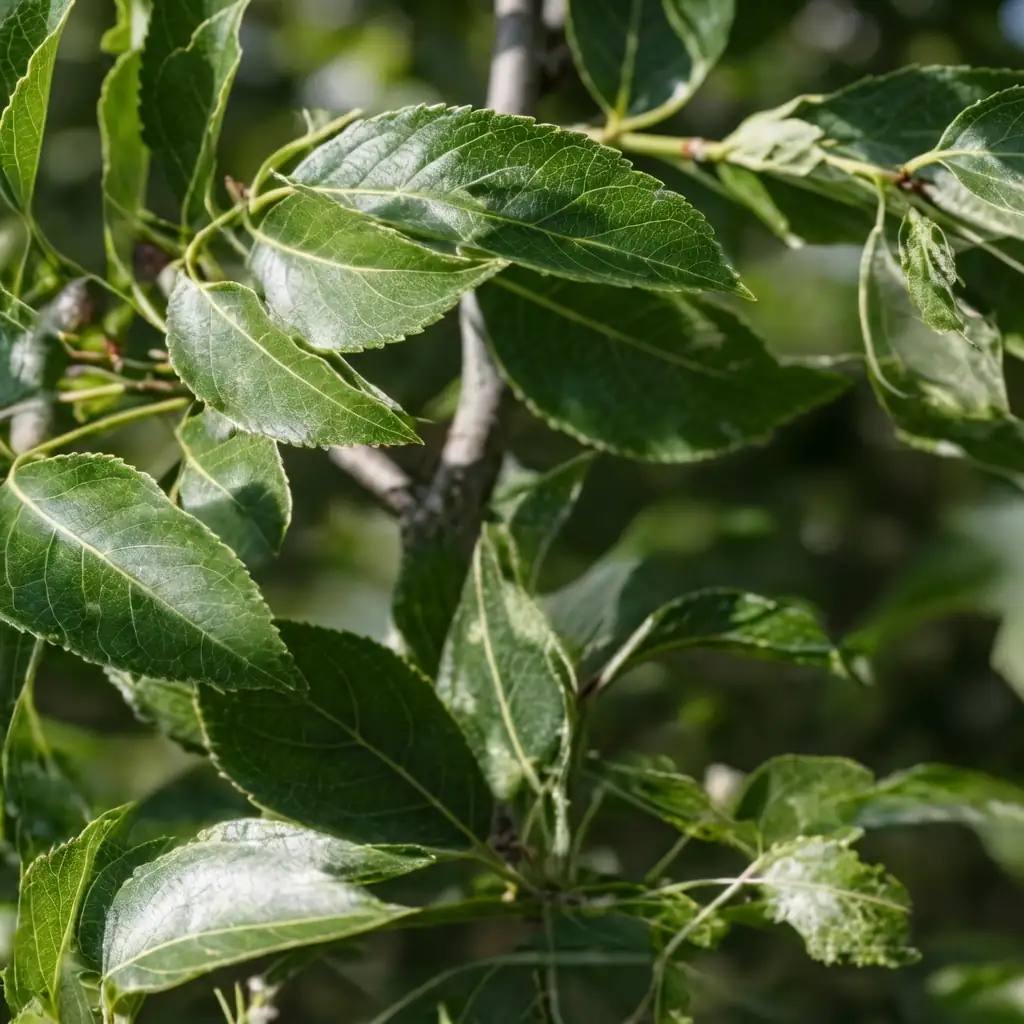
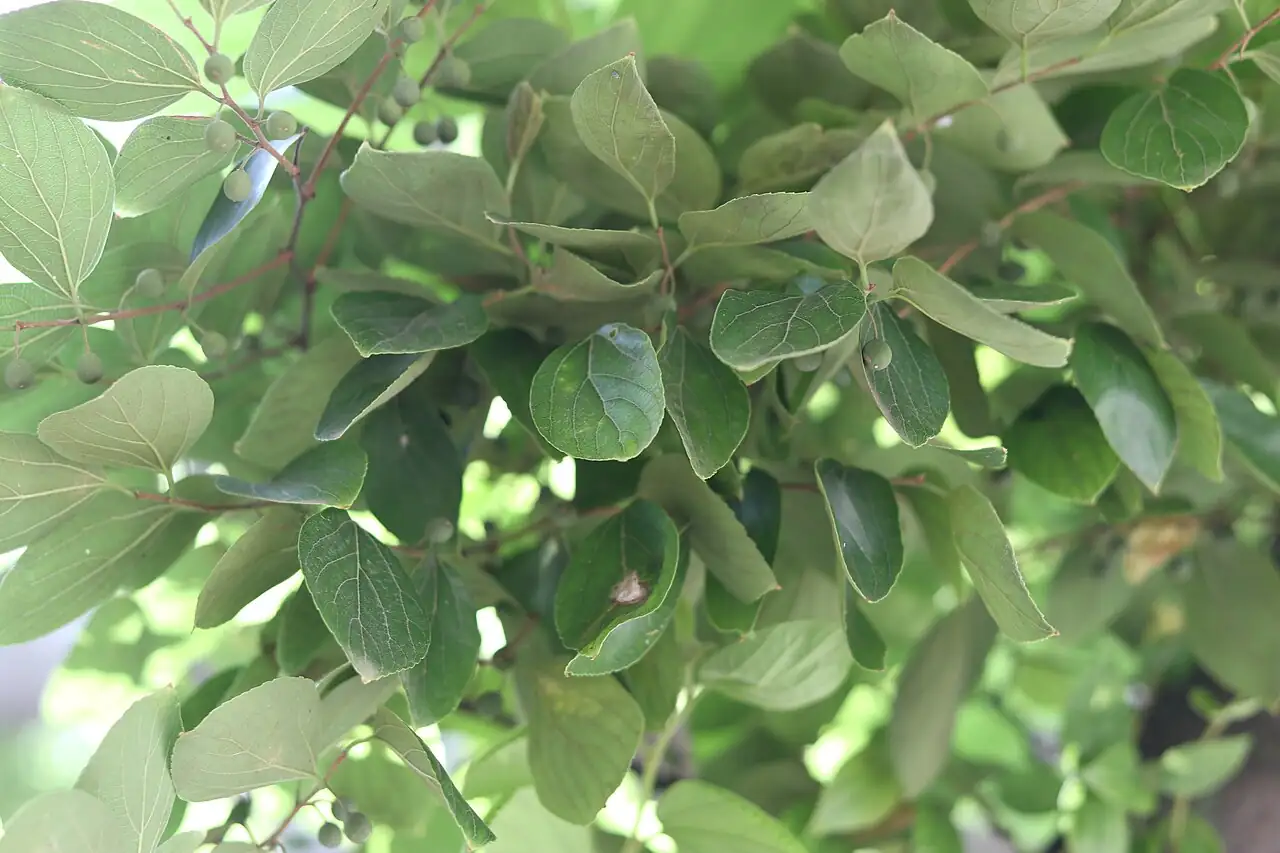
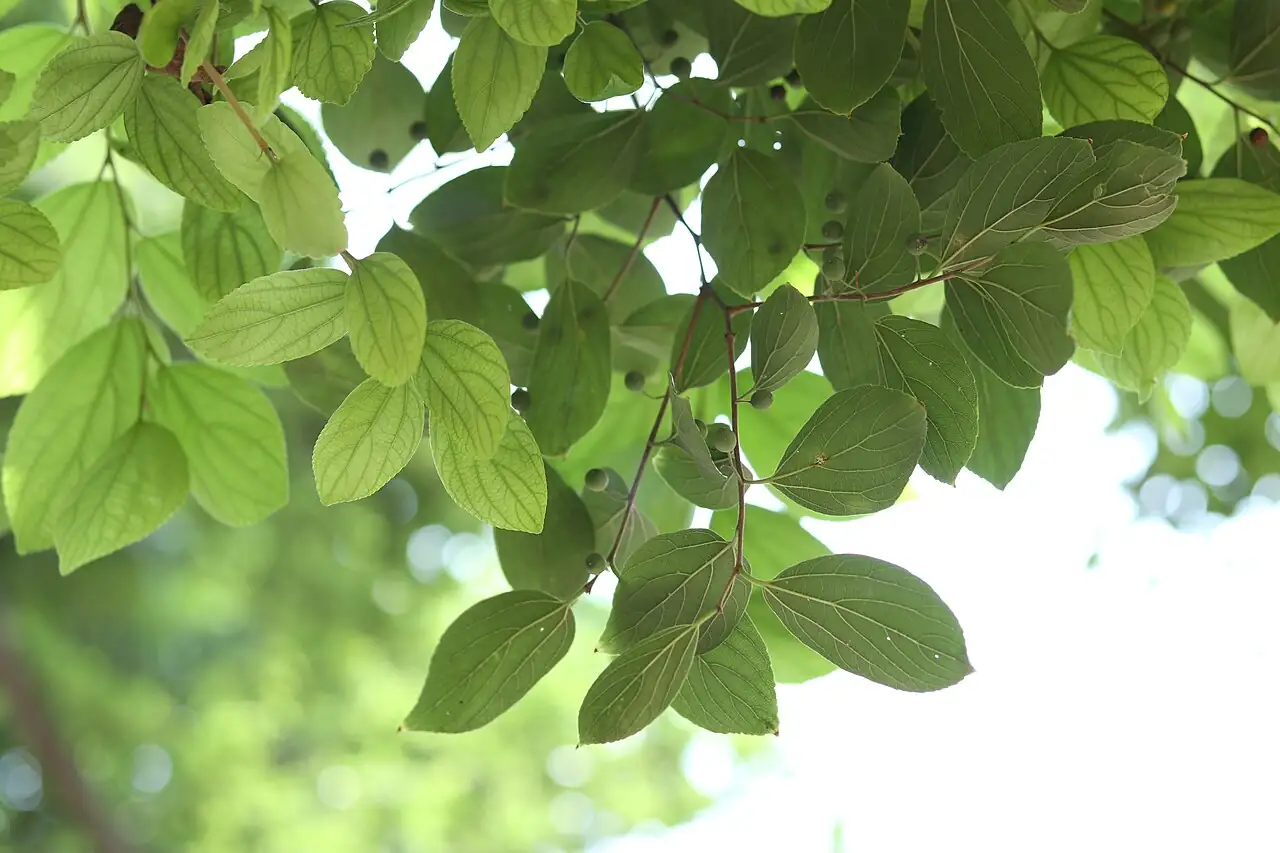
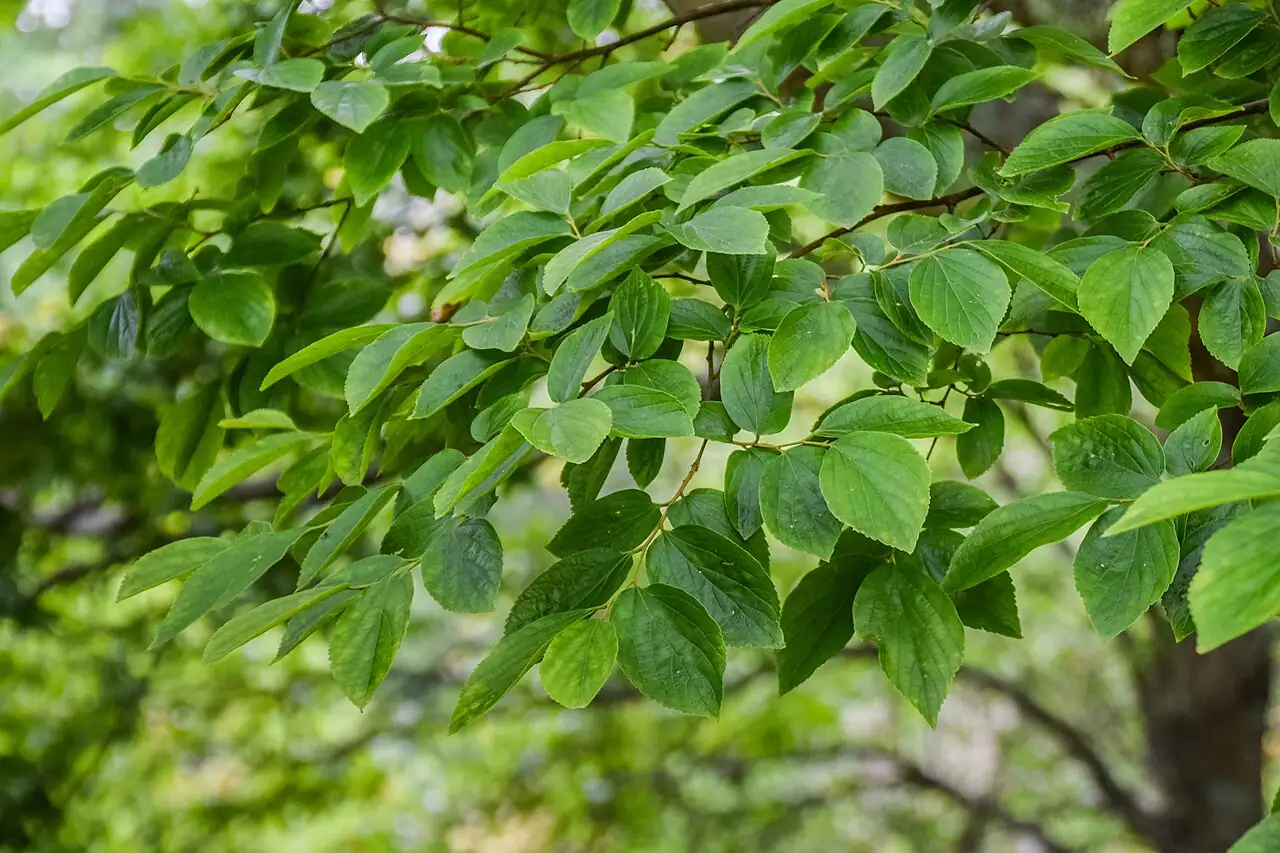
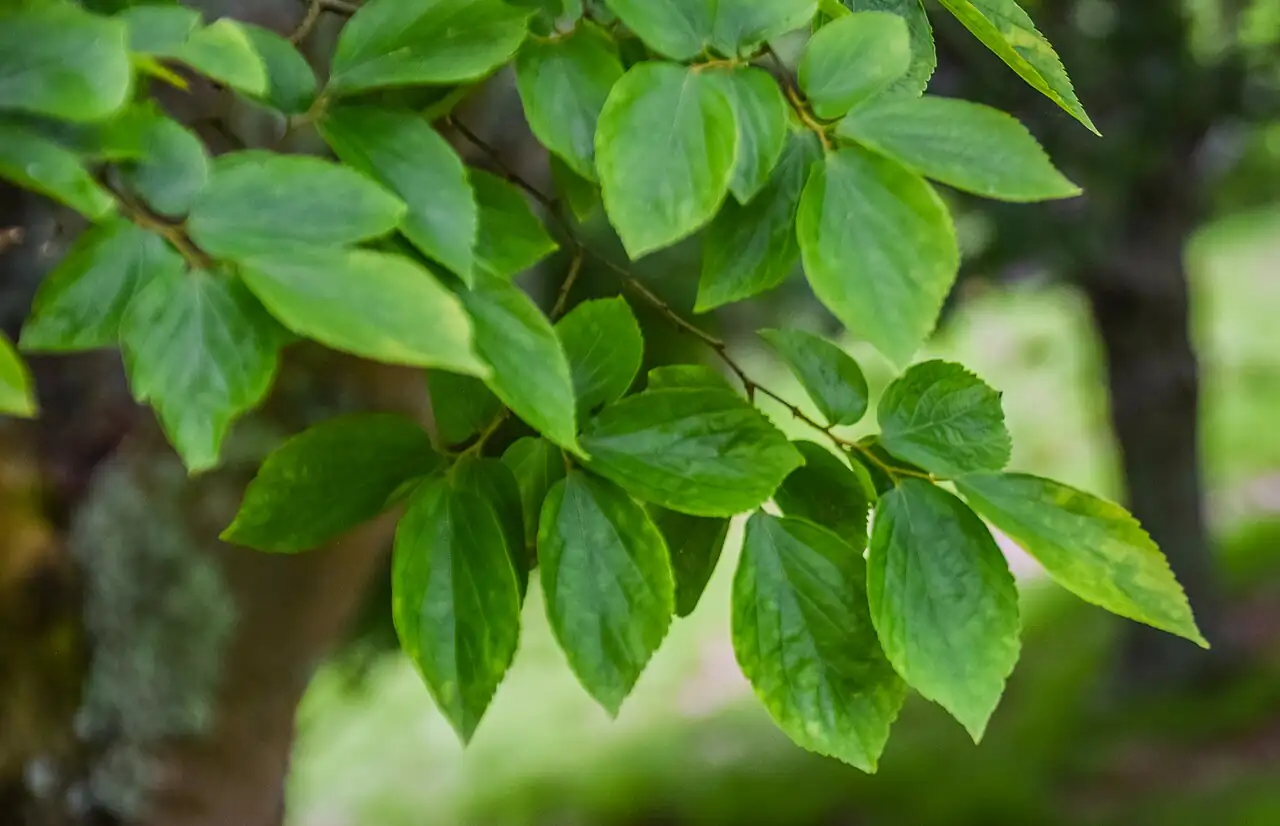
- Foliage: Leaves are broadly ovate to elliptic-ovate with a slightly uneven (oblique) base and fine, shallow teeth mostly on the upper half. Veins are typically 3-nerved from near the leaf base; the underside may have sparse hairs along veins with a subtly raised, netted texture. Young shoots can be softly hairy, becoming smoother as they mature.
- Flower: Small, greenish, inconspicuous flowers appear in spring. The fruits are nearly spherical drupes that ripen from orange to orange-red, adding seasonal color and wildlife value.
- Flowering Season: April (spring)
- Growth Habit: Deciduous tree with an upright trunk and a broad, rounded to somewhat flattened canopy; often grown as a sturdy shade/street tree.
Environment
Sunlight
Full sun to partial shade; strongest growth and best fruiting typically occur in full sun.
Temperature
Prefers warm, humid conditions but tolerates cold; a comfortable growth range is about 15–30°C (59–86°F).
Humidity
Moderate to high humidity is ideal, though established trees adapt well to a range of humidity levels.
Soil
Very adaptable. Prefers well-drained loam, but tolerates sandy or clay soils, relatively poor soils, periodic drought, and seasonal wetness/waterlogging (especially once established).
Placement
Best outdoors: parks, large gardens/courtyards, street and highway plantings, and open landscapes. Also useful for windbreaks and stabilizing banks/embankments.
Hardiness
Cold tolerant; commonly grown in temperate climates (approx. USDA Zone 6–9).
Care Guide
Difficulty
Easy (outdoors). Once established, it’s vigorous and forgiving of a wide range of soil and moisture conditions.
Buying Guide
Pick a tree with a straight, well-formed main trunk (especially if you want a classic street-tree shape), a balanced crown, and no obvious trunk wounds. Avoid severely pot-bound plants; look for healthy, fibrous roots and foliage without heavy pest damage.
Watering
Water consistently through the first 1–2 growing seasons to help roots establish. After that, it becomes fairly drought tolerant, while still coping with periodic wet spells. In containers or compacted sites, avoid long-term waterlogging.
Fertilization
Often unnecessary in decent garden soil. If growth is sluggish, apply a balanced slow-release fertilizer in spring. Avoid overfeeding with nitrogen, which can cause weak, overly soft growth that attracts pests.
Pruning
Prune in late winter to early spring to remove dead, damaged, crossing, or weak branches and to build a strong framework. For street trees, gradually raise the canopy by removing lower branches over multiple years.
Propagation
Most commonly grown from seed (clean the fruit; cold stratification can improve germination). Semi-hardwood cuttings in summer under mist are possible, though success depends heavily on conditions.
Repotting
Not ideal as a long-term container tree. If grown in a pot when young, up-pot in spring as roots fill the container using a free-draining mix, and plant into the ground as soon as practical.
📅 Seasonal Care Calendar
Flowers in April (spring). Fruits typically mature around October (autumn).
Pests, Diseases & Safety
Common Pests & Diseases
Generally resilient. Spider mites may show up during hot, dry spells. Improve watering consistency, reduce drought stress, raise local humidity around foliage when practical, and use horticultural soap or oil if infestations build.
Toxicity
No well-documented serious toxicity to humans or pets for this species. As a general rule, discourage pets or children from eating large quantities of any plant material.
Culture & Symbolism
Uses: A widely used shade and street tree for parks, courtyards, and roadside greening; also planted as a windbreak and for stabilizing embankments. Bark fibers have been used for paper and cellulose-related products. Fruits have been used for oil extraction (including lubricating uses). The wood is hard and used in general industrial applications. In traditional practices, roots, bark, and leaves have been used for swelling and pain relief and for treating sores; leaves have also appeared in folk pest-control preparations.
FAQ
When does Chinese hackberry flower?
Typically in April (spring).
When do the fruits ripen?
Usually around October (autumn).
How tall can it grow?
Up to about 20 m (66 ft) under good conditions.
Where is it native?
It is native across much of China and also occurs in Vietnam and Laos, often along roadsides, hillsides, and forest margins.
What is it mainly used for?
Mostly as a hardy shade/street tree for landscaping and shelterbelts; it also has traditional uses for fiber (paper), fruit oil, durable wood, and folk medicinal/pest-control applications.
Fun Facts
- It’s popular in urban planting because it tolerates a surprisingly wide range of soils, including relatively poor or compacted ground.
- The orange-red drupes can brighten autumn scenery and provide food for birds.
- Bark fibers have been used as a source material for paper and cellulose products.
- Leaves have a history of use in folk, plant-based pest-control washes aimed at spider mites.