Plant Features
- Size: Typically 10–20 cm (4–8 in) tall; spreads outward as a low, mat-forming groundcover.
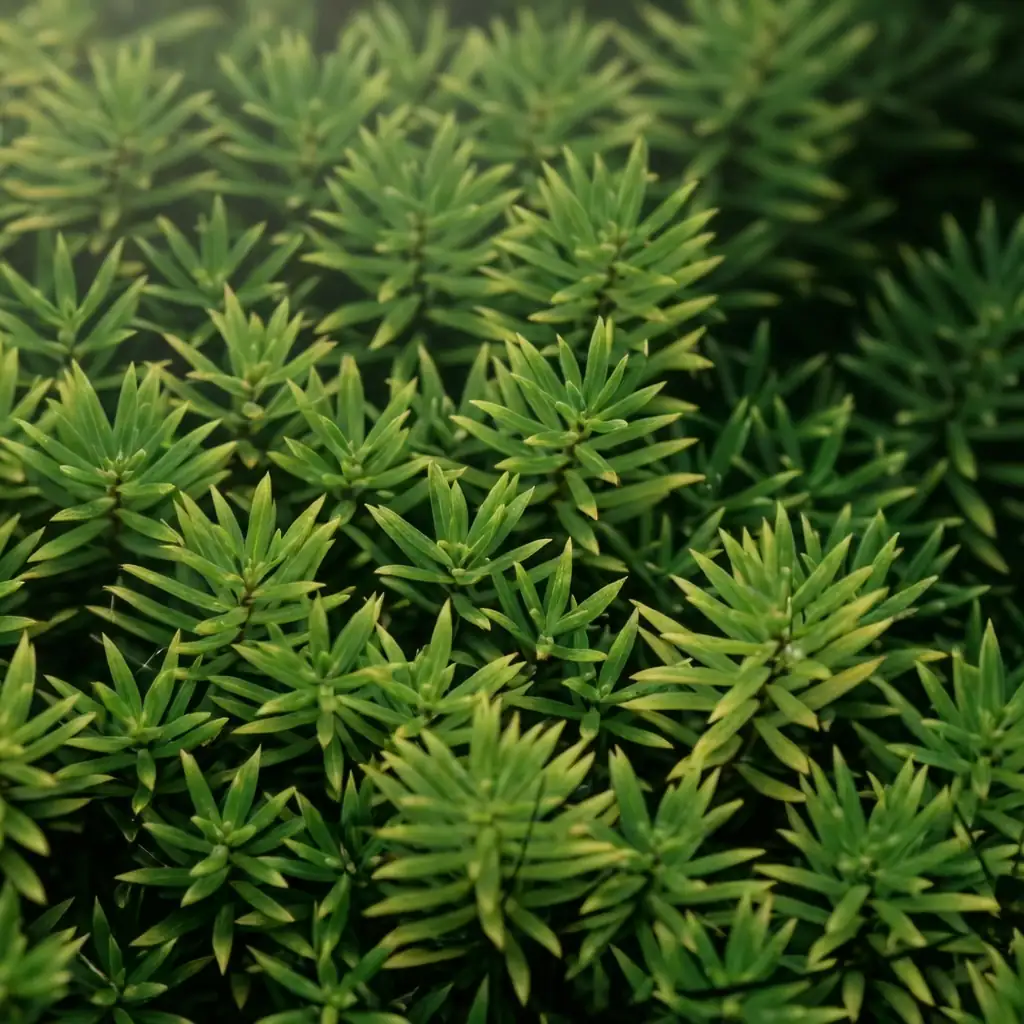
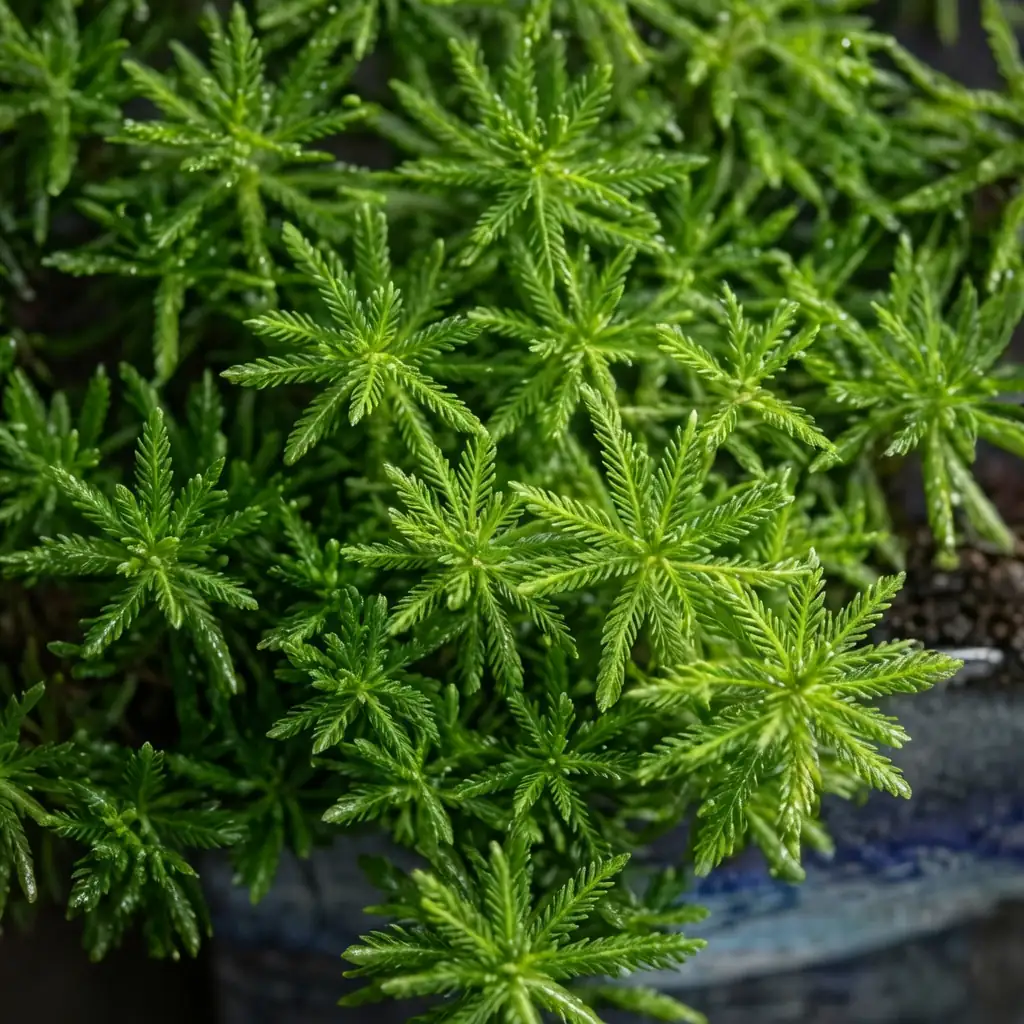
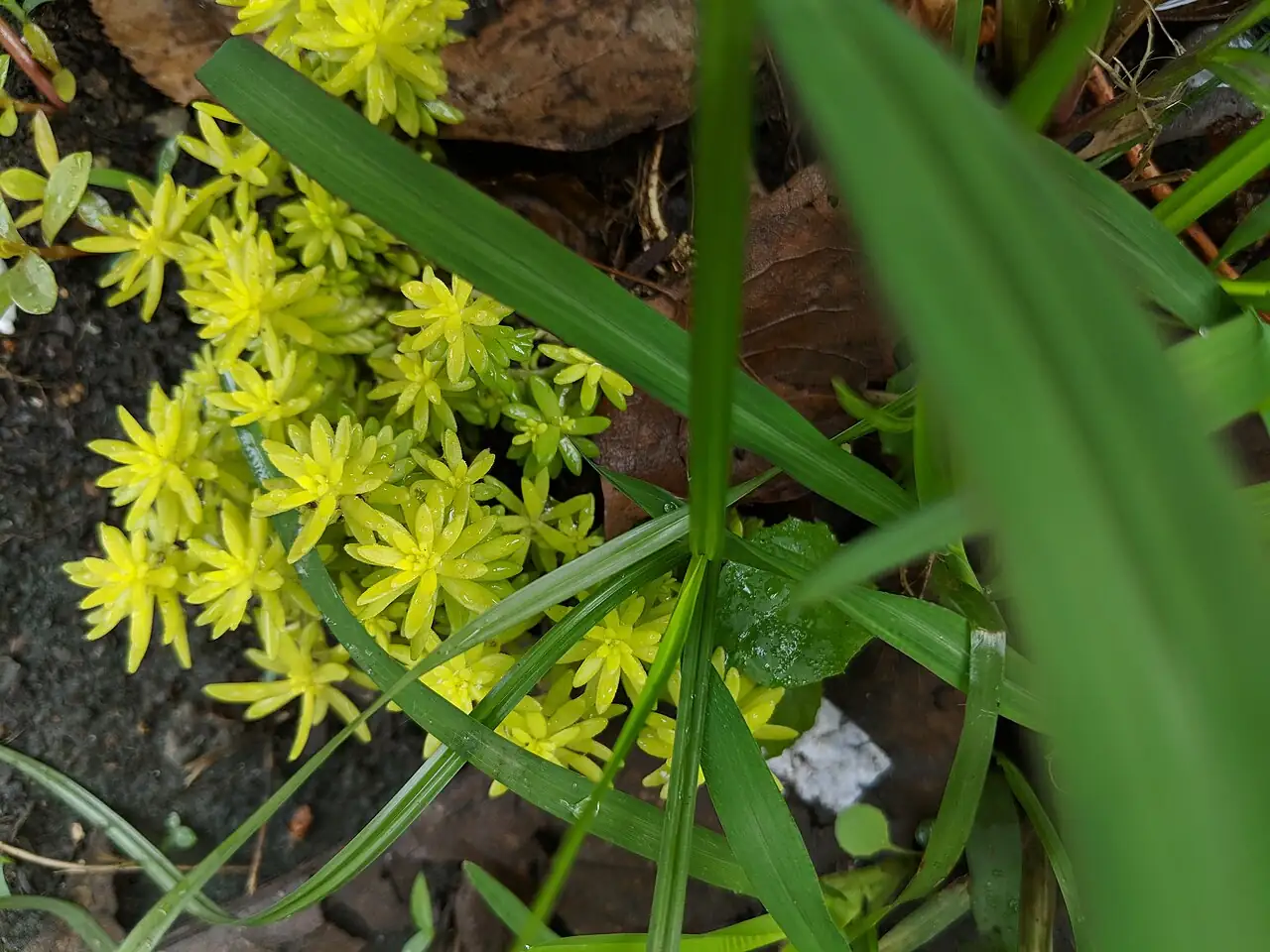
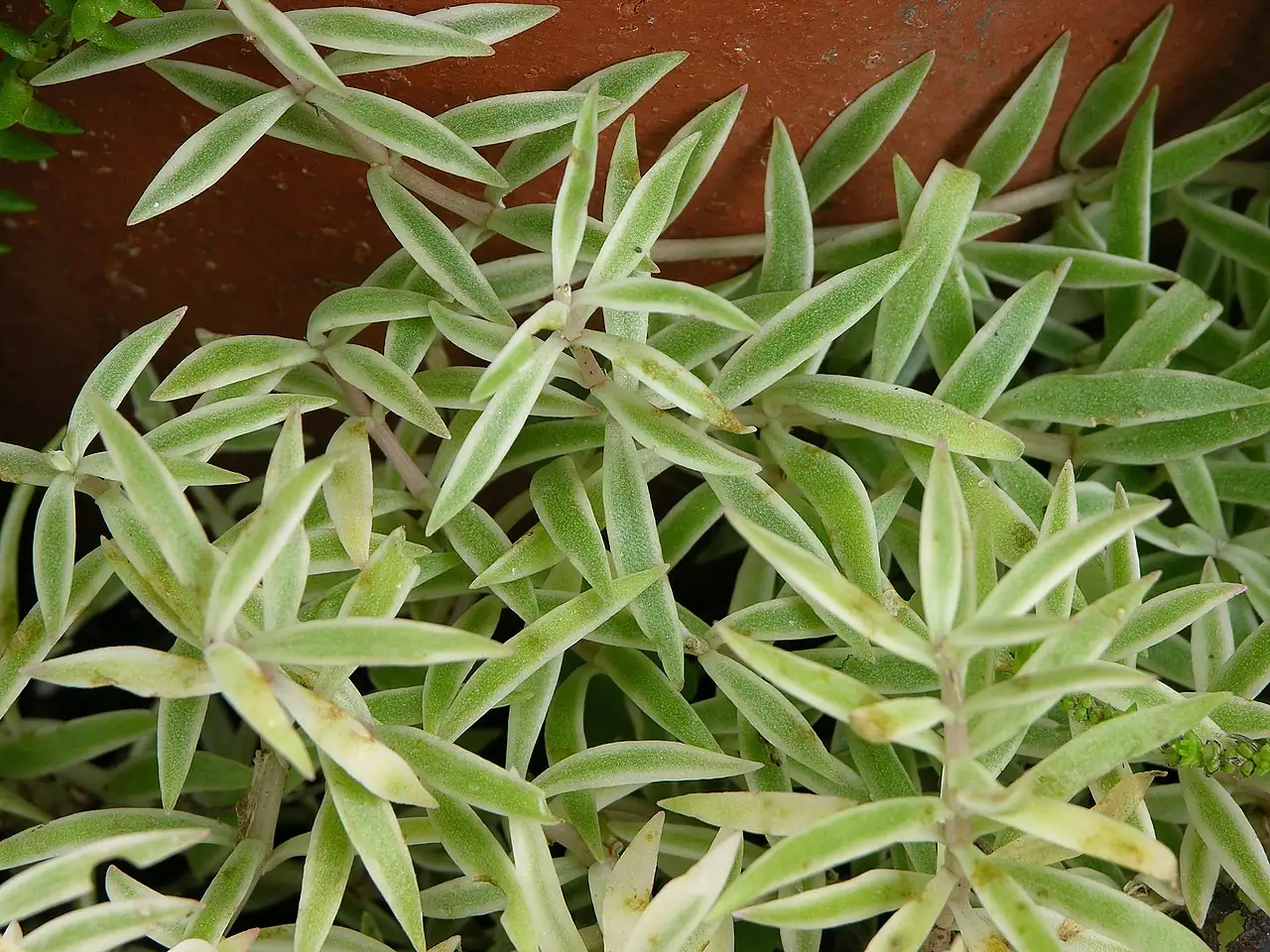
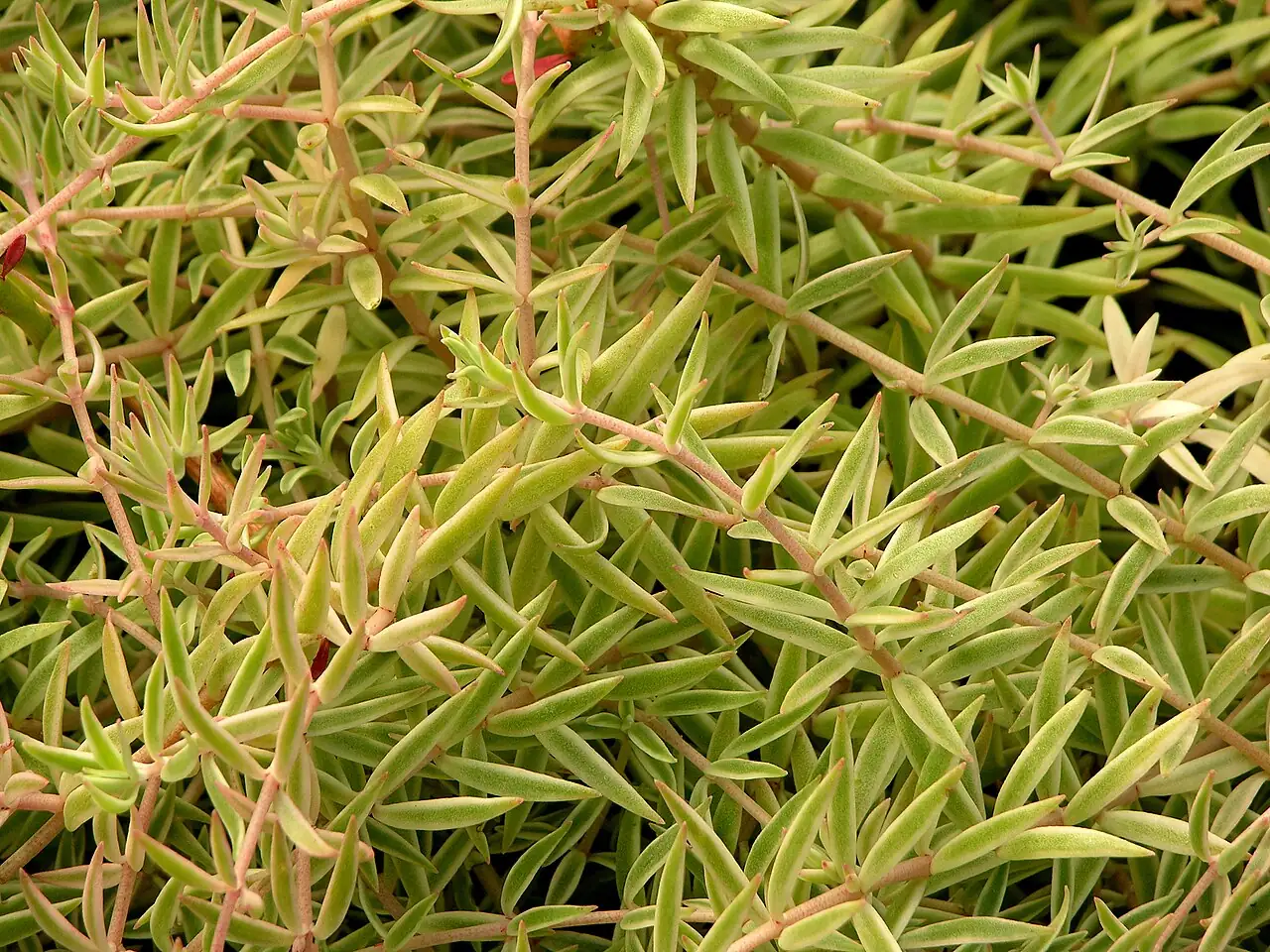
- Foliage: Smooth, hairless stems carry narrow, linear, succulent leaves. Leaves are commonly arranged in whorls of three (but can sometimes appear opposite or in fours), giving the plant a neat, fine-grained texture from a distance.
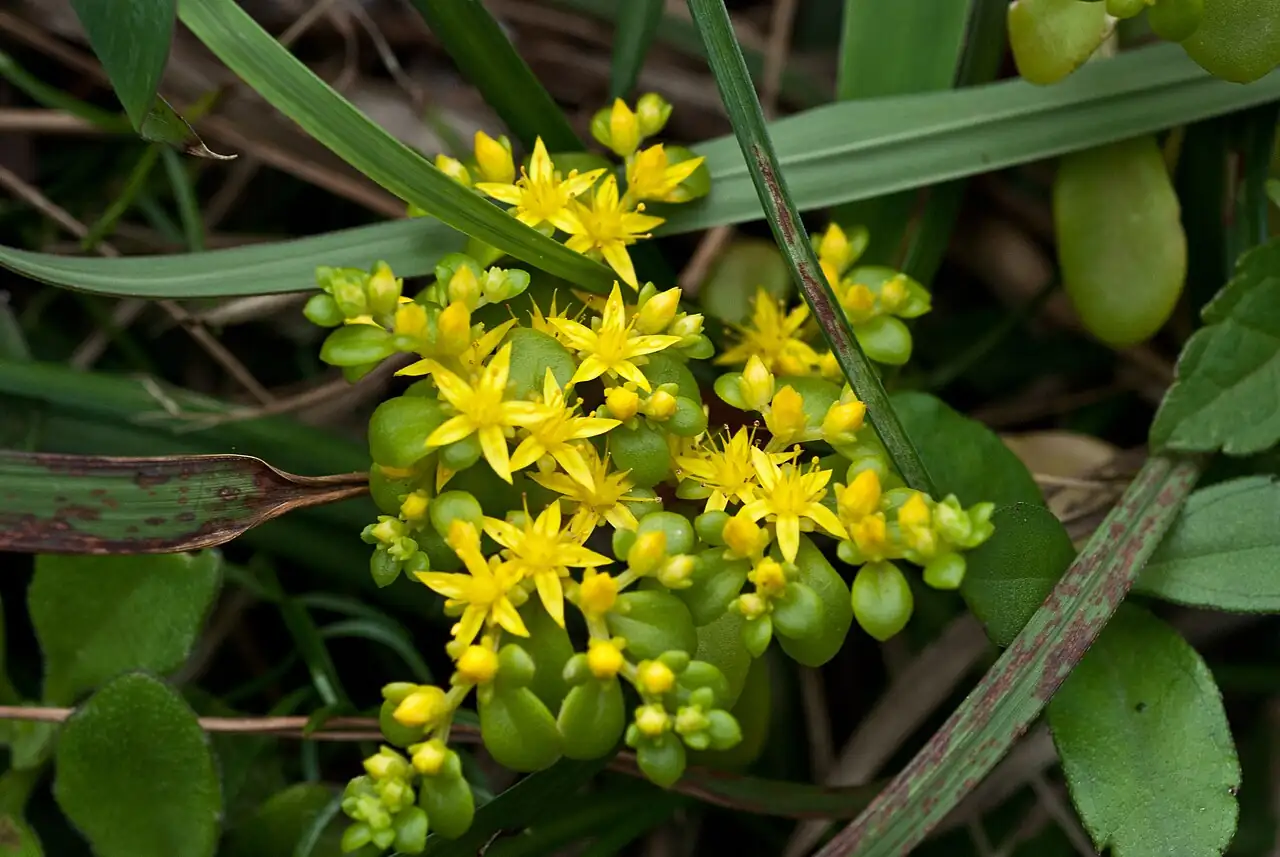
- Flower: Flowers appear in terminal, branched clusters and are relatively small and somewhat sparsely arranged. After flowering, it forms small seed capsules about 4–5 mm (0.16–0.20 in) long containing tiny seeds.
- Flowering Season: April–May (spring)
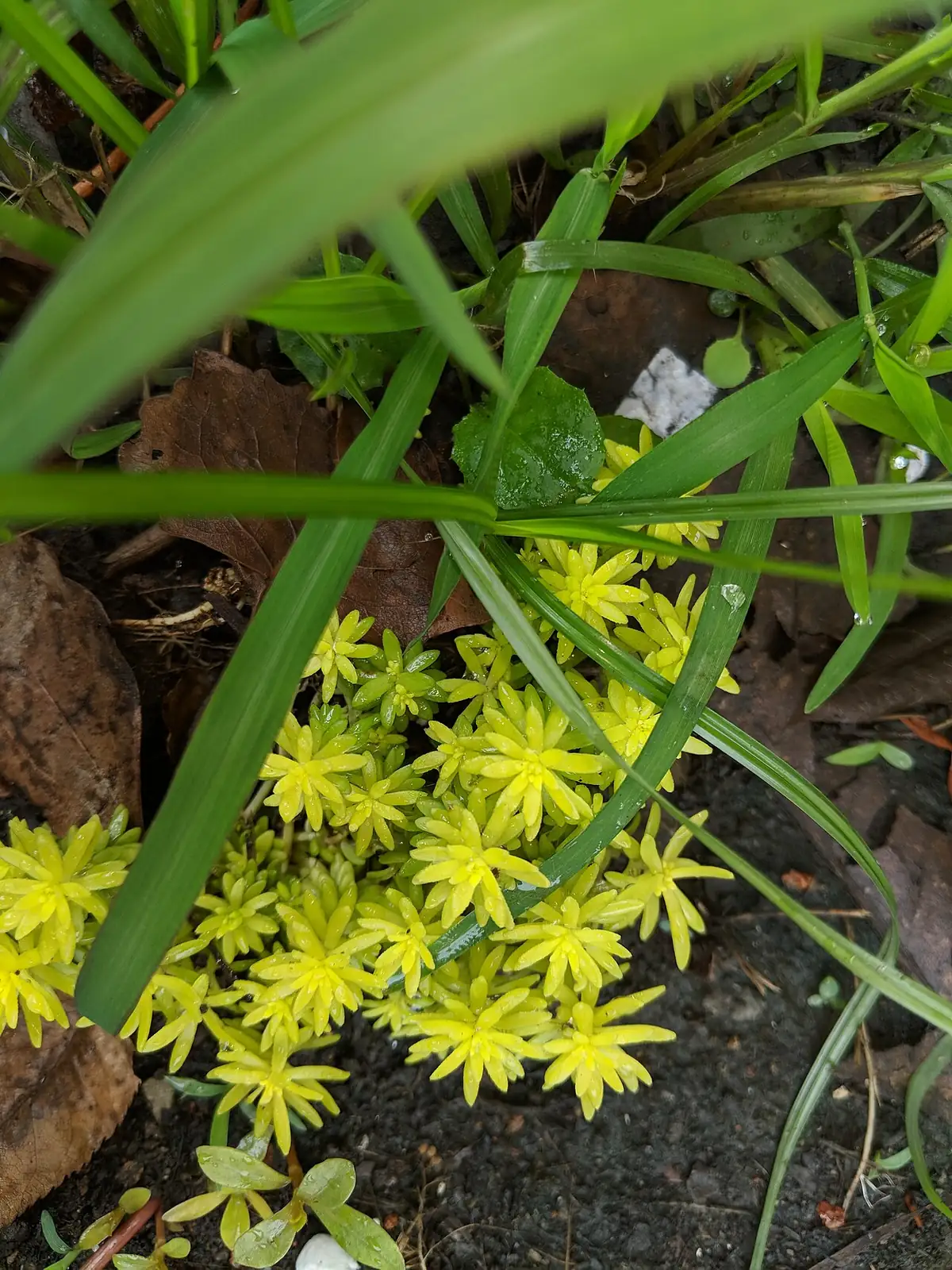
- Growth Habit: A perennial, mat-forming sedum with interlacing, soil-gripping roots and stems that readily root where they touch the ground. It can cover soil quickly in early spring. In very cold winters, the above-ground growth may die back, then resprout when temperatures rise and the ground thaws.
Environment
Sunlight
Full sun to bright light. It handles strong sun in open sites; in very hot summers, a bit of light afternoon shade can reduce stress.
Temperature
Prefers cool-to-warm conditions and tolerates frost. A practical growing range is about 5–30°C (41–86°F). In severe winter cold, top growth may be winter-killed but typically regrows after thawing.
Humidity
Low to average humidity is fine. Avoid constantly damp, stagnant air or persistently wet conditions.
Soil
Very well-drained soil is essential. It adapts to poor, shallow, or rocky soils; in containers, use a gritty cactus/succulent mix and a pot with drainage holes.
Placement
Sunny borders as groundcover, rock gardens, green roofs, slopes/embankments for erosion control, and shallow pots or trough planters.
Hardiness
Cold-hardy; often succeeds outdoors in temperate climates. Approximate USDA hardiness: Zone 4–9 (−34 to −1°C / −30 to 30°F), influenced by winter wetness and local conditions.
Care Guide
Difficulty
Easy. It’s adaptable, drought-tough, and tolerant of poor soils—good drainage is the main make-or-break requirement.
Buying Guide
Pick plants with firm, plump leaves and dense, evenly covered mats. Avoid soggy, sour-smelling potting mix or stems that are mushy/blackened, which can signal rot.
Watering
Water sparingly. Outdoors, established plants usually need little extra water except during prolonged drought. In pots, water thoroughly, then allow the mix to dry significantly before watering again. Reduce watering in winter and never leave the plant sitting in water.
Fertilization
Minimal feeding is best. If container growth is sluggish, feed once in spring with a balanced fertilizer diluted to 1/4–1/2 strength (optionally again in early summer). Avoid heavy nitrogen, which can cause soft, weak growth.
Pruning
In late winter to early spring, trim leggy or winter-damaged stems to encourage compact new growth. A light shear after flowering can keep the mat looking crisp and even.
Propagation
Very easy by stem cuttings or division. Take cuttings in spring to summer; let cut ends dry briefly, then set them on or into a gritty mix—roots form readily. It also spreads naturally as stems root where they touch soil.
Repotting
Repot every 1–2 years (or when crowded), ideally in spring. Use a shallow pot with excellent drainage and refresh with a gritty, fast-draining mix.
📅 Seasonal Care Calendar
Spring (Apr–May): blooms; resume light watering and tidy/prune. Early summer (Jun–Jul): seed set; keep bright light and good airflow. Winter: may die back in hard freezes; keep much drier and expect regrowth after thaw.
Pests, Diseases & Safety
Common Pests & Diseases
Usually trouble-free. The main issue is rot from overly wet soil. Occasionally, stressed container plants may get aphids or mealybugs—improve airflow, avoid excess nitrogen, and treat with insecticidal soap if needed.
Toxicity
Generally considered low-toxicity, but chewing or ingestion can cause mild stomach upset in people or pets, and sap may irritate sensitive individuals. Keep out of reach of pets prone to nibbling.
Culture & Symbolism
Symbolism: Often linked with resilience and endurance—an unpretentious plant that thrives through drought, sun, and cold.
Uses: A popular ornamental groundcover and rock-garden plant, especially valued for erosion control on slopes thanks to its interlacing, soil-holding growth. Also grown in pots and troughs for its tidy, fine texture and spring bloom. It is mentioned in traditional medicinal contexts; any medicinal use should follow professional guidance.
FAQ
When does it flower?
Typically April–May (spring).
When does it set fruit/seed?
Usually June–July.
How tall does it get?
About 10–20 cm (4–8 in) tall, while spreading outward to form a mat.
Where is it grown and what habitat does it prefer?
It’s widely cultivated across many provinces of China and is often found on grassy slopes in low hills or plains, preferring open, well-drained sites.
What are its key growth habits?
It’s drought- and cold-tolerant, thrives in shallow/rocky soils, spreads as stems root along the ground, and may die back above ground in severe winter cold before resprouting in spring.
Fun Facts
- Its interlacing roots help reduce rain-driven soil erosion, which is why it’s commonly planted on slopes and embankments.
- It can thrive in surprisingly thin, rocky soils—perfect for low-maintenance landscapes and rock gardens.
- In harsh winters, the top growth can die back, but it often rebounds quickly once the ground thaws.
- It works both as a living outdoor “green carpet” and as a neat, textured succulent in shallow containers.