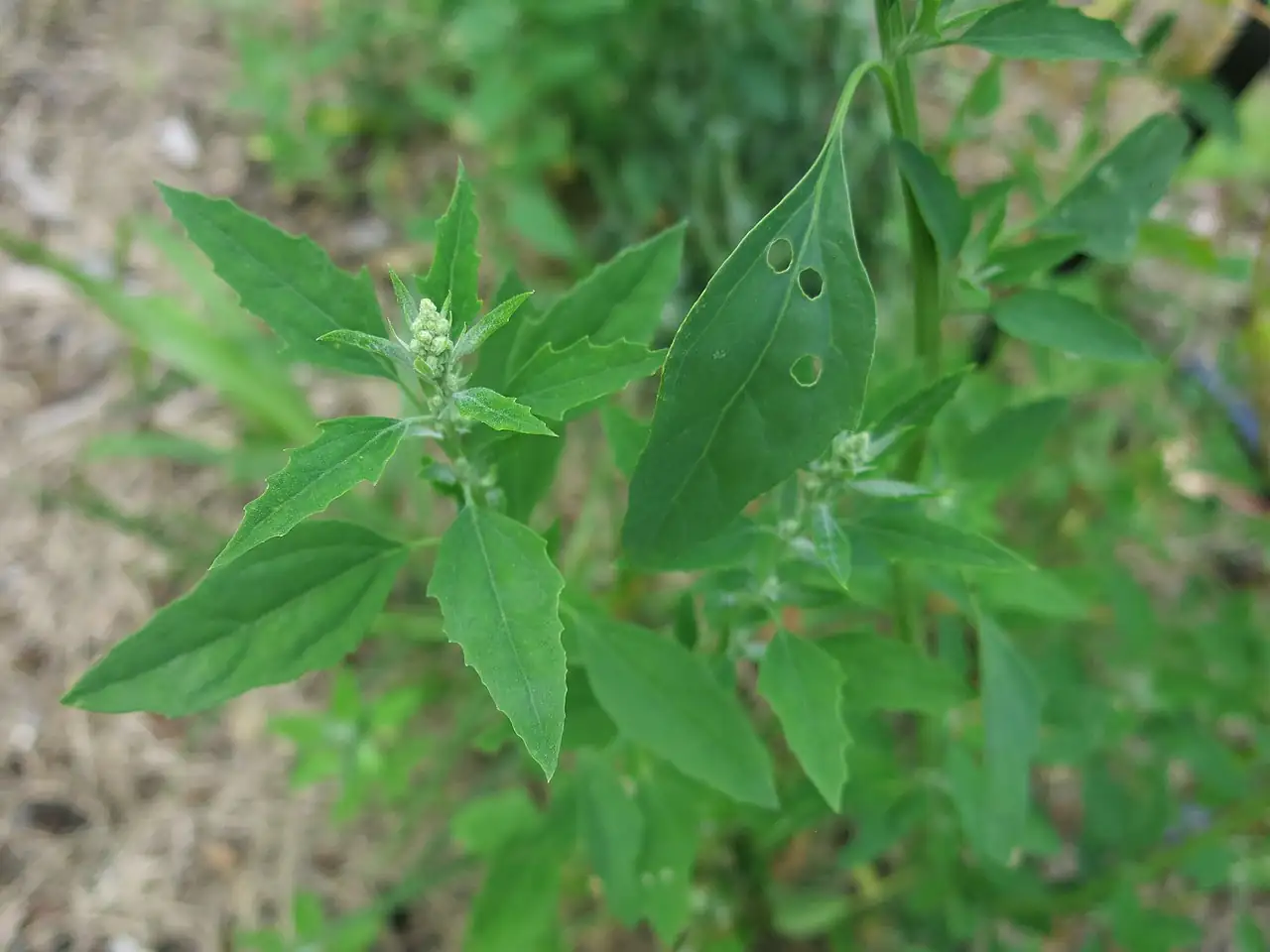
Plant Features
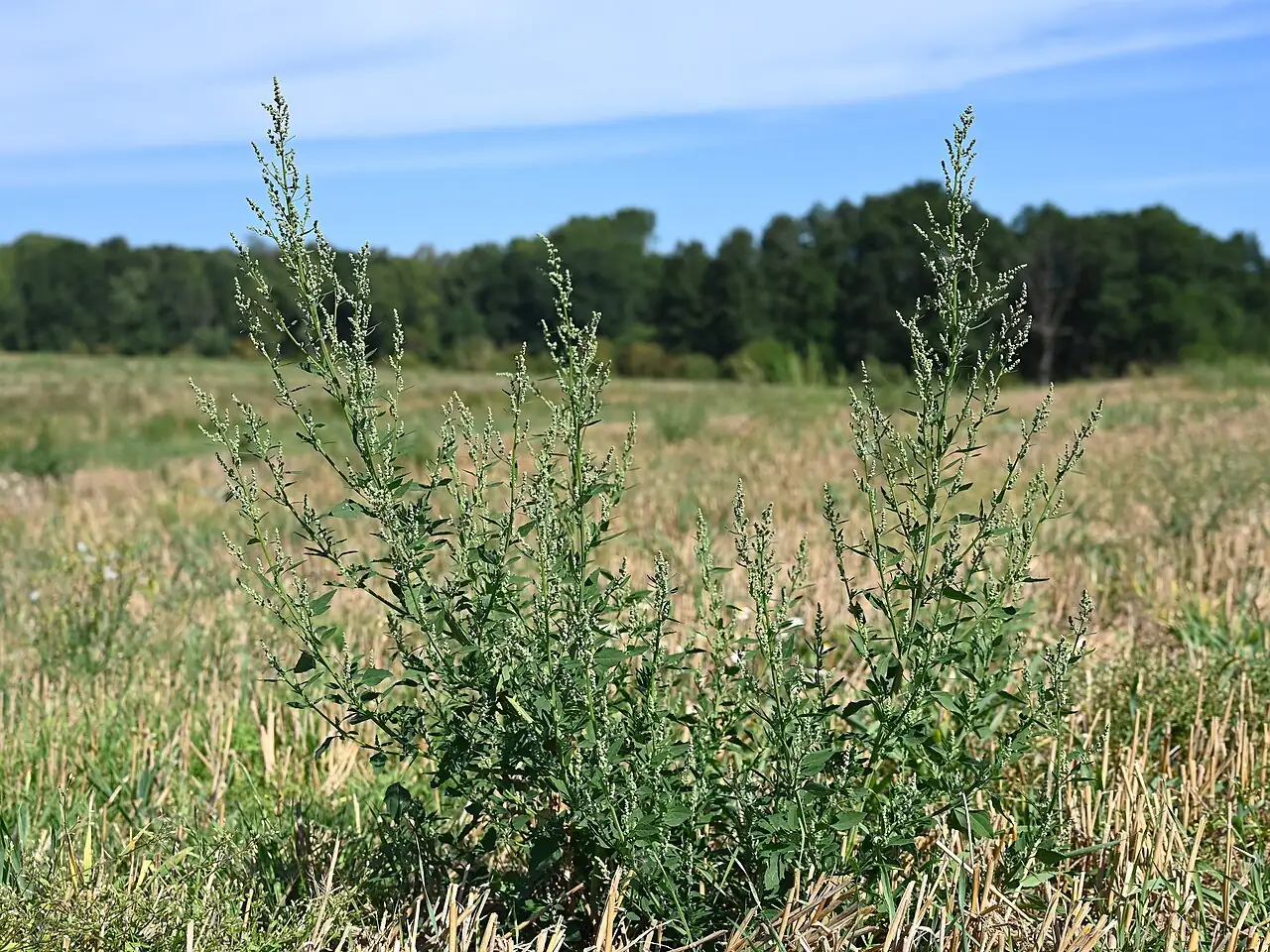
- Size:30–150 cm (12–59 in) tall
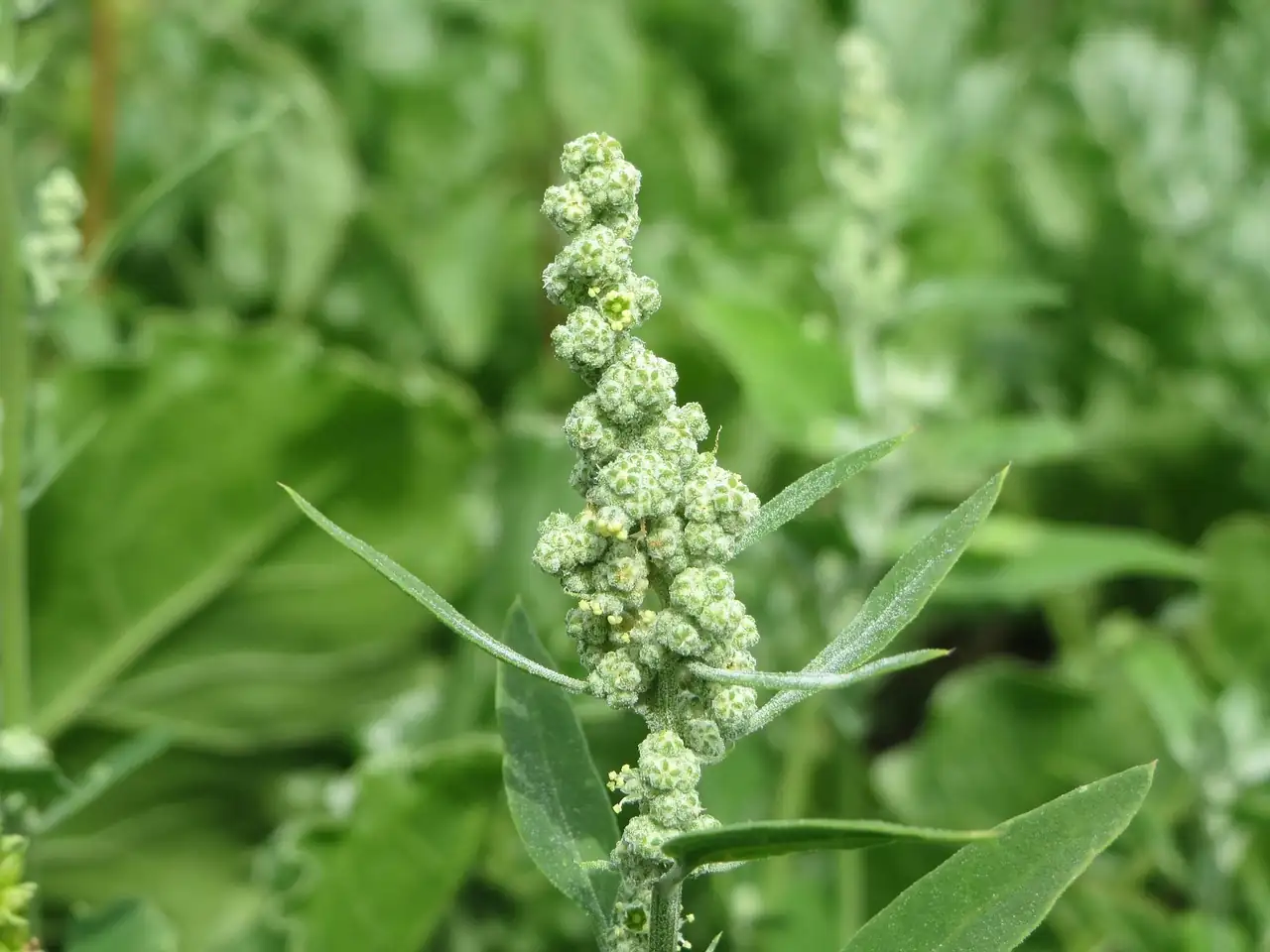
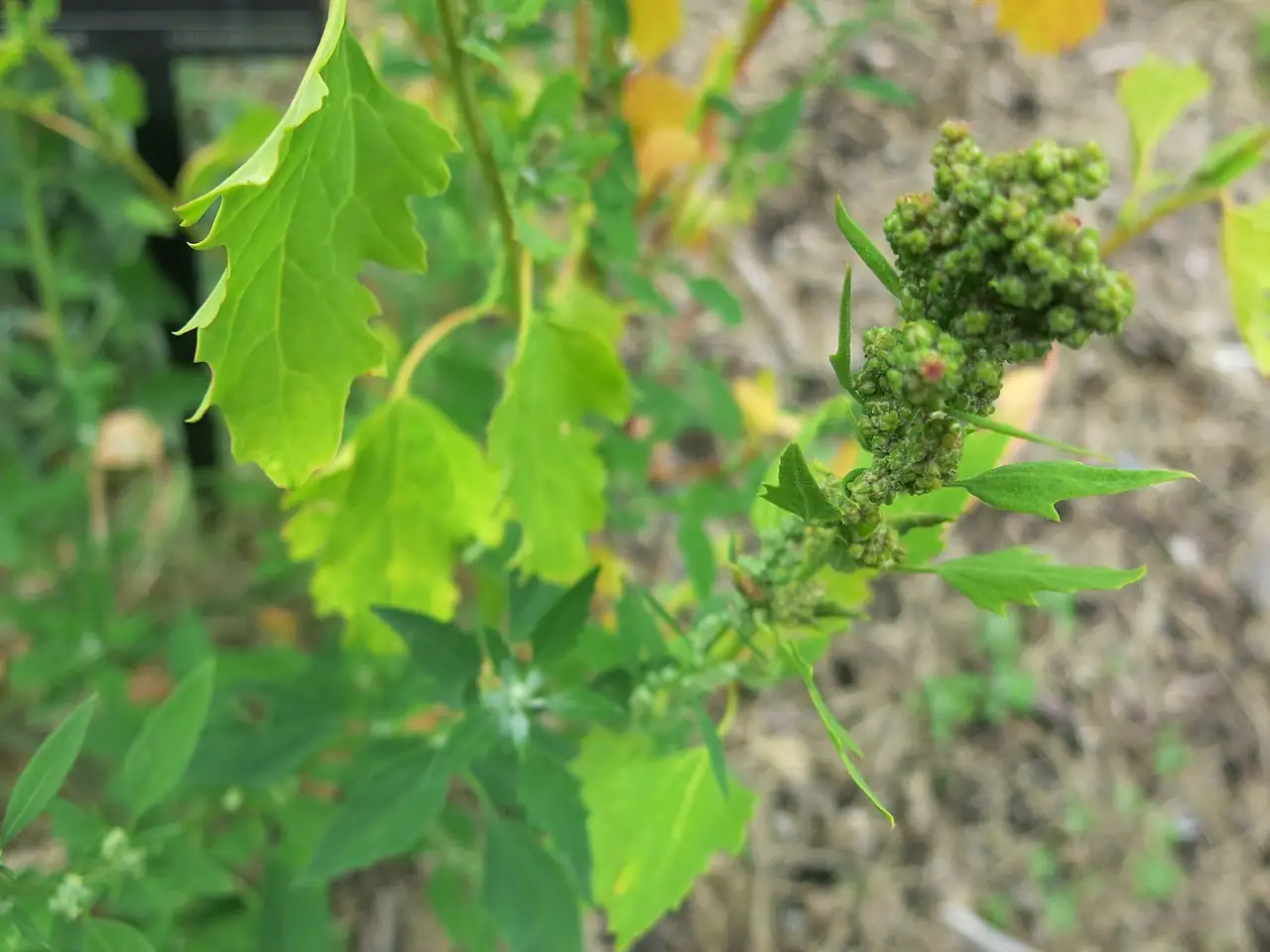
- Foliage: Leaves are diamond- to egg-shaped with irregular, toothed margins; overall foliage can look slightly pale or powdery on young parts. Stems are upright, sturdy, and the plant tends to branch as it matures.
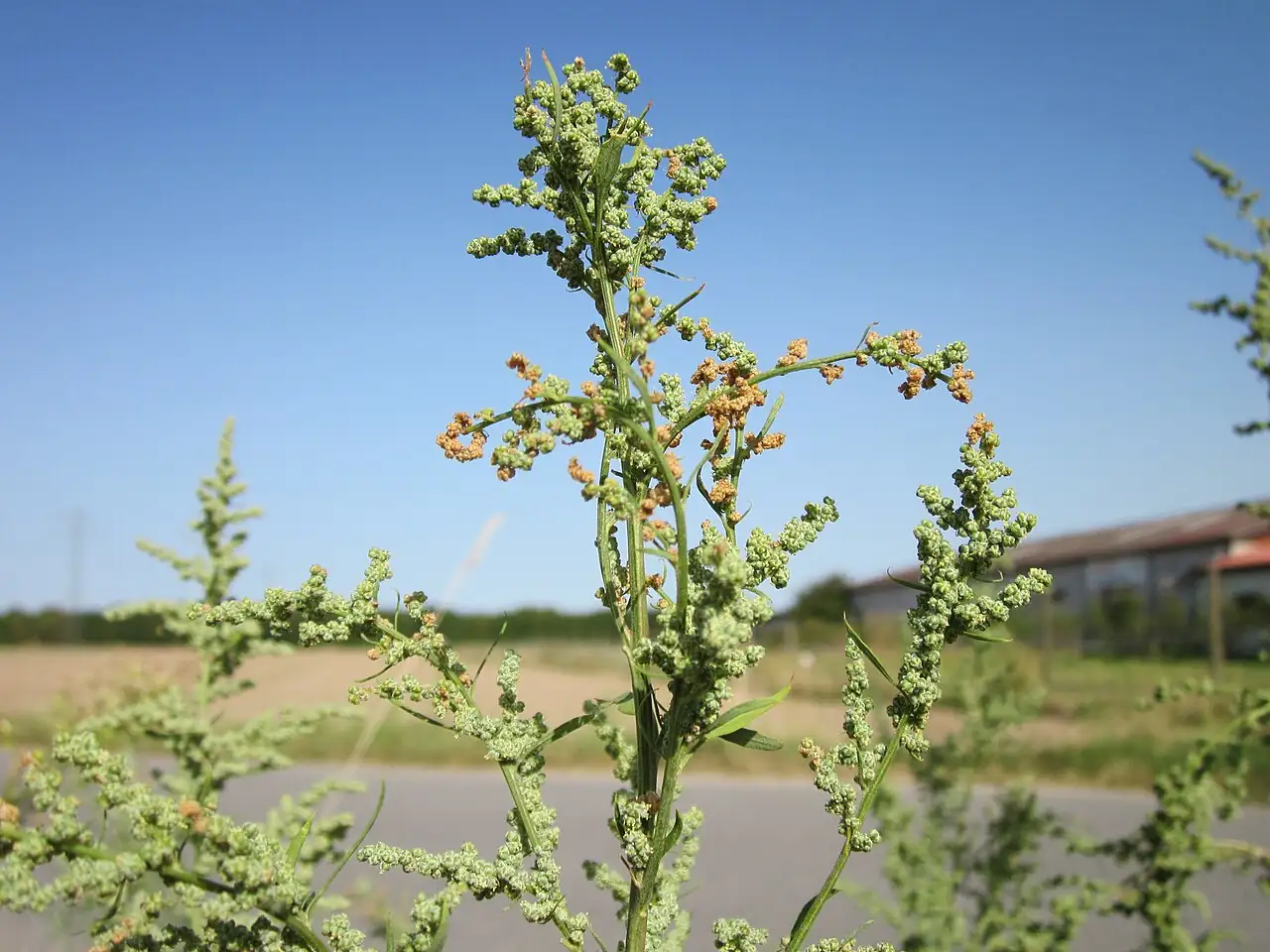
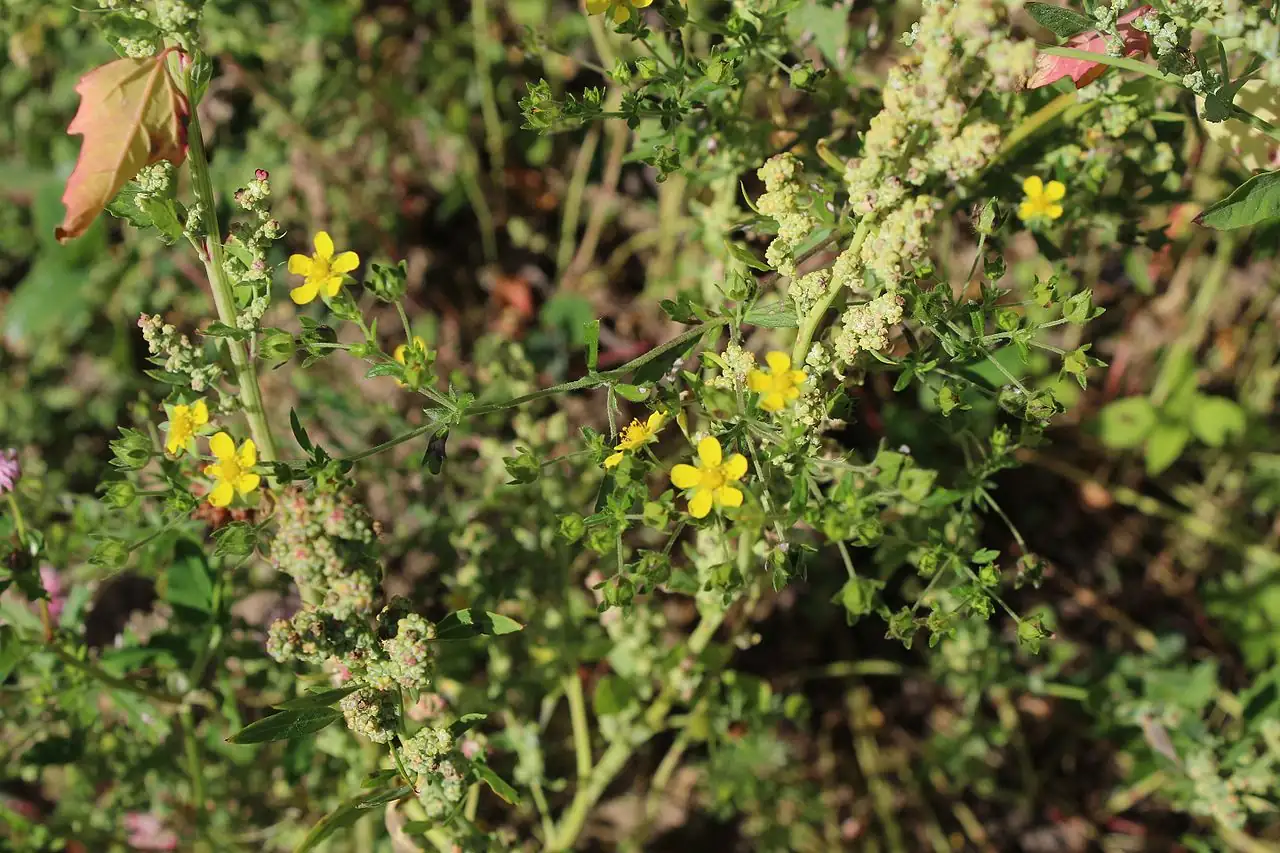
- Flower: Flowers are tiny, greenish, and bisexual, packed into dense clusters forming spike- to panicle-like inflorescences near the upper stems and branches. Seeds are black, glossy, lens-shaped (biconvex) with faint surface grooves.
- Flowering Season: May–October
- Growth Habit: Upright, vigorous annual herb that establishes quickly and readily self-seeds; highly tolerant of varied growing conditions.
Environment
Sunlight
Full sun to partial shade; generally not fussy about light.
Temperature
Best in cool to warm weather; commonly grows where seasonal temperatures are about 10–30°C (50–86°F).
Humidity
Adaptable; handles relatively dry to moderately humid conditions as long as there is some soil moisture.
Soil
Thrives in disturbed, cultivated, or compacted ground; tolerates many soil types including mildly saline or alkaline soils. Grows best in reasonably fertile, well-drained soil.
Placement
Outdoors—fields, vegetable plots, garden edges, roadsides, disturbed lots, and wasteland; not typically kept as a houseplant.
Hardiness
Annual species present from temperate to tropical regions worldwide; not frost-hardy as a perennial.
Care Guide
Difficulty
Very easy—often too easy, since it can become weedy and spread quickly if allowed to set seed.
Buying Guide
Usually not sold as an ornamental. If collecting for edible/forage purposes, confirm identification carefully and avoid harvesting from roadsides, industrial areas, or any site that may be contaminated or sprayed.
Watering
Typically needs no supplemental watering once established outdoors. Water only during prolonged drought. Avoid waterlogged conditions.
Fertilization
Not required. Too much nitrogen can push soft, lush growth and make it even more aggressive in gardens.
Pruning
Not needed for plant health. If you want control, pull or cut plants before seeds mature to prevent self-seeding.
Propagation
By seed; readily self-sows and spreads naturally, especially in disturbed soils.
Repotting
Not applicable in typical use; this is generally a wild annual rather than a potted plant.
📅 Seasonal Care Calendar
Spring: seedlings emerge and grow rapidly. Summer to autumn: flowering and seed production; remove plants before seeds mature if you want to limit spread.
Pests, Diseases & Safety
Common Pests & Diseases
Generally trouble-free, though it may host common garden pests such as aphids or leaf miners depending on local conditions.
Toxicity
Not typically considered poisonous, but it can accumulate nitrates and contains oxalates (especially when grown in nitrate-rich soils). Avoid eating very large quantities, and use extra caution if feeding to livestock. Do not harvest from polluted, chemically treated, or roadside locations.
Culture & Symbolism
Uses: Commonly viewed as a weed. In some regions it’s used as forage, and the young leaves are sometimes gathered as a wild edible green—only when correctly identified and harvested from clean, unsprayed sites.
Fun Facts
- It’s among the most widespread weeds on Earth, showing up across both temperate and tropical regions.
- It’s a classic “disturbed-ground” specialist—quick to colonize fields, gardens, roadsides, and vacant lots.
- It can tolerate mildly saline or alkaline soils, which helps it thrive where fussier plants struggle.
- Its seeds are distinctive: black, glossy, and lens-shaped (biconvex) with faint surface grooves.