Plant Features
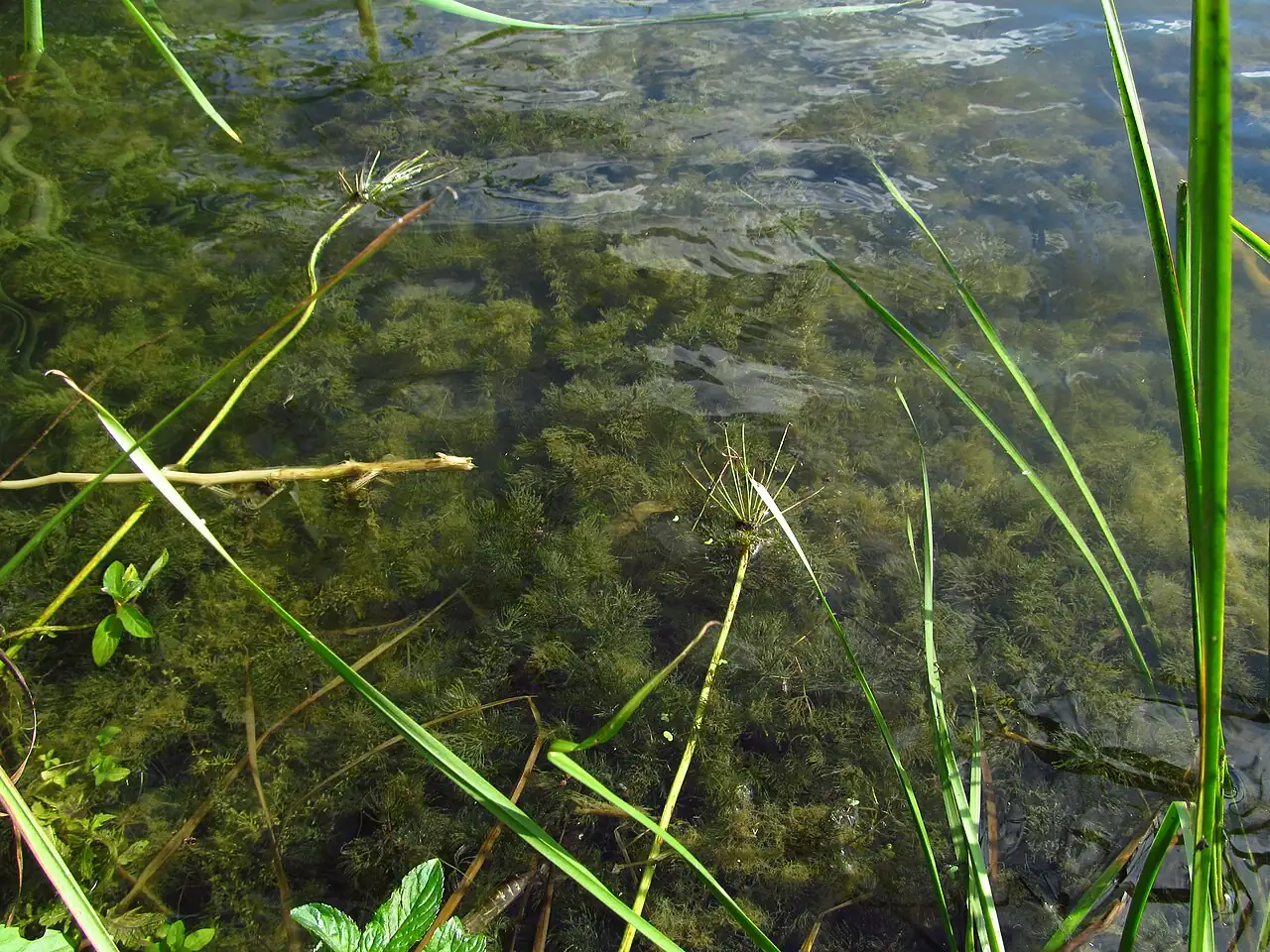
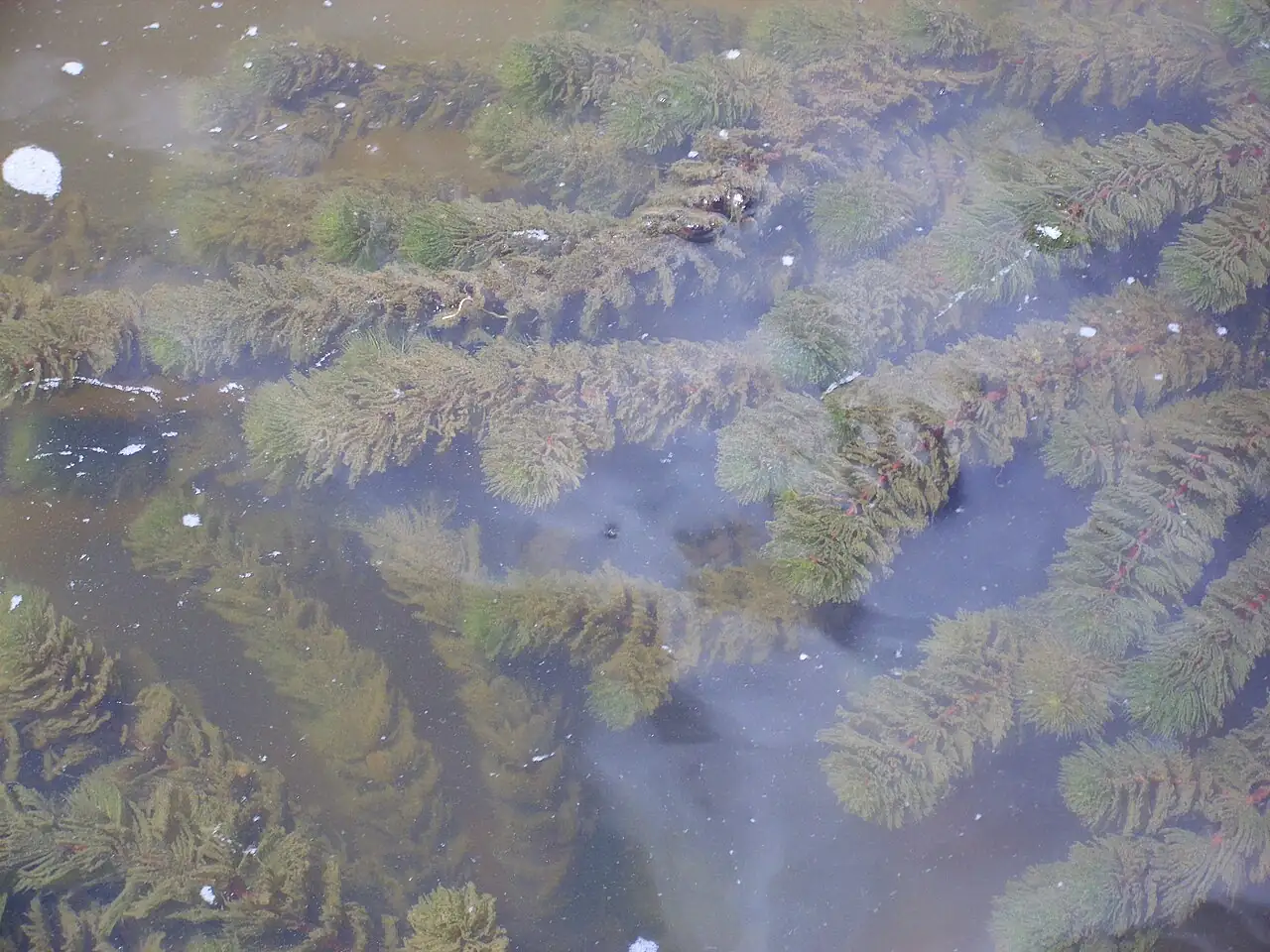
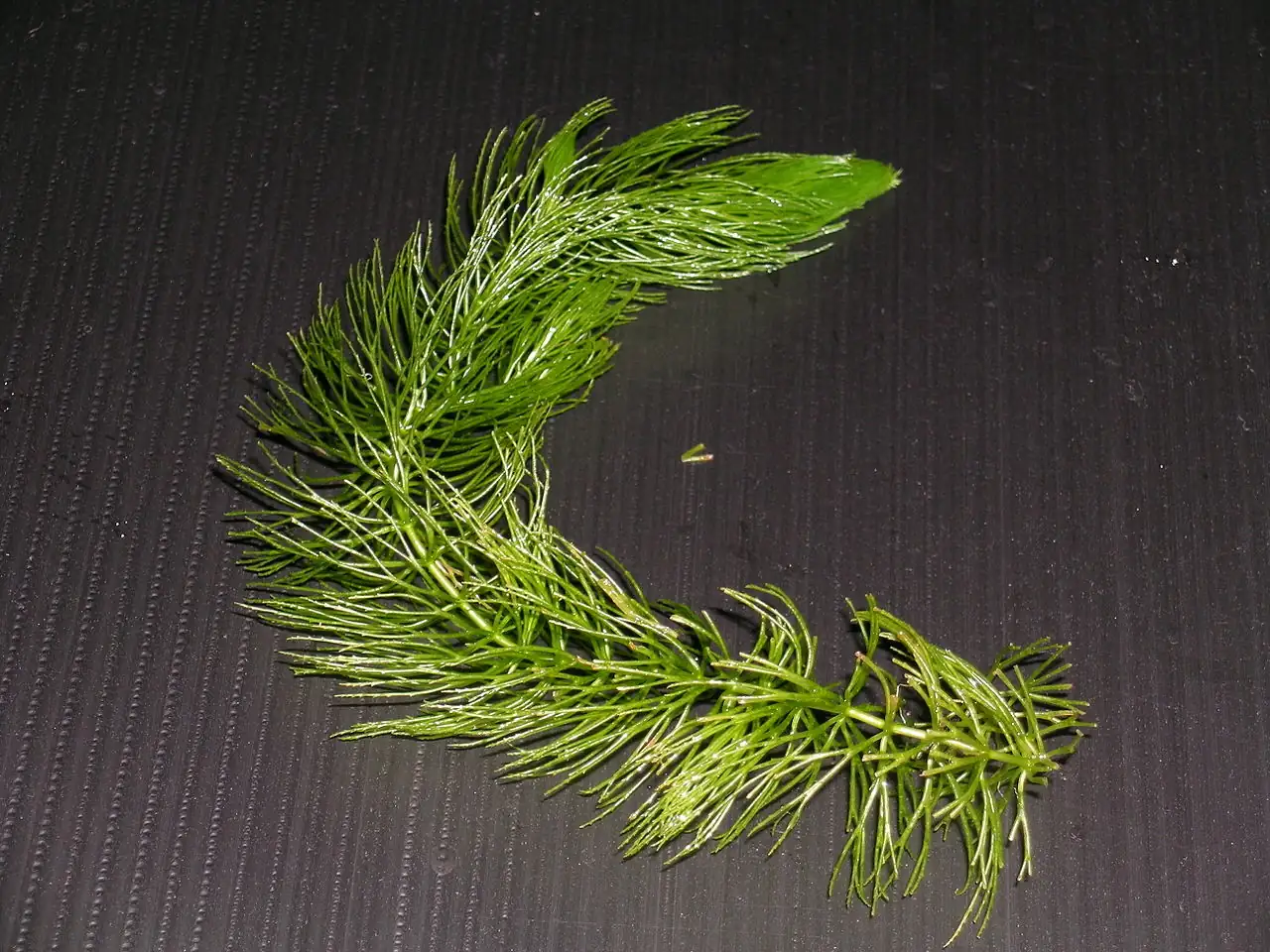
- Size: Stems typically 40–150 cm (16–59 in) long, branching heavily and forming dense submerged clumps/mats.
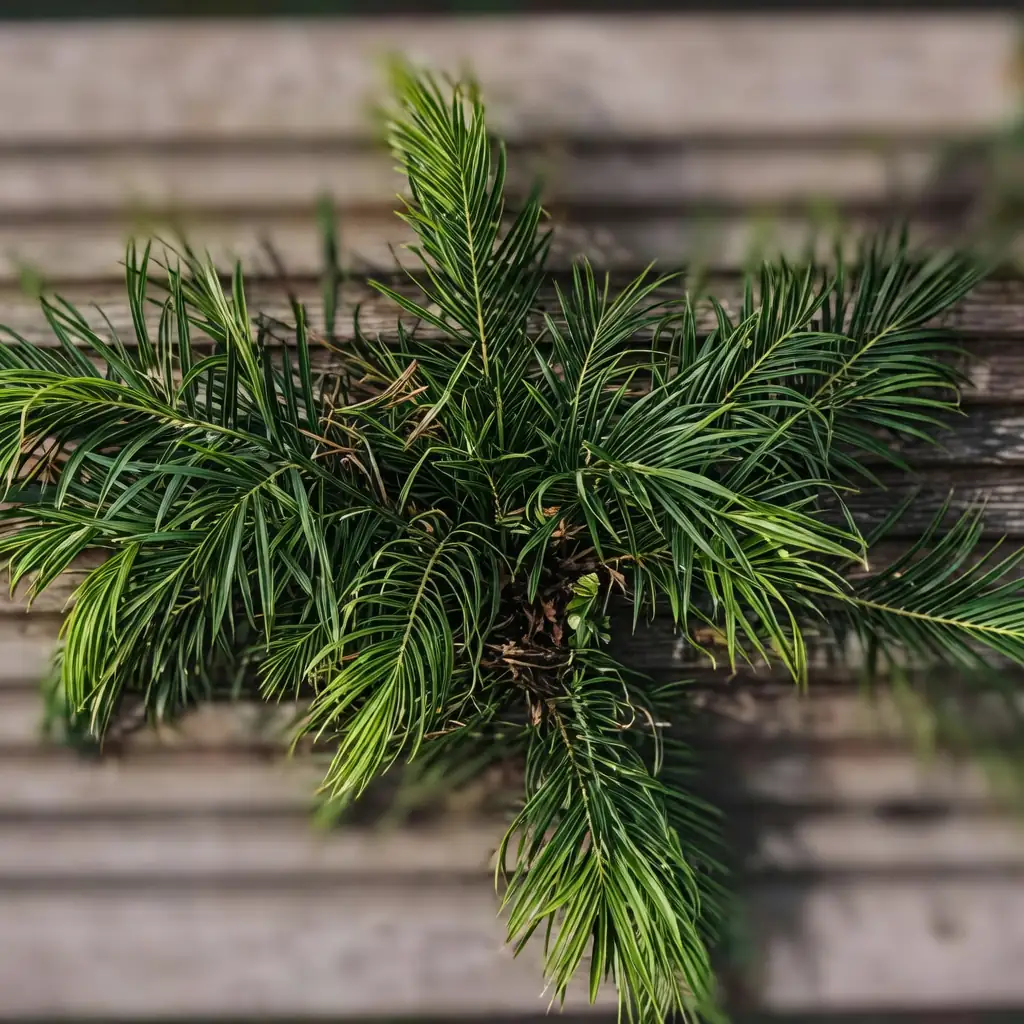
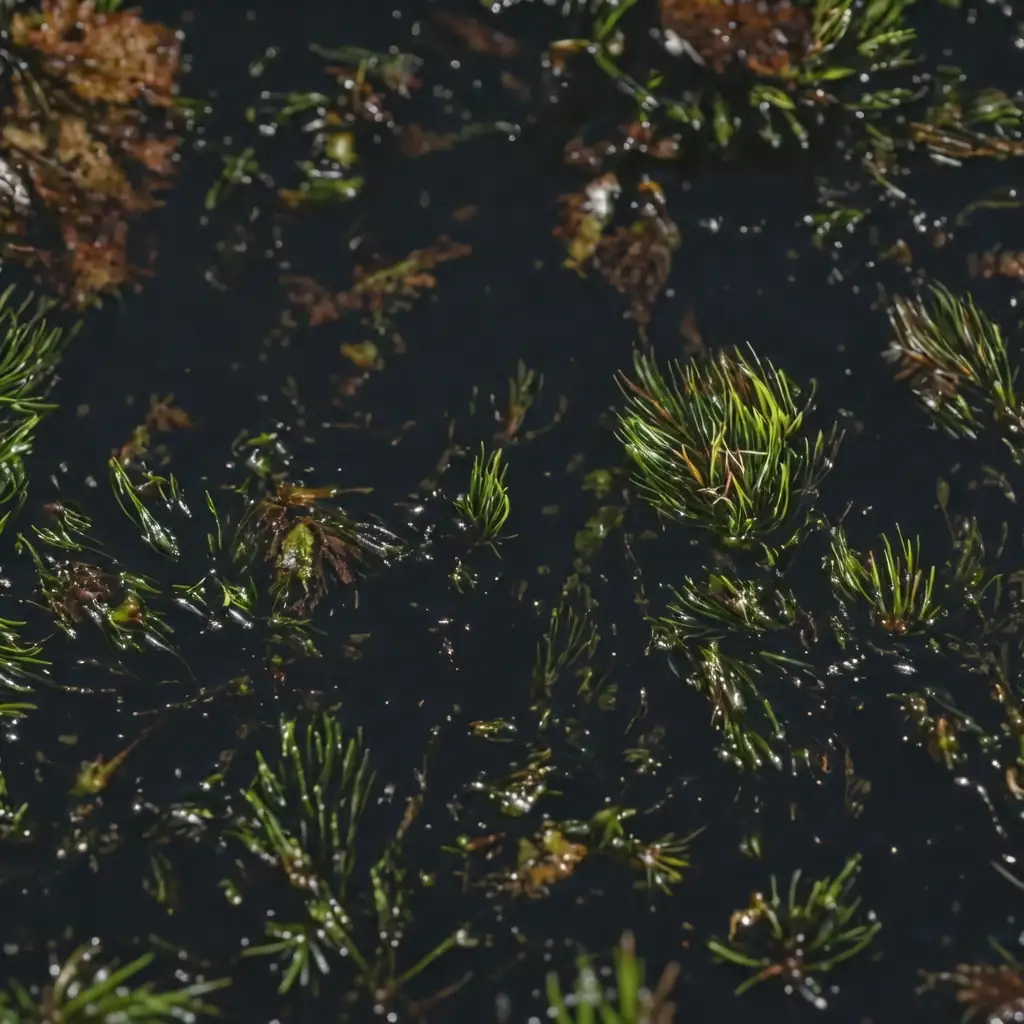
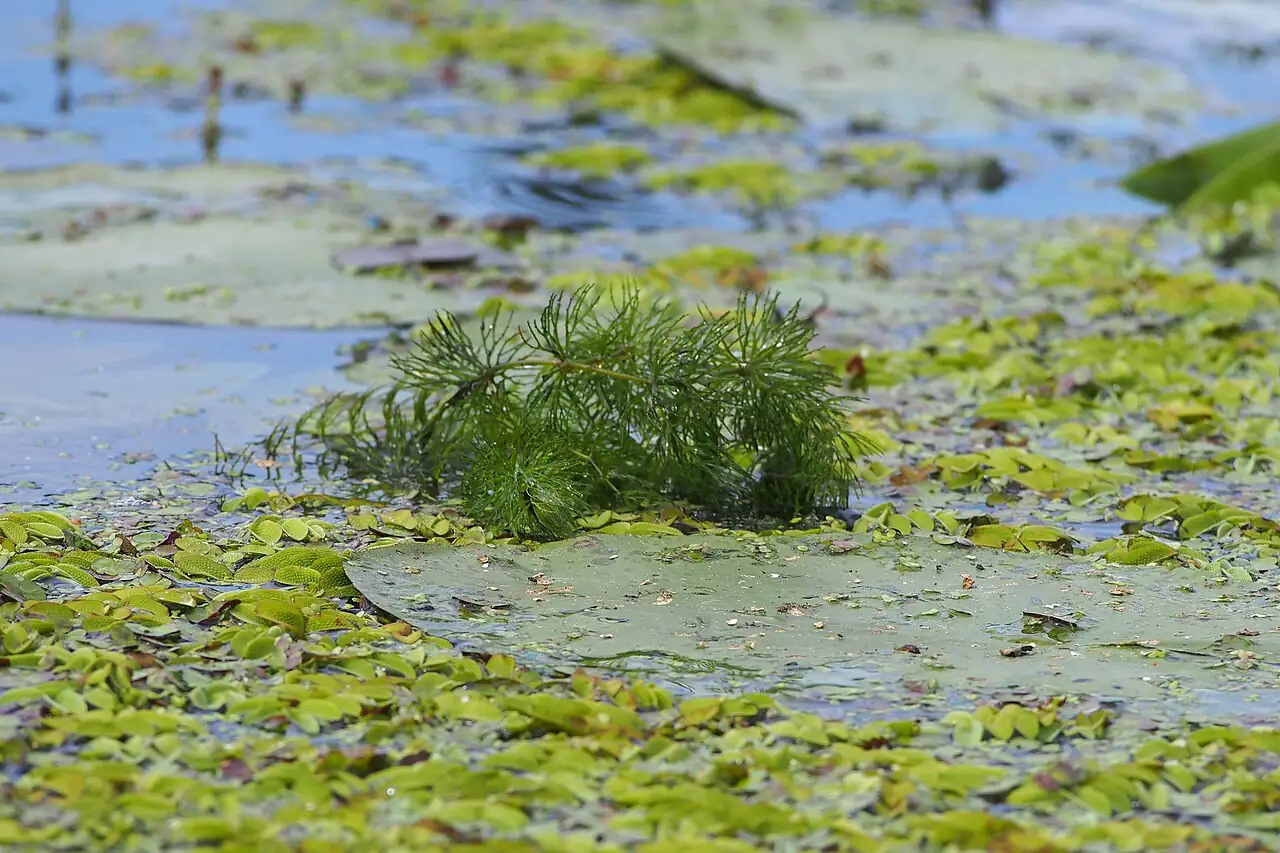
- Foliage: Leaves are in whorls (often 4–12 per node) and repeatedly forked into very narrow, threadlike segments, giving a soft, feathery look. Segment tips may appear slightly paler and firm, and fine teeth can occur along parts of the margins.
- Flower: Flowers are tiny, greenish, and very easy to overlook—often produced underwater or close to the water surface. Fruits develop as dark, smooth nutlets.
- Flowering Season: June–July
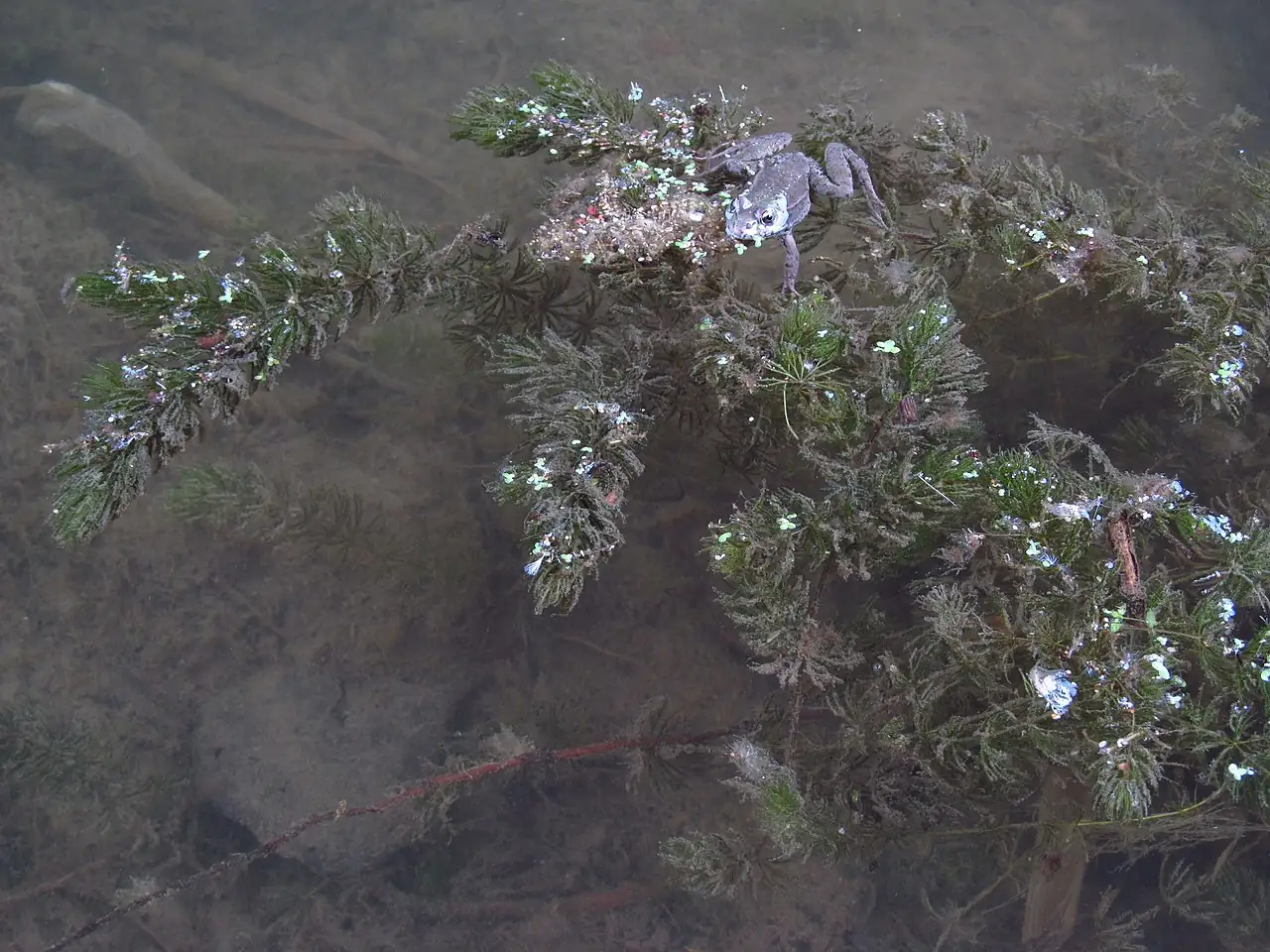
- Growth Habit: A perennial, fully submerged aquatic herb that is typically rootless. It can float freely or be loosely anchored, and it readily forms thick, bushy underwater stands.
Environment
Sunlight
Full sun to partial shade. Brighter light usually encourages denser, more compact growth (too much light plus excess nutrients can invite algae).
Temperature
Tolerates a wide range of water temperatures but is vulnerable to freezing; prolonged ice cover can kill plants within days.
Humidity
Aquatic—must remain fully submerged in freshwater.
Soil
No true soil requirement (often rootless). Grows in freshwater with moderate nutrients and often responds strongly to available inorganic nitrogen in the water column.
Placement
Fully submerged in aquariums or outdoor ponds; in nature often inhabits still or slow-moving freshwater about 1–3 m (3.3–9.8 ft) deep.
Hardiness
Not ice-hardy; protect from hard freezes and prolonged ice cover (especially in cultivation).
Care Guide
Difficulty
Easy to moderate: adaptable and fast-growing, but it declines quickly under poor water quality or prolonged freezing. Provide reasonably clean water, some circulation, and adequate light; it may grow faster where nitrogen is available.
Buying Guide
Pick bright green, firm, bushy stems with minimal browning and no foul smell or slimy buildup. Avoid bundles with many broken tips or heavy algae. Rinse and quarantine before adding to an aquarium/pond to reduce hitchhiking pests.
Watering
Not applicable like a potted plant—keep it fully submerged in freshwater at all times.
Fertilization
Usually no substrate fertilizer is needed. If growth is weak, check that the water column has adequate nutrients; it often perks up with available nitrogen. Avoid over-fertilizing because algae blooms can quickly smother it.
Pruning
Trim by cutting back long stems so it doesn’t shade itself, clog filters, or take over a pond. Remove loose fragments—each piece can keep growing, which is great for propagation but can become weedy.
Propagation
Mostly by fragmentation: healthy cut stem pieces readily resume growth. It can also reproduce by seed outdoors in suitable conditions.
Repotting
Not applicable. Keep as a floating/submerged bunch, or lightly secure with a plant weight if you want it positioned.
📅 Seasonal Care Calendar
Flowering: June–July. Fruiting: August–October. In outdoor ponds, reduce biomass before winter in cold regions to limit decay under chilling conditions; overwinter indoors or prevent icing where freezes are severe. Traditionally, the whole plant has been harvested year-round and dried (only consider medicinal use with proper professional sourcing/ID).
Pests, Diseases & Safety
Common Pests & Diseases
Most issues relate to water conditions: algae overgrowth (often from excess light/nutrients), stem breakage and decay in stagnant/dirty water, and grazing by fish or snails. Maintain circulation/filtration, avoid nutrient spikes, and remove decaying material promptly.
Toxicity
Toxicity is not well documented for typical aquarium use. Still, don’t let pets drink aquarium/pond water, and avoid eating or self-medicating with this plant unless it’s professionally identified and sourced.
Culture & Symbolism
Uses: Widely used as an aquarium and pond “oxygenator” plant, providing shelter for small fish and invertebrates and helping absorb dissolved nutrients. In some regions it has been used as feed for livestock, fish, and poultry, and it has a history of use in traditional herbal contexts where the whole plant is harvested and dried.
FAQ
Does coontail need to be planted in substrate?
No. It’s typically rootless and grows fully submerged while floating freely or lightly anchored with a weight.
Why is my coontail turning brown and shedding needles?
Common causes include low light, poor water quality, and decay in stagnant conditions. Increase circulation/filtration, remove dying sections, and provide moderate-to-bright light while avoiding nutrient spikes that fuel algae.
Can it survive winter outdoors?
It handles cool water but is sensitive to prolonged freezing and ice cover. In climates with hard freezes, overwinter indoors or keep the water body from icing over.
Fun Facts
- Coontail is a go-to “oxygenator” because it produces lots of submerged foliage that supports pond and aquarium life.
- It often grows faster in nutrient-rich water, especially when inorganic nitrogen is available.
- It propagates easily from broken pieces—helpful when you want more, annoying when it escapes pruning in ponds.
- Its flowers are tiny and not showy, so most people never notice it blooms at all.
- Extended ice cover can kill it within days, making winter protection important in cold regions.