Plant Features
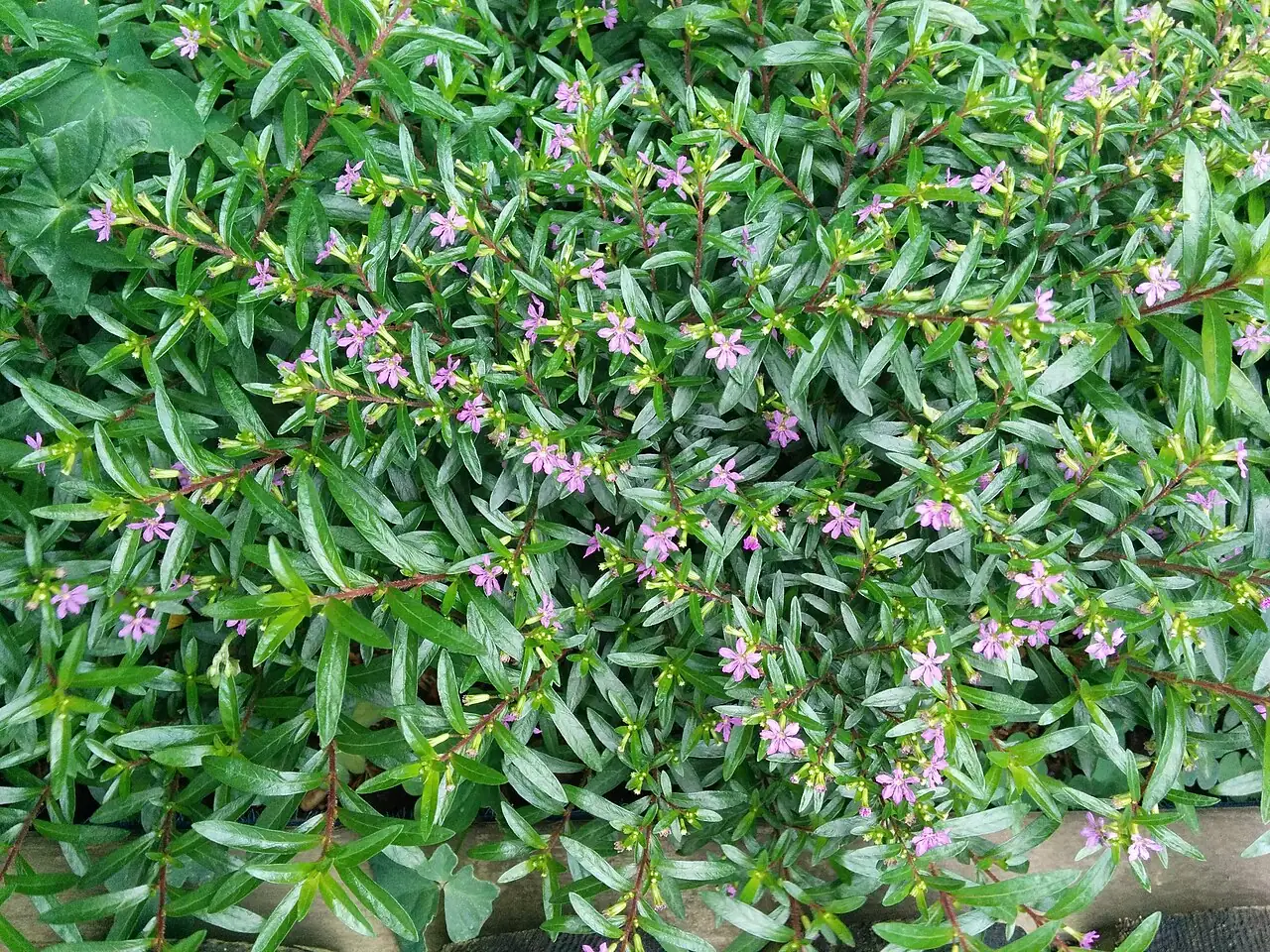
- Size: Typically 30–70 cm (12–28 in) tall; naturally mounding and especially compact when regularly pinched or trimmed.
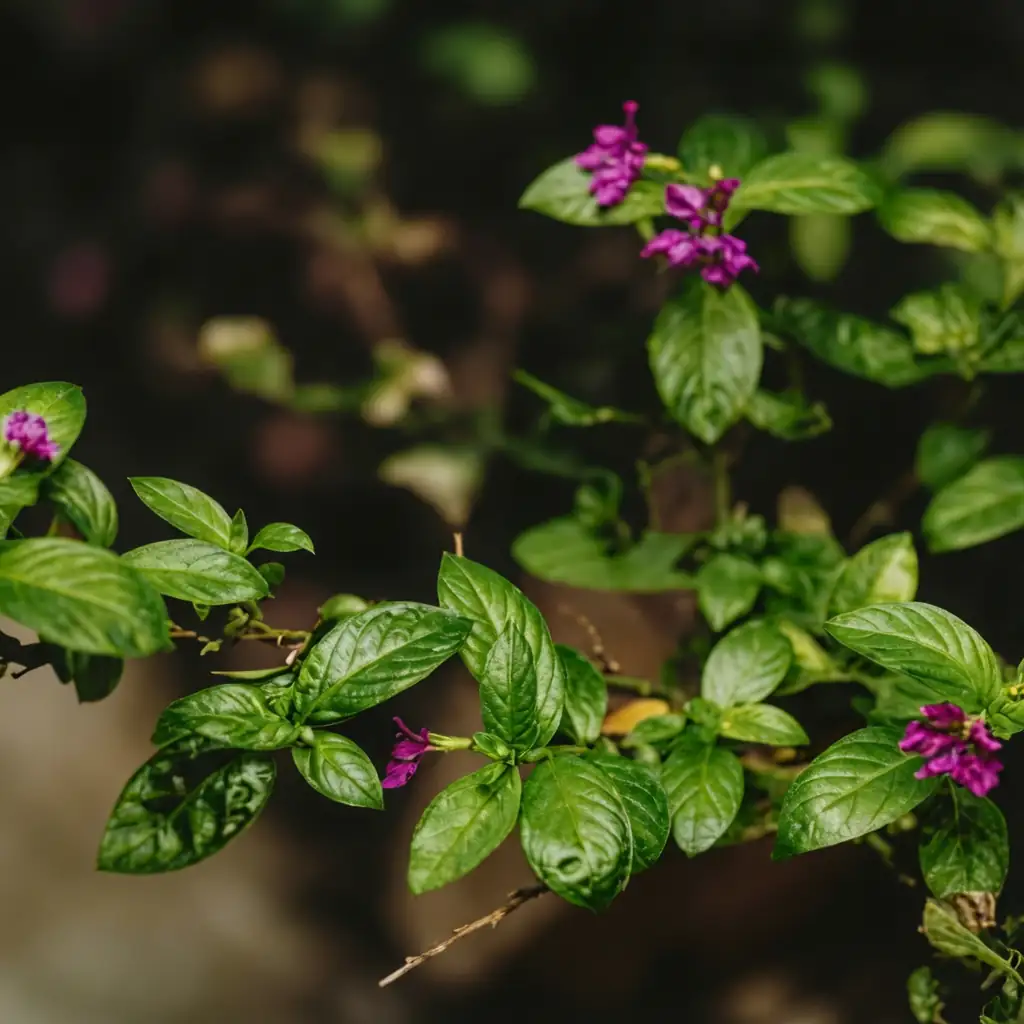
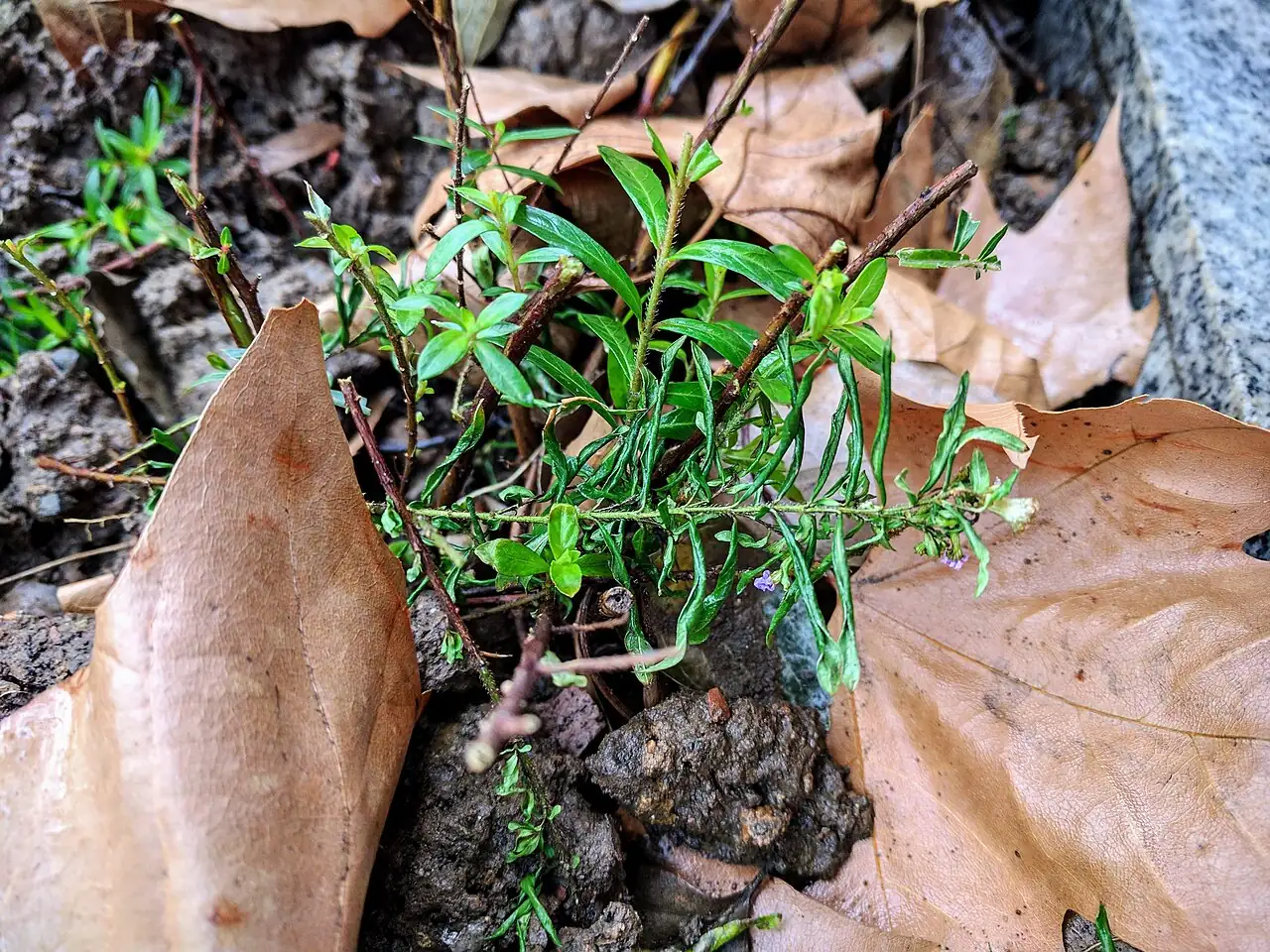
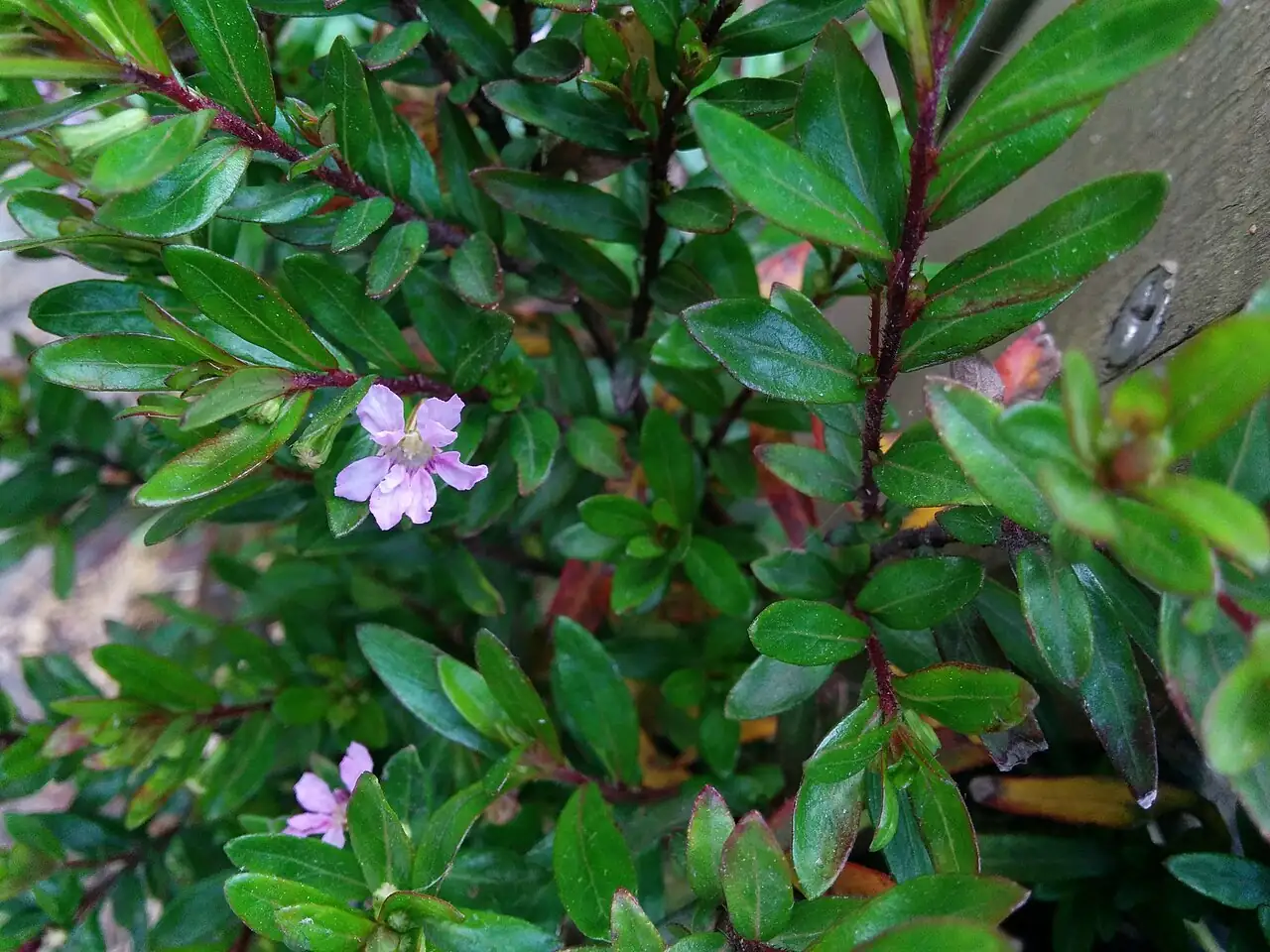
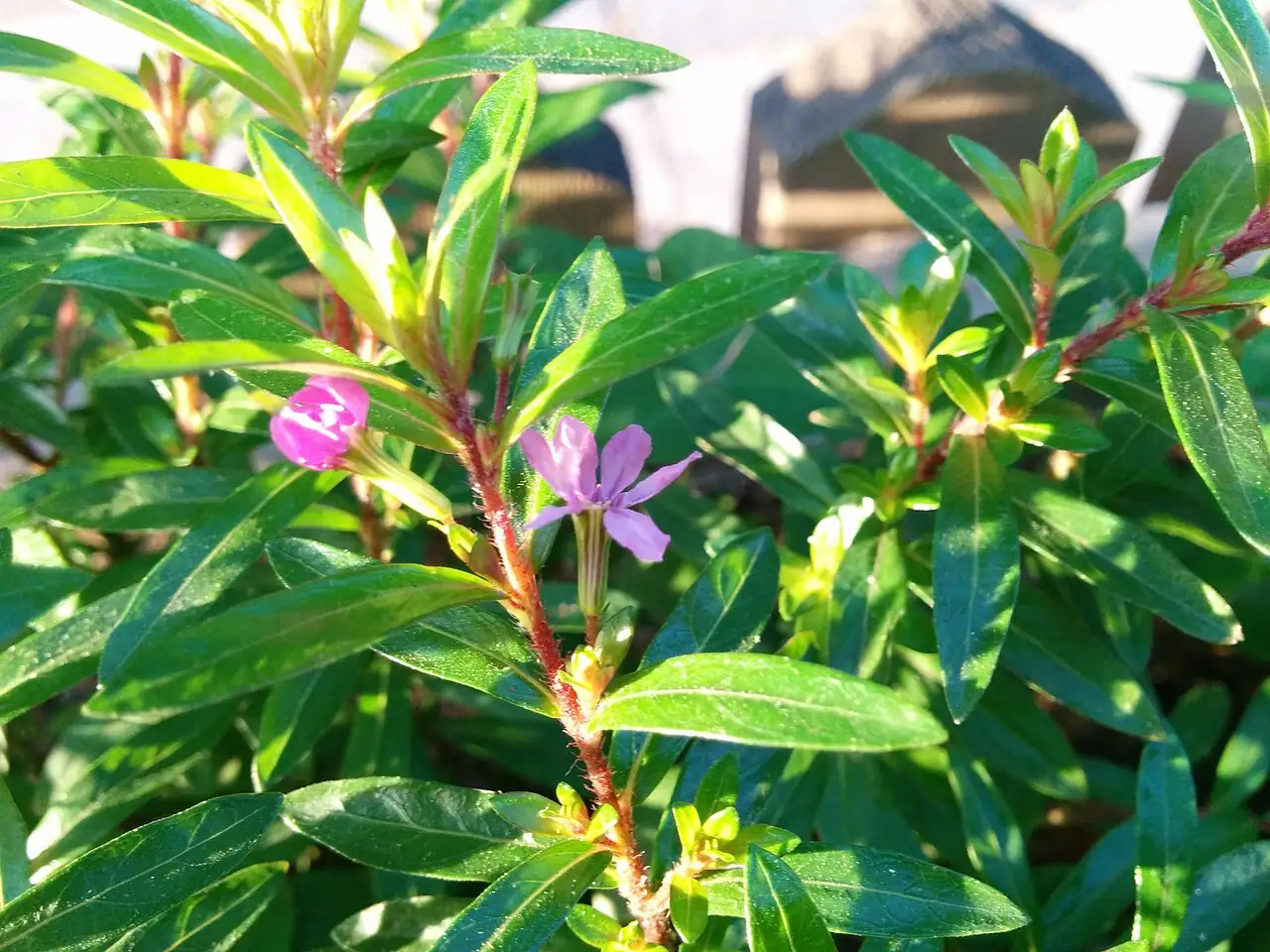
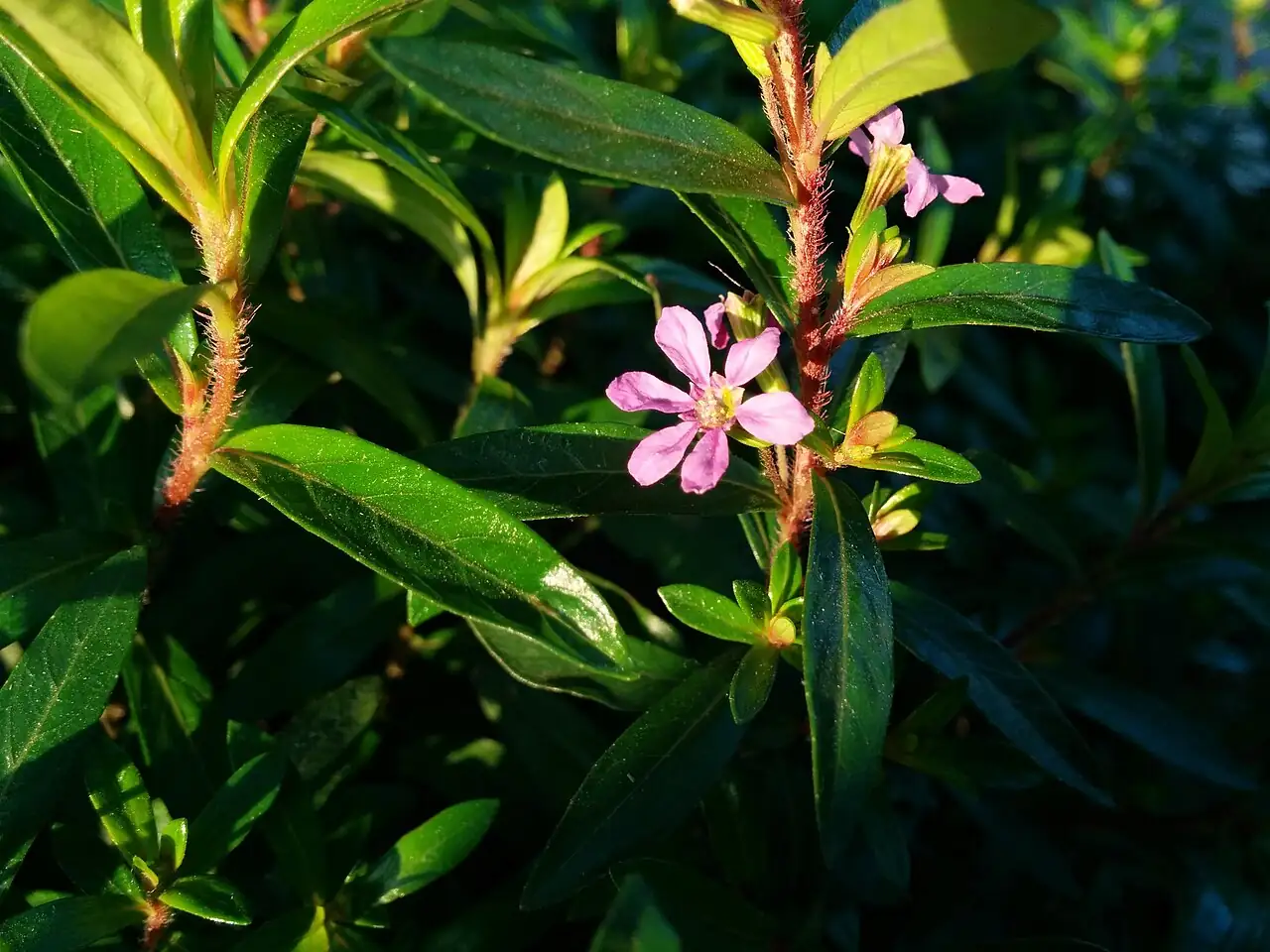
- Foliage: Dense, fine-textured foliage with thin but slightly leathery leaves, narrow lance-shaped to ovate-lanceolate, creating a tidy, full look.
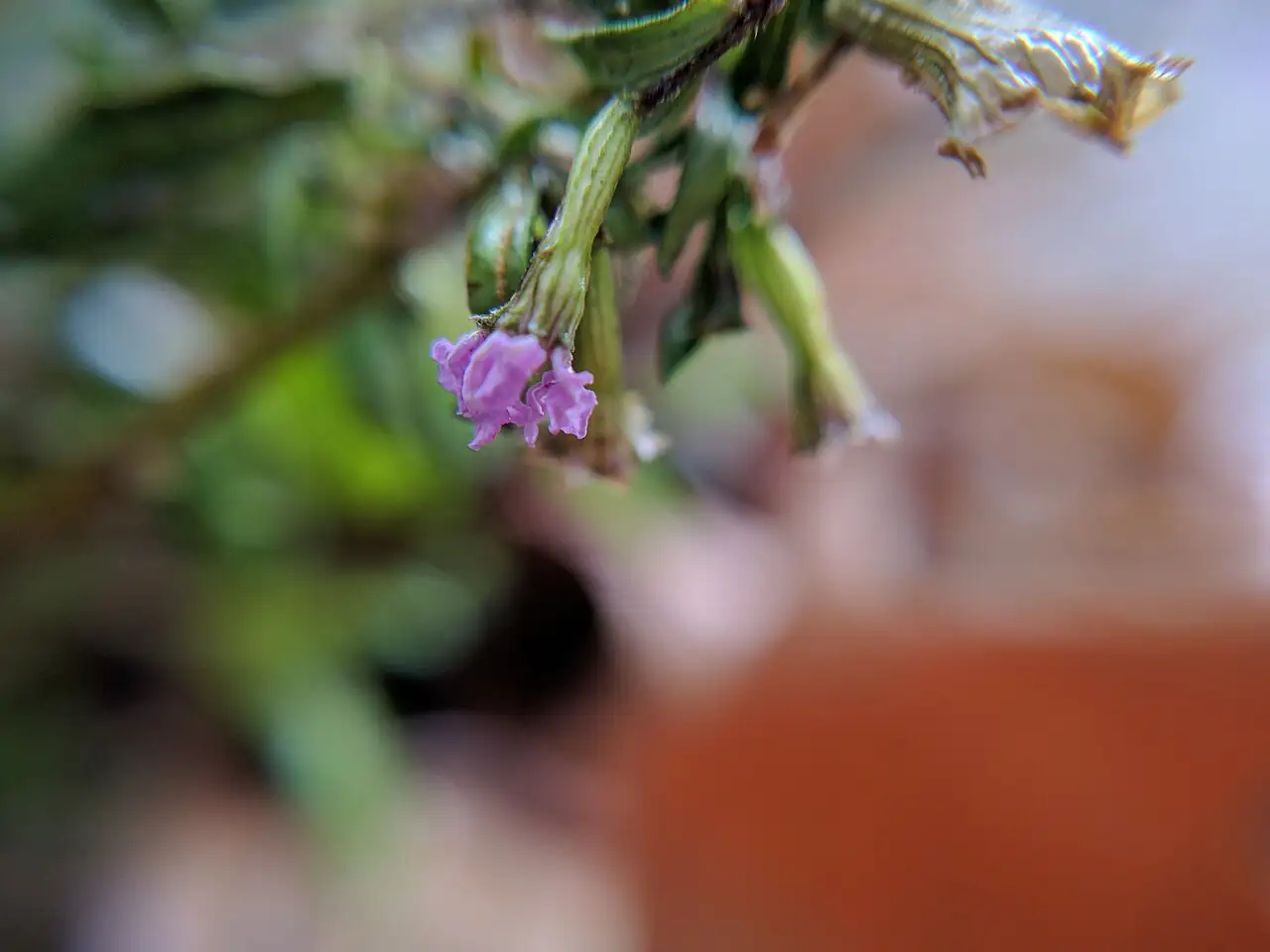
- Flower: Bright purple flowers appear singly in the leaf axils or in small raceme-like clusters. Each flower has a 6-lobed corolla: two upper lobes are noticeably larger—rounded, deep purple, and slightly wavy—while the remaining four lobes are tiny and may be reduced or even absent.
- Flowering Season: Spring through autumn (often near-continuous in warm, sunny conditions)
- Growth Habit: Upright to mounded, compact shrub/subshrub; fast-growing, readily resprouts, and strongly tolerant of frequent pruning.
Environment
Sunlight
Full sun to partial shade; flowers best and stays most compact in full sun.
Temperature
Warm to hot growing conditions preferred; frost tender. Ideal about 20–35°C (68–95°F). Protect from temperatures below 5°C (41°F); for overwintering, keep above about 10°C (50°F) with bright light.
Humidity
Average outdoor humidity is fine; avoid persistently damp, stagnant air or overly wet conditions around the roots.
Soil
Well-drained sandy or sandy-loam soil (or a free-draining container mix). Avoid waterlogged or heavy, soggy sites.
Placement
Sunny beds and borders, edging, low hedges, and large-scale mass plantings; also great in containers in a bright location (balcony, patio, sunny windows/greenhouse).
Hardiness
Frost tender; roughly USDA Zone 10–11 as a perennial outdoors, or grown as a warm-season annual/seasonal bedding plant in cooler regions.
Care Guide
Difficulty
Easy overall if you can provide sun, warmth, and sharp drainage. The main risks are cold damage and root problems from staying wet.
Buying Guide
Pick plants that are naturally compact and bushy with dense foliage. Avoid any with yellowing leaves, limp growth, or soft/blackened stems. Check the potting mix—skip plants sitting in sour-smelling, waterlogged media. Visible buds/flowers are a good sign it was grown in strong light.
Watering
Water thoroughly, then let the top 2–5 cm (1–2 in) of soil dry before watering again. In hot weather, water more often; in cool or low-light conditions, water sparingly. Consistently good drainage is essential to prevent root rot.
Fertilization
During active growth and flowering, feed with a balanced fertilizer at half strength every 2–4 weeks, or use a slow-release fertilizer per label directions. Reduce or stop feeding during cooler, dim seasons.
Pruning
Pinch or trim tips regularly to encourage branching and nonstop flowering. It tolerates hard cutting and rebounds quickly, which is why it’s so useful for crisp edging and low hedges.
Propagation
Most commonly propagated from softwood or semi-hardwood cuttings in warm conditions. Seed is possible but less commonly used in everyday garden production.
Repotting
For pots, repot in spring into a fresh, free-draining mix. Step up only one pot size—about 2–5 cm (1–2 in) wider—to avoid a too-large pot that stays wet.
📅 Seasonal Care Calendar
Flowers mainly from spring to autumn. Fruit/seed set often occurs in autumn, frequently around October (varies with climate). In cooler areas, treat as a warm-season annual or overwinter indoors in bright light above 10°C (50°F).
Pests, Diseases & Safety
Common Pests & Diseases
Watch for aphids, whiteflies, spider mites, and thrips—especially in hot, dry, or sheltered spots. Root rot can develop in poorly drained or overwatered conditions. Improve airflow, avoid soggy soil, and use appropriate pest controls if populations build.
Toxicity
No widely cited, well-documented toxicity for humans or pets is commonly reported for this species. Still, nibbling ornamental plants can cause mild stomach upset—best kept away from curious pets and small children.
Culture & Symbolism
Symbolism: Often linked with lively energy, endurance, and “lasting color,” thanks to its long, reliable blooming season.
History & Legends: A Mexican ornamental that earned a strong reputation in warm-climate gardening for its heat tolerance, tidy habit, and willingness to be clipped into shape. It has since been introduced and cultivated in other regions for landscape use.
Uses: Primarily ornamental—ideal for mass planting, edging, low hedges, and mixed borders where you want a long run of purple color. Also performs beautifully in containers with bright light and well-drained soil.
FAQ
When does it flower?
From spring through autumn, and often almost continuously where it stays warm and sunny.
When does it set fruit/seed?
Usually in autumn; in many climates this is often around October, though timing varies.
How tall does it grow?
Typically about 30–70 cm (12–28 in), usually forming a compact mound—especially if regularly trimmed.
Where is it native to?
It’s native to Mexico and has been introduced and grown ornamentally in other regions, including parts of China.
What light does it need?
Full sun to partial shade, with best flowering and the tightest growth in full sun.
Is it cold-hardy?
No—it’s frost tender. Protect it from temperatures below 5°C (41°F), and overwinter it above about 10°C (50°F) if you want to keep it year to year.
Fun Facts
- Its flowers look extra dramatic because two upper lobes are much larger and showier than the other four, which can be tiny or even reduced.
- It’s a landscape favorite for “always-on” color because it can bloom for months in warm weather.
- Regular clipping doesn’t just keep it tidy—it actually encourages denser growth and more flowering.