Plant Features
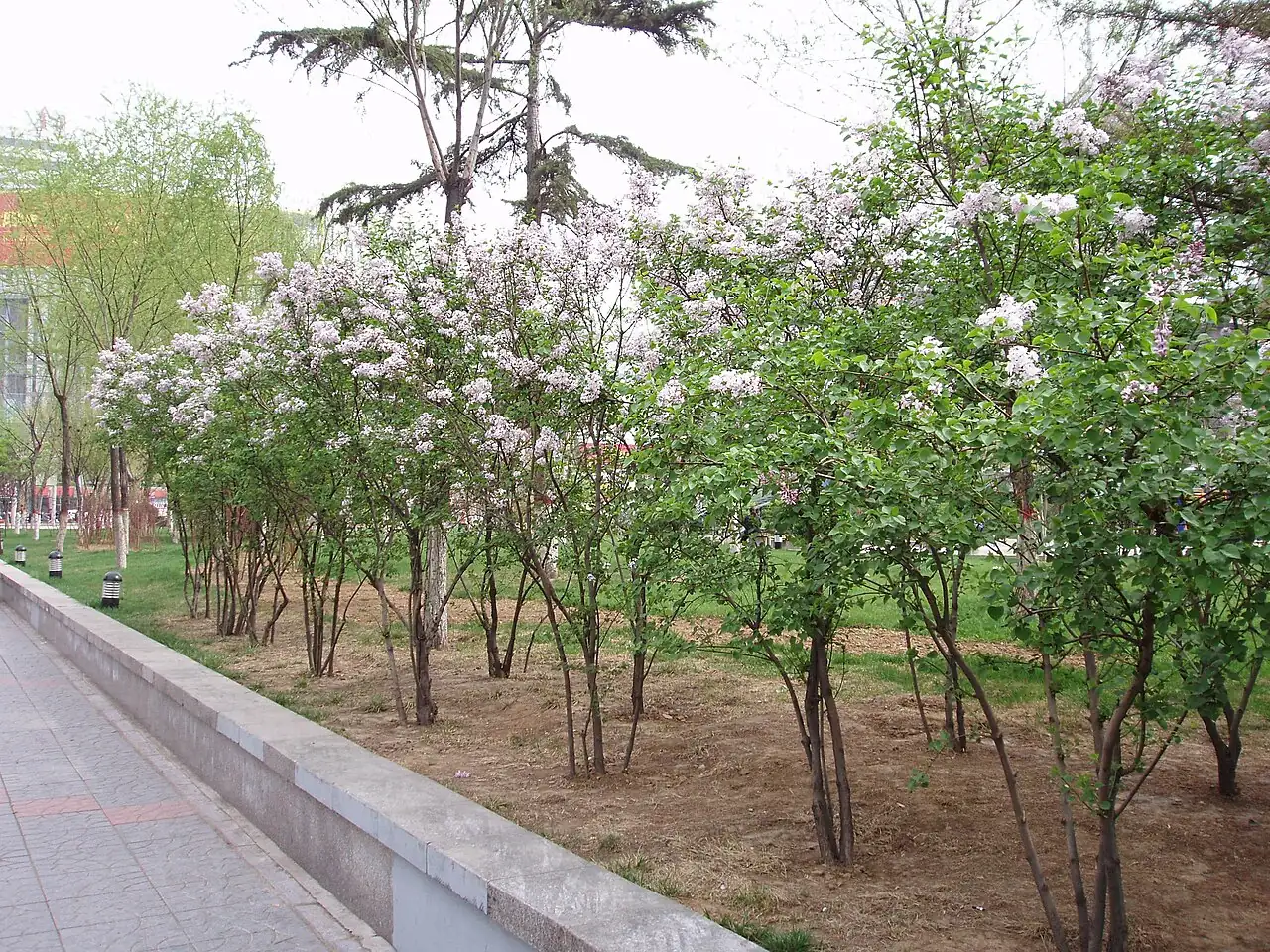
- Size: Up to about 5 m (16 ft) tall; typically a large shrub or small tree with a rounded crown.
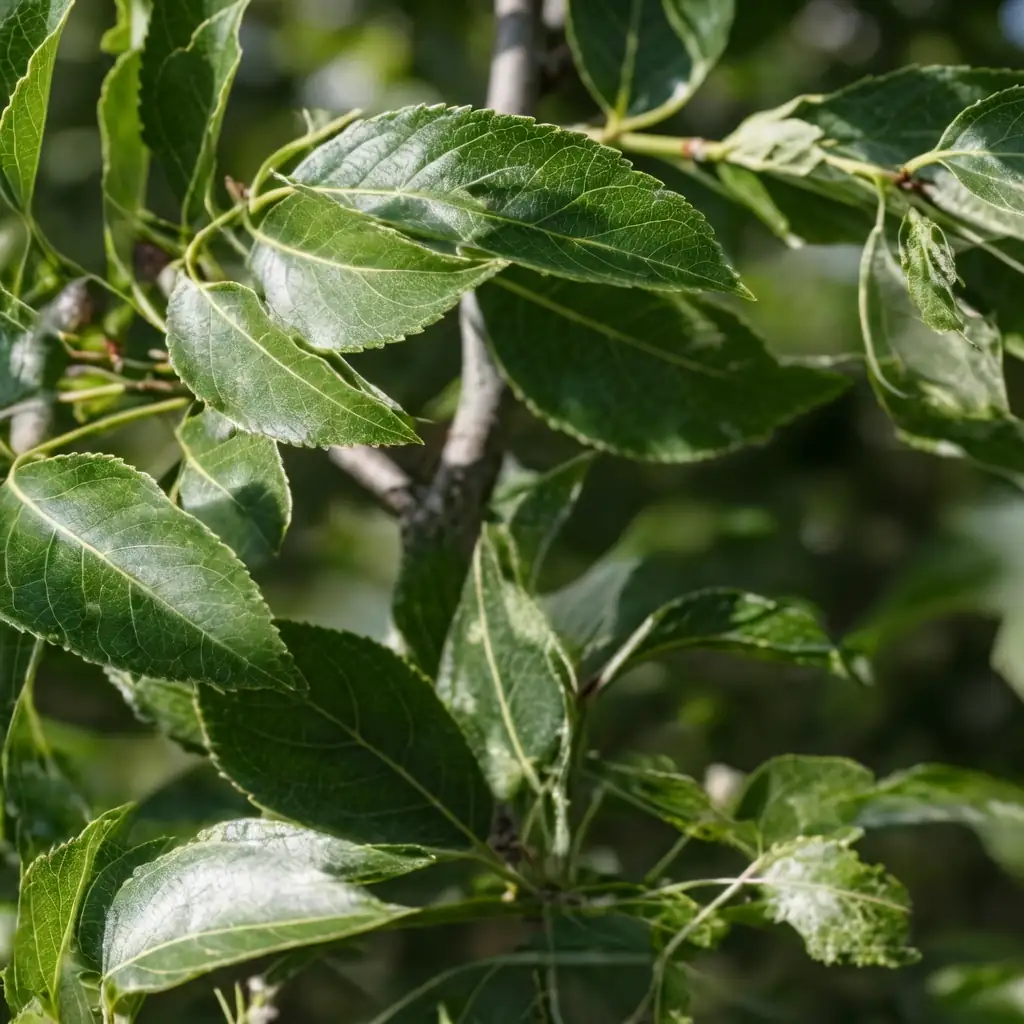
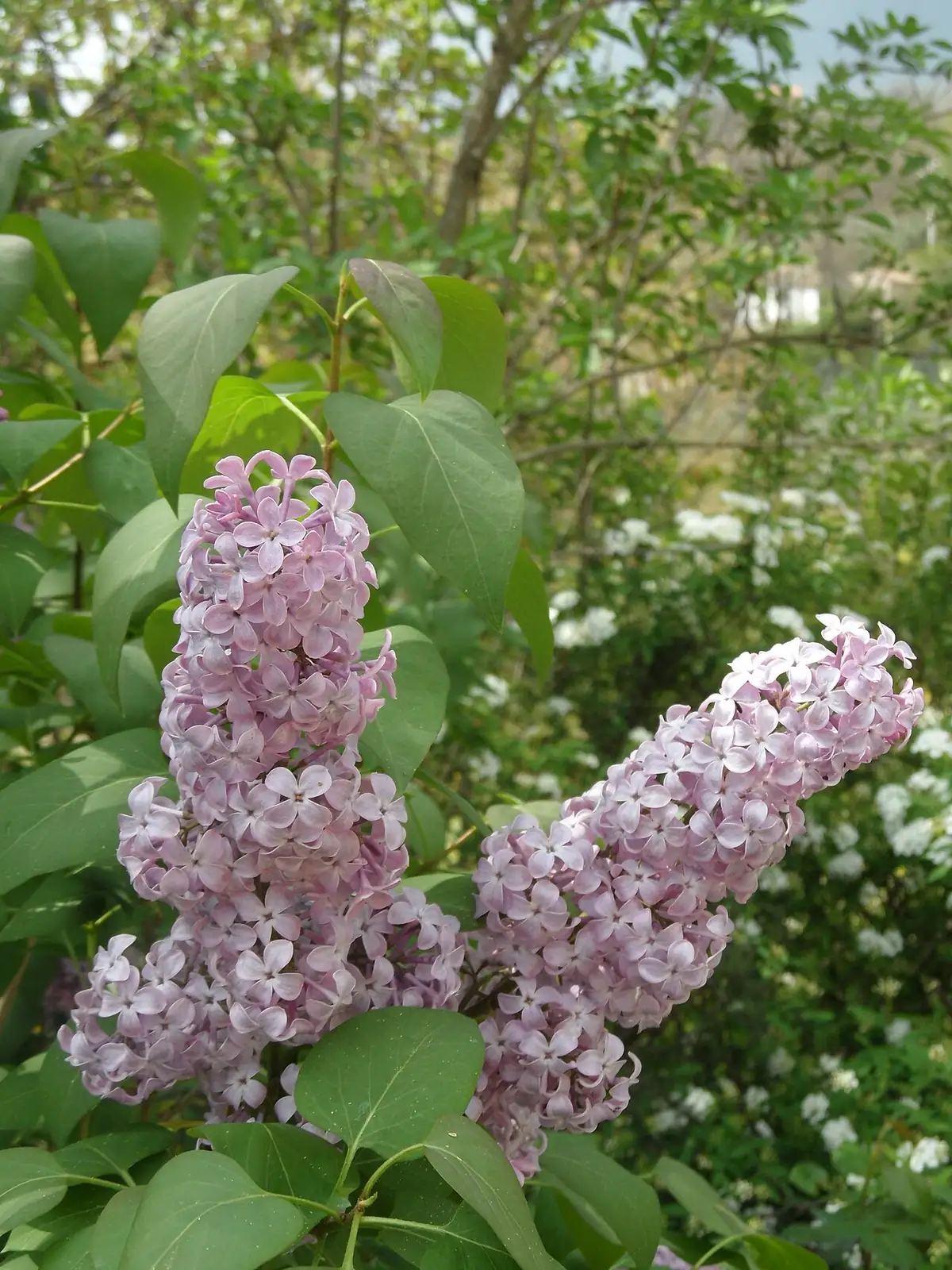
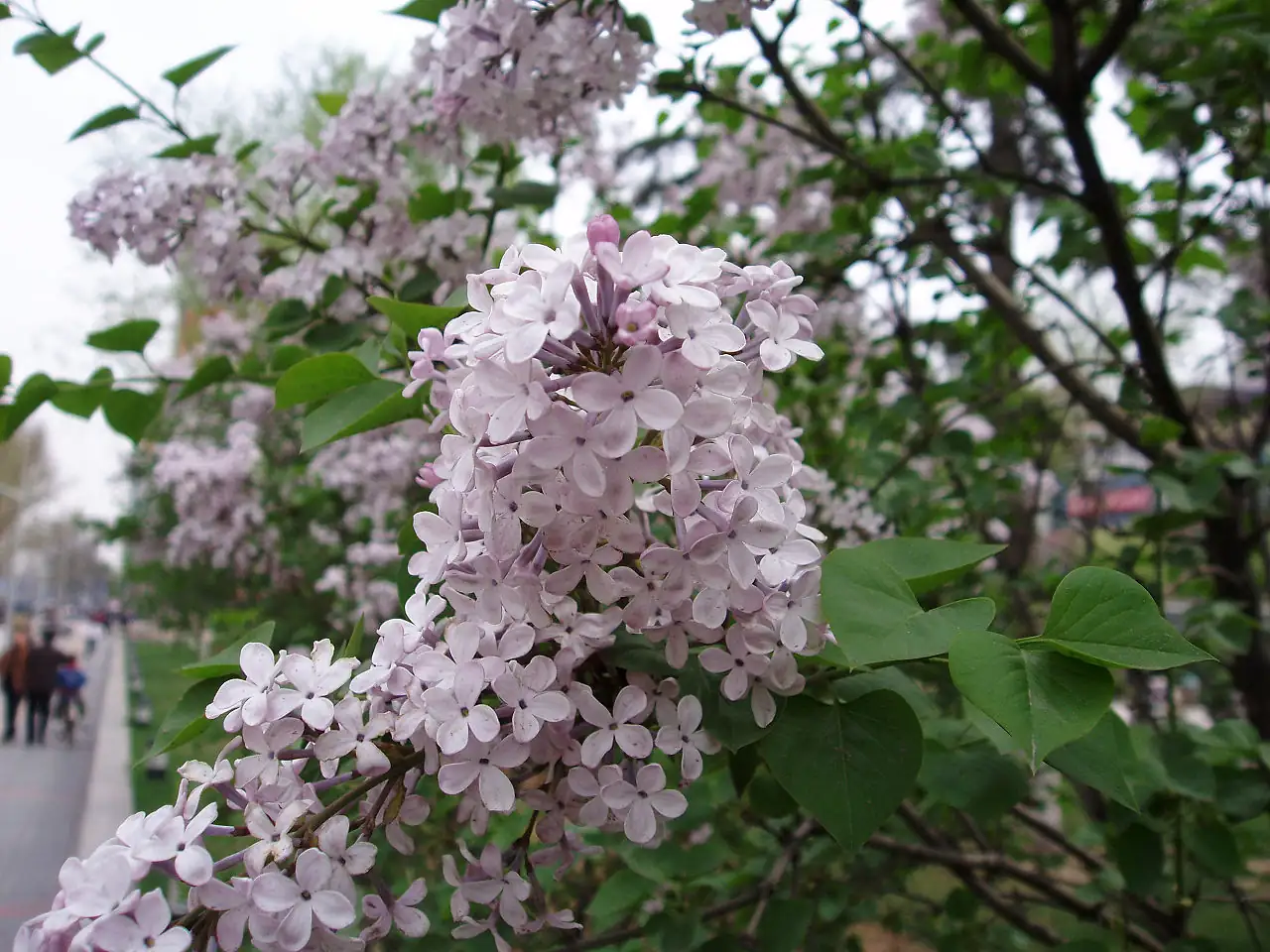
- Foliage: Leaves are broad ovate to kidney-shaped, often wider than long, with a short-pointed tip. The base can be heart-shaped, squared-off, or broadly wedge-shaped, and the leaf margins are smooth (entire, not toothed). In fall, foliage may color up in orange-yellow to purplish tones before dropping.
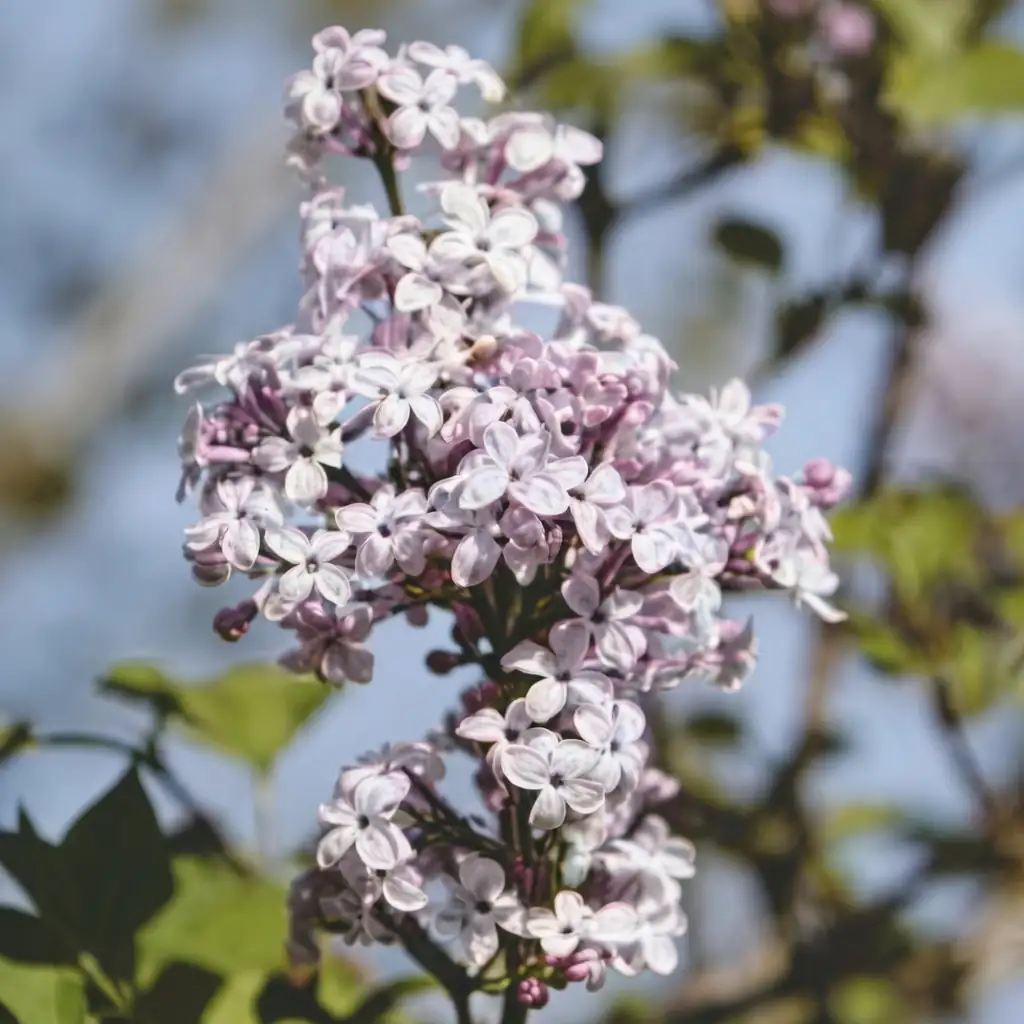
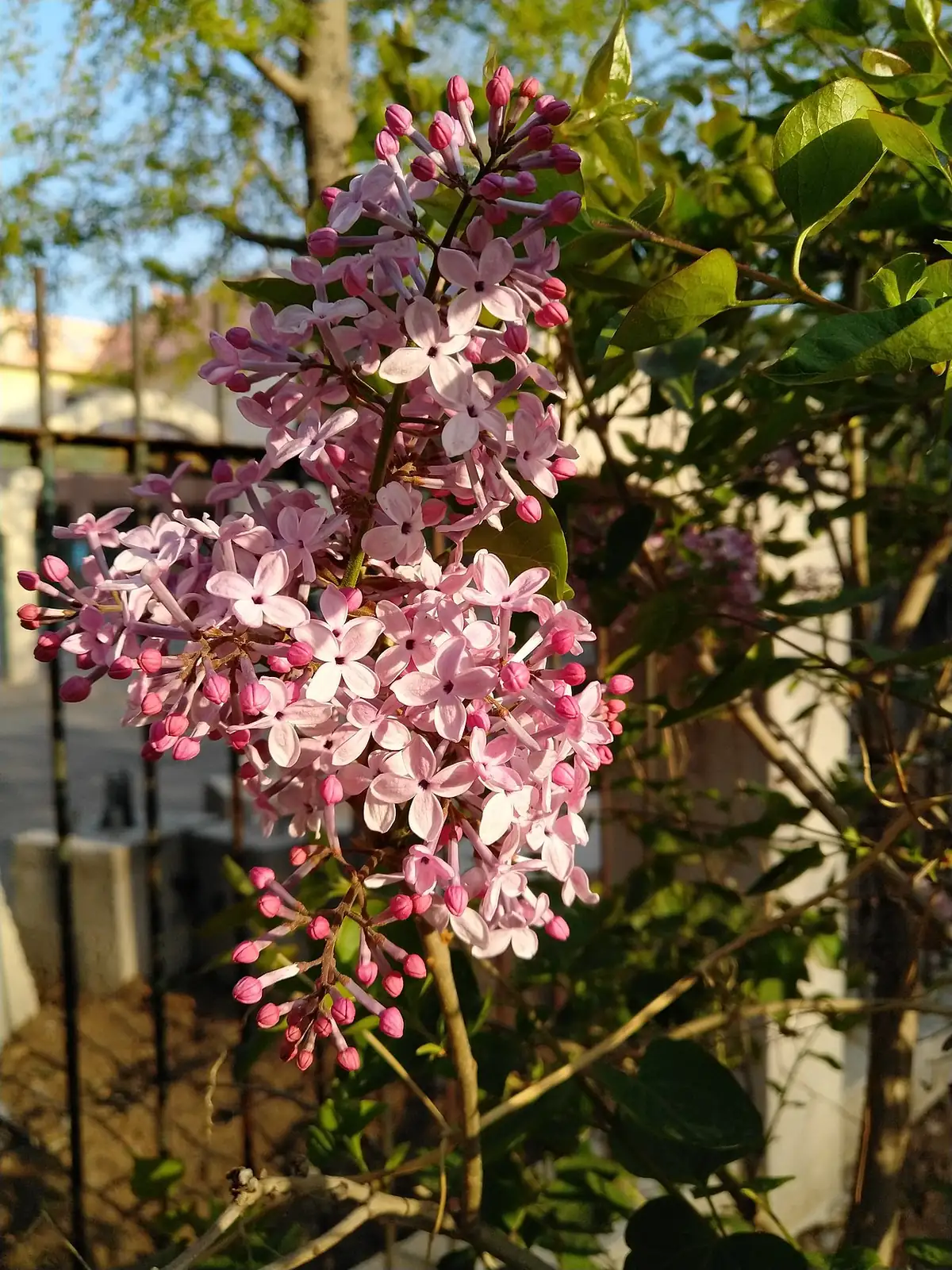
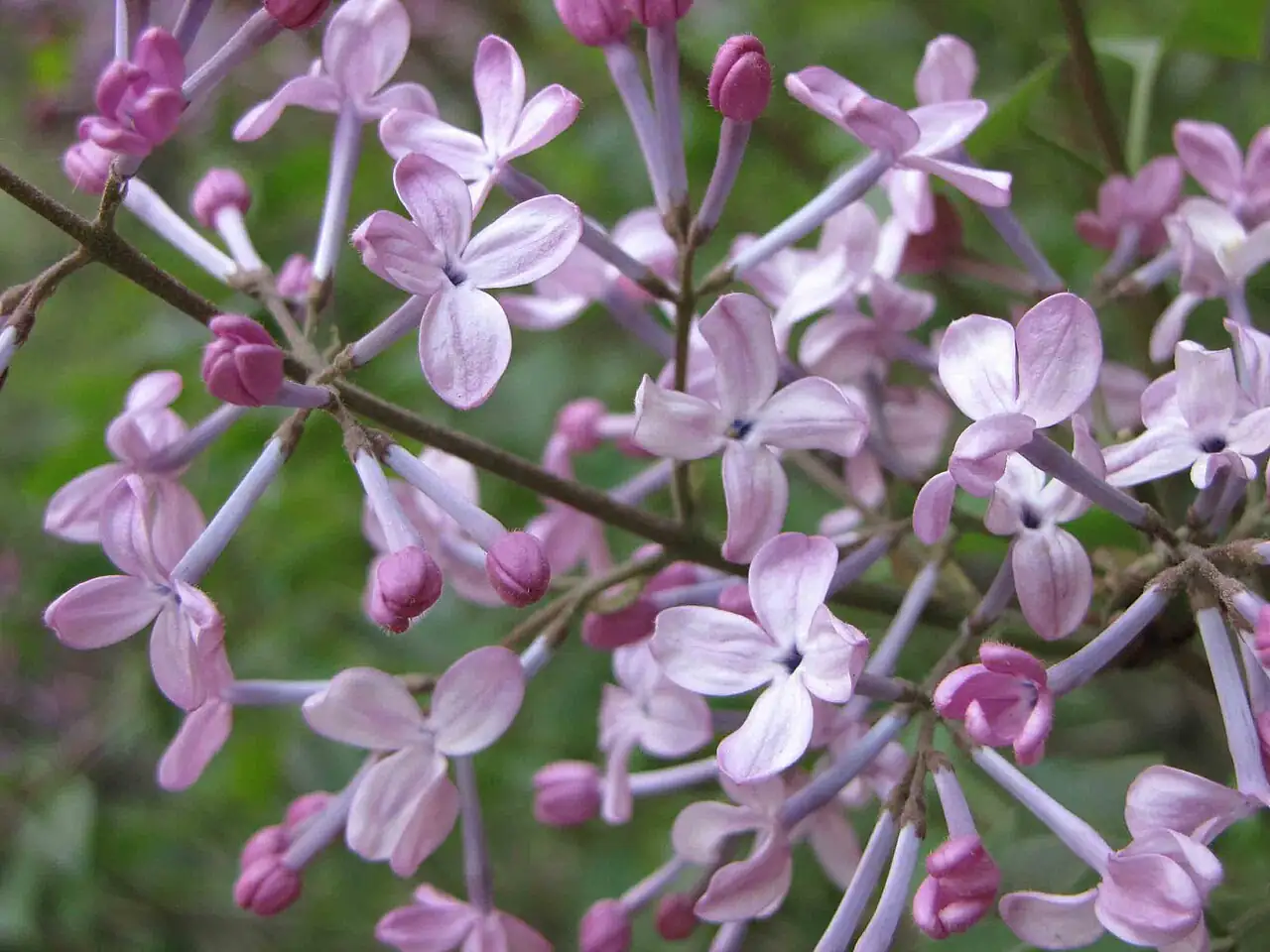
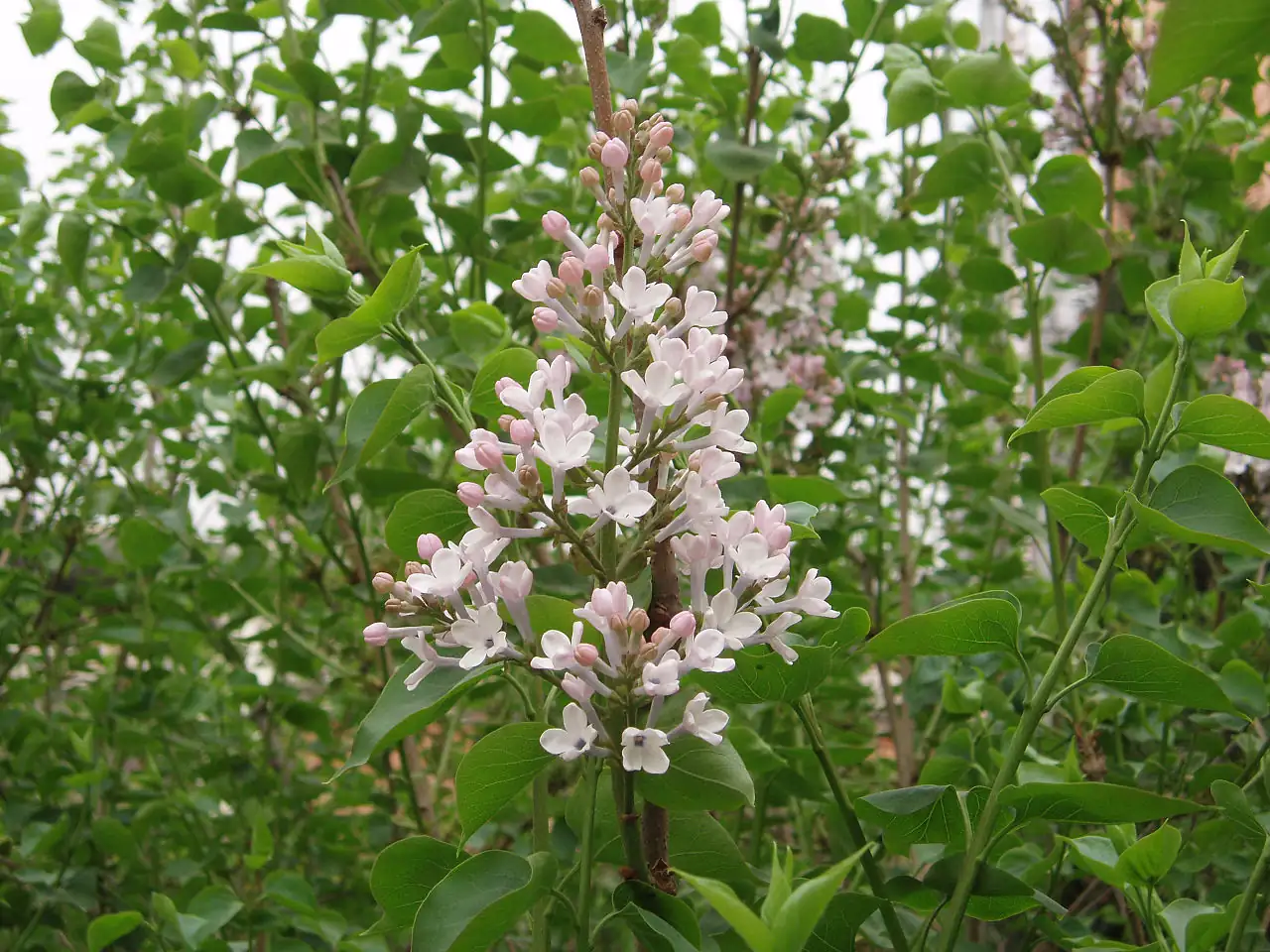
- Flower: Showy, strongly fragrant flower clusters (panicles) carry many small tubular blossoms in purple to deep purple. The corolla tube is about 1–1.5 cm (0.4–0.6 in) long, with anthers positioned around the middle to upper part of the tube. Flower panicles are typically about 6–12 cm (2.4–4.7 in) long. After bloom, it forms oblong capsules with a pointed tip.
- Flowering Season: April–May
- Growth Habit: Upright, woody shrub to small tree with stout, hairless branchlets; often forms a rounded crown and can be grown as a multi-stem shrub or lightly trained into a small tree form.
Environment
Sunlight
Full sun for best flowering and sturdier growth; tolerates partial shade but may bloom less.
Temperature
Very cold-hardy and broadly adaptable in cool-temperate regions. Best growth and flowering around 15–25°C (59–77°F). Can struggle in persistently hot, humid summers, especially with poor airflow or wet soil.
Humidity
Prefers moderate to low humidity with good air circulation. Dislikes hot, muggy conditions and especially standing water around roots.
Soil
Likes loose, well-drained soil that is neutral to slightly alkaline. Avoid strongly acidic soils and any site that stays soggy or waterlogged.
Placement
Great for sunny borders, lawns, mixed shrub plantings, woodland edges, and dedicated lilac group plantings. Also works well for streetscapes and tougher urban/industrial sites where drainage is reliable.
Hardiness
Cold-hardy; suitable for USDA Zone 3–7 (approx.). Not suited to persistently hot, humid climates.
Care Guide
Difficulty
Easy in the right climate. Tough and forgiving once established, with the biggest pitfalls being poor drainage and overly hot/humid summers that encourage stress and mildew.
Buying Guide
Pick plants with multiple sturdy stems and healthy, firm buds. Avoid pot-bound specimens and any plant with blackened shoots, wilting leaves, or sour-smelling, soggy potting mix (a red flag for root trouble). When possible, choose locally proven stock or cultivars suited to your winter cold and summer humidity.
Watering
Water deeply after planting and through the first growing season to establish roots. After that, it’s fairly drought tolerant—water during long dry spells rather than “little and often.” Keep the root zone from staying wet; good drainage matters more than frequent watering.
Fertilization
Feed lightly in early spring with compost or a balanced slow-release fertilizer. Go easy on high-nitrogen fertilizers, which can push leafy growth while reducing flowers.
Pruning
Prune right after flowering (late spring). Snip off spent flower clusters and, for long-term vigor, remove a few of the oldest stems at the base to make room for fresh new shoots. Avoid heavy pruning in late summer, fall, or winter, because you may remove next year’s flower buds.
Propagation
Can be propagated by softwood cuttings in late spring/early summer, hardwood cuttings in winter, layering, or separating suckers (if present). Seed propagation is possible but offspring may not stay true to the parent plant.
Repotting
Most often grown in the ground. In containers, repot every 1–2 years in early spring into a larger pot using a fast-draining mix. Use a generously sized container and protect the pot from extreme freeze–thaw cycles to prevent root damage.
📅 Seasonal Care Calendar
Spring: enjoy blooms; prune immediately after flowering; add a light top-dress of compost or balanced feed. Summer: water only during drought; watch for stress and powdery mildew in heat/humidity. Autumn: enjoy fall color; clean up fallen leaves. Winter: minimal care; only remove broken or dead wood if needed.
Pests, Diseases & Safety
Common Pests & Diseases
Usually trouble-free. In humid conditions it may develop powdery mildew; aphids can appear on tender new growth; scale insects are occasional. Prevention is mostly cultural: full sun, good airflow, and avoiding overhead watering. Treat outbreaks with insecticidal soap or horticultural oil when needed.
Toxicity
Generally considered non-toxic to people and pets. Still, chewing or swallowing large amounts of ornamental plant material can cause mild stomach upset—discourage pets and small children from eating it.
Culture & Symbolism
Symbolism: Lilacs are classic symbols of spring, renewal, and enduring affection—often tied to nostalgia because of their unforgettable perfume.
History & Legends: Lilacs have been cherished across temperate regions for centuries for their scent and their early spring spectacle. In northern China, Syringa oblata is especially valued as a hardy landscape shrub/small tree that holds up well in cold winters and still delivers a lush, fragrant spring display.
Uses: Primarily ornamental: used in parks, along streets, in lawns and borders, at garden corners, and on woodland edges. It’s especially striking planted in groups or combined with other lilacs for a “lilac season” display. Also appreciated for urban and industrial greening where soils may be less than perfect—as long as drainage is good.
FAQ
Why does my early lilac bloom poorly?
The usual culprits are too much shade, pruning at the wrong time (removing next year’s flower buds), overfeeding with high nitrogen, or drought stress the previous summer. Move it (or open the canopy) for more sun, feed lightly, and prune only right after flowering.
Can early lilac handle drought?
Yes—once established it’s relatively drought tolerant. For the best bloom show, keep it from drying out completely in spring and early summer, but never let the soil stay soggy.
Will it grow well in hot, humid climates?
It prefers cool-temperate conditions. In persistently hot, humid summers it may struggle and is more prone to issues like powdery mildew—especially if airflow is poor or the soil drains slowly.
Fun Facts
- On cool spring evenings, its fragrance can travel surprisingly far.
- Its leaves can shift to orange-yellow or purplish tones before dropping in autumn.
- It’s a go-to lilac for colder regions thanks to its excellent winter hardiness—provided the soil drains well.
- Older plants can carry impressively dense, showy flower clusters each spring.
- It tolerates relatively poor soils better than many shrubs, but it won’t forgive waterlogged roots.