Plant Features
- Size: Typically 3–8 m (10–26 ft) tall, often with a similar spread of about 3–8 m (10–26 ft), depending on training, cultivar, and site conditions.
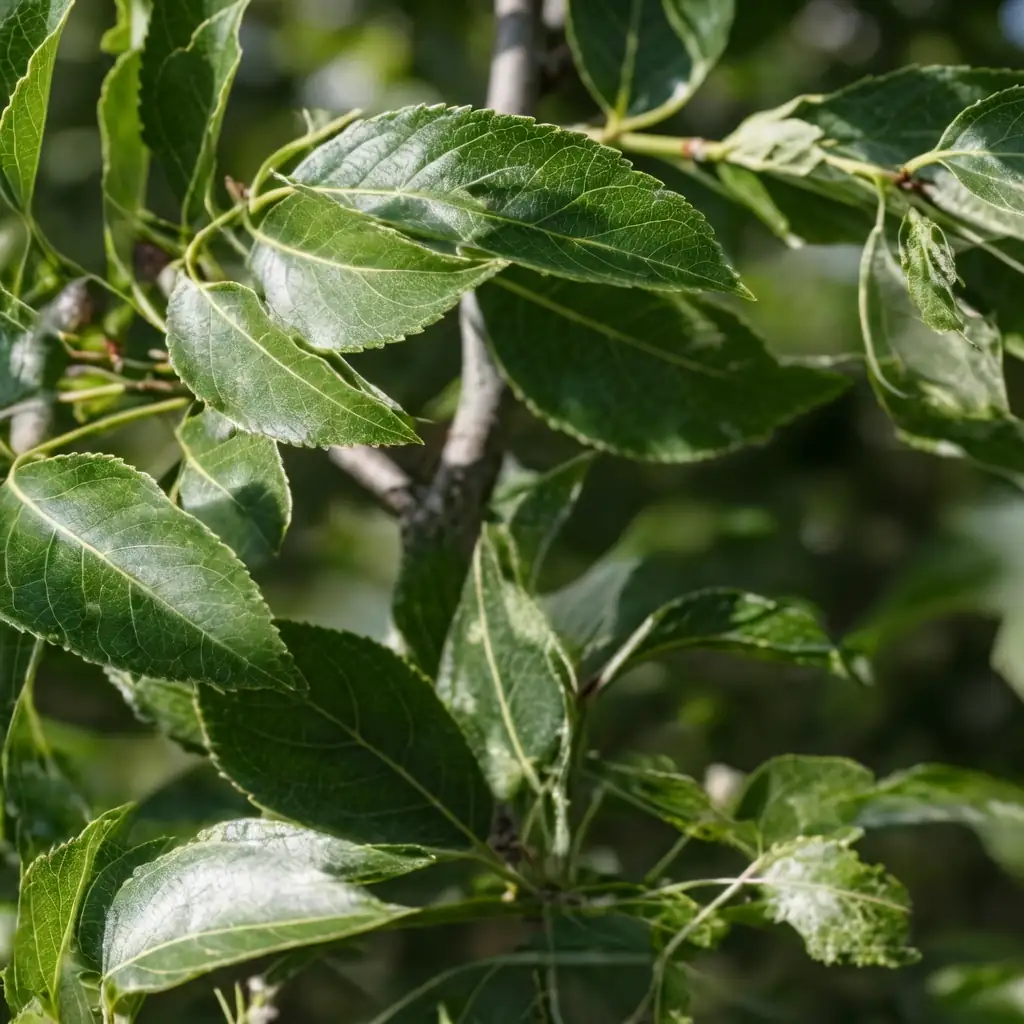
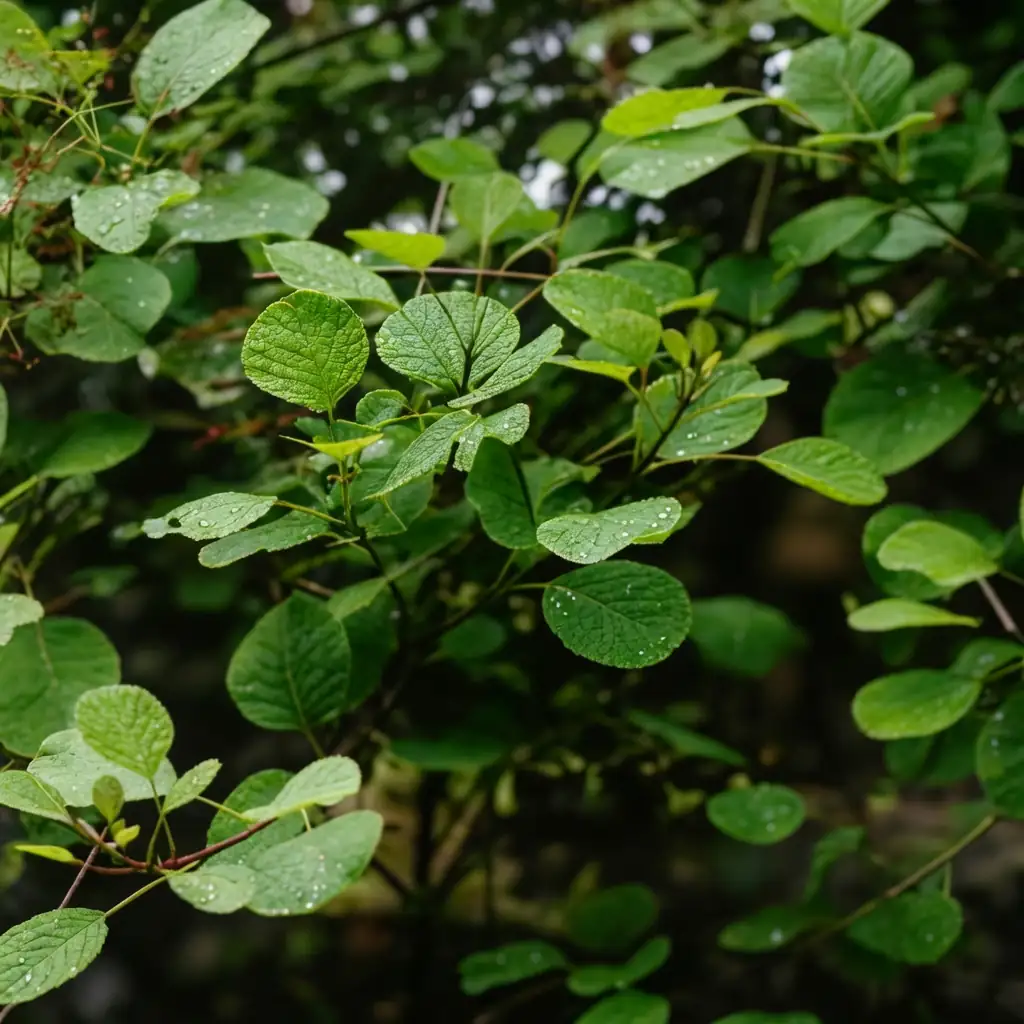
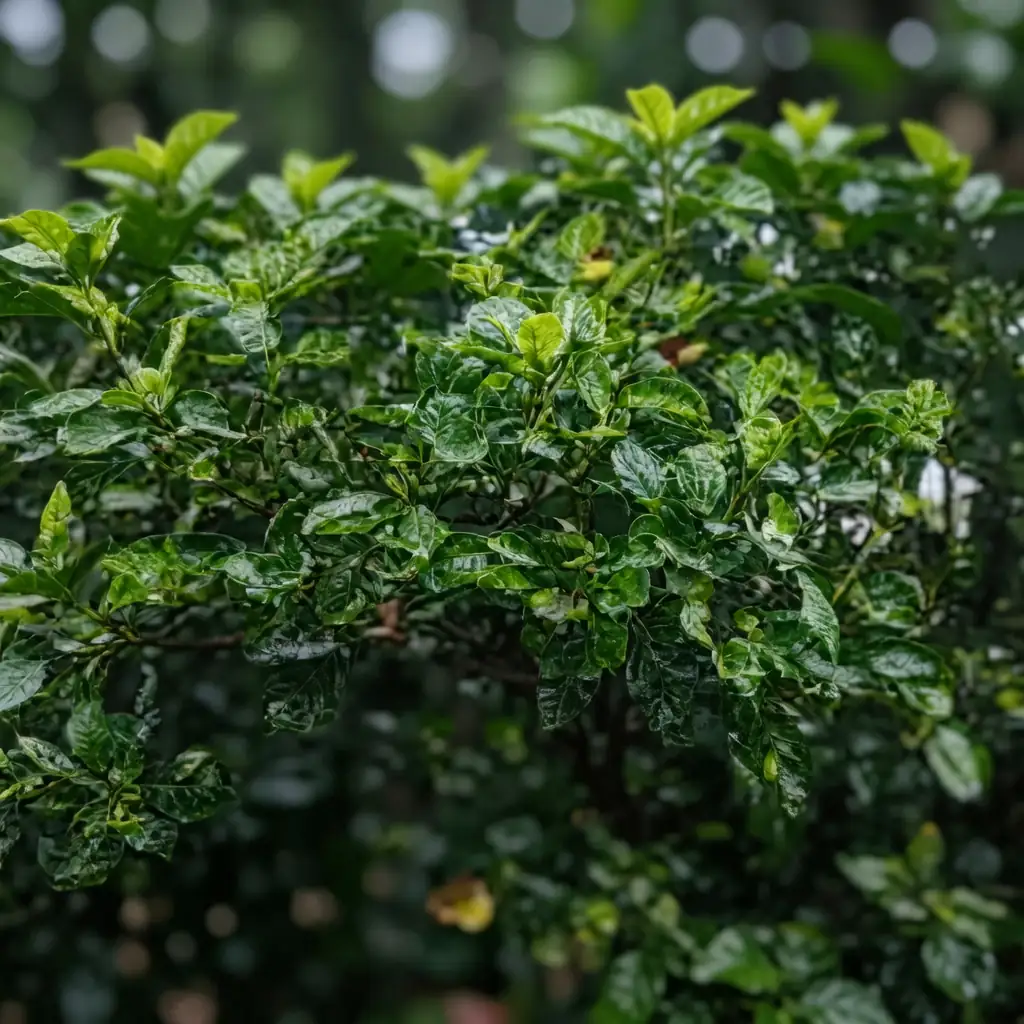
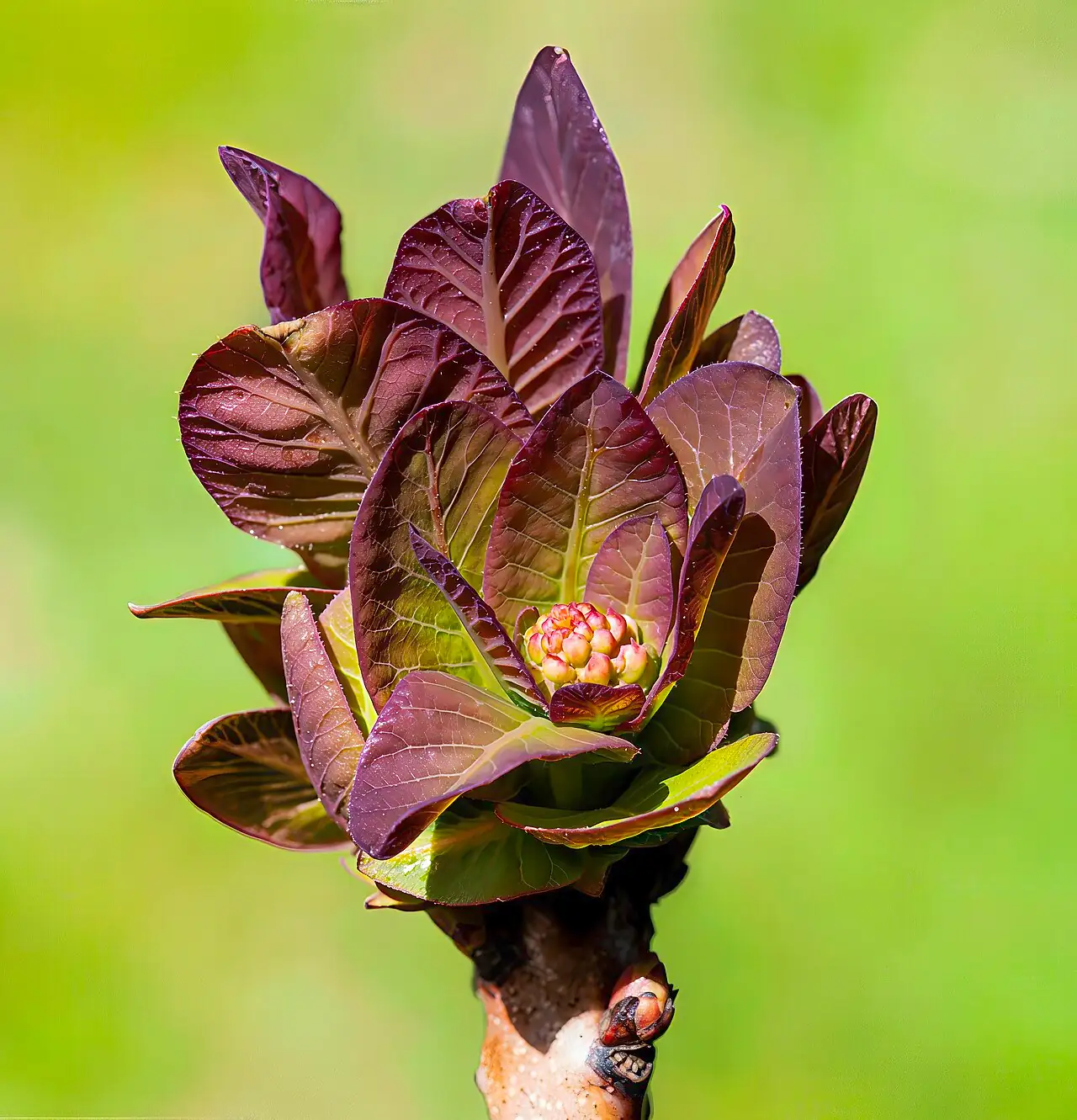
- Foliage: Leaves are simple and alternate, broadly oval to nearly round, with a rounded or slightly notched tip. Summer foliage is usually green on the straight species, while many popular cultivars hold deep purple leaves through the growing season. In autumn, leaves can turn yellow after the first frosts, and many garden selections shift to vivid reds and oranges. Weeping forms exist in cultivation.
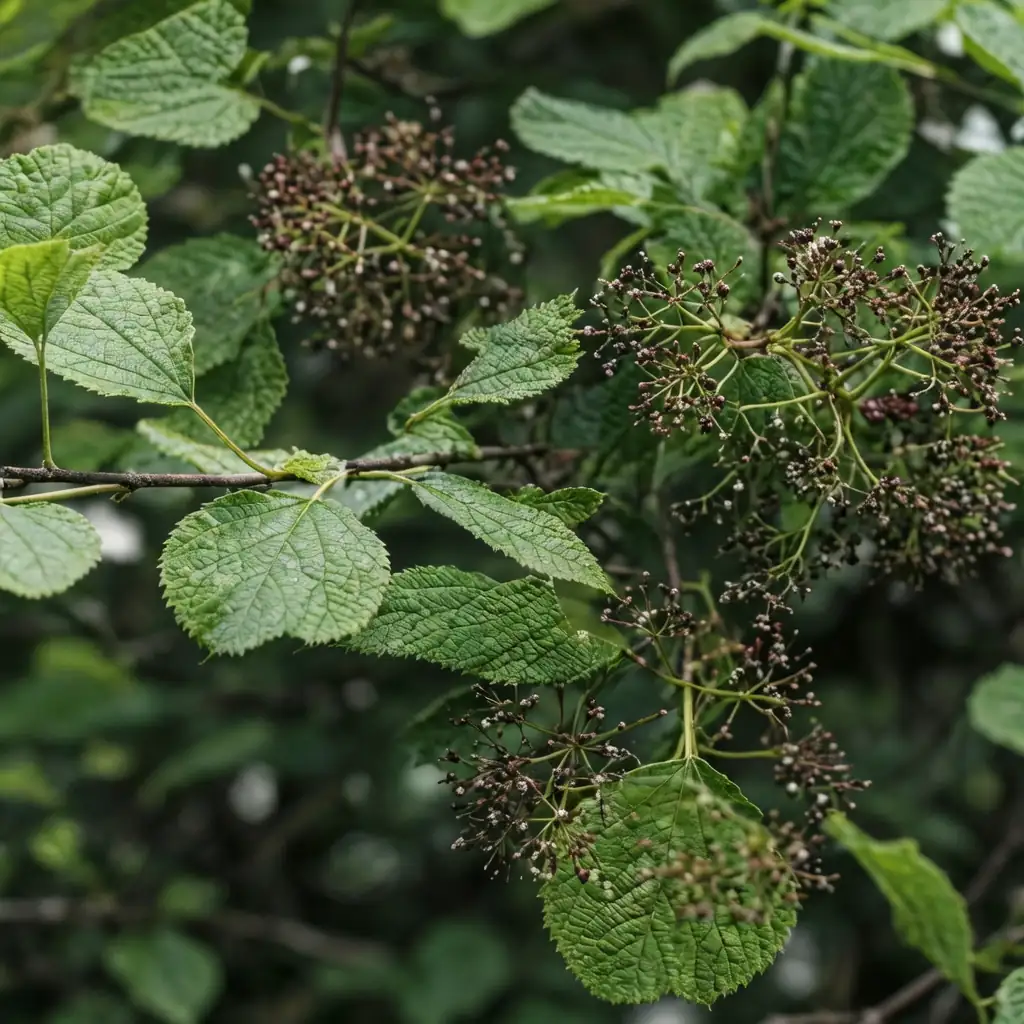
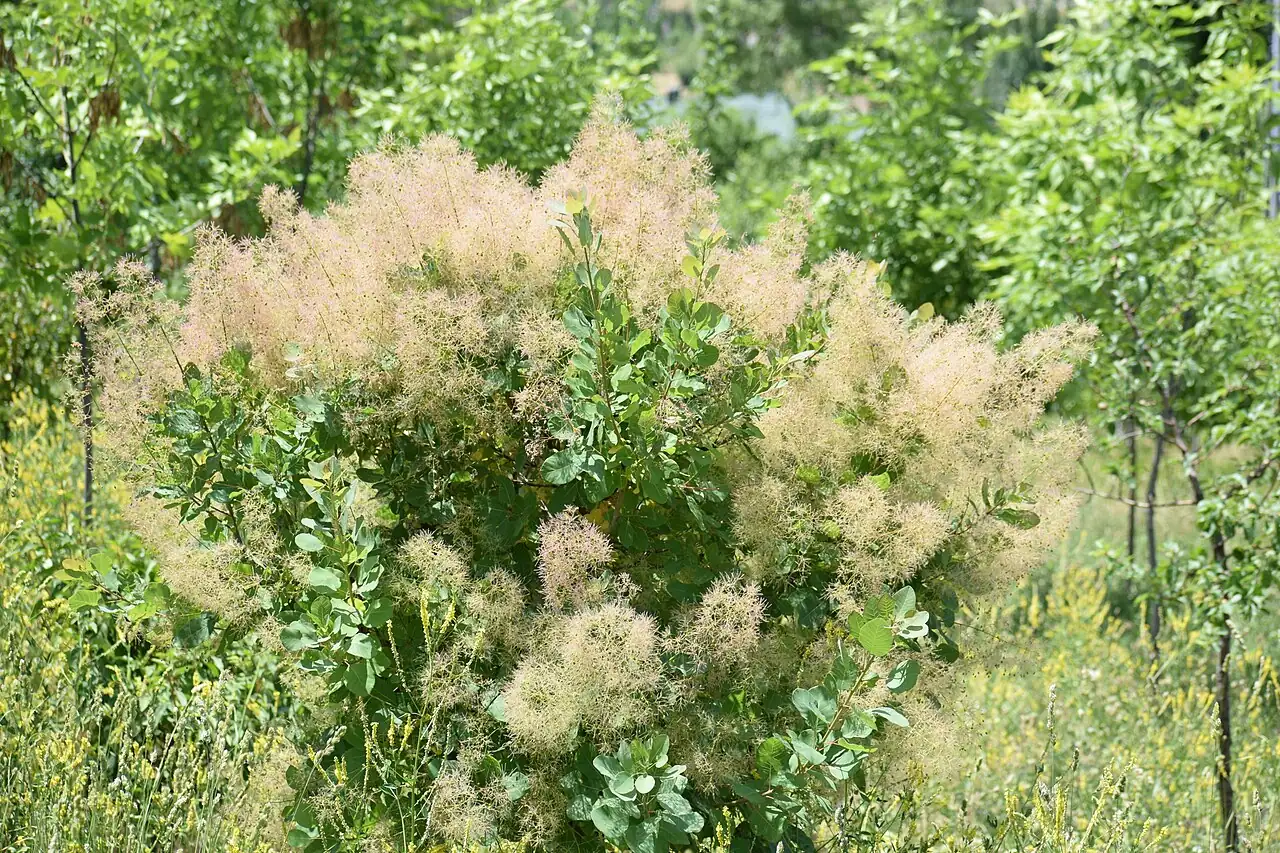
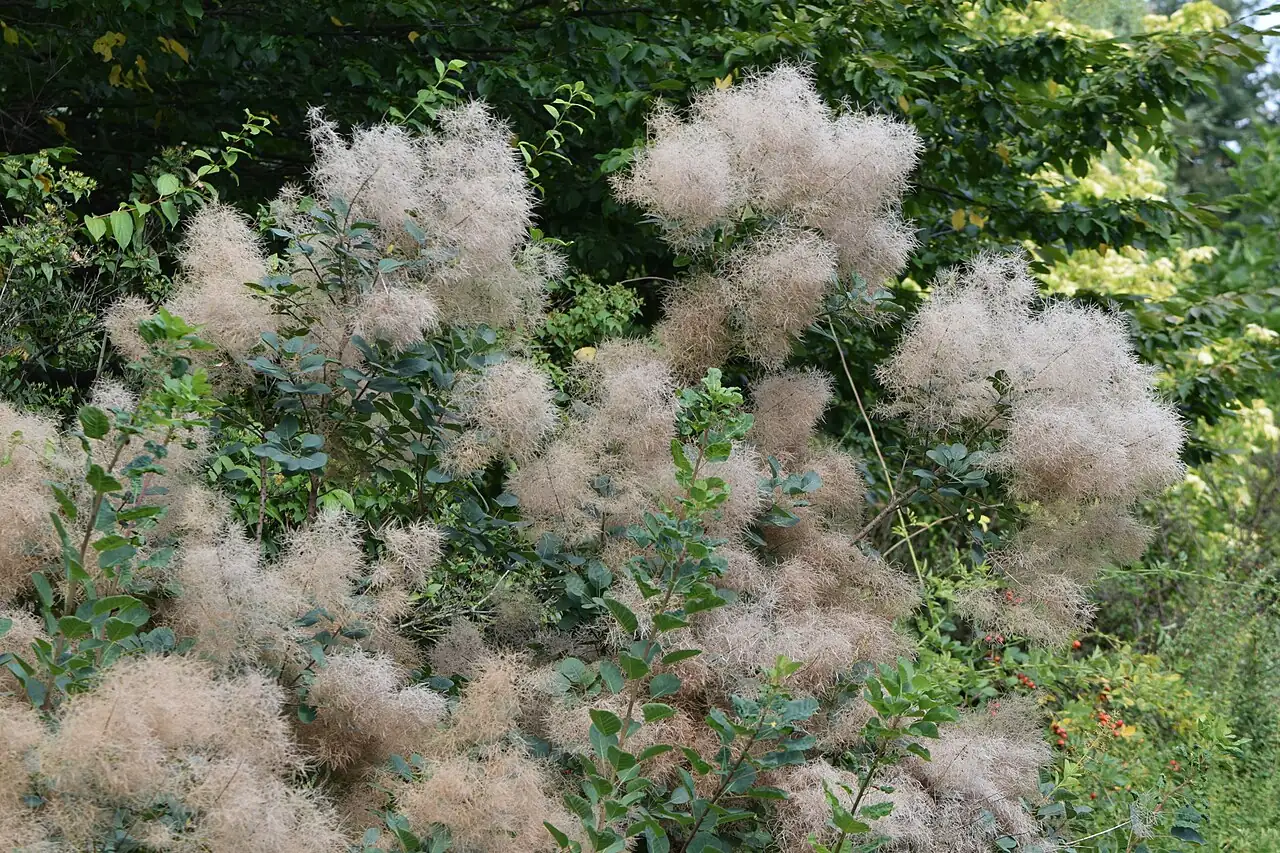
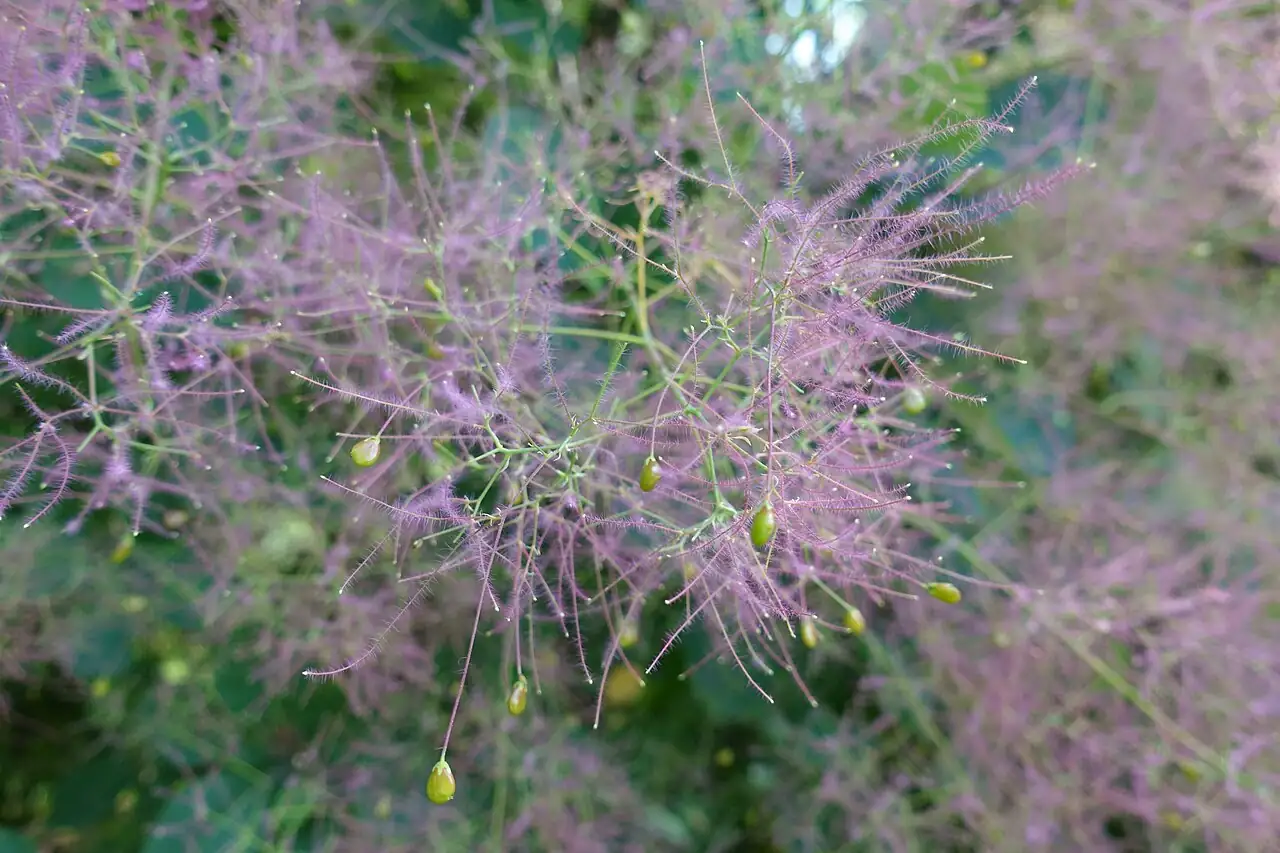
- Flower: Tiny flowers appear in loose, terminal panicles. After bloom, many flower stalks elongate and develop fine hairs, creating the signature airy, cloud-like “smoke” effect that gives the plant its name. The fruits are small, dry drupes with a flattened, kidney-like shape.
- Flowering Season: May–June
- Growth Habit: Deciduous shrub or small tree; often multi-stemmed and strongly suckering, with rapid growth. Bark is typically dark gray-brown and not deeply fissured. Young twigs may look dark purplish-brown with a waxy bloom. Generally prefers sun but tolerates light shade and is very cold tolerant.
Environment
Sunlight
Full sun to light shade; full sun usually gives the strongest leaf color and best flowering/smoke effect.
Temperature
Cold-hardy once established; roughly -25 to 35°C (-13 to 95°F) depending on provenance and cultivar.
Humidity
Adaptable; does well in average outdoor humidity as long as there’s decent air circulation.
Soil
Needs well-drained soil. Tolerates many soil types, including relatively poor or rocky ground, but looks best in moderately fertile, well-drained loam. Avoid waterlogged sites.
Placement
Best outdoors—ideal for gardens, parks, slopes, and large borders; especially striking planted in groups or drifts for a big autumn color statement.
Hardiness
USDA Zone 4–8 (generally not suited to tropical climates).
Care Guide
Difficulty
Easy (outdoors). Once established it’s tolerant of drought and less-than-perfect soil, but it strongly dislikes constantly wet, poorly drained ground.
Buying Guide
Pick plants with a sturdy, well-branched framework and no dieback. If you’re buying for leaf color, double-check the cultivar: green forms can still have great fall color, while purple-leaved cultivars stay darker longer. Avoid severely pot-bound plants with circling roots.
Watering
Water regularly during the first growing season to establish deep roots. After that, water during prolonged dry spells, letting the top layer of soil dry slightly between waterings. Avoid consistently soggy soil.
Fertilization
Usually minimal feeding is needed. If growth is weak, apply a balanced slow-release fertilizer in spring following label rates. Don’t overdo nitrogen—too much can soften growth and dull the best foliage color.
Pruning
Prune in late winter to early spring. Remove dead, damaged, or crossing branches. If you grow it mainly for foliage (especially purple-leaved cultivars), hard pruning/coppicing can encourage vigorous new shoots and larger leaves, but it often reduces flowering (and therefore the “smoke”) that year.
Propagation
Softwood cuttings in early summer, semi-ripe cuttings in late summer, or layering. Strong suckers can sometimes be separated and replanted during dormancy.
Repotting
Most often grown in the ground. For container plants, repot every 2–3 years into a slightly larger pot with a free-draining mix, or root-prune and refresh the potting medium; excellent drainage is essential.
📅 Seasonal Care Calendar
Spring: prune before active growth; feed lightly only if needed. Summer: water deeply during drought; avoid waterlogging. Autumn: enjoy peak color—skip heavy pruning. Winter: dormant season—best time for major pruning and, where winters are not severe, moving/transplanting.
Pests, Diseases & Safety
Common Pests & Diseases
Usually quite trouble-free. Potential issues include verticillium wilt (more likely with stress or poorly drained soil), leaf spots, and occasional scale insects or aphids. Prevention focuses on good drainage, avoiding overwatering, pruning out affected wood, and keeping plants vigorous.
Toxicity
As a member of the cashew family (Anacardiaceae), the sap can irritate sensitive skin in some people. It isn’t typically considered highly toxic, but it’s still best not to ingest plant parts and to discourage pets/children from chewing.
Culture & Symbolism
Symbolism: Often linked with transformation and the beauty of seasonal change—thanks to its shifting fall colors and soft “smoke” plumes.
History & Legends: Cultivated widely across Eurasia as an ornamental for its distinctive plume-like inflorescences and brilliant autumn foliage. Many cultivars have been selected for purple leaves, compact size, and unusual forms such as weeping habits.
Uses: Primarily ornamental: prized for autumn color, texture, and dramatic “smoke” effect. Excellent as a specimen, screen, or mass planting in temperate landscapes, especially on slopes and in large garden beds.
FAQ
Why isn’t my smoke tree turning red or orange in fall?
Full sun and moderate (not overly rich) soil help the best color. Too much nitrogen fertilizer can reduce autumn intensity, and warm fall nights can dull reds. Also, some forms naturally go more yellow than red—choose a cultivar known for strong red/orange fall color.
Can I keep a smoke tree small?
Yes. Prune in late winter or early spring. Many gardeners coppice it (cutting back hard) yearly or every few years for compact size and big leaves, though that often reduces flowers and the “smoke” effect for that season.
Fun Facts
- The famous “smoke” look comes mostly from feathery, hair-covered flower stalks after bloom—not from the tiny flowers themselves.
- In parts of China, it naturally grows on grassy slopes and in mixed woodland.
- Its strong suckering habit can form thickets, which can be an advantage for mass plantings and slope stabilization in suitable sites.
- Young twigs may look purplish with a waxy bloom, while older bark is typically dark gray-brown and not deeply cracked.
- There are cultivars for nearly every style—purple foliage, extra-bright fall color, compact growth, and even weeping forms.