

Plant Features
- Size: Up to about 5 m (16 ft) tall; typically grown as an evergreen shrub to small tree with an irregular, branching crown.
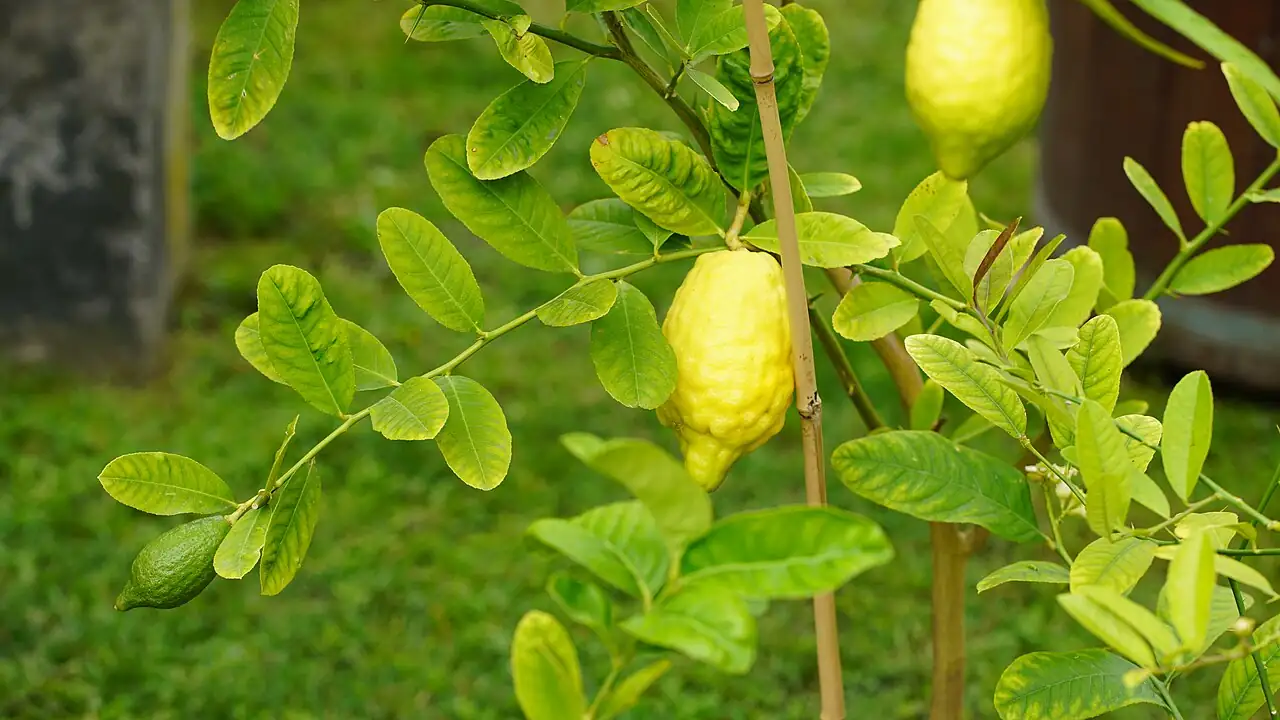
- Foliage: Leaves are evergreen, simple, oval to elliptic-ovate, and glossy to slightly leathery, with lightly toothed margins—classic citrus foliage that looks fresh and clean when grown in good light.
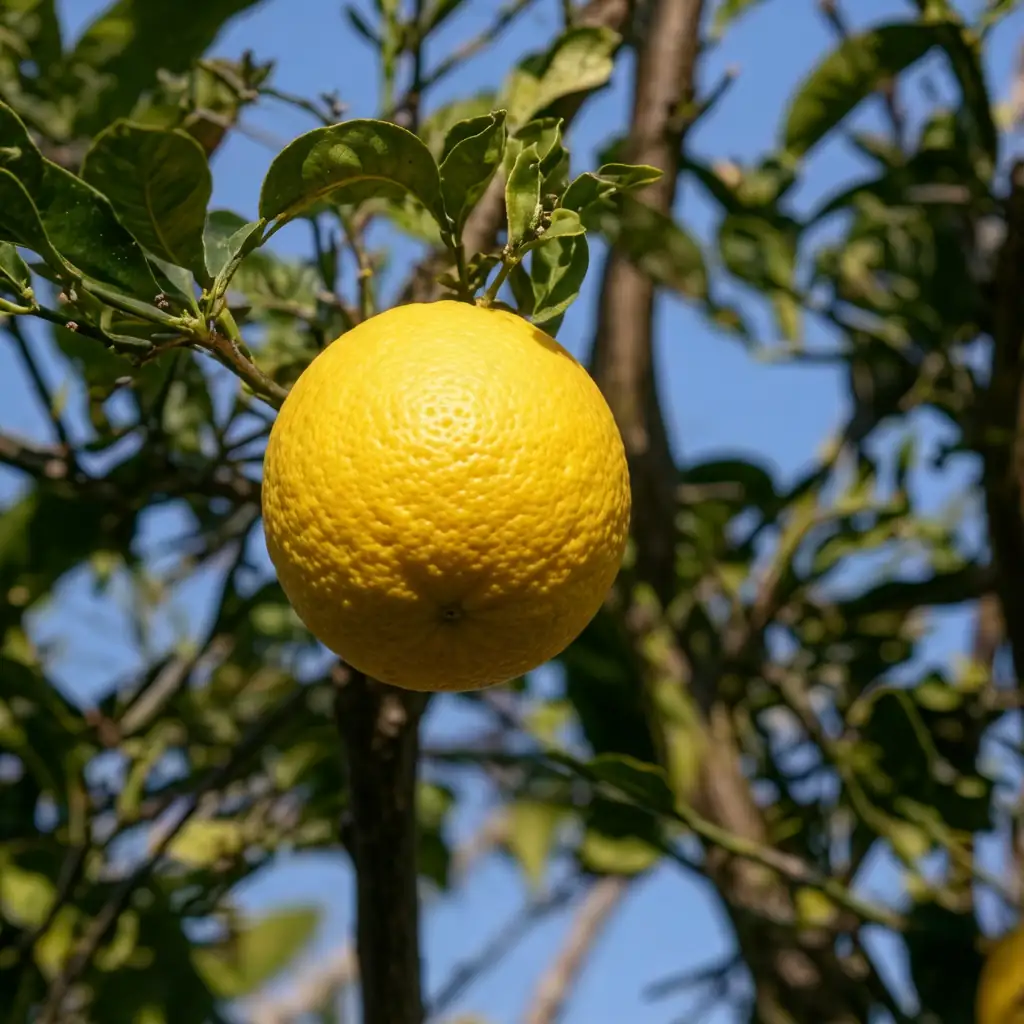
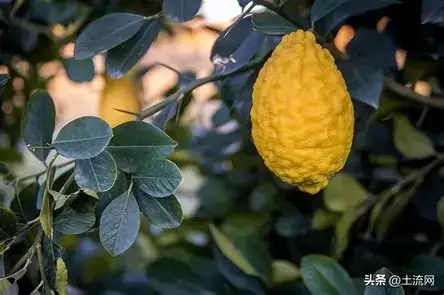
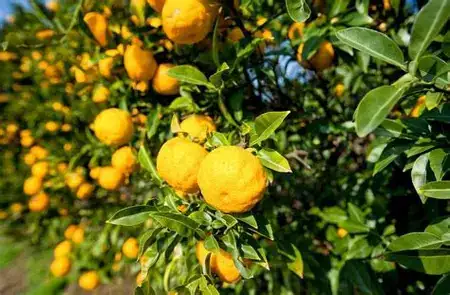
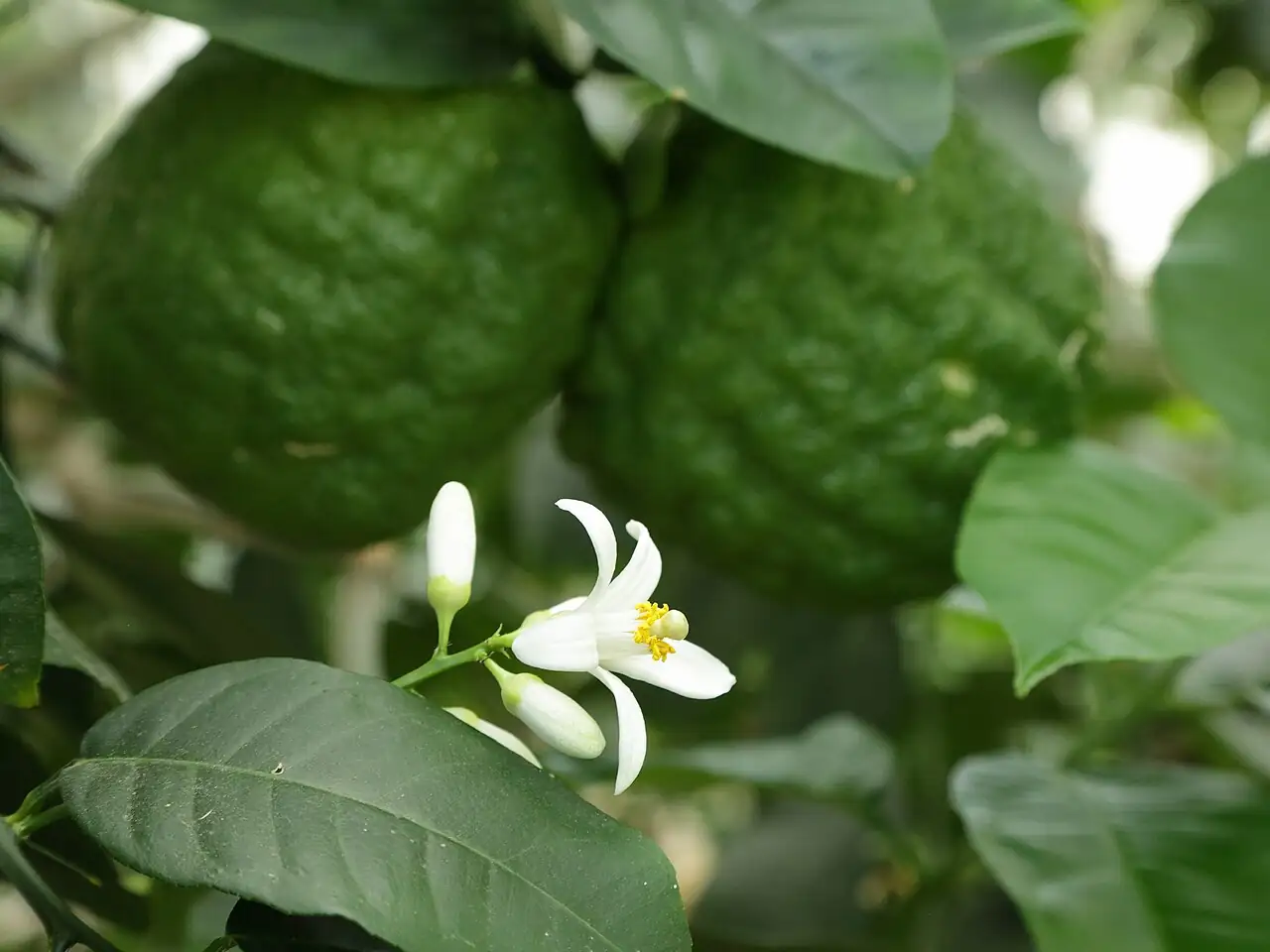
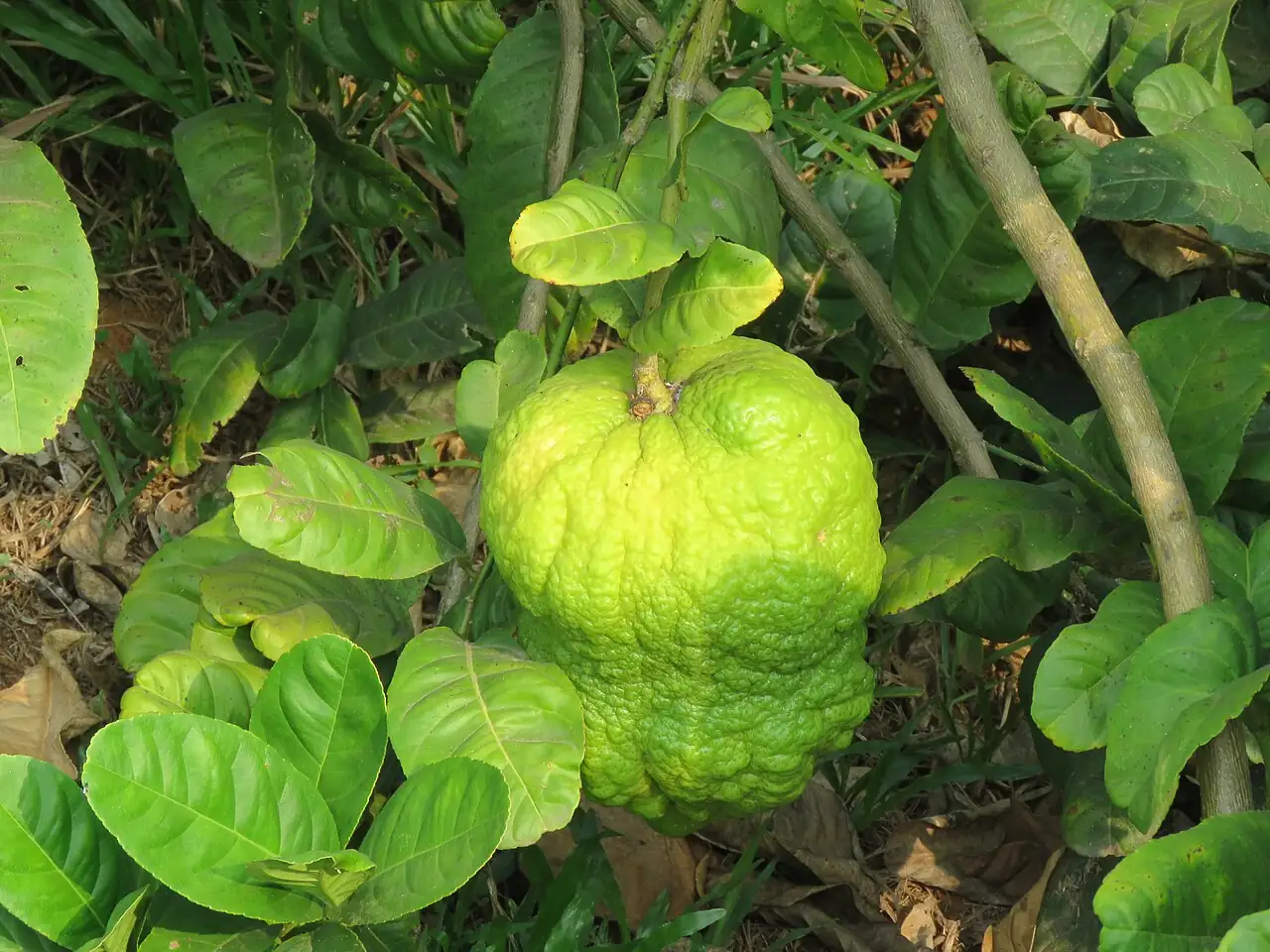
- Flower: Produces sweetly fragrant white, 5-petaled citrus flowers, often in small clusters (up to around 12). Fruits are oval to oblong and pale yellow when mature, with a notably rough, thick rind that’s difficult to peel. Inside, the flesh is translucent to pale creamy-yellow, aromatic, and typically sour to mildly sweet with a crisp texture.
- Flowering Season: April–May
- Growth Habit: Evergreen shrub or small tree; irregularly branched and commonly grown as both an ornamental fruiting citrus and an orchard/collector citrus in warm regions.
Environment
Sunlight
Full sun for best flowering and fruiting (at least 6–8 hours/day). Tolerates light partial shade, but fruiting is reduced.
Temperature
Warm-loving; best growth around 18–30°C (64–86°F). Protect from frost—damage can occur near 0°C (32°F) and below.
Humidity
Prefers moderate to high humidity and performs especially well in warm, humid climates. In drier air, good airflow plus occasional humidity support helps reduce stress and mite issues.
Soil
Deep, loose, fertile, humus-rich, well-drained sandy loam is ideal. Avoid waterlogged soil to prevent root problems. Slightly acidic to neutral soil suits it best.
Placement
Best outdoors in a sunny, sheltered spot. In cooler regions, grow in a container for patio/greenhouse culture and move to a bright indoor area for winter protection.
Hardiness
Frost tender; typically USDA Zone 9–11 (cold tolerance varies by site and cultivar, roughly down to about -7 to 2°C / 20–35°F with protection).
Care Guide
Difficulty
Moderate: straightforward in warm climates, but needs frost protection where winters are cold and a careful balance of moisture (evenly moist, never soggy).
Buying Guide
Pick plants with glossy, healthy leaves and no signs of scale insects (bumps on stems/leaves), stickiness, or black sooty mold. Avoid plants with widespread yellowing. If your goal is fruit, choose a grafted plant from a reputable nursery—grafted citrus usually fruits more reliably and true-to-type than seedlings.
Watering
Water deeply, then let the top 2–5 cm (1–2 in) of soil dry before watering again. Keep moisture more consistent during flowering and fruit set, but never allow standing water around roots. In winter or low light, reduce watering to avoid root rot.
Fertilization
Feed in the active growing season (spring through early fall) with a citrus fertilizer that includes micronutrients. Liquid feeds are often applied every 2–4 weeks; slow-release products should be used at label rates. Pause or reduce fertilizing in winter.
Pruning
Lightly prune after fruiting or in late winter/early spring. Remove dead, crossing, or inward-growing branches to improve airflow and shape. If grafted, remove any vigorous shoots arising below the graft union.
Propagation
Most commonly propagated by grafting/budding onto citrus rootstocks. Seed can be grown but is slower and may not produce predictable fruit quality. Semi-hardwood cuttings may root with warmth and humidity, though this is less common commercially.
Repotting
For container plants, repot every 2–3 years in spring. Move up one pot size—about 2–5 cm (1–2 in) wider—refreshing the mix and keeping drainage excellent. Don’t bury the trunk flare.
📅 Seasonal Care Calendar
Spring: increase light and watering, resume feeding, and watch for blooms and new growth. Summer: keep in full sun, water consistently, and monitor pests. Fall: reduce feeding and support fruit ripening. Winter: protect from cold, maximize light indoors, and water less.
Pests, Diseases & Safety
Common Pests & Diseases
Common pests include scale insects, aphids, mealybugs, spider mites, and citrus leaf miner. Sooty mold often appears as a secondary problem when sap-sucking pests leave sticky honeydew behind. Root rot is usually caused by poor drainage or overwatering; fungal leaf spots can occur in stagnant, humid conditions. Improve airflow, avoid soggy soil, and treat pests early (e.g., horticultural oil or insecticidal soap, used according to label directions).
Toxicity
Generally non-toxic to people; the fruit is edible. As with many citrus, peel oils may irritate sensitive skin and can increase photosensitivity for some individuals. Not considered highly toxic to pets, though eating a lot may cause mild stomach upset.
Culture & Symbolism
Symbolism: Often linked with purity, fragrance, and good fortune. In some traditions, citron is cherished as a ceremonial fruit.
History & Legends: Citron is among the earliest cultivated citrus, with a long history across Asia and the Mediterranean. It has been prized for centuries less for juice and more for its perfume-like rind and its usefulness in preserved sweets and fragrant preparations.
Uses: Popular as an ornamental fruiting tree for gardens and courtyards. The aromatic rind is famously used for candied peel and preserves, and the fruit is also used for flavoring and fragrance.
FAQ
Why is my citron’s rind so thick and hard to peel?
That’s normal—citron is prized for its thick, highly aromatic rind. It naturally clings more tightly and feels rougher than the peel of many common oranges or lemons.
Can I grow citron in a pot?
Yes. Use a fast-draining citrus mix, keep it in full sun, and protect it from frost by moving it to a bright indoor spot or greenhouse when temperatures approach 0°C (32°F).
Fun Facts
- Flowers often appear in April–May, and fruits commonly mature around October–November (timing varies with climate).
- In the ground and in warm regions, plants can reach about 5 m (16 ft) tall.
- Citron is famous for a pale yellow, rough, thick rind that’s noticeably difficult to peel.
- The flesh can be crisp and aromatic, with a sour to mildly sweet flavor profile.
- In China it is widely cultivated in provinces such as Sichuan, Yunnan, Fujian, Jiangsu, and Zhejiang.


