
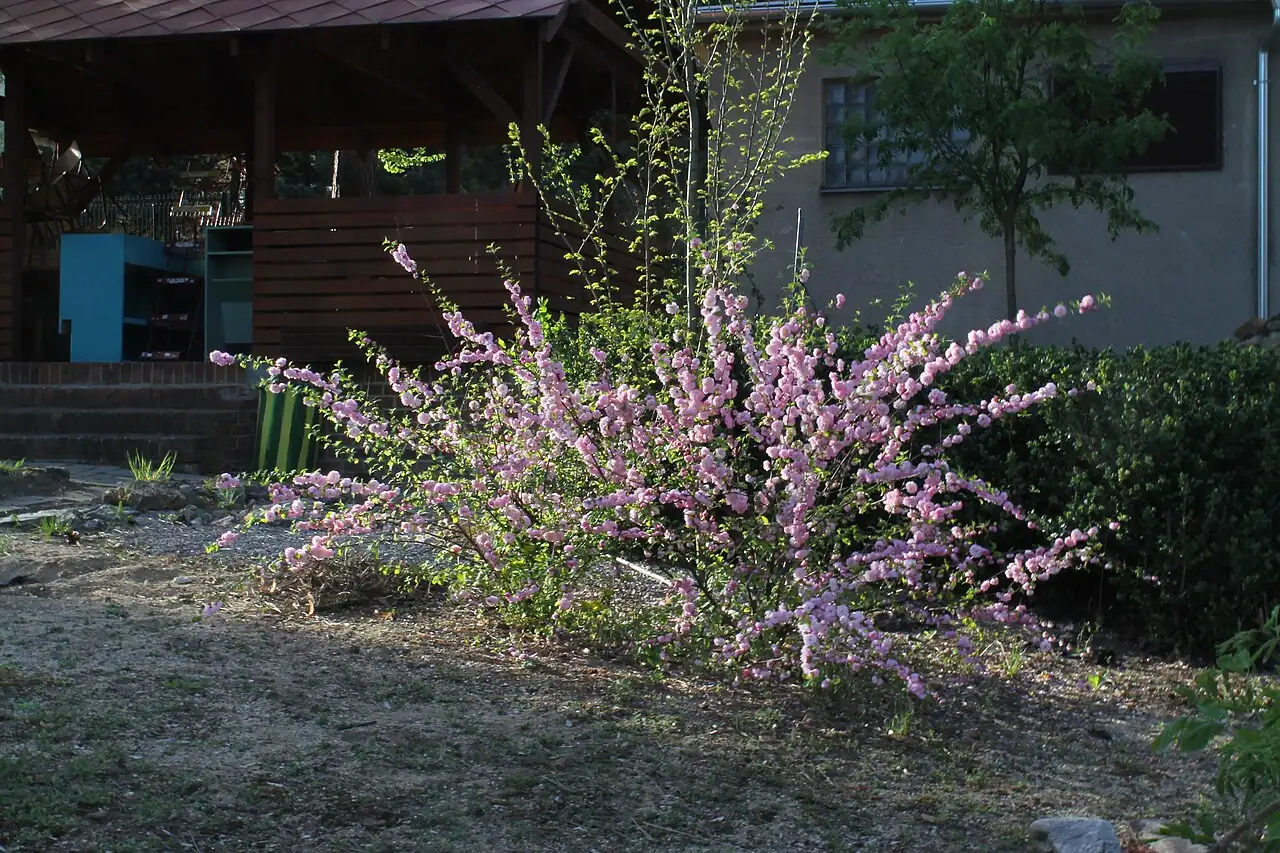
Plant Features
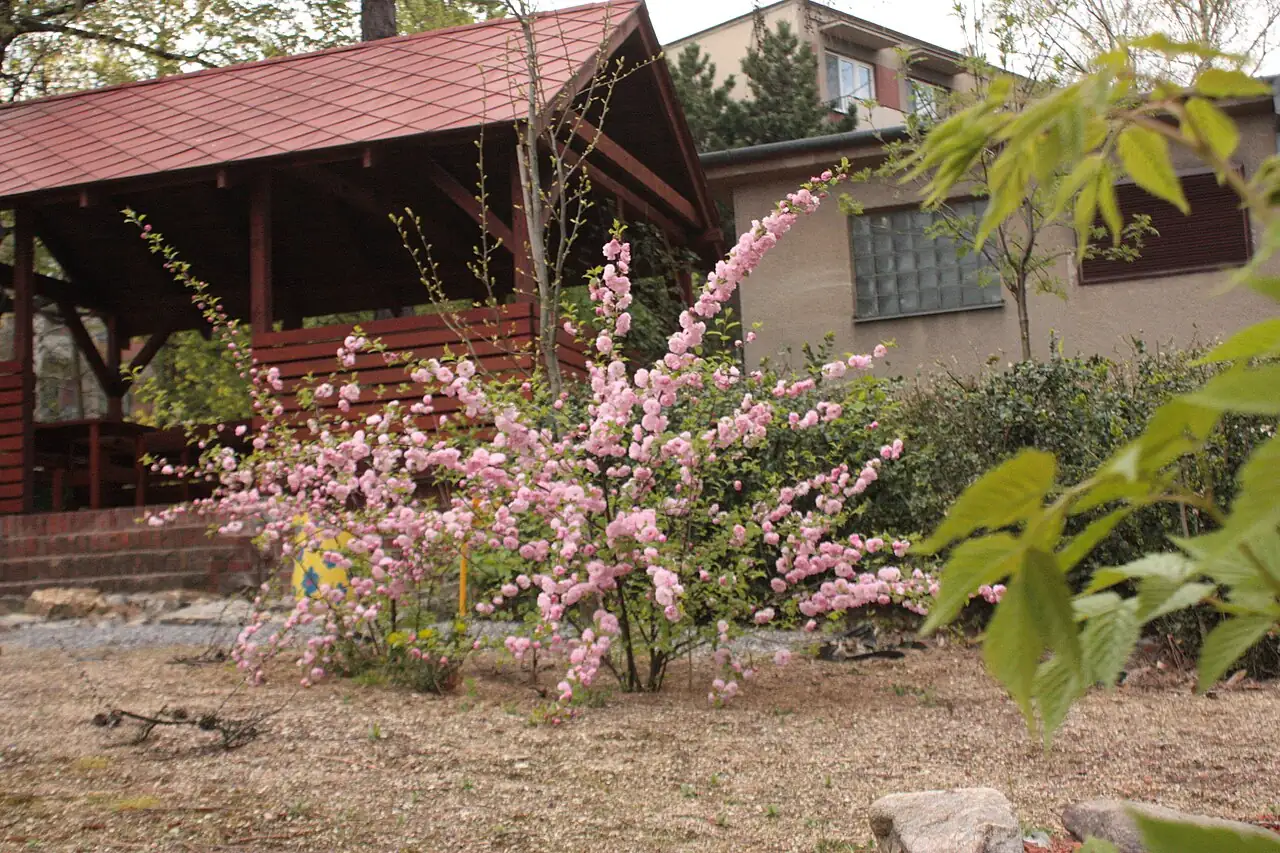
- Size: Typically 2–3 m (6.6–9.8 ft) tall, forming a spreading shrub; occasionally trained as a small tree.
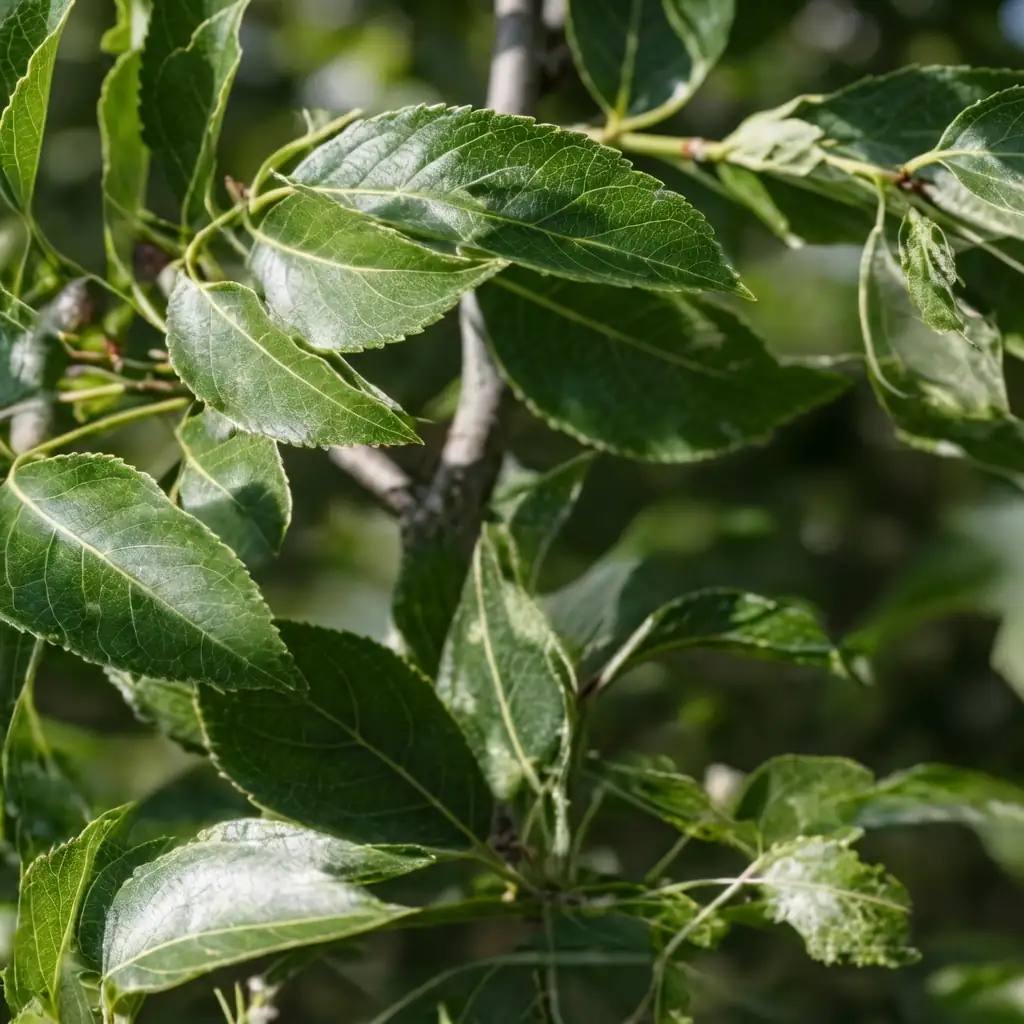
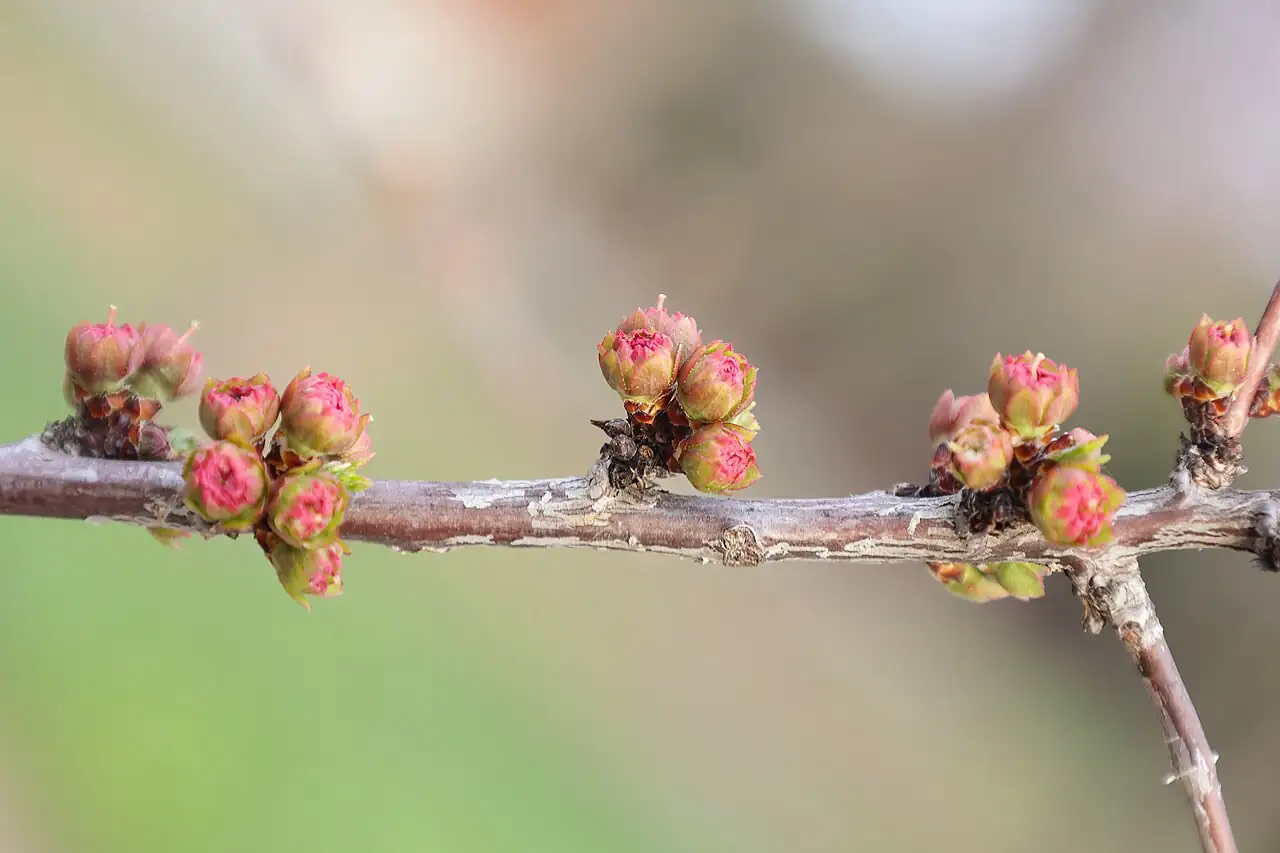
- Foliage: Leaves are broadly oval to elliptic with coarse, uneven serrated margins. Twigs are purple-brown and often carry many short, spur-like shoots that help concentrate buds and flowers.
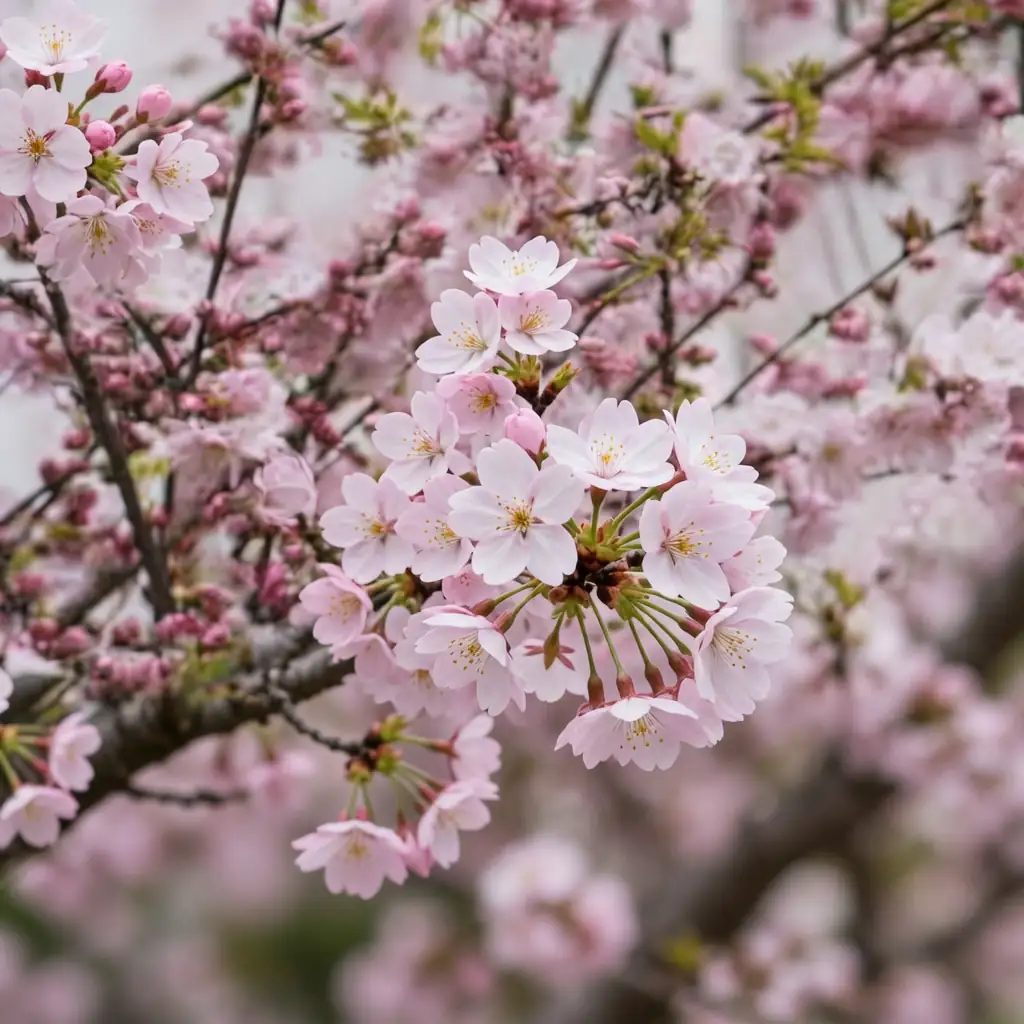
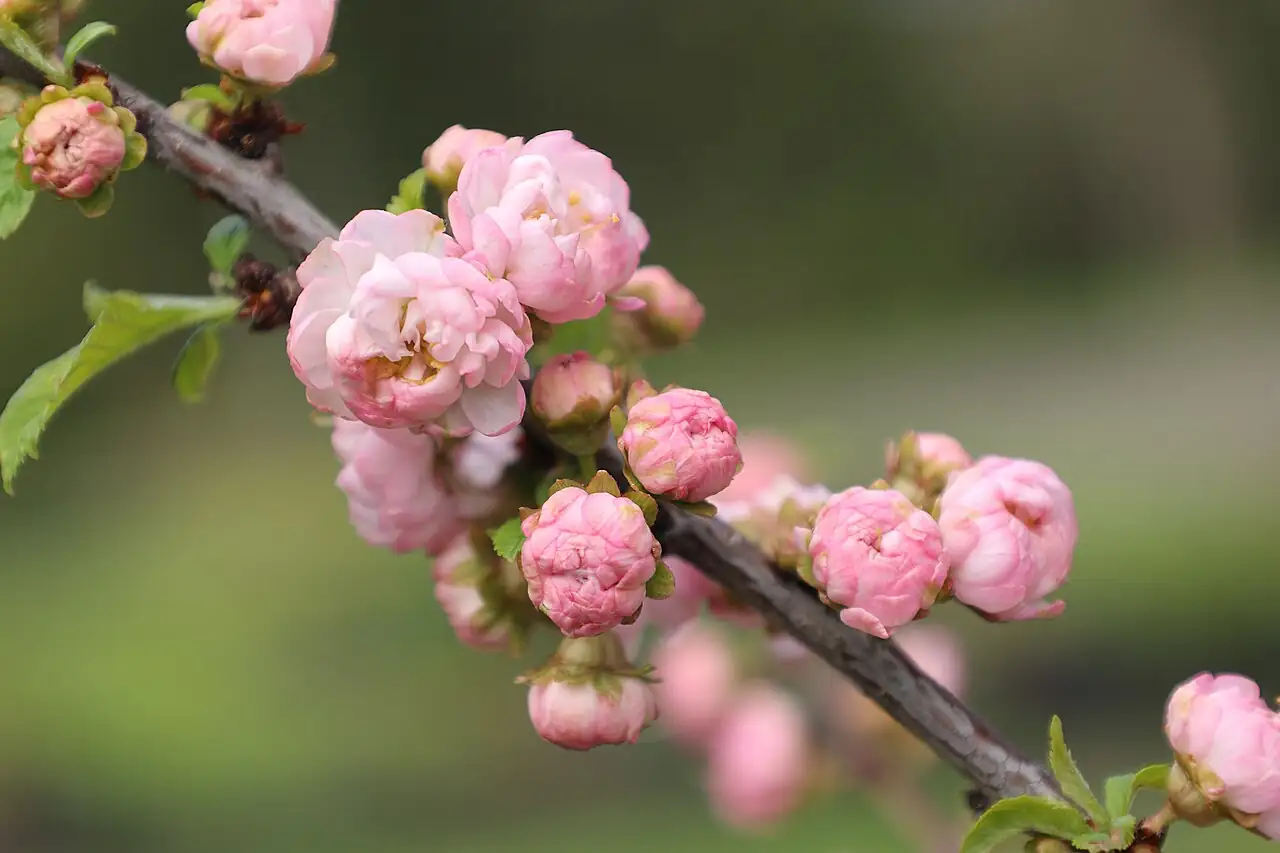
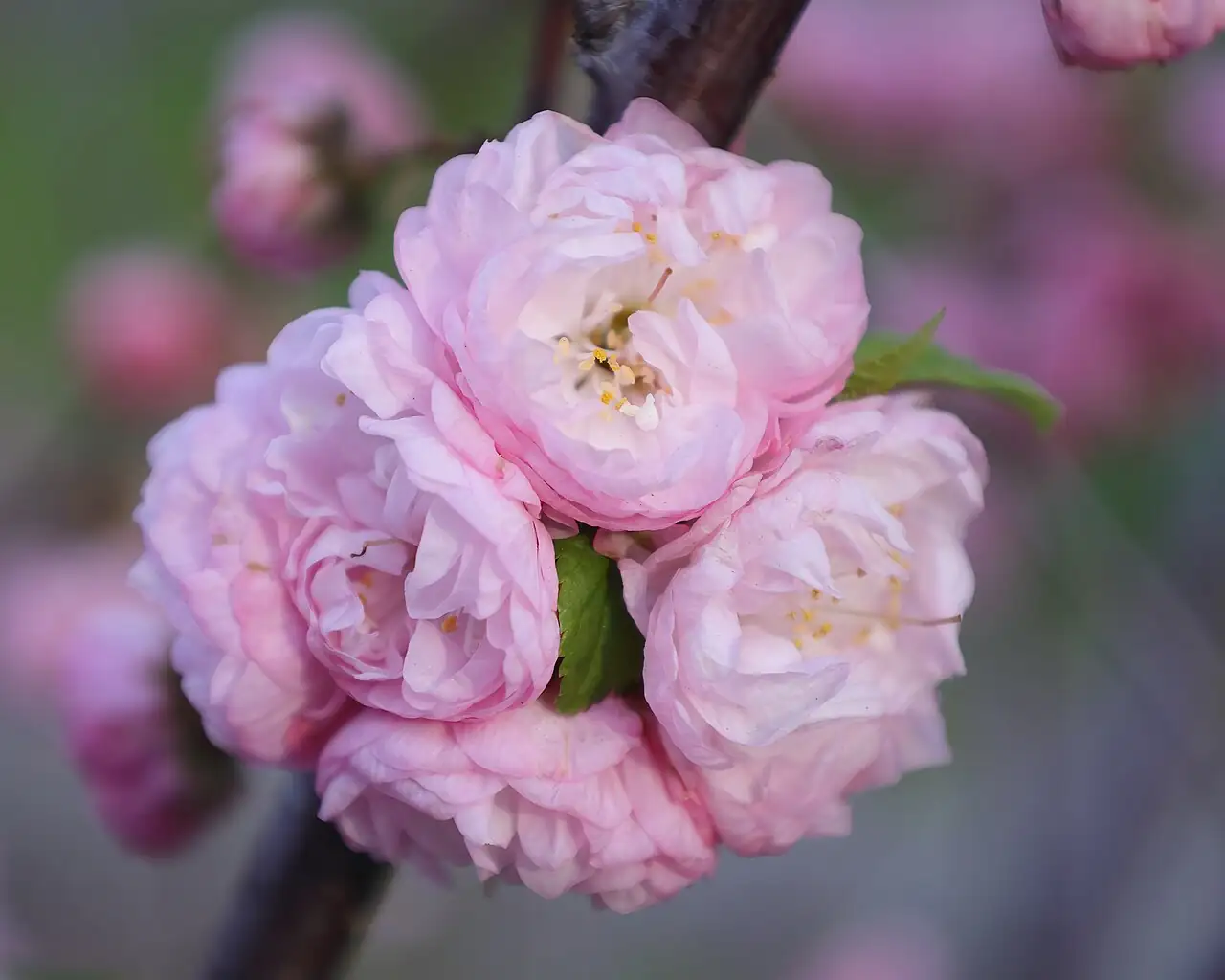
- Flower: In spring, it produces showy blossoms in magenta to purplish-red. Flowers may be single or fully double and often appear 1–2 at a time from the leaf axils along the stems. After bloom, small red drupes may form; they are nearly spherical and slightly hairy.
- Flowering Season: April–May (spring)
- Growth Habit: Deciduous, spreading shrub with many short shoots; sometimes grown as a small tree.
Environment
Sunlight
Full sun to light shade; it flowers best in full sun.
Temperature
Very cold-hardy; reported to overwinter to about -35°C (-31°F).
Humidity
Comfortable in average to dry conditions once established. Avoid persistently wet, humid microclimates with poor airflow, which can increase fungal problems.
Soil
Adaptable, but happiest in fertile, well-drained soil. Prefers neutral to slightly alkaline conditions (about pH 7.0–8.0). Highly sensitive to waterlogging—drainage matters more than richness.
Placement
Great for parks, hedges, mixed borders, and streetside planting. Choose an open, sunny spot with excellent drainage; slopes or raised beds are ideal. Containers are possible, but must drain very well and be protected from repeated freeze–thaw cycles.
Hardiness
Cold-hardy to about -35°C (-31°F). Drought tolerant once established and relatively disease-resistant, but not tolerant of poor drainage or standing water.
Care Guide
Difficulty
Easy overall: very hardy and fairly forgiving once established. The main “gotcha” is wet feet—soggy soil is the fastest way to weaken or lose the plant.
Buying Guide
Pick plants with firm, healthy stems and no dieback. Avoid pot-bound shrubs and any container with sour-smelling, waterlogged mix (a red flag for root problems). If shopping when buds are forming, look for many plump buds along the short spur shoots for the best spring display.
Watering
Water regularly during the first growing season to help it establish. After that, water deeply but infrequently during prolonged dry spells. Keep soil on the drier side rather than constantly moist, and never allow standing water around the roots.
Fertilization
Feed lightly in early spring with a balanced slow-release fertilizer or a thin layer of compost. Avoid heavy nitrogen, which can push soft growth at the expense of flowers.
Pruning
Prune right after flowering. Remove dead, damaged, or crossing branches and thin some older stems to stimulate fresh shoots that will carry next year’s blooms. Avoid heavy winter or early-spring pruning, since it can remove flower buds.
Propagation
Propagated by softwood cuttings in late spring to early summer, hardwood cuttings in winter, layering, or grafting/budding onto compatible Prunus rootstocks. Double-flowered named forms are commonly grafted to keep the flower form true.
Repotting
Best in the ground. For container growth, repot every 2–3 years in early spring into a slightly larger pot with a sharply draining mix; trim circling roots and ensure generous drainage holes.
📅 Seasonal Care Calendar
Spring (Apr–May): enjoy the bloom; water if dry; apply light feeding. Early summer: prune immediately after flowering; keep an eye out for aphids/scale. Summer: deep, infrequent watering during drought; avoid waterlogging. Autumn: clear fallen leaves and top-dress with compost. Winter: minimal care; protect container plants from repeated freeze–thaw and keep soil barely moist.
Pests, Diseases & Safety
Common Pests & Diseases
Generally robust. Aphids may cluster on tender new growth, and scale can appear on stems. In humid, poorly ventilated sites, fungal leaf spots can occur. Prevention is simple: good airflow, clean fallen leaves, and avoid frequent overhead watering.
Toxicity
Like many Prunus, the seeds (stone kernels) can contain cyanogenic compounds if crushed or chewed. The fruit isn’t typically eaten; keep pits and plant parts away from pets and small children who might ingest them.
Culture & Symbolism
Symbolism: A classic sign of spring—often linked with renewal, celebration, and bright, festive color in the landscape.
History & Legends: Long grown as an ornamental flowering shrub in northern China and widely used in public green spaces for its dependable spring show.
Uses: Primarily ornamental as a shrub or small tree for early-season flowering. Common in urban greening, with noted tolerance of saline-alkaline conditions when drainage is good.
FAQ
When does it flower?
Typically April–May (spring).
When does it fruit?
Usually May–July (late spring to summer), although heavily double-flowered selections may set little to no fruit.
How tall does it get?
About 2–3 m (6.6–9.8 ft) tall, often with a spreading habit.
Is it cold-hardy?
Yes—it’s very cold-hardy and has been reported to tolerate winters down to about -35°C (-31°F) when well established and properly sited.
What soil does it prefer?
Well-drained soil is the key. It performs best in fertile ground that is neutral to slightly alkaline (around pH 7.0–8.0), and it strongly dislikes waterlogged sites.
Fun Facts
- It has been reported to survive winters down to about -35°C (-31°F) in suitable conditions.
- It’s drought-tolerant once established, but waterlogging is a common cause of failure.
- A favorite for parks and streetscapes thanks to its dramatic spring floral display.
- It’s considered relatively tolerant of saline-alkaline soils—so long as drainage is excellent.