Plant Features
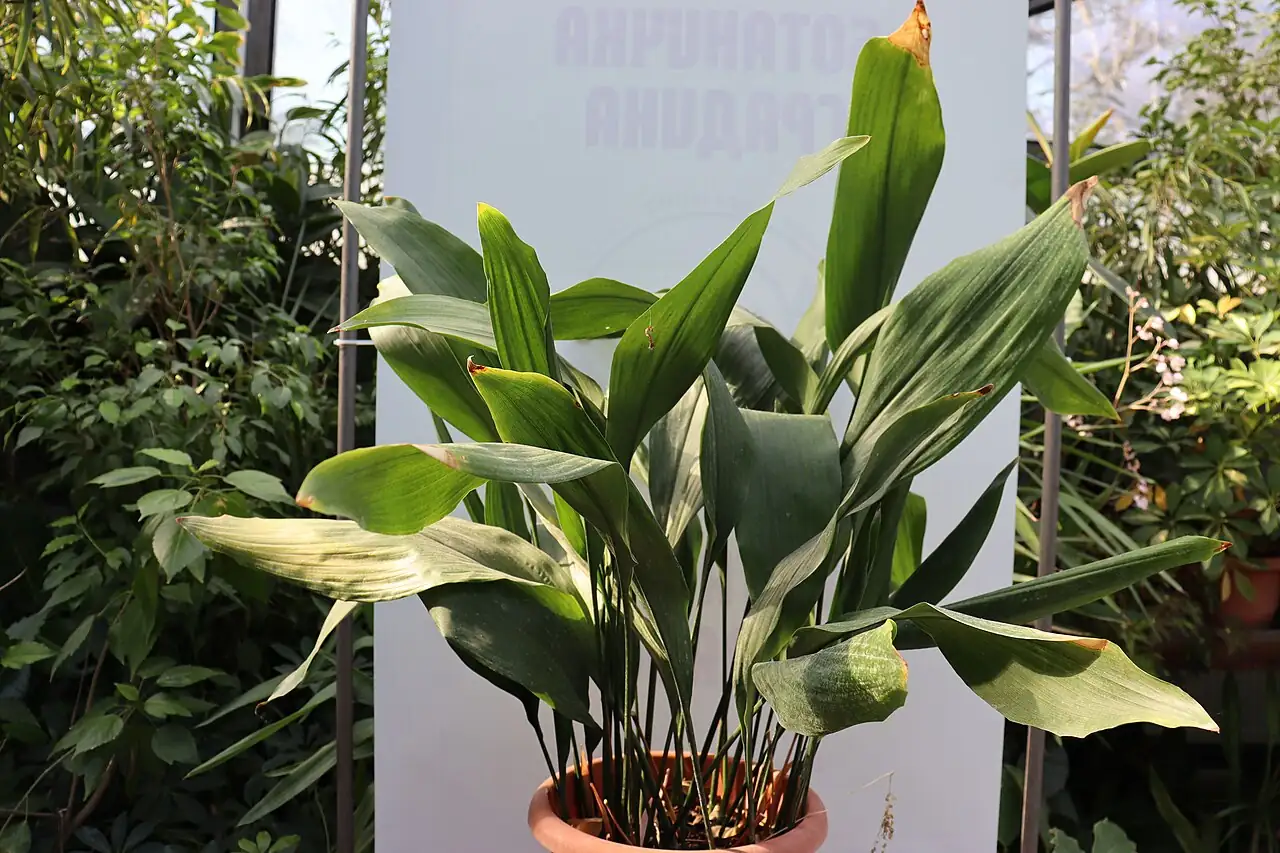
- Size: Typically 30–60 cm (12–24 in) tall with a spread of about 30–60 cm (12–24 in) over time.
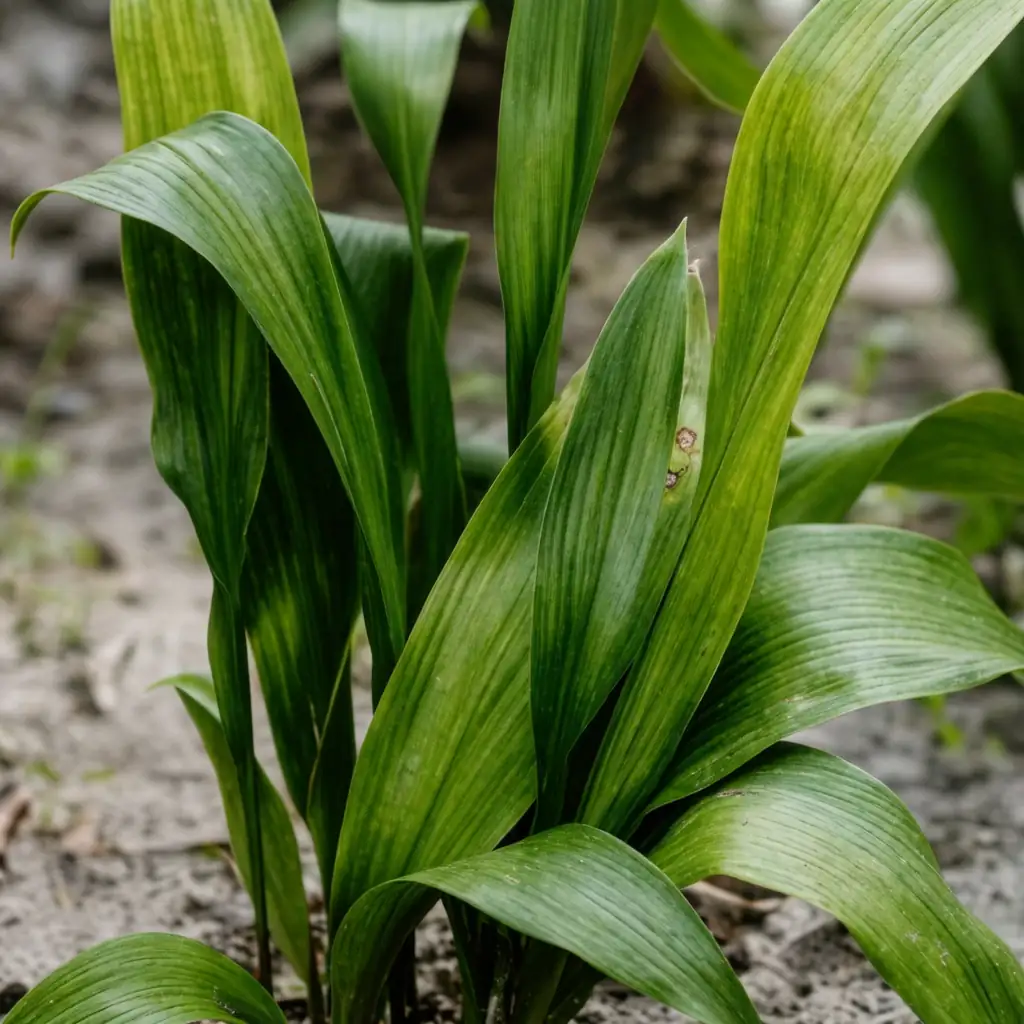
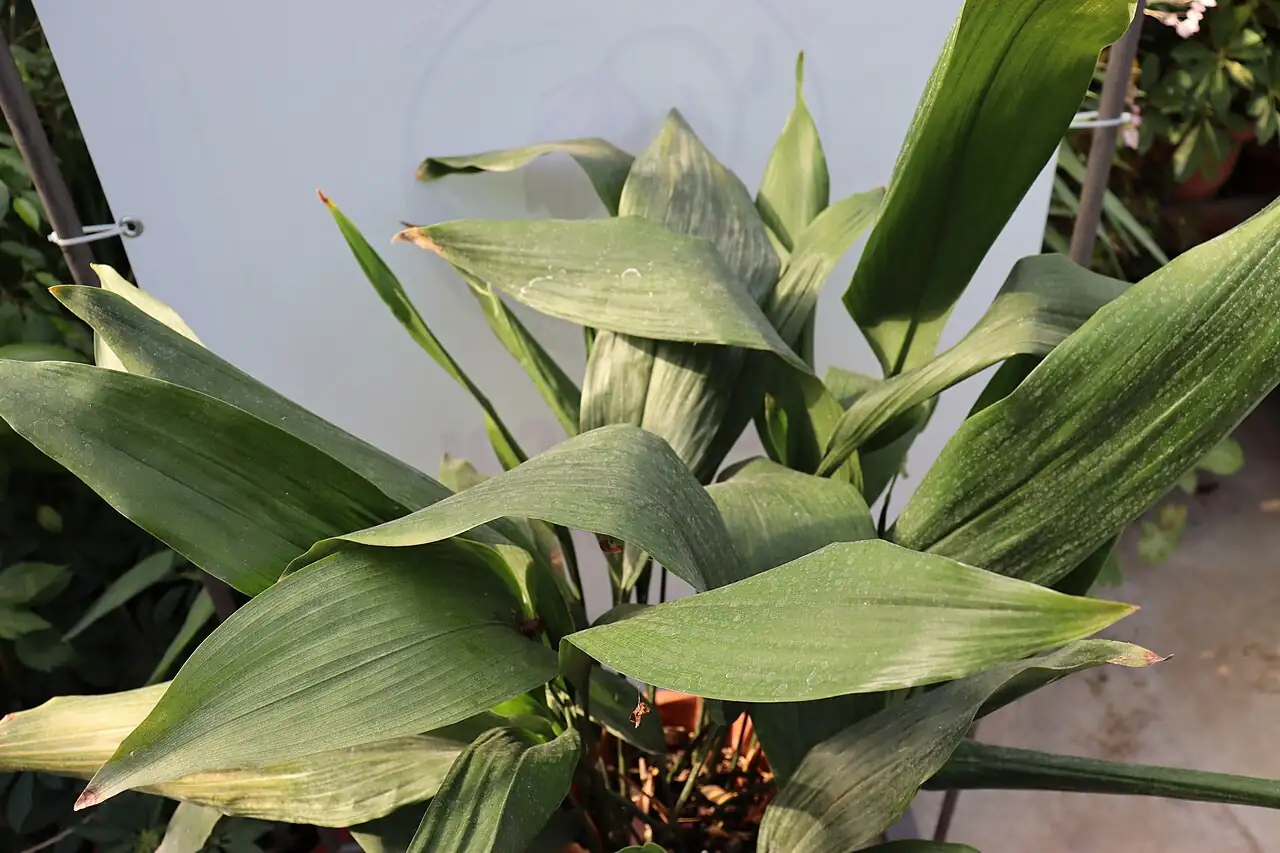
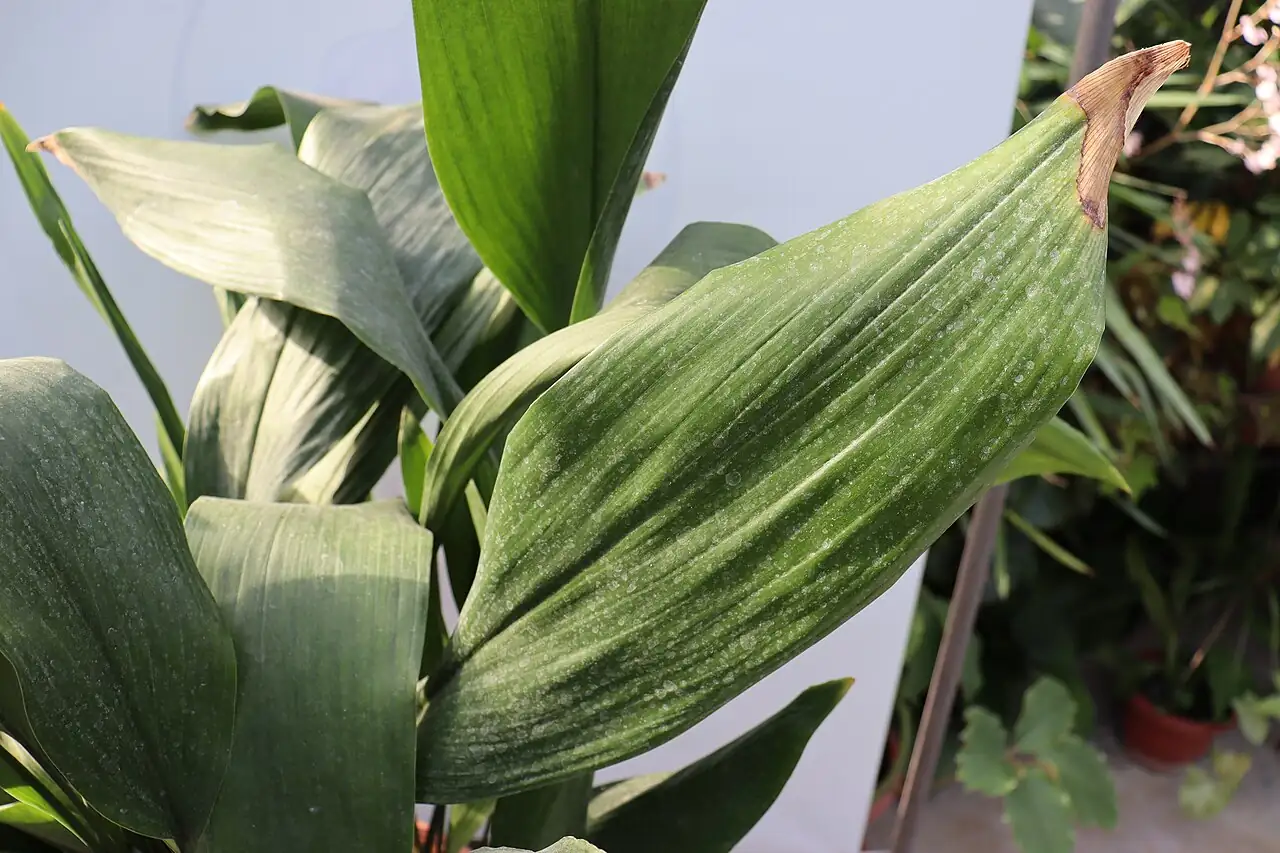
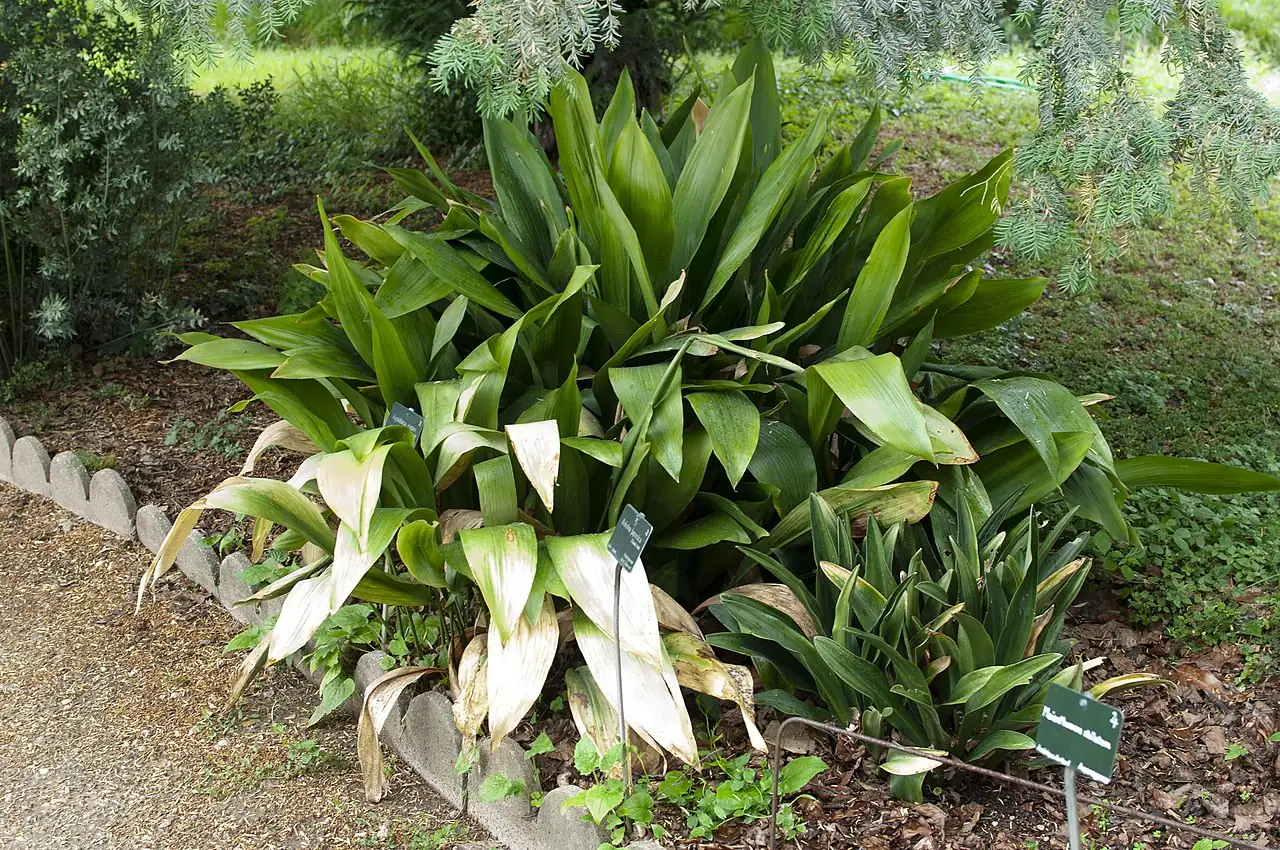
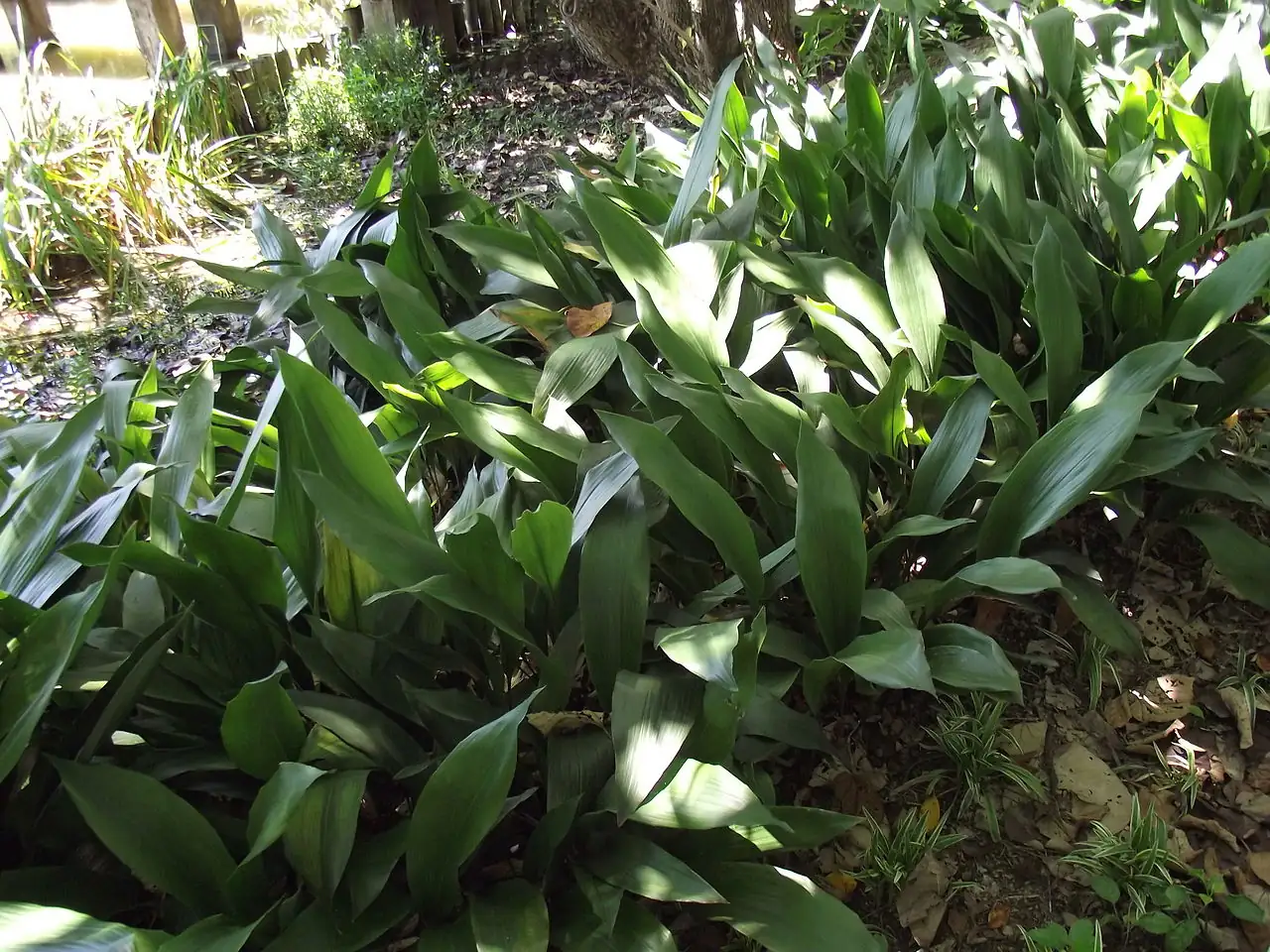
- Foliage: Leaves arise from the base, spaced along a creeping rhizome. Each leaf has a long, stiff, upright petiole and a leathery lance- to oblong blade with a pointed tip; margins can be slightly wavy. Color is usually deep, glossy green.
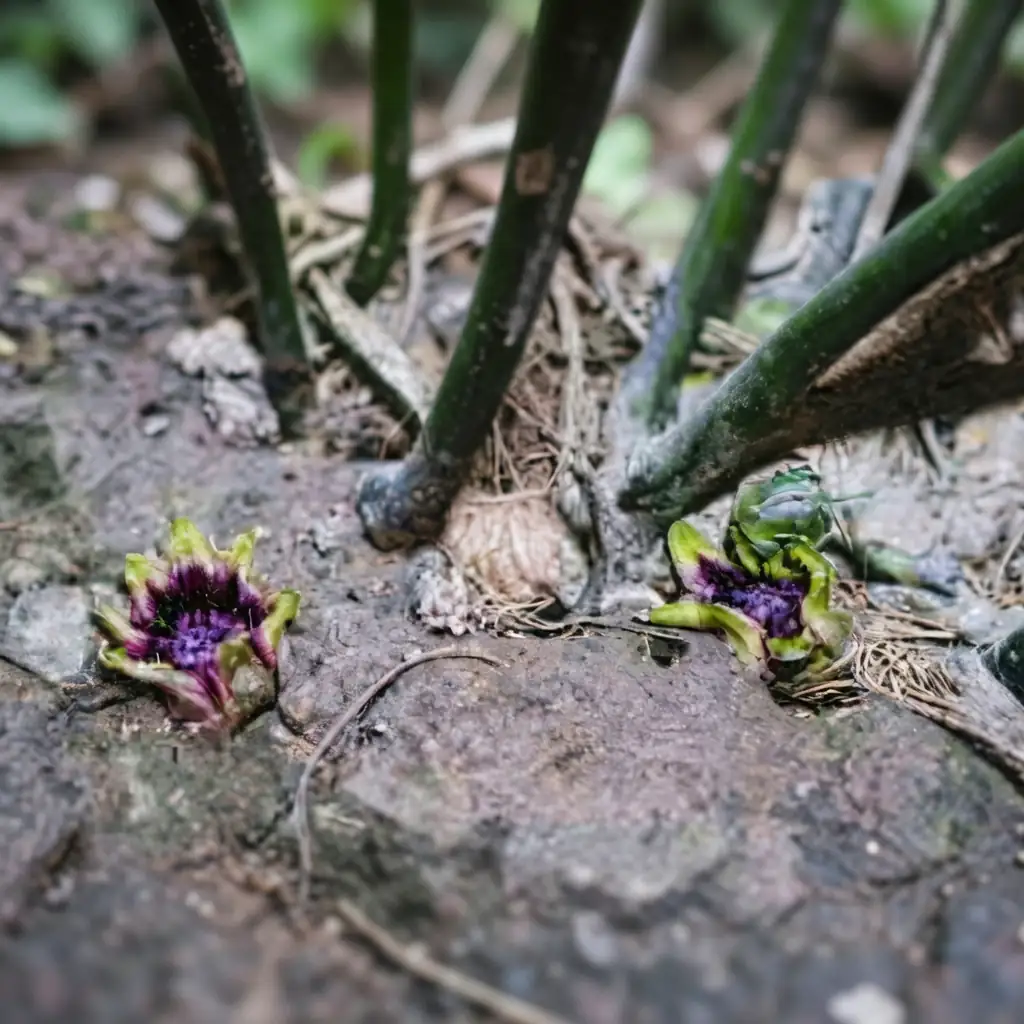
- Flower: Solitary flowers are borne on extremely short stalks and open at ground level. The bell-shaped perianth is purplish to purple-red with triangular lobes; inside, thickened ridges give the flower a sculptural, textured look.
- Flowering Season: March–April
- Growth Habit: Evergreen, clump-forming perennial herb that spreads slowly via creeping underground rhizomes.
Environment
Sunlight
Deep shade to bright indirect light; very shade-tolerant and best protected from harsh direct sun.
Temperature
Prefers 15–25°C (59–77°F); tolerates cool conditions and brief cold down to about -10°C (14°F) once established (varies by clone and exposure).
Humidity
Average indoor humidity is fine; prefers moderately humid air but adapts well to typical home conditions.
Soil
Adaptable and tolerant of less-than-perfect soils, but grows best in a loose, well-drained mix that still holds a little moisture (for example, a peat/coco-based potting mix with added bark or perlite).
Placement
Indoors: low-light rooms, hallways, offices. Outdoors: shaded beds, woodland gardens, under trees, or massed as groundcover; also valued as long-lasting cut foliage.
Hardiness
USDA Zone 7–10; frost-tolerant but appreciates shelter from winter wet and cold winds.
Care Guide
Difficulty
Easy and highly adaptable—one of the most forgiving foliage houseplants. Happy in shade, tolerant of cooler temperatures, and not fussy about fertility as long as drainage is decent.
Buying Guide
Choose plants with firm, upright leaves in an even deep green. Avoid pots with sour-smelling, soggy compost (possible root/rhizome rot) and leaves showing heavy speckling, webbing, or sticky residue (possible pests).
Watering
Water thoroughly, then let the top 2–5 cm (1–2 in) of the mix dry before watering again. Reduce watering in winter. Don’t leave the pot sitting in water—overly wet soil is the quickest way to cause rhizome rot.
Fertilization
Feed lightly in spring and summer with a balanced houseplant fertilizer at 1/2 strength every 4–6 weeks. Little to no feeding is needed in autumn and winter.
Pruning
Remove damaged or yellowing leaves by cutting the petiole cleanly at the base. Wipe leaves occasionally to remove dust and help the plant photosynthesize efficiently.
Propagation
Best propagated by division. In spring, split the rhizome clump so each piece has healthy rhizome sections and several leaves, then pot up and keep evenly moist until re-established.
Repotting
Repot every 2–3 years (or when crowded) in spring. Move up one pot size, about 2–5 cm (1–2 in) wider. Ensure good drainage and avoid burying the crown too deeply.
📅 Seasonal Care Calendar
Spring: divide/repot; resume feeding. Summer: water steadily; protect from hot direct sun. Autumn: reduce fertilizer; allow slightly drier intervals. Winter: keep on the dry side and avoid cold, wet conditions.
Pests, Diseases & Safety
Common Pests & Diseases
Generally trouble-free. Watch for spider mites (especially in dry indoor air), scale insects, and mealybugs; manage by wiping and using insecticidal soap or horticultural oil. Overwatering can lead to root/rhizome rot—improve drainage and reduce watering.
Toxicity
Commonly regarded as non-toxic to cats and dogs and generally safe around people, though it’s still best to discourage chewing or ingestion.
Culture & Symbolism
Symbolism: Often linked with resilience and quiet endurance—an evergreen that keeps going even in low light and a bit of neglect.
History & Legends: A favorite from the Victorian era into the early 20th century because it tolerated dim, smoky interiors so well, earning the nickname “cast iron plant.” Its odd little ground-level flowers have also made it a fun conversation piece for plant collectors.
Uses: Grown as a durable indoor foliage plant, a shaded garden groundcover, and a source of long-lasting cut greens for floral work.
FAQ
When does it flower?
Usually March–April, producing small purple flowers that open right at soil level.
When does it fruit?
Fruit is uncommon in cultivation; when it happens, it typically follows the spring flowering period.
Where is it found and grown?
It’s native to Japan and Taiwan and is widely cultivated across southern China and grown worldwide as a houseplant.
What growing conditions does it prefer?
Deep shade to bright indirect light, moderate warmth, and a well-drained mix; it tolerates low light, cooler conditions, and less fertile soils.
What is it used for ornamentally?
As a reliable low-light houseplant, a shaded groundcover outdoors, and for sturdy cut foliage in arrangements.
Fun Facts
- It spreads slowly via creeping underground rhizomes, which is why old clumps can be divided into multiple plants.
- The flowers sit at soil level on extremely short stalks—many owners never notice them unless they go looking.
- The inside of the purple flower has thickened ridges that look almost carved or sculpted.
- Its leaves are famously leathery and long-lasting, which helps explain its reputation for toughness.
- It became popular in dim interiors long before modern grow lights—hence the “cast iron” reputation.