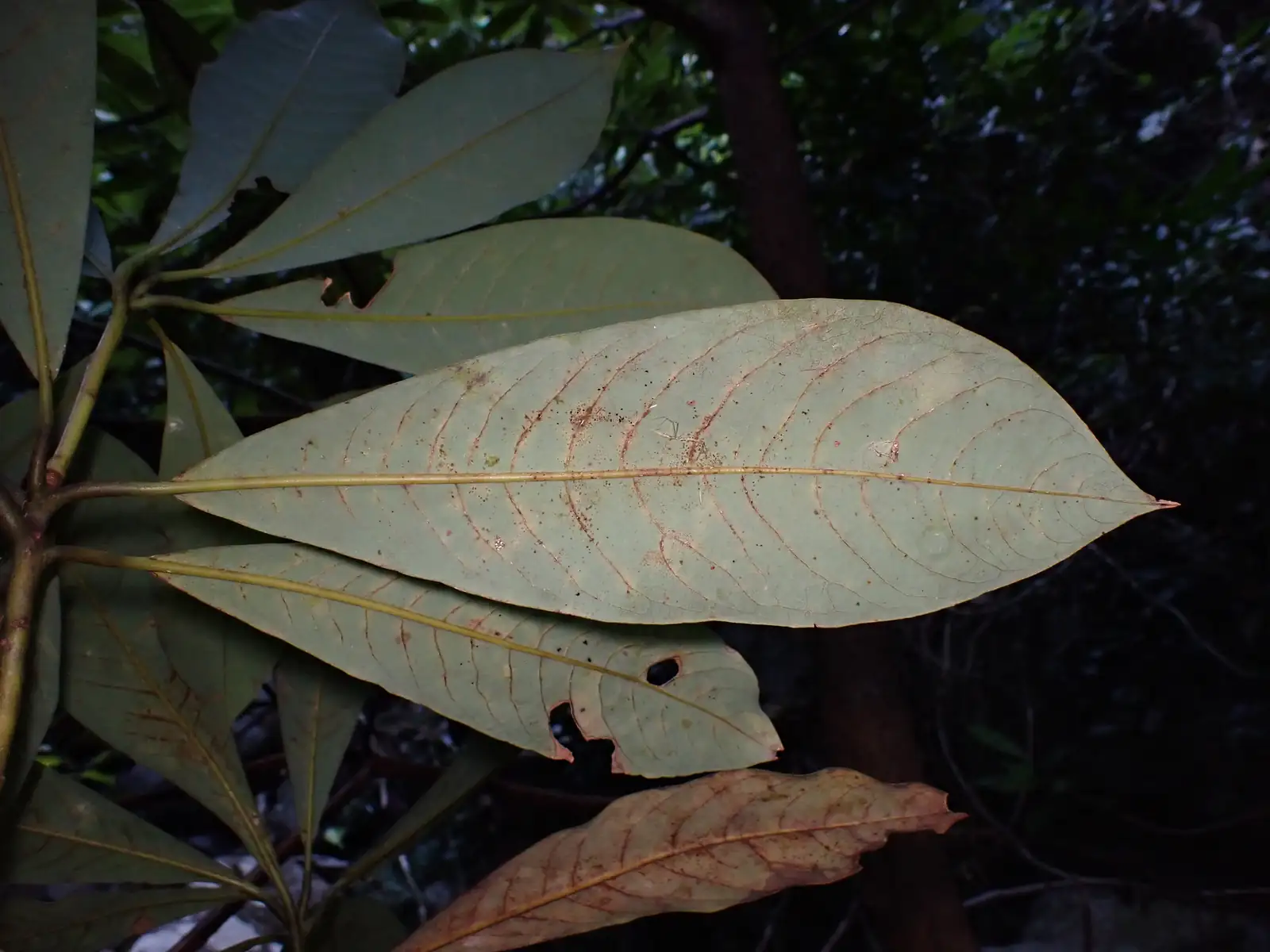
Plant Features
- Size: Up to about 28 m (92 ft) tall; a large, canopy-forming evergreen tree.
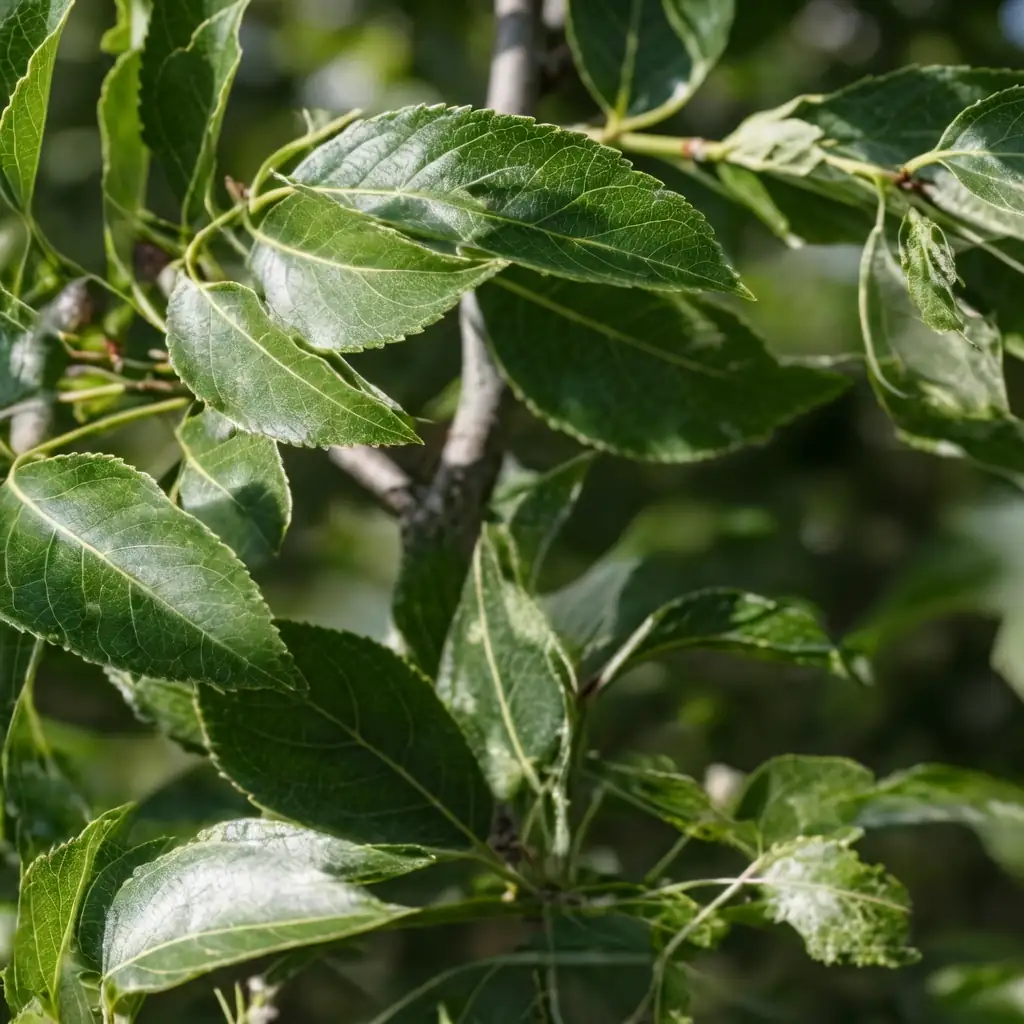
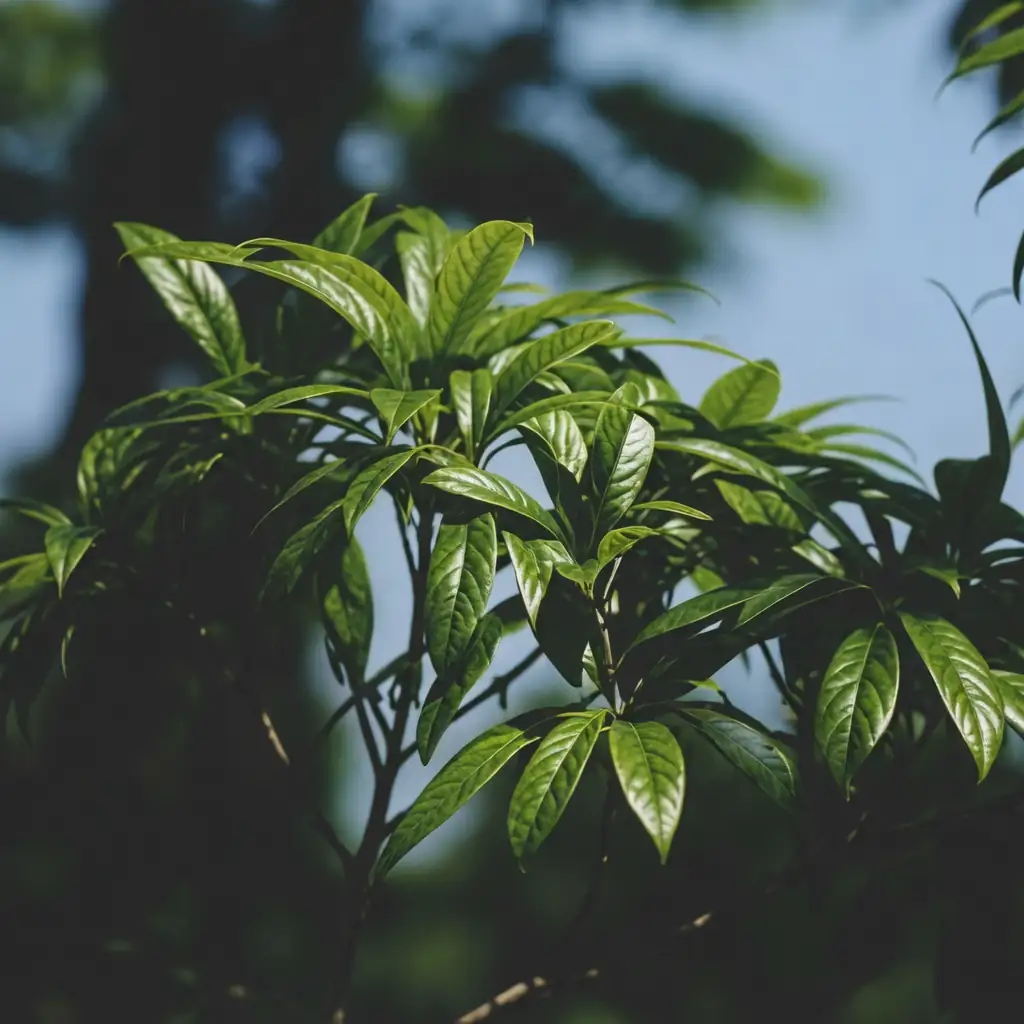
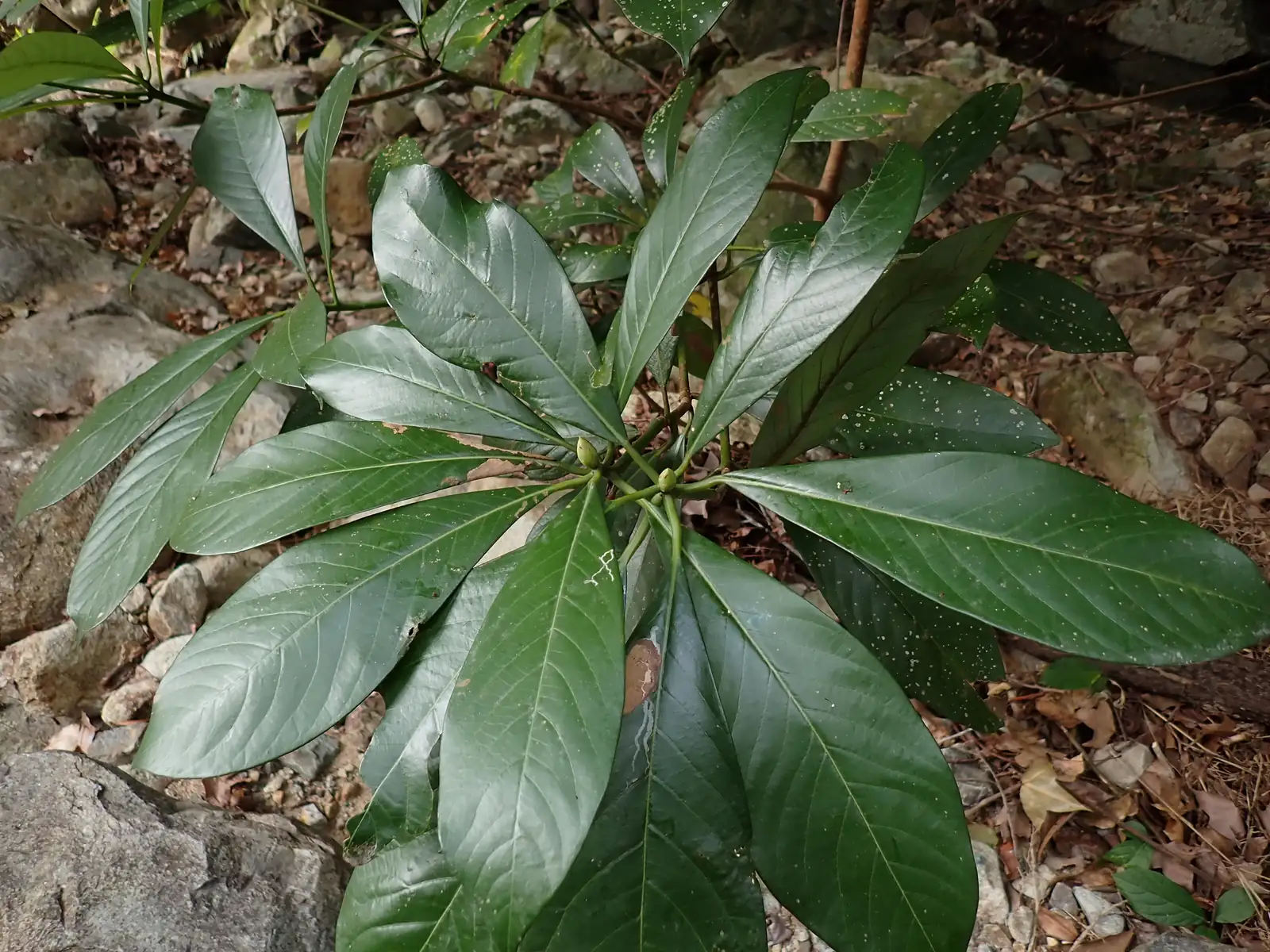
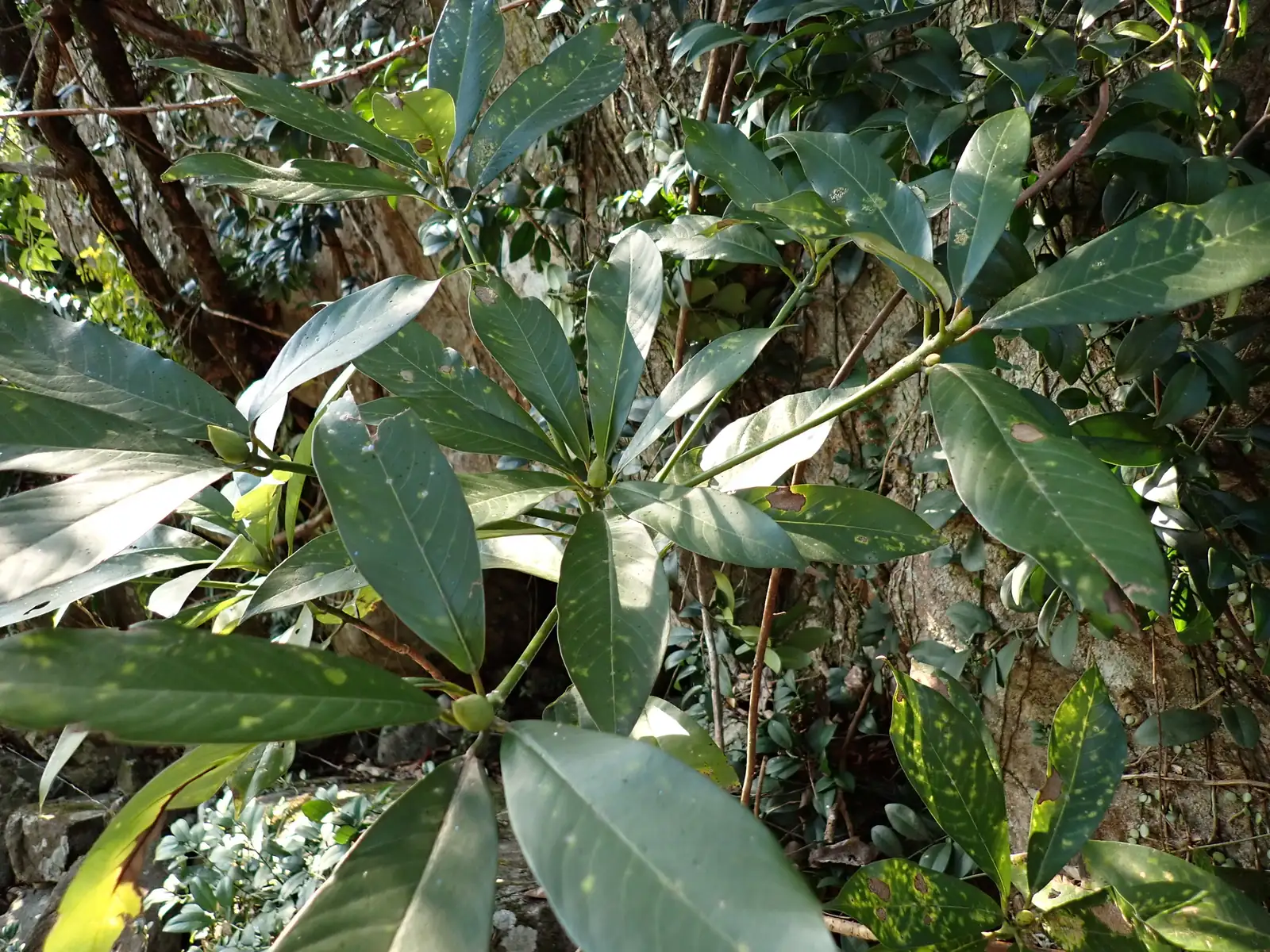
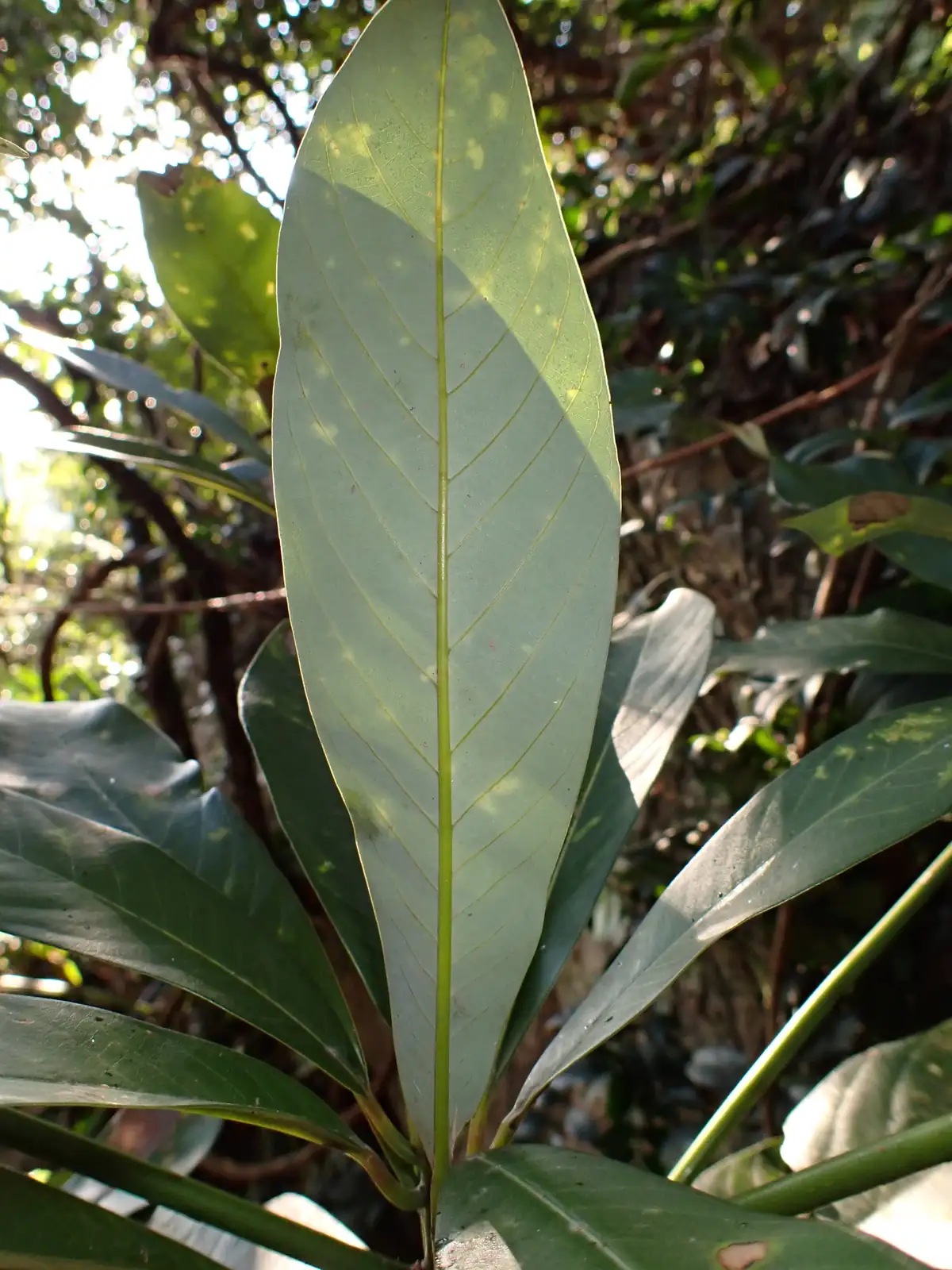
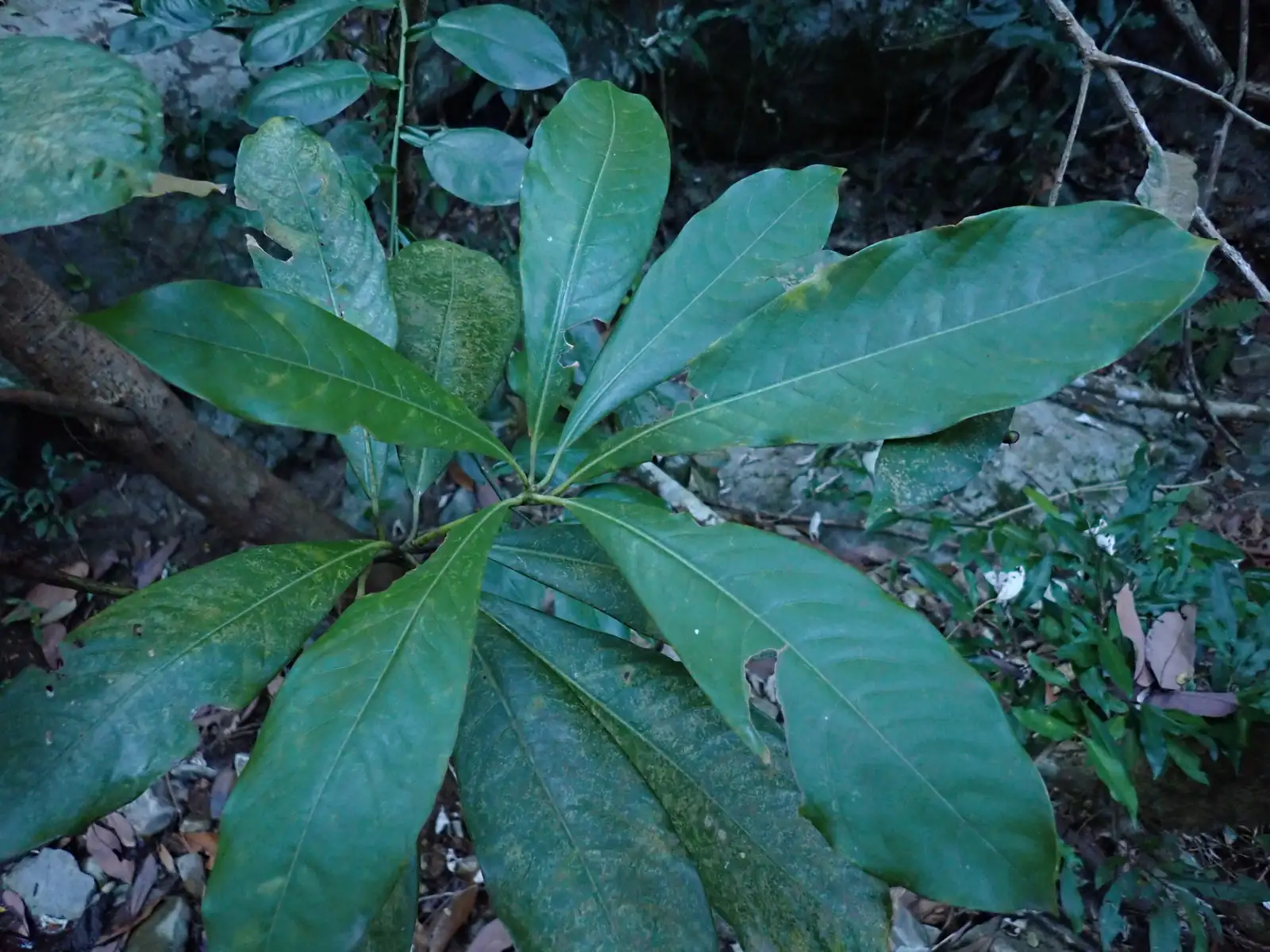
- Foliage: Leaves are alternate (sometimes appearing whorled on current-season shoots), obovate to oblong with a short tapering tip and a wedge-shaped base, and have a firm papery texture. New leaves may flush pink to reddish-brown. When young, the lower leaf surface is densely coated with appressed silky silver hairs, creating a noticeable silvery sheen.
- Flower: Flowers are small and carried in panicles. The fruit is a globose drupe; the stone (seed) is about 5–10 mm (0.2–0.4 in) long.
- Flowering Season: May–July
- Growth Habit: Large evergreen tree with gray-brown bark and stout, dark brown, hairless branchlets. Deep-rooted with a moderate growth rate and notably shade-tolerant—well-suited to forest-edge and woodland-style plantings.
Environment
Sunlight
Shade-tolerant; happiest in partial shade to dappled light, especially when young. In bright climates it can appreciate protection from harsh, all-day sun while establishing.
Temperature
Prefers warm, humid conditions. Young trees are more frost-sensitive; established trees handle cool spells better. A practical growing-season target is about 10–30°C (50–86°F); protect young plants from hard freezes and drying winter winds.
Humidity
Prefers moderate to high humidity and performs best where air and soil stay gently moist rather than dry.
Soil
Fertile, well-drained sandy loam is ideal; slightly acidic to neutral soils around pH 6.0–7.0. Avoid chronically soggy sites to prevent root stress.
Placement
A strong choice as a specimen or shade tree for gardens and parks, and also widely used in ecological restoration, windbreaks, erosion-control forestry, and biologically based protective/firebreak shelterbelt plantings.
Hardiness
USDA hardiness is not consistently cited for this species; in practice it suits mild-winter regions and becomes more cold-tolerant once established, but young trees should be treated as frost-tender.
Care Guide
Difficulty
Moderate. Once settled it’s fairly straightforward, but it does best with warm humidity, evenly moist soil, and extra winter care while young.
Buying Guide
Pick plants with firm, healthy green foliage and vigorous new growth (a pink/red flush can be perfectly normal). Avoid stock with blackened shoot tips, mushy or circling roots, or obvious drought stress. If you garden in a cooler area, choosing a larger, well-established plant often improves winter survival.
Watering
Water deeply after planting and keep soil evenly moist during establishment. Once established, water during dry spells, but avoid waterlogging. In well-drained soils, let the top 3–5 cm (1–2 in) dry slightly between waterings.
Fertilization
In spring, top-dress with compost or use a balanced slow-release fertilizer. On lean soils, a second light feed in early summer can help. Avoid late-season high-nitrogen fertilizing, which may trigger tender growth just before cold weather.
Pruning
Prune lightly in late winter to early spring: remove dead, weak, or crossing branches and shape young trees gradually (especially if you want a raised canopy). Avoid heavy pruning on mature trees.
Propagation
Usually grown from seed; fresh seed tends to germinate best. Remove fruit pulp, sow in a moist, well-drained medium, and keep warm and humid. Seedlings appreciate light shade and protection through their first winters.
Repotting
Primarily a landscape tree rather than a long-term container plant. If grown in a large pot when young, up-pot in spring to prevent root binding, using a free-draining, loam-based mix.
📅 Seasonal Care Calendar
Spring: plant, mulch, and fertilize; keep moisture steady. Summer: water during heat/drought; watch for pests. Autumn: reduce feeding; maintain mulch and moderate moisture. Winter: protect young trees from frost and drying winds; avoid pruning during severe cold.
Pests, Diseases & Safety
Common Pests & Diseases
May be bothered by scale insects and aphids; sticky honeydew can lead to sooty mold. Root problems are more likely in poorly drained soil. Improve airflow, avoid overwatering, and treat early infestations with horticultural oil or insecticidal soap when appropriate.
Toxicity
No widely documented, species-specific toxicity warnings are commonly cited. Still, it’s sensible to prevent pets and children from chewing plant parts, and to avoid ingestion.
Culture & Symbolism
Symbolism: Often linked with evergreen resilience and “protective shelter,” reflecting its year-round canopy and frequent use in windbreak and ecological protection plantings.
Uses: Grown as an ornamental evergreen shade tree—especially appreciated for its pink-to-reddish new flush and the silvery, silky undersides of young leaves. It’s also widely planted in greening projects, erosion control on slopes, mixed-forest restoration, and shelterbelt systems designed for protection (including biologically based protective/firebreak belts).
FAQ
Why are the new leaves pink or reddish-brown?
That coloration is normal for fresh growth. As the leaves mature they turn green, while young leaf undersides may still show the distinctive silky, silvery hairs.
Can it grow in shade?
Yes. It’s notably shade-tolerant and often performs very well in partial shade to dappled light, especially in woodland-style gardens.
Is it cold-hardy?
It tolerates cool weather better once established, but young trees are more vulnerable to frost. Plant in a sheltered spot and provide winter protection in colder climates.
Fun Facts
- A large evergreen tree that can reach about 28 m (92 ft) tall.
- New growth may flush pink to reddish-brown before maturing to green.
- The undersides of young leaves can look silvery due to silky hairs.
- Flowers typically appear from May to July.
- Deep roots and a dense canopy make it useful for windbreaks and stabilizing slopes.