

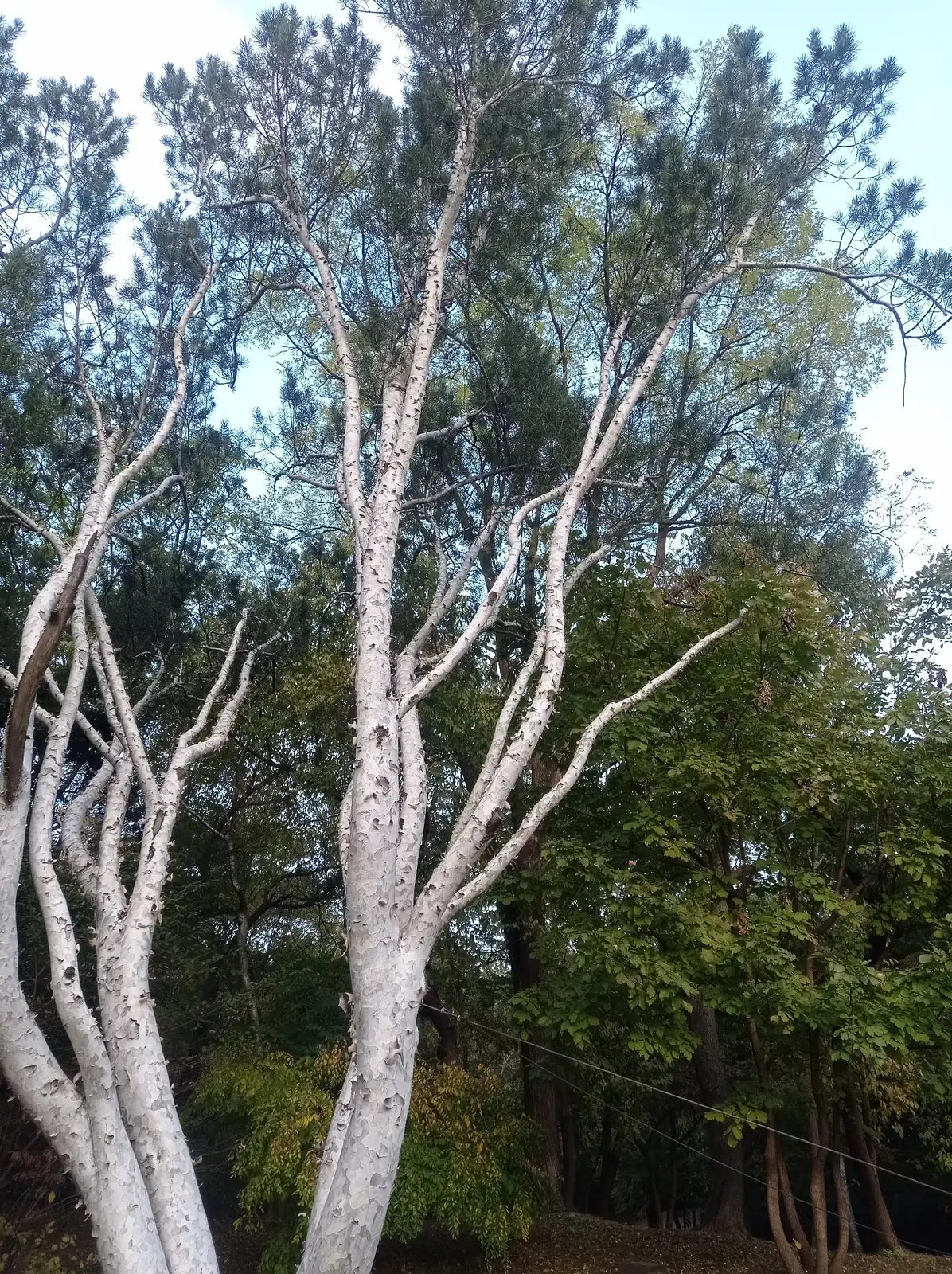
Plant Features
- Size: Commonly 3.5–4 m (11.5–13.1 ft) when young or in cultivation; can reach about 30 m (98 ft) at maturity in favorable conditions.
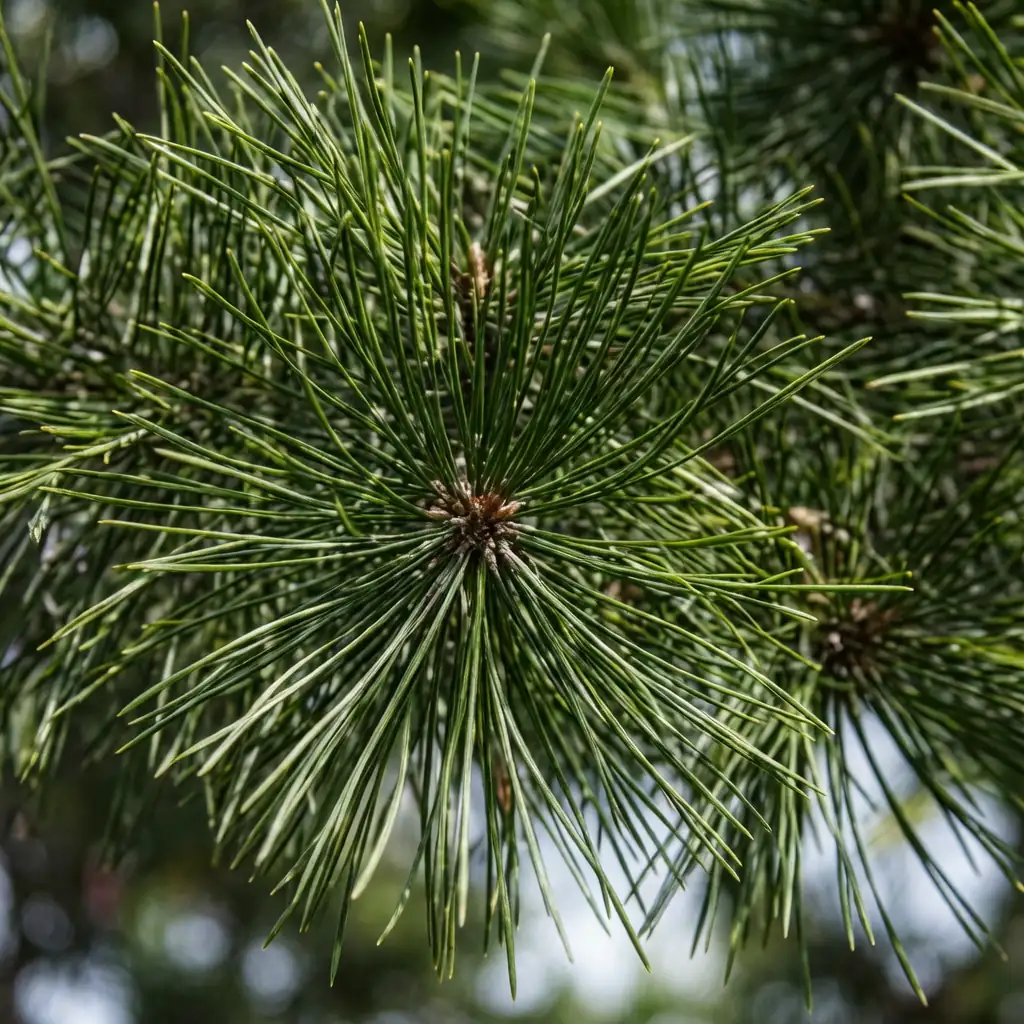
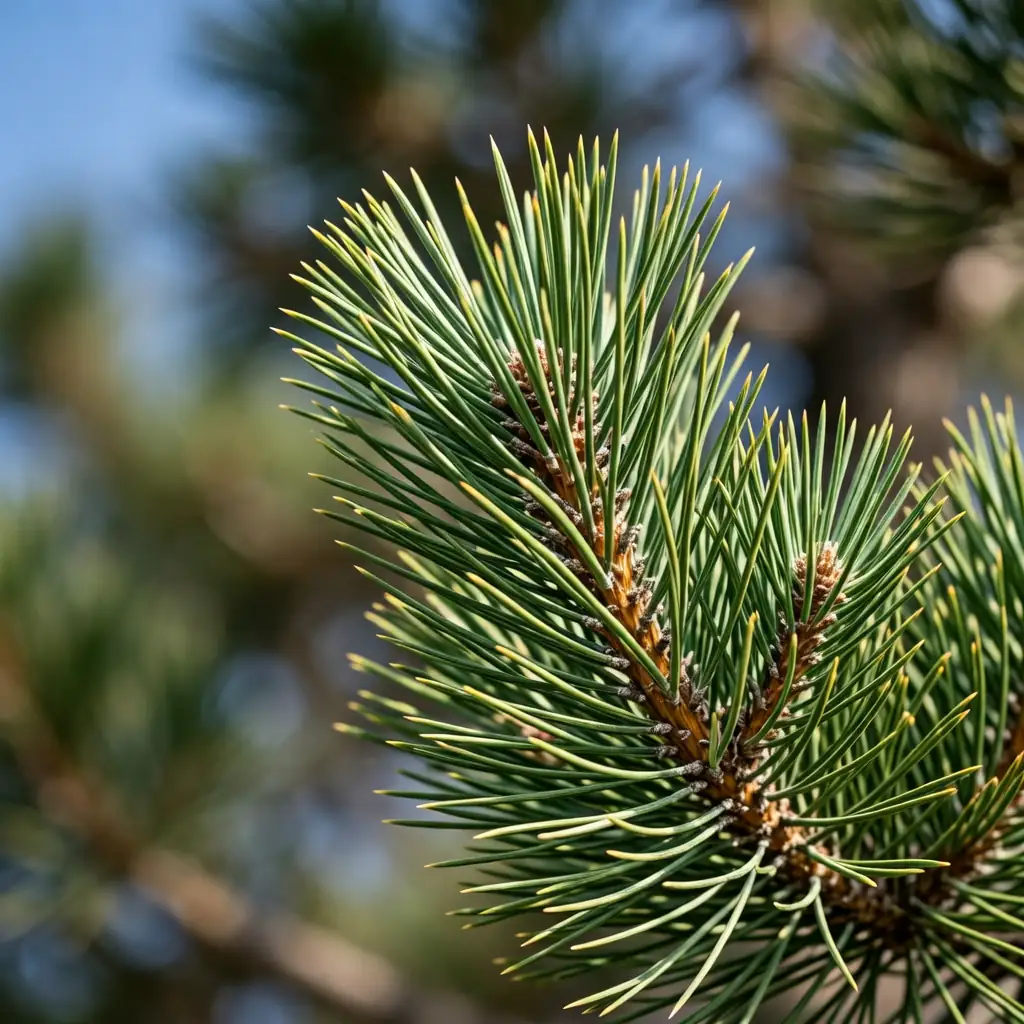
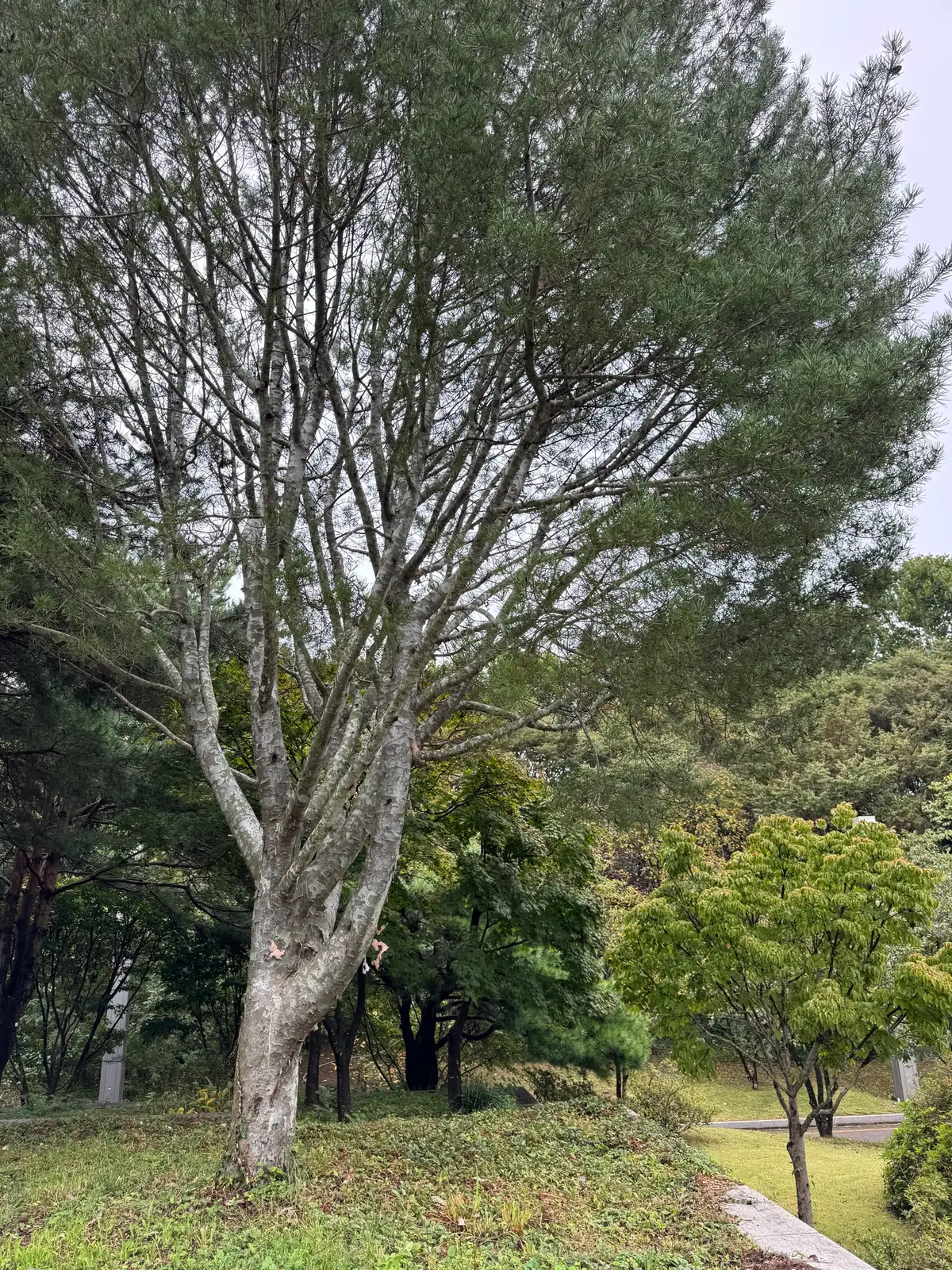
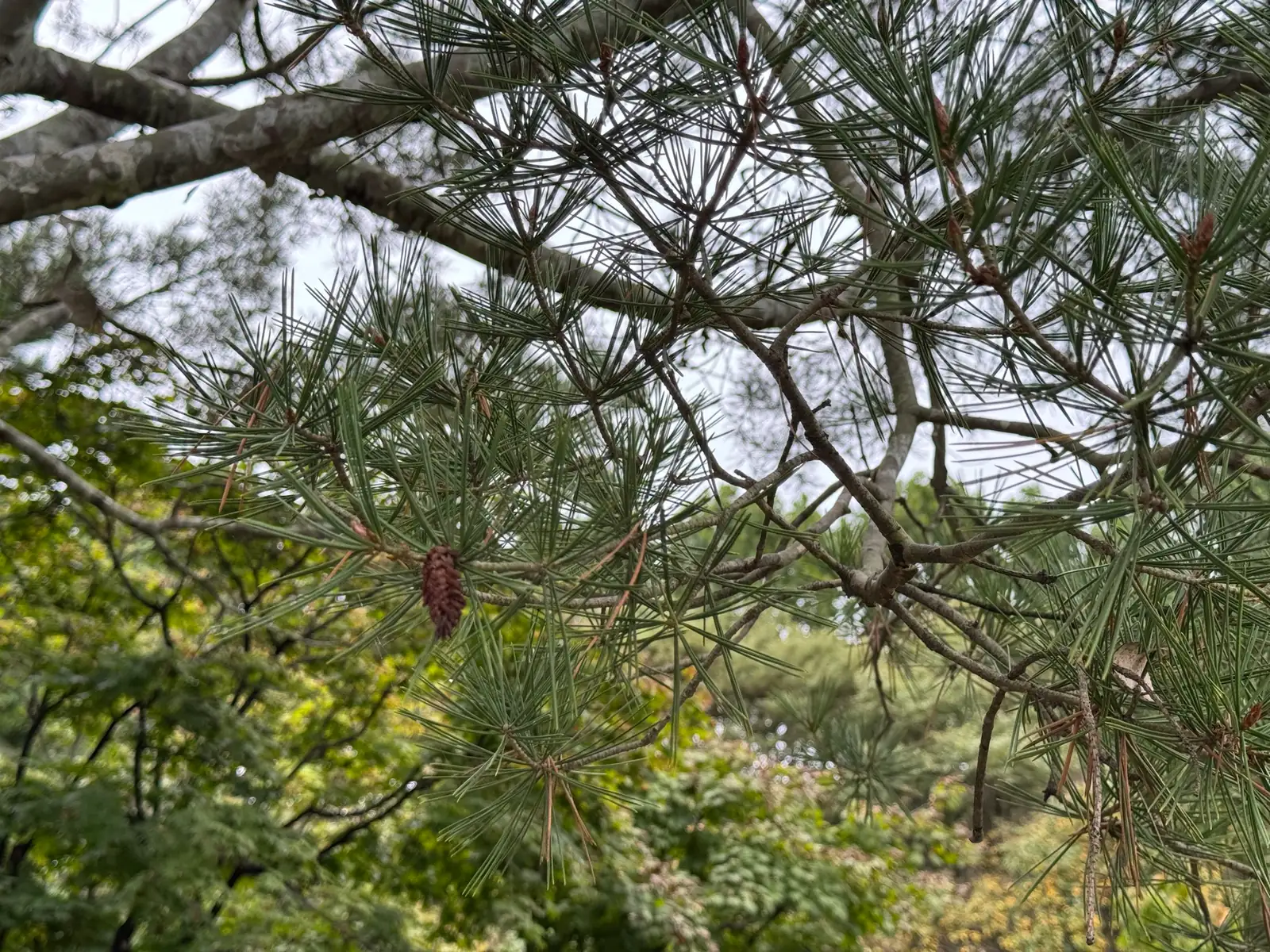
- Foliage: Evergreen needles held in bundles of three; the needle sheath drops off early. The crown is typically broad and rounded-conical, with stout branches that are spaced apart and tend to sweep outward.
- Flower: Produces pine cones (often described as conical-ovoid). Cones mature to a pale yellow-brown/tan color.
- Flowering Season: April–May (spring)
- Growth Habit: Evergreen tree with a broad, rounded-conical habit. Branches are stout, somewhat sparse in arrangement, and angle outward. Deep-rooted, relatively wind-firm, and generally moderate in growth rate.
Environment
Sunlight
Full sun is ideal for best form and bark display; young trees tolerate light shade.
Temperature
Cold-hardy and well-suited to cool to cold climates (exact limits can vary by seed source/provenance).
Humidity
Comfortable in average to dry air; once established it handles drought well and does not require high humidity.
Soil
Adaptable to many soil types, but happiest in deep, well-drained soil. Avoid waterlogged, poorly drained sites.
Placement
Excellent as a focal specimen in courtyards and front gardens, near terraces/pavilions, and paired with rocks in traditional-style plantings. Also widely used in parks, streetside greenbelts, and memorial or ceremonial landscapes.
Hardiness
Cold-hardy; also relatively tolerant of urban air pollution (including sulfur dioxide and soot/smoke). Avoids problems best when not stressed by poor drainage or severe, prolonged drought when young.
Care Guide
Difficulty
Easy overall in regions with sufficiently cold winters. Give it sun, good drainage, and time—its best features (especially the exfoliating trunk) become more dramatic with age. It’s drought- and cold-tolerant, deep-rooted, fairly wind-resistant, and typically grows at a moderate pace.
Buying Guide
Look for a plant with a straight central leader, evenly spaced branches, and firm, healthy needles. Avoid stock with soft, blackened roots or signs of chronic wet feet. If you want quicker visual impact, choose a tree already starting to show exfoliating, mottled bark and a well-balanced crown.
Watering
Water deeply during the first 1–2 growing seasons to help it establish a strong, deep root system. After that, it usually needs only occasional deep watering during extended dry spells. Avoid frequent shallow watering and never let it sit in waterlogged soil.
Fertilization
Often unnecessary. If growth seems weak, use a balanced, slow-release fertilizer in spring at label rates. Avoid heavy nitrogen, which can cause overly soft, weak growth.
Pruning
Prune lightly in late winter to early spring, removing dead, damaged, or crossing branches. Avoid heavy pruning; keep a single leader when possible to maintain a strong, classic pine form.
Propagation
Most commonly grown from seed. Cones mature around September–October of the following year; collect ripe cones and extract seed for sowing. Selected/named forms may be propagated by grafting in specialty nurseries.
Repotting
Not ideal as a long-term container tree. If grown in a pot while young, shift up in early spring into a deep container with a free-draining mix and minimal root disturbance. Plant out before it becomes root-bound.
📅 Seasonal Care Calendar
April–May: flowering/pollen season. September–October (the following year after pollination): cones mature and can be collected for seed.
Pests, Diseases & Safety
Common Pests & Diseases
Generally resilient. If stressed (especially by poor drainage, overcrowding, or drought), it may be more prone to common pine troubles like needle-cast diseases, cankers, bark beetles, and scale insects. Prevention is best: plant in well-drained soil, maintain good airflow, avoid waterlogging, and remove heavily affected material promptly.
Toxicity
Not widely regarded as highly toxic, but needles and resin can cause mild stomach upset if chewed by pets or livestock. Sticky sap may irritate sensitive skin.
Culture & Symbolism
Symbolism: Like many pines, it’s linked with longevity, steadfastness, and quiet dignity—one reason it’s so popular in temples, historic gardens, and memorial settings.
History & Legends: A prized Chinese endemic that has been planted for centuries in imperial gardens, temples, and famous parks. Its peeling, pale, mottled trunk has even been compared to a light-colored dragon, especially striking against the dense green crown.
Uses: Primarily an ornamental landscape tree—used as a specimen in courtyards and gardens, in parks and streetscapes, and in formal or commemorative plantings. It also pairs beautifully with rocks in traditional Chinese-inspired designs.
Fun Facts
- Endemic to China and long favored in traditional gardens and temple grounds.
- Some old specimens are reputed to live for over 1,000 years.
- Known for unusual tolerance to certain urban pollutants such as sulfur dioxide and soot/smoke.
- Its bark exfoliates into creamy white to gray-green plates, creating the signature “lacebark” mosaic.
- A deep root system helps it stand up to wind and cope with dry spells once established.


