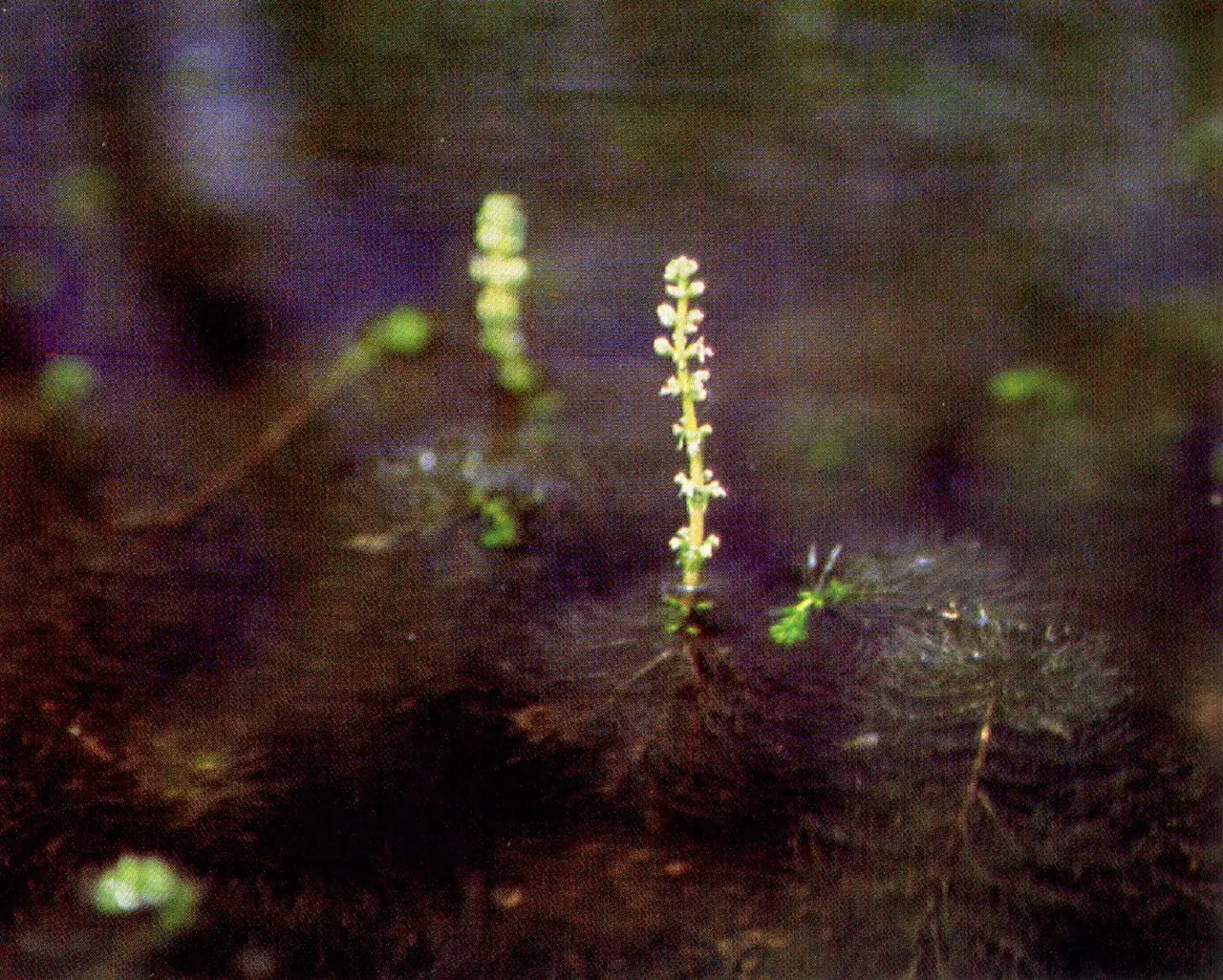
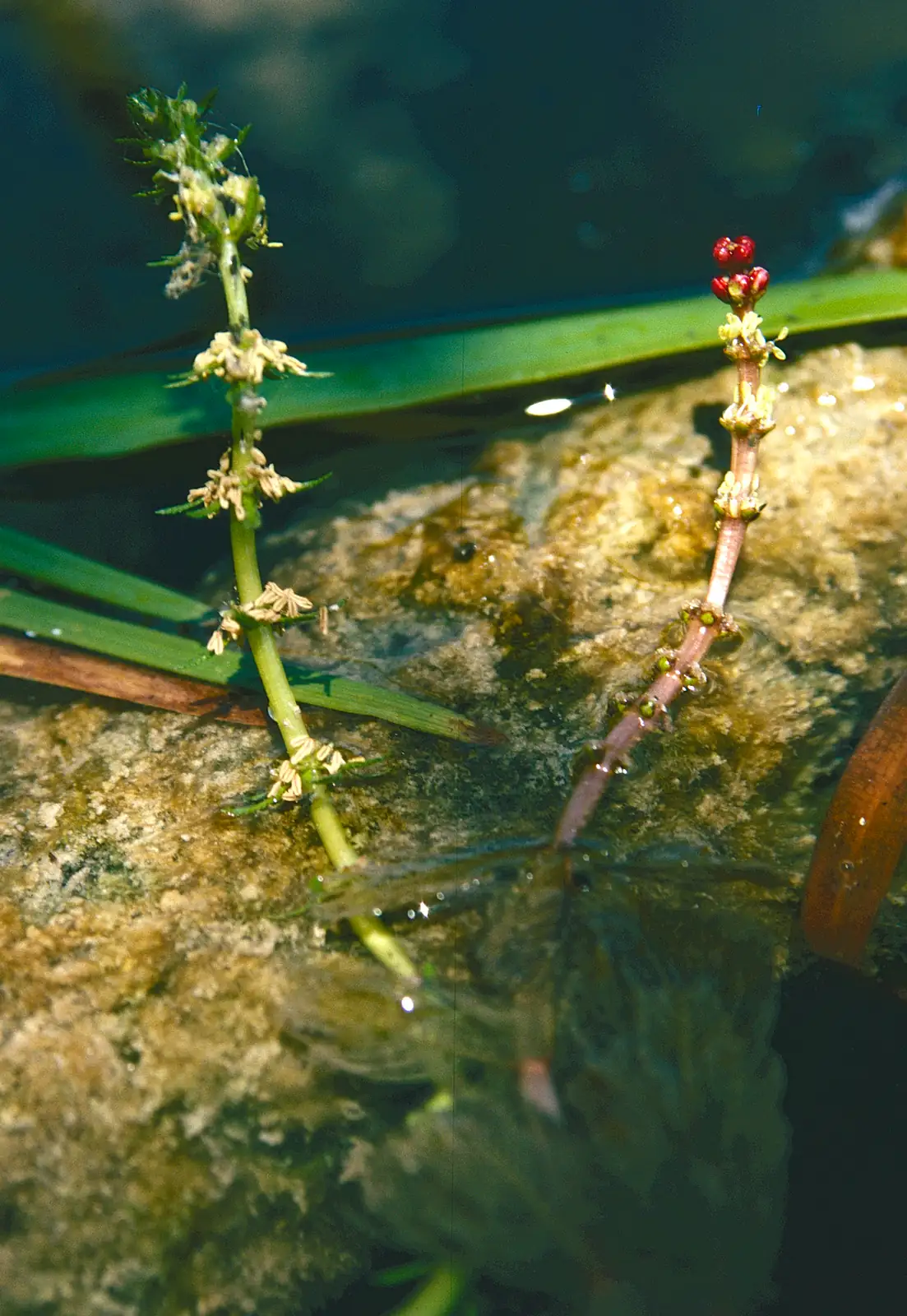
Plant Features
- Size: Variable; in suitable water it can form long submerged stems reaching about 50–200 cm (20–79 in) or more, depending on water depth and growing conditions.
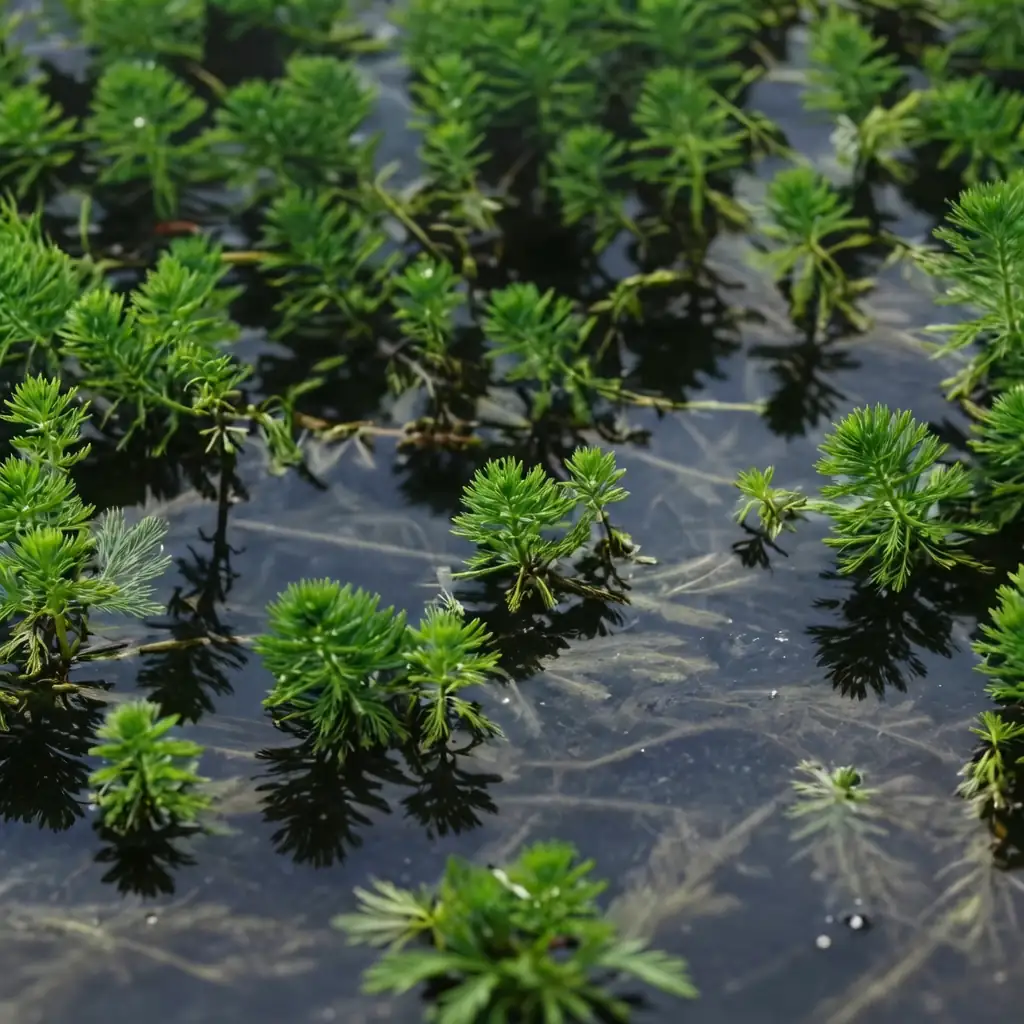
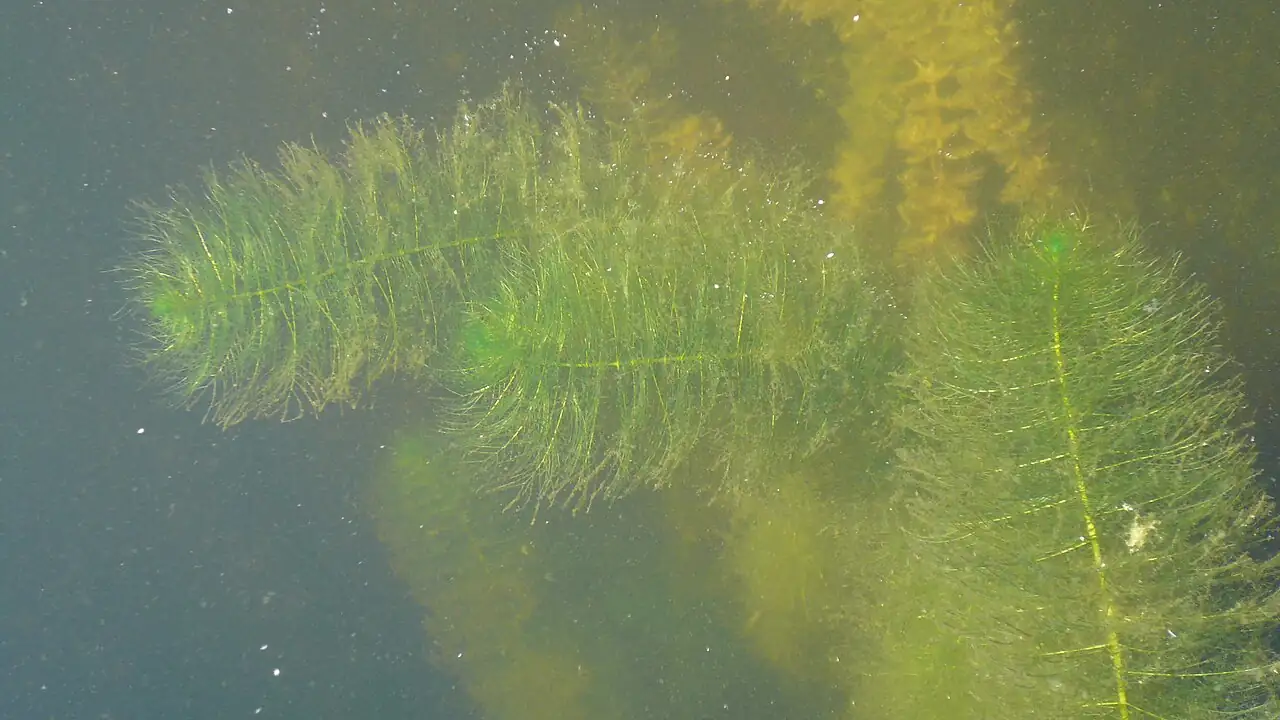
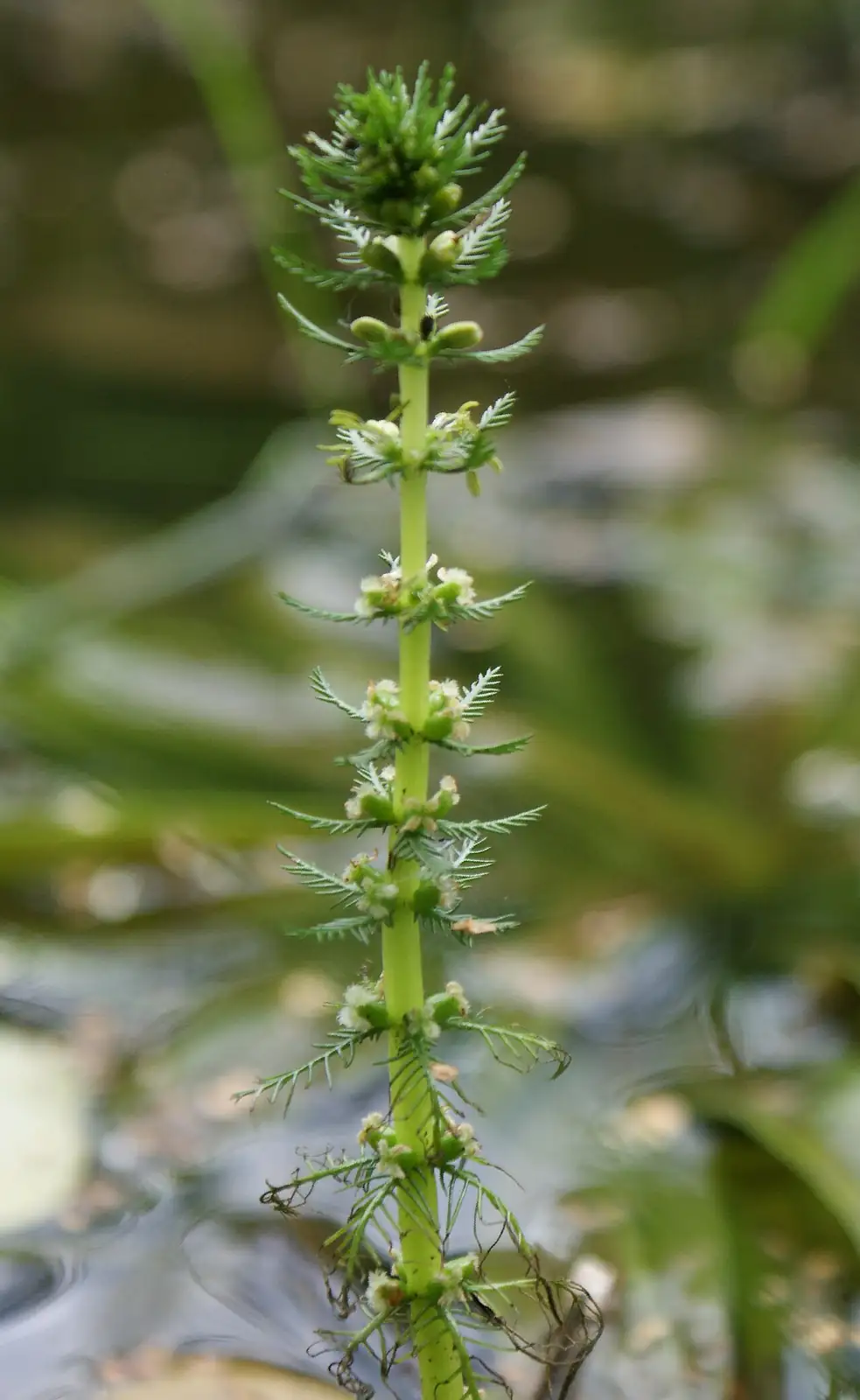
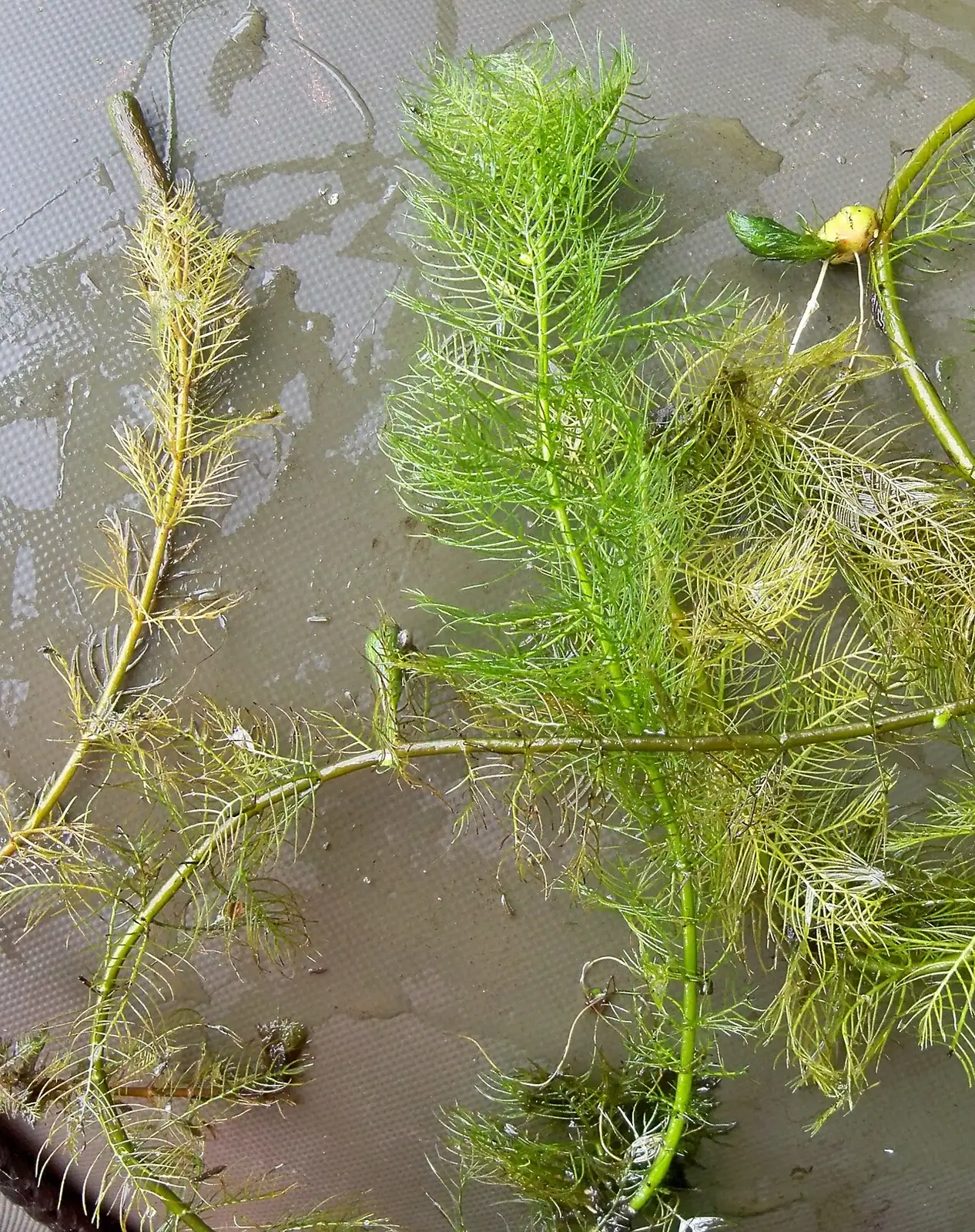
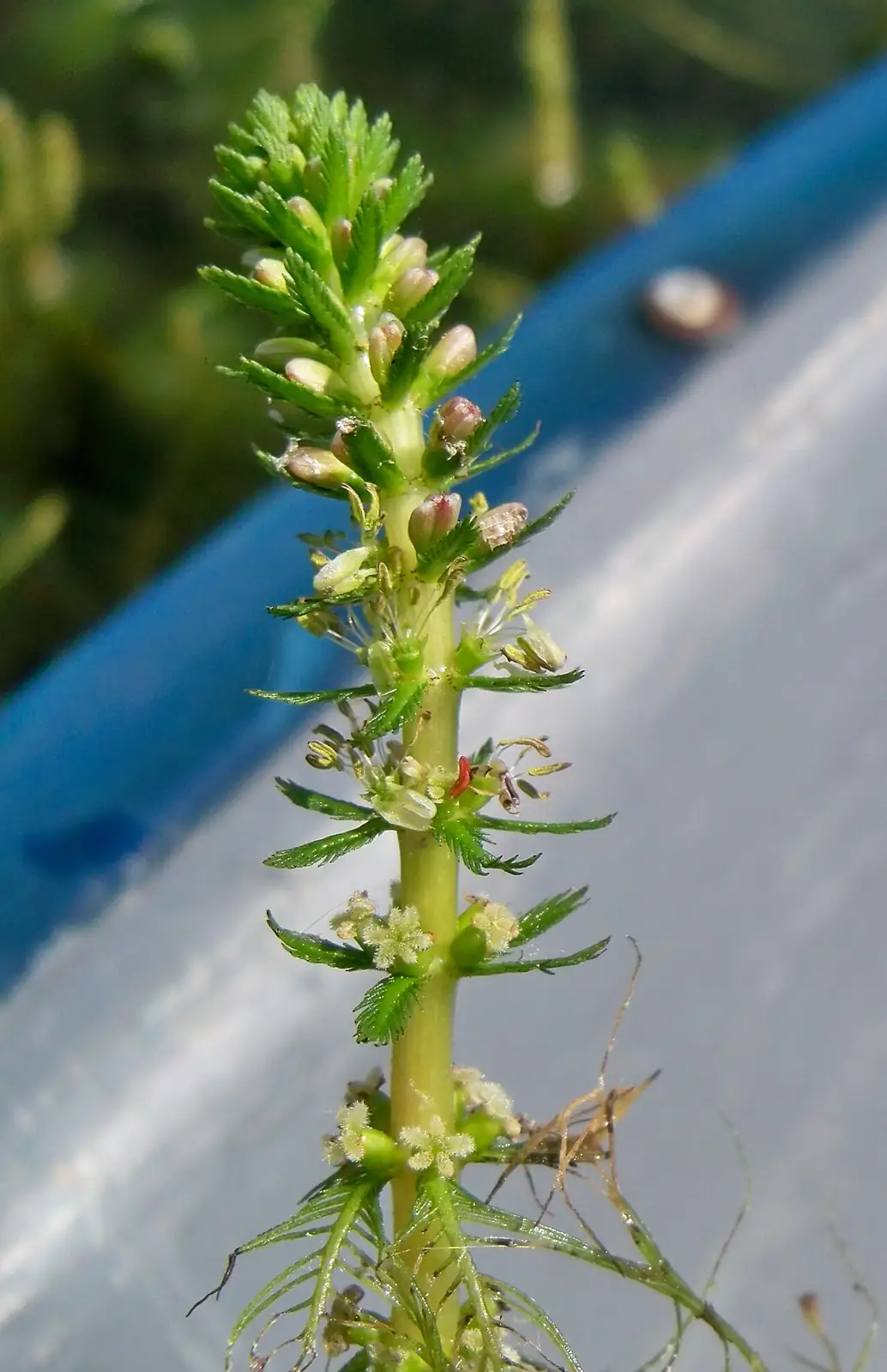
- Foliage: Leaves are typically arranged in whorls of 4 (sometimes 3–5). Submerged leaves are elongated and extremely finely divided into threadlike segments (no obvious petiole), creating a soft, feathery texture. If the plant produces emergent foliage, those leaves are generally tougher, brighter green, and more lance-shaped with broader lobes compared with the underwater leaves.
- Flower: Very small, unshowy unisexual flowers are usually borne singly in the axils of emergent leaves; plants are commonly monoecious, though expression can be variable. Fruits are broadly ovoid (egg-shaped).
- Flowering Season: May to June
- Growth Habit: A perennial submerged herb that spreads by creeping rhizomes through bottom mud; it may also root at nodes. Forms turions in autumn to help overwinter.
Environment
Sunlight
Bright light without harsh direct sun. In aquariums, moderate to bright lighting is usually sufficient; too much light without balance can encourage algae.
Temperature
Best growth at 16–26°C (61–79°F). For reliable overwintering, keep above 4°C (39°F).
Humidity
Not applicable (aquatic plant).
Soil
Nutrient-rich bottom mud in ponds/wetlands, or a planted-aquarium substrate such as aquatic soil capped with sand or gravel.
Placement
Great for indoor water gardens, glass containers, and aquariums—most often used as a midground to background plant for fine texture and a natural, flowing look.
Hardiness
Cold-tolerant in outdoor waters across temperate regions; indoors, avoid prolonged temperatures below 4°C (39°F).
Care Guide
Difficulty
Easy to moderate. It’s forgiving once established, but looks best with stable water quality, decent circulation, and lighting that’s bright yet not algae-provoking.
Buying Guide
Pick stems with fresh green tips and intact, feathery leaves. Avoid mushy stems, heavy browning, or plants covered in algae. Rhizome pieces or firm shoots with healthy nodes are ideal because they root readily.
Watering
Not applicable (fully aquatic). Instead, focus on stable water level and clean, well-oxygenated water; avoid sudden temperature swings and poor circulation.
Fertilization
In aquariums, it benefits from nutrients in the substrate and/or a balanced liquid fertilizer. Dose lightly and adjust based on plant growth and algae pressure; add micronutrients if foliage pales.
Pruning
Trim long stems to control height and encourage bushier regrowth. Remove decaying leaves promptly to protect water quality.
Propagation
Easy by dividing rhizomes and replanting sections, or by replanting healthy stem pieces/nodes that can root. Seed propagation is possible where flowering and fruiting occur.
Repotting
In containers, refresh substrate and thin crowded growth as needed—often every 6–12 months (6–12 months)—to keep growth vigorous and prevent stagnation.
📅 Seasonal Care Calendar
Autumn: allow turions (overwintering buds) to form naturally. Winter: keep above 4°C (39°F) for dependable survival. Growing season: maintain balanced light and nutrients, and prune as needed to prevent tangling and shading.
Pests, Diseases & Safety
Common Pests & Diseases
Generally hardy. Common aquarium problems include algae overgrowth (often from excess light or nutrients), stem rot in stagnant/dirty water, and nibbling damage from herbivorous fish or snails. Improve circulation, rebalance light and fertilization, and remove affected tissue promptly.
Toxicity
Not commonly listed as toxic to people or pets. Still, it’s not meant for eating—avoid ingestion, and keep aquarium plants away from pets that may chew on aquatic vegetation.
Culture & Symbolism
Symbolism: Often linked with calm, clarity, and a sense of natural balance—perfect vibes for aquascapes and water gardens.
History & Legends: A familiar wetland species across much of the Northern Hemisphere, noted more for its ecological role and ornamental/aquarium value than for folklore.
Uses: Ornamental aquatic plant for indoor water features, decorative glass containers, and aquariums; valued as a midground/background plant that adds soft texture and gentle movement.
FAQ
Is it suitable for indoor water features?
Yes. It’s well-suited to indoor water greening and looks great in glass containers; in aquariums it’s commonly used as a midground or background plant.
What kind of light does it prefer?
Bright conditions without direct, scorching sun. In aquariums, moderate to bright lighting is usually ideal—strong light without balance can trigger algae.
What temperature is best for growth?
Aim for 16–26°C (61–79°F). If overwintering, keep it above 4°C (39°F).
Where is it found in the wild?
Across temperate parts of the Northern Hemisphere, especially in ponds, ditches, slow rivers, channels, and marshes.
Fun Facts
- It spreads through bottom mud using creeping rhizomes and can root at nodes, which helps it form dense underwater patches.
- Those ultra-fine, threadlike leaf segments are what give watermilfoils their signature “feather” look underwater.
- Turions (overwintering buds) are a built-in cold-weather strategy—like little survival capsules for the next season.
- Aquascapers love it for adding soft texture and natural-looking movement in the background or midground.