Plant Features
- Size: Up to 12 m (39 ft) tall; width varies by training and site.
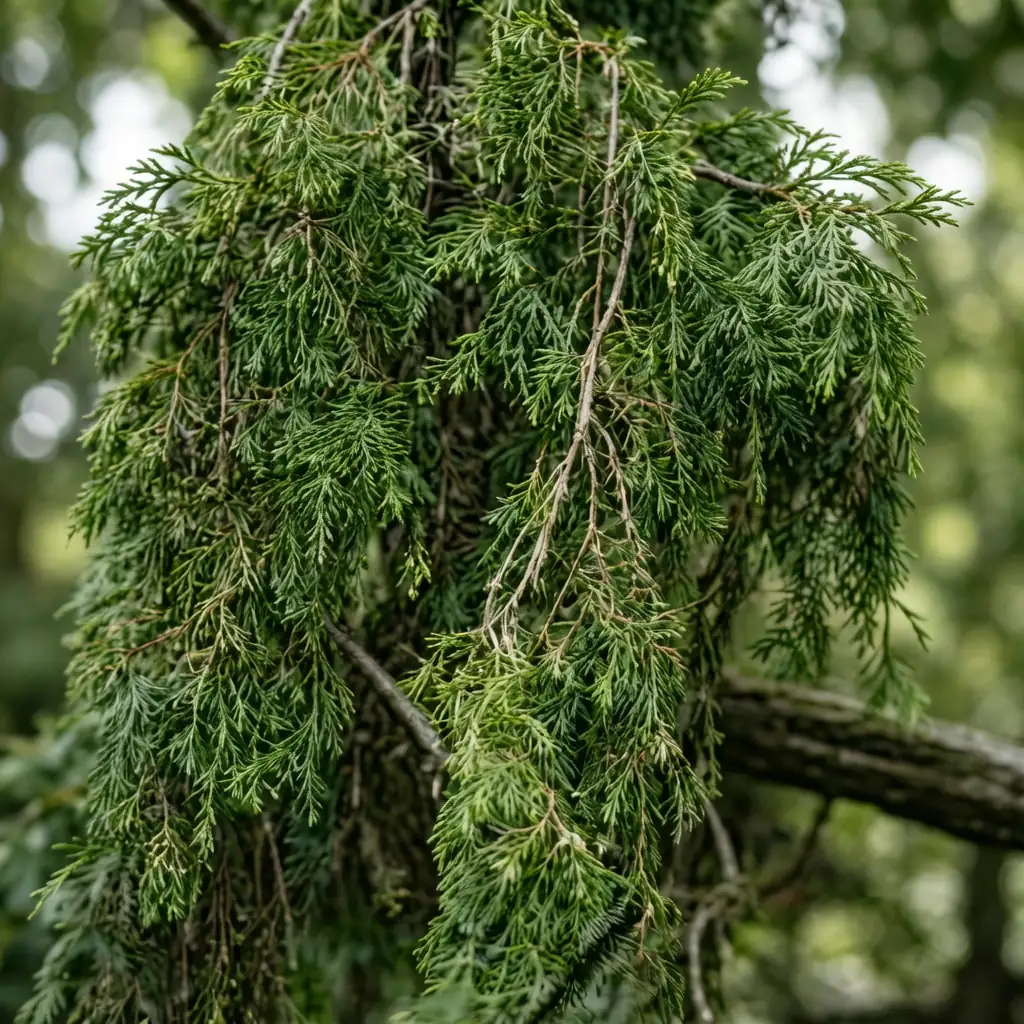
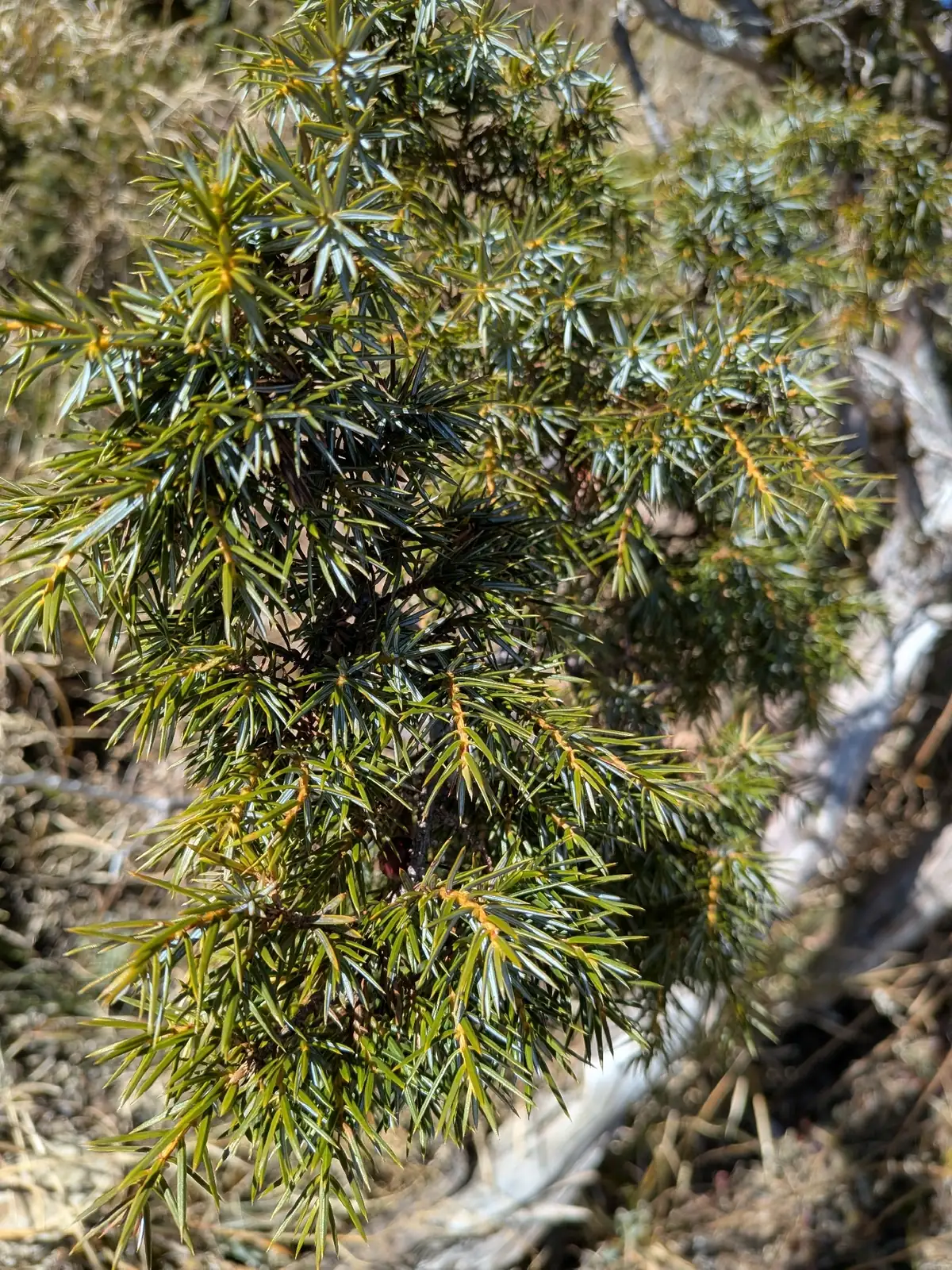
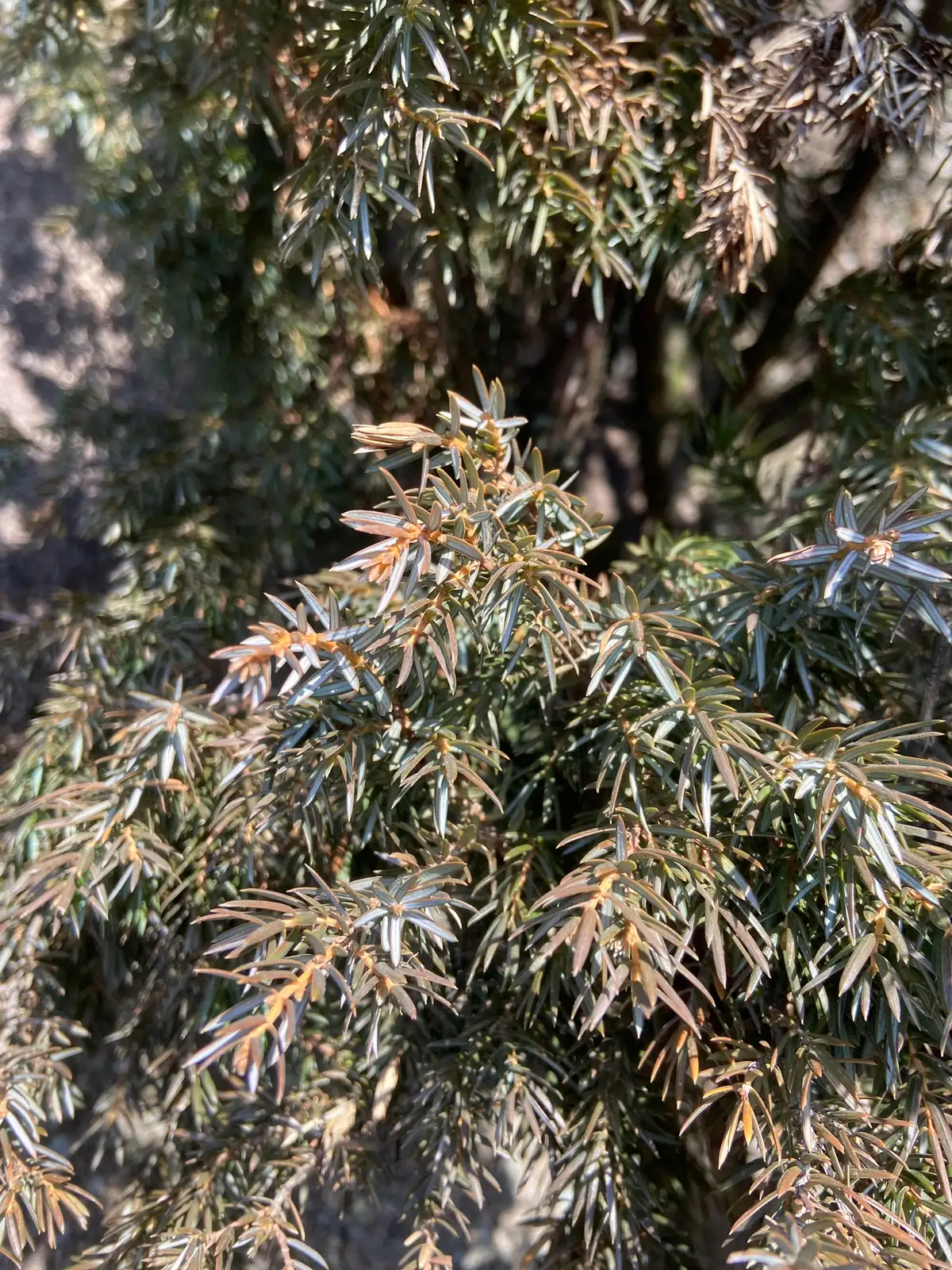
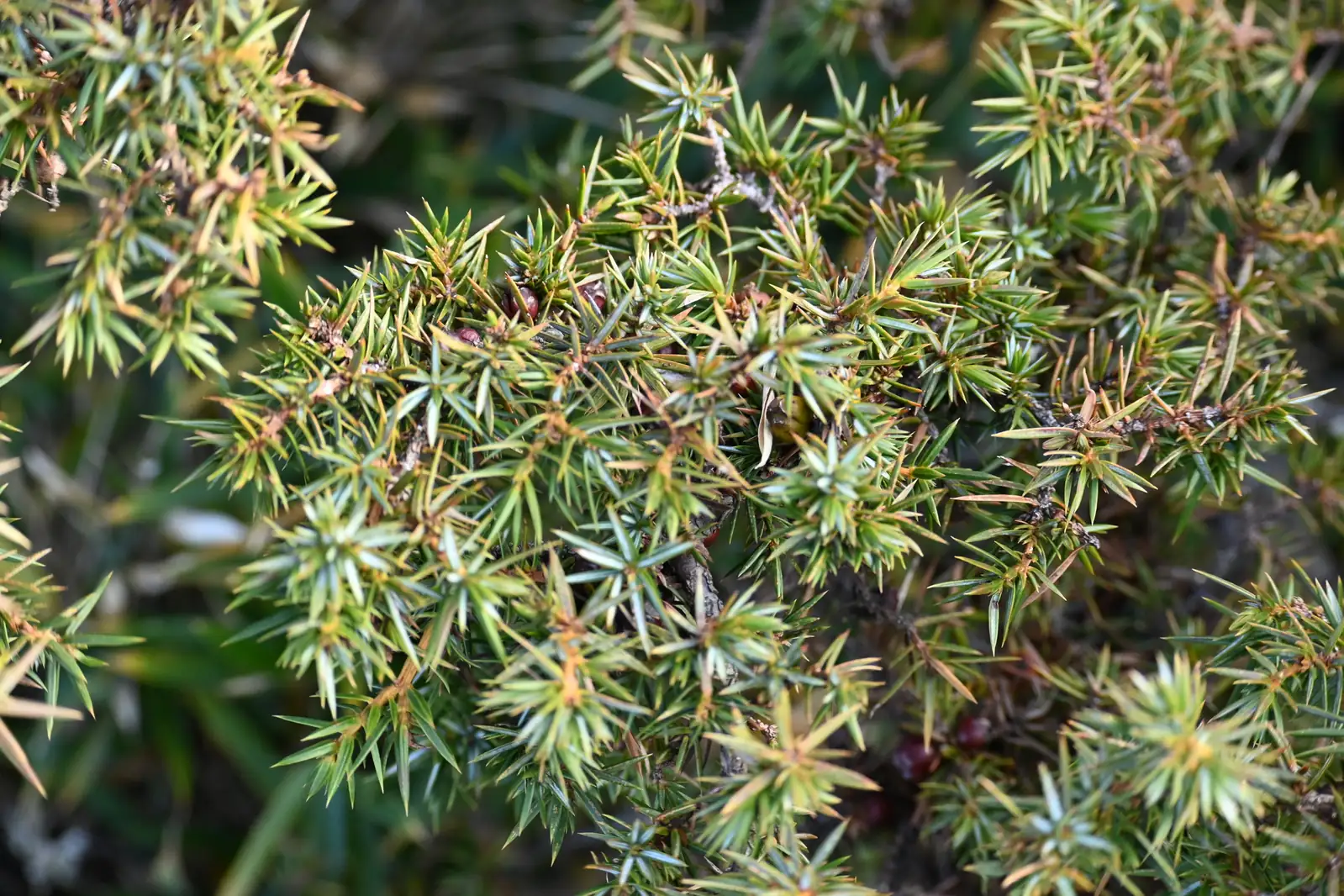
- Foliage: Needle/awl-like, narrow-lanceolate leaves arranged in whorls of three. Upper surface shows a green midrib with two conspicuous pale (whitish) stomatal bands, creating a crisp, slightly silvery-frosted appearance.
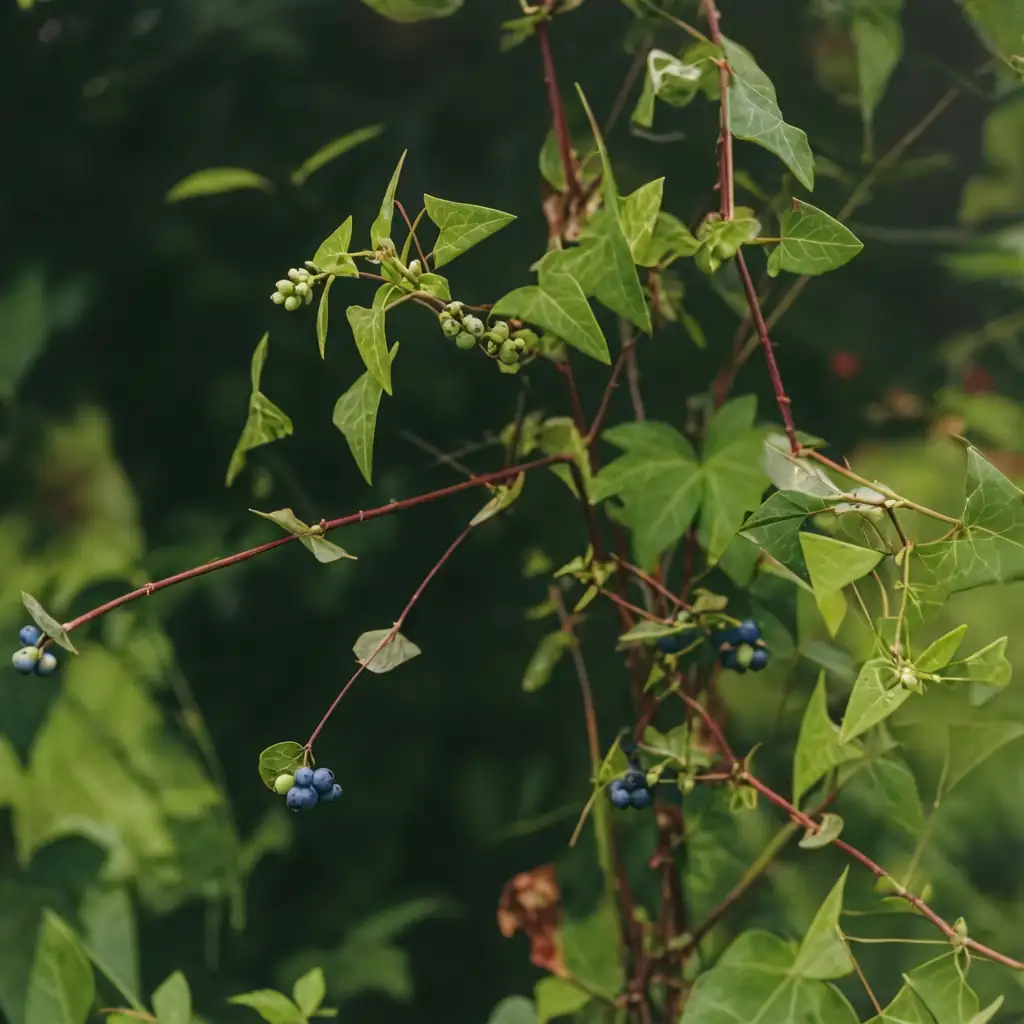
- Flower: Produces juniper cones (often called ‘berries’): round to broadly egg-shaped, ripening blue-black. Seeds are oval, and cones commonly take about 2 years to fully mature.
- Flowering Season: March–May (male/female cones develop; cones ripen later).
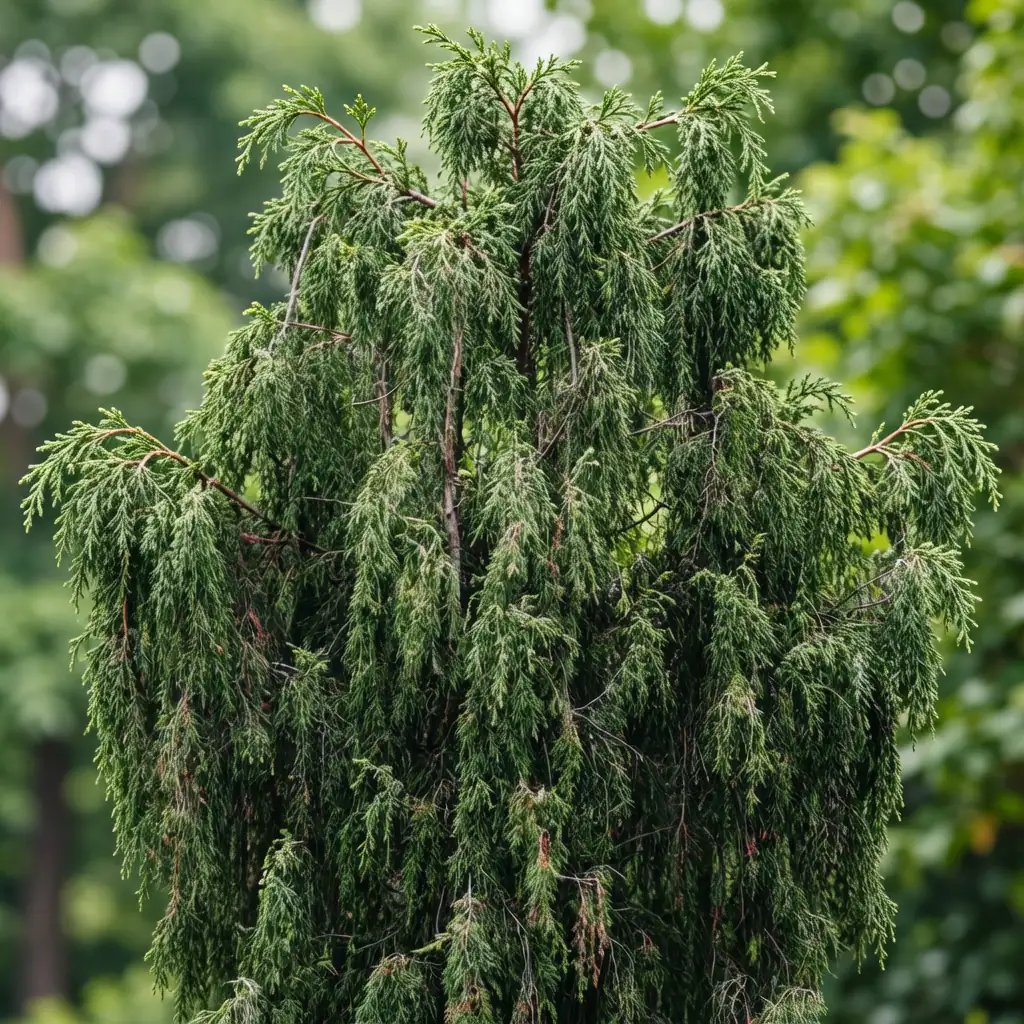
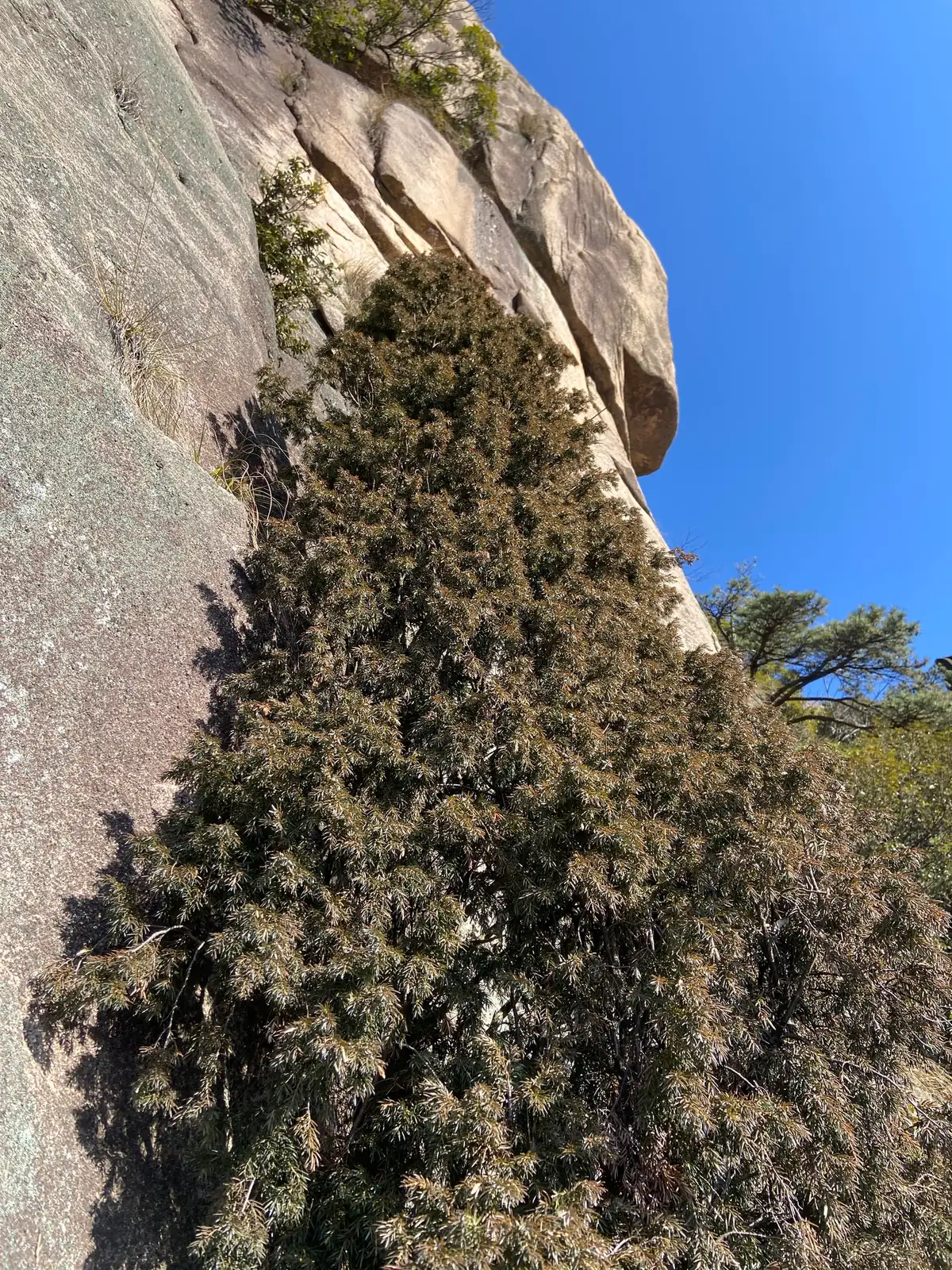
- Growth Habit: Evergreen small tree or upright shrub with gray-brown bark. Branches may ascend, spread, or slightly droop depending on training and conditions. Generally shallow-rooted.
Environment
Sunlight
Full sun to light shade; grows densest and keeps best color in full sun.
Temperature
Prefers warm, humid/rainy climates but is notably cold tolerant. Typical growth range about 10–30°C (50–86°F); protect young plants from extreme freezes.
Humidity
Adaptable—handles dry air and drought once established, and can tolerate brief humid/wet spells if drainage and airflow are good.
Soil
Well-drained, gritty or loamy soil is ideal. Very tolerant of calcareous/limestone (often alkaline) soils, and can cope with poorer, drier ground. Strongly dislikes waterlogging.
Placement
Best outdoors in open, sunny, airy positions—courtyards, parks, streetscapes, or large containers where drainage is excellent.
Hardiness
Cold hardy; commonly grown in temperate to subtropical regions. Approx. USDA Zone 7–10 (0 to 35°F / -18 to 2°C) depending on local form, siting, and exposure.
Care Guide
Difficulty
Easy to moderate outdoors once established; the main challenge is avoiding persistently wet, poorly drained conditions.
Buying Guide
Pick plants with dense, evenly colored foliage and no browning at shoot tips. Avoid severely pot-bound specimens with circling roots. The root ball should feel firm and smell fresh—sour odors can indicate poor drainage and root issues.
Watering
After planting, water deeply and keep evenly moist through the first growing season to help roots establish. Afterward, let the top 5–8 cm (2–3 in) of soil dry before watering again. Water less in cool weather. Avoid frequent shallow watering, and never keep the soil soggy.
Fertilization
A light feeder. In spring, use a slow-release balanced fertilizer once yearly, or apply half-strength liquid fertilizer monthly during active growth. Avoid heavy nitrogen, which can lead to weak, overly soft growth.
Pruning
Lightly prune in late winter to early spring, or after the main flush of growth, to maintain a clean outline. Avoid cutting hard back into old, leafless wood—junipers may not regenerate well from bare stems.
Propagation
Most often propagated by semi-hardwood cuttings from late summer into autumn. Cultivars are usually maintained by cuttings or grafting (rather than seed) to keep their traits consistent.
Repotting
For container plants, repot every 2–3 years in spring into a free-draining mix. Move up only one pot size at a time and ensure excellent drainage.
📅 Seasonal Care Calendar
Spring: light feeding and gentle shaping. Summer: watch for drought stress; deep water during heat waves. Autumn: reduce feeding; take semi-hardwood cuttings. Winter: keep on the dry side; protect containers from prolonged freezing and waterlogged soil.
Pests, Diseases & Safety
Common Pests & Diseases
May attract spider mites in hot, dry weather; also scale insects and aphids on fresh growth. Poor drainage can lead to root rot, and stagnant, damp conditions can encourage blights. Improve airflow, avoid overhead watering when possible, and prioritize fast-draining soil to prevent most issues.
Toxicity
Juniper foliage and cones can cause mild gastrointestinal upset if eaten in quantity, and the foliage may irritate sensitive skin. Keep away from pets and children who may chew plant parts.
Culture & Symbolism
Symbolism: Often linked with endurance, steadfastness, and a calm, solemn elegance—one reason it feels so at home in formal courtyards and structured landscapes.
History & Legends: Long appreciated in Chinese garden and urban planting traditions for its resilient conifer form and architectural presence; this entry refers specifically to a cultivated ornamental selection used in planting design.
Uses: Primarily an ornamental evergreen for courtyards, parks, streets, and large pots. It’s also valued in city landscapes for helping trap airborne dust and contributing to a cleaner-feeling environment. Where used locally, the wood is considered good quality.
FAQ
Why is my juniper browning from the inside?
A little interior browning can be normal as older foliage is shaded out. If browning is fast or widespread, check for waterlogged soil (root stress), drought, spider mites, or poor airflow.
Can it grow in limestone or alkaline soil?
Yes—this juniper is notably tolerant of calcareous (limestone) and alkaline soils, provided drainage is good.
Fun Facts
- The so-called ‘juniper berries’ aren’t true berries—botanically, they’re fleshy cones.
- The cones usually take about two years to mature and turn blue-black.
- Those sharp needles arranged in whorls of three are a classic juniper hallmark.
- It’s a popular city tree/shrub because it looks tidy and stays tough under stress.