Plant Features
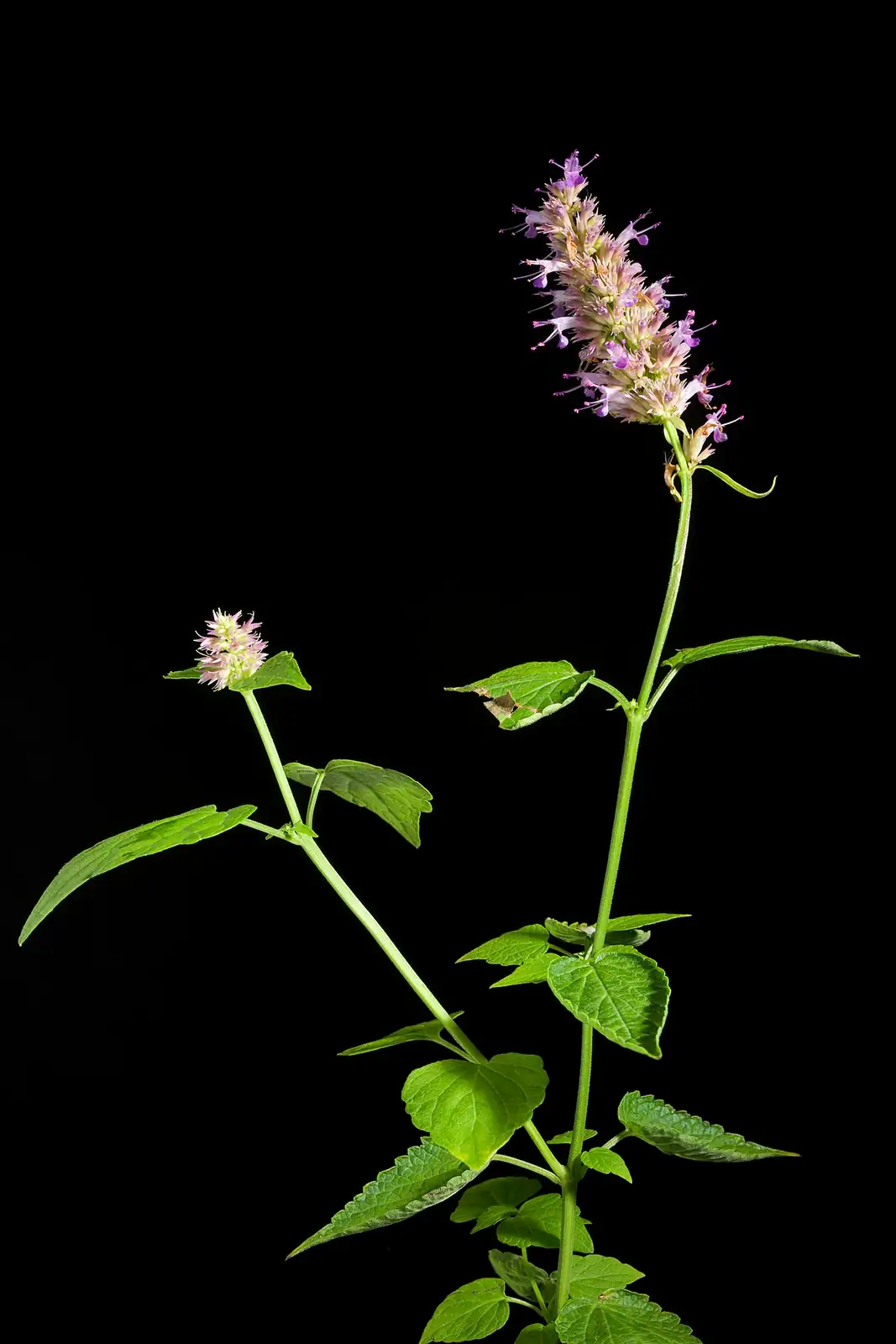
- Size:50–150 cm (20–59 in) tall, typically forming clumps about 40–80 cm (16–31 in) wide
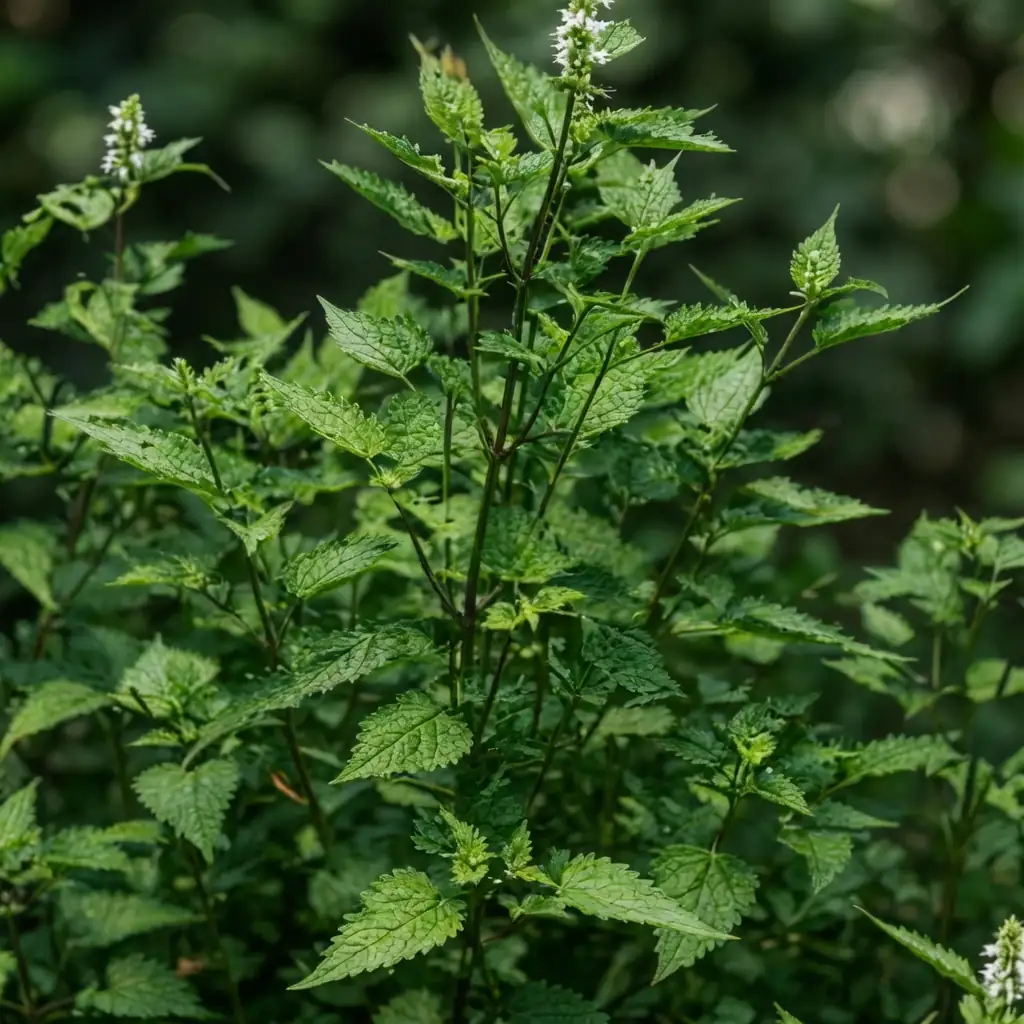
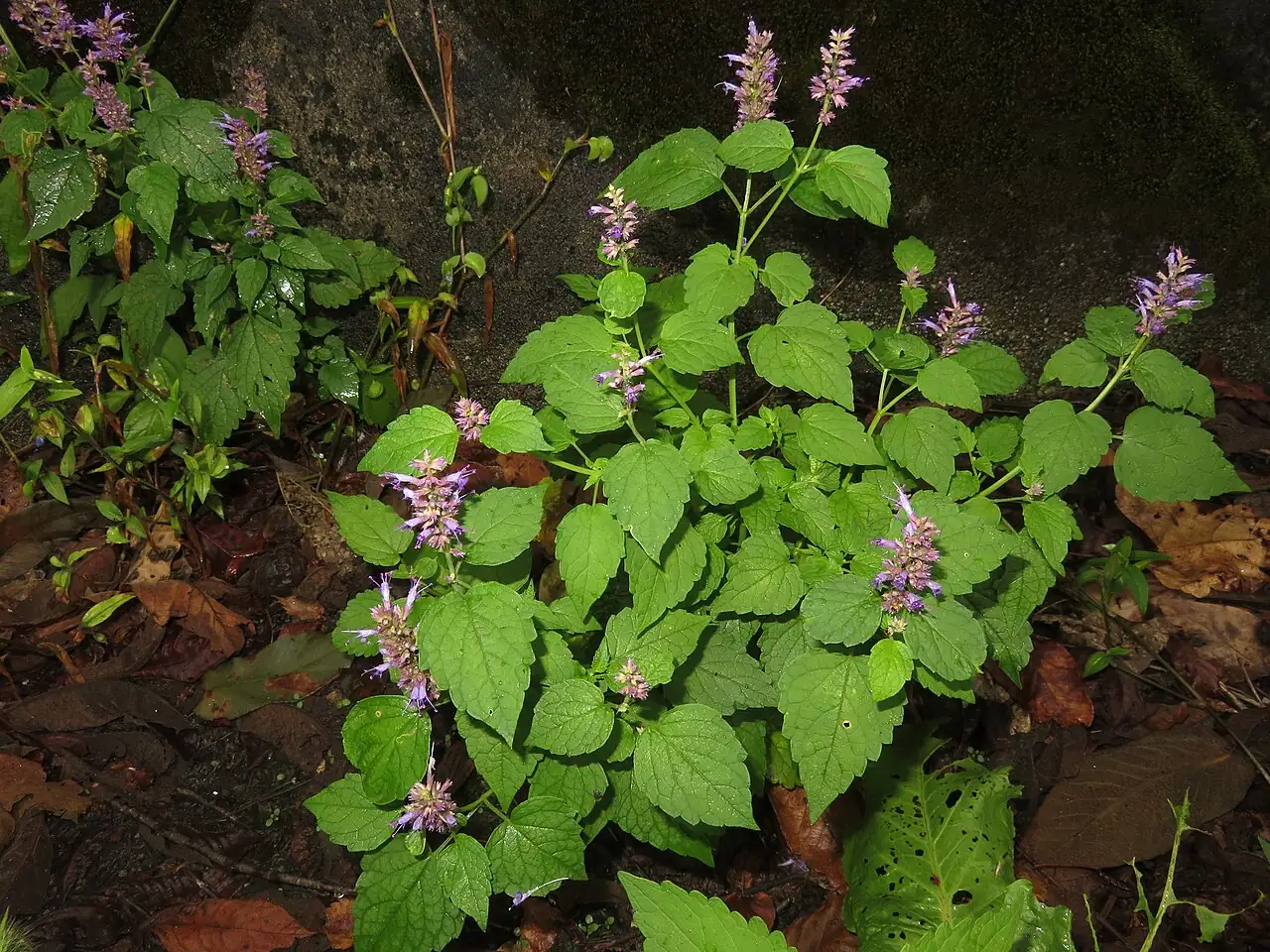
- Foliage: Strongly aromatic leaves with a slightly wrinkled texture; typically heart-shaped to ovate on lower growth, sometimes becoming more lance-shaped toward the upper stems.
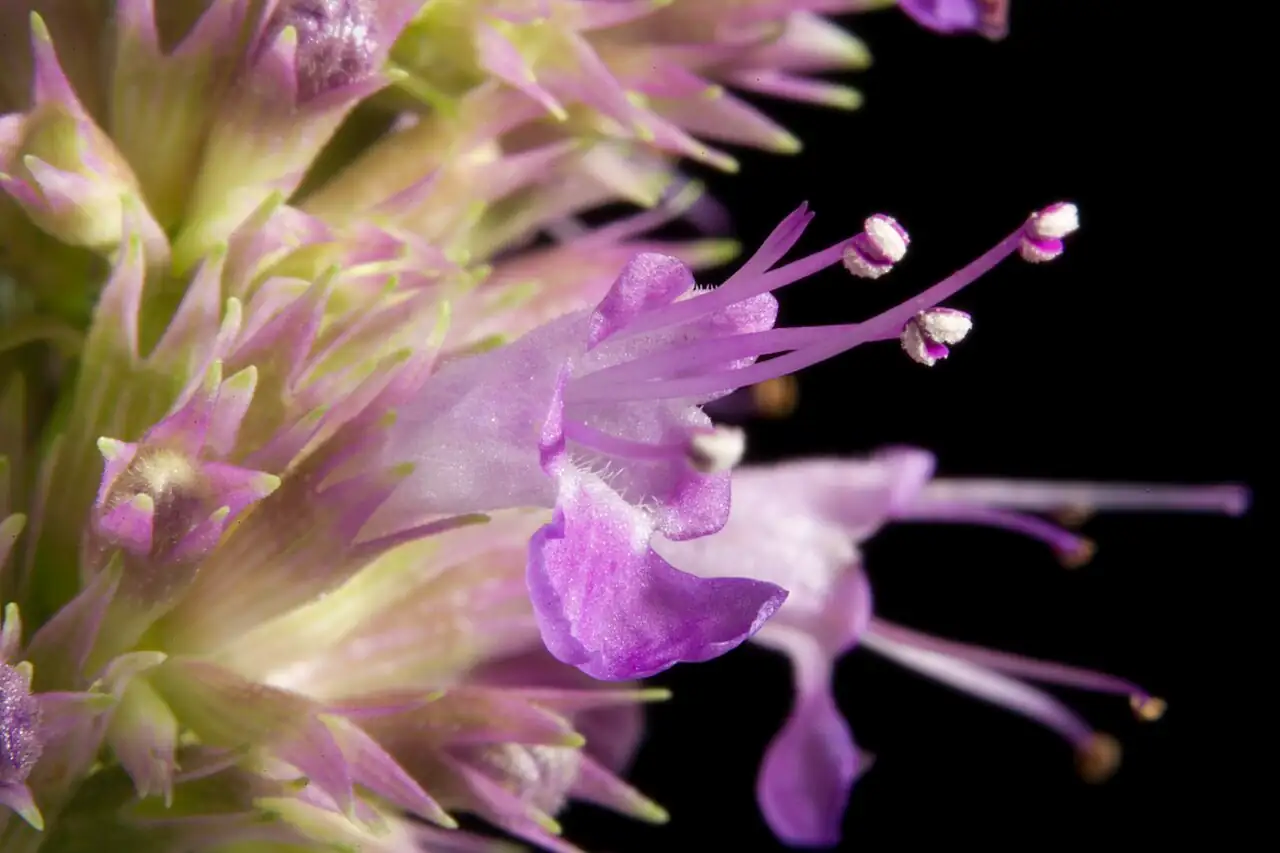
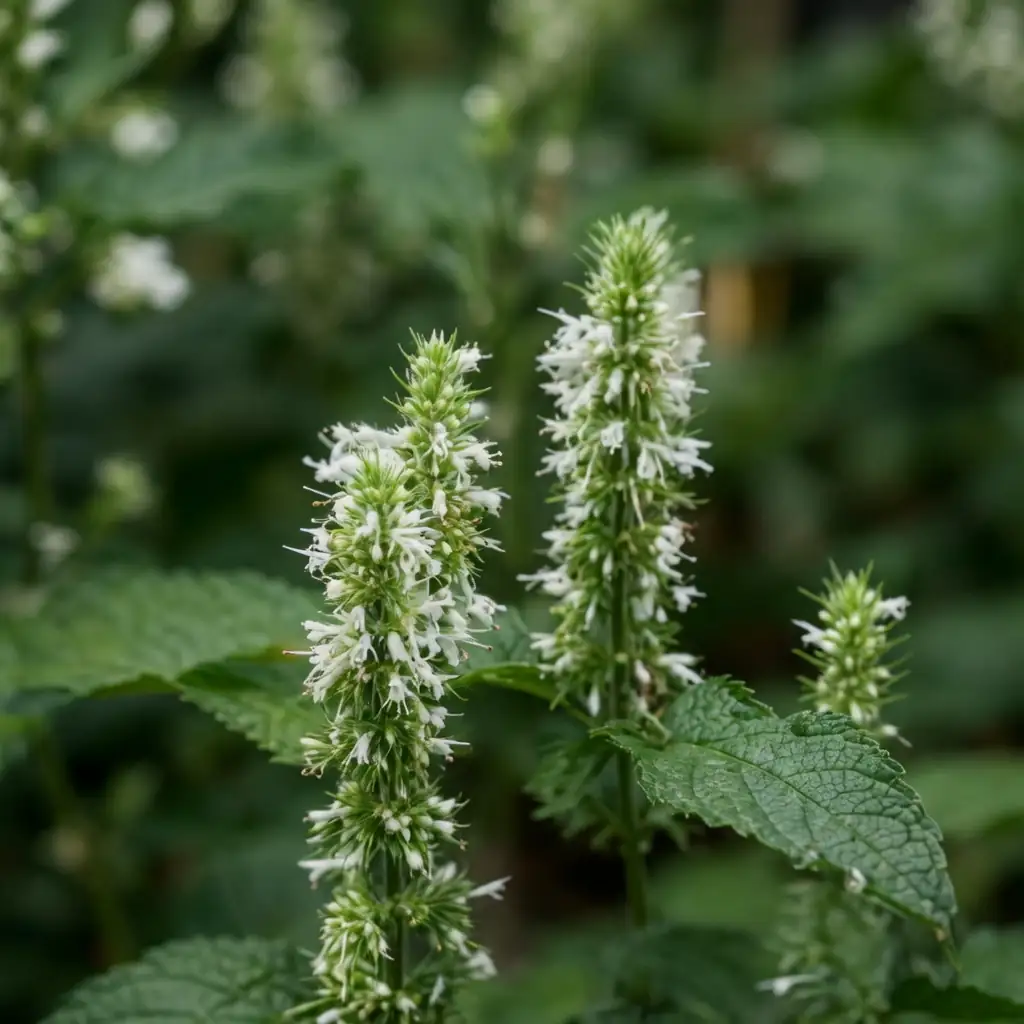
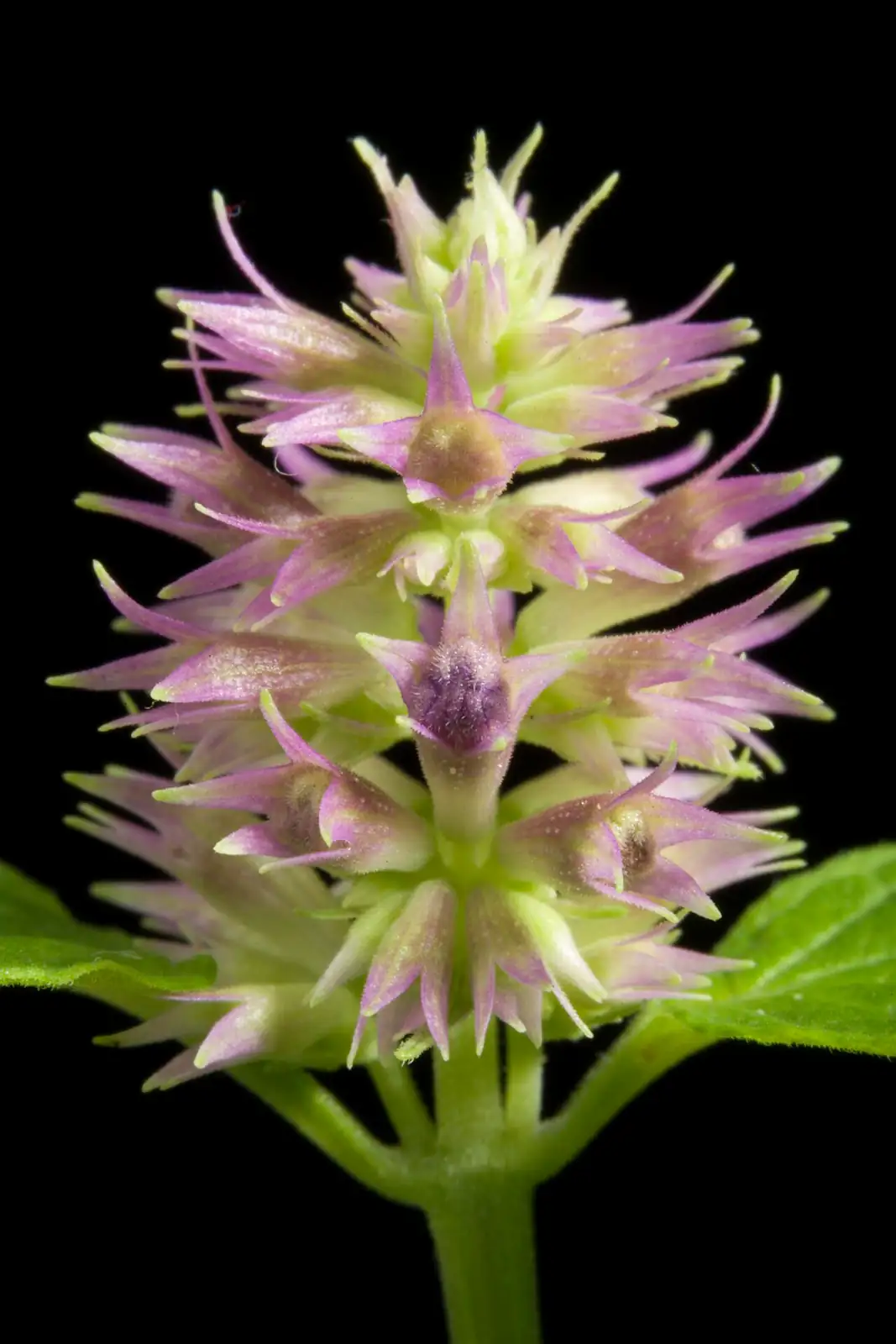
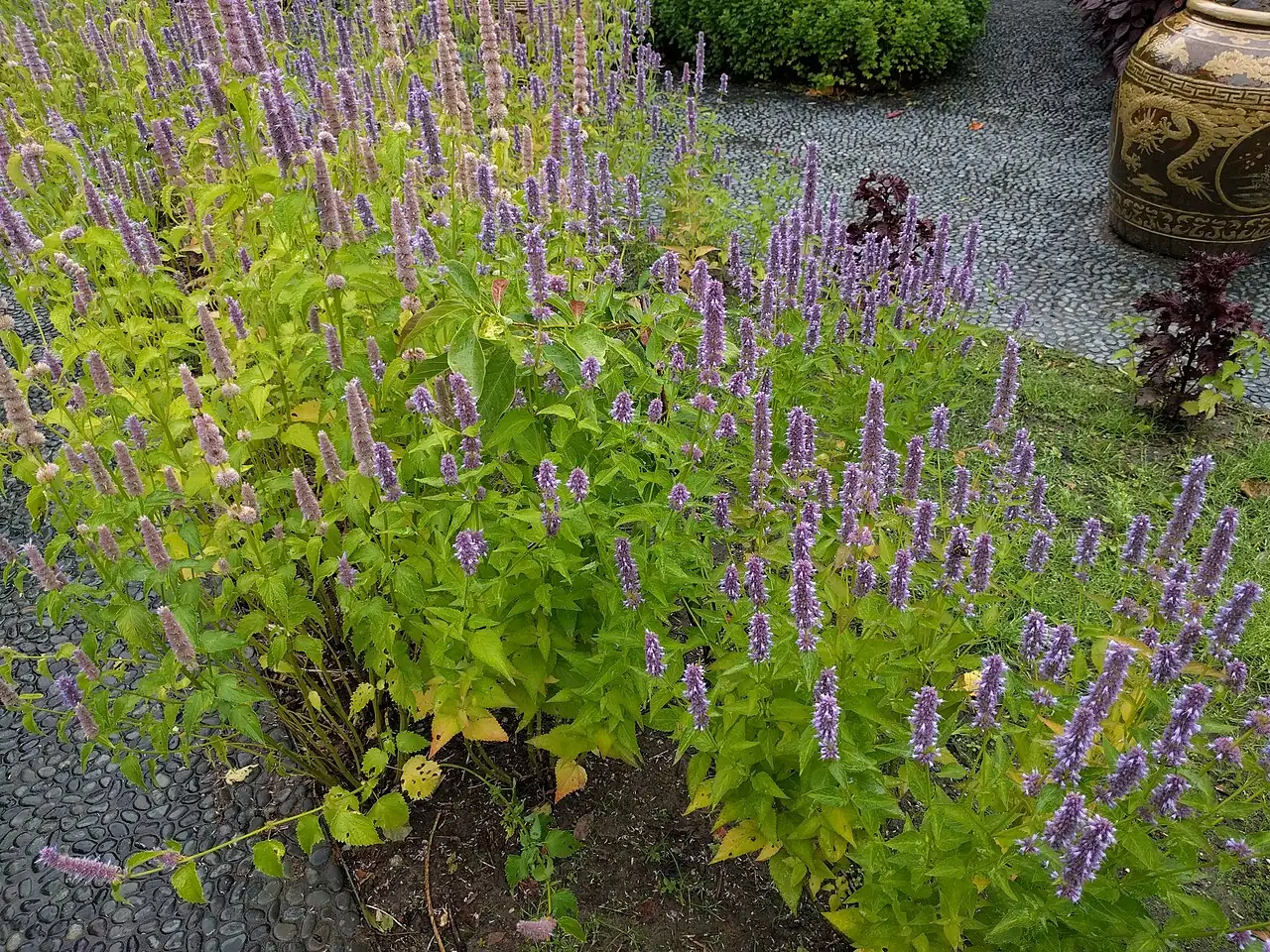
- Flower: Dense, upright flower spikes packed with pale lavender to bluish-purple tubular flowers, about 8 mm (0.3 in) long. After flowering, it sets small nutlets typical of the mint family.
- Flowering Season: June–September
- Growth Habit: Upright, clump-forming perennial with square, erect stems.
Environment
Sunlight
Full sun for best growth, fragrance, and flowering; can tolerate light partial shade but performs poorly in deep/heavy shade.
Temperature
Prefers warm growing conditions; ideal 18–30°C (64–86°F).
Humidity
Enjoys consistent moisture and does well in regions with regular rainfall; hot, dry conditions can lead to stress and pest issues.
Soil
Moist but well-drained soil is key. Loam or sandy loam works well; avoid waterlogged or constantly soggy sites that can damage roots.
Placement
Best outdoors in sunny borders, along paths, in pollinator/wildlife gardens, and near ponds or courtyards—especially attractive when planted in drifts or mass plantings.
Hardiness
USDA Zone 5–9 (roughly hardy to about -29 to -23°C [-20 to -10°F], depending on local conditions and winter wet).
Care Guide
Difficulty
Easy to moderate: happiest in sun with steady moisture. Most problems come from drought stress, heavy shade, or poor drainage.
Buying Guide
Pick plants with firm, upright stems and a clean, strong herbal scent when you gently rub a leaf. Avoid wilted plants, weak/leggy growth, or pots that smell sour and stay waterlogged—these can signal unhappy roots.
Watering
Water regularly to keep soil evenly moist, especially in summer heat. In the ground, let the top 2–3 cm (about 1 in) dry slightly between waterings, but don’t allow prolonged drought. Avoid constant sogginess.
Fertilization
Light feeder. Top-dress with compost in spring, or use a balanced fertilizer at half strength every 4–6 weeks during active growth (spring to mid-summer). Avoid heavy nitrogen, which can encourage lush leaves at the expense of flowers.
Pruning
Deadhead spent flower spikes to extend blooming and keep the plant tidy. Cut back stems to about 10–20 cm (4–8 in) in late fall or early spring to refresh growth.
Propagation
Easy to multiply by seed, by division in spring or early fall, or by softwood cuttings from late spring to early summer.
Repotting
If grown in containers, repot every 1–2 years in spring into fresh, well-draining mix. Move up one pot size—about 2–5 cm (1–2 in) wider.
📅 Seasonal Care Calendar
Spring: divide clumps, refresh soil/compost, begin light feeding. Summer: keep evenly moist and deadhead to prolong bloom. Fall: reduce feeding and cut back after flowering if desired. Winter: protect containers from repeated freeze–thaw cycles and keep soil from staying soggy.
Pests, Diseases & Safety
Common Pests & Diseases
Usually quite trouble-free. Watch for aphids, and for spider mites during hot, dry spells. Powdery mildew can appear if airflow is poor—space plants well, water at the base, and avoid crowding. Encouraging beneficial insects often keeps pests in check.
Toxicity
Commonly used as a culinary herb and tea plant; not known to be toxic to people when used appropriately. Pets aren’t known to have a specific toxicity risk either, though eating large amounts of any strongly aromatic herb may cause mild stomach upset.
Culture & Symbolism
Symbolism: Often linked with freshness, cleansing fragrance, and bright summer energy—perfect vibes for an herb or pollinator garden.
History & Legends: A long-time favorite in East Asian culinary and herbal traditions, grown not only for its distinctive scent and flavor but also for its easy garden presence and flower spikes that keep the garden buzzing.
Uses: Ornamental: excellent in borders, along paths, waterside plantings, and courtyard mass plantings. Culinary: aromatic stems, leaves, and flowers can be used fresh or dried; commonly enjoyed as an herbal tea ingredient and flavoring.
FAQ
Can Korean mint grow in partial shade?
Yes, it can manage light partial shade, but you’ll usually get fewer flowers and less vigor. Full sun gives the best bloom and strongest fragrance.
Why is my plant wilting even though I water it?
The most common culprit is poor drainage. Constantly soggy soil can damage roots and cause wilting. Aim for evenly moist, well-drained soil instead of waterlogging.
Fun Facts
- Both leaves and flowers are intensely aromatic, making this a standout for sensory gardens.
- Its square stems are a classic mint-family giveaway—roll the stem gently between your fingers to feel the edges.
- The lavender-blue flower spikes are especially beloved by bees and butterflies throughout summer.
- It’s grown for beauty and for the table—few garden plants do both so effortlessly.