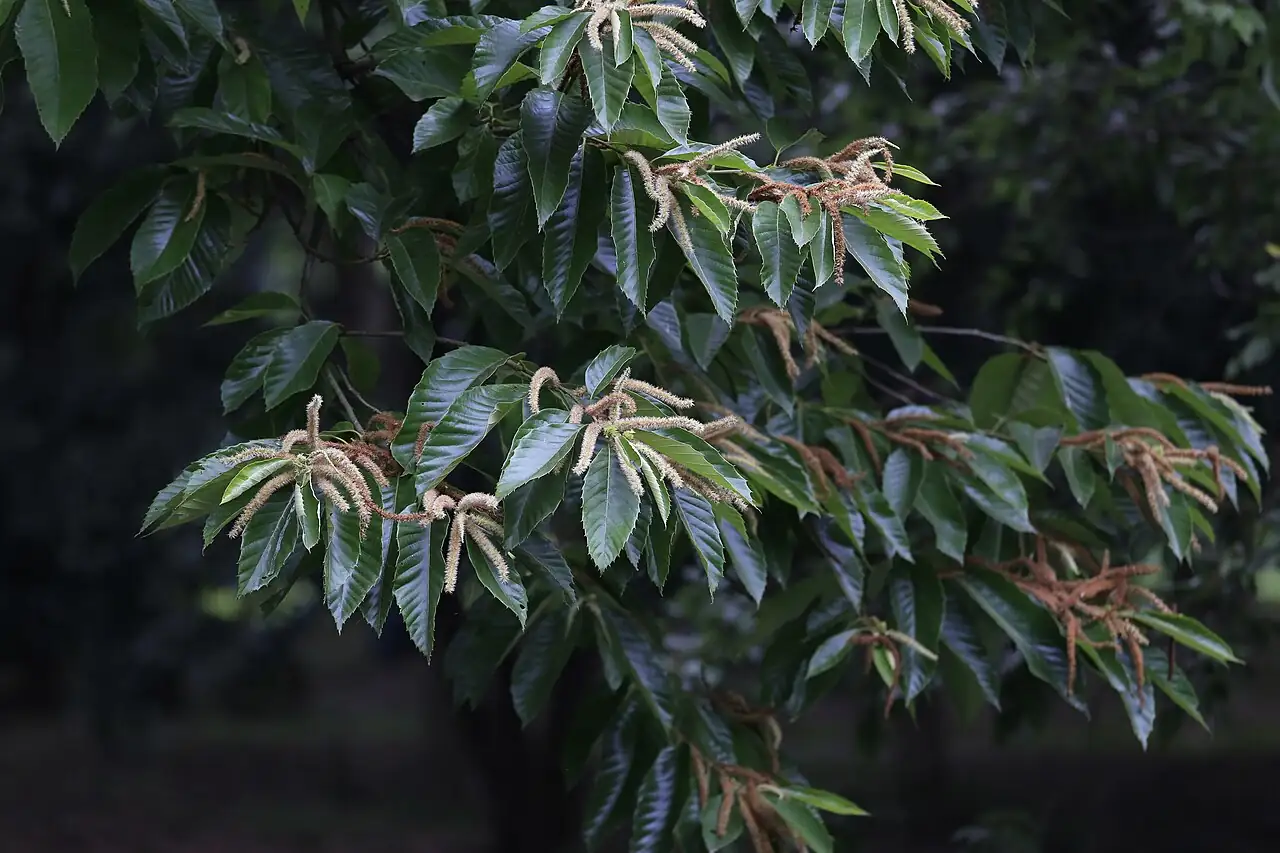
Plant Features
- Size: Typically 5–20 m (16–66 ft) tall, forming a broad, rounded crown with age.
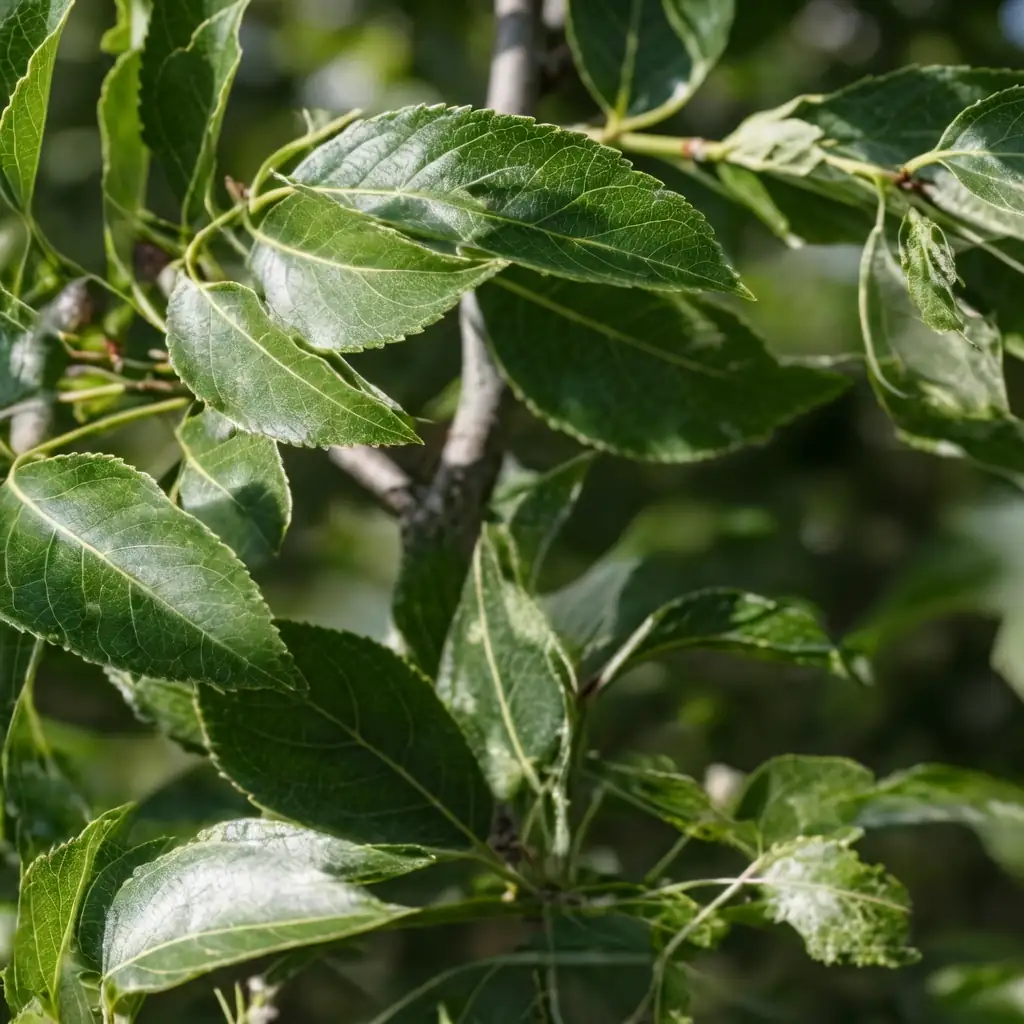
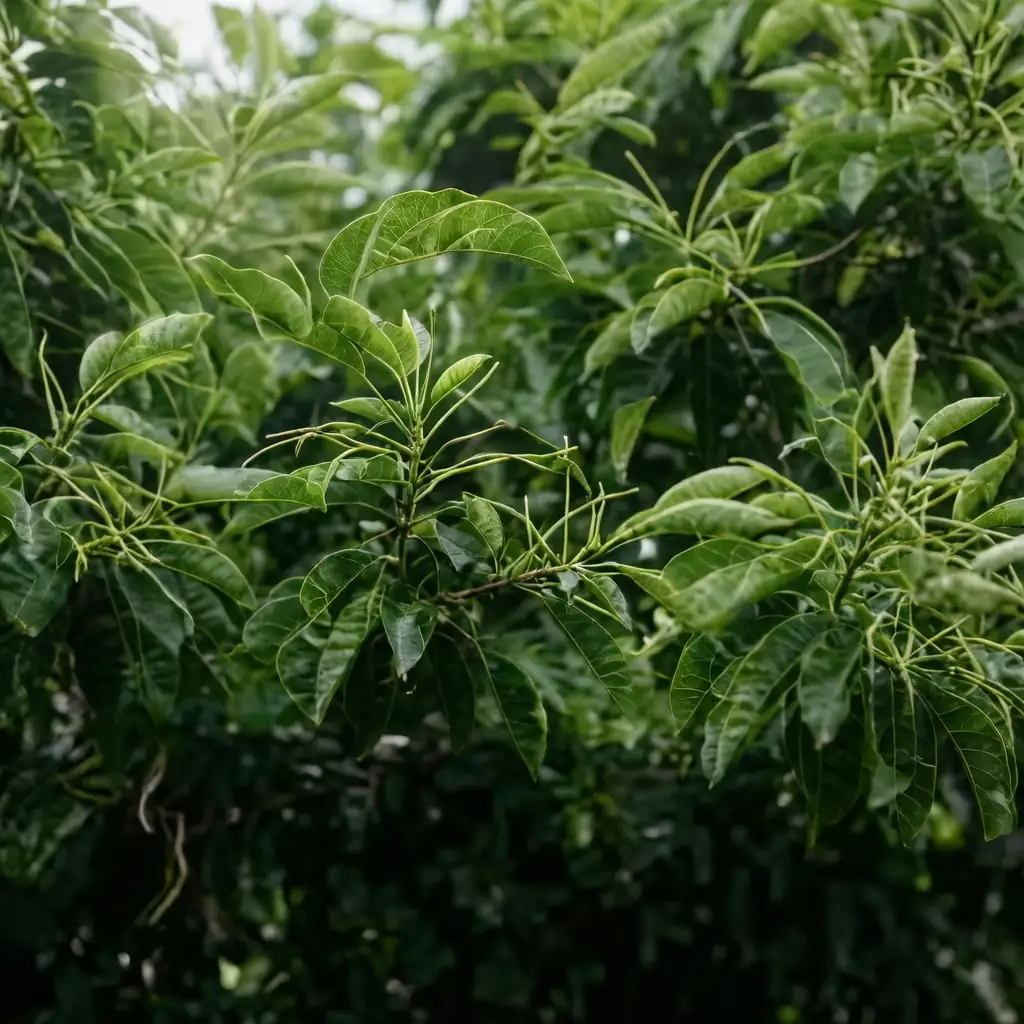
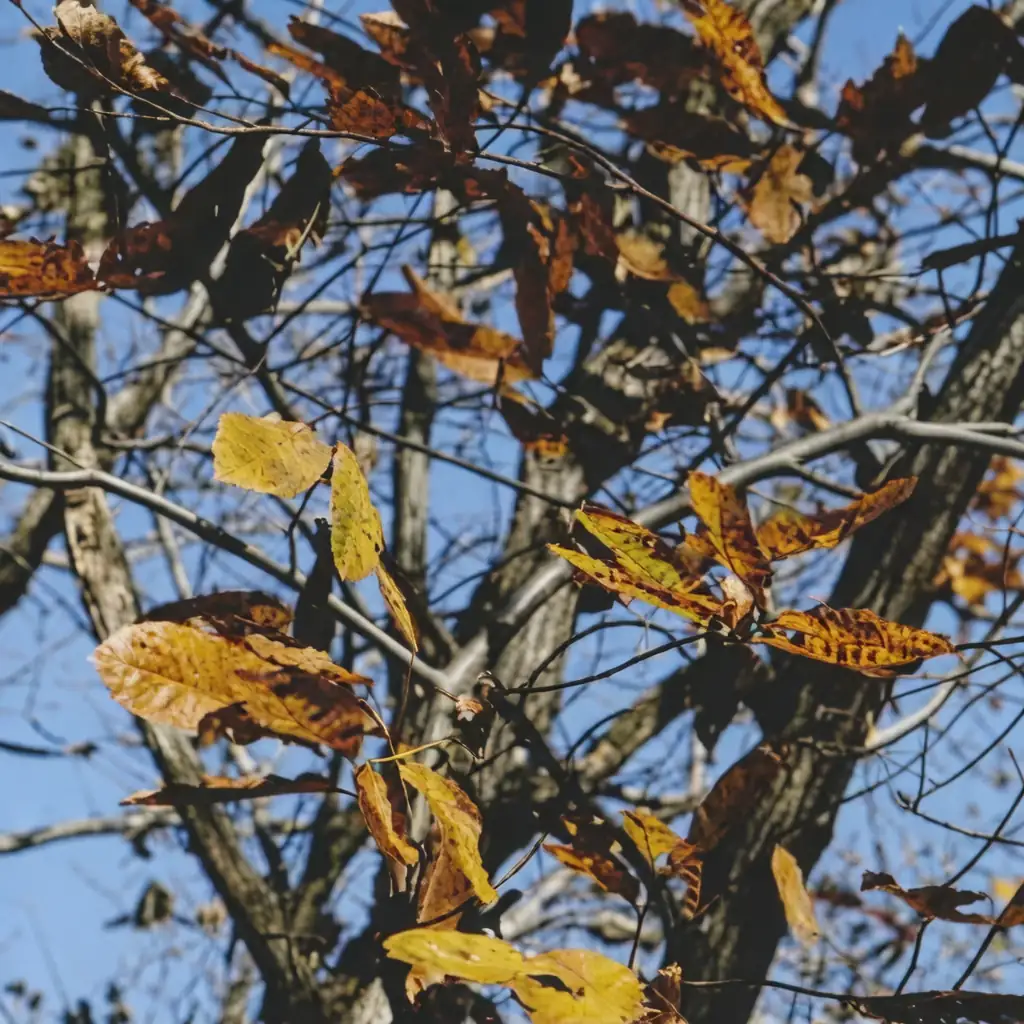
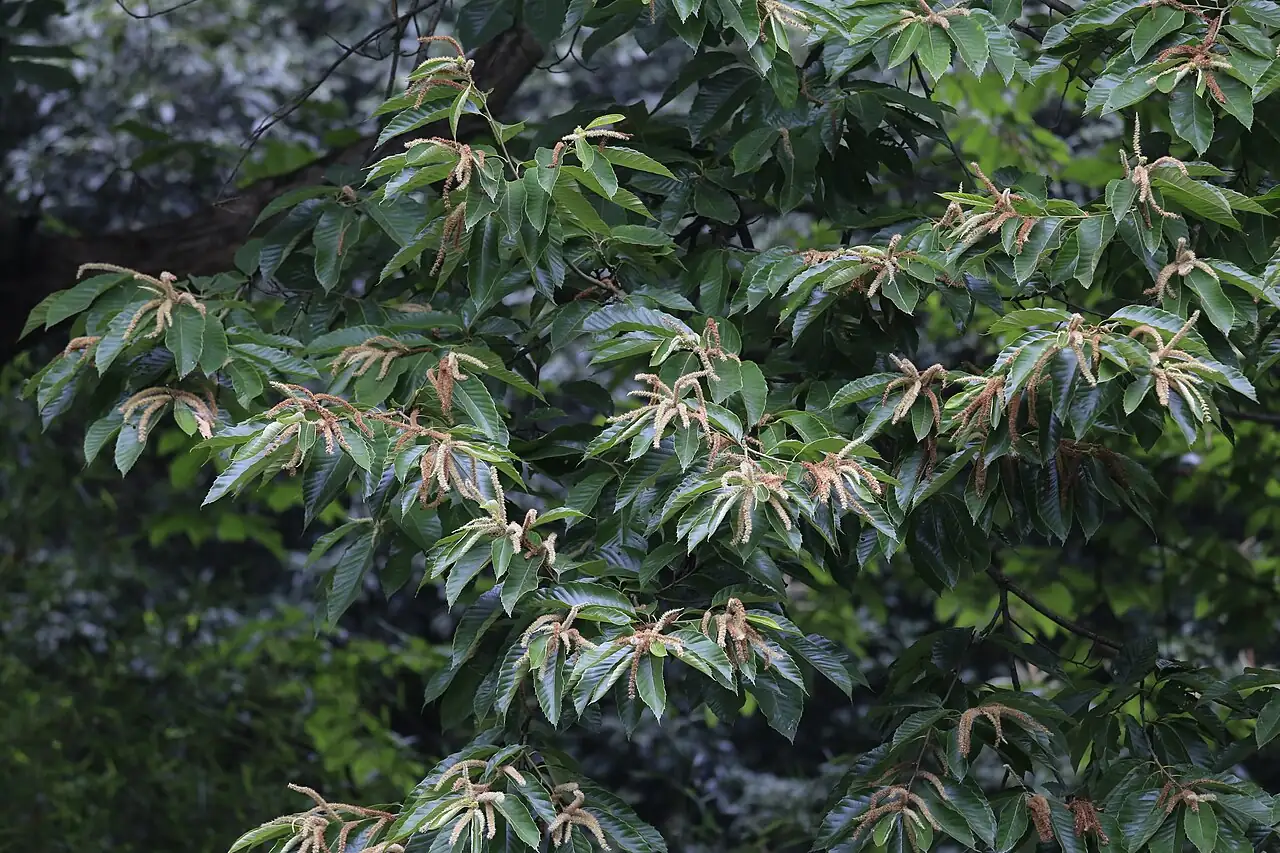
- Foliage: Leaves are long-elliptic to lance-elliptic with a pointed tip and sharply toothed margins, arranged in two ranks along the twigs. The undersides are covered with short, pale grayish hairs.
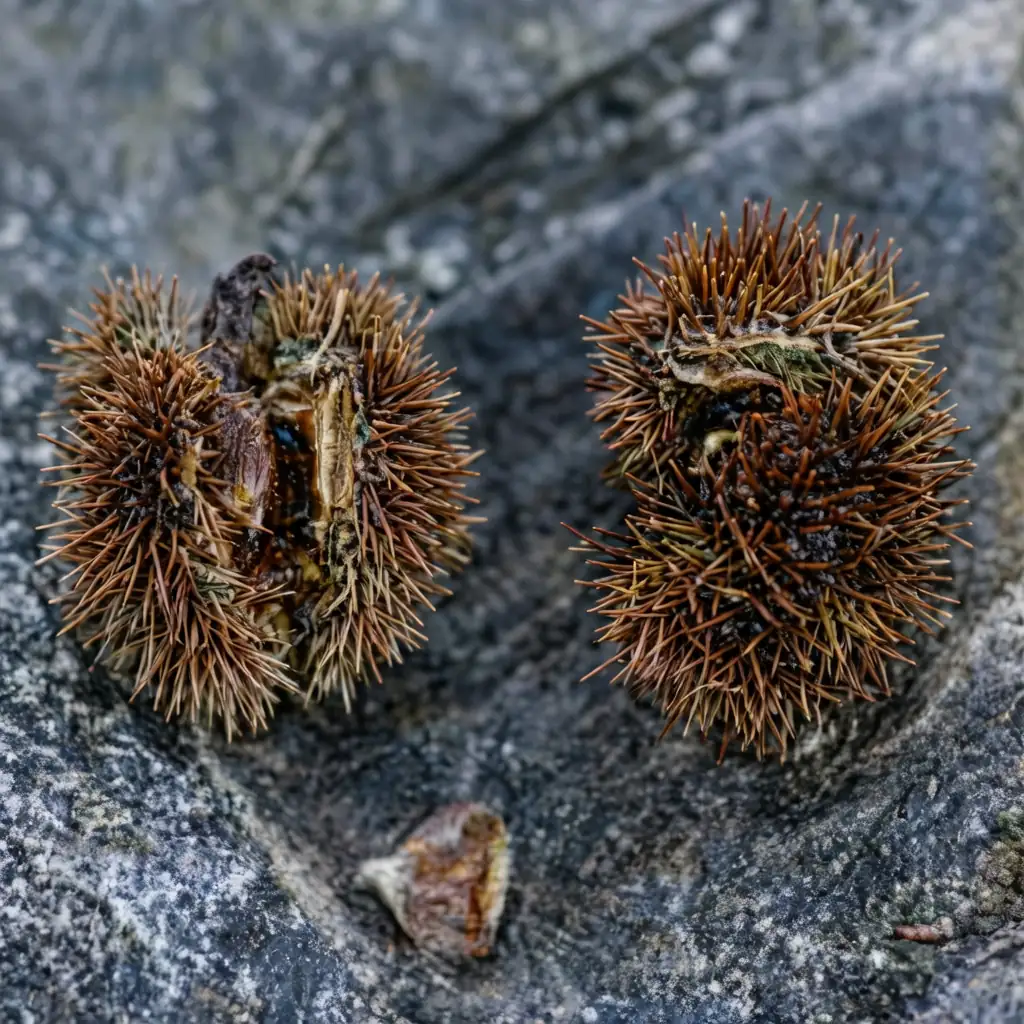
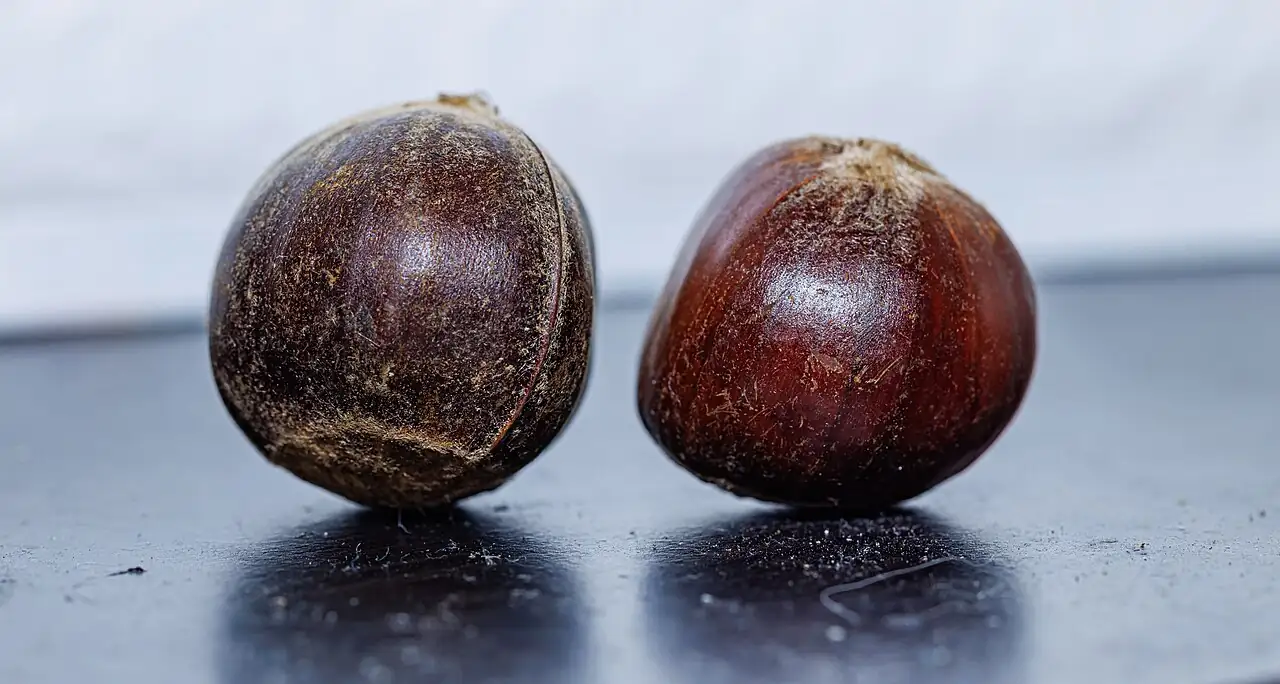
- Flower: Male flowers appear as creamy-yellow, fuzzy catkins; female flowers are found near the base of the male catkins. After flowering, nuts form inside very spiny burrs. Individual nuts are about 1.5–3 cm (0.6–1.2 in) tall and 1.8–3.5 cm (0.7–1.4 in) wide.
- Flowering Season: April–June
- Growth Habit: Deciduous tree with a broad, rounded crown when mature.
Environment
Sunlight
Full sun is best. Strong light and relatively dry air during flowering often improve pollination and nut set.
Temperature
Temperate climates; grows best with warm summers and cool winters. A typical active-season range is about 15–30°C (59–86°F). Established trees tolerate winter cold well where they are adapted.
Humidity
Moderate humidity is ideal; try to avoid persistently muggy, stagnant conditions during flowering.
Soil
Adaptable to many soil types as long as drainage is good. Avoid extremes like very loose, droughty sand or heavy, waterlogged clay. Slightly acidic to neutral soil is commonly preferred.
Placement
Best outdoors in orchards, parks, and large gardens—anywhere it has room to spread and can receive full sun.
Hardiness
USDA Zone 4–8 (approx.).
Care Guide
Difficulty
Moderate. Straightforward once established in the right climate, but it needs space, strong light, and well-drained soil for consistent nut production.
Buying Guide
For better nut quality and earlier harvests, choose healthy grafted cultivars rather than seedlings. Look for a straight trunk, intact bark (no cankers), and a robust root system; avoid severely pot-bound trees.
Watering
Water deeply during establishment (first 1–2 years). After that, water during prolonged dry spells—especially from flowering through nut filling. Avoid constantly wet soil.
Fertilization
In early spring, use compost or a balanced slow-release fertilizer if growth is weak. Don’t overdo nitrogen, which can encourage leafy growth at the expense of flowers and nuts.
Pruning
Prune in late winter while dormant to remove dead or crossing branches and to keep an open, sunlit canopy. Light summer thinning can improve airflow if the crown becomes dense.
Propagation
Most commonly propagated by grafting named cultivars onto seedling rootstocks. It can be grown from seed, but seedlings vary in nut quality and usually take longer to bear.
Repotting
Not ideal as a long-term container plant. Plant in the ground when practical. If temporarily container-grown, shift up in late winter/early spring into a deep pot with excellent drainage.
📅 Seasonal Care Calendar
Spring: monitor flowering; keep soil evenly moist but not waterlogged. Summer: water during drought; maintain mulch; watch for pests. Late summer–autumn: harvest as burrs open and nuts drop. Winter: prune and train structure during dormancy.
Pests, Diseases & Safety
Common Pests & Diseases
Possible problems include chestnut blight, root rots in poorly drained sites, and insect pests such as weevils and caterpillars. Reduce risk by planting in well-drained soil, maintaining good airflow with pruning, practicing sanitation (remove fallen burrs/nuts), and choosing resistant cultivars when available.
Toxicity
Generally non-toxic to people and pets; nuts are edible when properly prepared. The burrs are extremely spiny and can puncture skin—handle with gloves.
Culture & Symbolism
Symbolism: Often linked with harvest, abundance, and resilience—thanks to its reliable autumn crop and hardy nature.
History & Legends: A long-cultivated nut tree in China, valued for food and timber and woven into traditional rural landscapes and agroforestry systems for centuries.
Uses: Grown for edible nuts and as a shade/landscape tree. Nuts are enjoyed roasted, boiled, candied, and used in both savory dishes and baking.
FAQ
When does it flower?
April–June.
When do the nuts ripen?
Typically August–October, as the spiny burrs mature and split open.
How tall does it get?
Usually 5–20 m (16–66 ft), forming a broad, rounded crown with age.
How can I identify Chinese chestnut?
Look for a deciduous tree with gray-brown, deeply fissured bark and long, sharply toothed leaves arranged in two ranks; the leaf undersides often have pale hairs. In spring it bears creamy-yellow catkins, followed by spiny burrs that contain the edible chestnuts (about 1.5–3 cm / 0.6–1.2 in tall and 1.8–3.5 cm / 0.7–1.4 in wide).
Where is it grown and what does it prefer?
Native to China and widely cultivated from northeastern to southern provinces. It performs best in full sun with well-drained soil in temperate climates.
Fun Facts
- The spiny burr is like natural armor—protecting the nuts until they’re mature enough to split free.
- Chinese chestnut is a classic dual-purpose tree: beautiful enough for a garden, productive enough for an orchard.
- Roasted chestnuts are a beloved autumn street snack in many parts of China.