

Plant Features
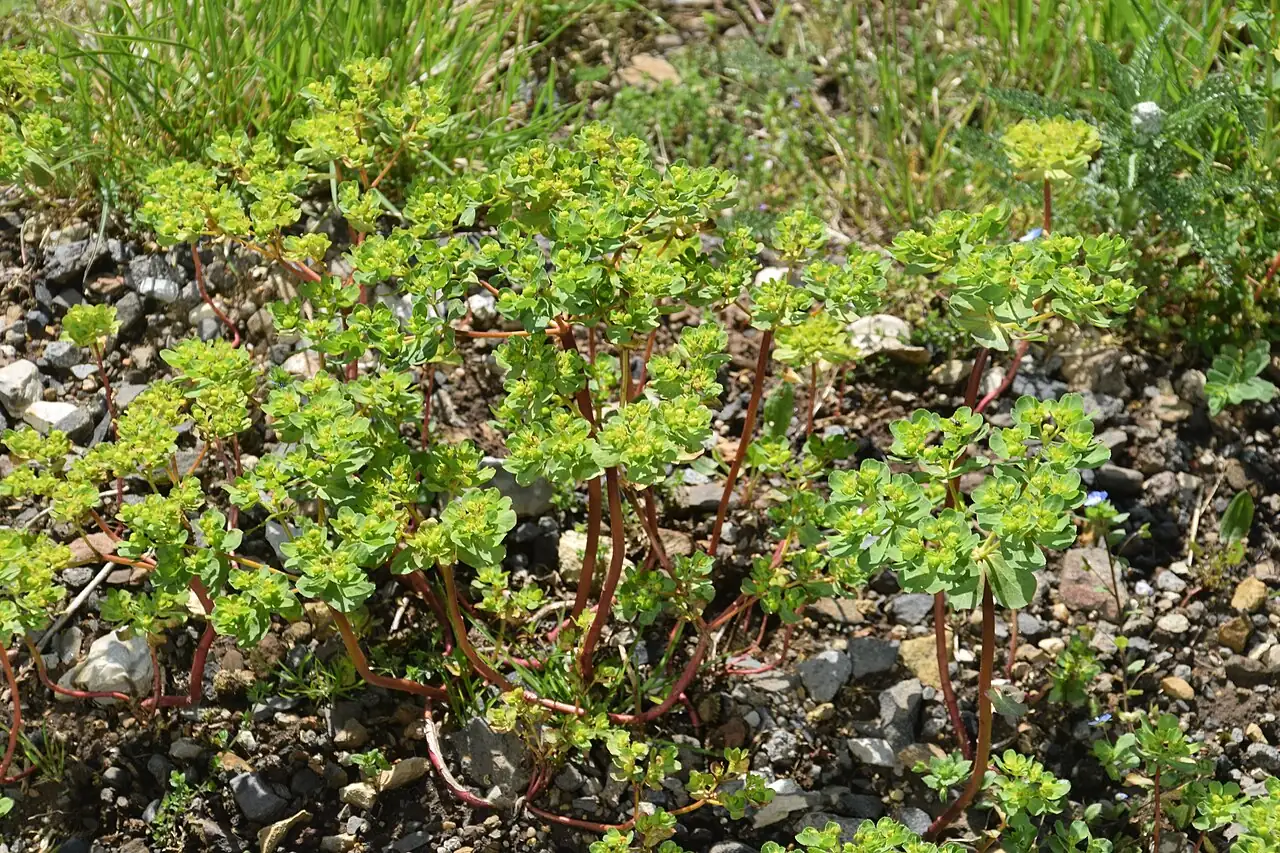
- Size: Typically 30–50 cm (12–20 in) tall; often forms small clumps rather than a wide spread.
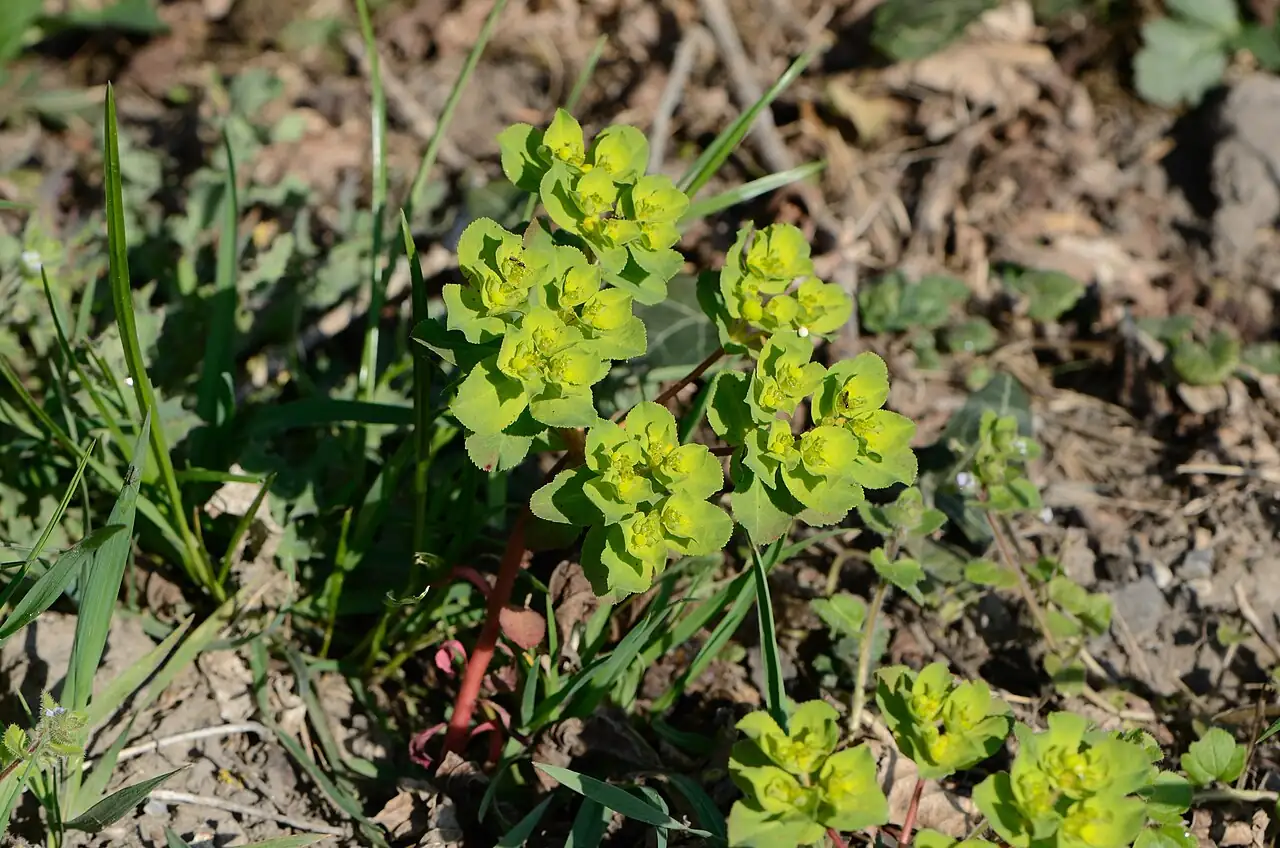
- Foliage: Leaves are alternate and spoon-shaped to obovate, about 1–3.5 cm (0.4–1.4 in) long. They’re soft green and can look slightly fleshy.
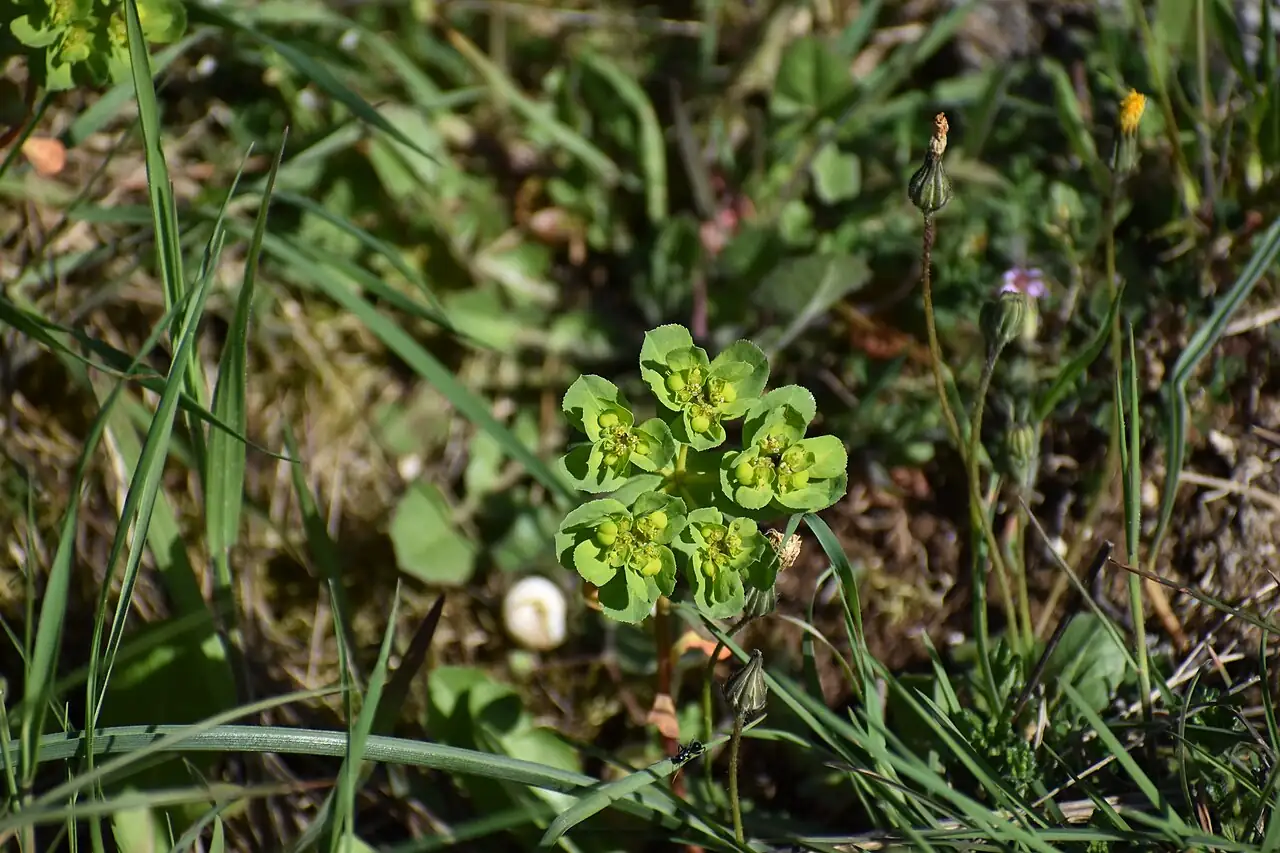
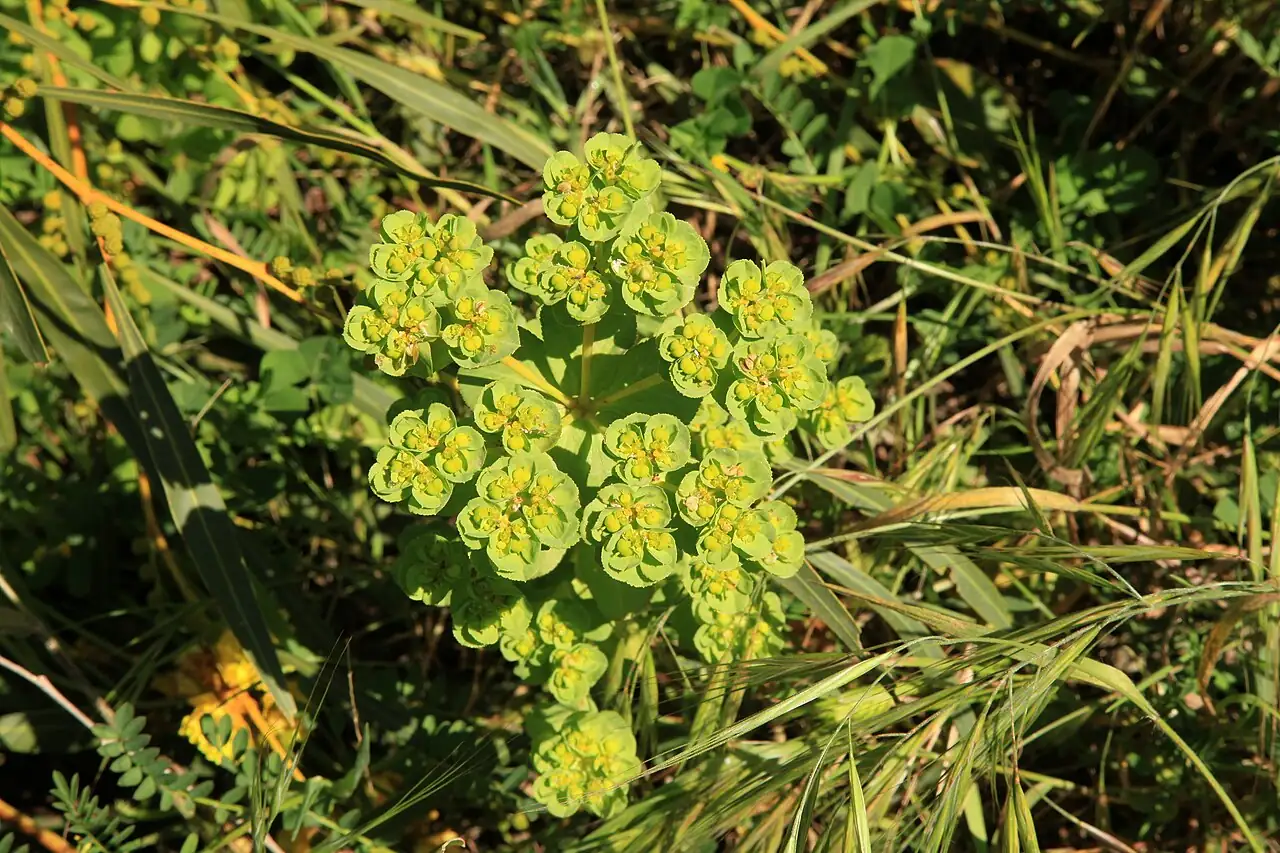
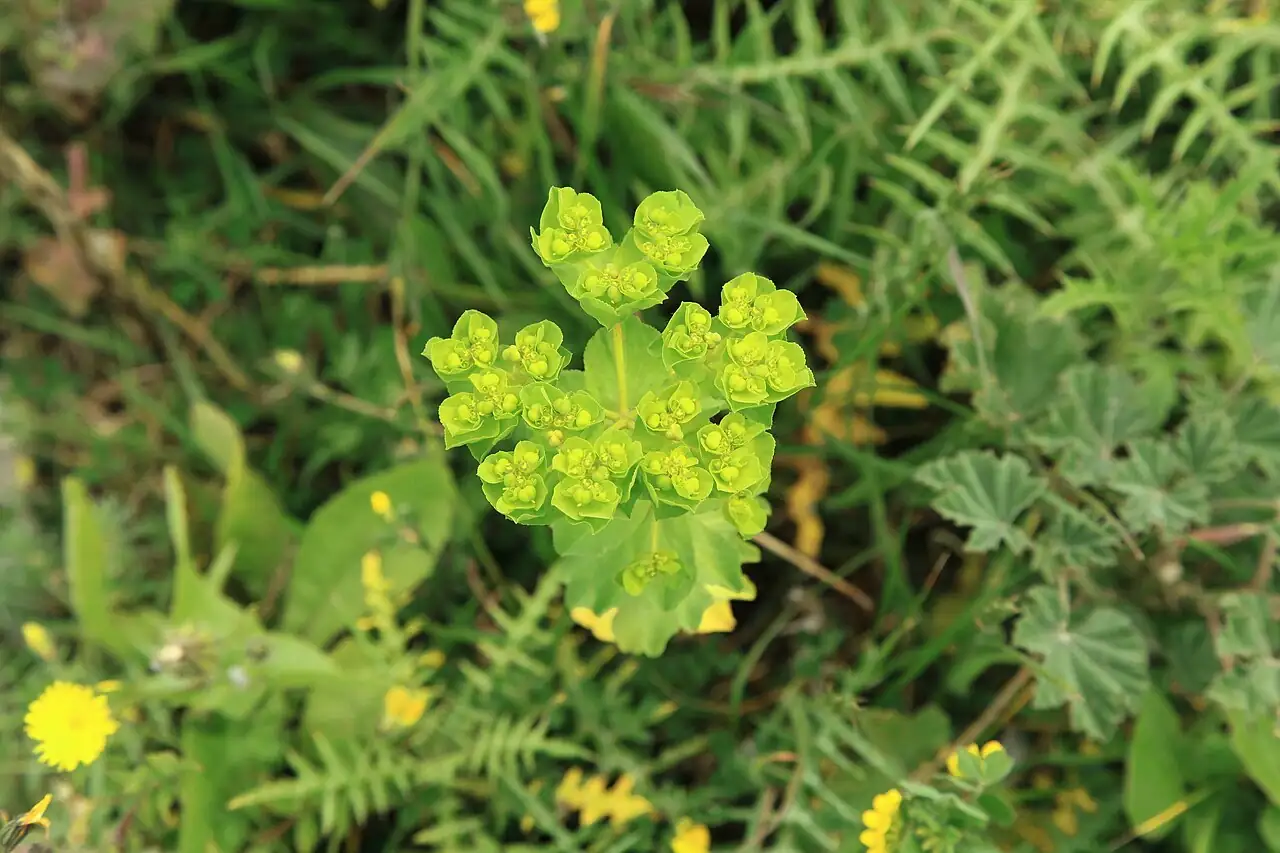
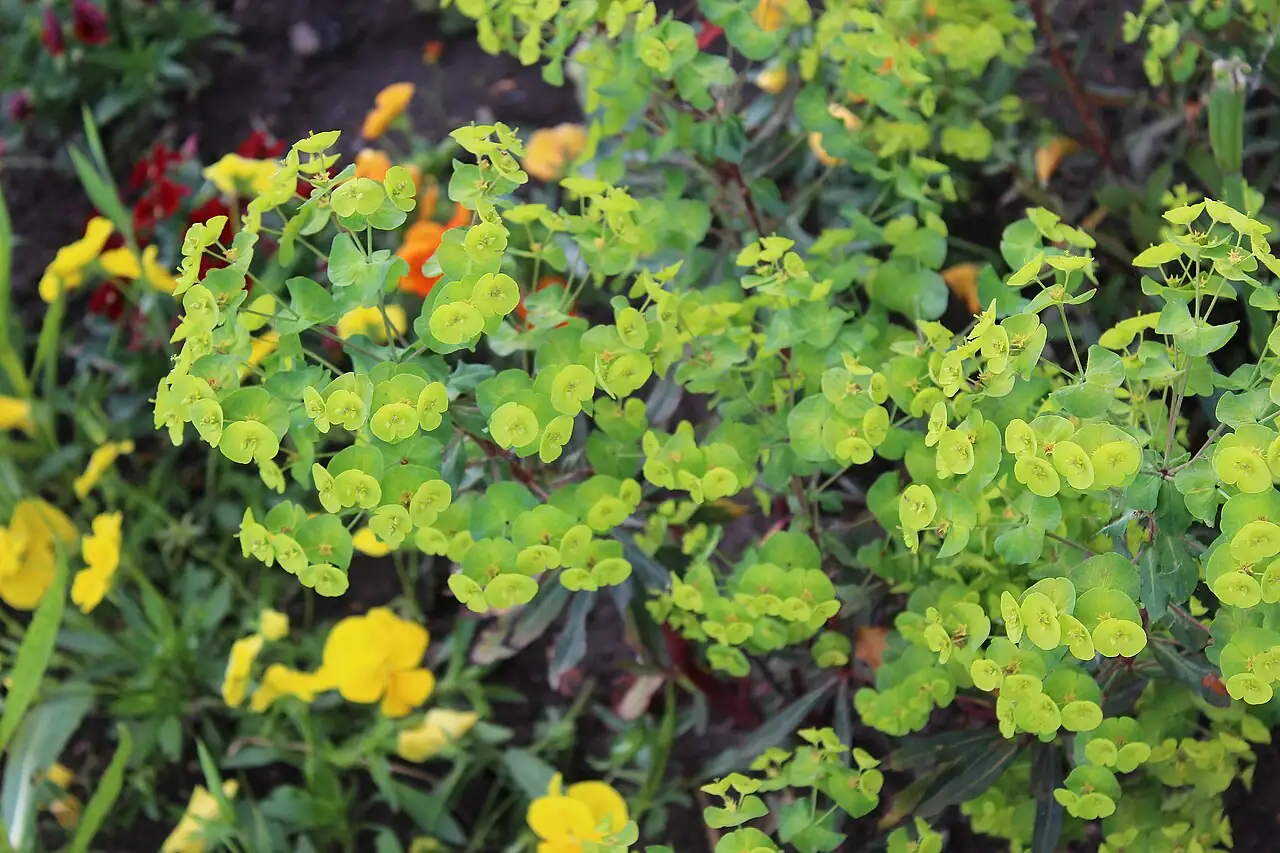
- Flower: The “flowers” are actually tiny Euphorbia cyathia (cup-like structures) grouped into a many-branched, umbrella-shaped cluster. The most eye-catching feature is the yellow-green bracts around the cyathia. After flowering it sets 3-lobed capsules; seeds are egg-shaped. Ripe capsules can split and scatter seed.
- Flowering Season: April–October (Apr–Oct)
- Growth Habit: Annual herb with slender roots; stems upright, smooth, and either single or branching from the base, with ascending side branches.
Environment
Sunlight
Full sun to partial shade; tends to flower and color up best in brighter light.
Temperature
Cool- to warm-season annual; grows best around 10–25°C (50–77°F). Generally not frost-tolerant.
Humidity
Adaptable, but happiest with moderate moisture; can handle a range of humidity once established.
Soil
Very adaptable. Common on field margins, slopes, roadsides, ditches, moist low spots, and other disturbed ground. For intentional growing, aim for well-drained soil that stays evenly moist (not soggy).
Placement
Primarily an outdoor wild/weed species. If kept intentionally, it suits naturalistic beds, wildlife-style corners, or temporary seasonal groundcover outdoors; not typically recommended as an indoor plant.
Hardiness
Annual; not winter-hardy. In temperate climates it completes its life cycle in one season and returns from seed.
Care Guide
Difficulty
Easy and highly adaptable—often thrives with no help at all (which is why it’s frequently labeled a weed).
Buying Guide
Usually not sold as an ornamental. If you do select plants, choose ones with intact upright stems and fresh green bracts; avoid snapped stems or heavy pest damage. Handle carefully because the sap can irritate skin and eyes.
Watering
Once established, it’s fairly low-maintenance. Keep soil lightly moist during active growth, but avoid waterlogging. In containers, let the top 2–3 cm (0.8–1.2 in) dry slightly between waterings.
Fertilization
Generally unnecessary. If pot-grown, feed lightly with a balanced fertilizer at 1/4 strength every 4–6 weeks during active growth.
Pruning
Not required. To reduce self-seeding, remove seed capsules before they mature. Wear gloves to avoid contact with latex sap.
Propagation
By seed. It readily self-sows; for controlled sowing, collect mature capsules before they split.
Repotting
Rarely needed because it is an annual. If container-grown and rootbound, pot up once into a slightly larger pot (2–5 cm / 1–2 in wider).
📅 Seasonal Care Calendar
Spring: germination and rapid growth. Summer to fall (Apr–Oct): flowering and fruiting; remove capsules if you want to limit reseeding. Late fall/winter: plants die back; remove and compost (avoid sap contact).
Pests, Diseases & Safety
Common Pests & Diseases
Usually trouble-free. Watch for aphids, spider mites during hot/dry spells, and occasional mildew in crowded, humid conditions. Better airflow and avoiding overwatering help prevent fungal issues.
Toxicity
Contains irritating/toxic white latex sap typical of Euphorbia. Sap may cause skin irritation and can seriously injure eyes; ingestion is harmful. Keep away from children and pets; wear gloves and wash hands after handling.
Culture & Symbolism
Uses: Mostly noticed for its quirky umbrella-like bracts and as incidental wild groundcover. In gardens and farmland it’s more often treated as a weed than a desirable ornamental.
FAQ
Why does it ooze white sap when broken?
Sun spurge produces milky latex typical of Euphorbia. This sap helps deter grazing animals, but it can irritate skin and eyes—handle with gloves and avoid touching your face.
How can I stop it from spreading?
Pull or cut plants before the seed capsules mature and split. Bag and dispose of seed heads, and try not to churn up soil where hidden seeds may be waiting.
Fun Facts
- The bright yellow-green “petals” are actually bracts; the true flowers are tiny and sit inside cup-like cyathia.
- Though native to Europe, it has spread widely and is now a familiar weed of disturbed ground in many regions.
- Its 3-lobed capsules can pop open when ripe, flinging seeds away from the parent plant.


