Plant Features
- Size: Up to about 5 m (16 ft) tall, with a spreading crown.
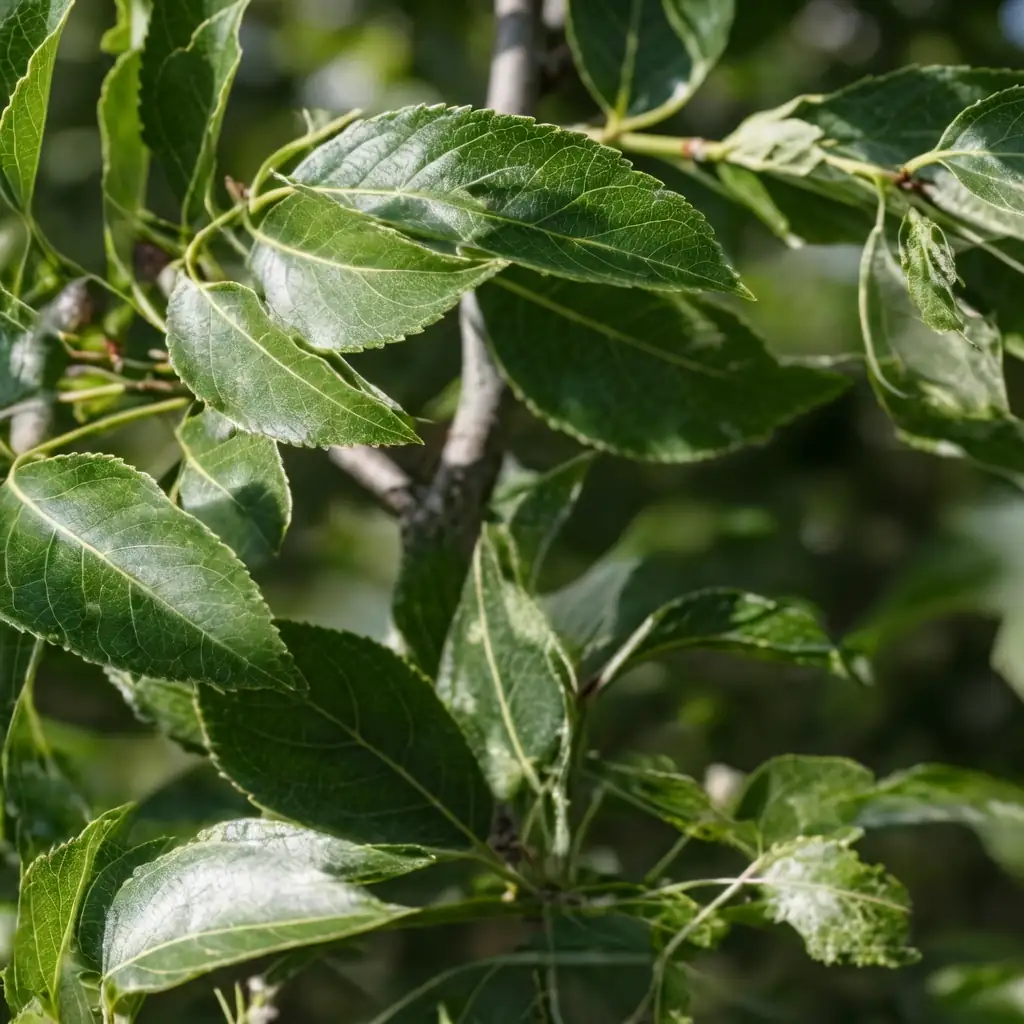
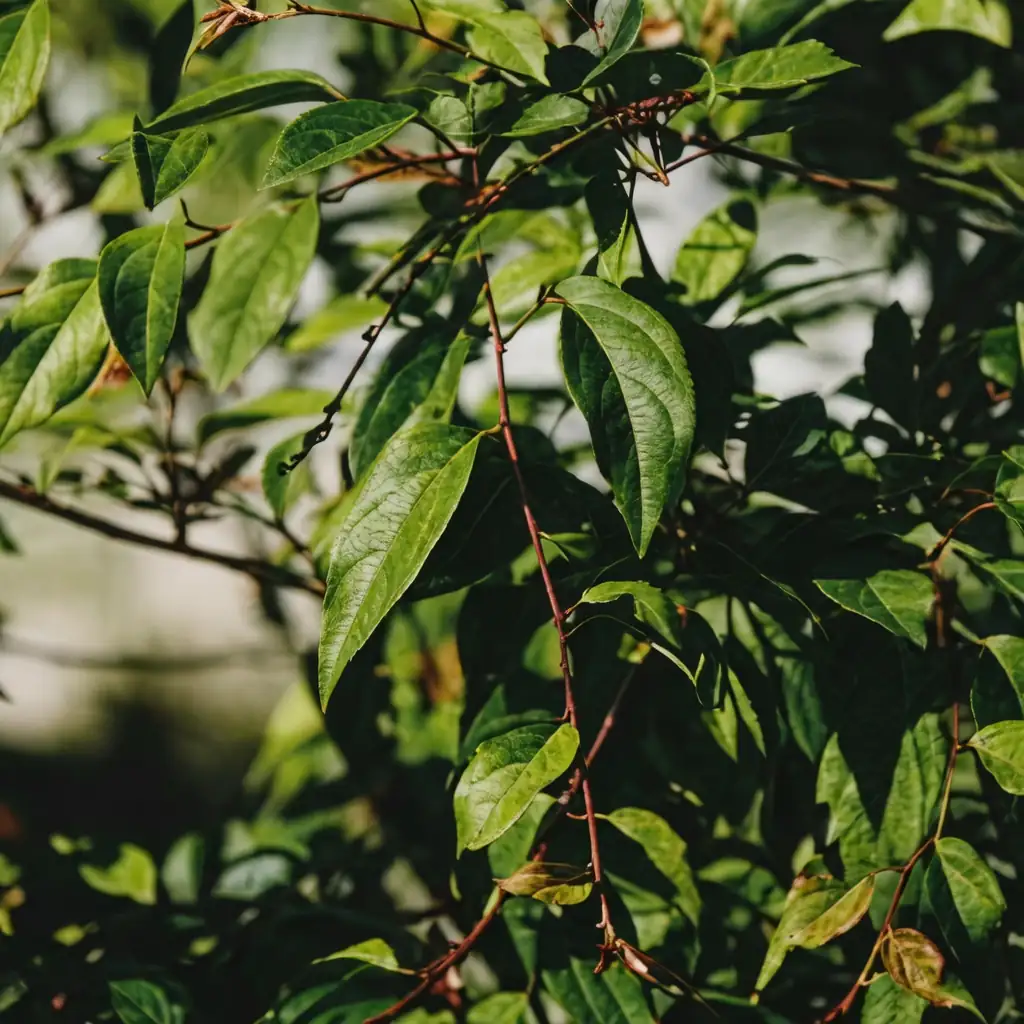
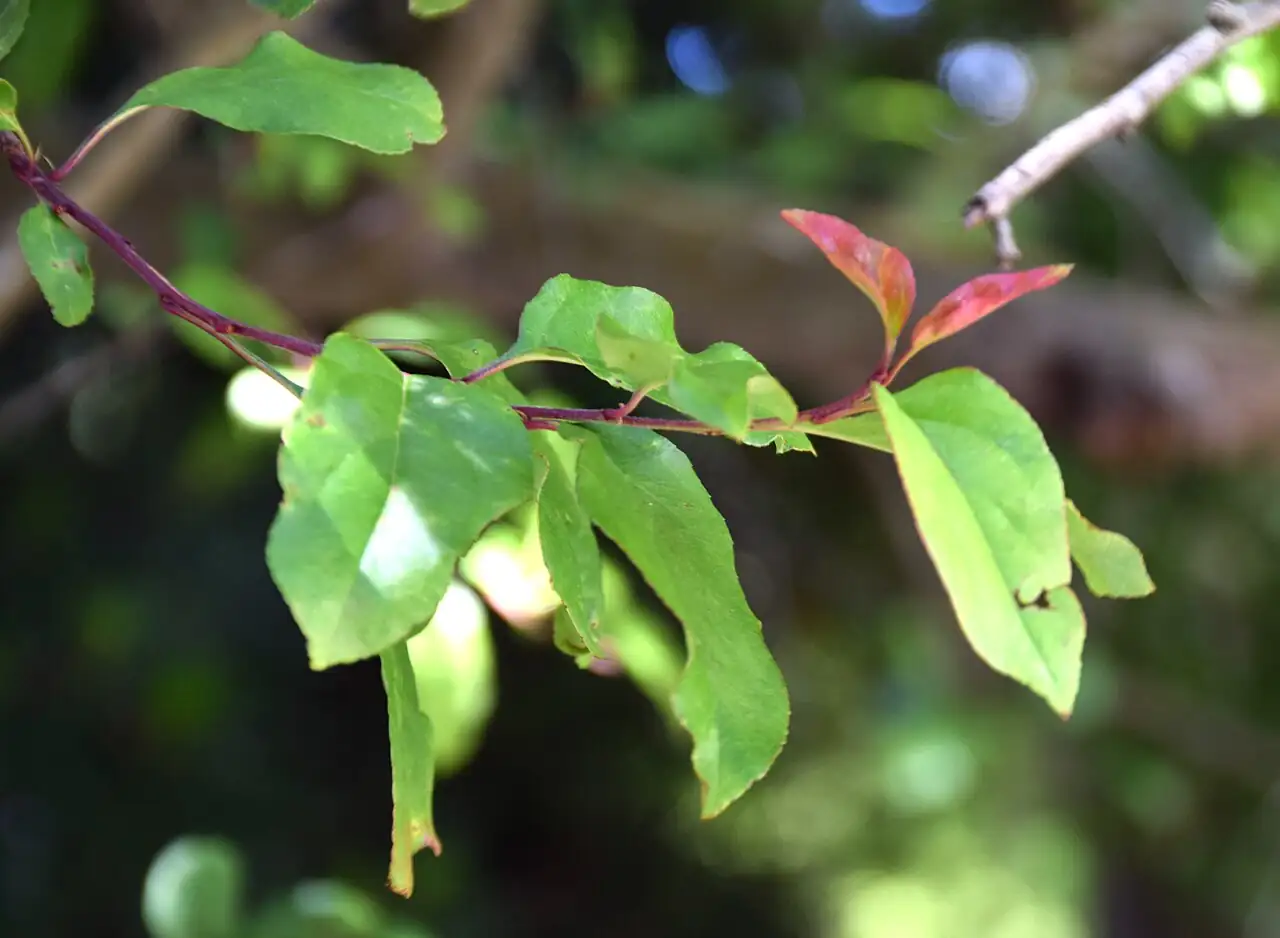
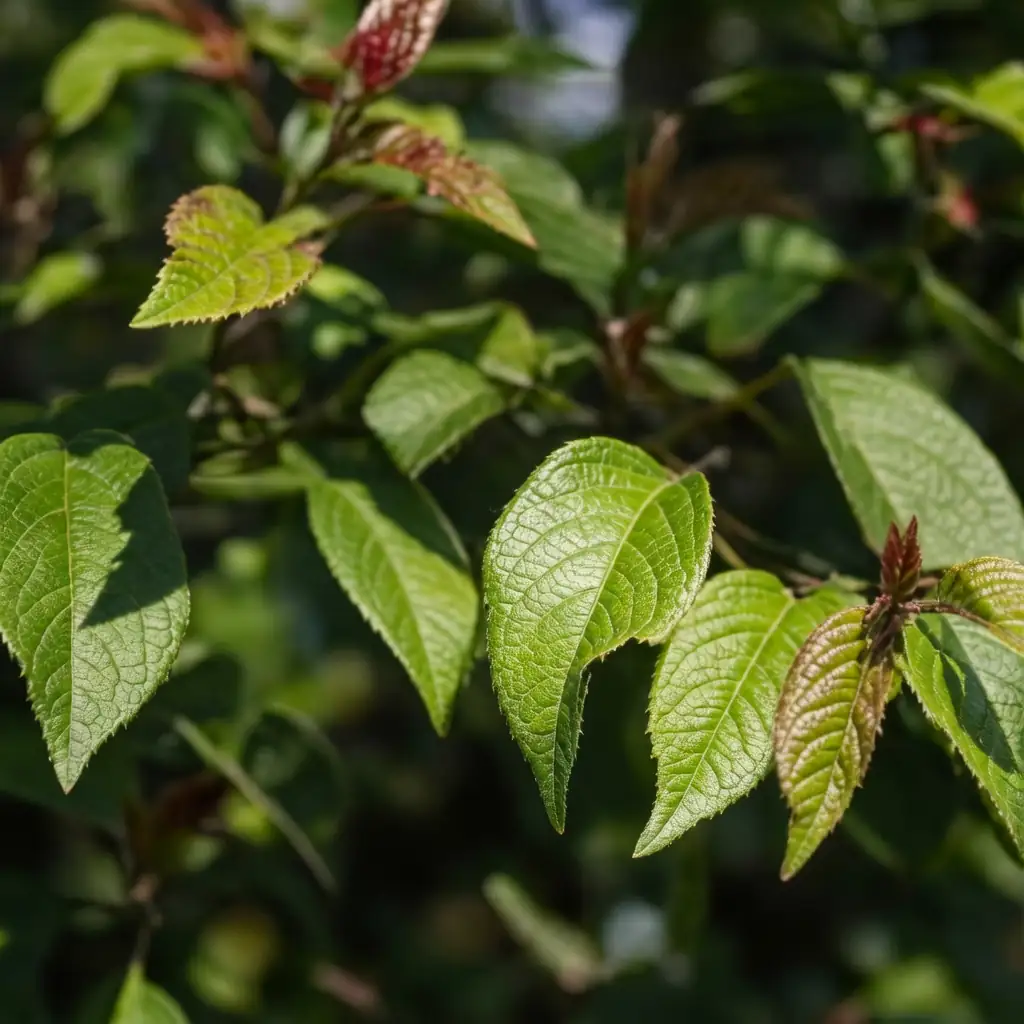
- Foliage: Leaves are ovate (egg-shaped), creating an open, airy canopy that complements the tree’s graceful branching.
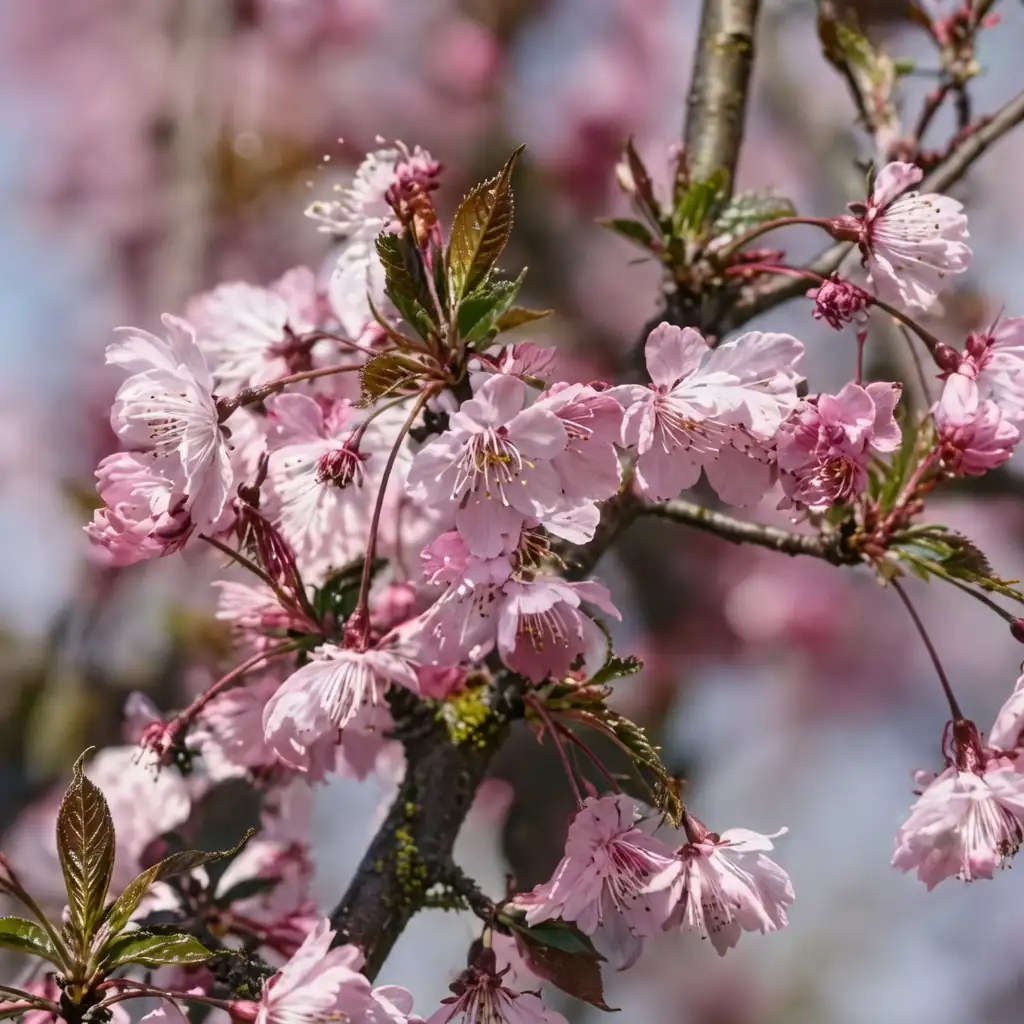
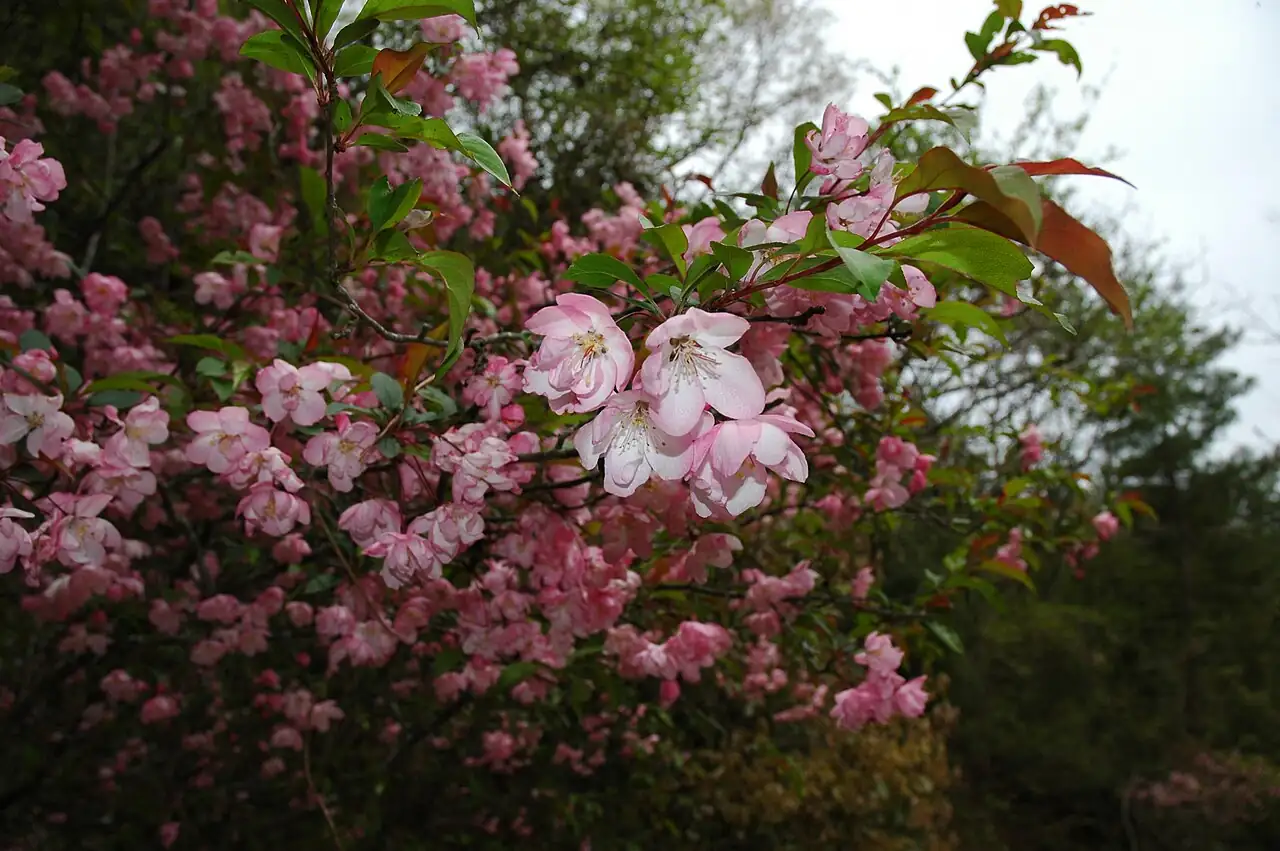
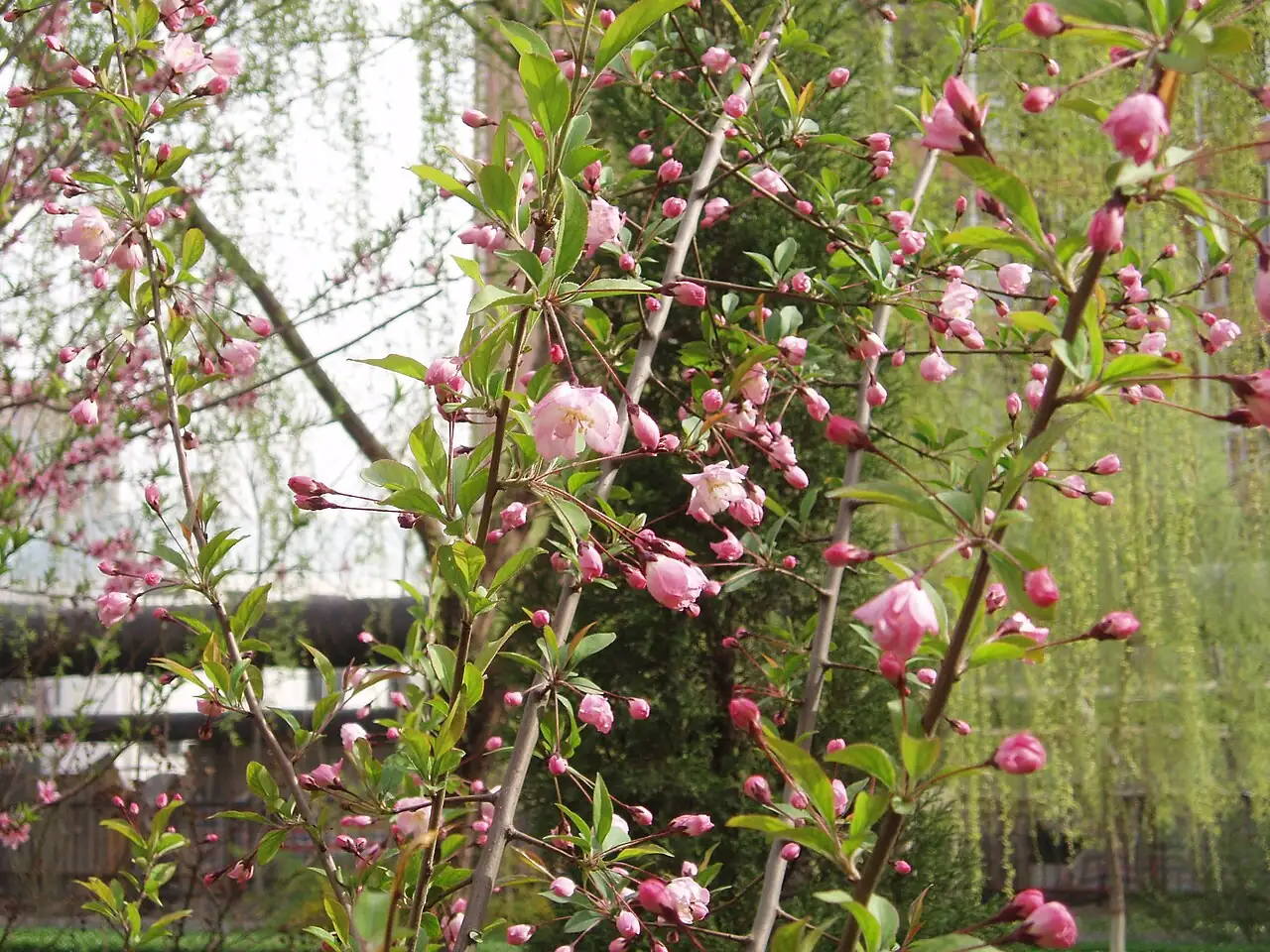
- Flower: Flowers appear in spring in small corymbs of about 4–6 blooms per cluster. The long, slender flower stalks droop (sometimes sparsely hairy and often purplish), so the pink, obovate petals hang like little bells—one of the most distinctive traits of this crabapple.
- Flowering Season: March–April (Mar–Apr)
- Growth Habit: Deciduous small tree with a spreading, elegant form; branches often arching to drooping.
Environment
Sunlight
Full sun for best flowering; not shade-tolerant.
Temperature
Prefers warm conditions; best growth roughly 15–28°C (59–82°F). Not strongly cold-hardy—protect from hard freezes when possible, especially young or container-grown plants.
Humidity
Enjoys a moist, moderately humid environment; avoid prolonged hot, dry wind that can stress foliage and flowers.
Soil
Adaptable to many soils, from slightly acidic to slightly alkaline. Performs best in deep, loose, fertile, well-drained soil (some clay is fine); avoid waterlogged conditions.
Placement
A sunny, sheltered spot out of strong wind. Ideal as a landscape ornamental tree; also suitable for large patio containers with excellent drainage.
Hardiness
Approximately USDA Zone 6–9; not fully frost-hardy in exposed sites.
Care Guide
Difficulty
Easy to moderate: tolerant once established, but looks its best with full sun, fertile soil, and good drainage.
Buying Guide
Pick a plant with a healthy trunk and branch structure, no cankers, and no dieback. If the tree is grafted, check for a clean, solid graft union. Avoid plants with blackened shoots or distorted new growth, which can hint at disease or pest problems.
Watering
Water deeply after planting and keep evenly moist while it establishes. Once established, water during dry spells and let the top few centimeters of soil dry slightly between waterings. For containers, water when the top 2–5 cm (1–2 in) of mix feels dry.
Fertilization
Feed in early spring with a balanced slow-release fertilizer. If growth is weak, a light second feeding in late spring can help. Avoid high nitrogen in late summer so the plant doesn’t push tender growth before colder weather.
Pruning
Prune in late winter to early spring while dormant: remove dead, diseased, and crossing branches, and thin lightly for airflow. Avoid heavy pruning because it can remove flowering spurs and reduce spring bloom.
Propagation
Most commonly propagated by grafting or budding onto crabapple/apple rootstocks. Seed is possible, but seedlings may not come true to the parent plant’s form and flowering quality.
Repotting
For container trees, repot every 2–3 years in late winter/early spring, or refresh the top 5–8 cm (2–3 in) of potting mix. Always use a pot with excellent drainage.
📅 Seasonal Care Calendar
Flowering: March–April (Mar–Apr). Fruiting: September–October (Sep–Oct).
Pests, Diseases & Safety
Common Pests & Diseases
Watch for common crabapple pests like aphids, scale, spider mites, and caterpillars. Potential diseases include powdery mildew, apple scab, rust, and fire blight. Improve airflow with light thinning, avoid overhead watering, remove fallen/infected debris, and prune out diseased wood promptly.
Toxicity
Generally low risk. Like many Malus (apple/crabapple) species, the seeds contain small amounts of cyanogenic compounds—discourage pets or children from eating large quantities of seeds.
Culture & Symbolism
Symbolism: A favorite symbol of spring beauty and refined elegance—cherished for its graceful silhouette and romantic pink bloom display.
Uses: Grown mainly as an ornamental flowering tree in gardens and parks; also suitable for training as a large container/patio specimen in sunny locations.
FAQ
Why is my Hall’s crabapple not flowering well?
Most often it’s not getting enough sun—move it to full sun if possible. Another common cause is heavy pruning, which can remove flowering spurs. Prune lightly while dormant and focus on thinning rather than cutting back flowering wood.
Can it grow in alkaline soil?
Yes—it’s tolerant of slightly alkaline soils. If you notice yellowing leaves, check for iron chlorosis and improve soil organic matter; in containers, consider a slightly acidic mix and a micronutrient supplement if needed.
Fun Facts
- Its slender, drooping flower stalks are a big part of the famous “weeping blossom” effect in spring.
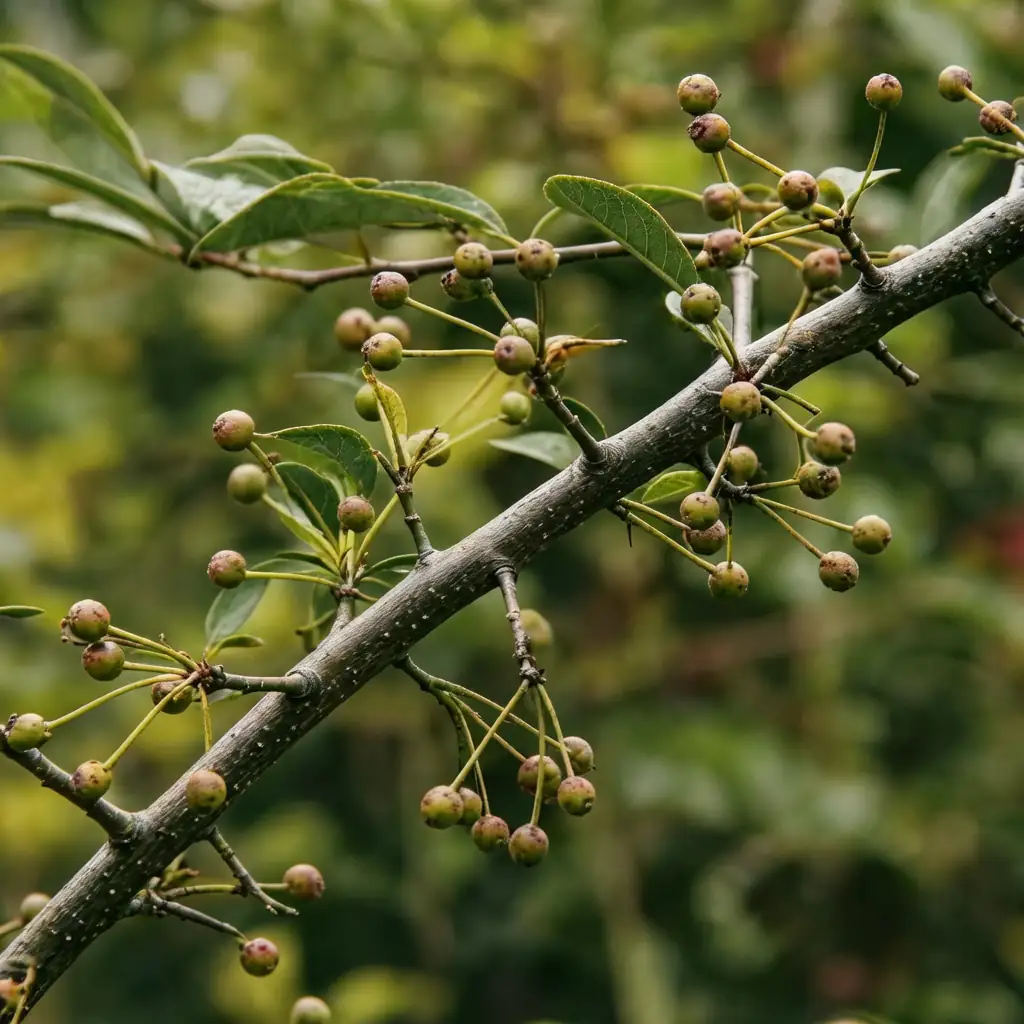
- The fruits can be pear-shaped to obovate and may show a subtle purplish cast, ripening relatively late in the season.
- In its native range, it’s often found on wooded slopes and along streamside valleys across several Chinese provinces.