

Plant Features
- Size: Typically 15–30 cm (6–12 in) tall, with a clump spread of about 15–30 cm (6–12 in).
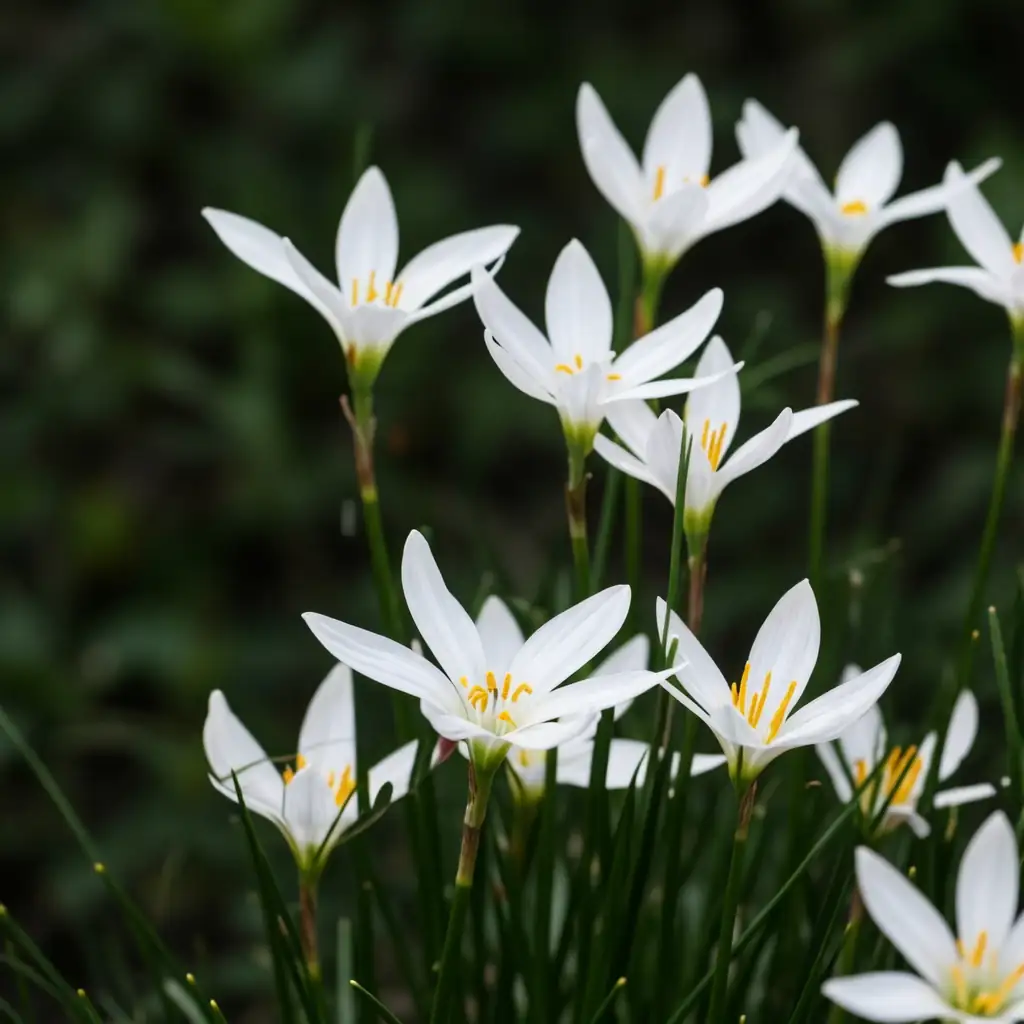
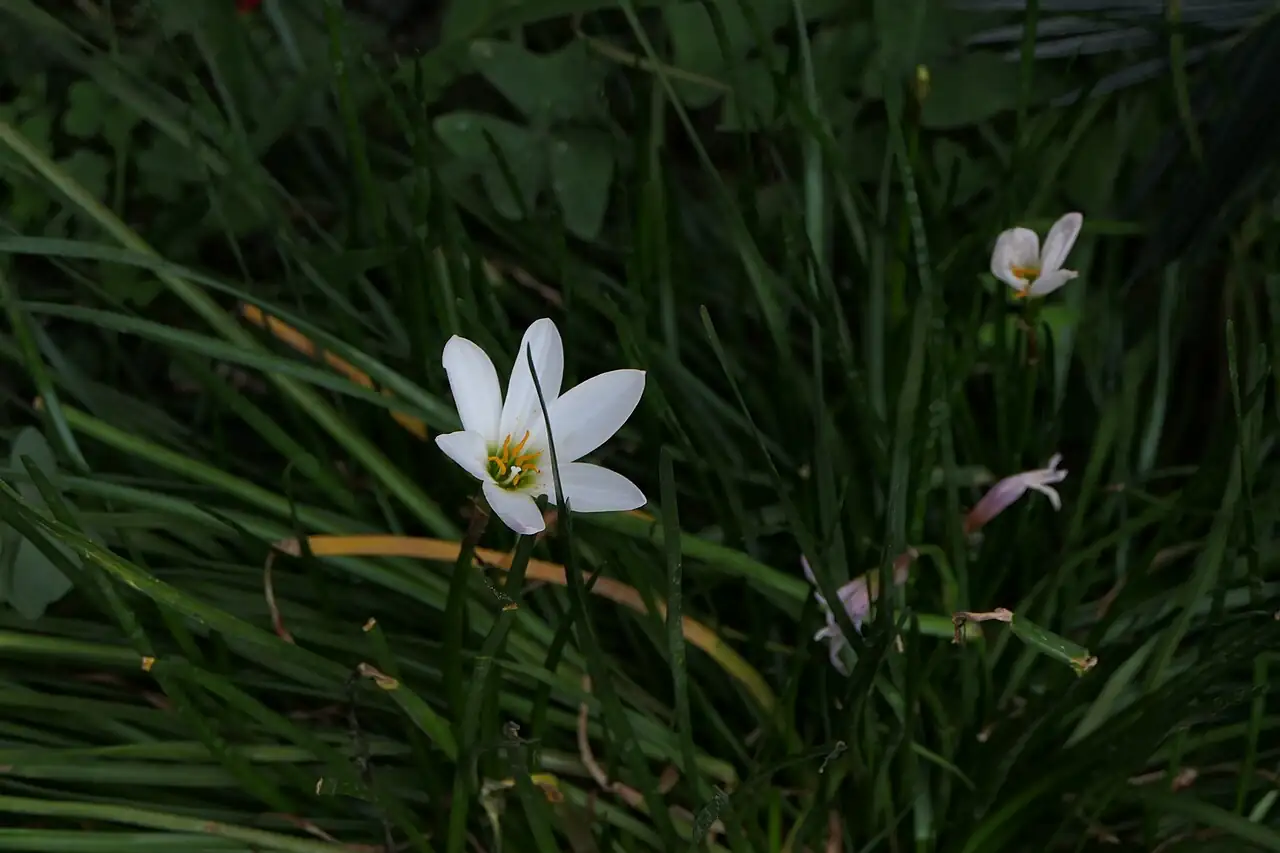
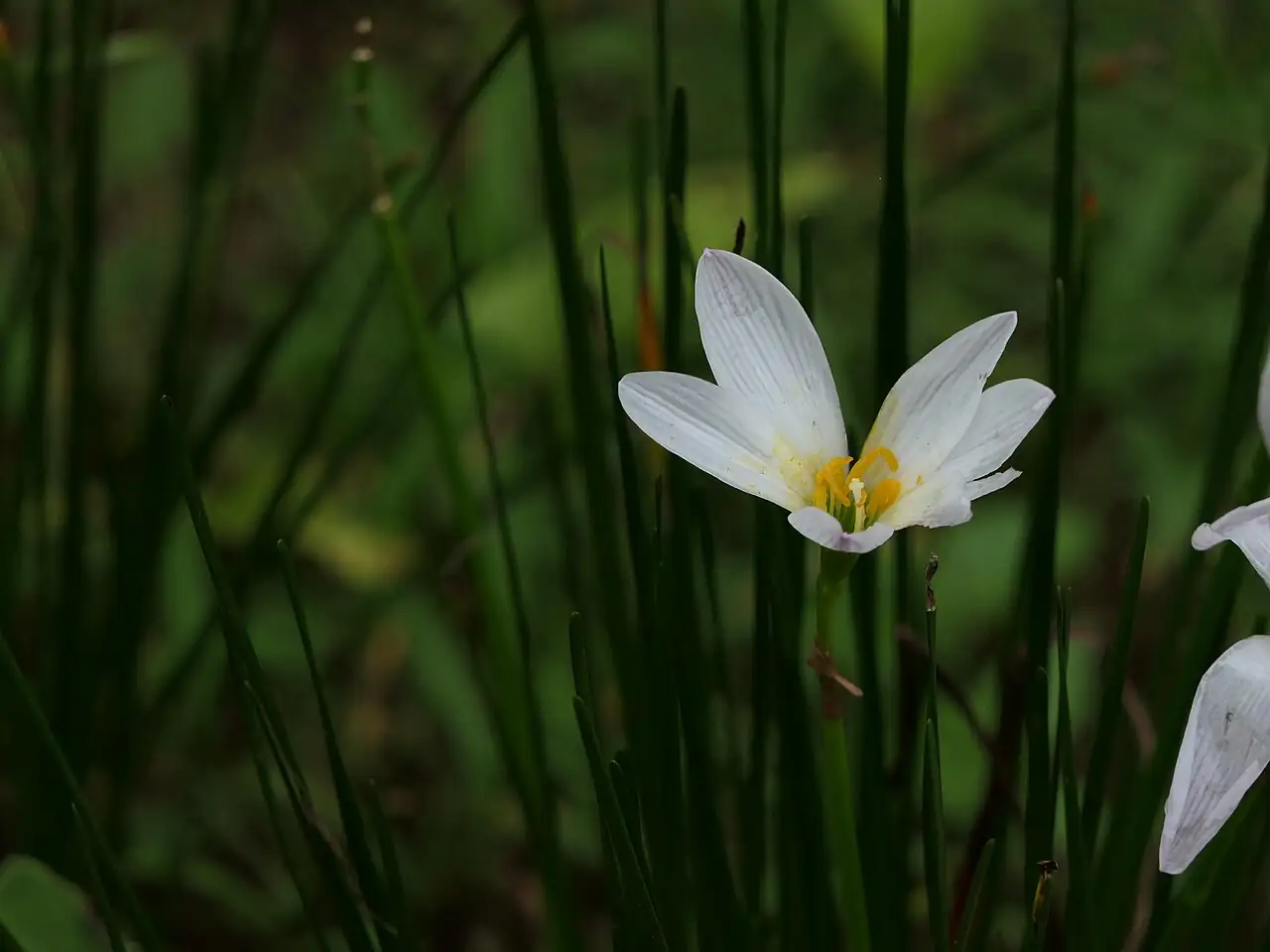
- Foliage: Basal, narrow, linear leaves that resemble chives; dark green, slightly fleshy, often with a subtle longitudinal groove. The plant grows from small, ovoid bulbs with a noticeable neck.
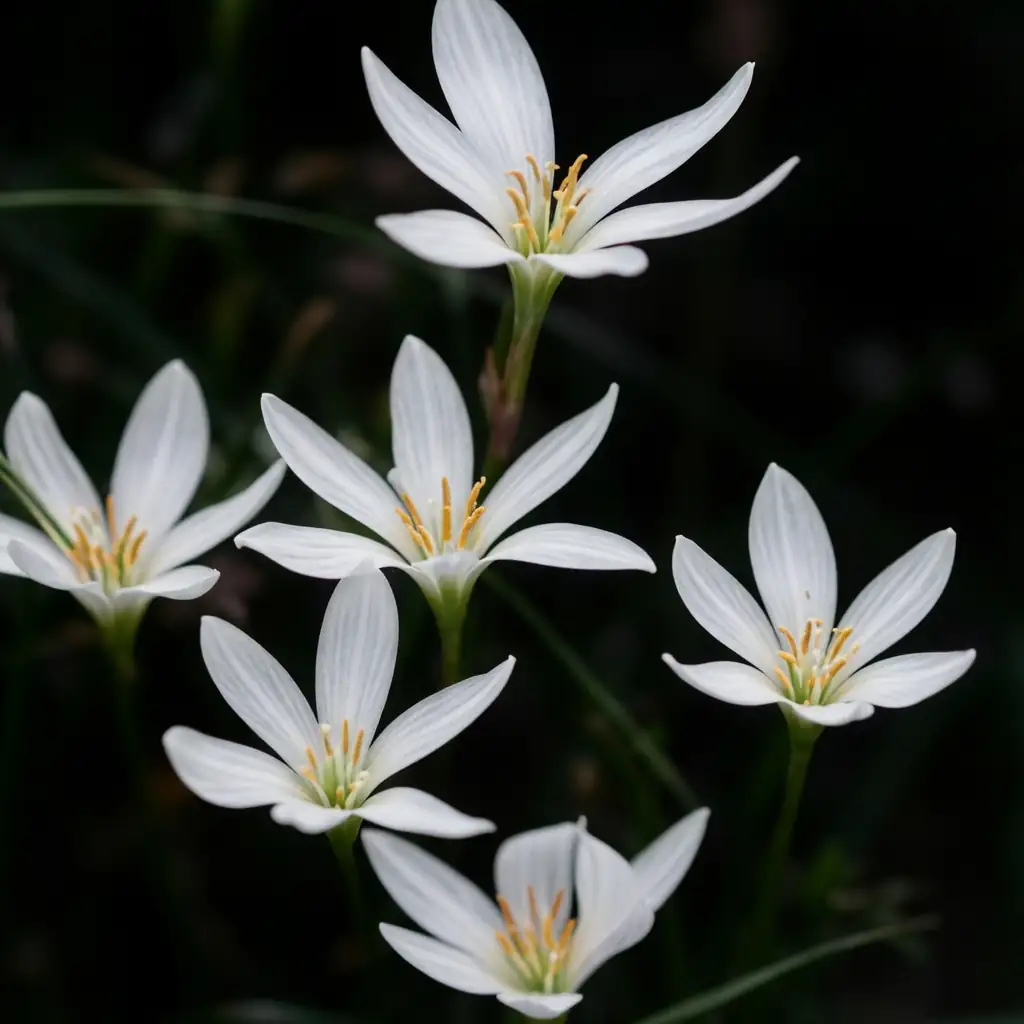
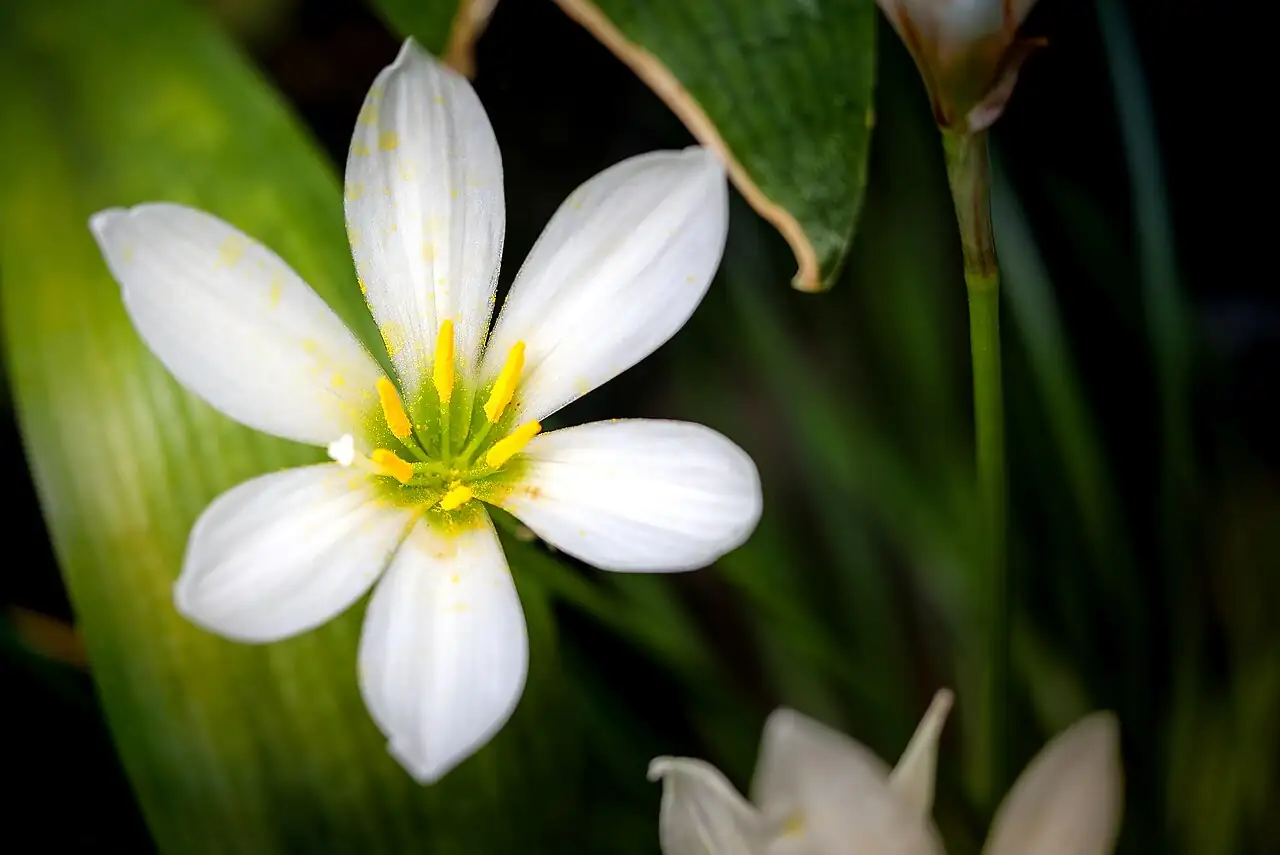
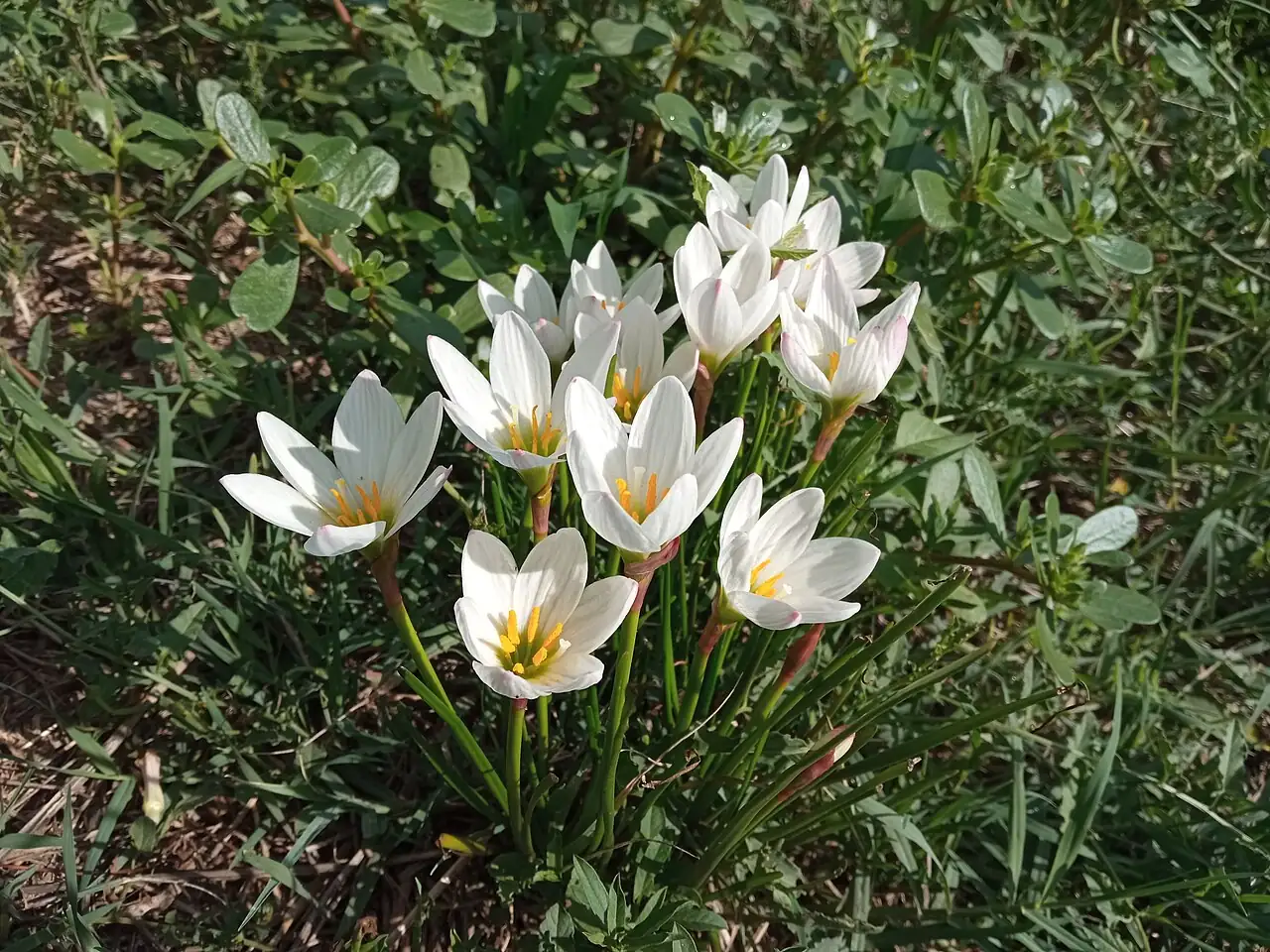
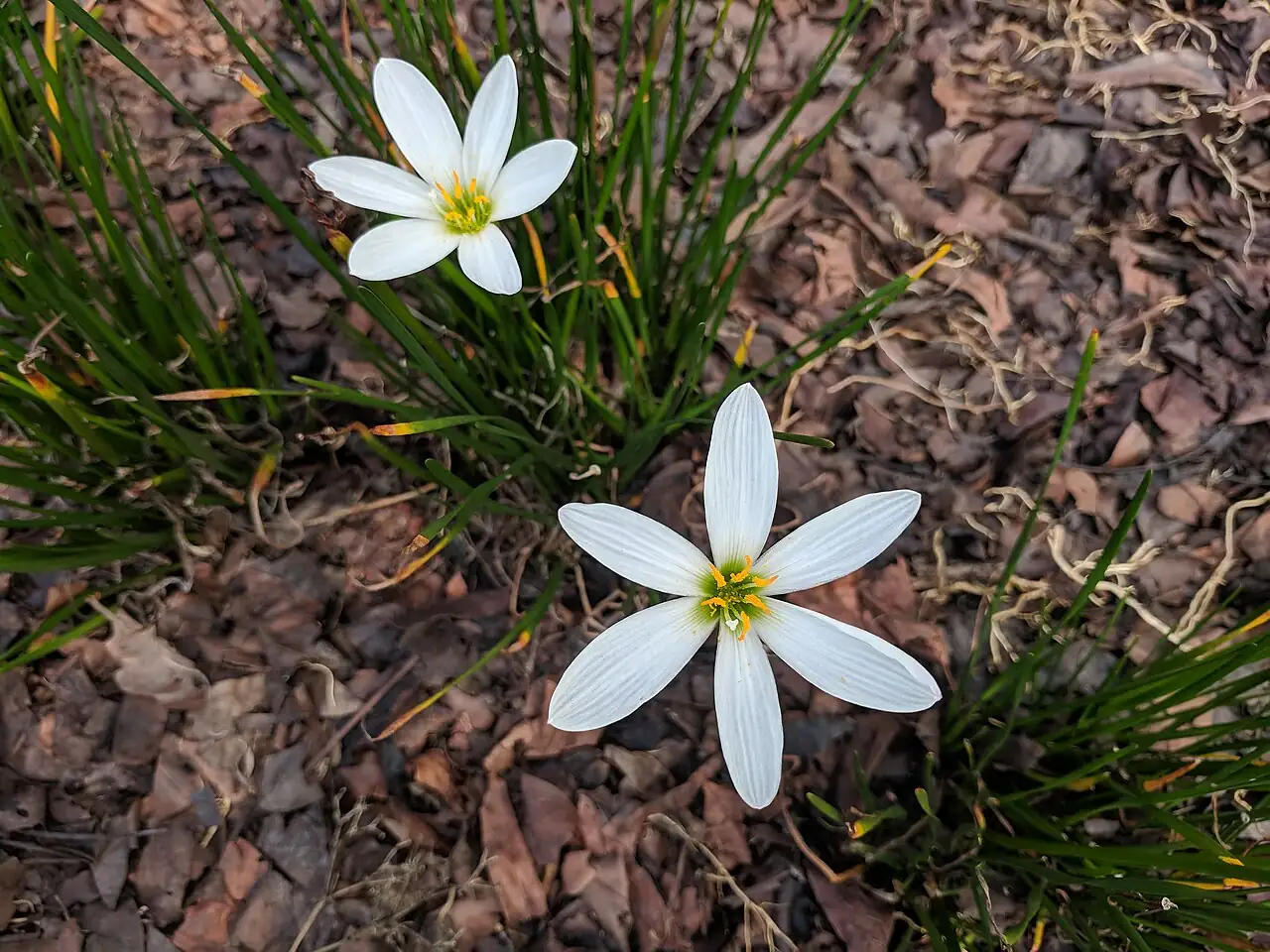
- Flower: Solitary, upward-facing to slightly flared, funnel-shaped flowers held on slender stalks. Blooms are usually pure white, though the outer tepals can show a faint pinkish to purplish flush in some conditions.
- Flowering Season: Late spring through early autumn, typically May–September (May–September).
- Growth Habit: Clump-forming, evergreen, bulbous perennial that flowers intermittently in flushes—often soon after warm rain or irrigation.
Environment
Sunlight
Full sun to partial shade; brightest light usually gives the strongest flowering.
Temperature
Prefers warm conditions; best growth and flowering around 18–30°C (64–86°F). Tolerates brief cool spells, but protect from hard frost.
Humidity
Average to moderately humid. Enjoys moisture during active growth, but dislikes staying soggy for long periods.
Soil
Fertile, well-drained soil. Loam or clay-loam works well if drainage is good; avoid waterlogged sites to prevent bulb rot.
Placement
Sunny beds, borders, and lawn edges (especially in drifts); also great in containers on patios, balconies, or bright windowsills.
Hardiness
USDA Zone 7–11 (7–11). Frost may damage top growth, but bulbs can resprout where winters are mild or if protected.
Care Guide
Difficulty
Easy. Tough and reliable in warm seasons, especially when planted in well-drained soil.
Buying Guide
Pick firm, healthy bulbs without soft spots or mold, or choose pots with dense, green, grass-like foliage and no signs of rot. Avoid plants sitting in waterlogged media.
Watering
Water regularly during active growth, keeping soil lightly moist. Let the top 2–3 cm (0.8–1.2 in) dry between waterings. Reduce watering in cooler weather or when growth slows, and never leave bulbs in constantly wet soil.
Fertilization
Feed lightly in spring and summer using a balanced fertilizer at half strength every 3–4 weeks, or apply a slow-release fertilizer at the start of the growing season. Stop feeding in late autumn and winter.
Pruning
Deadhead spent flowers for a neat look. Keep leaves until they yellow naturally so the bulbs can recharge.
Propagation
Divide offsets (bulblets) for the easiest propagation: lift and separate clumps after flowering or in early spring, then replant at the same depth. Seeds can be used, but are slower.
Repotting
Repot or divide every 2–3 years, or when crowded. Use a pot with drainage holes and a free-draining mix, and keep bulbs at the same planting depth.
📅 Seasonal Care Calendar
Spring: resume watering, begin feeding, and divide if needed. Summer: bright light and steady moisture; blooms often come in waves after rain/irrigation. Autumn: taper feeding; keep moderate moisture while flowering continues. Winter: keep drier and protect from freezing.
Pests, Diseases & Safety
Common Pests & Diseases
Usually trouble-free. Watch for bulb rot in poorly drained soil. Occasional pests include aphids, thrips, spider mites, and mealybugs—more likely in dry air or crowded growth. Improve airflow, avoid overwatering, and treat with insecticidal soap or horticultural oil if needed.
Toxicity
May cause stomach upset if eaten (typical of many Amaryllidaceae). Keep bulbs and foliage away from pets and small children; sap may irritate sensitive skin.
Culture & Symbolism
Symbolism: Linked with freshness, purity, and delightful “surprise” beauty—because it can bloom so suddenly after rain.
History & Legends: Nicknamed “rain lily” because warm rain or heavy watering often triggers fast, dramatic flushes of blooms, sometimes appearing almost overnight.
Uses: Mainly ornamental: used in flowerbeds, borders, lawn edges, and large drifts; valued as a low groundcover in warm regions; also an easy, rewarding container plant for seasonal flowers.
FAQ
When does it bloom?
Most commonly from late spring through early autumn (about May–September / May–September), often in repeated waves after rain or thorough watering.
When does it fruit?
If flowers are pollinated, small seed capsules may form in the same warm season after blooming, often within May–September (May–September).
How tall does it get?
Typically 15–30 cm (6–12 in) tall, with clumps spreading about 15–30 cm (6–12 in).
Where is it native to?
Southern South America, especially Argentina and Uruguay, though it’s widely cultivated in many warm-temperate and subtropical regions.
How should I plant and display it?
Plant in drifts for the best “after-the-rain” show in beds, borders, and lawn edges, or grow in pots with bright light and well-drained soil.
Fun Facts
- A flush of blooms can appear almost overnight after warm rain—hence the name “rain lily.”
- Its chive-like leaves can make it look like a miniature ornamental grass when it’s not in flower.
- Although the flowers read as pure white, the outer surfaces can show a faint pinkish or purplish tint.
- It spreads steadily by producing offsets, forming tidy clumps that are easy to divide and share.


