

Plant Features
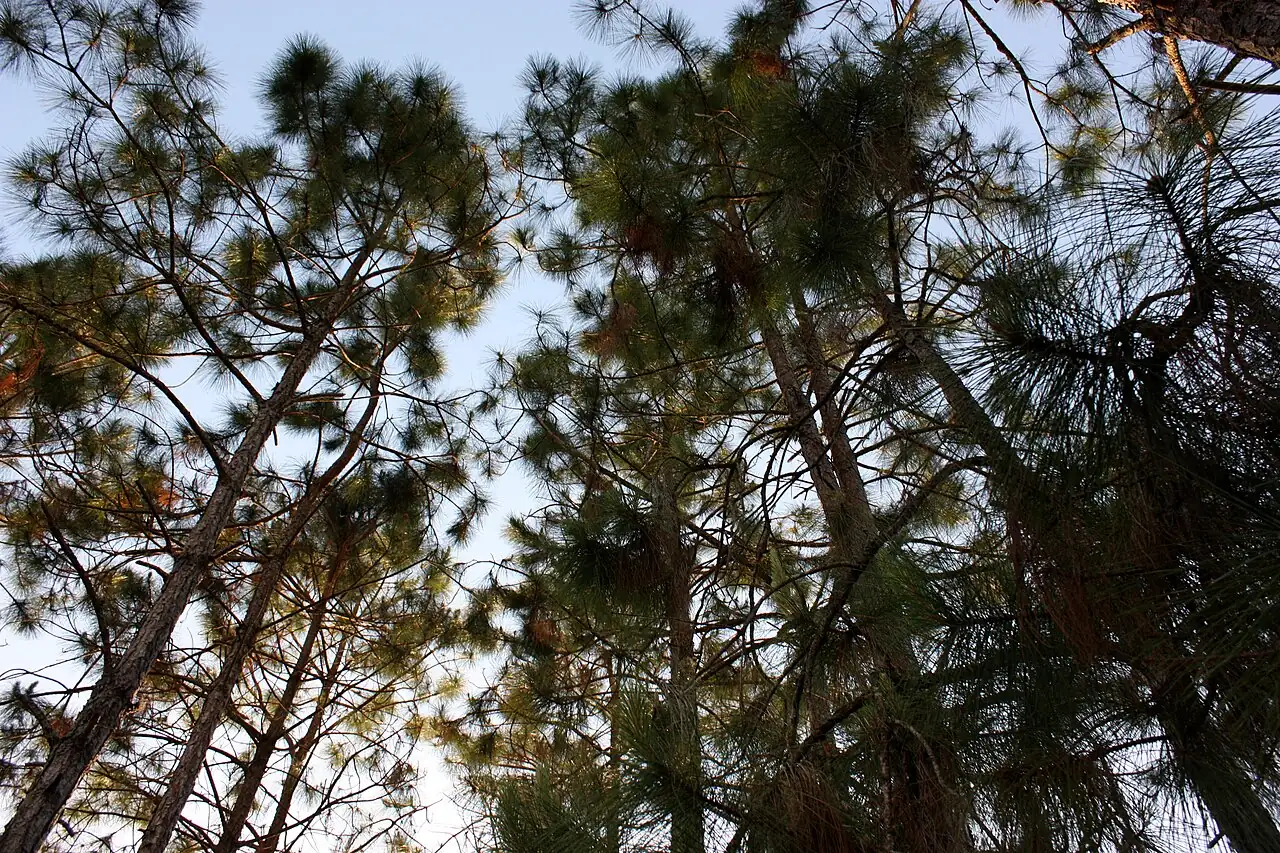
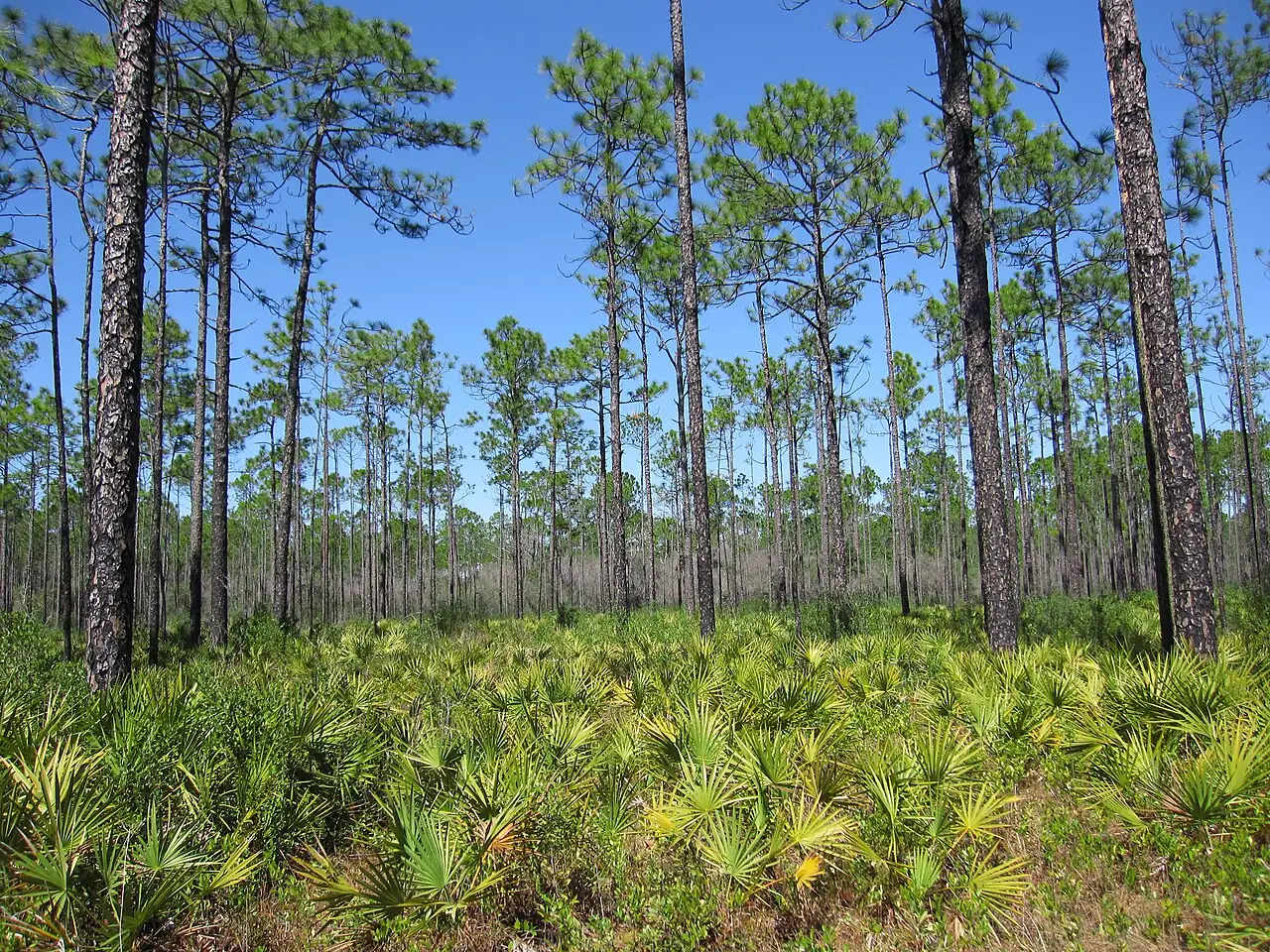
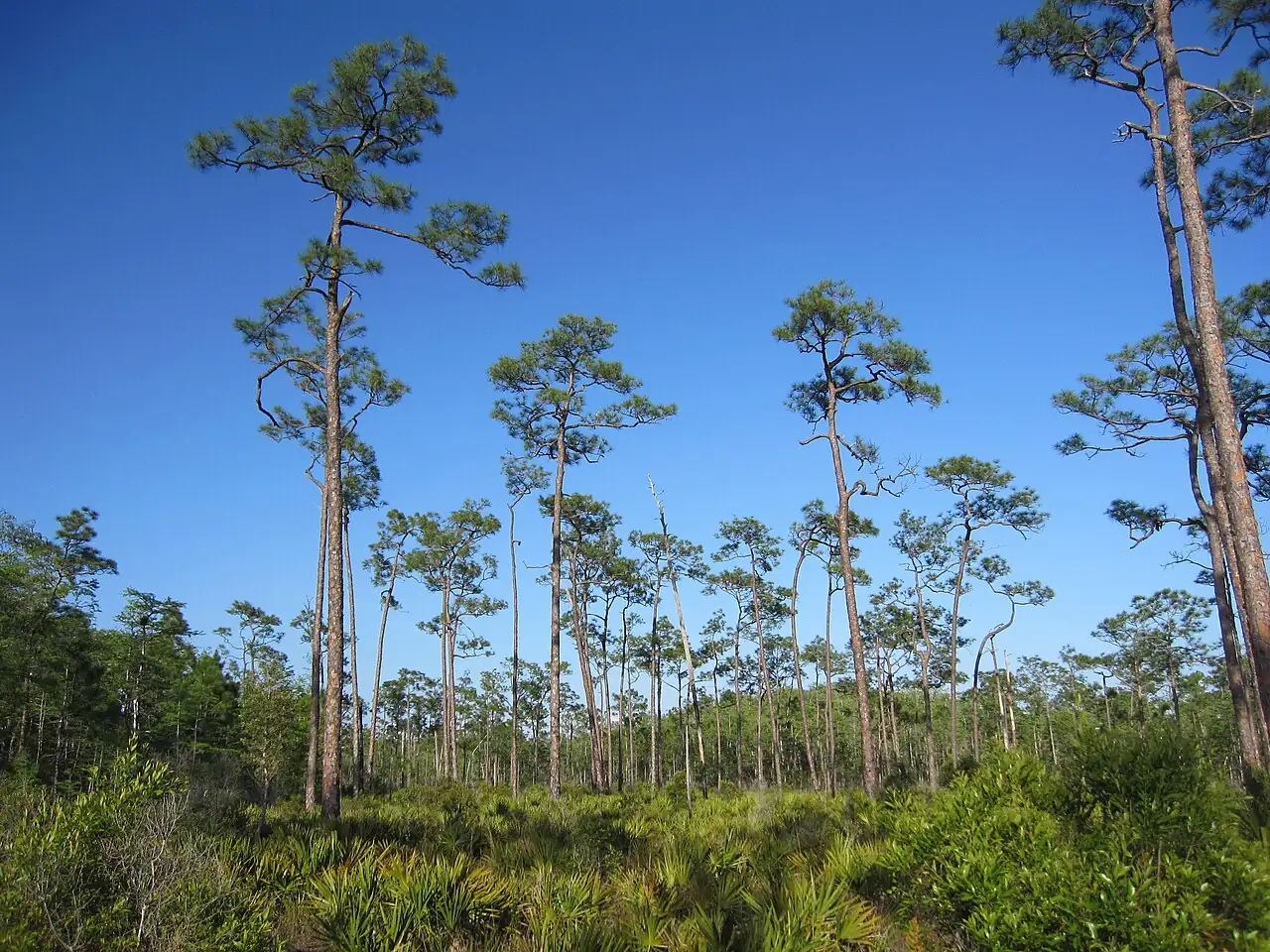
- Size: Typically 25–35 m (82–115 ft) tall in favorable conditions.
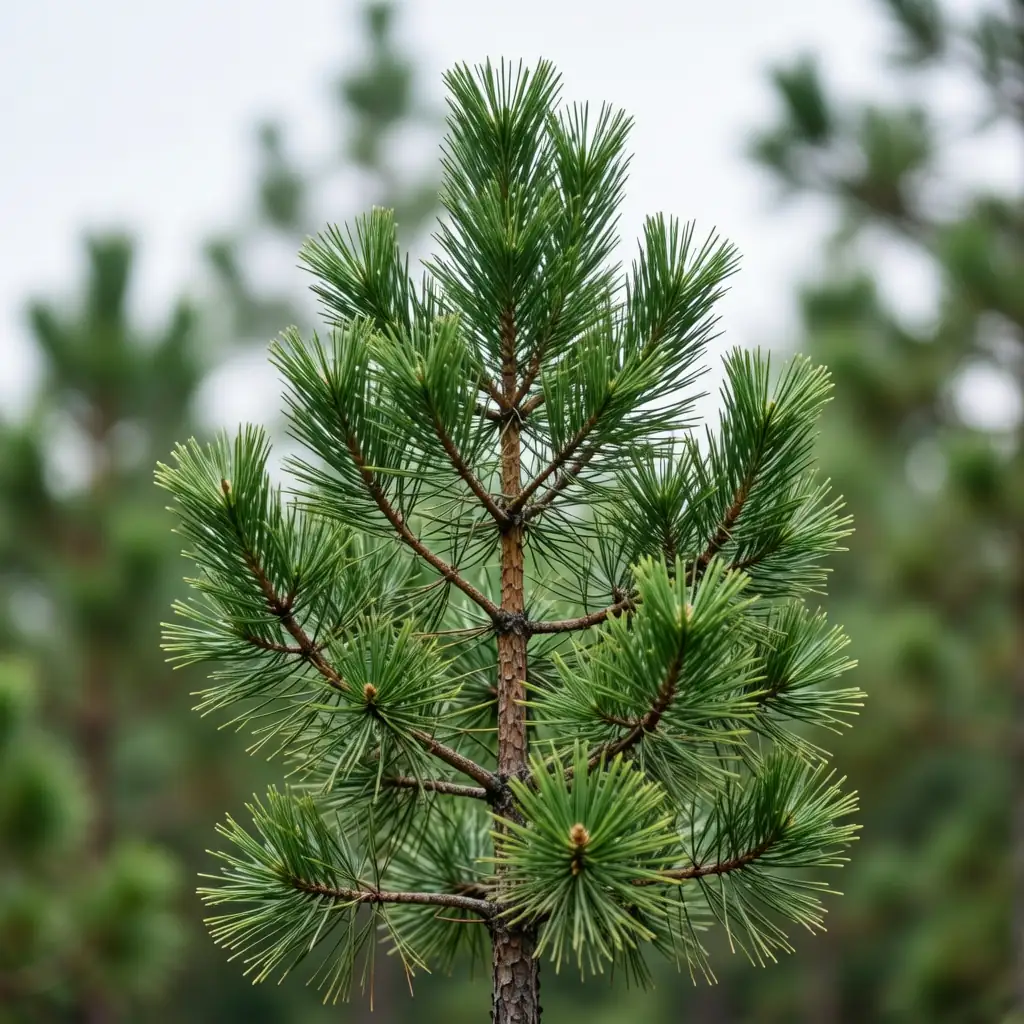
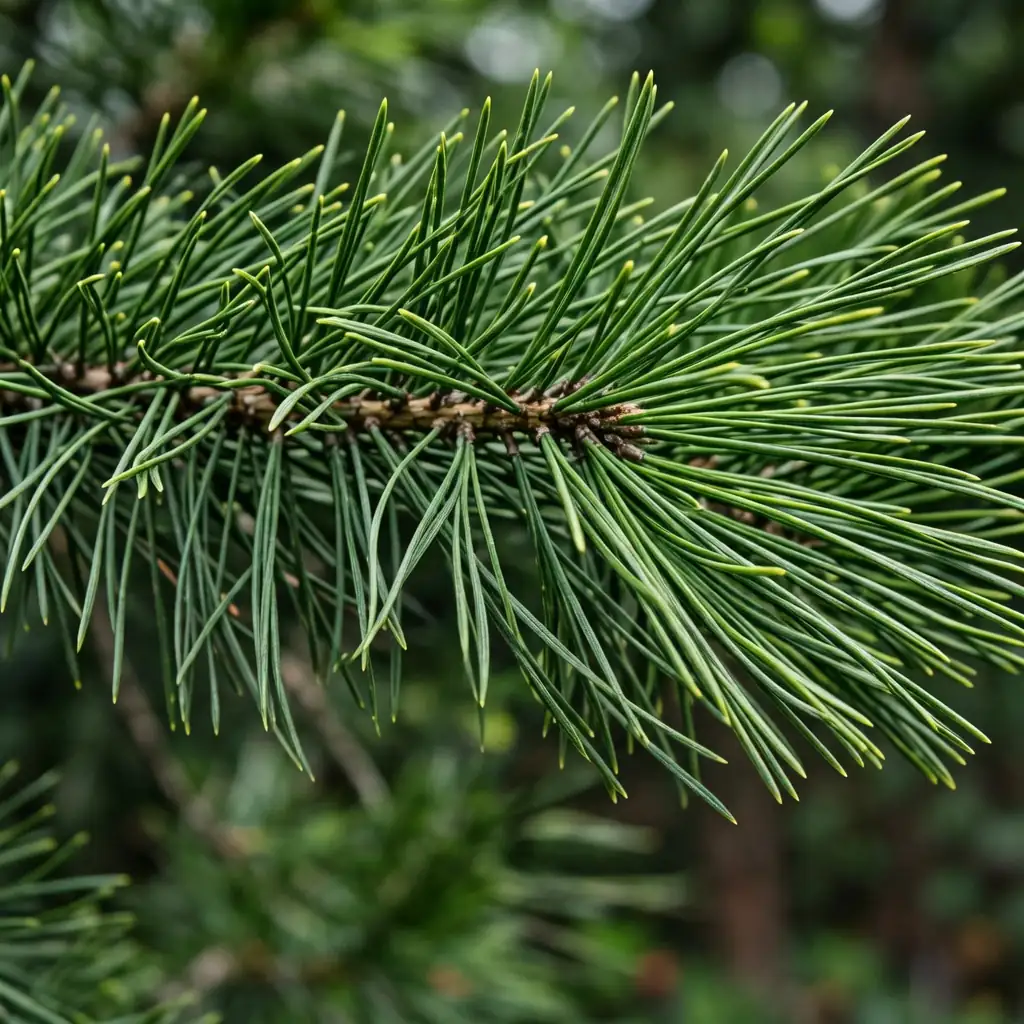
- Foliage: Evergreen tree with an upright, straight main stem. Bark is gray-brown, deeply furrowed, and breaks into large, irregular plates. Twigs are stout. Winter buds are cylindrical and tapering at the tip, reddish-brown, and usually not resinous. Needles are stiff and relatively coarse, commonly in fascicles of 2 and 3 (often both on the same tree).
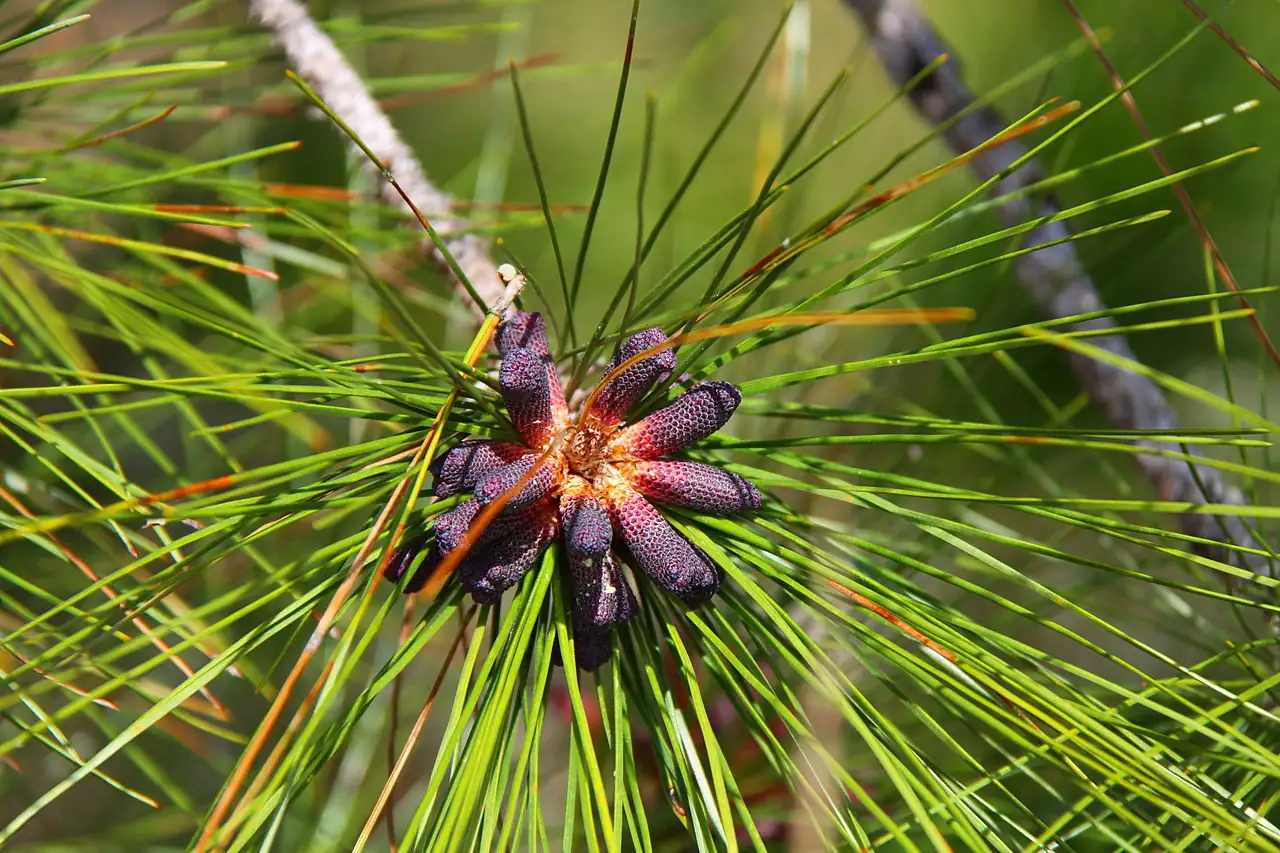
- Flower: As a pine, it doesn’t have showy flowers; it produces cones. Seed cones (female cones) are ovoid-conical and often clustered on short stalks. Cone scales are thickened and may carry a short prickle. Seeds are ovoid, with a papery wing that detaches easily.
- Flowering Season: March–April (spring) (timing varies by climate).
- Growth Habit: Fast-growing, upright evergreen tree with a straight main stem.
Environment
Sunlight
Full sun; performs best with at least 6–8 hours of direct light daily.
Temperature
Prefers warm, humid climates; best growth roughly 20–30°C (68–86°F). Young trees can be damaged by hard freezes.
Humidity
Moderate to high humidity; tolerates wet or seasonally waterlogged ground better than drought.
Soil
Adaptable; grows in sandy or loamy soils and can tolerate poorer or slightly saline soils if drainage and aeration are adequate. While it tolerates wet sites, it does best where soil isn’t permanently stagnant or oxygen-starved.
Placement
Outdoors only—best in parks, large gardens, shelterbelts, and warm-region landscape plantings. Give it ample room away from buildings and overhead lines.
Hardiness
USDA Zone 8–11 (10–45°F / -12–7°C), depending on provenance and local conditions; not reliably frost-hardy in colder regions.
Care Guide
Difficulty
Easy to moderate outdoors in suitable climates: vigorous, fast-growing, and broadly adaptable once established.
Buying Guide
Choose young trees with a straight trunk (single leader), evenly spaced branches, and healthy green needles. Avoid plants with browning needle tips, cankers, heavy resin bleeding near the base, or pots with circling/root-bound roots. Locally sourced stock adapted to your climate usually establishes best.
Watering
Water deeply after planting and keep evenly moist through the first growing season. Once established, it tolerates periodic wet soil but can struggle in prolonged drought—water during extended dry spells. Avoid frequent, shallow watering.
Fertilization
Usually low fertilizer needs in the landscape. If growth seems weak, use a slow-release balanced fertilizer in spring (follow label rates). Avoid heavy nitrogen late in the season, which can increase cold-damage risk.
Pruning
Minimal pruning is needed. In late winter to early spring, remove dead, damaged, or crossing branches. Maintain a single leader and avoid topping. Don’t remove too much live crown at once.
Propagation
Primarily grown from seed: collect mature cones, extract seeds, and sow in a well-drained medium. Named selections are generally propagated in nurseries under controlled conditions.
Repotting
Not a long-term container plant. If started in a pot, step up to a larger pot only while young, and transplant to the ground as soon as practical to prevent root circling.
📅 Seasonal Care Calendar
Spring: plant, monitor moisture, and feed lightly if needed. Summer: water in drought and watch for pests. Fall: reduce/stop fertilizing and plan planting in warm regions. Winter: light structural pruning and protect young trees from severe cold in marginal areas.
Pests, Diseases & Safety
Common Pests & Diseases
Possible problems include pine tip moths, bark beetles, needle blights, and root rots in poorly aerated soils. Keep trees vigorous with correct watering, avoid trunk wounds, and maintain good airflow; use region-specific guidance (e.g., local extension recommendations) for management.
Toxicity
Low toxicity overall, but needles and resin can cause mild irritation if chewed or ingested and may upset stomachs. Resin is sticky and can irritate skin; discourage pets from chewing.
Culture & Symbolism
Symbolism: Often linked with resilience, longevity, and steadfastness—classic pine symbolism.
History & Legends: A native of the southeastern U.S. coastal plain, slash pine became a go-to species for warm-climate forestry because it grows quickly, forms straight trunks, and produces abundant resin. It has also been planted beyond its native range wherever winters are mild enough.
Uses: Timber, pulpwood, and resin (“naval stores”). Also used as a fast-growing landscape, windbreak, and shelterbelt tree in warm regions, including areas south of the Yangtze River in China.
FAQ
Can slash pine handle wet ground?
Yes—better than many pines. It tolerates wet or seasonally waterlogged sites, especially after establishment, but it still prefers soils that aren’t permanently stagnant and low in oxygen.
Does slash pine need full sun?
Yes. It grows best in full sun; too much shade leads to a thinner crown and weaker growth.
Is it suitable for small gardens?
Usually not. It commonly reaches 25–35 m (82–115 ft) and needs plenty of space, making it better for parks, large properties, or forestry plantings.
Fun Facts
- It’s native to the coastal plain of the southeastern United States.
- One tree can carry both 2-needle and 3-needle bundles—handy for identification.
- Its cones often appear in clusters and have thickened scales with small prickles.
- The seeds have papery wings that detach easily.
- It’s widely planted in warm regions for fast timber production and high resin yield.


