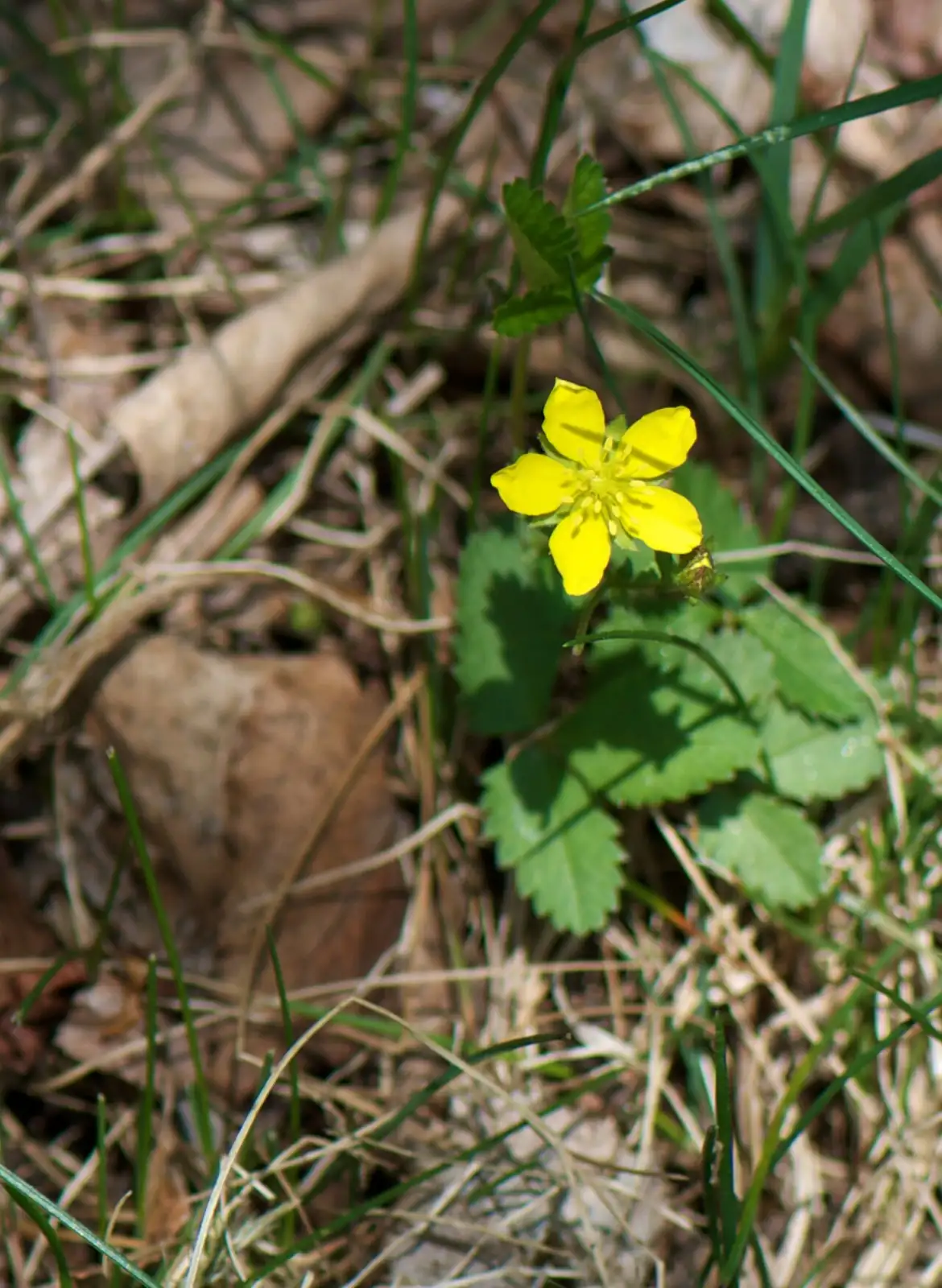
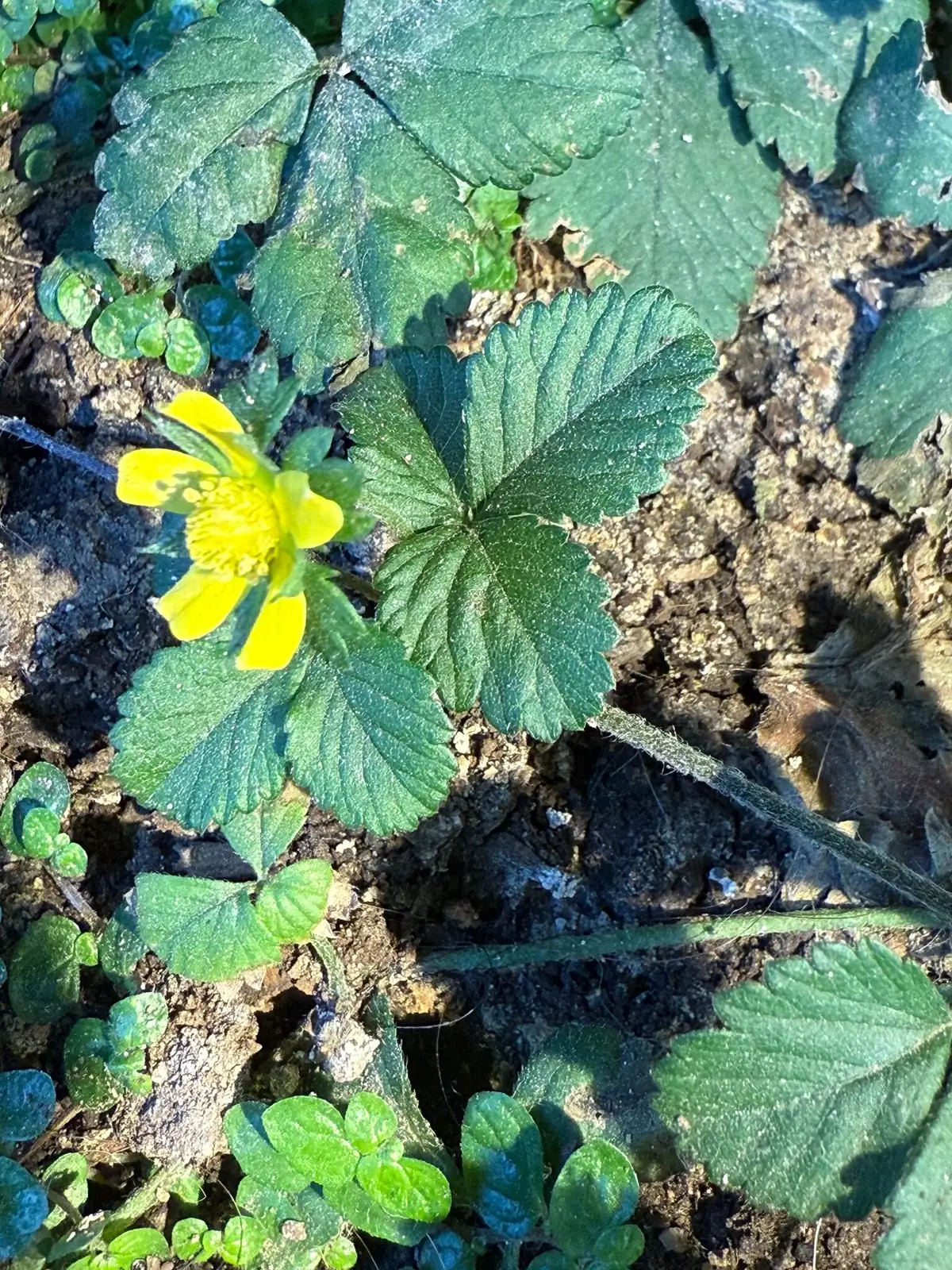
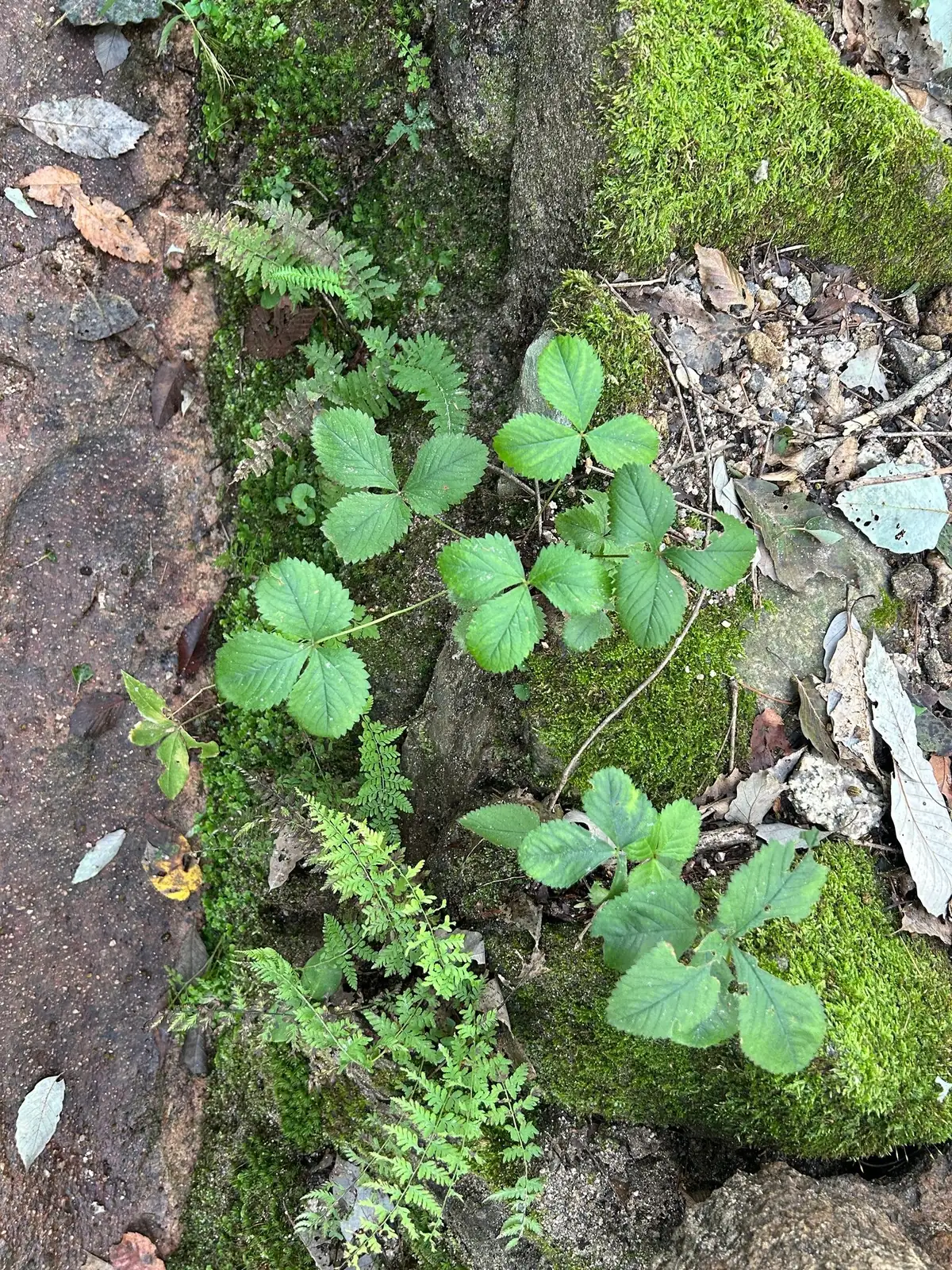
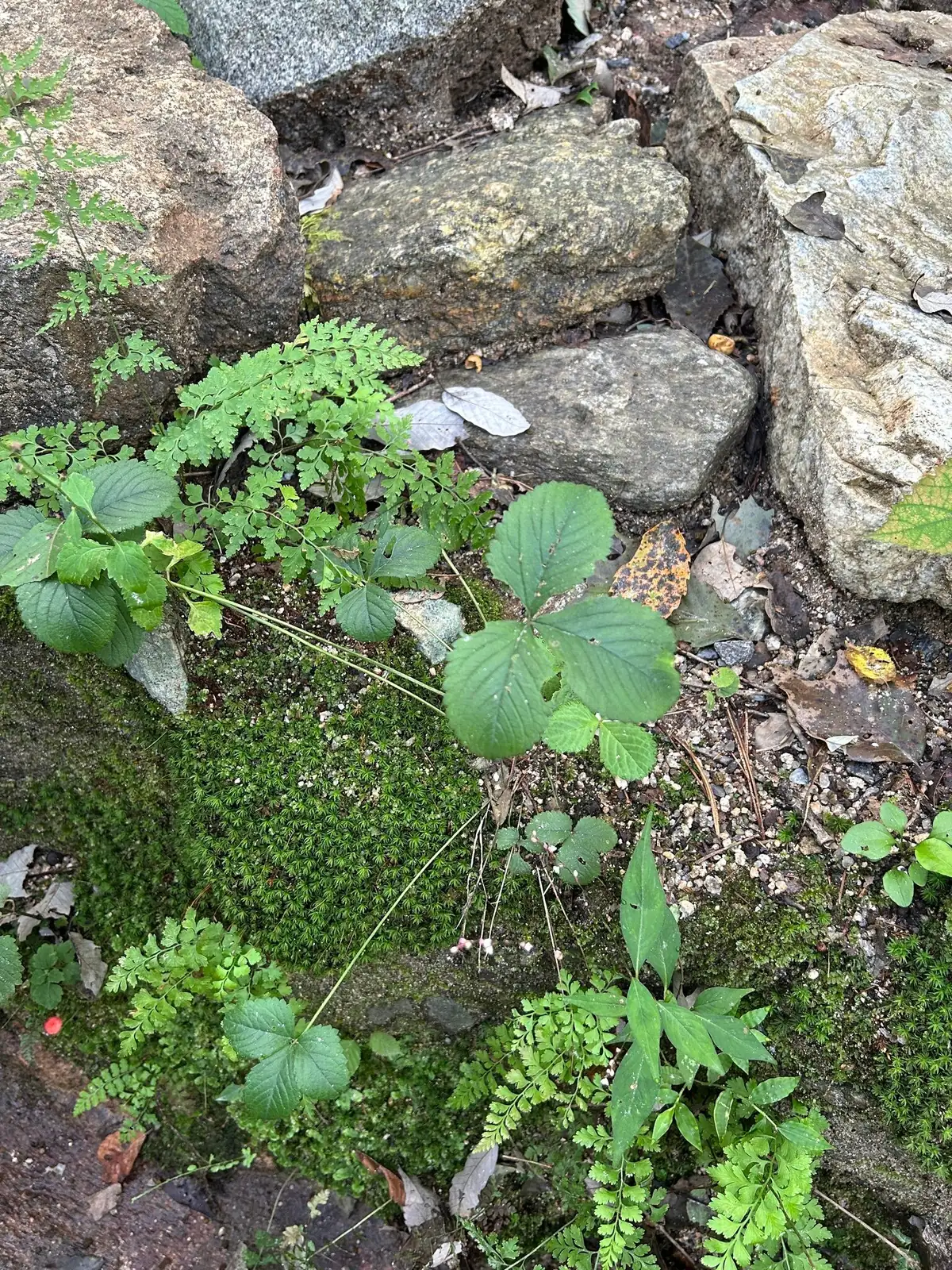
Plant Features
- Size: Typically 8–25 cm (3–10 in) tall; forms low, spreading clumps and may creep with slender runners.
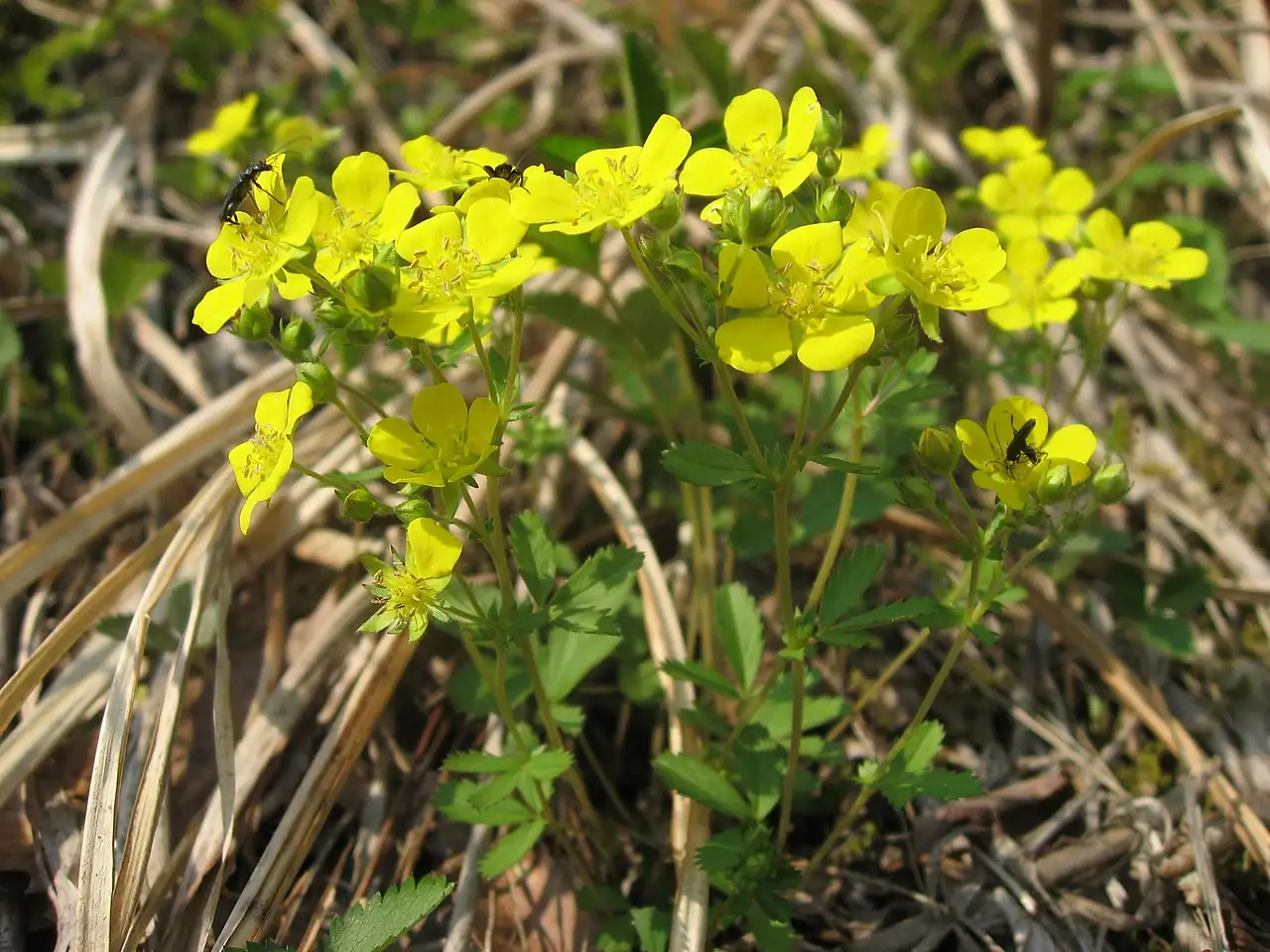
- Foliage: Leaves are mostly basal and palmately compound with three leaflets, creating a neat, finely textured mat-like look—one of its most recognizable features.
- Flower: Flowers are carried in loose, many-flowered, flat-topped (corymb-like) clusters on slender upright to ascending stems with sparse, soft hairs. After flowering, it forms small achenes that are egg-shaped to nearly spherical, with noticeable surface veining.
- Flowering Season: March–June
- Growth Habit: Low, clump-forming perennial herb with many-branched roots; stems are slender and upright to ascending, sometimes producing subtle creeping runners.
Environment
Sunlight
Part shade to full sun; tolerates light shade and often performs best with brighter light in cooler climates.
Temperature
Prefers mild, moist growing conditions but is notably cold tolerant; a typical active-growth range is about 10–25°C (50–77°F).
Humidity
Average to moderately high humidity; appreciates moisture but doesn’t require consistently high humidity.
Soil
Adaptable to many well-drained soils (including sandy or rocky mixes) and tolerates low fertility; avoid waterlogged ground to prevent crown/root problems.
Placement
Excellent as a groundcover in naturalistic plantings, mixed borders, slopes, and streamside-style beds; also useful for difficult urban/public sites with poor soil (e.g., roadside infrastructure areas).
Hardiness
Cold hardy and drought tolerant once established; well-suited to temperate climates (USDA zone can vary by local provenance).
Care Guide
Difficulty
Easy—an adaptable, resilient groundcover that tolerates light shade, cold, drought (once established), and low-fertility soils, while looking best with some moisture during active growth.
Buying Guide
Pick plants with dense, healthy basal leaves and a firm crown. Avoid pots that smell sour, stay waterlogged, or show blackened/soft crown tissue (possible rot).
Watering
Water regularly while establishing. Once rooted in, water when the top 2–5 cm (1–2 in) of soil dries out. It handles short dry spells, but occasional deep watering during prolonged drought keeps it fuller and fresher.
Fertilization
Often not needed in average garden soil. If growth is weak, give a light spring feed using a balanced slow-release fertilizer at about half the usual rate.
Pruning
Lightly shear or trim after flowering to tidy the plant and encourage fresh new leaves; remove dead foliage whenever you notice it.
Propagation
Divide clumps in spring or early autumn. Where runners occur, rooted sections can be lifted and replanted. Seed propagation is also possible when seed is ripe.
Repotting
If grown in containers, repot or divide every 1–2 years. Refresh with a free-draining mix and ensure the pot has excellent drainage holes.
📅 Seasonal Care Calendar
March–June: flowering and fruiting often overlap. Spring: divide/top-dress and start regular watering if dry. Summer: deep water occasionally in drought. Autumn: divide and clean up. Winter: generally hardy—minimal care needed.
Pests, Diseases & Safety
Common Pests & Diseases
Usually trouble-free. In overly wet soil, crown or root rot can develop—improve drainage and avoid overwatering. Occasionally, aphids or leaf-chewing insects may appear; improve airflow and manage infestations early if needed.
Toxicity
No well-documented toxicity to people or pets for this species. As a general rule, discourage eating ornamental plants and supervise pets that like to chew greenery.
Culture & Symbolism
Symbolism: Cinquefoils are often associated in garden lore with resilience and protection—fitting for a plant that stays cheerful in challenging spots.
Uses: Primarily grown as an ornamental groundcover for borders and naturalistic gardens. Its dense, branching root system helps stabilize soil, conserve moisture, and reduce erosion, making it especially useful on slopes and in tough, low-maintenance urban plantings.
FAQ
Will Freyn’s cinquefoil tolerate dry soil?
Yes—once established it can handle short dry spells and poorer soils. For the best look, give it an occasional deep watering during extended drought.
Is it a good choice for part shade?
Absolutely. It naturally grows in lightly shaded habitats like woodland margins, and it does well in part shade, especially where the soil stays evenly moist.
How do I keep it from rotting?
Focus on drainage: use well-drained soil, avoid waterlogged spots, and don’t keep the crown constantly wet. Rot is most likely in overly soggy conditions.
Fun Facts
- It’s recorded from China, Russia (Far East), Japan, and Korea.
- In the wild it often grows near streams and on grassy slopes, but it adapts well to drier garden conditions once established.
- Flowering and fruiting commonly overlap from March to June.
- Its branching root system makes it helpful for soil stabilization and erosion control on slopes.
- A reliable, low-maintenance option for naturalistic groundcover plantings—even in challenging roadside or infrastructure sites.