

Plant Features
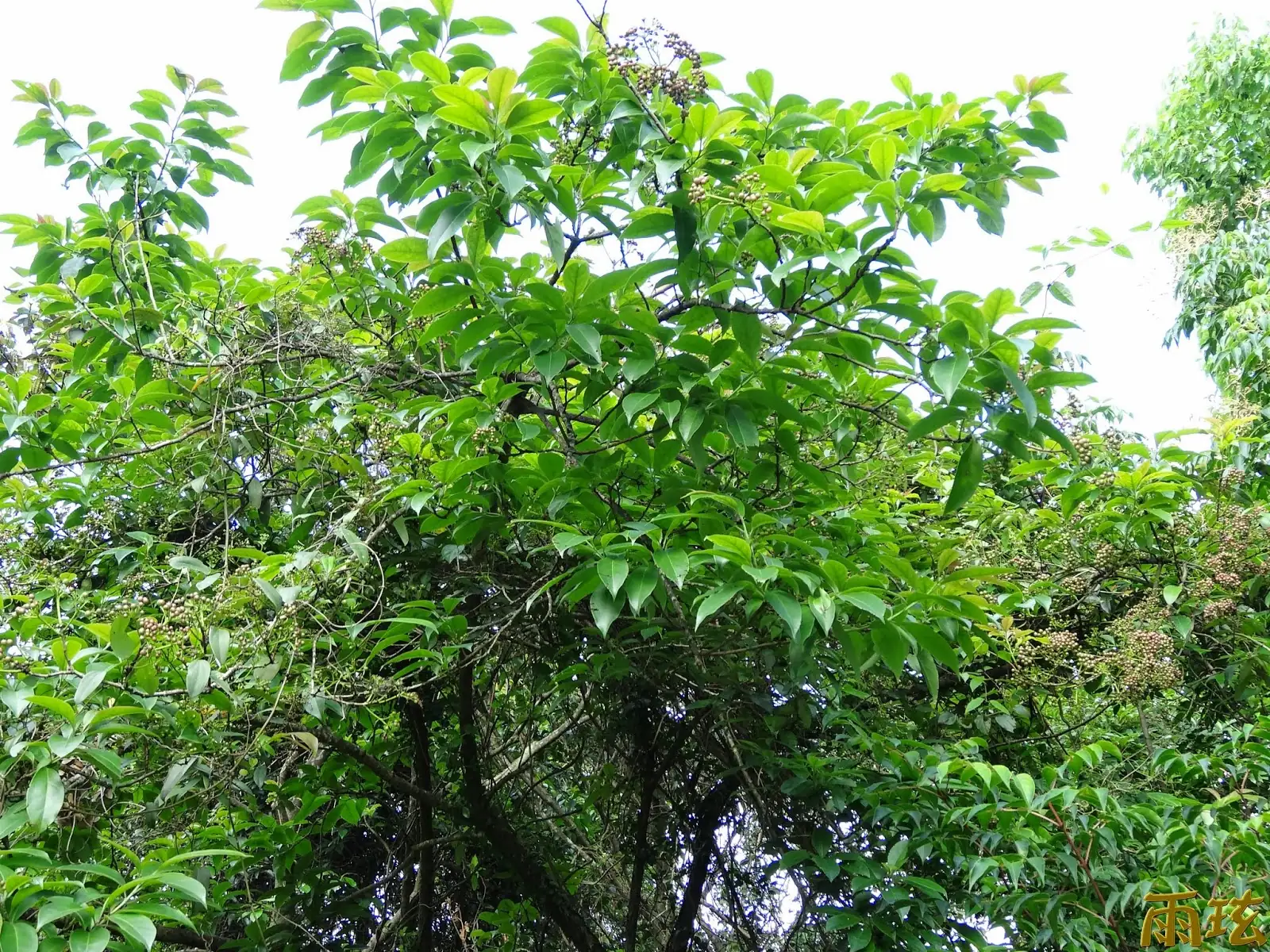
- Size: Up to about 15 m (49 ft) tall.
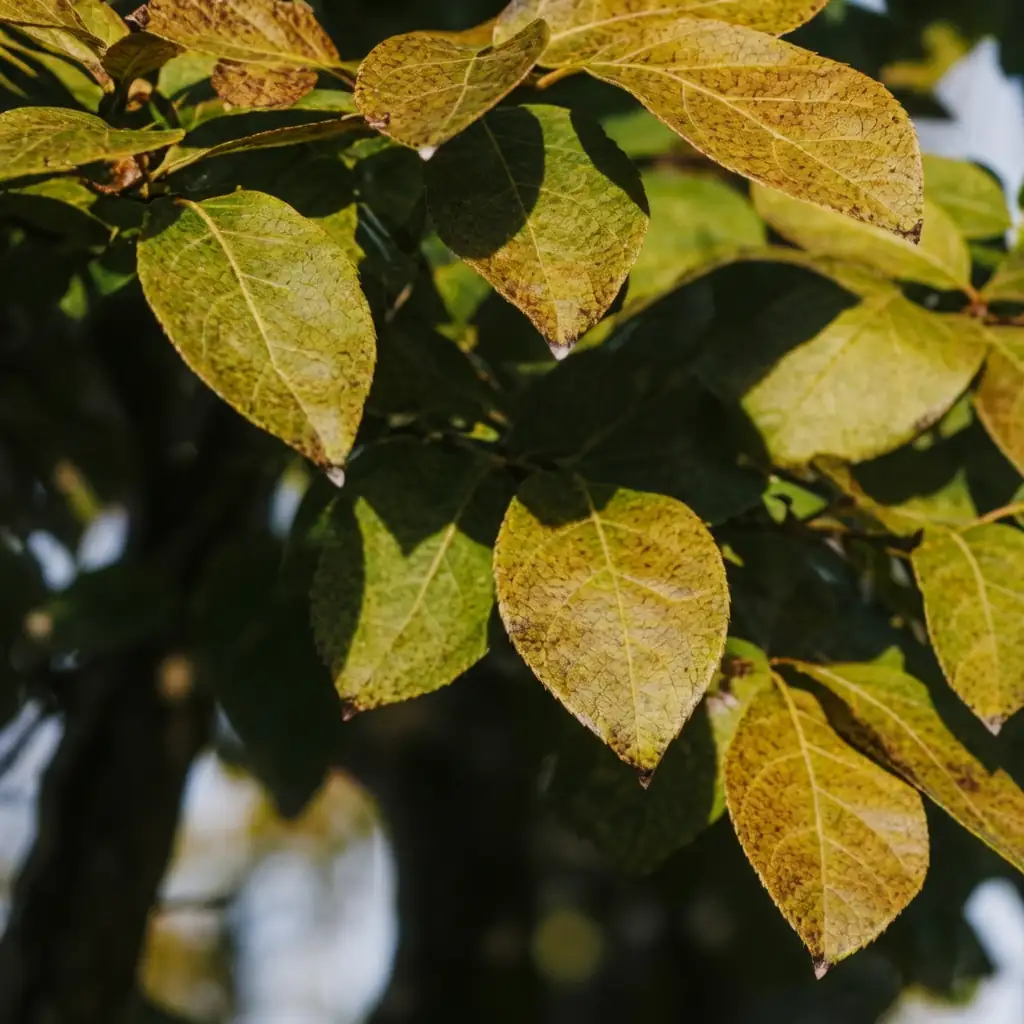
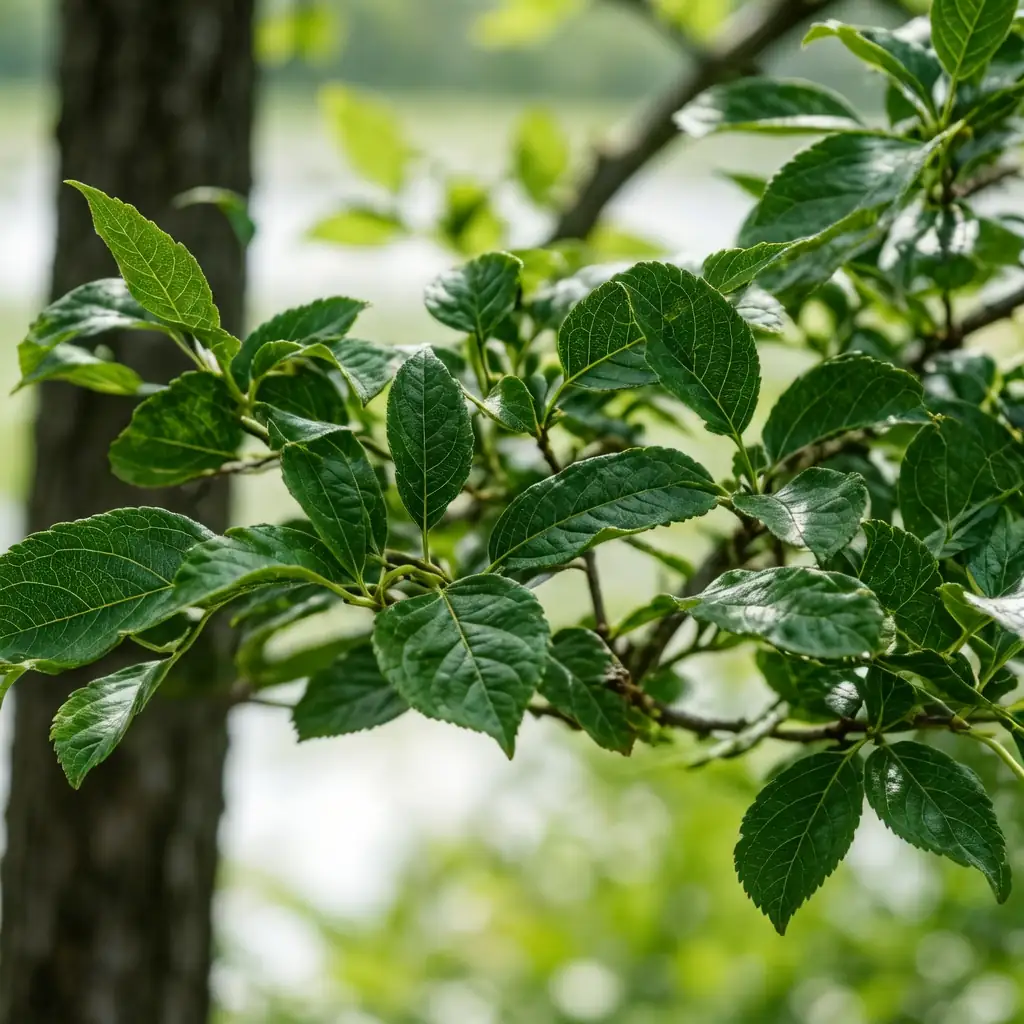
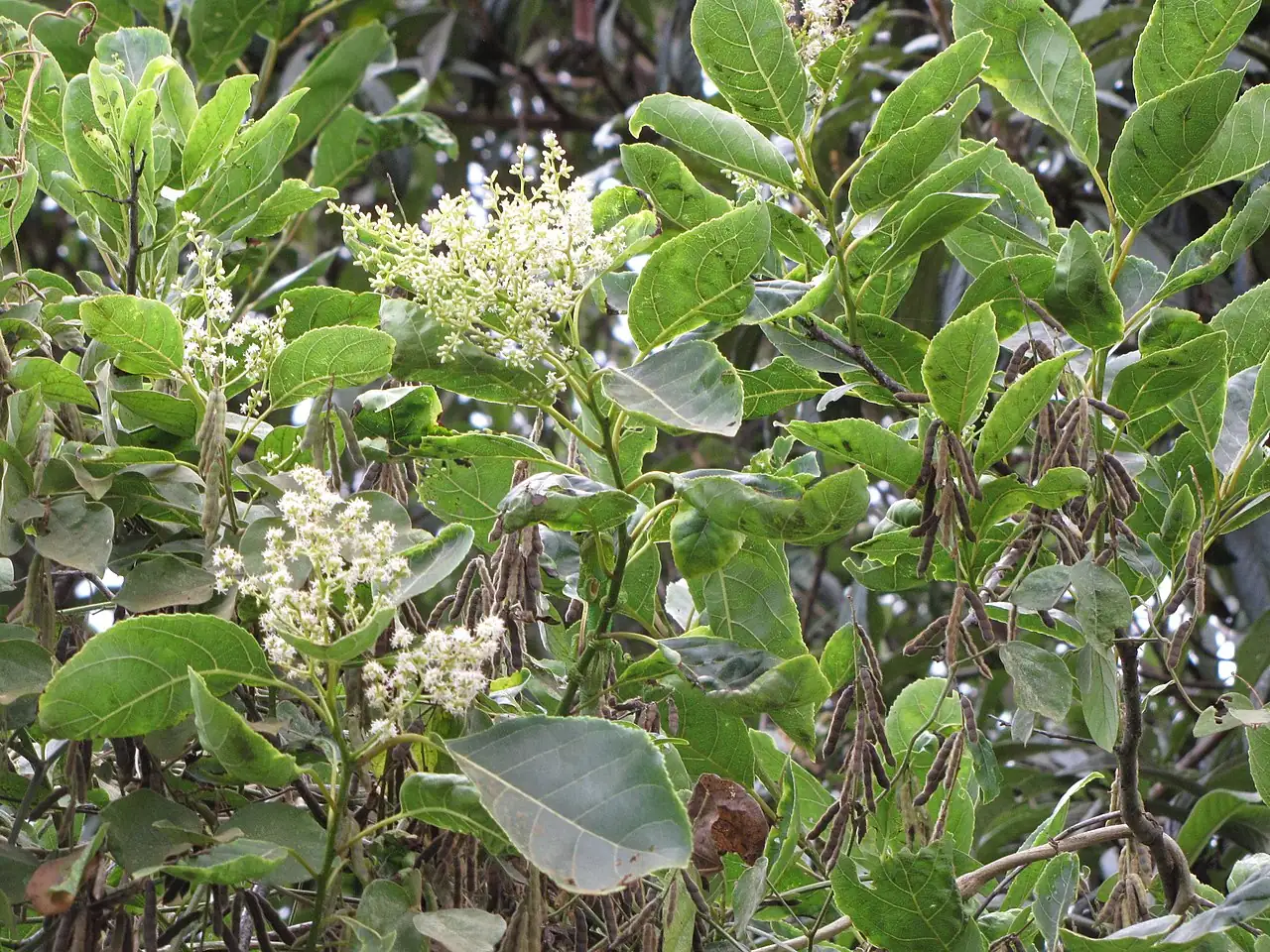
- Foliage: Deciduous tree with dense branching and a compact, rounded canopy, giving a full, leafy appearance across the growing season.
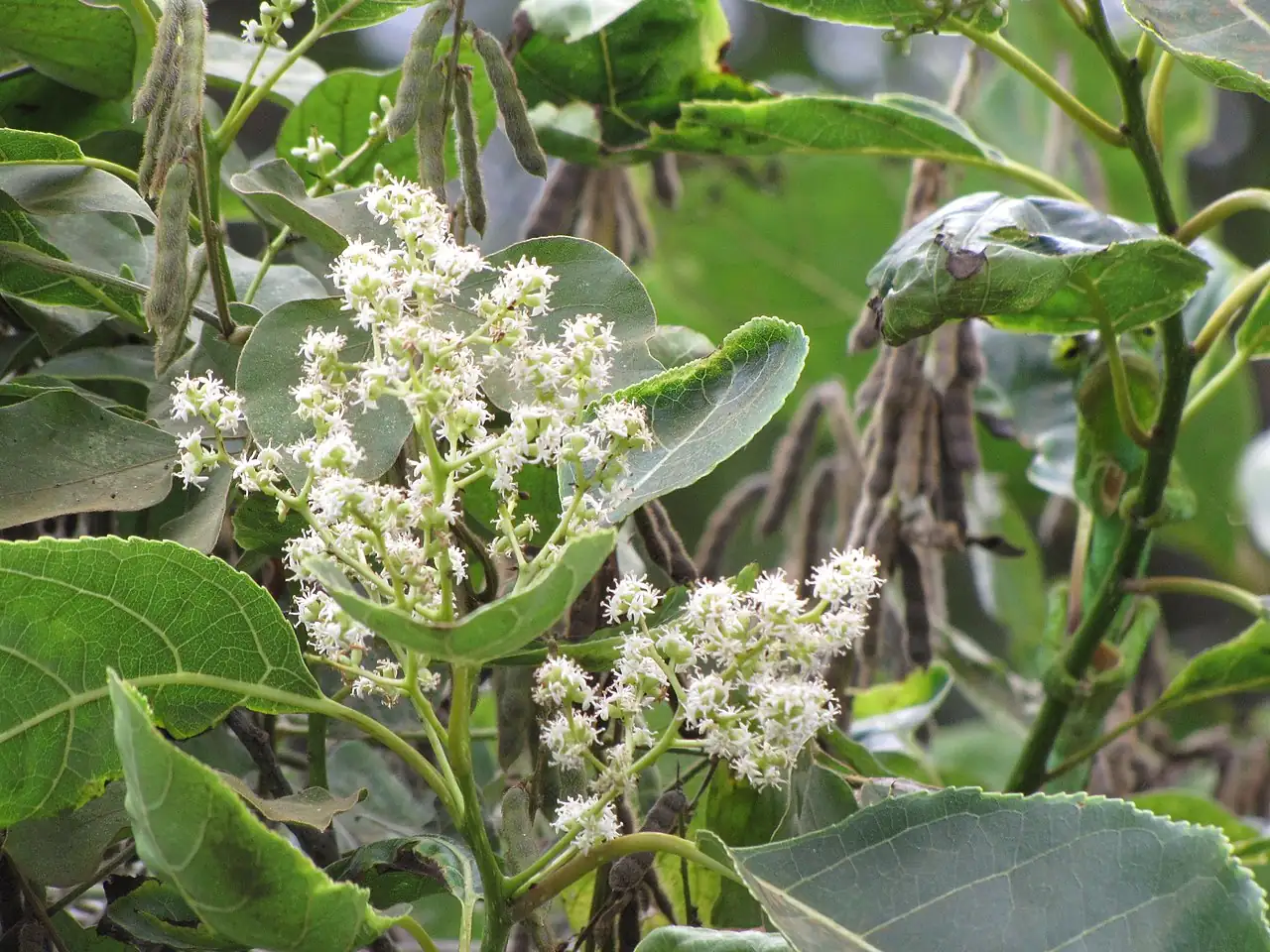
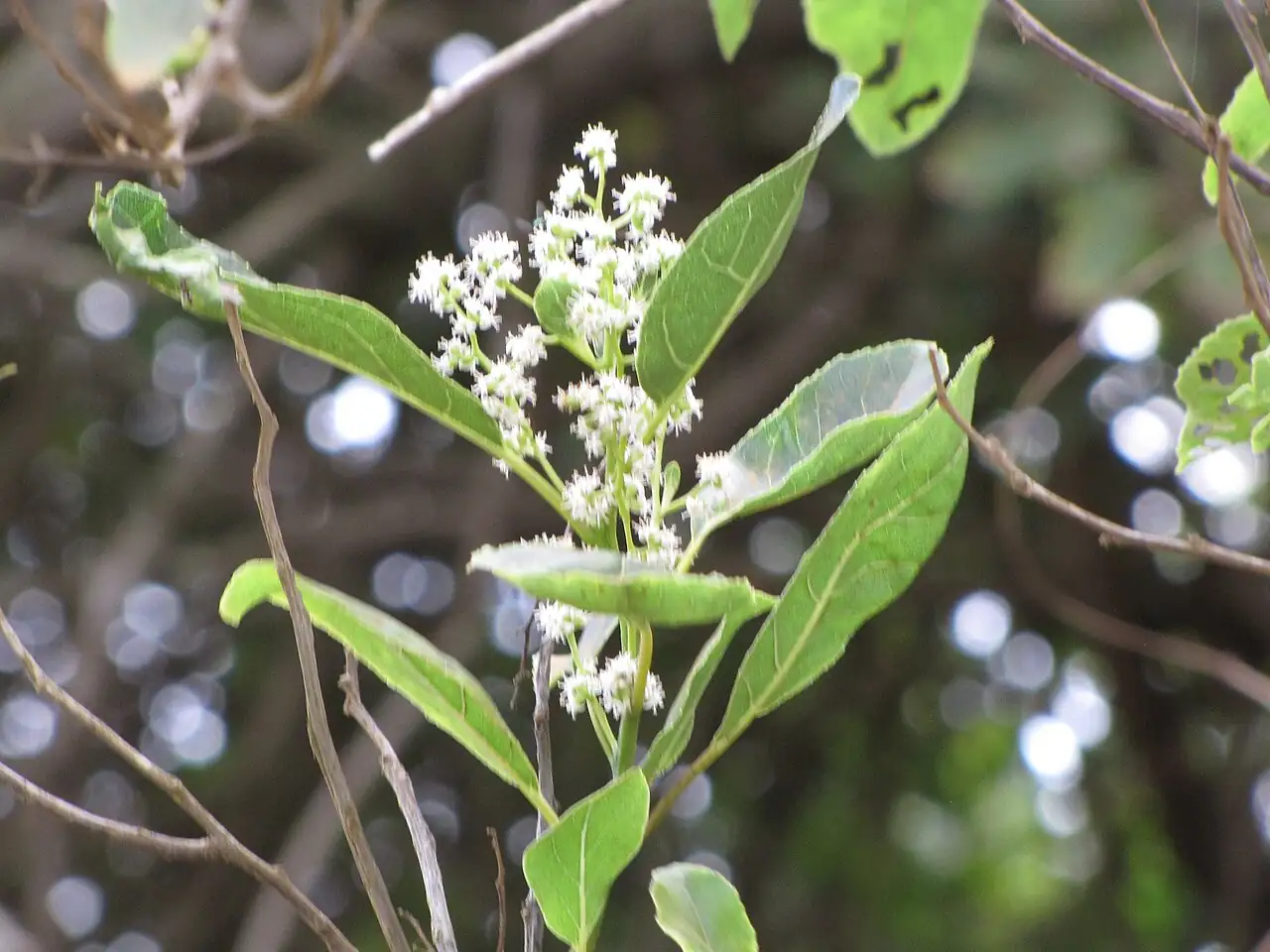
- Flower: Small, white, 5-lobed flowers arranged in dense terminal or axillary panicles. Flowers are sessile or nearly so; stamens extend beyond the corolla. The calyx is green, bell-shaped, and finely hairy.
- Flowering Season: April (spring).
- Growth Habit: Upright deciduous tree with a strong root system; readily produces new shoots/suckers and resprouts well after pruning.
Environment
Sunlight
Full sun to partial shade; flowering and fruit color are typically best in fuller sun.
Temperature
Prefers warm, humid conditions but is notably cold-tolerant once established. A useful active-growth range is about 15–30°C (59–86°F); protect young plants from severe freezes.
Humidity
Moderate to high humidity preferred, though it adapts to average outdoor humidity after establishment.
Soil
Deep, fertile, well-drained soil is ideal. Tolerates poorer soils once established, but avoid waterlogged sites.
Placement
Outdoors—parks, gardens, and street/roadside plantings; also suits sunny slopes and open landscape settings where flowers, fruit, and crown shape can be appreciated.
Hardiness
Commonly grown in USDA Zones 8–10 (and warmer parts of Zone 7), depending on local winter extremes; generally not a fan of harsh, prolonged freezes when young.
Care Guide
Difficulty
Easy to moderate in the ground. It’s forgiving—tolerating cold and less-than-perfect soils—yet performs best with sun, warmth, and steady moisture. Its strong roots and vigorous regrowth make it resilient and very pruning-friendly.
Buying Guide
Pick a healthy young tree with a straight main leader (especially for street-tree form), plump buds, and no dieback. Avoid pot-bound plants with circling roots; look for a firm, well-branched rootball and a container/mix that drains well.
Watering
Water regularly during establishment (about the first 1–2 years), keeping soil evenly moist but never soggy. After it’s established, water deeply during extended dry spells; deep, less-frequent watering helps build a stronger root system.
Fertilization
Often minimal. If growth seems weak, use a balanced slow-release fertilizer in spring. In reasonably fertile soils, feeding may be unnecessary; avoid excess nitrogen, which can push soft growth and reduce flowering/fruiting performance.
Pruning
Takes pruning very well. Prune in late winter to early spring before vigorous growth starts; remove crossing branches and tidy the crown. Remove suckers if you want a clean trunk form—expect resprouting because the plant rebounds readily after cutting back.
Propagation
Most commonly by seed. It can also be propagated vegetatively in practice (e.g., cuttings or using root suckers), reflecting its natural tendency to produce vigorous shoots from the base/root system.
Repotting
Best grown in the ground rather than as a long-term container tree. For young container plants, pot up when roots fill the container; use a free-draining mix and correct circling roots to prevent long-term establishment issues.
📅 Seasonal Care Calendar
Spring (around April): peak flowering. Summer (from July onward): fruits develop and color up, often becoming showier into late summer and autumn. Late winter–early spring: best time for structural pruning and crown shaping.
Pests, Diseases & Safety
Common Pests & Diseases
Generally low-maintenance. Potential issues include aphids and scale insects; in humid, poorly ventilated sites, leaf spot can occur. Improve airflow, avoid frequent overhead watering, and use horticultural soap/oil when needed.
Toxicity
No widely established evidence of significant toxicity to people or pets. Still, treat the berries as ornamental rather than edible unless confirmed safe locally, and discourage children/pets from eating plant parts.
Culture & Symbolism
Symbolism: A classic “two-season show” tree—spring flowers followed by colorful fruit—often associated with renewal in spring and abundance later in the year.
Uses: Primarily ornamental: valued for spring bloom, decorative fruit, dense foliage, and a naturally neat rounded crown. Commonly planted in gardens, parks, and as a street/roadside landscape tree.
FAQ
Will it flower and fruit in partial shade?
Yes, it can grow in partial shade, but you’ll usually get the best flowering and the brightest fruit display in fuller sun.
Is it a good choice for areas with winter cold?
It’s considered fairly cold-tolerant once established (often grown around USDA Zones 8–10, sometimes warmer Zone 7). Young trees are more vulnerable, so protect them from severe freezes early on.
Does it handle pruning well?
Very well. It resprouts strongly after pruning, which makes it easy to shape—just prune in late winter to early spring and remove unwanted suckers if you prefer a single-trunk form.
Fun Facts
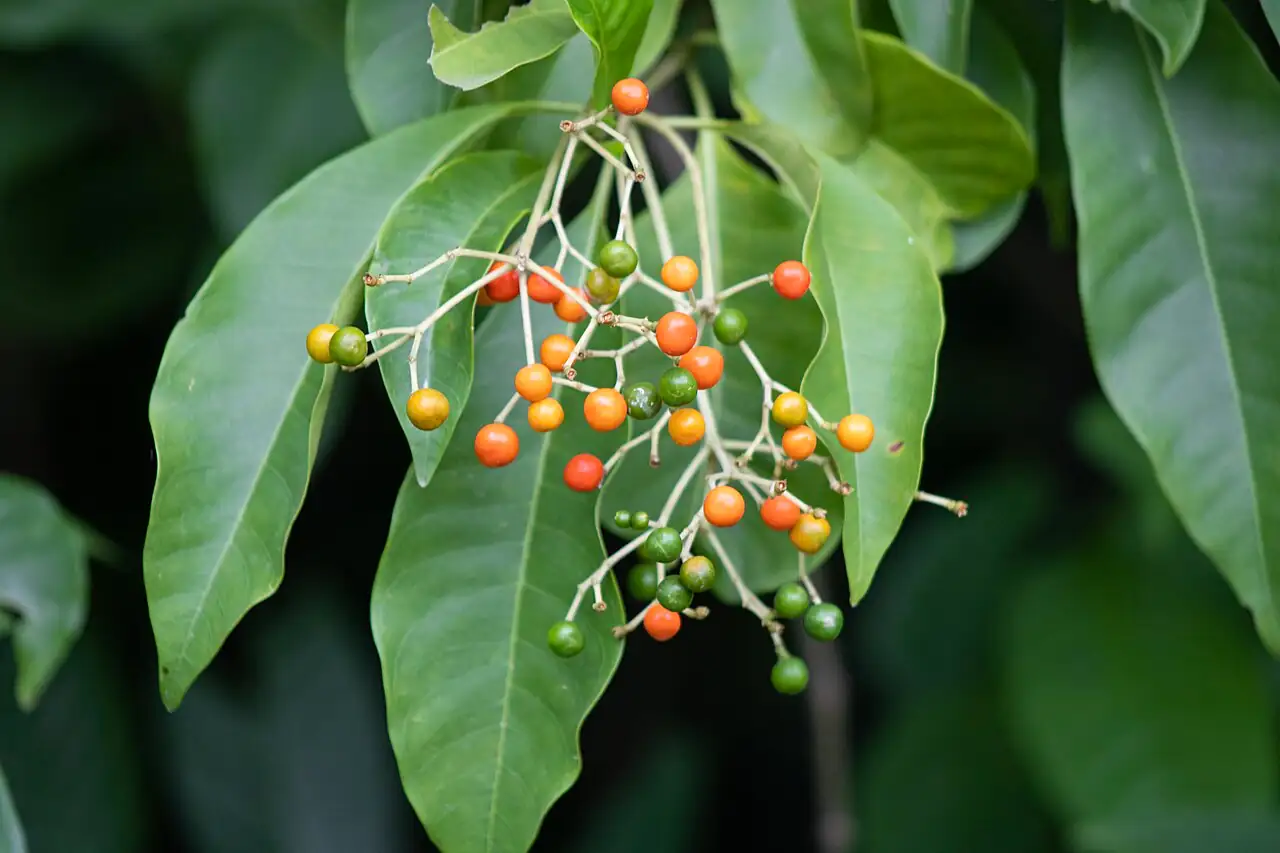
- It often puts on two distinct shows: white flower clusters in spring, then bright orange-red to red fruits later in the season.
- The fruit is a small, nearly spherical drupe and may darken to brownish-black when fully ripe.
- Its naturally compact, rounded crown makes it especially useful for orderly streetscapes and formal planting designs.
- A vigorous root system and strong resprouting ability help it recover quickly after trimming or damage.


