Plant Features
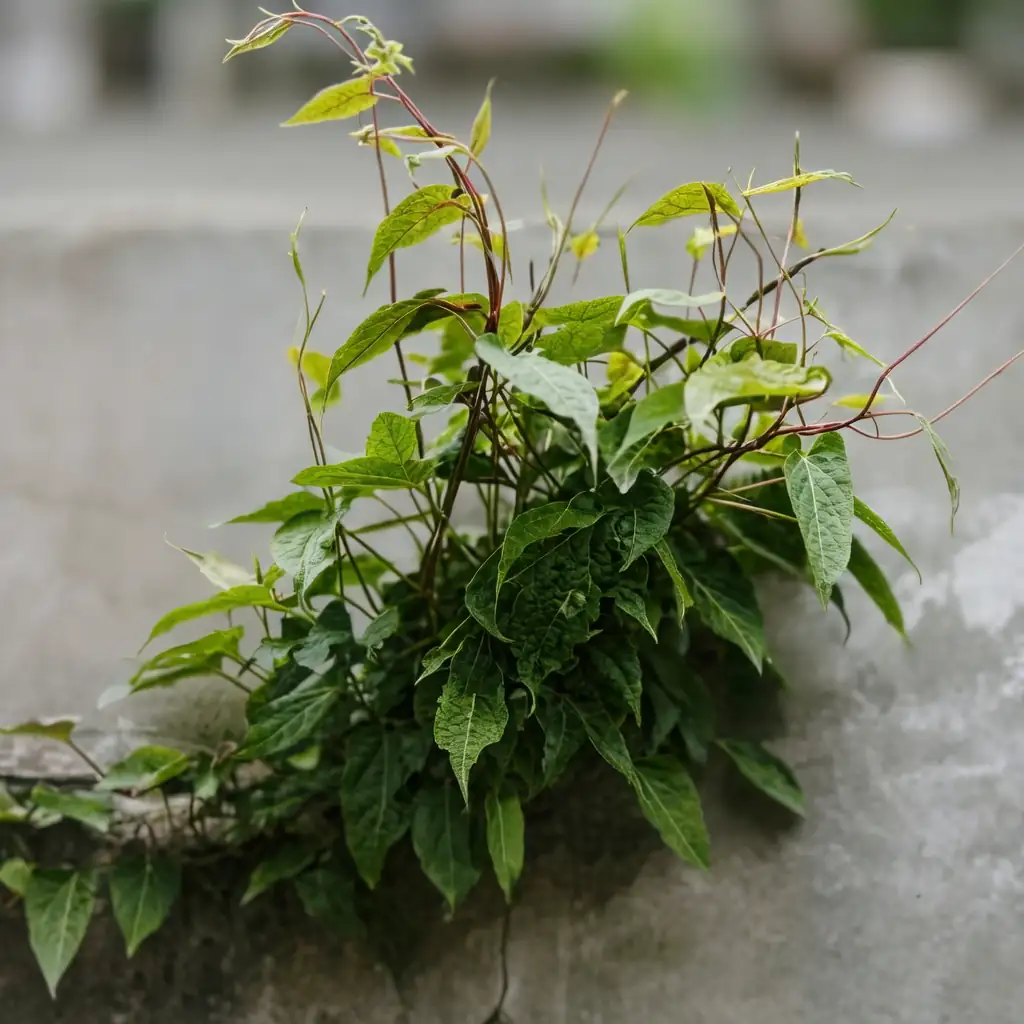
- Size: Twining stems typically reach about 2–4 m (6.6–13.1 ft) long, especially with support; the base can become somewhat woody and branched with age. The root is thick, tuberous, and dark brown to blackish.
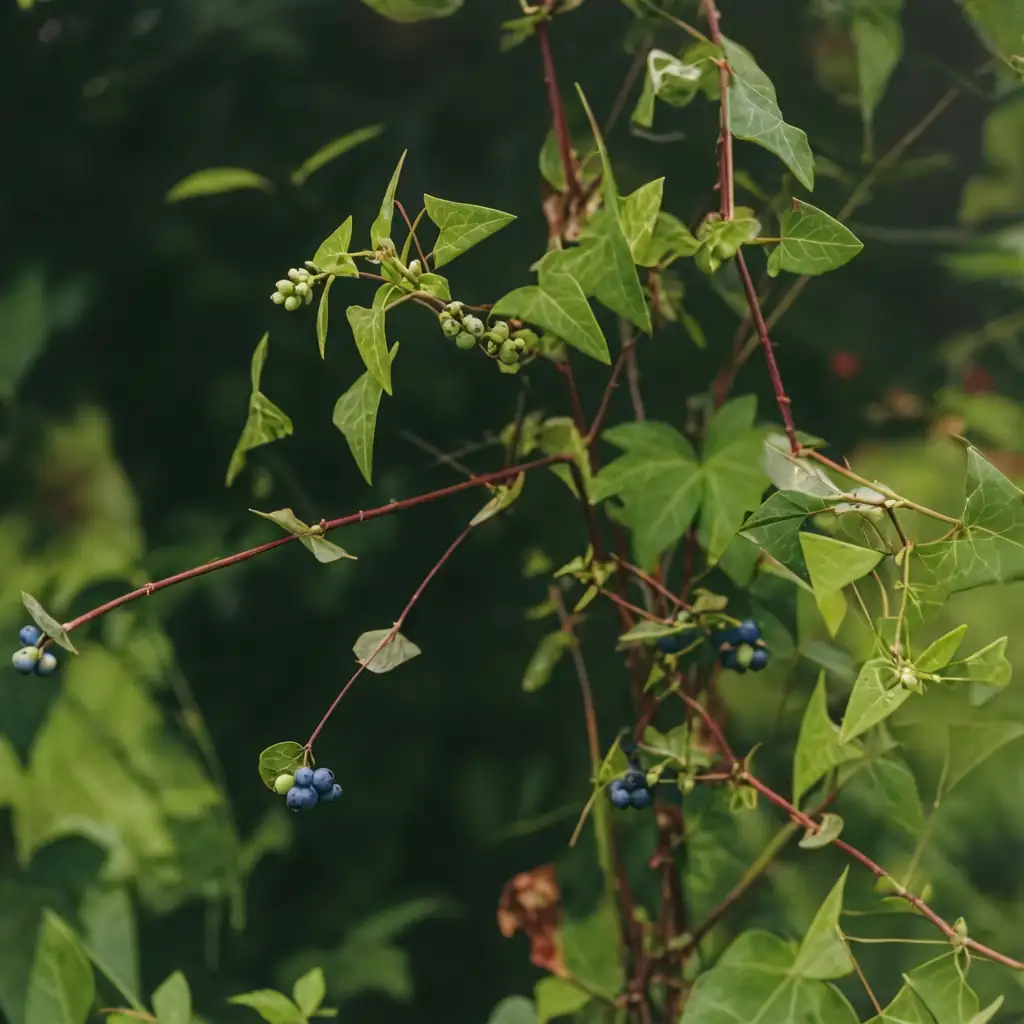
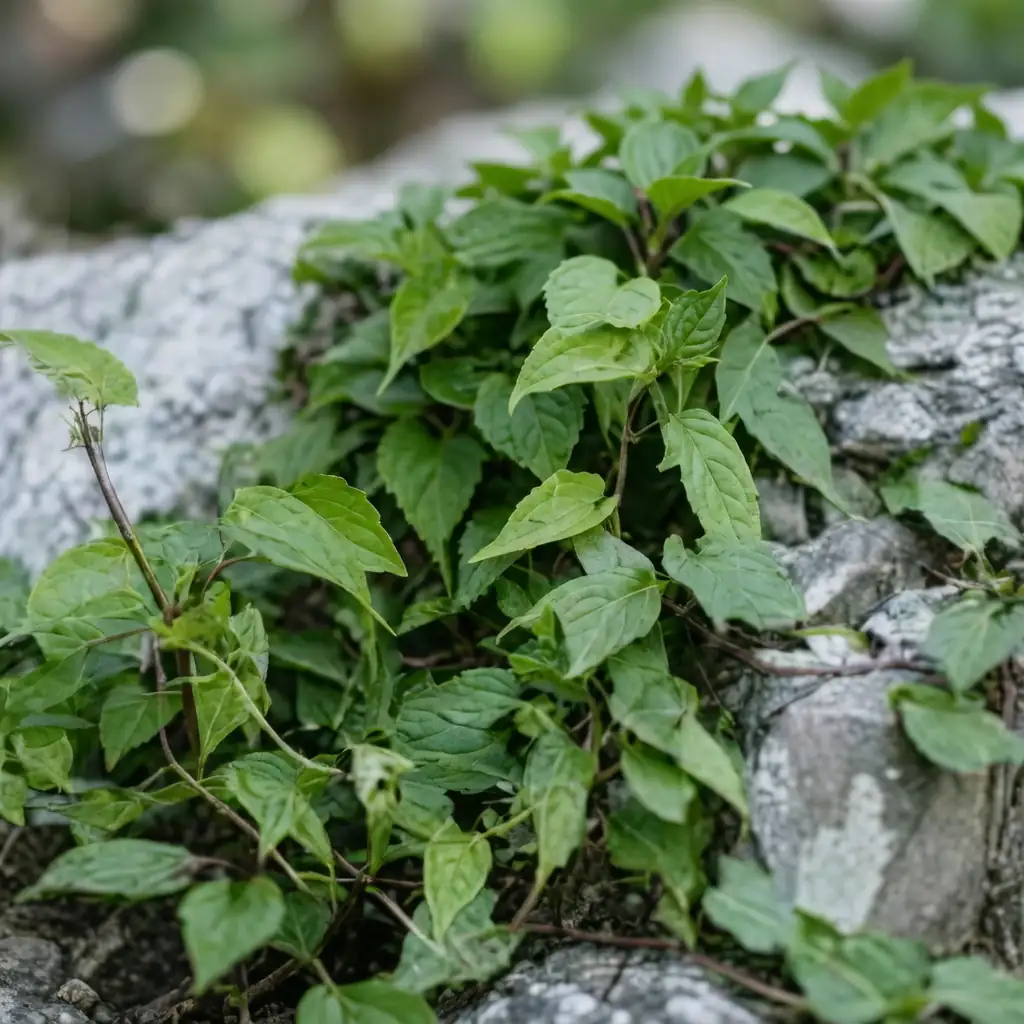
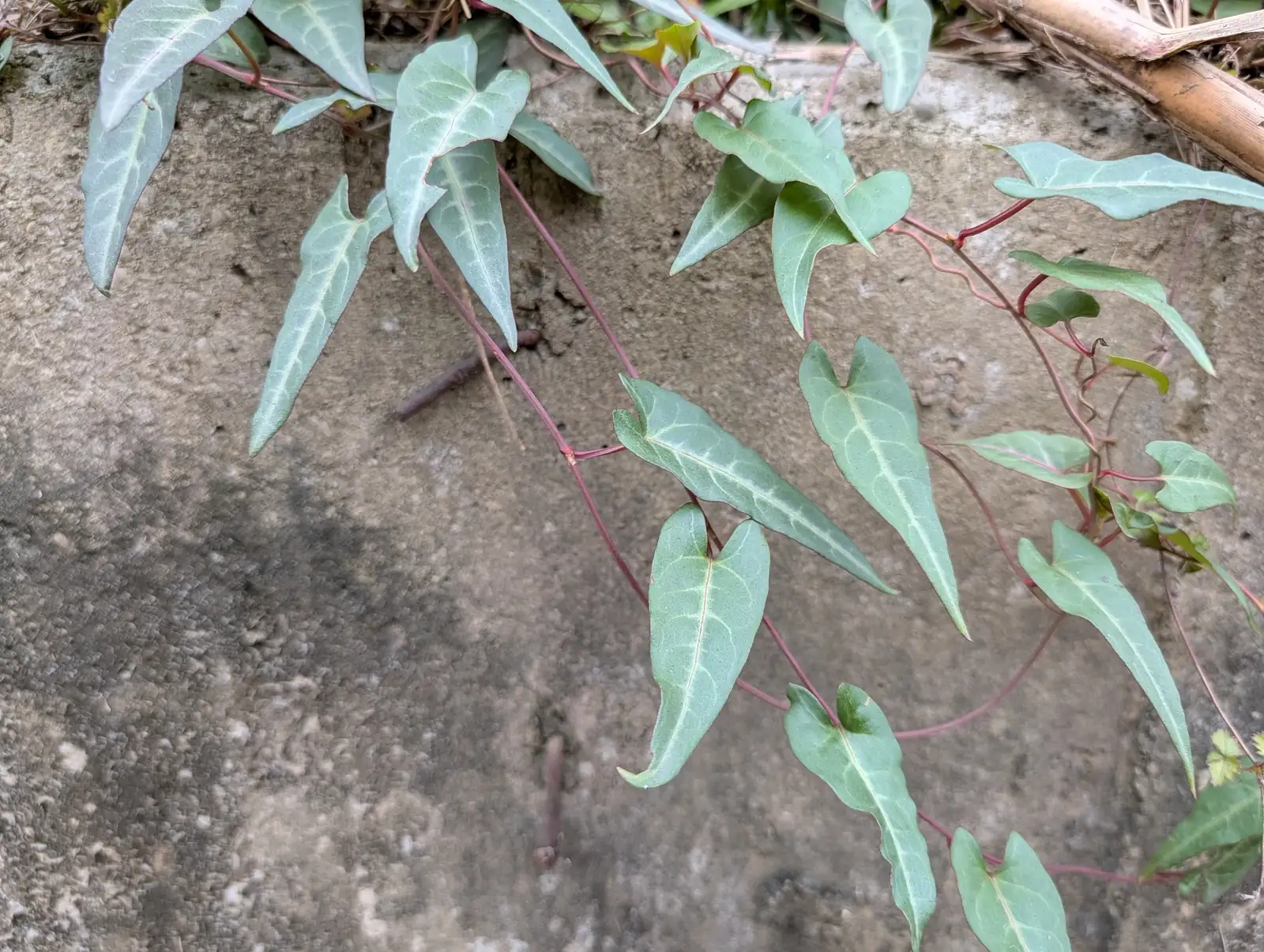
- Foliage: Leaves are broadly ovate with a heart-shaped (cordate) base—classic “knotweed vine” foliage—forming a lush screen when trained up a support.
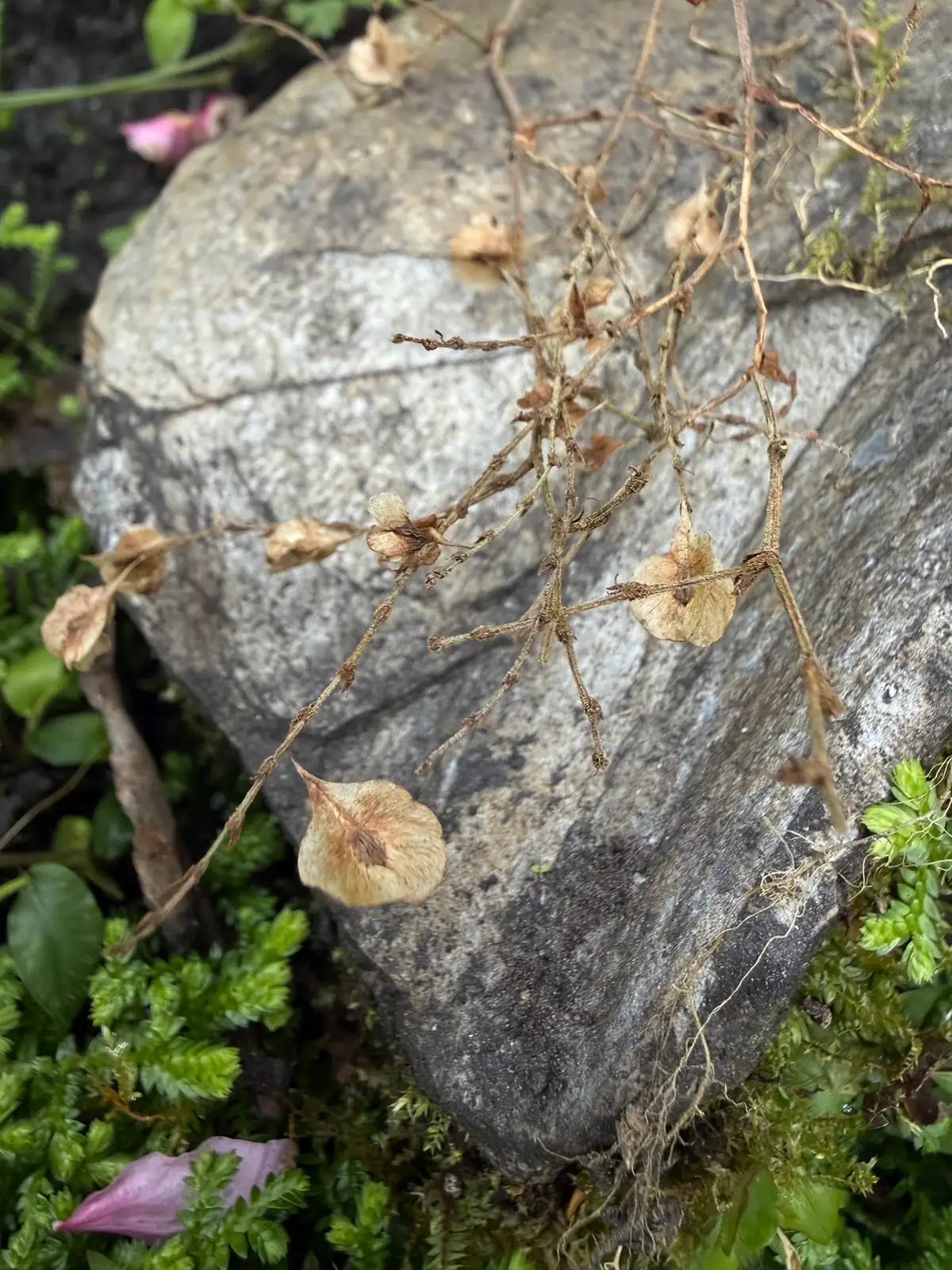
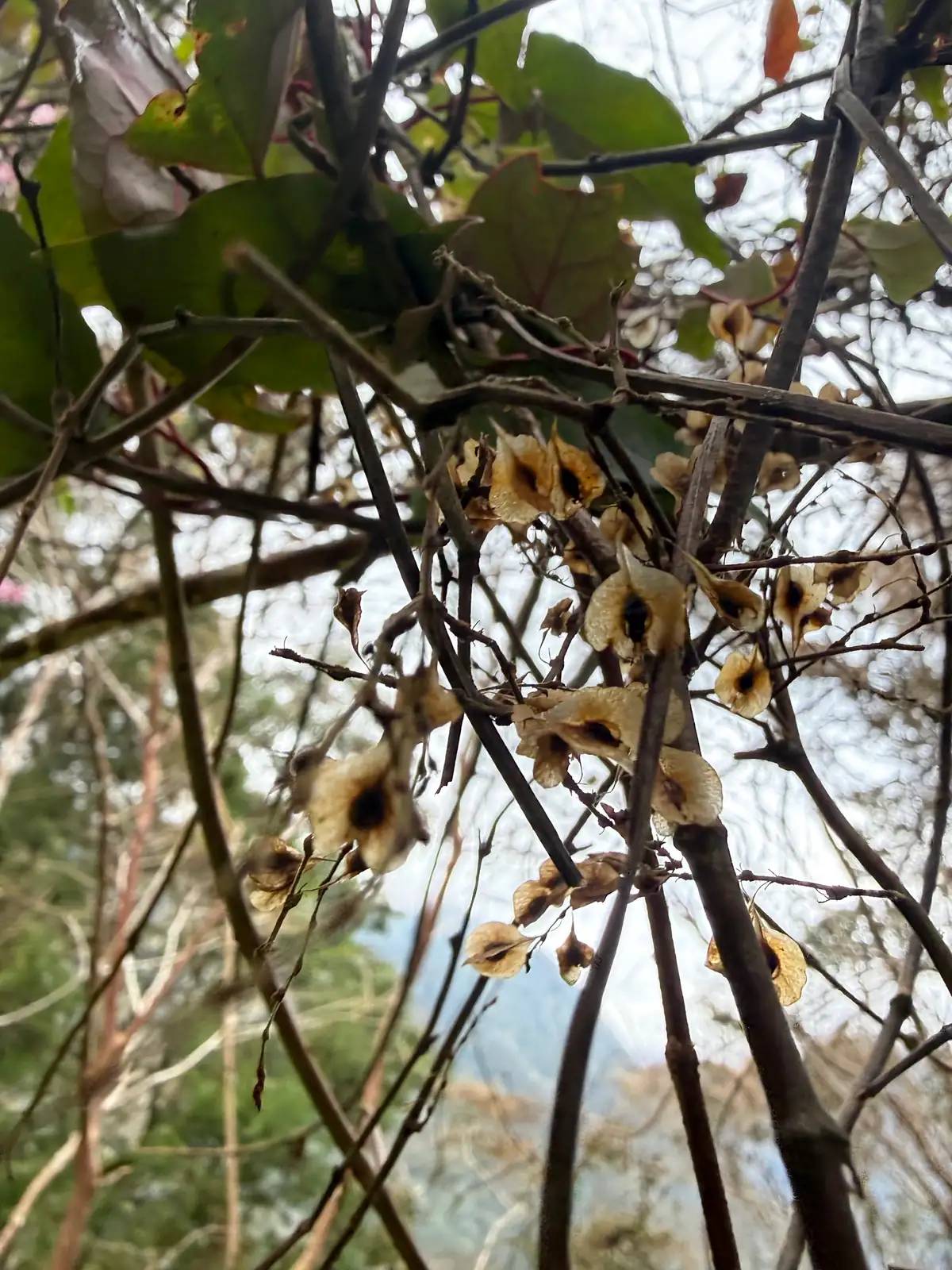
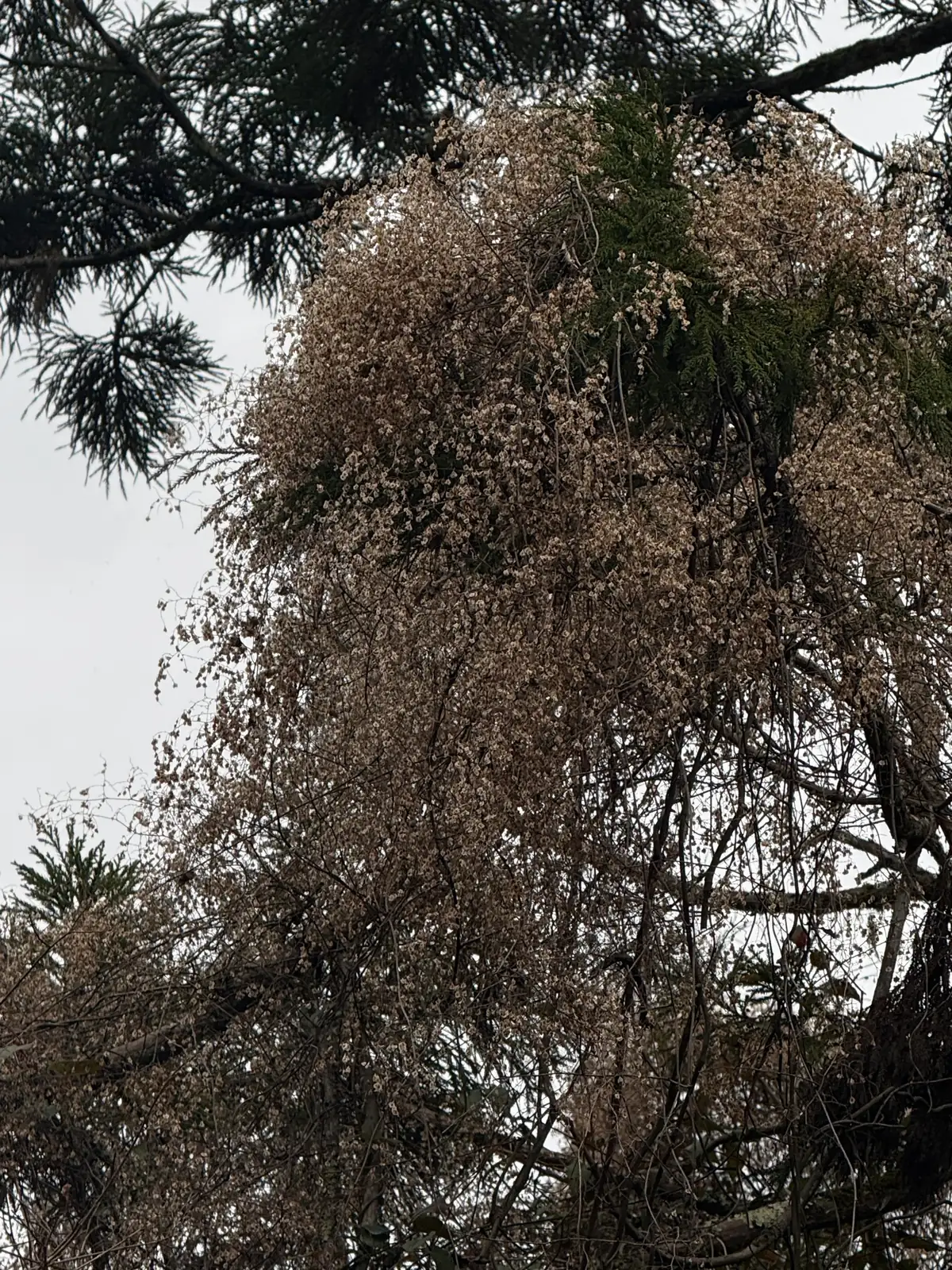
- Flower: Produces many tiny white flowers in branched panicles (airy clusters), usually in late summer. After flowering, it develops glossy dark brown to blackish, three-angled achenes enclosed by persistent floral parts.
- Flowering Season: August–September (late summer)
- Growth Habit: Perennial twining/climbing herbaceous vine; can become somewhat woody at the base over time.
Environment
Sunlight
Part shade to shade; naturally a dappled-woodland plant. Bright, filtered light is ideal in cultivation, and harsh midday sun is best avoided in hot climates.
Temperature
Prefers warmth during active growth: about 18–28°C (64–82°F). Protect from hard frost and prolonged freezing.
Humidity
Moderate to high humidity is preferred. Avoid very dry air and drought stress, but also avoid constant wetness around the roots.
Soil
Deep, loose, fertile soil rich in organic matter; evenly moist but well-drained sandy loam is ideal. Avoid compacted mixes and standing water (rot risk).
Placement
Outdoors: a lightly shaded trellis, fence, or arbor in well-drained soil. Indoors/greenhouse: a bright spot with filtered light and room (and support) to climb.
Hardiness
Temperate to subtropical climber; cold tolerance varies by provenance. As a rule, treat it as not reliably frost-hardy in cold-winter regions and provide winter protection from freezing.
Care Guide
Difficulty
Moderate. It’s not fussy about light, but it does want a steady balance: consistently moist soil without waterlogging, plus something to climb and occasional pruning to keep it tidy.
Buying Guide
Look for firm stems and fresh, green leaves. Avoid plants sitting in sour-smelling, soggy media (root rot risk) or those with bone-dry, shrunken growth (drought stress). If purchasing tubers for planting, choose firm, unshrivelled roots without soft spots, mold, or obvious damage.
Watering
Water deeply when the top 2–5 cm (1–2 in) of soil feels dry. Don’t let it dry out completely (it’s drought-sensitive), but don’t keep it constantly wet either (it’s prone to rot in waterlogged conditions). Strong drainage is essential.
Fertilization
In spring and summer, feed with a balanced fertilizer at half strength every 2–4 weeks. Reduce sharply or stop feeding in autumn and winter when growth slows.
Pruning
Pinch or prune back long shoots to control size and encourage branching. Remove weak, crowded, or tangled stems. Provide a trellis and train new growth as it elongates for the neatest look and best airflow.
Propagation
Most commonly propagated by division of the tuberous root or by stem cuttings taken during the growing season. Keep the propagation mix warm and evenly moist (never soggy) until roots form.
Repotting
Repot in spring as growth restarts, usually every 1–2 years. Move up one pot size and refresh with a fertile, well-drained mix. Avoid overly large pots that stay wet too long.
📅 Seasonal Care Calendar
Spring: repot if needed, restart feeding, and set up/refresh climbing support. Summer: keep moisture consistent, train stems, and watch for pests and drought stress. Late summer: flowering season—maintain even watering and avoid letting the plant swing between dry and soggy. Autumn–winter: reduce watering, pause feeding, and protect from cold (especially freezes).
Pests, Diseases & Safety
Common Pests & Diseases
Aphids, spider mites, and scale can show up—especially on stressed plants or in dry indoor air. Root rot is a common issue if the soil stays wet or poorly aerated. Improve airflow, keep drainage sharp, and treat pests with insecticidal soap or horticultural oil as needed.
Toxicity
Do not treat this as a DIY edible or home remedy plant. While the root is used in traditional herbal products, it has been associated with potential liver toxicity in some cases. Keep plant material away from children and pets, and consult qualified medical professionals regarding any medicinal use.
Culture & Symbolism
Symbolism: Often linked with longevity, vitality, and rejuvenation in traditional culture—largely because of its long-standing reputation in herbal traditions.
History & Legends: A famous plant in East Asian herbal lore and trade. Its Chinese name is tied to traditional stories of renewed vigor and longevity, though details vary by region and storyteller.
Uses: Best known for its tuberous root used in traditional herbal preparations (He Shou Wu). Also grown as an ornamental climber where its twining habit and late-summer flowers can be appreciated.
FAQ
Does fo-ti prefer sun or shade?
It’s naturally adapted to dappled woodland conditions and handles shade very well. Give it part shade or bright filtered light; avoid harsh midday sun in hot areas.
Why are the leaves wilting even though I watered it?
Wilting can happen from two opposite problems: too dry or too wet. Check the root zone—if the mix is soggy or smells sour, improve drainage and let it dry slightly; if it’s dry, water thoroughly and aim for more even moisture going forward.
Fun Facts
- The thick, dark tuberous root is the most famous part of the plant and the main material used in traditional preparations.
- Given a trellis or fence, it can quickly twine to about 2–4 m (6.6–13.1 ft) in stem length.
- It typically blooms in late summer (August–September) with delicate clusters of tiny white flowers, followed by glossy, dark, three-angled fruits.
- In the wild it often favors sheltered places—valley scrub, shaded slopes, and rocky crevices near streams—hinting at its love of moisture plus good drainage.