

Plant Features
- Size: Typically 0.6–1.5 m (2–5 ft) tall; can reach about 2 m (6.6 ft) in favorable conditions.
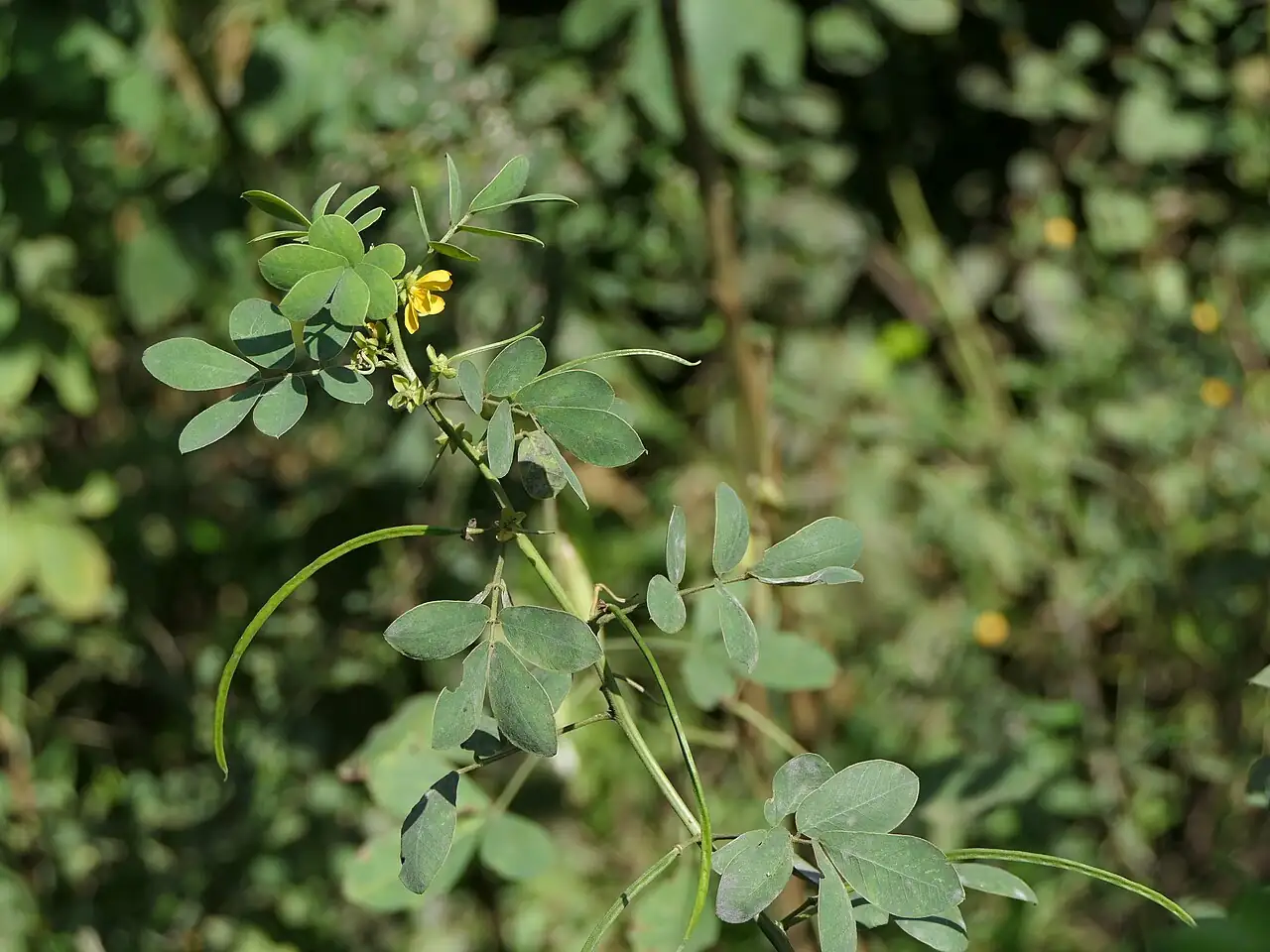
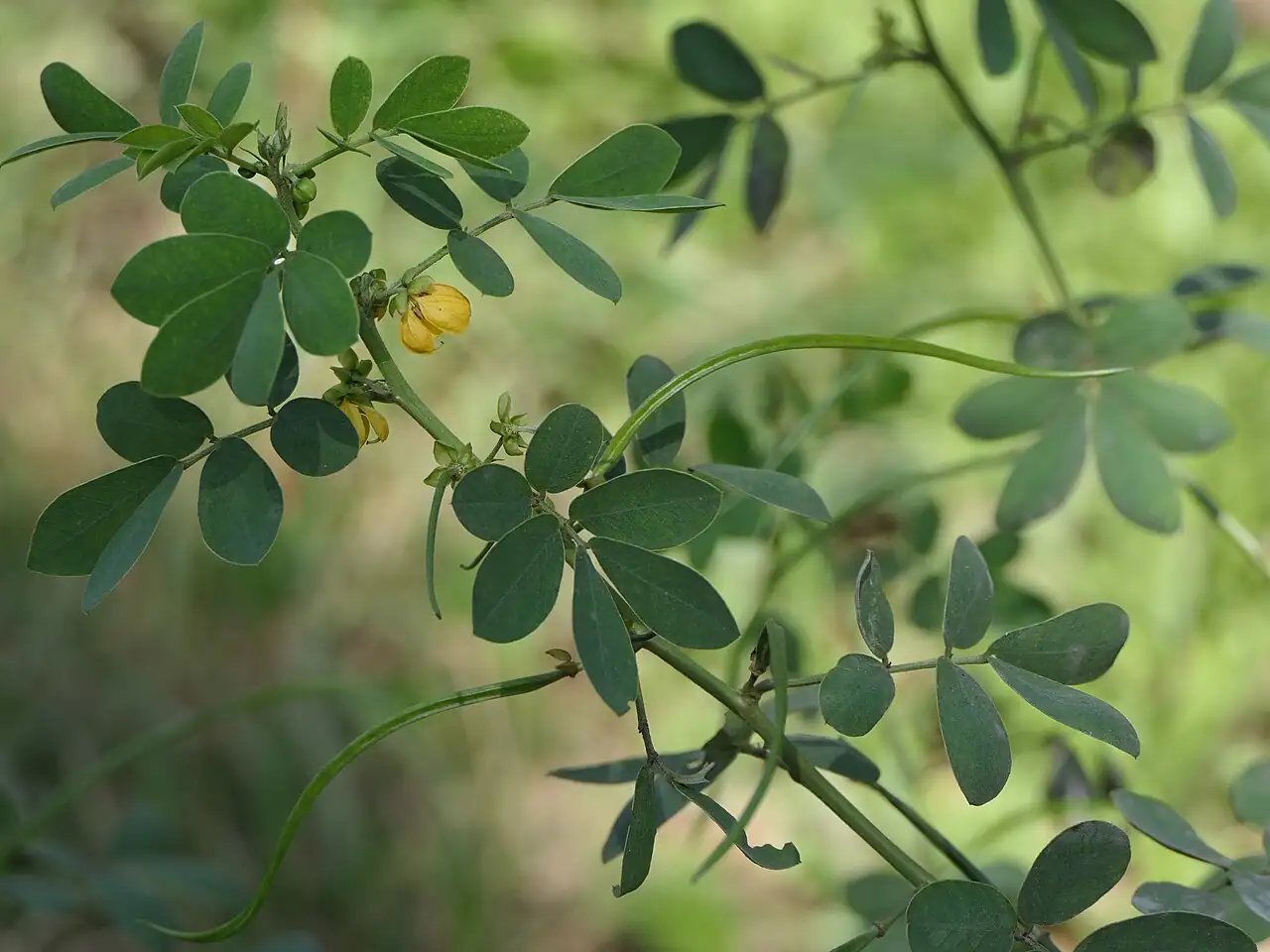
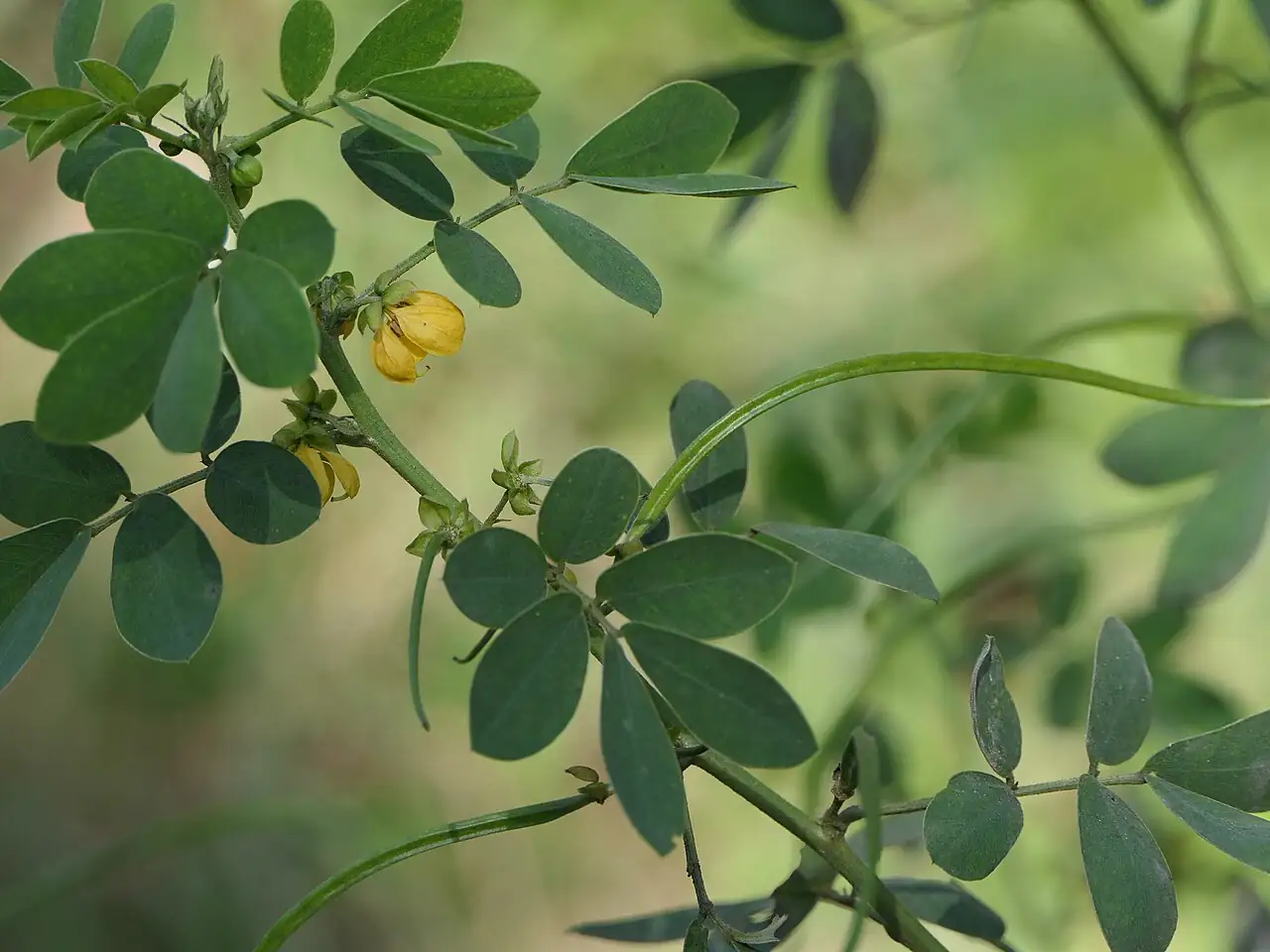
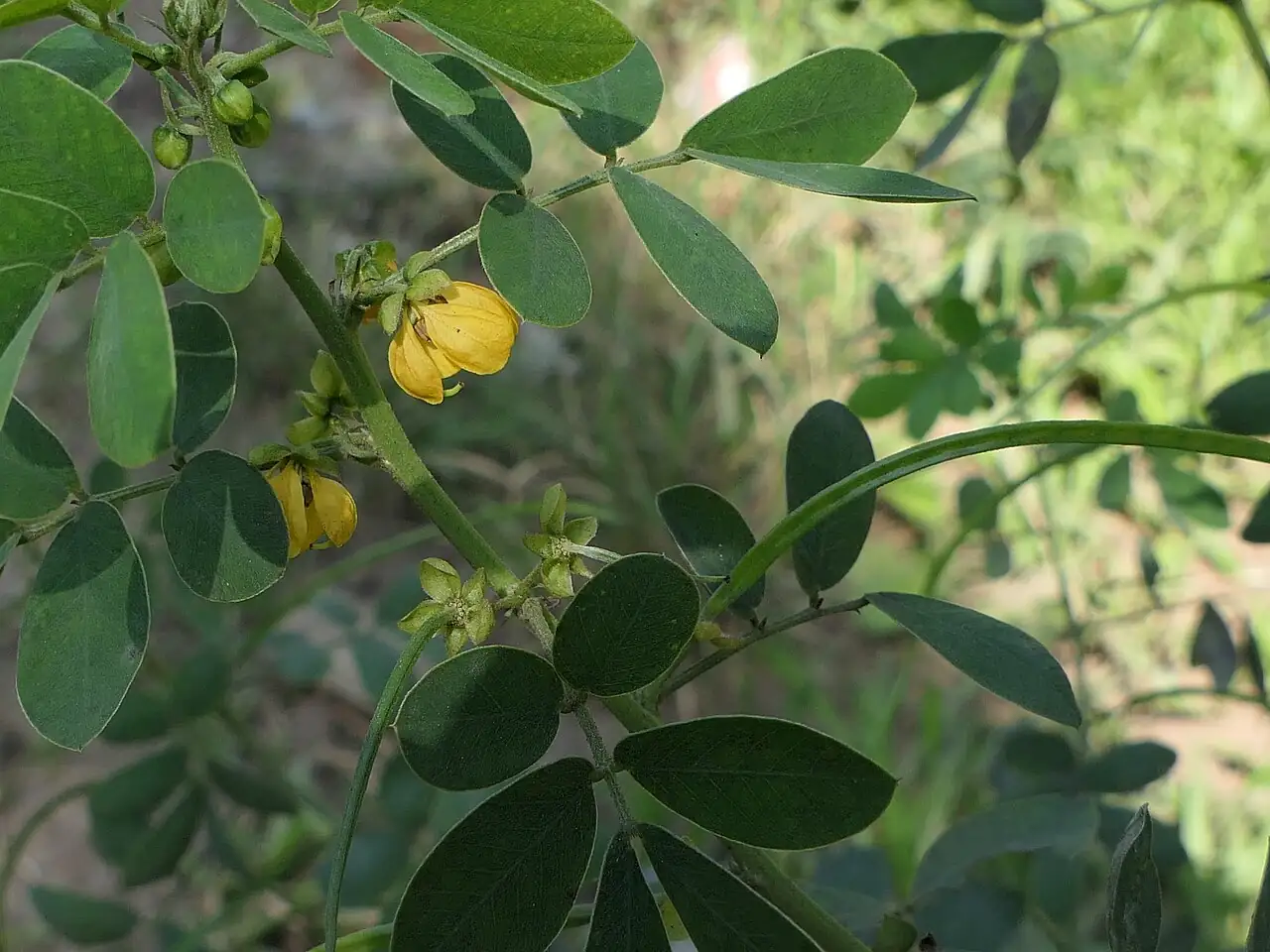
- Foliage: Compound leaves with several pairs of thin-textured leaflets (obovate to oblong). The overall effect is light and airy rather than dense.
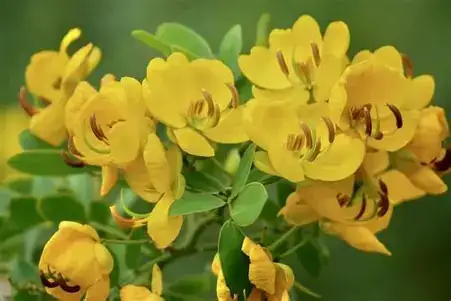
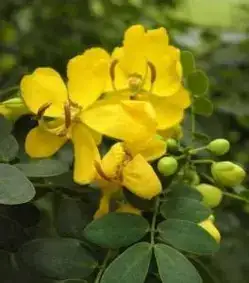
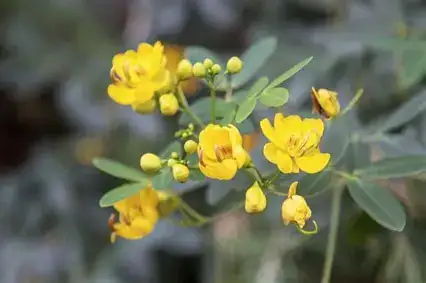
- Flower: Small, bright yellow flowers held in the leaf axils, often appearing in pairs. Flowers are followed by narrow, elongated pods that are slightly angular, each packed with glossy, diamond-shaped seeds.
- Flowering Season: August–November (late summer to autumn, in much of East Asia).
- Growth Habit: Warm-season annual; upright, robust herb to subshrub, freely branching in open sun.
Environment
Sunlight
Full sun to bright open light; best performance and sturdier growth in unobstructed sun.
Temperature
Warm-season grower; best around 20–35°C (68–95°F). Sensitive to frost; protect from temperatures below 0°C (32°F).
Humidity
Average outdoor humidity suits it well. Tolerates short dry spells once established, but looks best with moderate, consistent moisture.
Soil
Prefers deep, fertile, well-drained sandy loam; tolerates poorer soils. Ideal pH about 6.5–7.5. Avoid heavy, waterlogged clay and saline/alkaline soils.
Placement
Sunny garden beds, naturalistic meadows, field edges, riverbanks, sandy flats—any open, well-drained site.
Hardiness
Not frost-hardy. Typically grown as a warm-season annual; perennial behavior is limited to frost-free climates (roughly USDA Zone 10–12).
Care Guide
Difficulty
Easy. Give it full sun and well-drained soil for the most upright growth and best flowering. It tolerates less-than-perfect soil, but struggles in heavy, sticky, waterlogged, or saline/alkaline ground.
Buying Guide
Buy fresh, viable seed from a reputable supplier. Choose clean, mature seed with clear labeling (accepted name: Senna tora) and avoid lots showing mold, insect damage, or many broken seeds.
Watering
Water regularly while establishing. After that, let the top layer of soil dry slightly between waterings. In the ground, water deeply during prolonged drought; avoid constantly wet soil to reduce root problems.
Fertilization
Usually needs little to no fertilizer. If plants look pale or growth is weak, use a balanced fertilizer at a low rate early in the season. Avoid heavy nitrogen, which can push leafy growth at the expense of flowers.
Pruning
Generally unnecessary. Remove damaged stems as needed; light pinching can encourage bushier branching if growing it ornamentally. Clear spent plants at season’s end.
Propagation
By seed. Sow after frost danger has passed. If germination is slow, scarify lightly or soak seeds to help water penetrate the seed coat.
Repotting
Typically not repotted because it’s grown as an annual. If started in pots, transplant outdoors once seedlings are sturdy and nights are reliably warm.
📅 Seasonal Care Calendar
Spring: sow after frost; keep evenly moist until established. Summer: full sun; water during dry spells; feed only if needed. Late summer–autumn: peak flowering and pod/seed set. After first frost or season end: pull plants, tidy beds, and collect seed if desired.
Pests, Diseases & Safety
Common Pests & Diseases
Generally hardy. Watch for aphids and caterpillars; leaf spots can appear in humid weather or crowded plantings. Improve airflow, avoid late-day overhead watering, and use targeted controls only if infestations become significant.
Toxicity
Not typically used as a food plant. Like many Senna species, eating plant parts or using concentrated seed preparations may cause gastrointestinal upset. Keep seeds/plant material away from children and pets unless used under qualified guidance.
Culture & Symbolism
Symbolism: Often linked with “bright eyes” and clear vision in traditional culture because the seeds are used in eye-related herbal preparations.
History & Legends: Its shiny seeds have been used for generations in East Asian herbal traditions, commonly dried for teas or blended into classic formulas.
Uses: Grown ornamentally in sunny beds or naturalistic plantings for its bright yellow flowers and tough nature. Seeds are harvested as “cassia seed,” a traditional herbal material associated with supporting vision and promoting regularity.
FAQ
Is Cassia tora the same plant as Senna tora?
Yes. Cassia tora is the older, widely used name; Senna tora is the accepted name in modern taxonomy.
When does sickle senna flower?
Typically from late summer into autumn—often August to November—though timing shifts with local climate.
Can it handle poor soil?
It’s fairly tolerant and often thrives on disturbed ground, but it looks and flowers best in deep, well-drained soil. Avoid waterlogged clay and salty/alkaline conditions.
Fun Facts
- Those glossy, diamond-shaped seeds are the best-known part of the plant and are widely sold as “cassia seed.”
- Even though it’s common as a roadside wild plant, it can look surprisingly tidy and bright when planted in sunny drifts.
- The narrow, slightly angular pods are a helpful field mark when the plant is in fruit.


