

Plant Features
- Size: Typically 1.5–1.8 m (4.9–5.9 ft) tall, forming a dense clump.
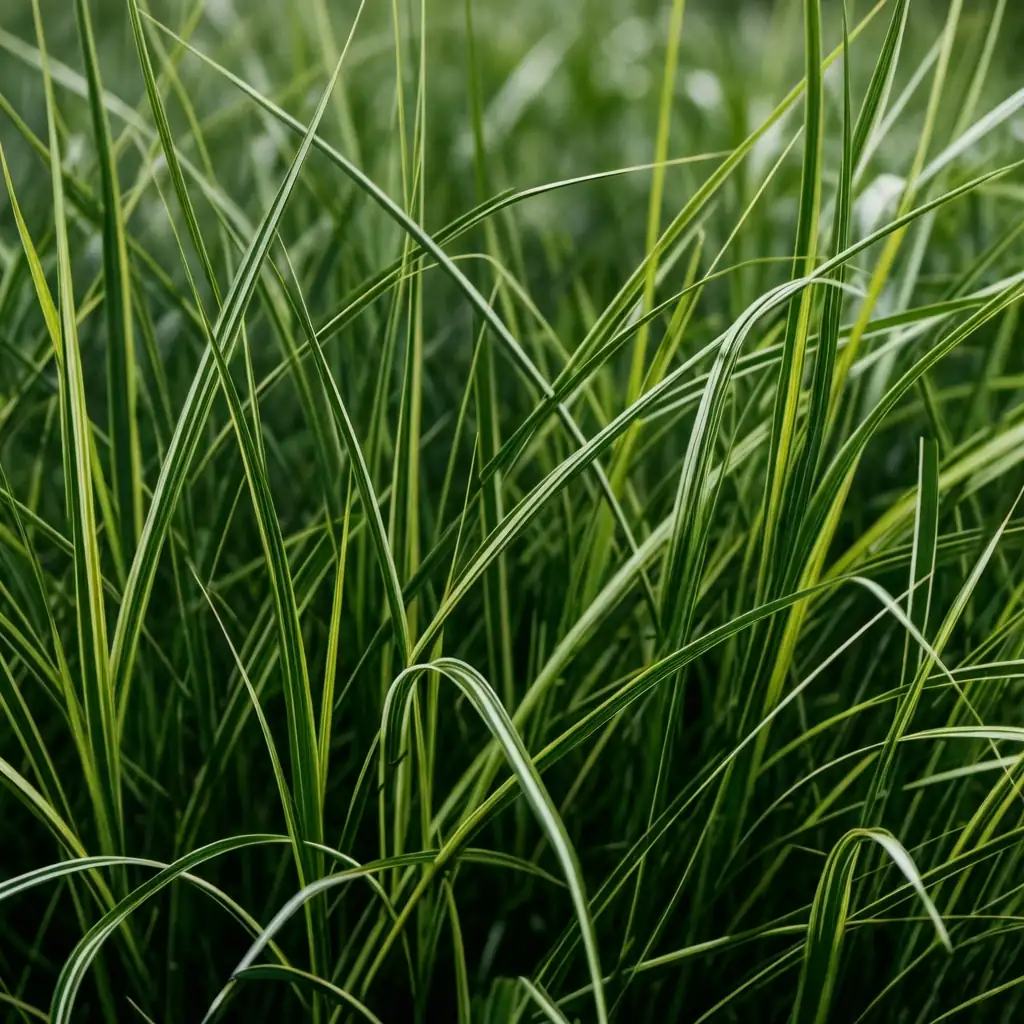
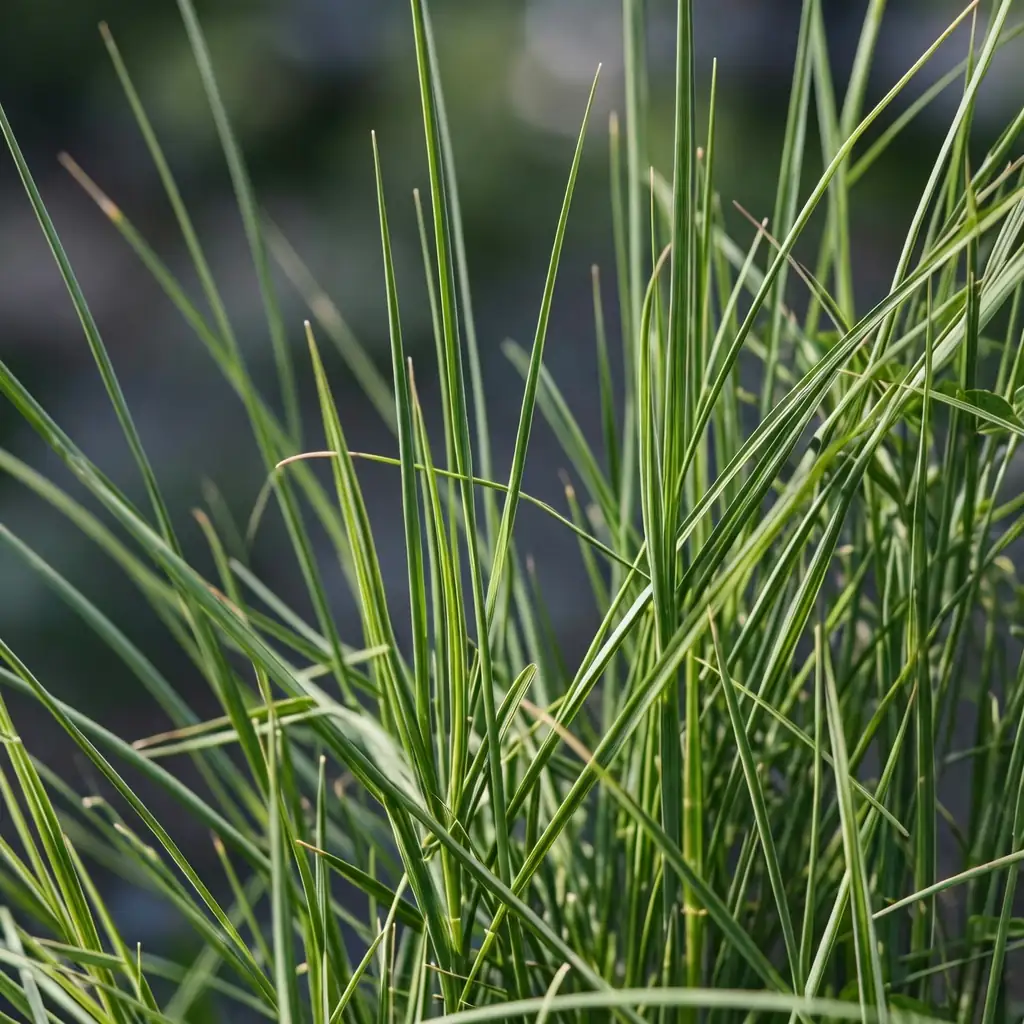
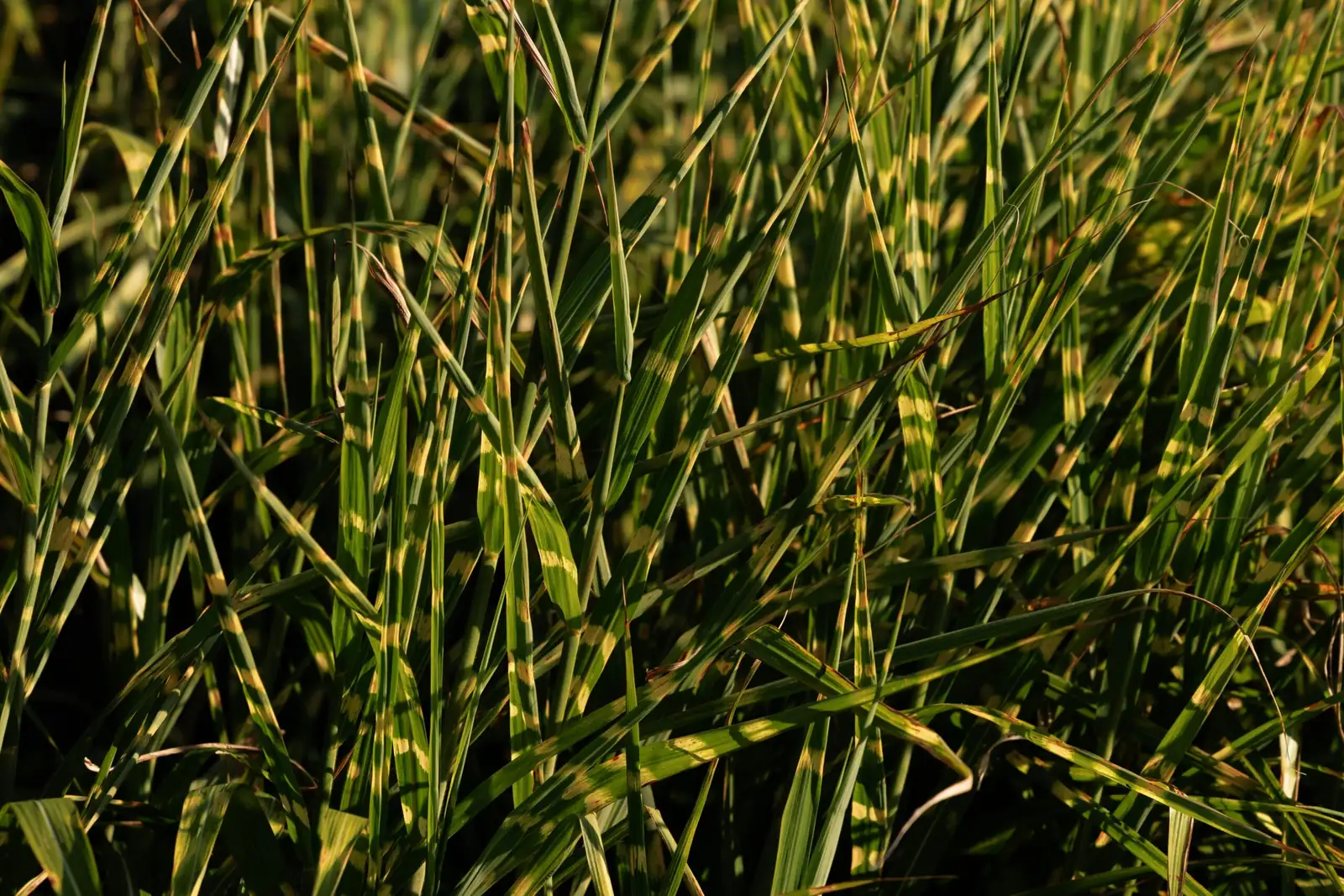
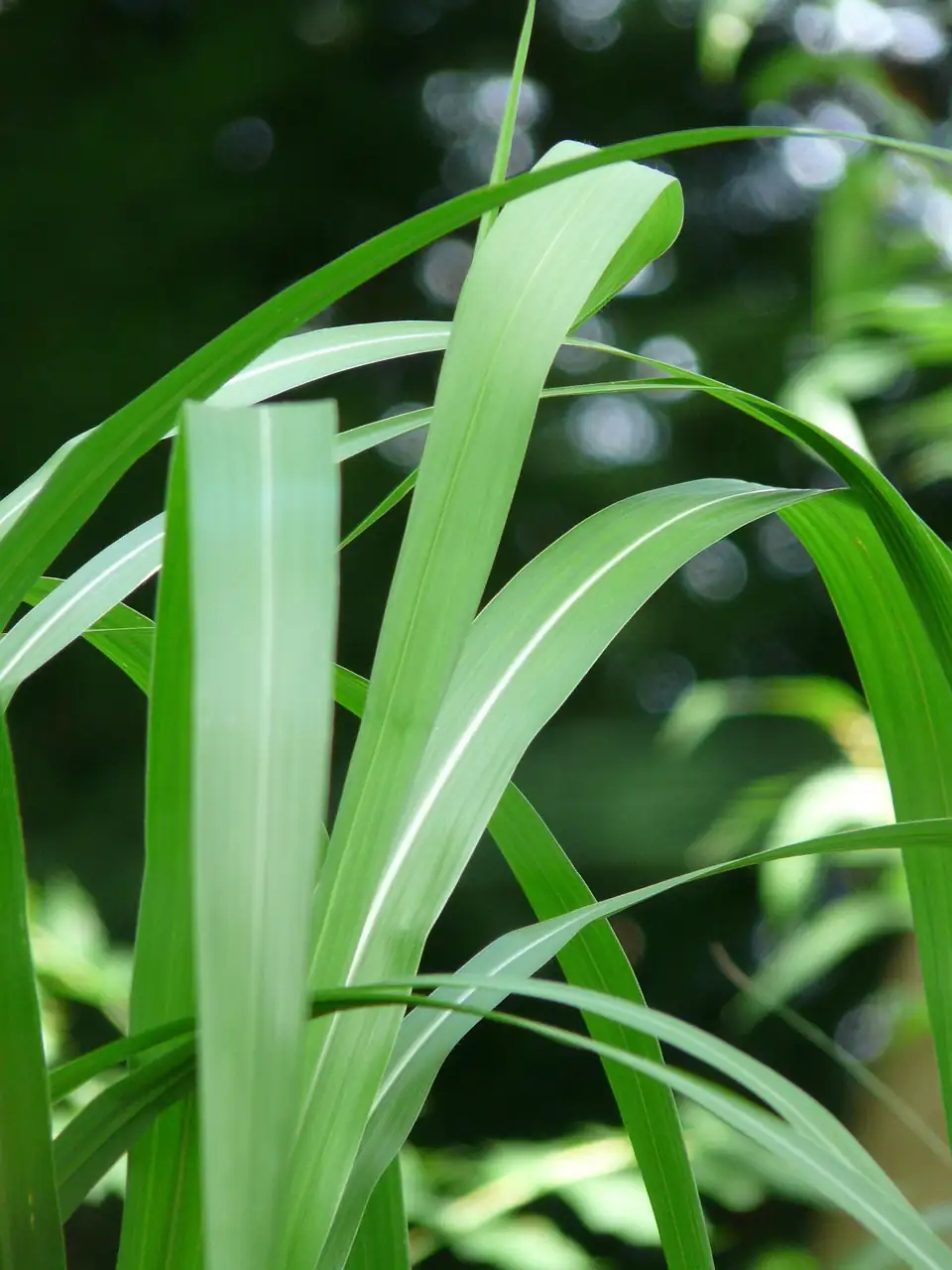
- Foliage: Long, narrow, arching leaves to about 80 cm (31.5 in) long; bright green with longitudinal creamy-white striping or edging; a prominent pale/white midrib; margins are finely serrated and can feel sharp.
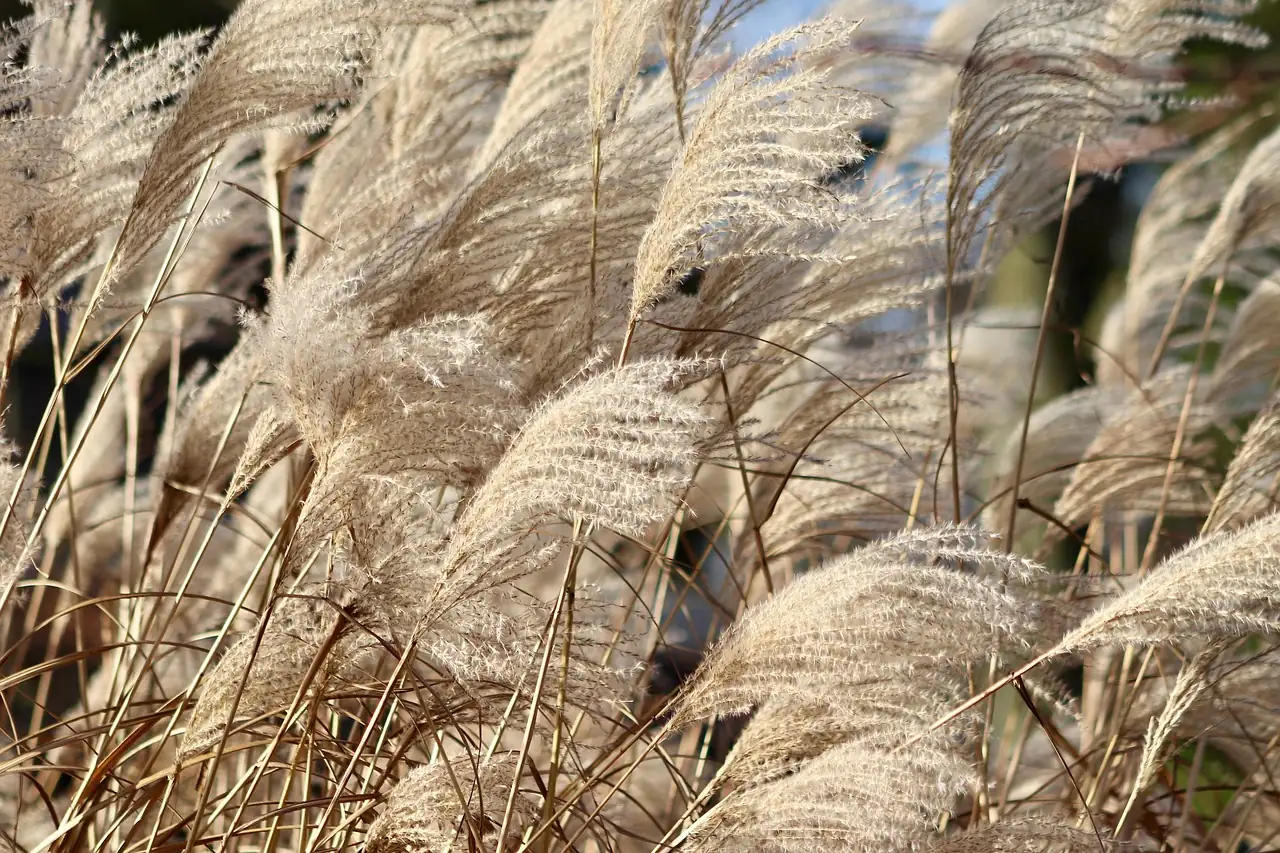
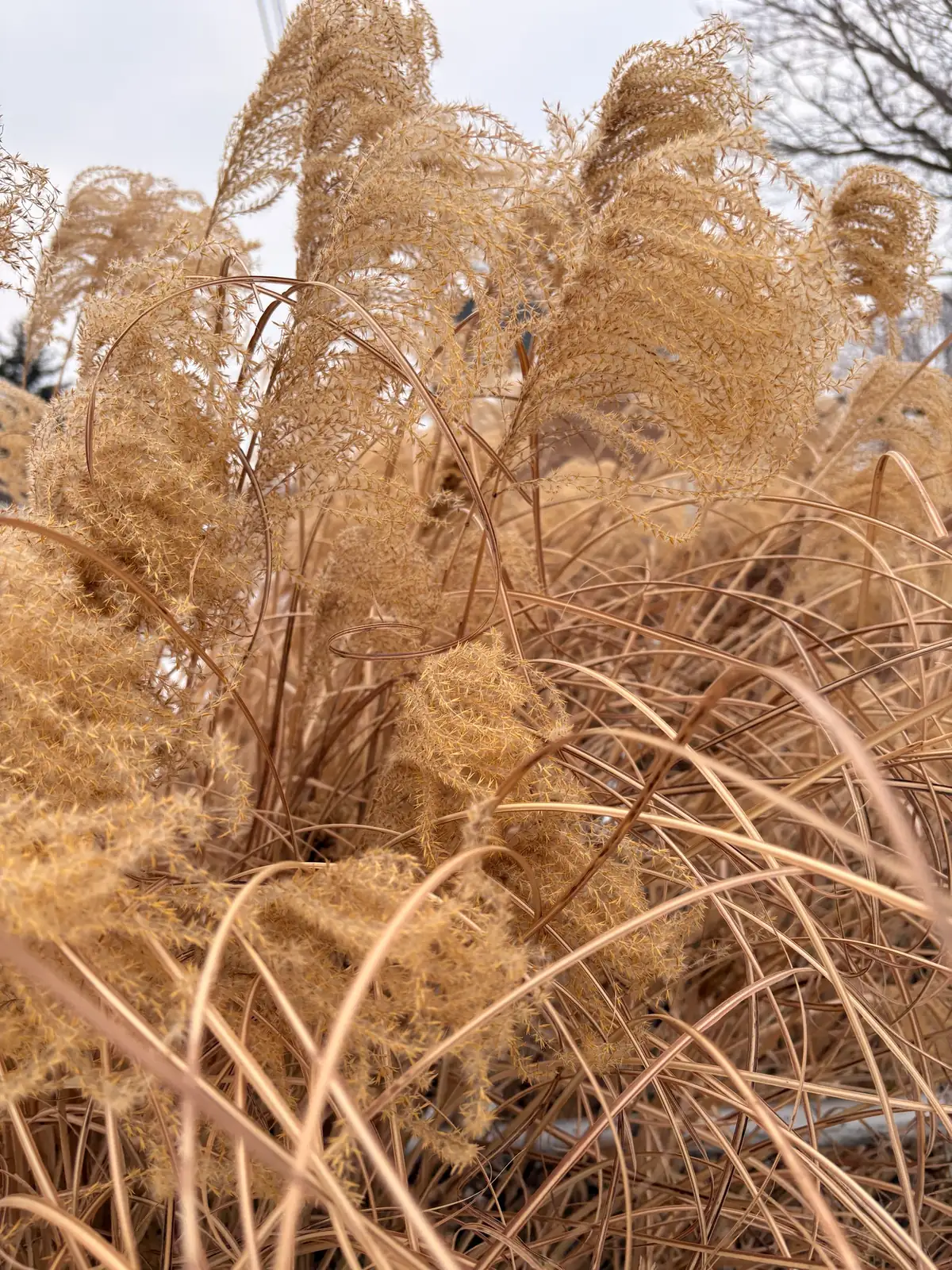
- Flower: Large, open panicles (plumes) with a fan-like, airy look; spikelets may show a light purplish tone, then mature into paler, fluffy seedheads that can persist for seasonal interest.
- Flowering Season: July–December (Jul–Dec)
- Growth Habit: Upright, clump-forming perennial grass with many stems arising from the base; forms a fountain-like silhouette.
Environment
Sunlight
Full sun for the best variegation and flowering; tolerates light shade.
Temperature
Prefers warm, moist growing conditions; cold-hardy once established. Best growth around 15–30°C (59–86°F).
Humidity
Average to moderately humid conditions; appreciates consistent moisture during active growth.
Soil
Adaptable—performs well in most well-drained garden soils (sandy through clay) and across a range of fertility levels; avoid persistently waterlogged sites.
Placement
Great in sunny borders, courtyards, and mass plantings; also works as a specimen clump. Plumes and foliage are excellent for fresh cuts and dried arrangements.
Hardiness
USDA Zone 5–9 (approx.).
Care Guide
Difficulty
Easy—sun-loving, adaptable to many soils, and generally cold-hardy once established. It looks best with steady moisture during the growing season.
Buying Guide
Pick plants with firm, upright shoots and a healthy crown (no mushiness or rot). Avoid pots that smell sour or seem waterlogged. Check that new leaves show clear, consistent variegation.
Watering
Water regularly in the first growing season to establish a deep root system. After that, water during dry spells; keep evenly moist in summer for the lushest growth. Avoid constantly soggy soil.
Fertilization
Usually needs only light feeding. In spring, top-dress with compost or use a balanced slow-release fertilizer. Go easy on nitrogen—too much can encourage floppy growth and reduce crisp form.
Pruning
In late winter to early spring, cut back last season’s growth to about 10–20 cm (4–8 in), just before new shoots emerge. Wear gloves—leaf edges can scratch.
Propagation
Divide established clumps in spring (or early autumn in mild climates). Replant divisions promptly and keep evenly moist until they re-root.
Repotting
In containers, repot into a larger pot or divide every 2–3 years. Use a free-draining mix and ensure the container has drainage holes.
📅 Seasonal Care Calendar
Spring: cut back, divide if needed, refresh soil/compost. Summer: water during heat/drought. Autumn: enjoy plumes; harvest stems for drying if desired. Winter: leave standing for structure and wildlife cover, then cut back before spring growth.
Pests, Diseases & Safety
Common Pests & Diseases
Generally trouble-free. Rust or leaf spot can appear in crowded, humid conditions—improve airflow and avoid frequent overhead watering. Slugs may nibble tender new shoots in spring.
Toxicity
Not known to be toxic to people or pets. The main ‘hazard’ is mechanical: the finely serrated leaf edges can cause minor scratches.
Culture & Symbolism
Symbolism: Often linked with resilience and the beauty of seasonal change, thanks to plumes that carry the garden from late summer into winter.
History & Legends: A cultivated variegated form of Miscanthus sinensis, grown worldwide for its texture, movement, and long-lasting late-season display.
Uses: Ornamental landscaping (massing, borders, specimen clumps) and cut foliage/plumes for fresh or dried floral design.
FAQ
Why is my Variegated Silver Grass turning greener?
Too much shade or overly rich, nitrogen-heavy feeding can reduce the white striping. Move it into fuller sun and keep fertilizing modest for stronger contrast.
When should I cut it back?
Late winter to early spring is ideal—cut stems down to about 10–20 cm (4–8 in) just before new shoots start pushing up.
Fun Facts
- It’s a variegated cultivar of Chinese silver grass (Miscanthus sinensis).
- Leaves commonly reach about 80 cm (31.5 in) long and show a noticeably pale midrib.
- The plume display can run from July to December (Jul–Dec), giving months of late-season texture.
- Stems and plumes are popular for dried arrangements—harvest when plumes are full but before they shed heavily.
- Those elegant blades can be surprisingly sharp along the edges, so gloves are a smart idea when trimming.


