

Plant Features
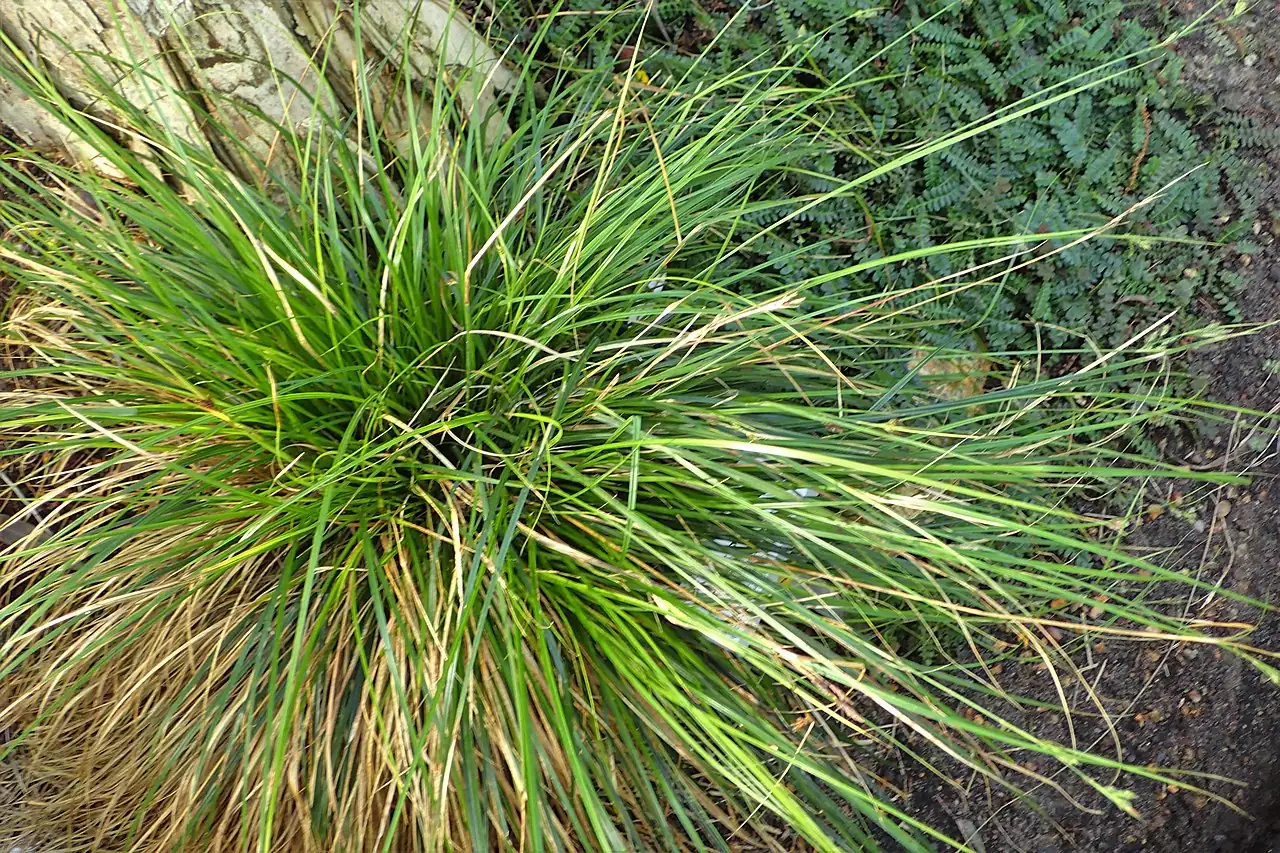
- Size: Typically 40–70 cm (16–28 in) tall; forms dense clumps.
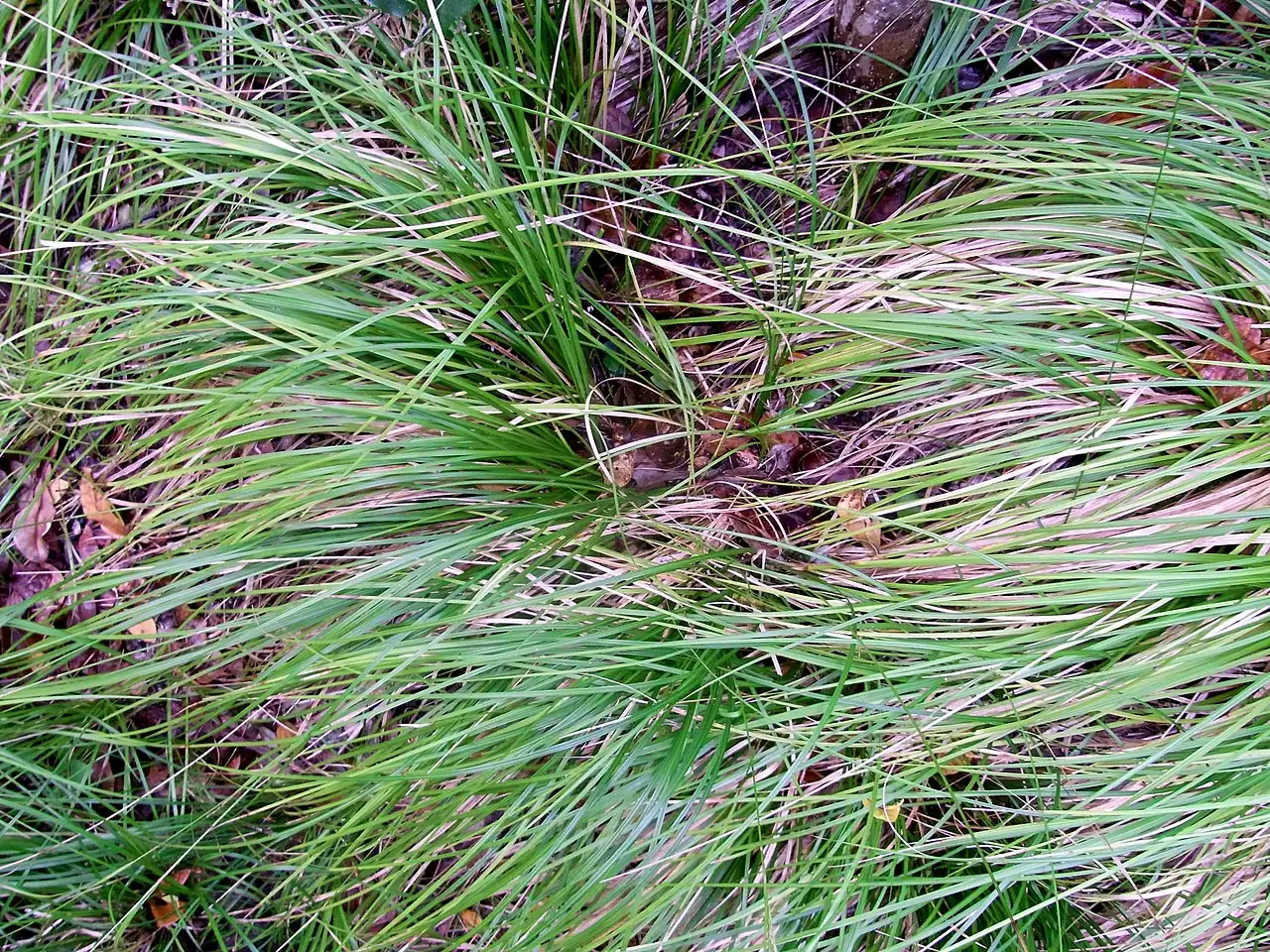
- Foliage: Slender, grass-like leaves and stems forming tight, dense tufts; overall a delicate, fine-textured look that reads as soft and “woodland natural.”
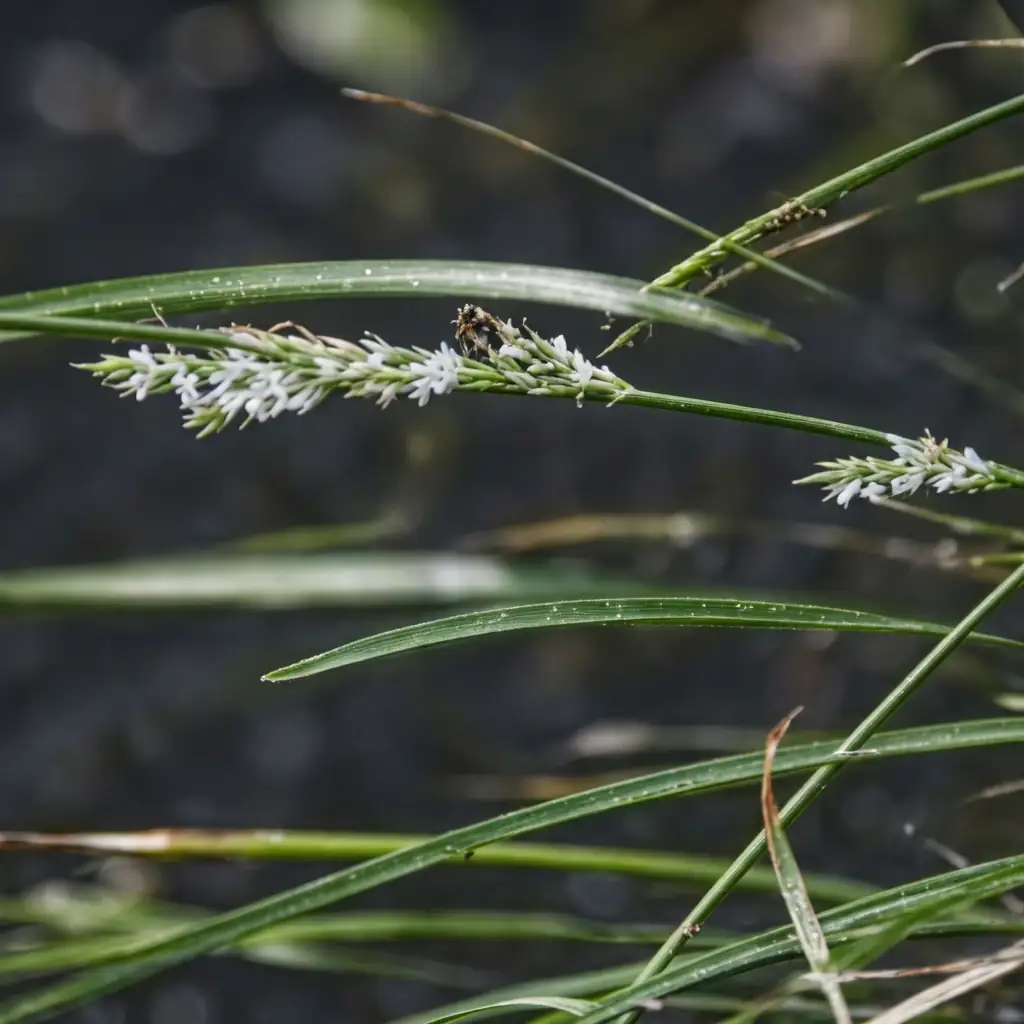
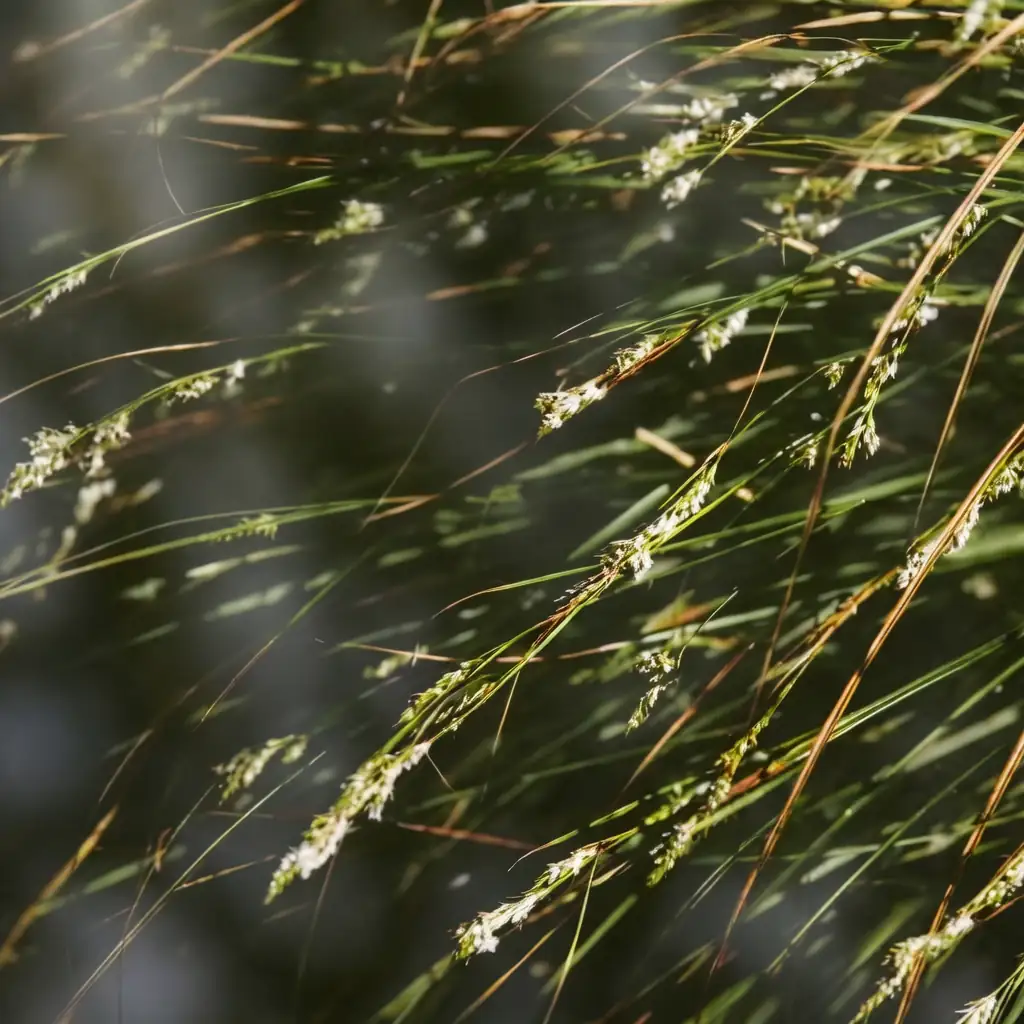
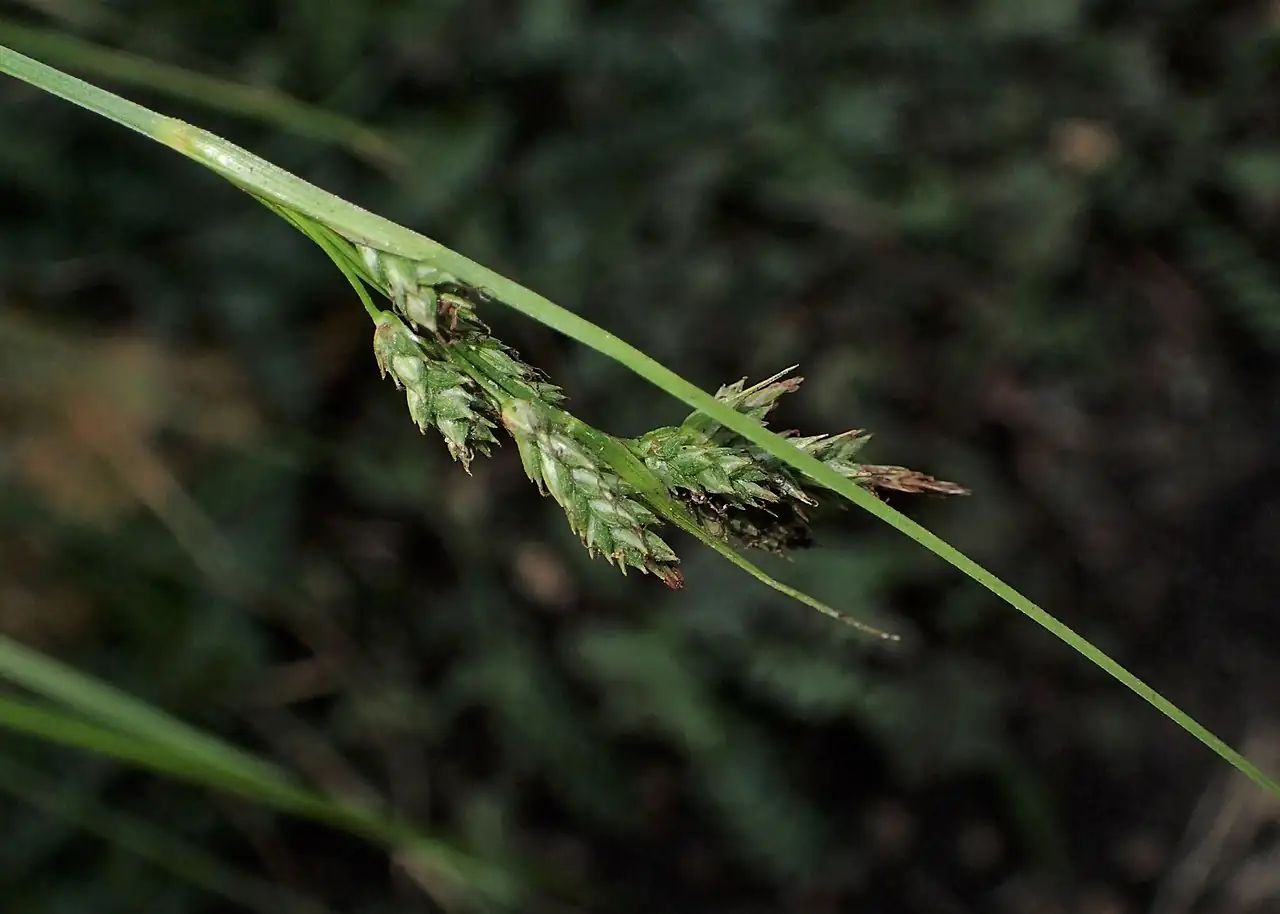
- Flower: Produces several to more than ten compact spikes (spikelets) with many tiny, tightly packed flowers. Fruits (achenes) are enclosed in sac-like utricles; they are nearly round and mature from yellow-brown to brown.
- Flowering Season: May–June
- Growth Habit: Clump-forming perennial sedge with a short rhizome; it lacks long, creeping underground runners and tends to stay where planted.
Environment
Sunlight
Shade to dappled shade; happiest in woodland-style light or shaded edges (such as along streams or under open tree canopies).
Temperature
Cool to warm temperate conditions; best around 10–28°C (50–82°F).
Humidity
Prefers moderate to high humidity; does well where soil moisture stays dependable.
Soil
Moist, well-drained, humus-rich soil. Tolerates periodically wet soils near water, but performs best when not left in long-term stagnant, waterlogged conditions.
Placement
Woodland gardens, shaded borders, under trees/shrubs, and near ponds or streams—ideal for naturalistic shade-groundcover effects.
Hardiness
Generally used as a temperate Carex for mild-winter regions; protect from prolonged hard freezes and drying winds (especially in containers).
Care Guide
Difficulty
Easy—especially once established in the right spot (shade with consistent moisture).
Buying Guide
Pick plants with dense, healthy green tufts and a firm crown. Avoid clumps with large dead centers, or pots that smell sour/anaerobic from waterlogging.
Watering
Keep evenly moist during establishment. Afterward, in shaded sites, water when the top 2–3 cm (about 1 in) begins to dry; don’t let the root zone dry out completely.
Fertilization
Light feeder. In spring, top-dress with compost or use a balanced slow-release fertilizer at label rates. Avoid heavy nitrogen, which can push soft, floppy growth.
Pruning
Late winter to early spring: comb out or trim off browned/dead leaves. If the clump looks tired, cut back to about 5–10 cm (2–4 in) before new growth starts.
Propagation
Division is easiest and most reliable: split clumps in spring or early autumn, making sure each piece has a living crown and roots. Seed is possible but slower and may be variable.
Repotting
In containers, repot or divide every 2–3 years. Use a moisture-retentive but airy mix; size up only about 2–5 cm (1–2 in) in pot diameter when needed.
📅 Seasonal Care Calendar
Spring: tidy old foliage, divide if crowded, top-dress with compost. Summer: keep moisture steady. Autumn: enjoy fruiting interest; divide in early autumn where suitable. Winter: minimal care; protect pots from deep freezes and drying conditions.
Pests, Diseases & Safety
Common Pests & Diseases
Usually trouble-free. Watch for slugs/snails on tender growth, occasional aphids, and leaf spotting if plants are overcrowded in stagnant air. Improve airflow, remove affected leaves, and avoid late-day overhead watering.
Toxicity
No well-documented toxicity concerns in typical ornamental use. As a general precaution, discourage chewing/ingestion by pets or children.
Culture & Symbolism
Symbolism: Often associated with quiet resilience and the soothing, understated beauty of shaded woodland gardens.
History & Legends: No widely recorded legends; it’s mainly appreciated as a native sedge from shaded habitats across many parts of China.
Uses: Ornamental, naturalistic groundcover for shade—especially woodland understory, shaded borders, and streamside or pond-edge plantings. Grown for texture, form, and subtle fruiting detail rather than showy blooms.
FAQ
When does it flower?
May–June.
When does it set fruit?
Typically around September–October, as the utricles mature and turn yellow-brown to brown.
How tall does it get?
About 40–70 cm (16–28 in), forming a dense clump.
Where is it native?
China, including Jiangsu, Zhejiang, Fujian, Taiwan, Guangdong, Guangxi, Anhui, Hunan, Hubei, Sichuan, Yunnan, and Shaanxi.
What habitat does it prefer?
Shaded woodland understory, shrub thickets, and shaded edges near rivers, ponds, and roadsides.
Fun Facts
- It stays politely clumped: a short rhizome means it doesn’t run by long underground runners.
- Its “fruit” is a tiny nut (achene) wrapped in a sac (utricle)—a classic Carex feature.
- One plant can carry multiple compact spikes, each packed with many tiny flowers.
- Its wide provincial distribution hints at good adaptability—so long as it gets shade and steady moisture.
- Garden value is all about texture and mood: it brings a gentle, woodland look rather than big, flashy blooms.


