

Plant Features
- Size: Typically 25–35 m (82–115 ft), occasionally up to about 50 m (164 ft) in ideal conditions.
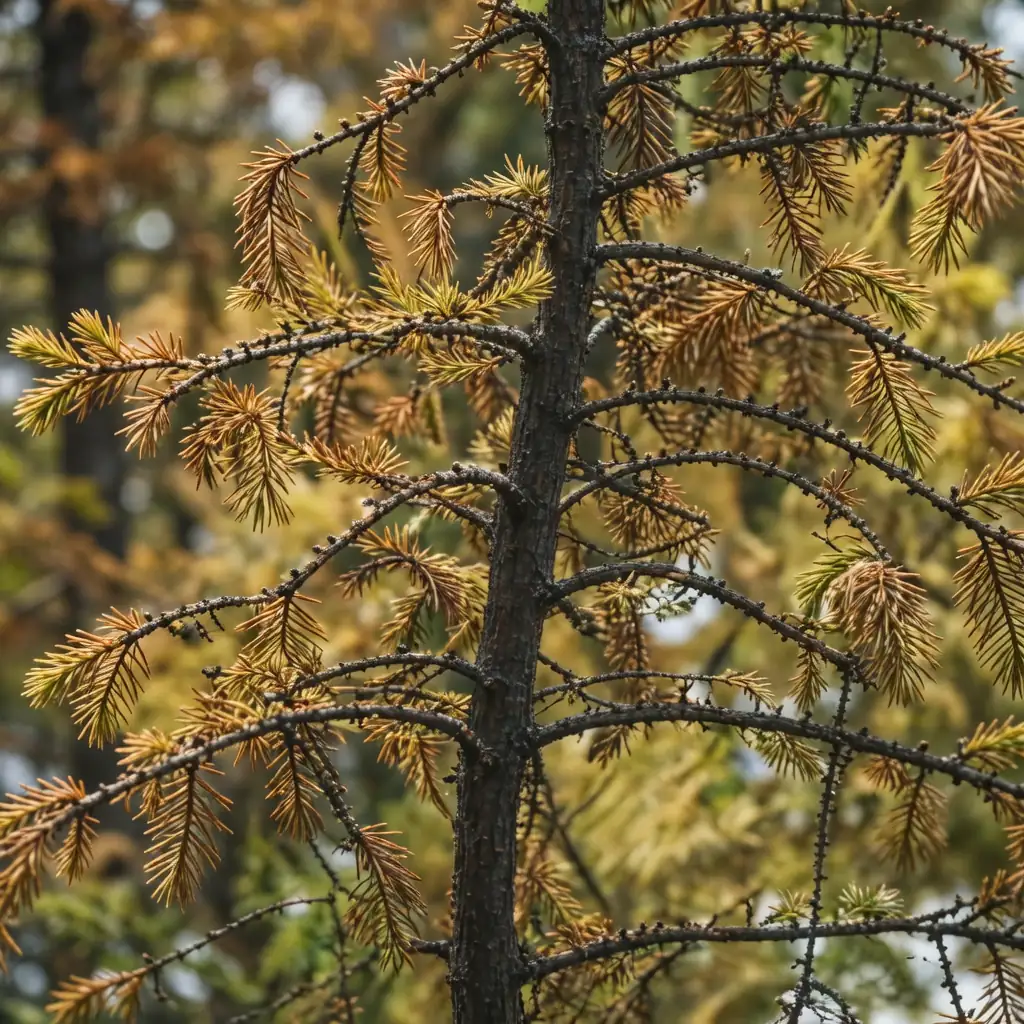
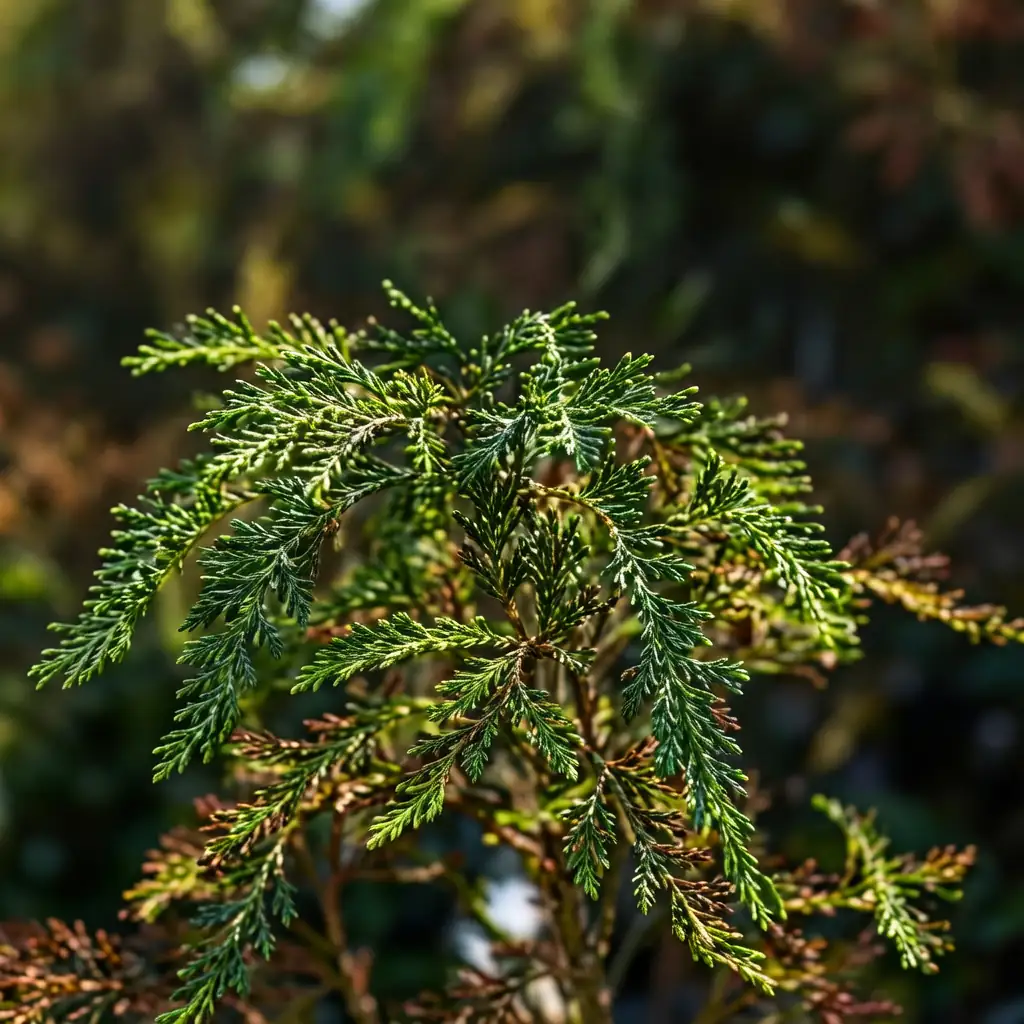
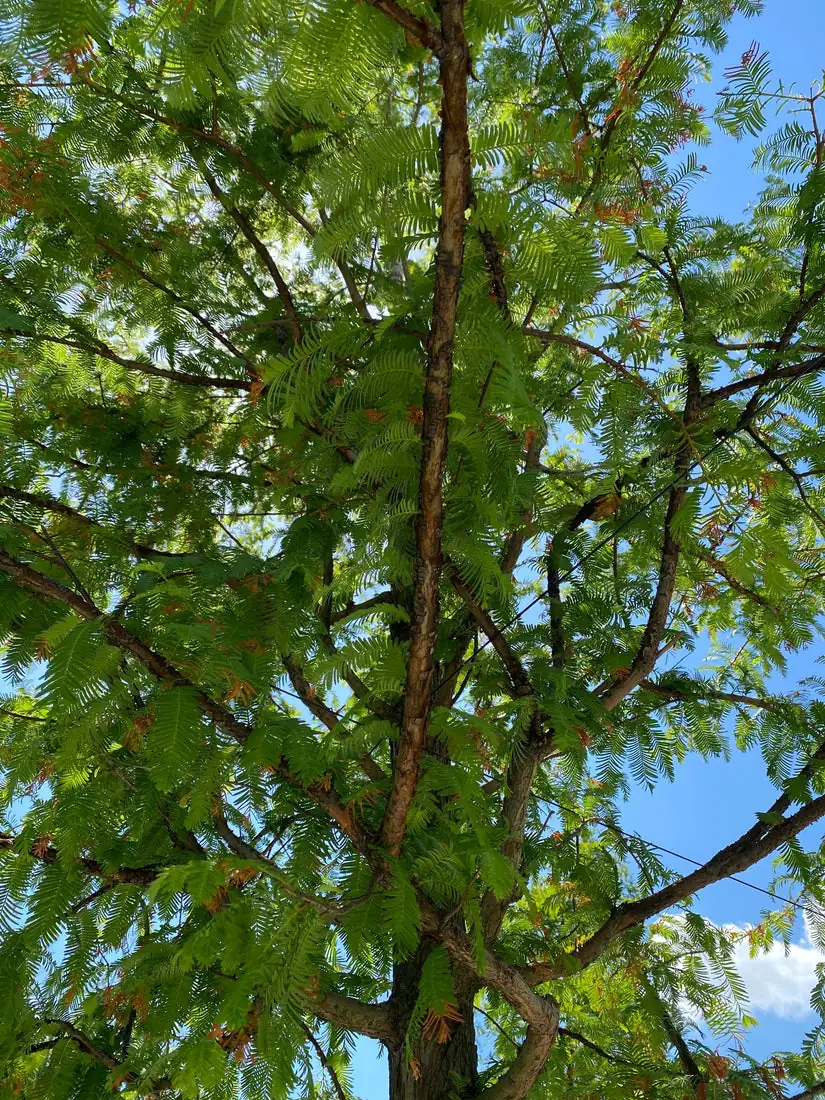
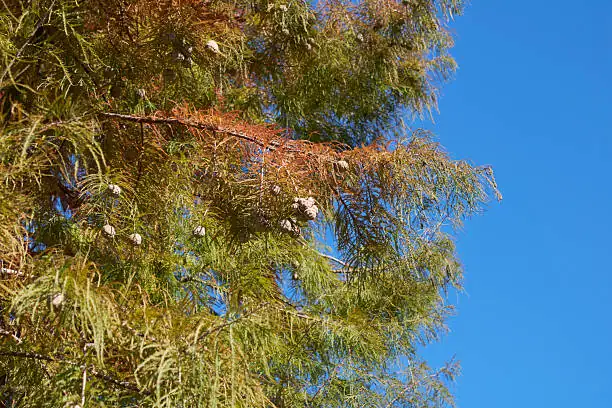
- Foliage: Soft, flat, linear needles arranged in two feathery rows on short shoots; light green in the growing season, turning coppery to reddish-brown in autumn before dropping.
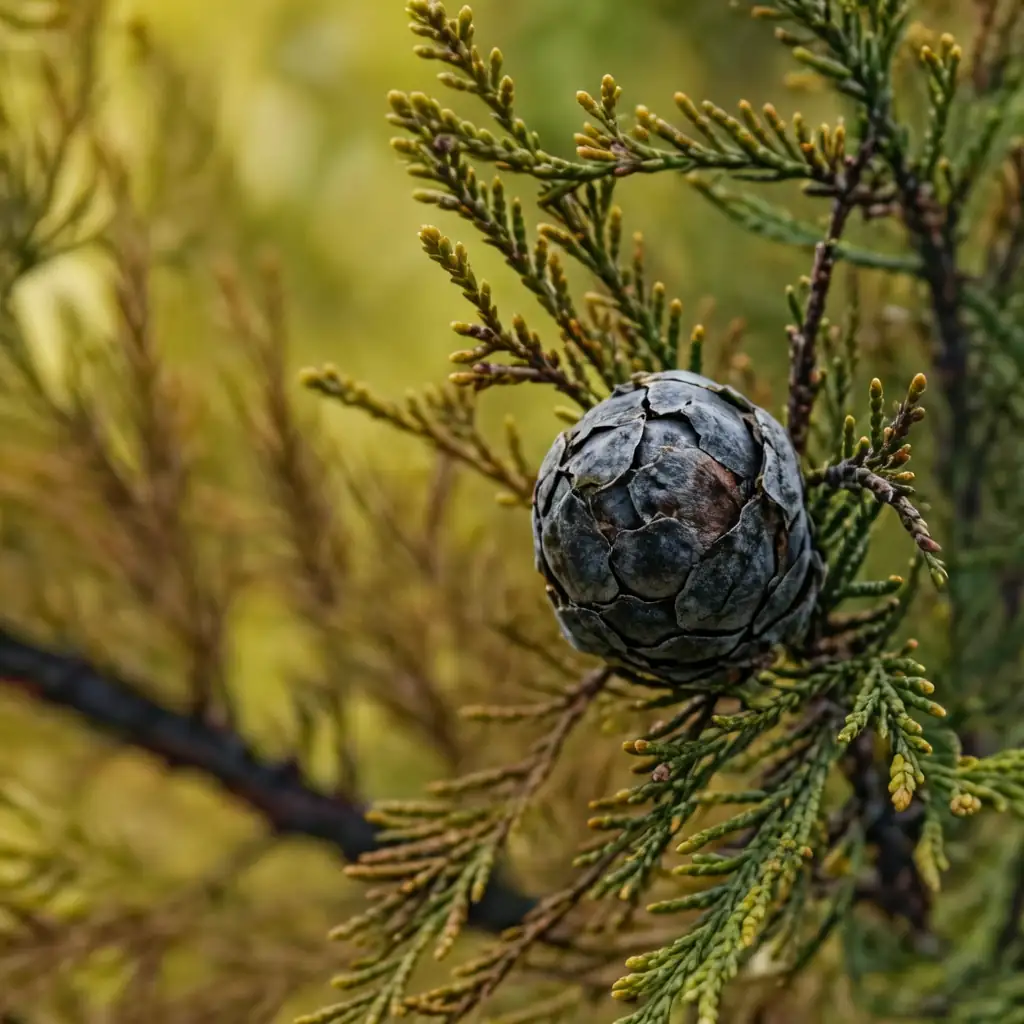
- Flower: Male and female cones form on the same tree (monoecious). Pollen cones appear in spring; seed cones are round to egg-shaped and mature to pale tan.
- Flowering Season: Spring (often around May in many temperate regions)
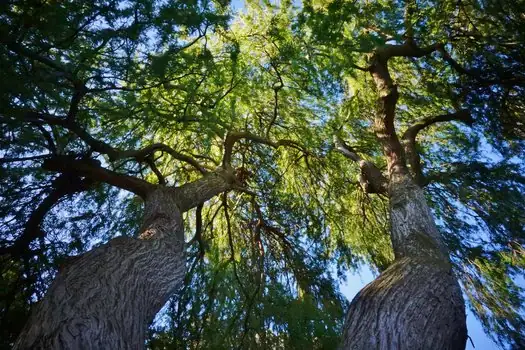
- Growth Habit: A large, fast-growing deciduous tree. Young plants are narrowly conical; older trees develop a broad, spreading crown. In saturated soils the trunk base can become buttressed and the plant may produce woody “knees.” Branches tend to spread nearly horizontally, with fine branchlets that may droop slightly.
Environment
Sunlight
Full sun for best growth; tolerates light shade.
Temperature
Prefers warm, humid climates but is broadly adaptable. During active growth it commonly experiences about 0–35°C (32–95°F). Established trees tolerate winter cold well.
Humidity
Prefers humid air, especially in warm seasons, but adapts to average outdoor humidity if soil moisture stays consistent.
Soil
Best in moist to wet, humus-rich soils; tolerates waterlogging, periodic flooding, and even standing water once established. Also grows in typical garden soils as long as it isn’t allowed to dry out for extended periods.
Placement
Outdoors with plenty of space—ideal beside ponds, lakes, streams, and low-lying areas. Commonly used for waterside landscaping, windbreaks, and riverbank/shoreline protection.
Hardiness
USDA Zone 4–9 (approximately -34 to -1°C / -30 to 30°F). Very flood-tolerant; poorly suited to prolonged drought.
Care Guide
Difficulty
Moderate (outdoors): very forgiving in wet sites and fairly adaptable once established, but growth and health decline if it’s repeatedly drought-stressed. Needs room and is not a good long-term container plant.
Buying Guide
Pick a healthy young tree with a straight central leader, evenly spaced branches, and no major trunk injuries. Avoid pot-bound plants with circling roots. For bare-root stock, choose firm, moist roots and plant promptly.
Watering
Keep consistently moist while establishing. In-ground trees tolerate seasonal flooding and can handle standing water; in drier locations, water deeply during hot, dry spells. Don’t let young trees dry out completely.
Fertilization
Often unnecessary in decent soil. If growth is weak, use a balanced slow-release fertilizer in spring at label rates; avoid heavy feeding late in the growing season.
Pruning
Usually minimal. Remove dead, damaged, or crossing branches in late winter to early spring. On young trees, you can maintain a single central leader for a strong structure.
Propagation
Most commonly grown from seed; fresh seed germinates best after cold, moist stratification. Named or selected forms may be propagated from cuttings in nursery settings.
Repotting
Not typically kept as a houseplant. If grown temporarily in a container, pot up before it becomes root-bound; use a moisture-retentive yet well-aerated mix and never let the pot dry out fully.
📅 Seasonal Care Calendar
Spring: pollen and cones appear (often around May). Autumn: foliage turns coppery-red to reddish-brown; seed cones typically mature in fall (often around October, depending on climate).
Pests, Diseases & Safety
Common Pests & Diseases
Generally tough. Stressed trees may develop cypress leaf blight/twig dieback or cankers, and drought can invite pests like scale insects or spider mites. Best prevention is the right site—consistent moisture and good overall vigor.
Toxicity
Not known to be poisonous to people or pets in typical landscape use.
Culture & Symbolism
Symbolism: Often linked with resilience and longevity—especially fitting for a tree that thrives in flooded, challenging places.
History & Legends: An iconic tree of North American swamps and floodplains, later planted widely around the world as an ornamental and as a practical wet-site tree for erosion control and forestry.
Uses: A striking landscape tree with beautiful fall color, especially effective near water. Frequently used for stabilizing banks, protecting shorelines, and forming windbreaks. Also valued as a timber species with notably durable wood.
FAQ
When does bald cypress flower?
In spring—often around May, depending on local climate.
When do the cones mature?
Usually in fall, often around October (timing varies by region).
How tall can bald cypress grow?
Commonly 25–35 m (82–115 ft), and in ideal conditions it can reach about 50 m (164 ft).
Where is bald cypress native to?
It’s native to the southeastern United States and is widely cultivated elsewhere, including much of southern China.
Where should I plant bald cypress?
Give it outdoor space, ideally near ponds, lakes, streams, or consistently moist low areas. It’s also excellent for windbreaks and bank protection.
What are the “knees” around the trunk?
They’re woody root projections that can form in saturated soils and are thought to help with gas exchange and stability in wet conditions.
Fun Facts
- Despite being a conifer, bald cypress is deciduous—its feathery needles drop each autumn.
- In wet ground it may form “cypress knees,” unusual woody structures that rise above the soil or water.
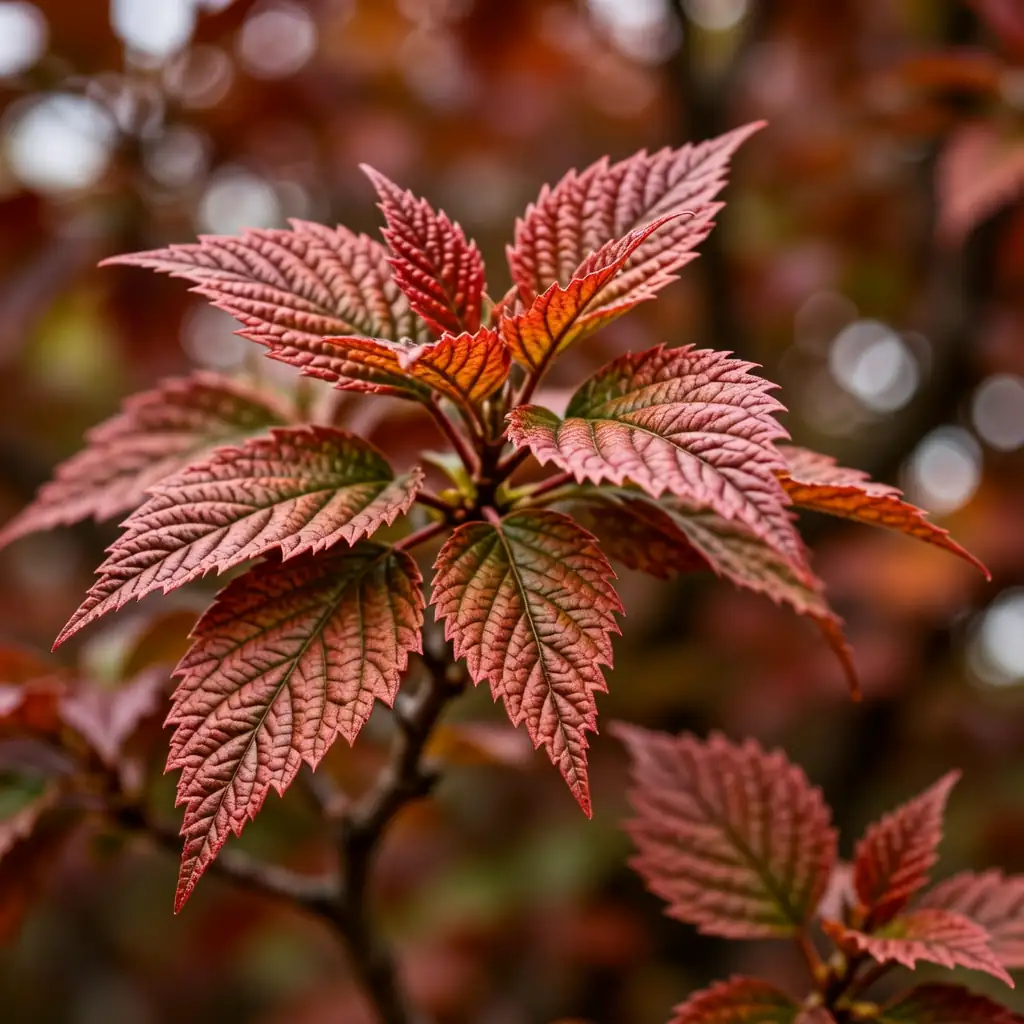
- Its fall color often shifts to a dramatic coppery-red to reddish-brown before the needles drop.
- The bark is typically reddish-brown and peels in long, fibrous strips.
- It’s widely planted for waterside landscaping and erosion control, and its wood is prized for durability.


