Plant Features
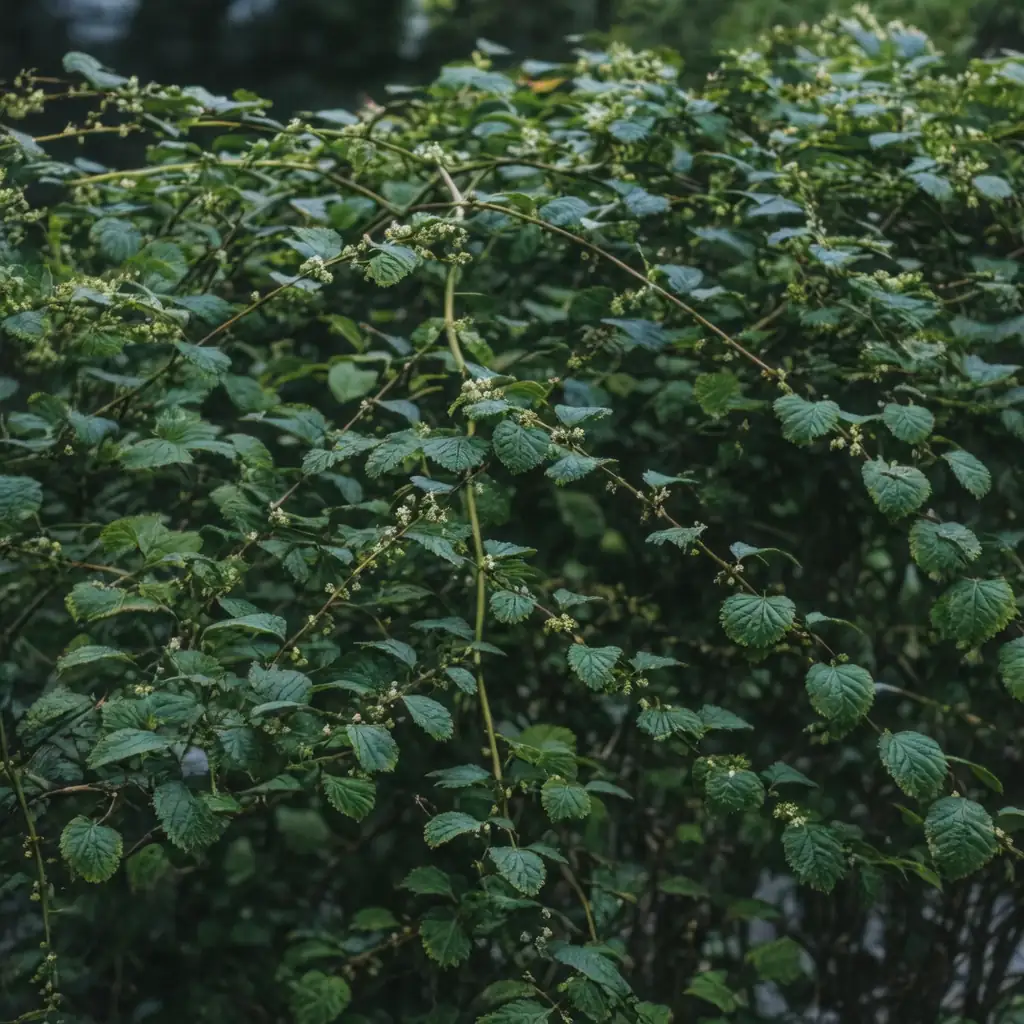
- Size: Commonly 30–100 cm (12–39 in) tall, but in rich, moist sites it can reach about 2–3 m (6.6–9.8 ft) or more, forming tall, dense stands.
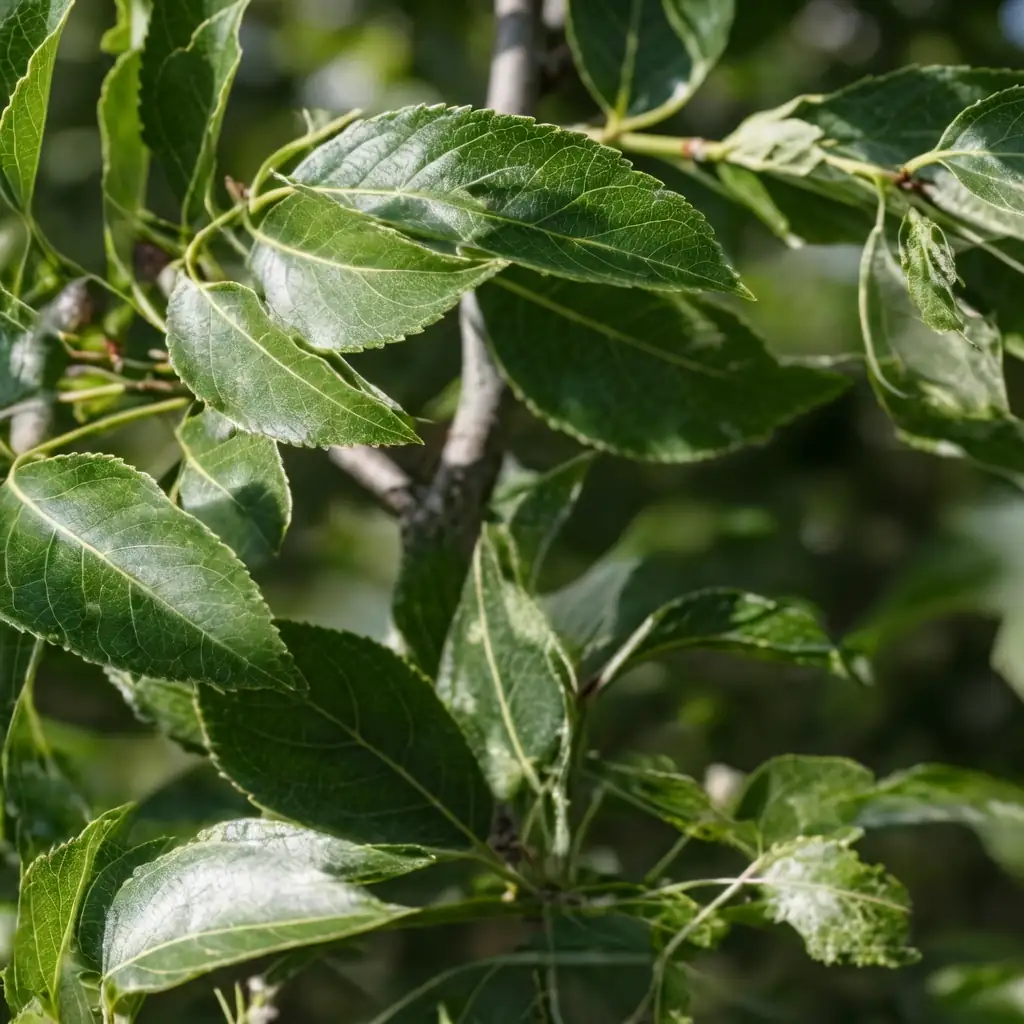
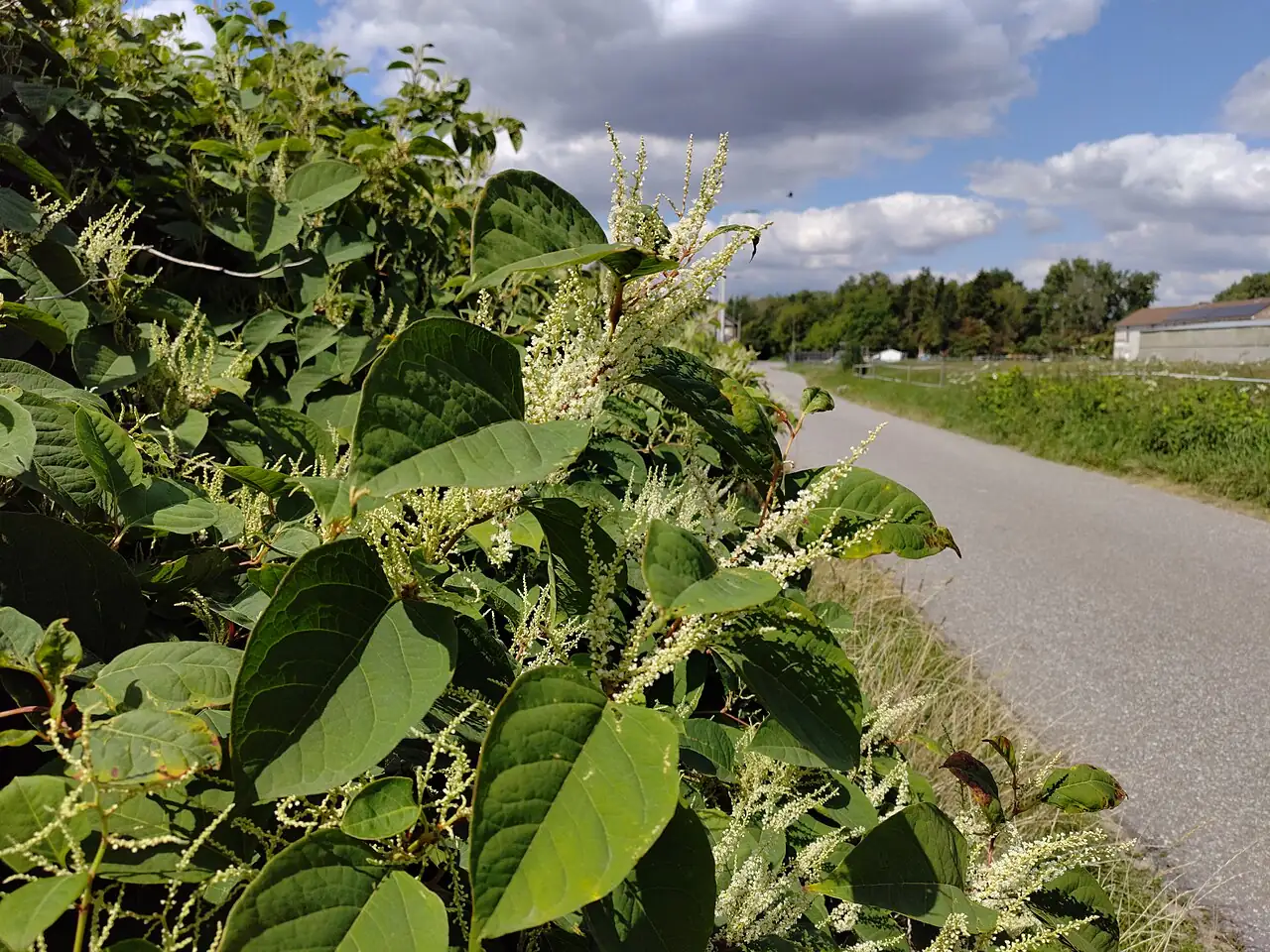
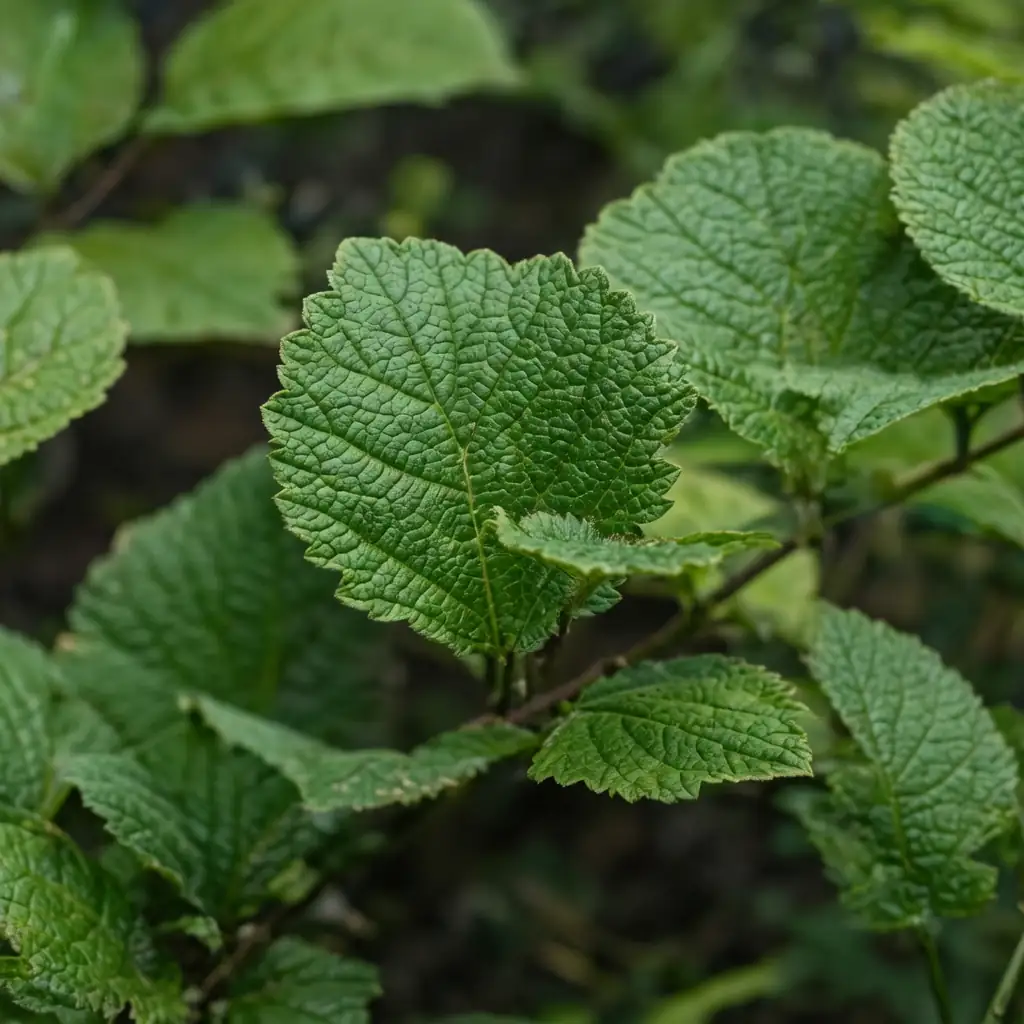
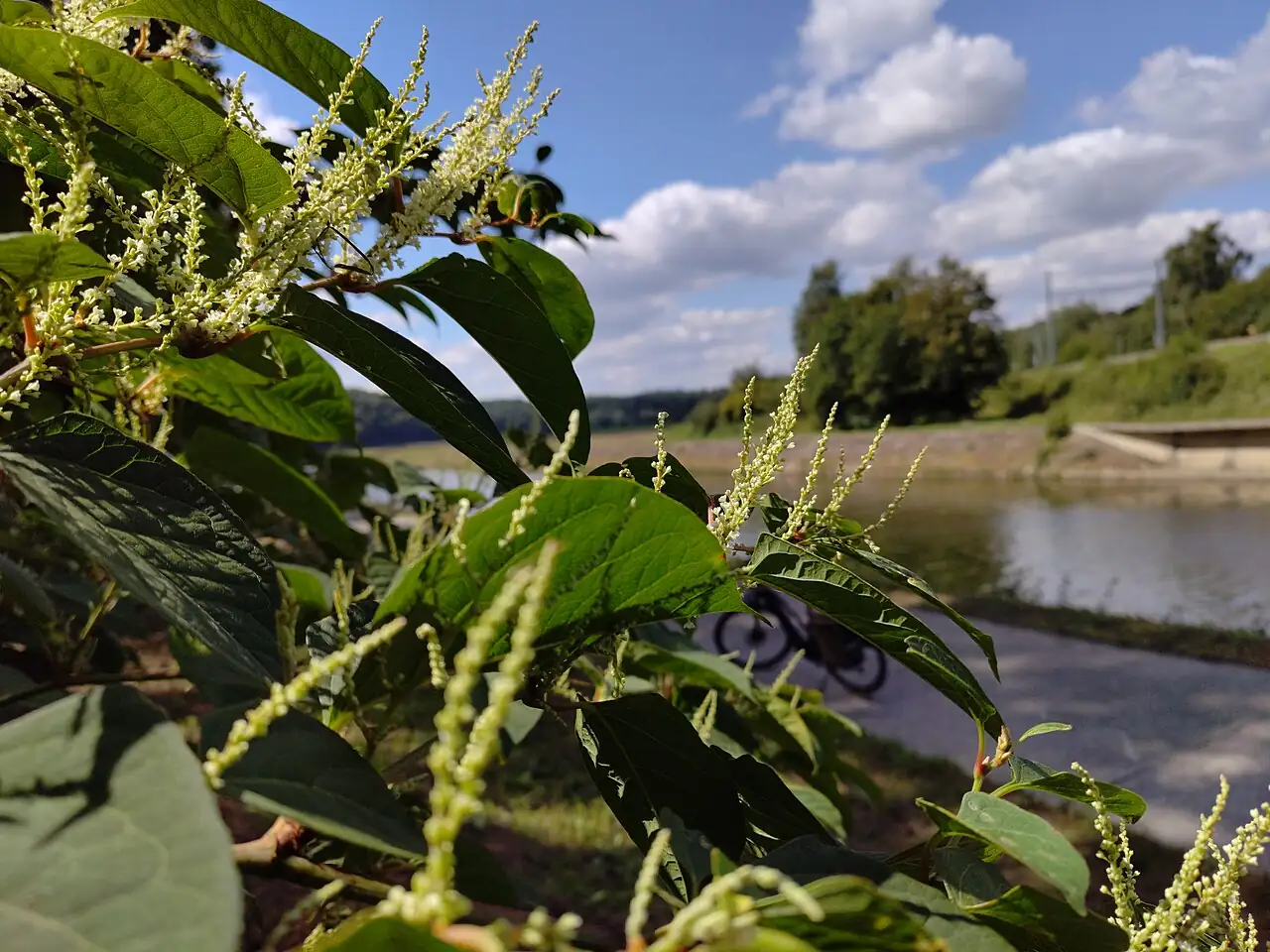
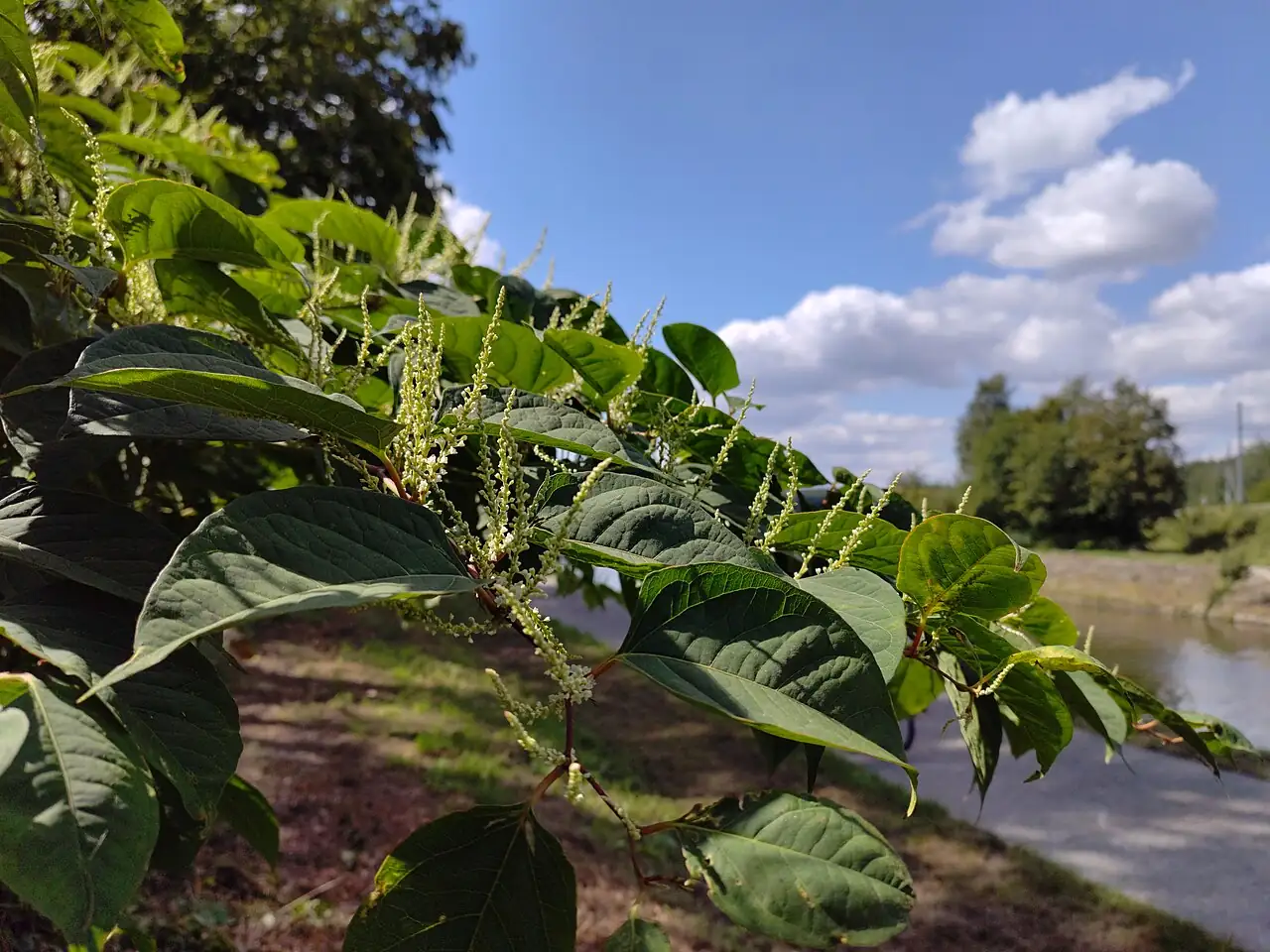
- Foliage: Leaves are broadly ovate to broadly elliptic, fairly thick and slightly leathery, with mostly smooth (entire) margins, a pointed tip, and a wedge-shaped to nearly rounded base; sometimes the edges show tiny sparse bumps.
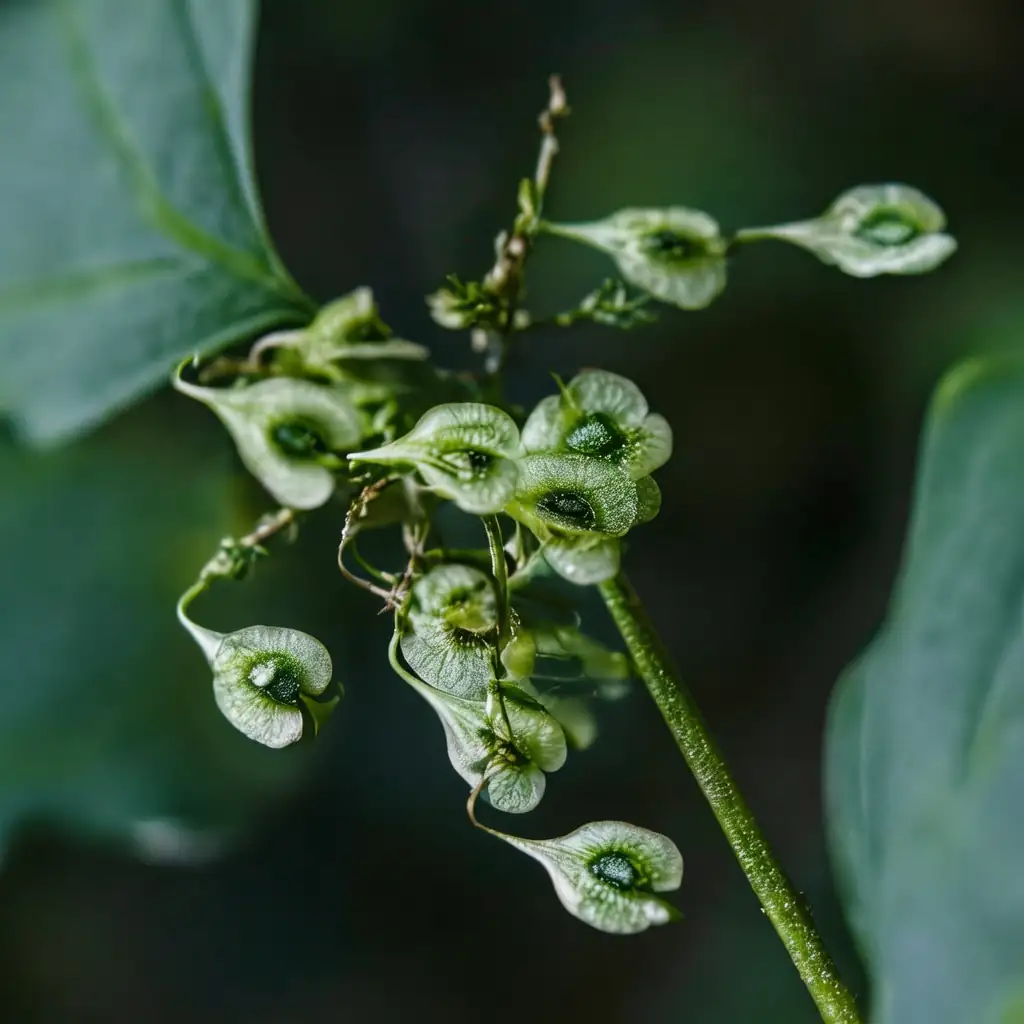
- Flower: Produces many small greenish to creamy-white flowers in branched, plume-like clusters from the leaf axils. In many populations plants are functionally single-sex. After flowering, it can form small, glossy, dark brown to black, three-angled achenes (fruits).
- Flowering Season: Late summer to early fall, typically August–September (Aug–Sep).
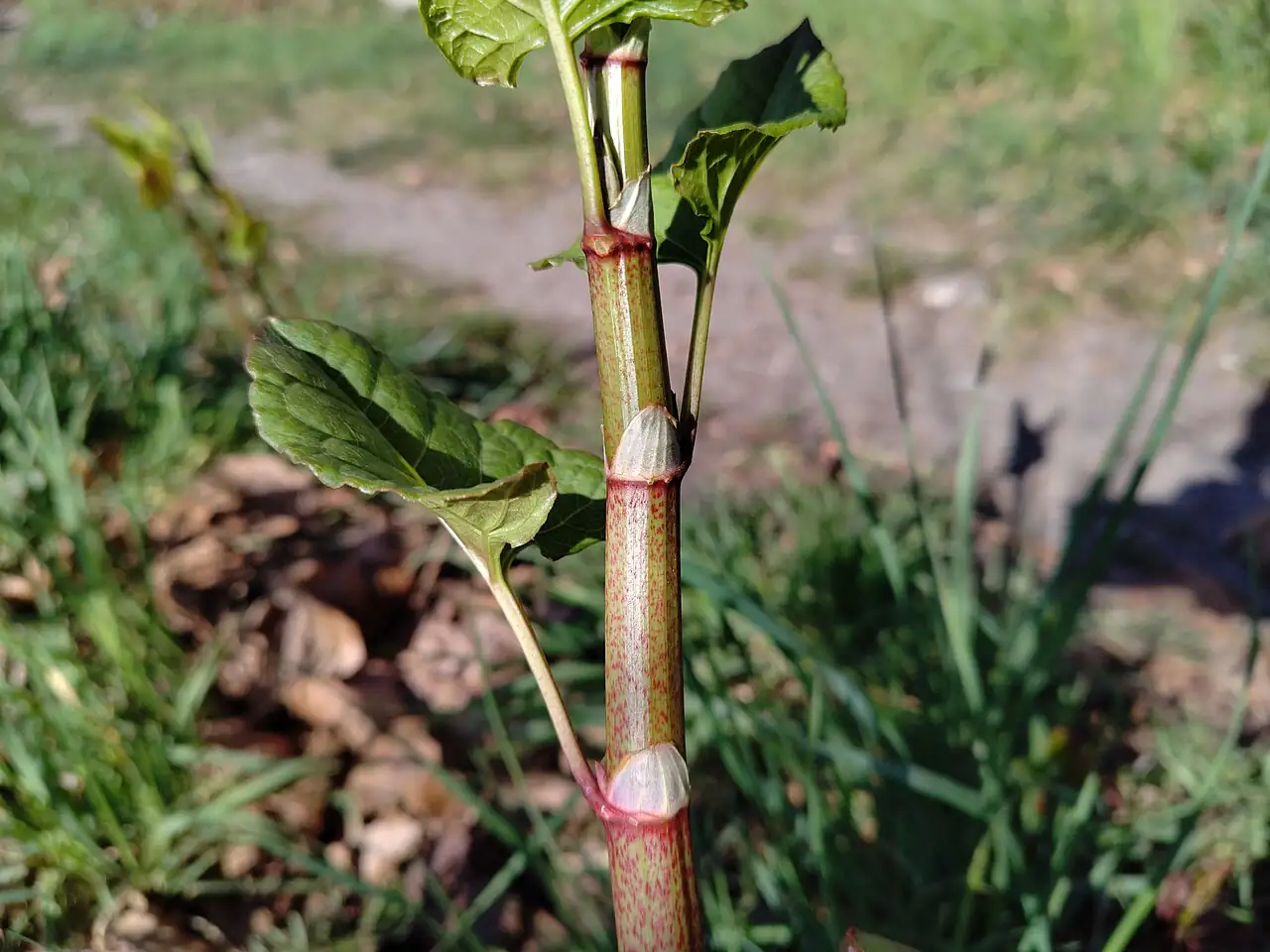
- Growth Habit: Herbaceous perennial that forms dense clumps and spreading colonies from strong rhizomes; stems are stout, upright, hollow, ridged, usually hairless, and often red- to purple-speckled.
Environment
Sunlight
Full sun to partial shade. It tolerates light shade, but flowers and grows most vigorously with more sun.
Temperature
Prefers temperate conditions with warmth and moisture during the growing season. Once established it is very cold-tolerant, commonly surviving winter lows around -30 to -20°C (-22 to -4°F).
Humidity
Adaptable; performs well in average to humid air and is comfortable in damp habitats.
Soil
Extremely adaptable: thrives in moist, fertile soil but also tolerates poor, compacted ground. Often found on riverbanks, roadsides, valleys, scrubby slopes, and wet field margins. Best growth is in well-drained soil that stays evenly moist.
Placement
Outdoors only. Do not plant in regions where it is invasive or restricted. Where it is present, keep well away from waterways, property boundaries, foundations, and natural areas; even small fragments can spread.
Hardiness
Very hardy; typically USDA Zone 4–8 (sometimes reported to Zone 3 in sheltered sites). Not frost-tender.
Care Guide
Difficulty
Easy to grow—but notoriously difficult to control. Often regulated or prohibited outside its native range; long-term management takes persistence.
Buying Guide
Avoid purchasing or planting where restricted. If you suspect it’s on your property, confirm identification before acting, and do not move contaminated soil or plant material.
Watering
Fastest growth happens in consistently moist soil. Once established it can tolerate drought, but new plants (where legal) should be watered deeply to establish; later, water mainly during prolonged dry spells.
Fertilization
Usually unnecessary. Extra nitrogen can encourage even more rampant growth.
Pruning
For routine cleanup, cut stems to ground level in late fall or winter after dieback. For control, repeated cutting through the growing season can gradually weaken plants. Dispose of all cut material responsibly—never compost it.
Propagation
Spreads primarily through rhizome fragments and stem pieces; even tiny pieces can re-root. Do not intentionally propagate where it is invasive or regulated.
Repotting
Not recommended as a container plant except for strict containment. If attempted, use heavy-duty, intact containers and ensure rhizomes cannot escape through drainage holes.
📅 Seasonal Care Calendar
Spring: watch for new shoots and start control early. Summer: repeated cutting helps reduce vigor; avoid disturbing soil or moving plant material. Late summer–fall (Aug–Sep): flowering; prevent any movement of stems/rhizomes. Winter: cut down dead canes and plan multi-year control.
Pests, Diseases & Safety
Common Pests & Diseases
Generally trouble-free; may occasionally show leaf spot or mildew in humid conditions, but these are rarely serious. The main “health” concern is its aggressive spread and ability to regrow from fragments.
Toxicity
Not generally considered poisonous to people or pets, though sap may irritate sensitive skin. Do not eat plant parts unless correctly identified, responsibly sourced, and permitted by local guidance.
Culture & Symbolism
Symbolism: Often linked with resilience and persistence—once established, it’s famously hard to get rid of.
History & Legends: Widely introduced outside its native range as a 19th-century ornamental, later becoming infamous for its rapid spread along rivers, roadsides, and other disturbed ground.
Uses: Sometimes used as an ornamental where permitted (though increasingly discouraged). The rhizome has a long history in traditional herbal use, often described in traditional practice as supporting circulation and helping with bruising and swelling.
FAQ
Is Japanese knotweed invasive?
Yes. Outside its native range it’s among the most invasive plants in many regions. It spreads via strong rhizomes, and even small fragments can regrow—always check local regulations for control and disposal.
When does it flower?
Usually in late summer to early fall, often August–September (Aug–Sep), with airy, plume-like clusters of small greenish-white flowers.
Fun Facts
- A tiny piece of rhizome can generate a whole new plant, which is why moving soil from infested areas is risky.
- It has a split reputation: valued historically as an ornamental and herbal plant, yet notorious today for ecological and structural impacts in many non-native regions.