
Plant Features
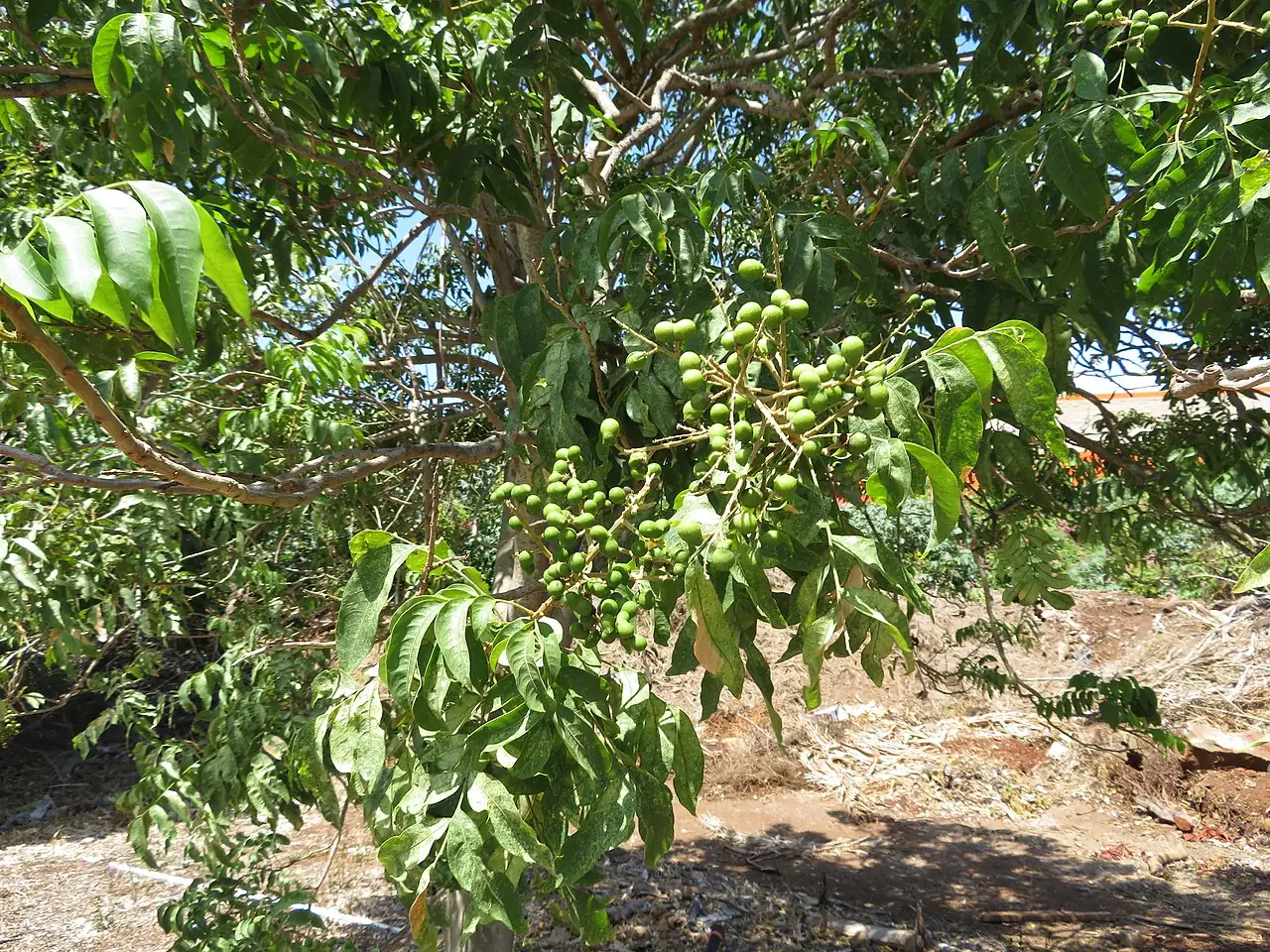
- Size: Up to about 20 m (66 ft) tall with a broad, spreading crown (crown width varies with site conditions and pruning style).
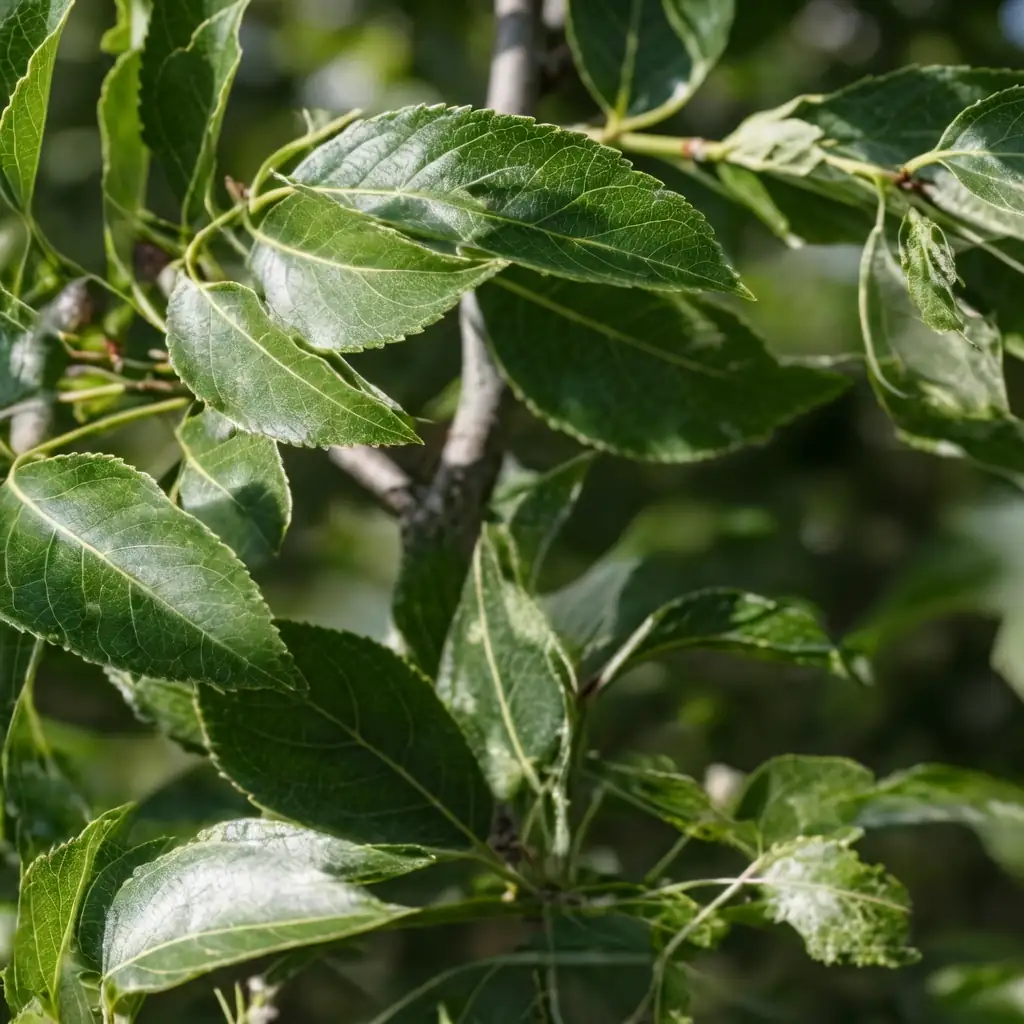
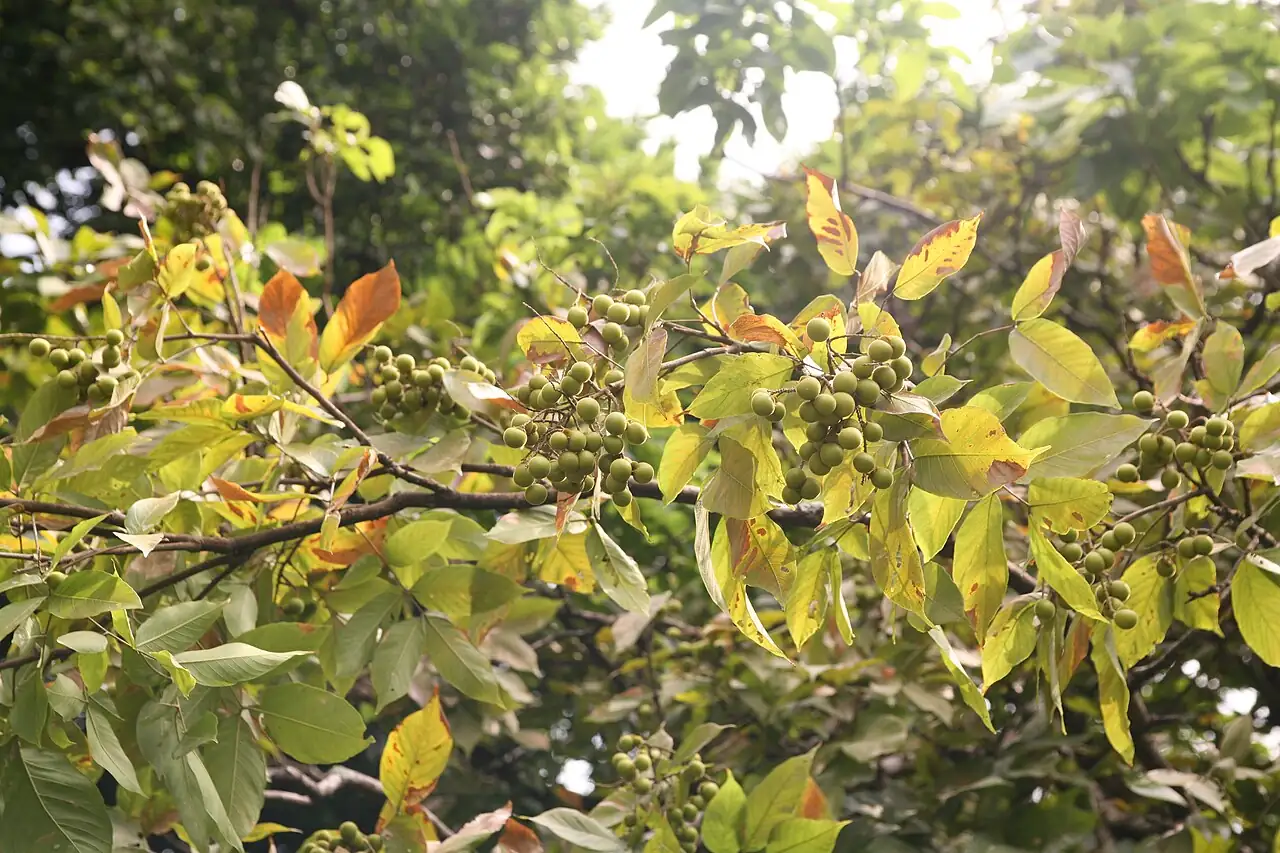
- Foliage: Even-pinnate compound leaves with about 8–14 leaflets per leaf. Leaflets are alternately to nearly oppositely arranged, with smooth (entire) margins; the texture is thinly leathery and the surface is generally hairless.
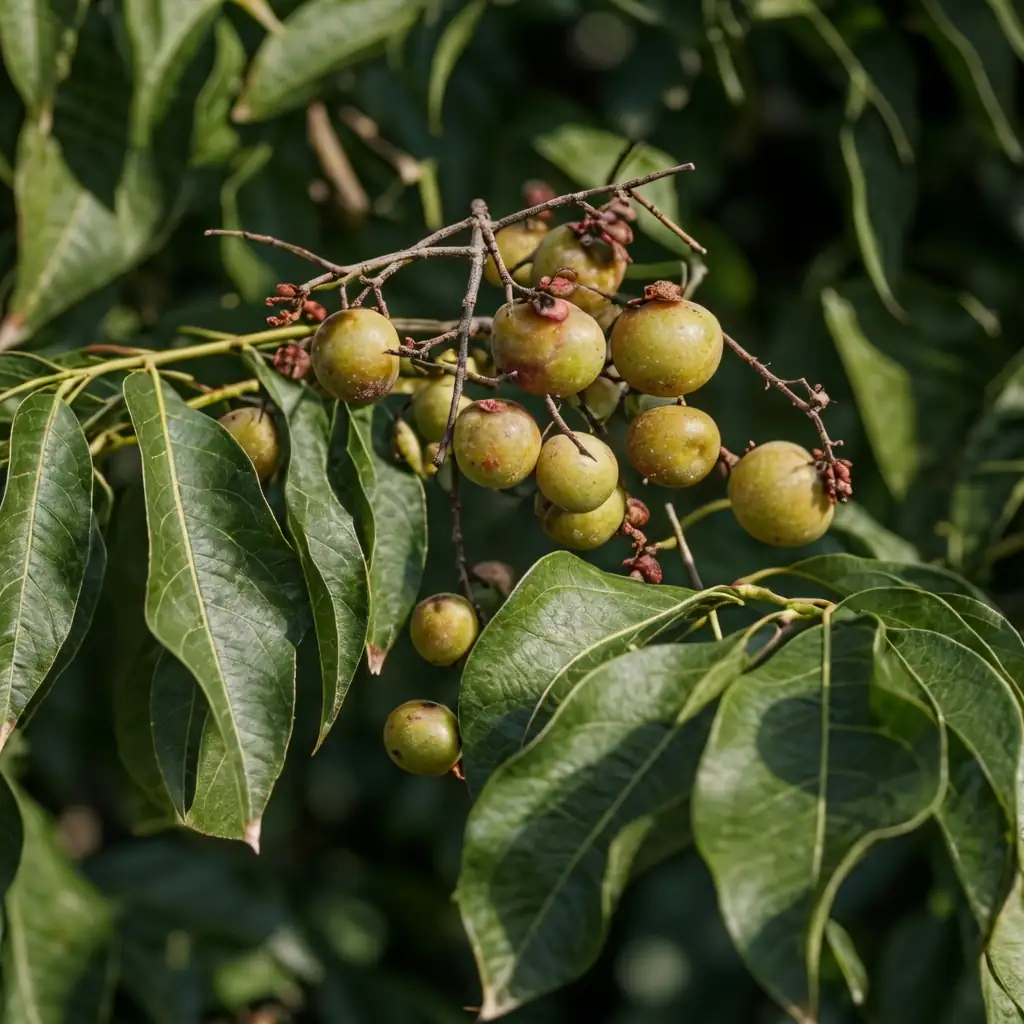
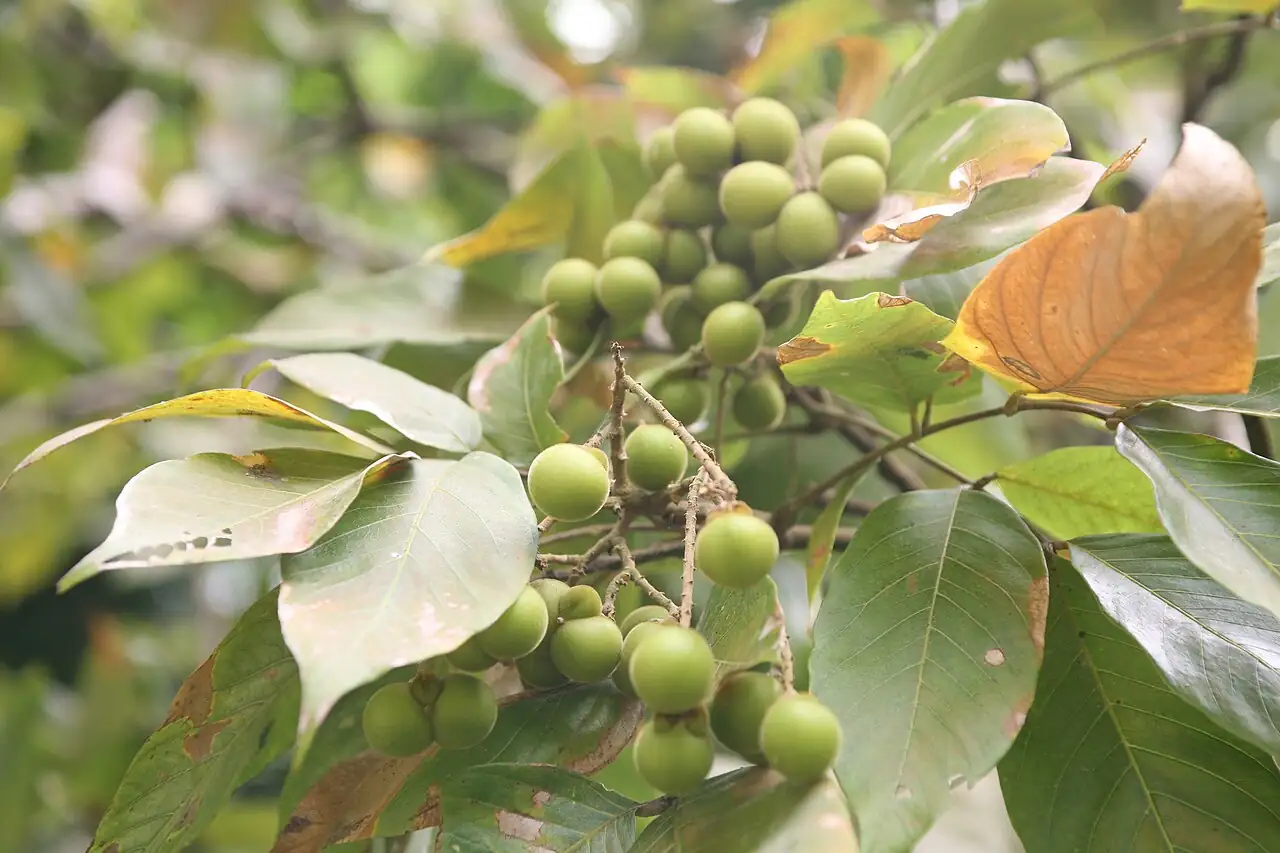
- Flower: Produces terminal panicles filled with many small, creamy-yellow to yellowish-white flowers, sometimes showing a faint purplish tint. Later forms nearly spherical drupes that ripen yellow to orange-yellow; inside are round, very hard, glossy black seeds.
- Flowering Season: May–June
- Growth Habit: A deciduous tree with a spreading canopy, deep roots, and strong wind resistance. Resprouts relatively weakly after heavy cutting, so it is not suited to hard pruning or topping.
Environment
Sunlight
Full sun for best growth and flowering; tolerates light/partial shade.
Temperature
Likes warm, humid conditions. Typical active growth range is about 15–30°C (59–86°F). Somewhat cold-tolerant once established, but young trees should be protected from hard freezes.
Humidity
Prefers moderate to high humidity and performs well in warm, moist-air climates.
Soil
Adaptable (from acidic to alkaline soils), but looks and grows best in deep, fertile, well-drained sandy or loamy soil.
Placement
Outdoors in open, sunny spaces with room to spread—courtyards, parks, temple grounds, village edges, and streetscapes.
Hardiness
Roughly USDA Zone 9–11 (about -6 to 4°C / 21–39°F minimums), depending on local conditions; not a true cold-climate tree.
Care Guide
Difficulty
Easy and forgiving once established, with the main caution being to avoid heavy pruning because regrowth is weak.
Buying Guide
Pick a vigorous young tree with a straight central leader, healthy intact bark, and a well-formed root ball. Avoid specimens with dieback, major trunk wounds, or circling/girdling roots.
Watering
During the first 1–2 years, water regularly to keep the soil evenly moist (not soggy). After establishment it becomes moderately drought-tolerant—water deeply during long dry spells rather than giving frequent shallow drinks.
Fertilization
Often needs little feeding in decent soil. If growth is poor, apply a balanced slow-release fertilizer in spring; avoid over-fertilizing, which can create soft, weak growth.
Pruning
Keep pruning light and purposeful: remove dead, damaged, or crossing branches and do gentle structural shaping. Avoid topping or severe cuts due to weak resprouting.
Propagation
Most commonly grown from seed. Clean seeds and improve germination with dormancy-breaking steps such as scarification and warm soaking; expect germination to be slow and uneven.
Repotting
Not ideal as a long-term container plant. If started in a pot, move up to a larger pot in spring to prevent root binding, then plant out when established.
📅 Seasonal Care Calendar
Flowers in May–June; fruits ripen around September–October. If pruning is needed, do minimal structural work in late winter to early spring.
Pests, Diseases & Safety
Common Pests & Diseases
Usually quite hardy. In humid conditions, watch for scale insects, aphids, and leaf spots. Improve airflow, avoid frequent overhead watering, and treat early (e.g., horticultural oil for sucking insects).
Toxicity
Fruit contains saponins and can cause irritation if eaten; keep away from small children and pets. Fruit pulp/sap may irritate sensitive skin.
Culture & Symbolism
Symbolism: Often linked with cleansing and protection, inspired by its naturally soapy, saponin-rich fruit.
History & Legends: Long associated with daily life in parts of China, where it has been planted near temples and homes. The names “soapberry” and “soapnut” reflect its historic role as a household washing material.
Uses: Valued as a strong, wind-tolerant shade and street tree with a broad crown and attractive seasonal interest. The fruits have traditional use as a natural cleanser due to their saponin content.
FAQ
Why is it called soapberry or soapnut?
The fruit pulp is rich in saponins—natural surfactants that foam in water—so the fruits were traditionally used for washing.
Can I prune it hard to keep it small?
It’s best not to. Soapberry resprouts weakly after heavy cuts, so choose a site with enough space and stick to light, structural pruning.
Fun Facts
- “Soapnut” is a literal clue: the fruits can lather in water thanks to saponins.
- Ripe fruits turn yellow to orange-yellow and contain striking, glossy black seeds.
- At maturity it can reach about 20 m (66 ft), so it’s a true shade tree—not a small yard shrub.
- Its deep roots and wind tolerance help explain why it’s often planted in exposed places like village edges and temple grounds.