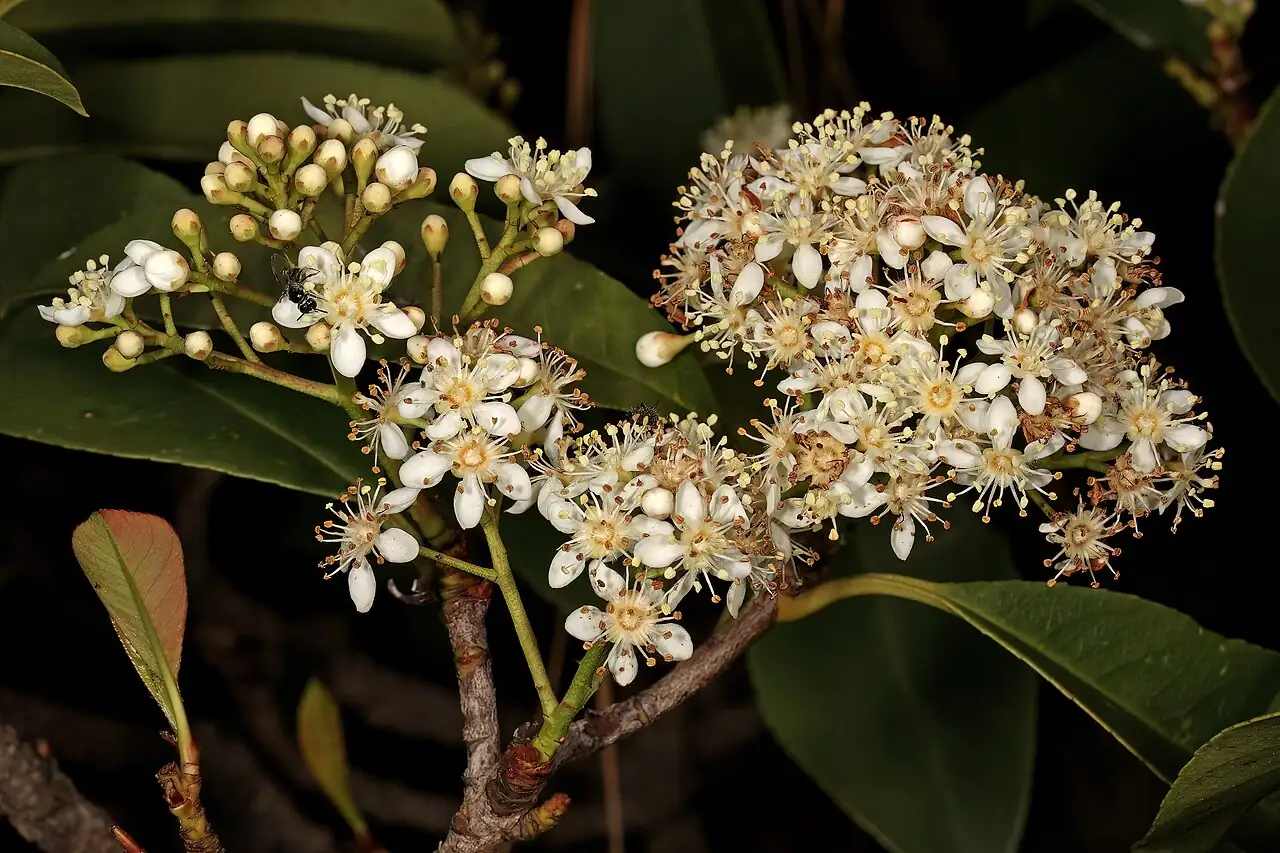
Plant Features
- Size: Typically 3–5 m (10–16 ft) tall and 2–4 m (6.5–13 ft) wide as a shrub; in favorable conditions it can be trained as a small tree reaching about 6–10 m (20–33 ft).
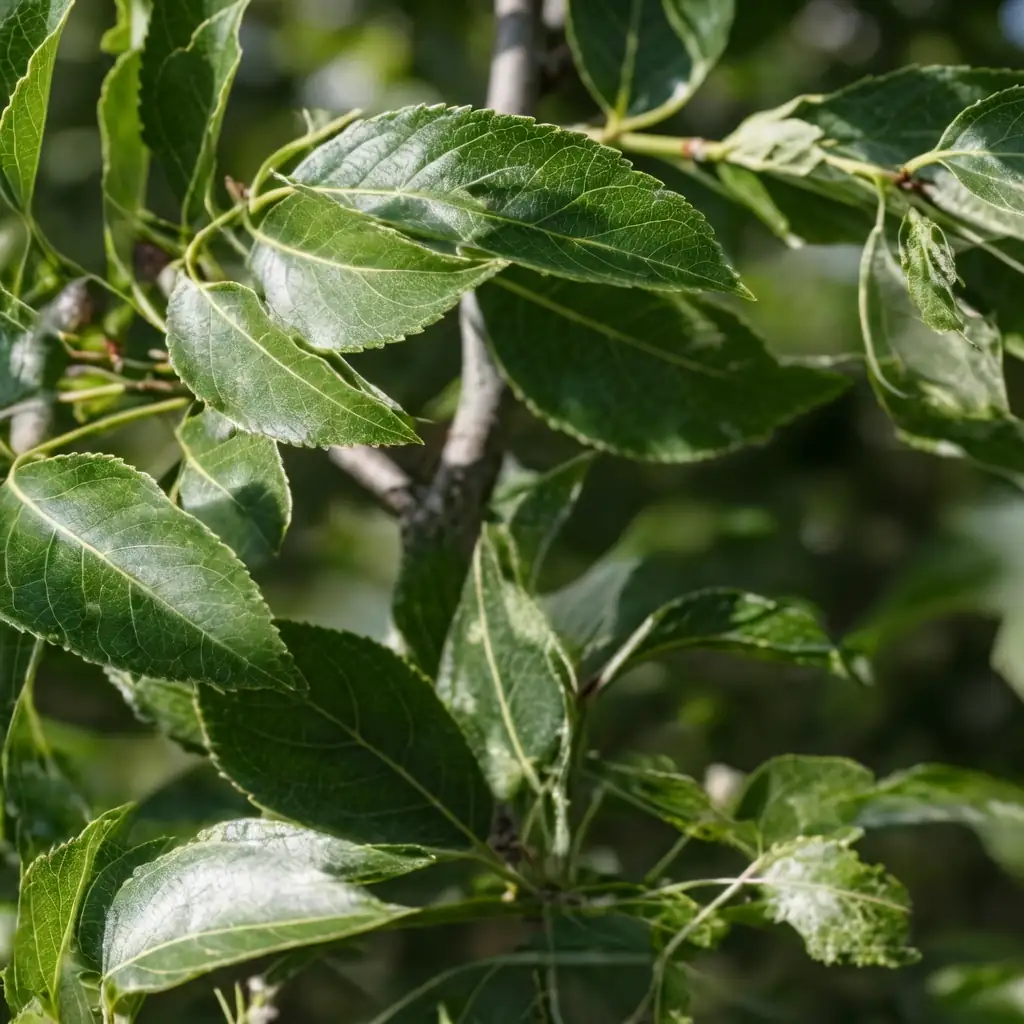
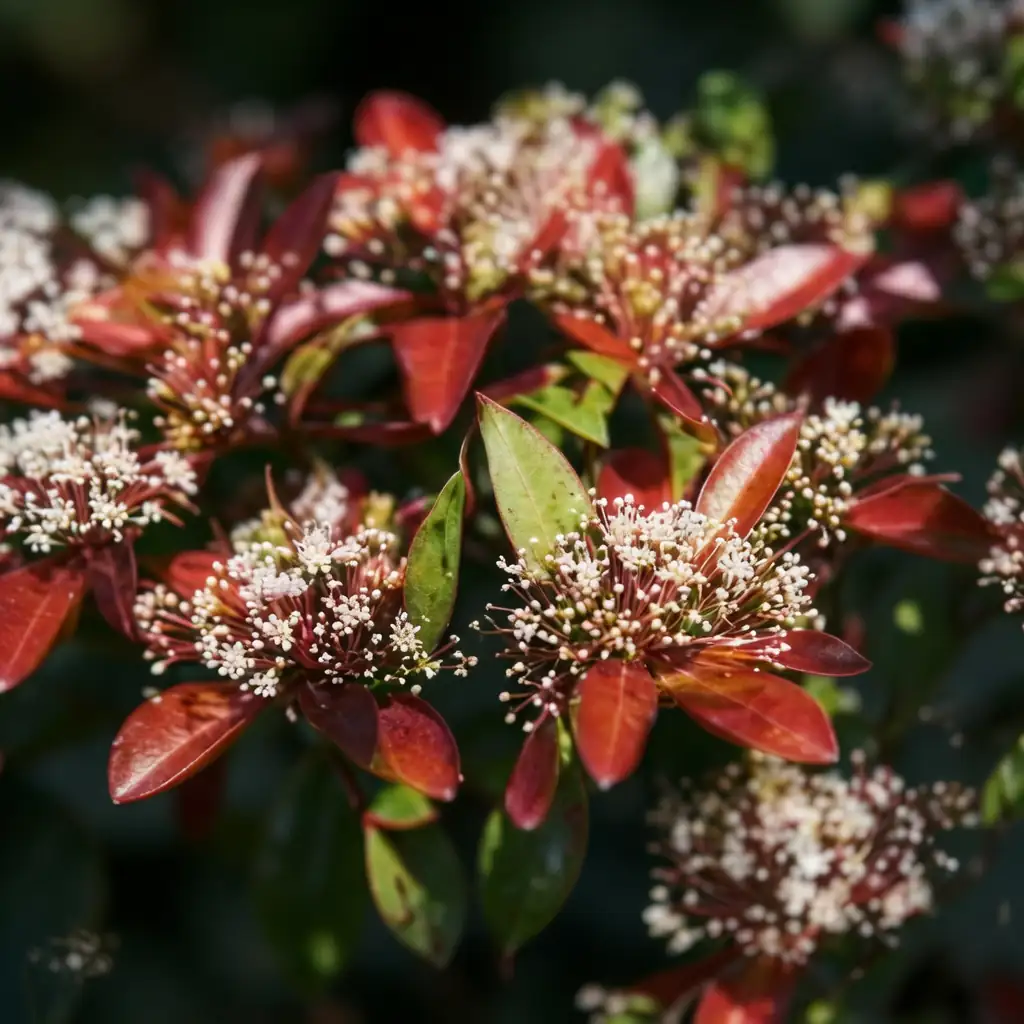
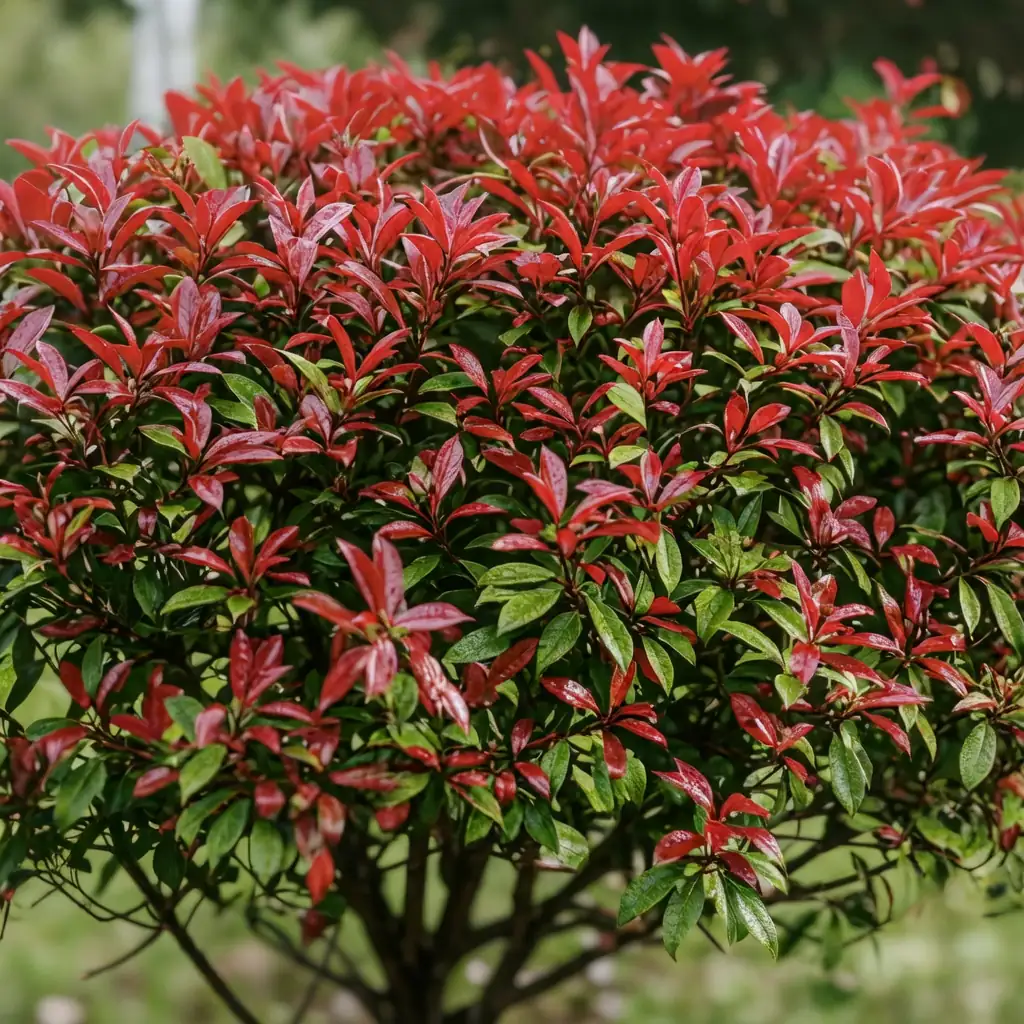
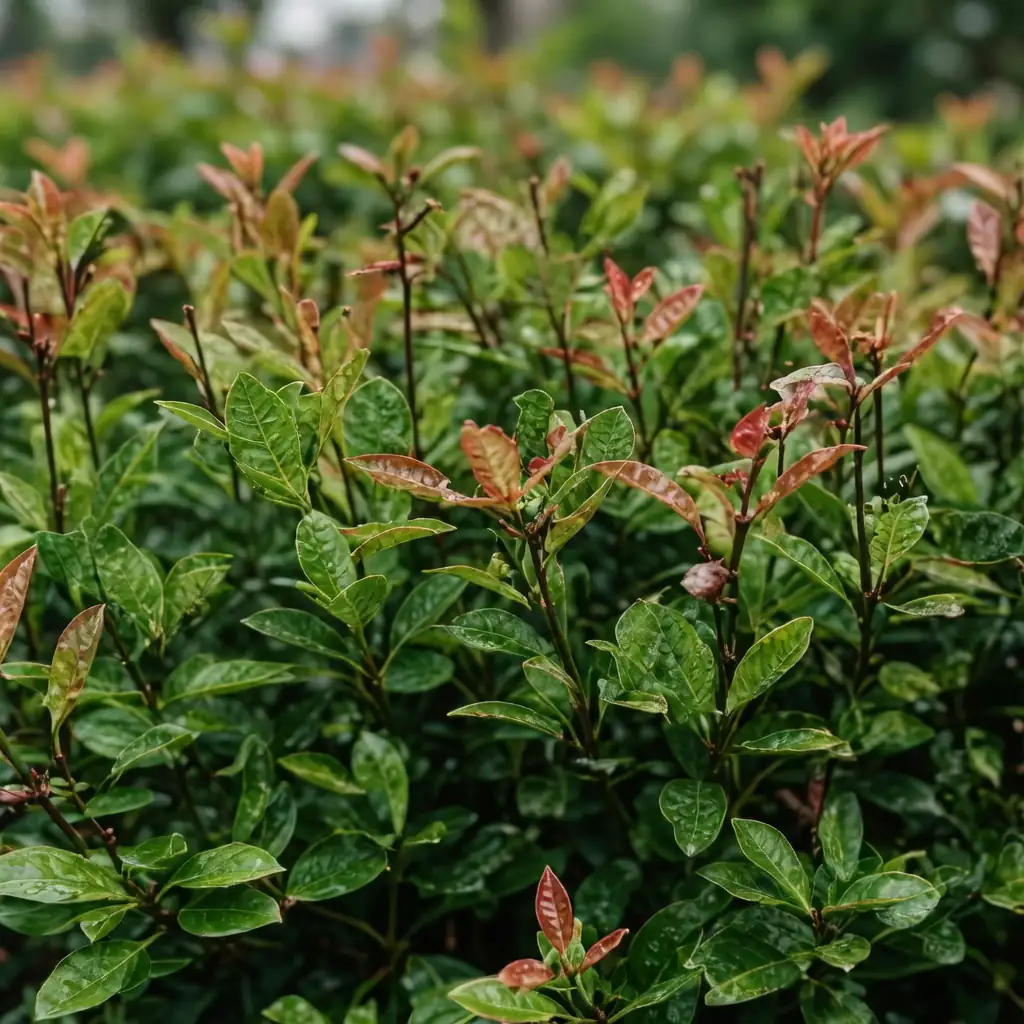
- Foliage: Evergreen foliage with thick, leathery, noticeably glossy leaves. New flushes emerge bright red, then slowly transition through bronzy tones into deep green. Young twigs may start brown with fine hairs, becoming smoother and gray as they mature.
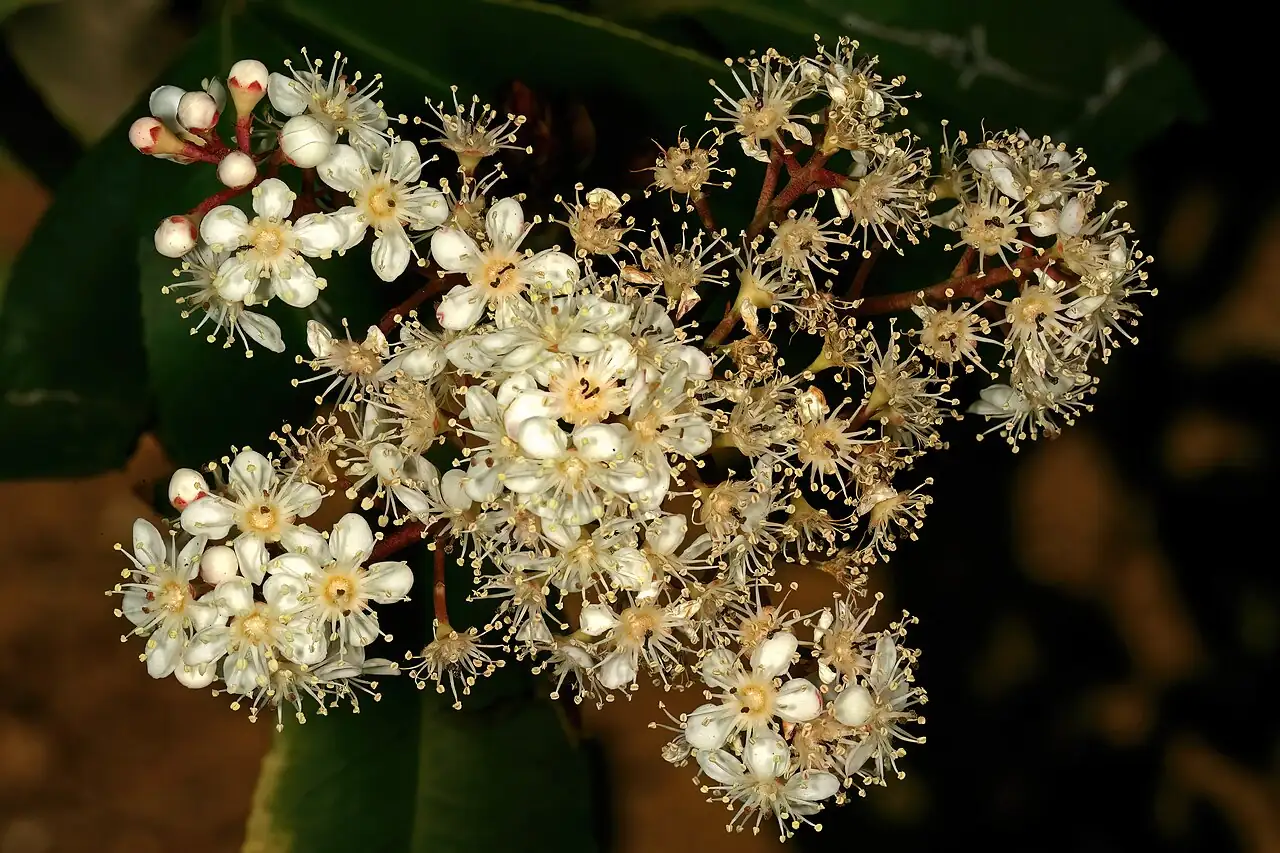
- Flower: Produces clusters of small white flowers; if pollinated, these may be followed by red berries, though fruiting can be inconsistent in cultivated plants.
- Flowering Season: May–July (late spring to summer)
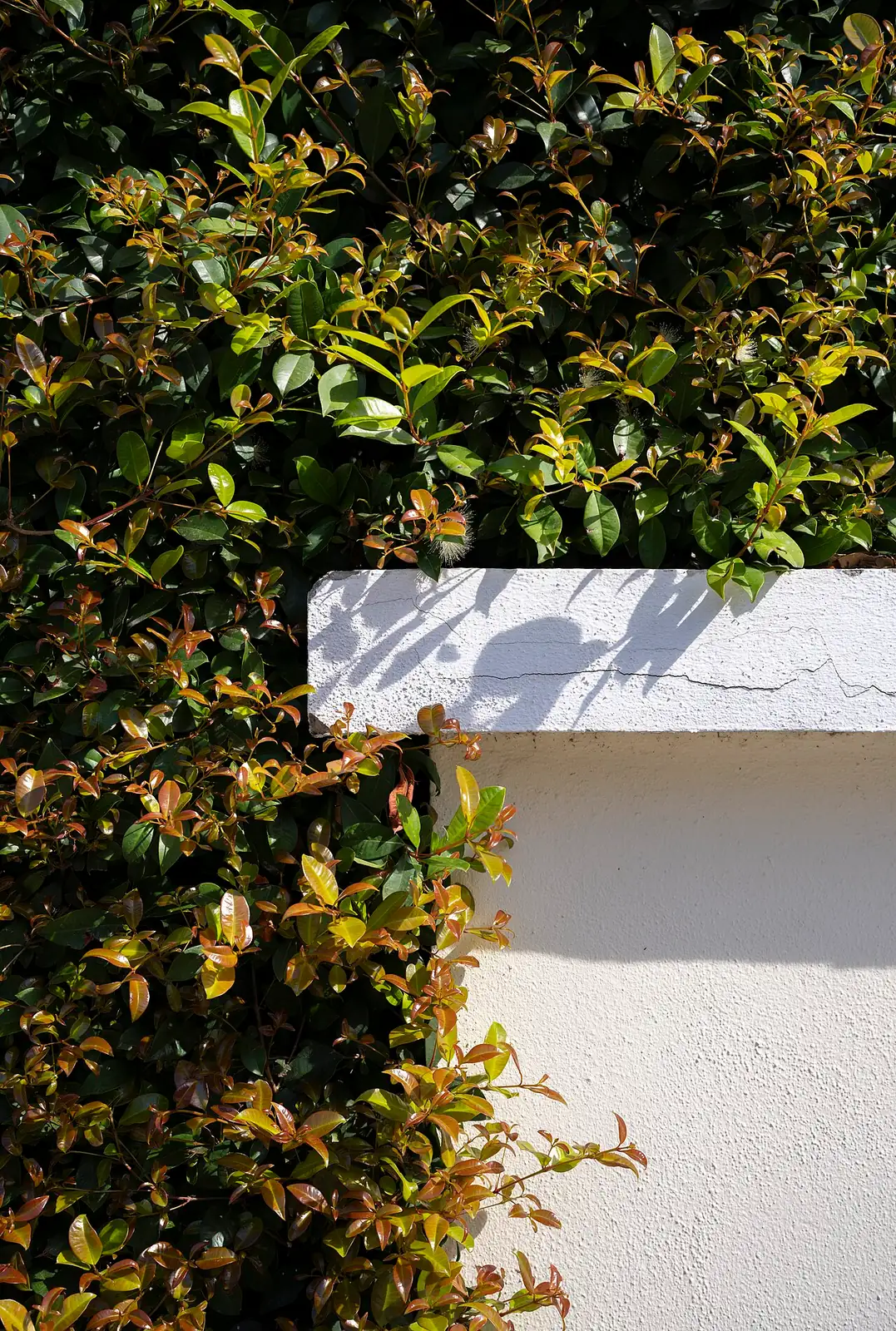
- Growth Habit: Dense evergreen shrub or small tree with an upright to rounded form; responds extremely well to clipping and can be kept as a formal hedge or trained into a single-trunk standard.
Environment
Sunlight
Full sun to partial shade. Brighter light gives the best red color; it tolerates some shade but performs poorly in deep shade.
Temperature
Best in mild to warm conditions, roughly 15–27°C (59–81°F). Protect from severe cold and drying winter winds, especially young plants or container specimens.
Humidity
Adaptable and generally happy in warm, humid climates, but needs good airflow. Avoid conditions that keep foliage and roots constantly wet.
Soil
Adaptable to many soil types as long as drainage is good. Tolerates alkaline and moderately saline soils; avoid heavy, poorly drained soils that stay waterlogged.
Placement
Best outdoors in gardens and landscapes as a hedge, screen, foundation shrub, or trained standard; also suitable for streetscapes. Can grow in large containers on patios/porches; indoors only short-term in a very bright, cool spot.
Hardiness
USDA Zone 7–9 (cold tolerance varies by cultivar and exposure), approximately down to about −17°C (1°F) at the hardiest end, but not reliably frost-hardy in colder zones.
Care Guide
Difficulty
Easy overall and quite forgiving once established. The main “secrets” are well-drained soil, avoiding persistently wet foliage, and pruning to keep it dense and colorful.
Buying Guide
Pick plants with clean, glossy leaves and healthy red new growth. Avoid pots with sour-smelling, soggy media or signs of blackened/rotting roots. Check carefully for leaf spots and dieback on shoot tips.
Watering
Water regularly while establishing. After that, let the top layer of soil dry slightly between waterings. It becomes drought-tolerant once established, but deep watering during dry spells keeps growth and color looking their best. Never let it sit in standing water.
Fertilization
Feed in spring with a balanced slow-release fertilizer. For container plants, use a diluted liquid fertilizer during active growth (per label). If leaf spot is a problem, avoid pushing excessive soft growth with too much nitrogen.
Pruning
Exceptionally tolerant of pruning. Trim after a flush of red growth to encourage branching and repeat red coloration. Remove dead or diseased shoots promptly and sanitize tools to limit disease spread.
Propagation
Most commonly propagated by semi-hardwood cuttings in summer or hardwood cuttings from late autumn to winter. Named cultivars are kept true-to-type by cuttings rather than seed.
Repotting
For container growth, repot every 2–3 years (or when root-bound) into a slightly larger pot with a free-draining mix. Ensure drainage holes stay clear.
📅 Seasonal Care Calendar
Spring: fertilize, lightly shape, and watch for leaf spot. Summer: water during heat, take semi-hardwood cuttings, prune after growth flushes. Autumn: reduce feeding, tidy shape, avoid heavy late pruning where winters are cold. Winter: protect containers from hard freezes; water sparingly but don’t let the root ball completely dry out.
Pests, Diseases & Safety
Common Pests & Diseases
Most common disease is Entomosporium leaf spot (dark spotting that can lead to leaf drop), especially with wet foliage and poor airflow. Powdery mildew may appear in stagnant air. Pests can include aphids, scale insects, and spider mites. Improve airflow, avoid overhead watering, remove infected leaves, and use targeted controls if outbreaks are severe.
Toxicity
Not widely considered highly toxic, but chewing or swallowing plant parts may cause mild stomach upset in people or pets. It’s best treated as non-edible and kept away from curious children and animals.
Culture & Symbolism
Symbolism: Often linked with vitality and renewal—those bright red new leaves look like fresh energy returning to the garden.
History & Legends: A well-known horticultural hybrid that became a modern classic for hedging and colorful new foliage, widely sold under cultivar names such as ‘Red Robin’.
Uses: Grown mainly for ornamental foliage—ideal for hedges, privacy screens, foundation plantings, and as a clipped specimen or small standard tree. Common in urban landscaping thanks to its tolerance of pruning, transplanting, and a range of soils.
FAQ
Why are the leaves turning brown or developing dark spots?
Leaf spot is the usual culprit, encouraged by wet leaves and poor airflow. Space plants for ventilation, avoid overhead watering, remove affected leaves, and consider fungicide treatment if it’s persistent or severe.
How do I keep the plant red for longer?
Give it brighter light (full sun to partial sun) and prune after each growth flush to stimulate fresh red shoots. Avoid deep shade and overly heavy feeding that can create soft, disease-prone growth.
Can it handle drought?
Yes—once established it’s fairly drought-tolerant. For the best appearance and richer growth, water deeply during long dry periods, but avoid soggy, waterlogged soil.
Fun Facts
- The famous red color is strongest on brand-new growth—regular trimming can keep the plant looking “flame-tipped” for much of the year.
- It’s often happiest in warm, humid climates, as long as drainage is good and leaves aren’t kept constantly wet.
- Its tolerance of alkaline and moderately saline soils makes it useful for tough urban or coastal-adjacent landscapes.
- Because it transplants and prunes so well, it has become a go-to shrub for quick, neat garden structure.