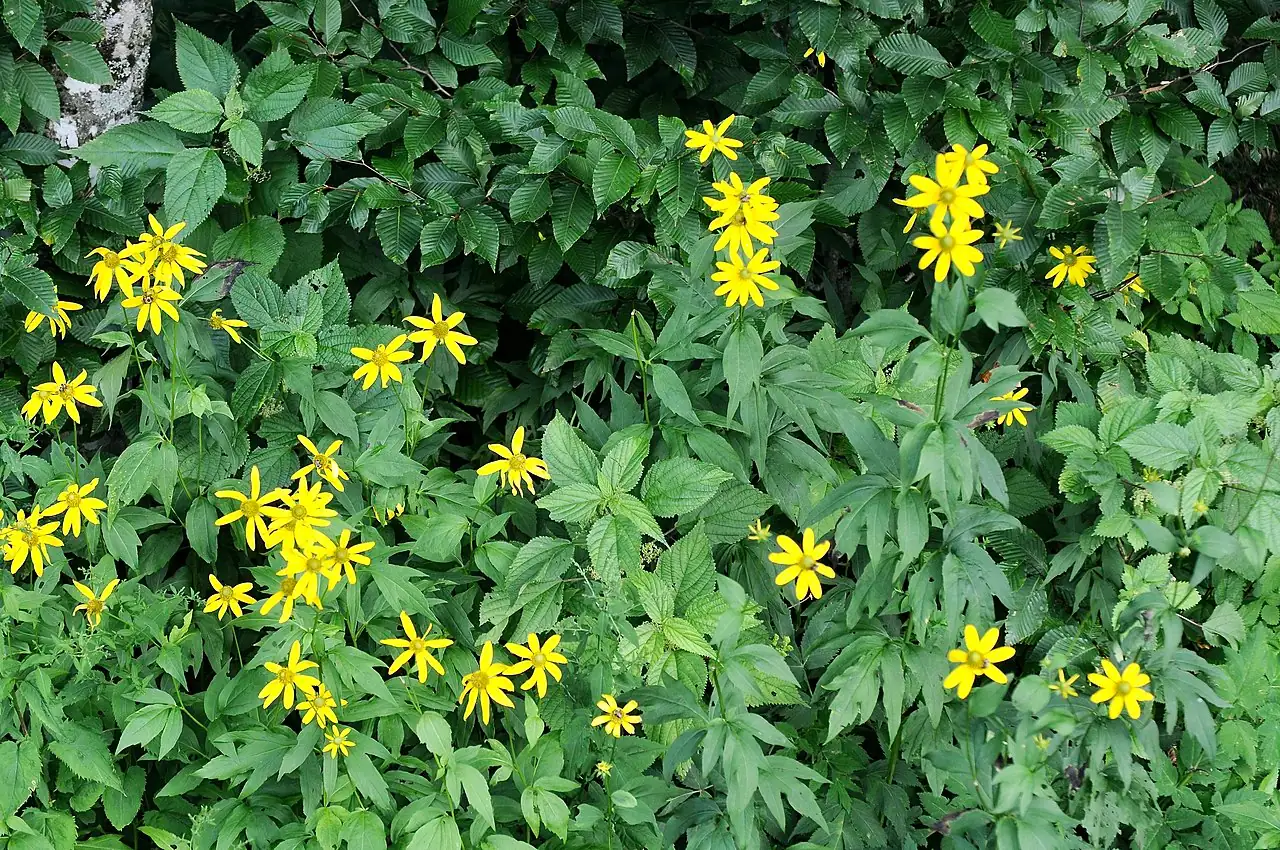
Plant Features
- Size:50–200 cm (20–79 in) tall; upright and clump-forming
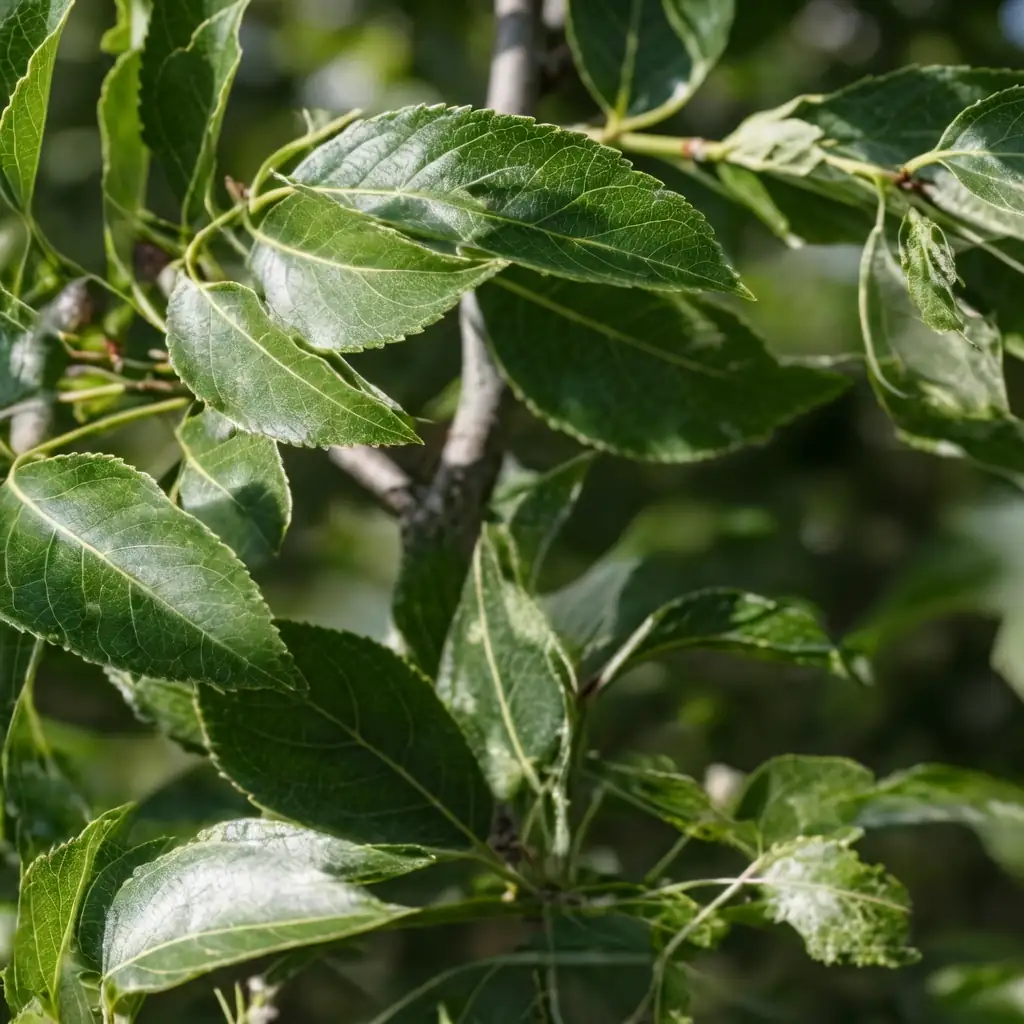
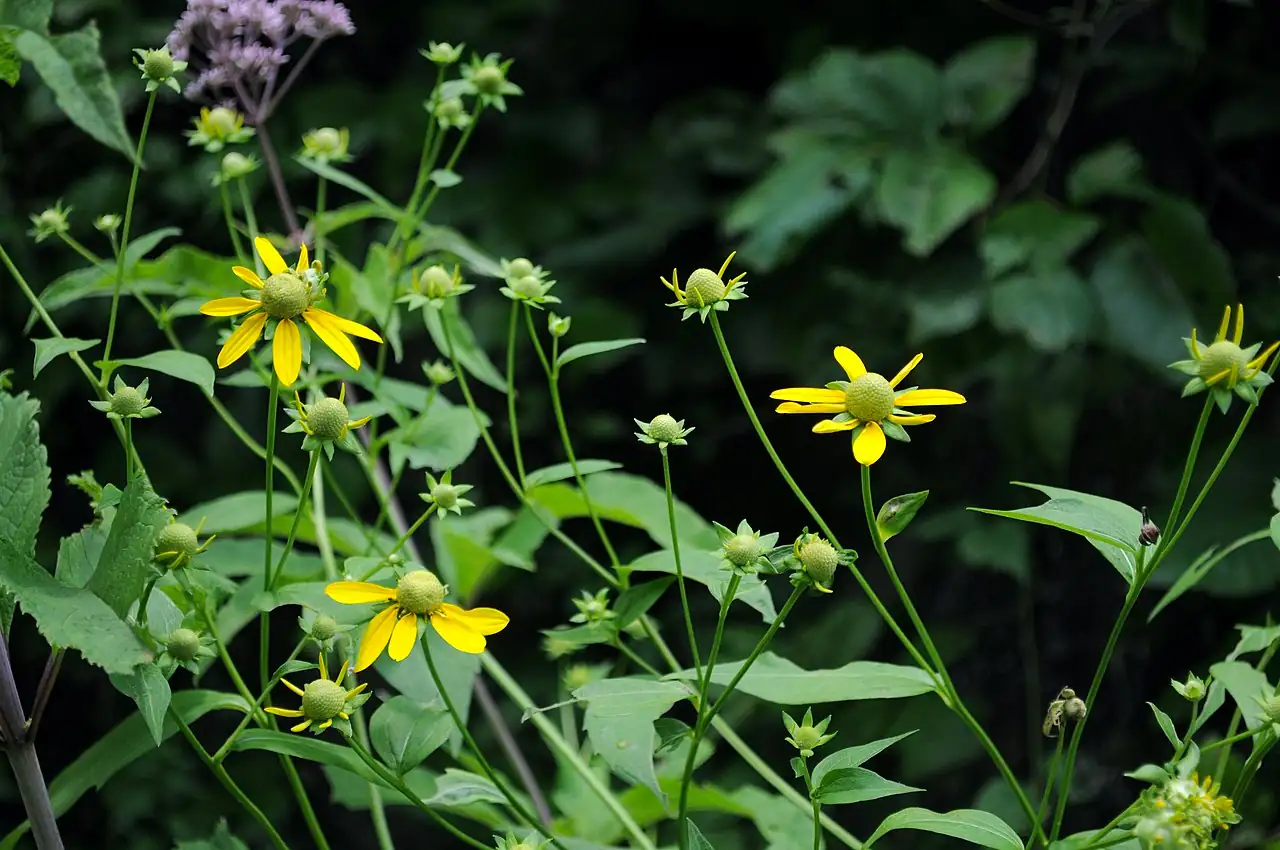
- Foliage: Coarse-textured, slightly rough foliage. Basal leaves form near the ground, while upper leaves are arranged alternately along the stems. Leaves are typically spoon-shaped to broadly lance-shaped with clearly toothed margins.
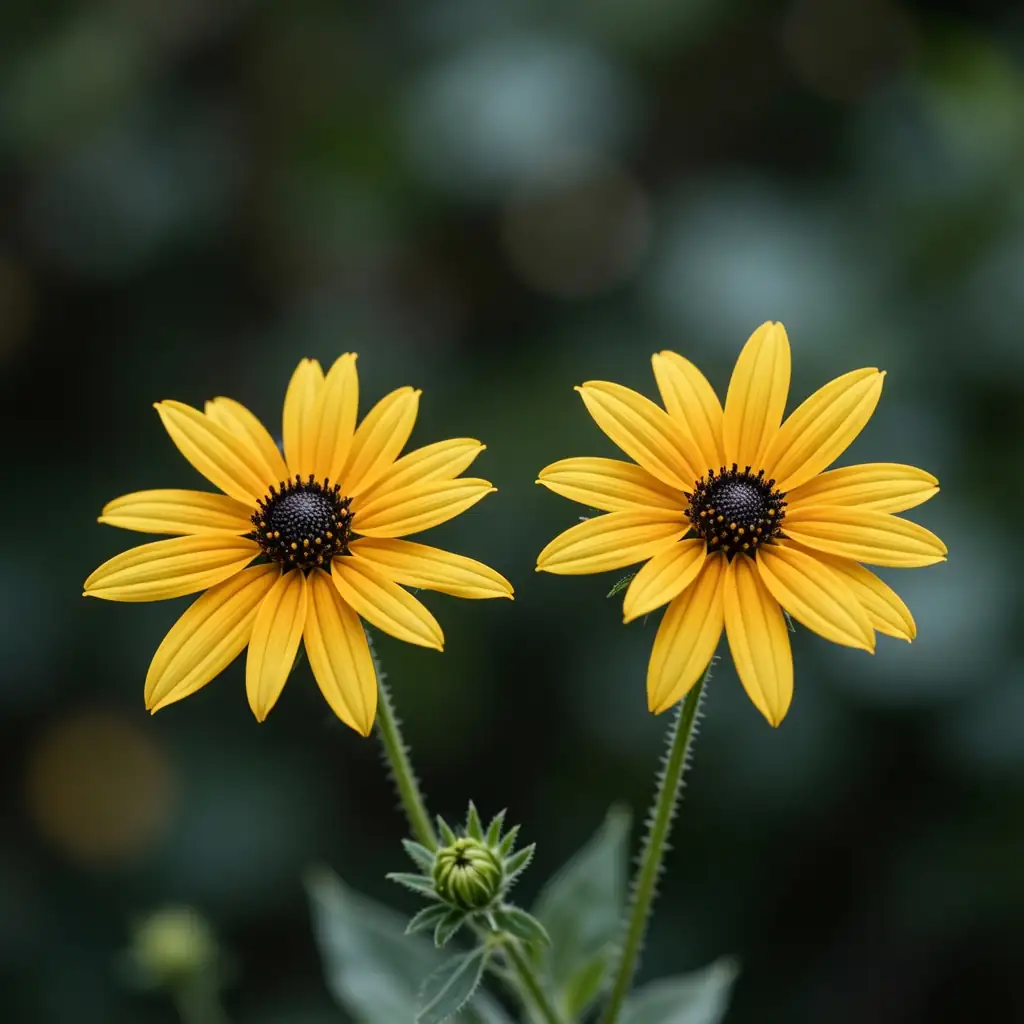
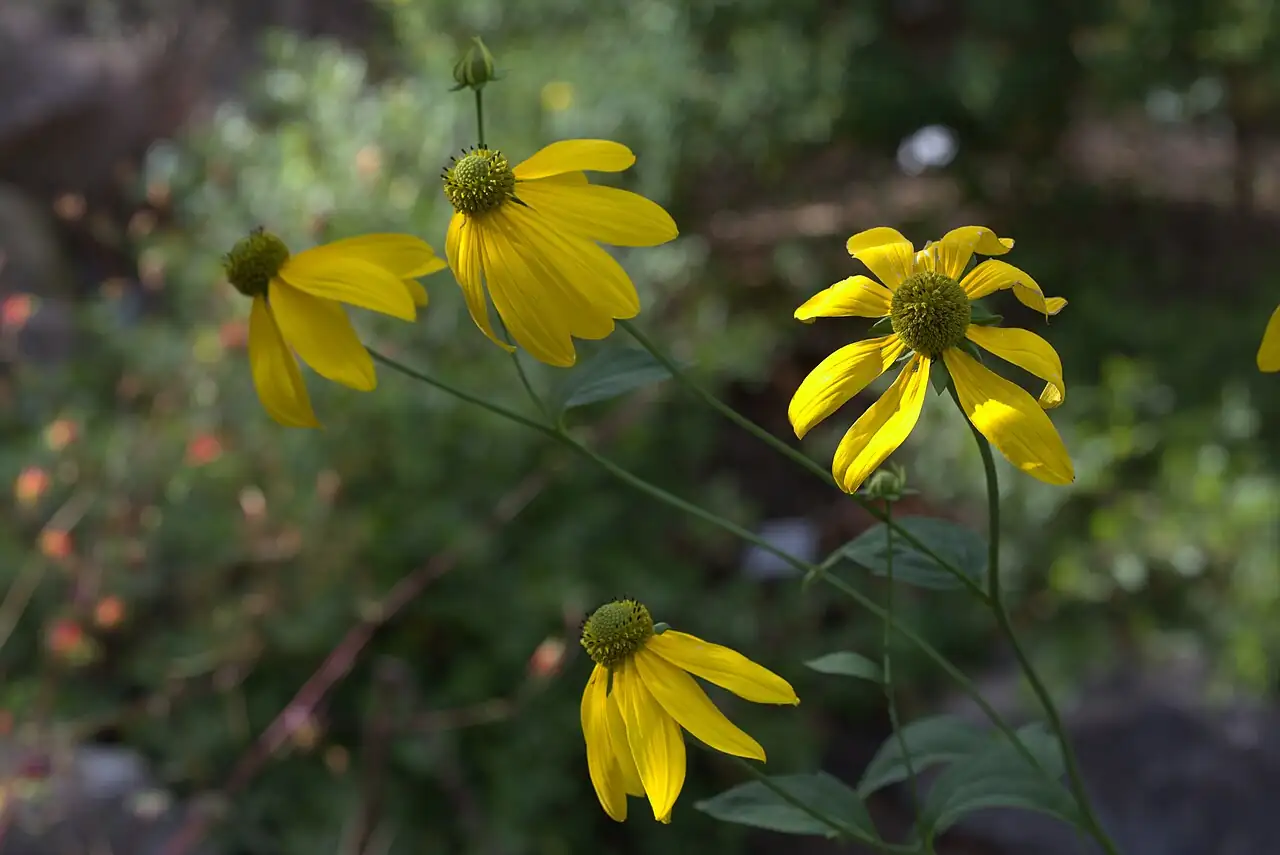
- Flower: Large, sunflower-like flower heads with a single ring of bright golden-yellow ray florets surrounding a rounded central dome that is green to yellow-green. After flowering, it forms flattened, hairless achenes (seeds) that may show faint angles or ridges.
- Flowering Season: June–September
- Growth Habit: Herbaceous perennial with an upright, clump-forming habit; can self-seed and spread in suitable conditions.
Environment
Sunlight
Full sun to light shade; flowers best in full sun. Choose an open, well-ventilated spot for healthier foliage.
Temperature
Cold-hardy; grows best around 15–27°C (59–81°F) and tolerates winter freezes once established.
Humidity
Average outdoor humidity; adaptable, but appreciates good air circulation to help prevent leaf problems.
Soil
Adaptable to many garden soils; best in moderately fertile, well-drained soil that stays evenly moist. Avoid persistently waterlogged sites.
Placement
Garden borders, flower beds, mixed perennial borders, meadow/edge plantings, and cutting gardens.
Hardiness
USDA Zone 3–8 (approx.)
Care Guide
Difficulty
Easy. A robust perennial that tolerates a range of soils and conditions; may spread by self-seeding if seed heads are left.
Buying Guide
Choose plants with firm, unblemished stems and healthy green leaves. Avoid wilted plants, those with blackened spots, or obvious insect infestations. For faster establishment, pick a well-rooted clump rather than a weak, leggy plant.
Watering
Water regularly while establishing. Once established, water when the top 2–5 cm (1–2 in) of soil feels dry—deep, less-frequent watering is better than frequent light splashes. Reduce watering in cool weather and avoid constantly soggy soil.
Fertilization
Light feeding is usually enough. Top-dress with compost in spring, or apply a balanced fertilizer once in spring following label directions. Avoid heavy nitrogen, which can lead to floppy, weak stems.
Pruning
Deadhead to encourage longer blooming and to reduce self-seeding. Cut back stems after flowering or in late fall/winter; leave some seed heads if you’d like natural reseeding or winter interest.
Propagation
Self-seeds readily. Also easy by division in spring or early fall—replant divisions at the same depth and keep evenly moist until established.
Repotting
If grown in containers, repot or divide every 2–3 years. Move up one pot size if root-bound, use a free-draining potting mix, and make sure drainage holes stay clear.
📅 Seasonal Care Calendar
Spring: divide crowded clumps; add compost; stake if needed. Summer: water during dry spells; deadhead for longer flowering. Fall: cut back or leave seed heads for reseeding. Winter: plant dies back; in exposed spots, protect crowns with a light mulch.
Pests, Diseases & Safety
Common Pests & Diseases
Usually trouble-free. May occasionally see aphids, leaf spot, or powdery mildew—especially in crowded plantings with poor airflow. Improve spacing/air circulation, avoid late-day overhead watering, and remove badly infected foliage.
Toxicity
Not commonly listed as toxic to people or pets, though chewing or eating ornamental plants may cause mild stomach upset. Keep away from pets that like to nibble.
Culture & Symbolism
Symbolism: Often linked with sunshine, cheerfulness, and resilience—bright blooms on a tough, dependable plant.
History & Legends: A long-loved North American perennial that became a staple of cottage and naturalistic gardens thanks to its height, late-season color, and ability to naturalize.
Uses: Primarily ornamental for borders and landscape edges; also valued as a cut flower for fresh arrangements.
FAQ
Will cutleaf coneflower spread in my garden?
It can. If you leave the seed heads, it may self-seed and slowly naturalize. Deadheading after bloom is the simplest way to limit spread.
Why is my plant flopping over?
Flopping is usually caused by too much shade, overly rich/high-nitrogen feeding, or insufficient support for tall stems. Grow it in fuller sun, feed lightly, and stake early if your site is windy.
Fun Facts
- It’s native to North America but is widely cultivated in gardens across China.
- Once established, it copes well with cold and short dry spells.
- Leaving seed heads can lead to gentle, gradual self-seeding over time.
- Its flattened, hairless achenes with slight ridges can help with identification.