Plant Features
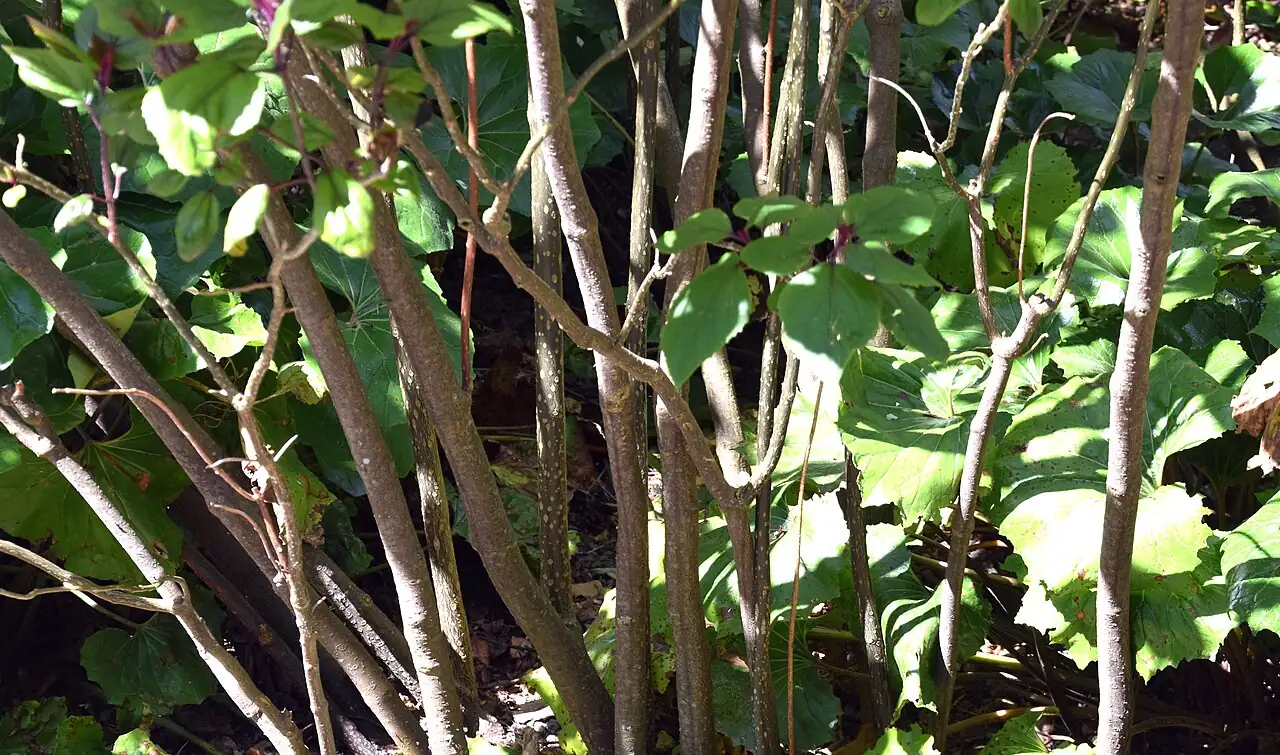
- Size: Typically 1–2 m (3.3–6.6 ft) tall and can spread into broad colonies/clumps via root suckers.
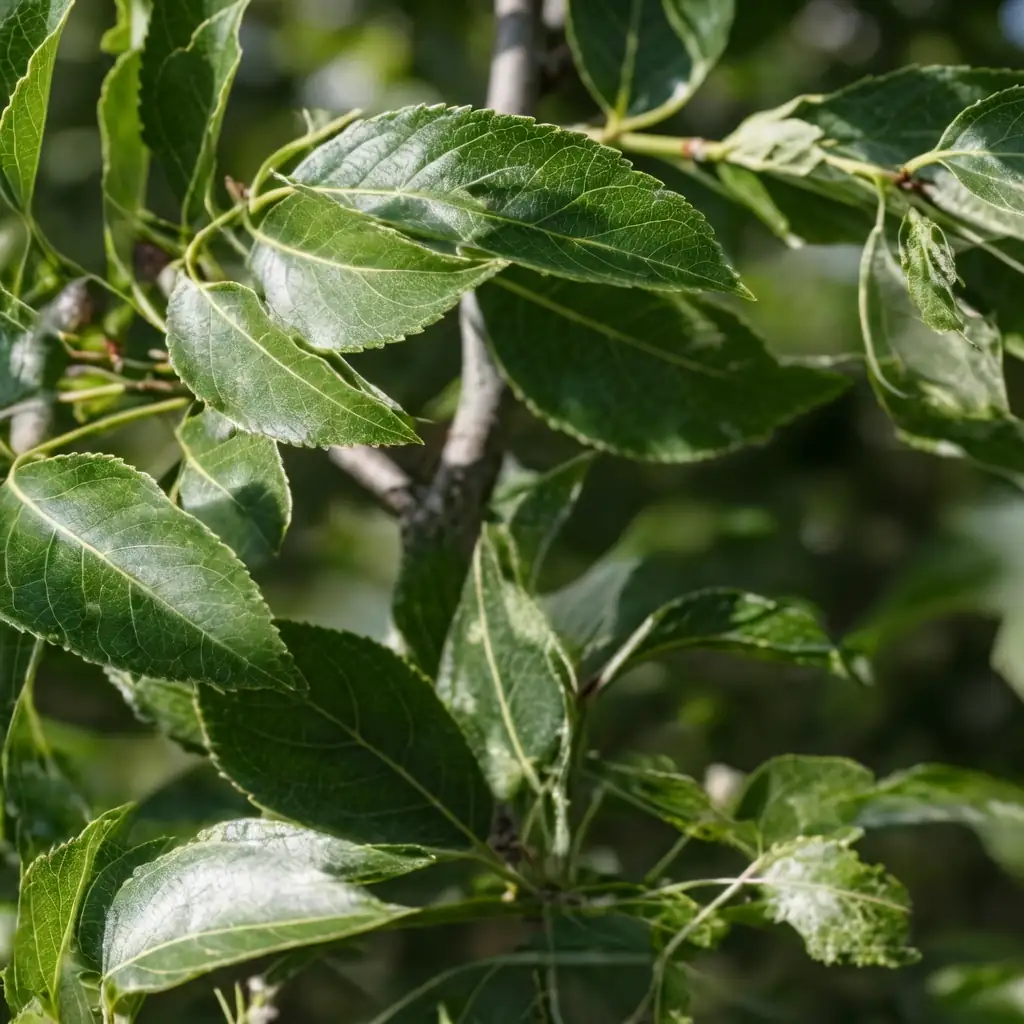
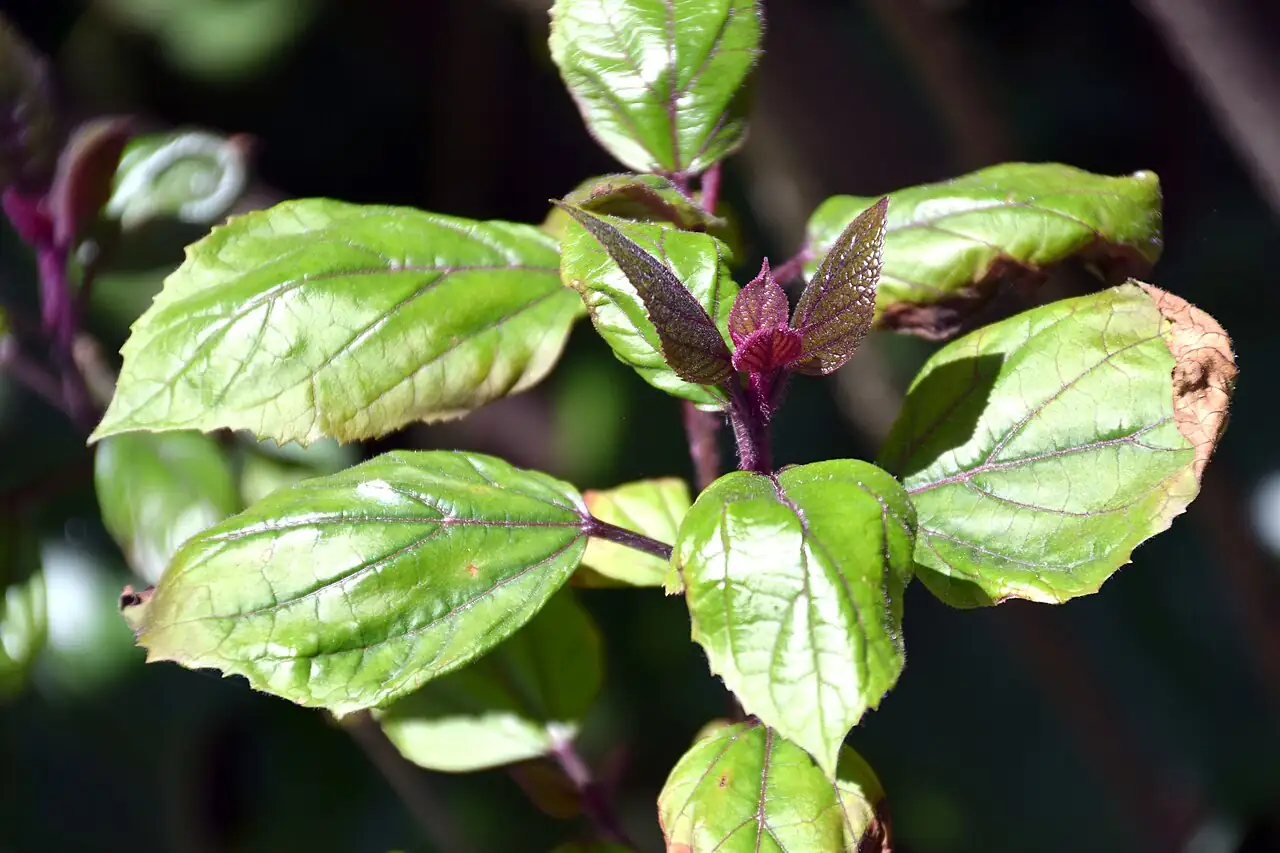
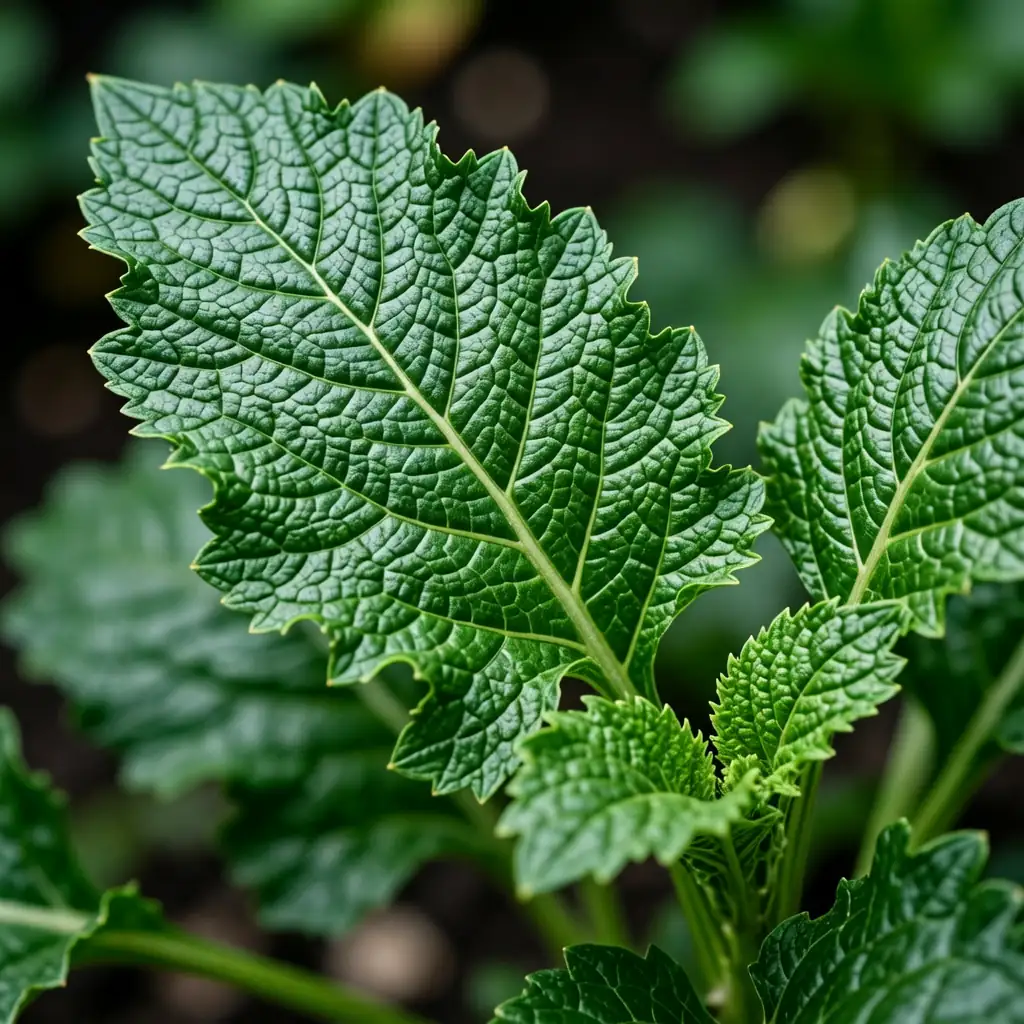
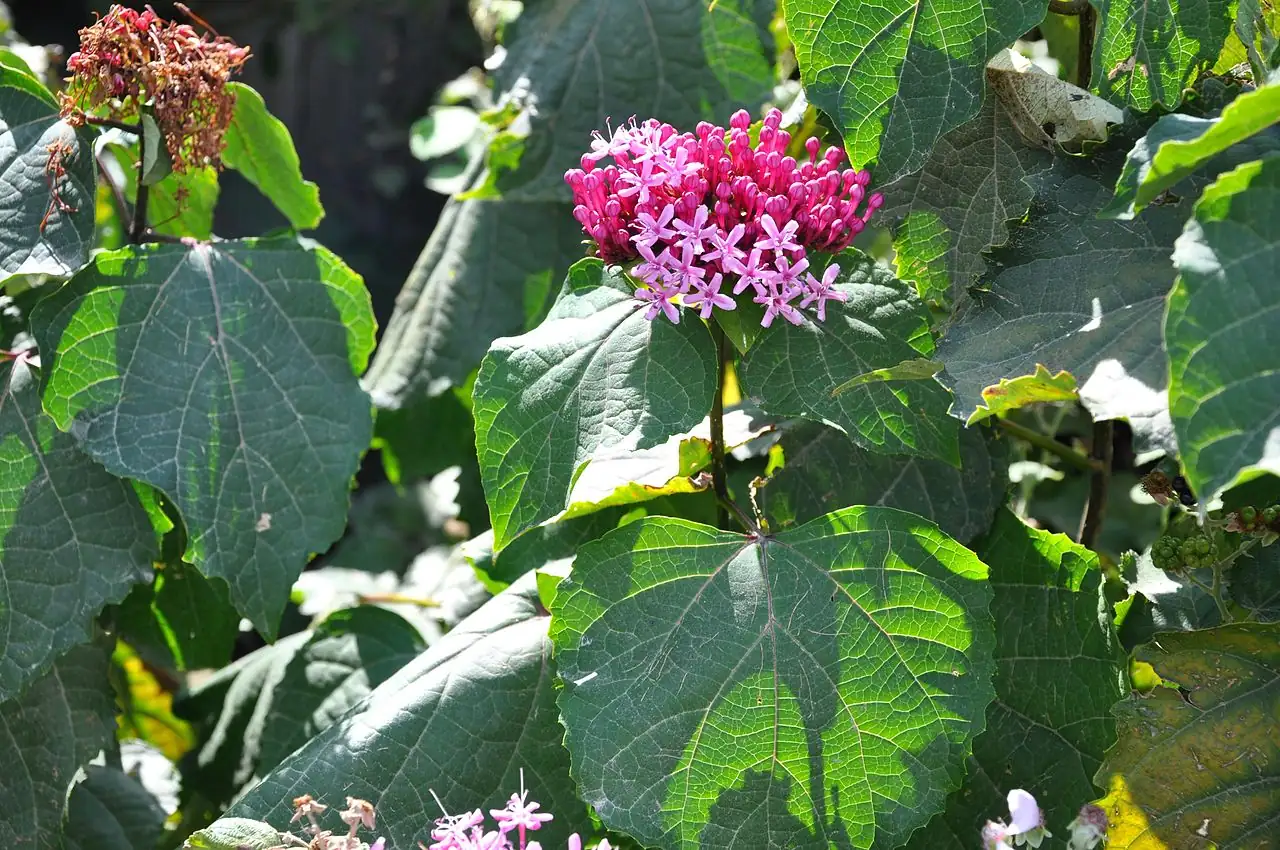
- Foliage: Large, papery-textured green leaves. Leaf stalks and flowering stems are often softly hairy. Leaves and stems can smell strongly unpleasant when rubbed or crushed.
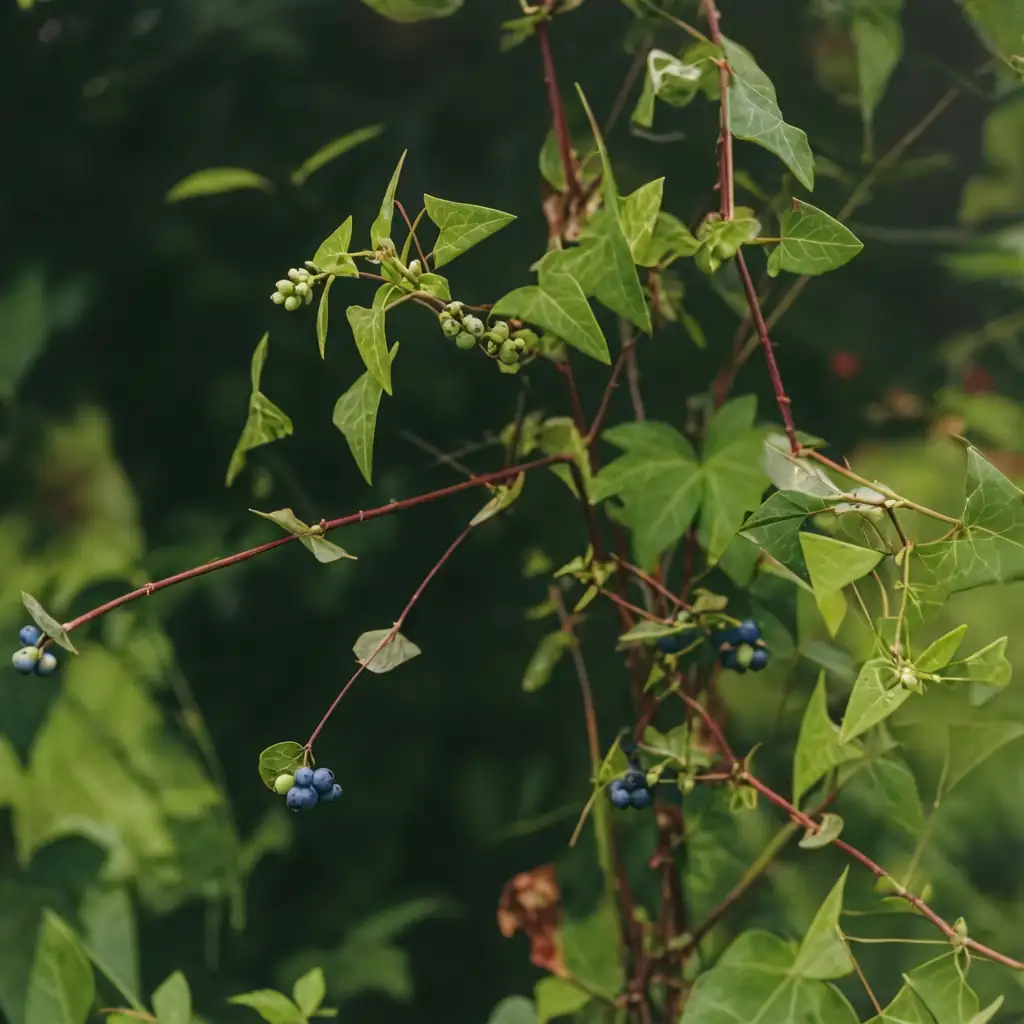
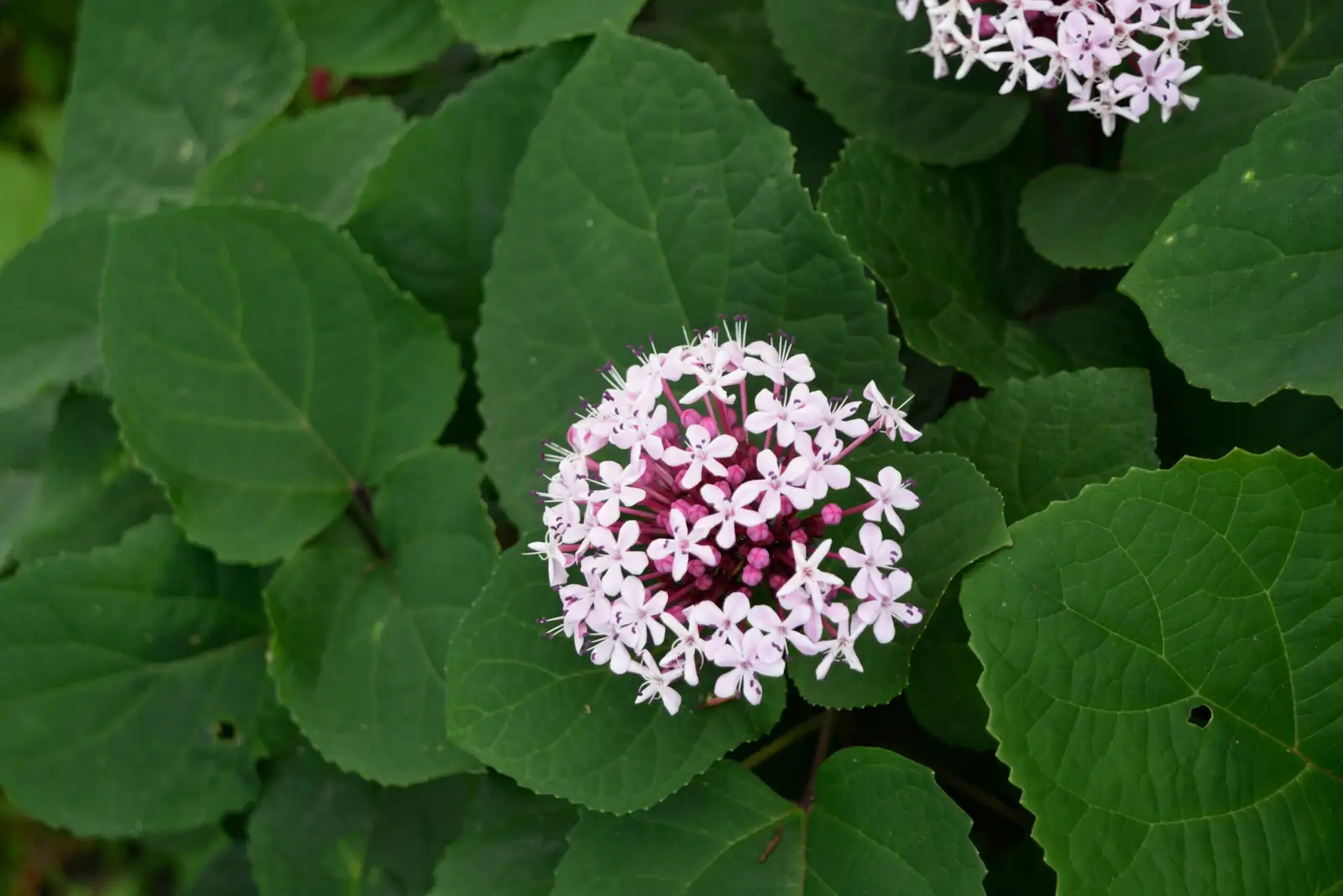
- Flower: Dense, flat-topped clusters of tubular flowers in pale pink, deep pink, or purplish-red. After flowering, it may form small, nearly spherical drupes. Flowering stems are sometimes used as cut material (though the foliage odor can be noticeable).
- Flowering Season: May–November (late spring to autumn)
- Growth Habit: Deciduous, suckering, clump-forming shrub.
Environment
Sunlight
Full sun to partial shade; flowers best in full sun.
Temperature
Prefers warm conditions; grows best around 15–30°C (59–86°F) and is notably cold-tolerant for an ornamental shrub.
Humidity
Adaptable; does fine in average to high humidity and tolerates damp conditions.
Soil
Very adaptable. Performs best in fertile, loose loam or sandy loam with good drainage, but also tolerates wetter soils and mildly to moderately saline-alkaline conditions. In containers, avoid chronically waterlogged mixes.
Placement
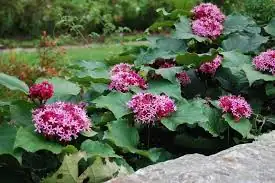
Gardens and courtyards; great for shrub borders, informal hedges, or groundcover in larger spaces. Place where people won’t frequently brush or handle the leaves due to the odor when crushed.
Hardiness
Generally suitable for USDA Zone 7–10 (cold tolerance varies by local conditions). Not reliably evergreen in colder winters.
Care Guide
Difficulty
Easy overall; a forgiving, highly adaptable shrub once established.
Buying Guide
Choose plants with firm stems and healthy, unspotted leaves. Avoid pots with sour-smelling, waterlogged soil. If buying in bloom, select plants with some unopened buds for a longer flower show.
Watering
Water regularly while establishing. Once established, water when the top 5–8 cm (2–3 in) of soil dries out; increase frequency in hot weather. In pots, ensure drainage and don’t keep the mix constantly soggy.
Fertilization
In spring, top-dress with compost or use a balanced slow-release fertilizer. For extra flowering, feed every 4–6 weeks during active growth with a balanced liquid fertilizer at half strength.
Pruning
Prune in late winter to early spring to shape the plant and encourage vigorous new flowering shoots. Remove dead wood and thin crowded stems. Cut back or remove suckers if you want to limit spreading.
Propagation
Very easy from root suckers/division in spring or autumn. Softwood or semi-hardwood cuttings also root well in warm conditions.
Repotting
For container plants, repot every 1–2 years in spring into fresh, well-draining mix. Use a pot with drainage holes; trim circling roots if needed.
📅 Seasonal Care Calendar
Spring: prune and feed; divide or take cuttings. Summer: water during heat; deadhead if desired. Autumn: enjoy late blooms; reduce feeding. Winter: protect container plants from hard freezes and keep slightly drier.
Pests, Diseases & Safety
Common Pests & Diseases
Usually resilient. Watch for aphids, spider mites, whiteflies, and scale; treat with insecticidal soap or horticultural oil. If conditions are overly wet with poor airflow, leaf spots or root issues may appear—improve drainage and ventilation.
Toxicity
Not widely documented as seriously toxic to people or pets, but sap/contact may cause mild skin irritation in sensitive individuals. Because chewing any ornamental plant can cause stomach upset in pets, it’s sensible to keep it out of reach of nibblers; the crushed-leaf odor is also unpleasant.
Culture & Symbolism
Symbolism: Often associated with resilience and bold beauty—lush foliage and bright flower clusters on a plant that thrives in many conditions.
History & Legends: Long cultivated in parts of China as a dependable landscape shrub, valued for its long blooming season and strong adaptability.
Uses: Primarily ornamental: used in gardens and courtyards as a border shrub, informal hedge, or groundcover where it can form broad clumps. Flowering stems may be cut for arrangements.
FAQ
Why does rose glorybower smell bad?
When the leaves or stems are bruised or crushed, they can release a strong, unpleasant odor. The easiest fix is simply siting it where it won’t be frequently handled or brushed against.
Does it spread?
Yes. It spreads by root suckers and can form colonies. Remove suckers, edge the planting, or use a root barrier if you want to keep it contained.
Fun Facts
- Its famous “stinky leaf” reputation only really shows up when foliage is rubbed or damaged.
- It can bloom and fruit over a long stretch of the year, often from May to November.
- It tolerates wet soils and is also drought-tough once established—an unusual combination for many ornamentals.
- It can handle mildly to moderately saline-alkaline soils, making it useful in challenging sites.
- Flowering stems are sometimes used as cut branches for decoration (just be mindful of the foliage scent).