Plant Features
- Size: Typically 8–10 m (26–33 ft) tall.
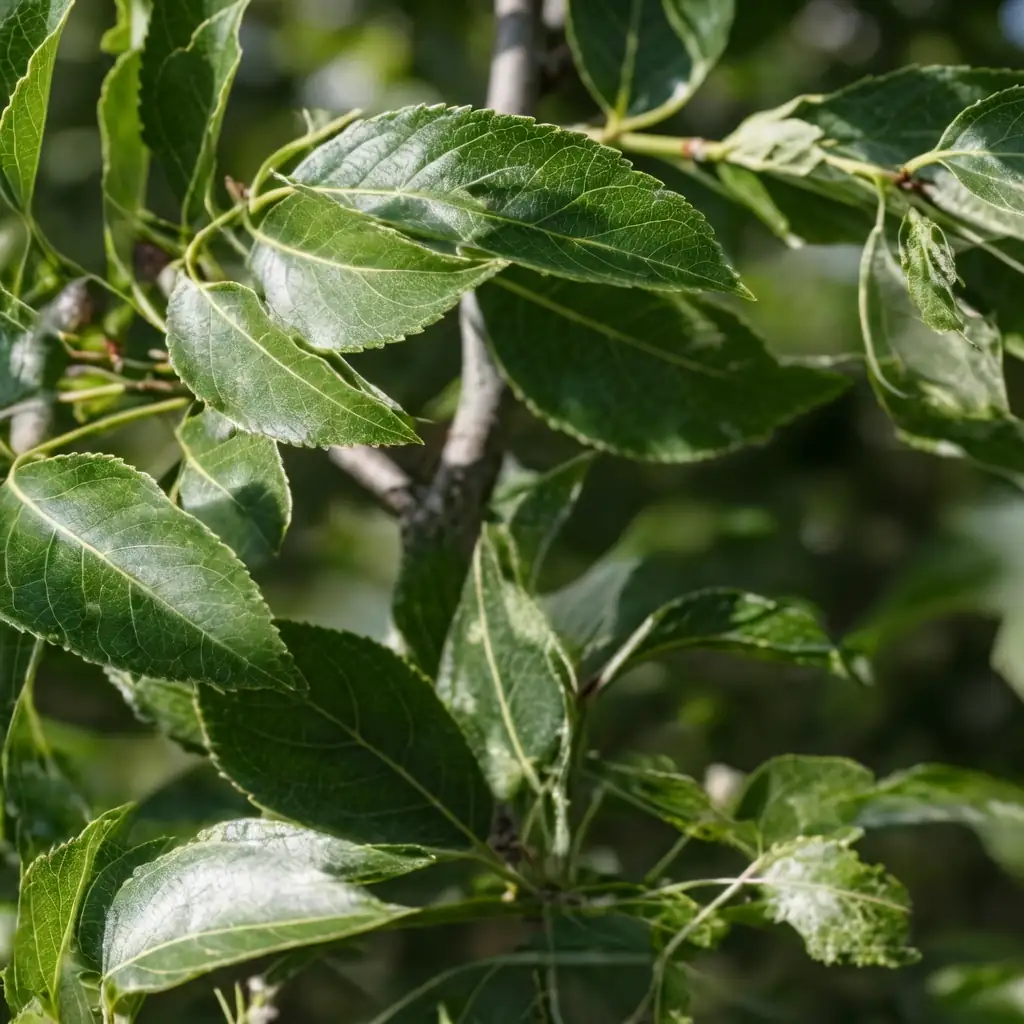
- Foliage: Leaves are thin-textured (papery to membranous) with a truncate to slightly heart-shaped base, a sharply pointed tip, and coarse serrations; the sinuses between lobes are sharply angled. Bark is rough and ranges from gray-brown to dark brown. Twigs are slender, and new-season shoots can be purple to purplish-brown.
- Flower: Small yellow, unisexual flowers in spring; this species is dioecious (male and female flowers on separate trees). It develops winged samaras; young samaras may flush pale red, and the wings spread at roughly a right angle to the nutlet.
- Flowering Season: May
- Growth Habit: Deciduous tree, often an understory component in mixed conifer–broadleaf woodland and open forests; generally prefers partial shade and consistently moist conditions.
Environment
Sunlight
Partial shade to shade; tolerates dappled woodland light. In cool climates it can handle more sun if soil moisture is steady.
Temperature
Cold-hardy temperate tree; best in cool to cold climates. Approx. −30 to 25°C (−22 to 77°F) depending on provenance; avoid prolonged hot conditions.
Humidity
Prefers moderately humid conditions and evenly moist soil; avoid extended heat plus dry air/soil.
Soil
Moist, well-drained loam rich in organic matter; slightly acidic to neutral is ideal. Avoid waterlogging and very dry, sandy soils.
Placement
Woodland gardens, park plantings, and as a shade or street tree where soils remain evenly moist; best in dappled light rather than full, hot sun.
Hardiness
Approx. USDA Zone 3–7; not suited to very hot-summer climates.
Care Guide
Difficulty
Moderate. Performs best in cool climates with evenly moist soil; may struggle with heat and drought stress.
Buying Guide
Look for a young tree with a strong central leader and well-spaced branches. Choose plants with healthy buds and clean, unscarred bark; avoid badly pot-bound stock. If you hope for samaras, remember it’s dioecious—only female trees fruit, and they usually need a nearby male for pollination.
Watering
Water deeply after planting and keep the soil consistently moist for the first 1–2 growing seasons. After establishment, water during dry spells (deep soaking is better than frequent light watering). Mulch 5–8 cm (2–3 in) to hold moisture, but keep mulch from touching the trunk.
Fertilization
Often unnecessary in decent garden soil. If growth is weak, use a balanced slow-release fertilizer in early spring at label rates; avoid heavy nitrogen that can cause soft, weak growth.
Pruning
Prune in late winter to early spring while dormant to remove dead, damaged, or crossing branches and to maintain a sound structure. Avoid heavy pruning during early-spring sap flow.
Propagation
Mostly by seed (samaras). Sow fresh seed outdoors, or cold-stratify about 90–120 days at 1–5°C (34–41°F) before spring sowing. Selected forms may be grafted onto compatible Acer rootstock.
Repotting
Not typically grown as a long-term container plant. For container-grown youngsters, up-pot in early spring into a free-draining, loam-based mix, and plant out once roots fill the pot to prevent long-term restriction.
📅 Seasonal Care Calendar
Spring: plant, mulch, and monitor moisture; light feeding only if needed. Summer: water during dry spells and reduce heat stress (especially in sunnier sites). Autumn: enjoy foliage; water before the ground freezes if autumn is dry. Winter: dormant-season structural pruning; protect young trunks from sunscald and rodent damage where relevant.
Pests, Diseases & Safety
Common Pests & Diseases
May see typical maple pests such as aphids, scale insects, and caterpillars. Leaf spots and powdery mildew can show up in humid weather or crowded plantings. Encourage airflow, avoid late-day overhead watering, and use horticultural oil or targeted controls if infestations become serious.
Toxicity
No well-documented serious toxicity to people or pets for this species. As a general precaution, discourage chewing/ingestion and consult a professional if a pet eats a large amount.
Culture & Symbolism
Symbolism: Like many maples, it’s often linked with balance, graceful change through the seasons, and the simple joy of autumn color.
History & Legends: Primarily appreciated as a regional woodland maple with ornamental and ecological value rather than a plant with widely known legends.
Uses: Ornamental tree for parks and gardens, especially woodland-style designs; can be used as a street or shade tree in cool climates where soil moisture is reliable.
FAQ
Why doesn’t my tree produce samaras (maple “helicopters”)?
Ukurundu maple is dioecious: male and female flowers are on separate trees. Only female trees make samaras, and they generally need pollen from a nearby male tree to set seed.
Can it grow in full sun?
Yes in cooler regions—if the soil stays evenly moist. In warmer or drier summers it usually looks and grows best in partial shade or dappled woodland light.
Fun Facts
- Its bark is distinctly rough and ranges from gray-brown to dark brown.
- Fresh shoots can be tinted purple to purplish-brown.
- Male and female flowers occur on separate trees (dioecious).
- Young samaras may blush pale red, and their wings spread at about a right angle.
- In nature it’s commonly an understory tree in mixed conifer–broadleaf forests of Northeast China.