Plant Features
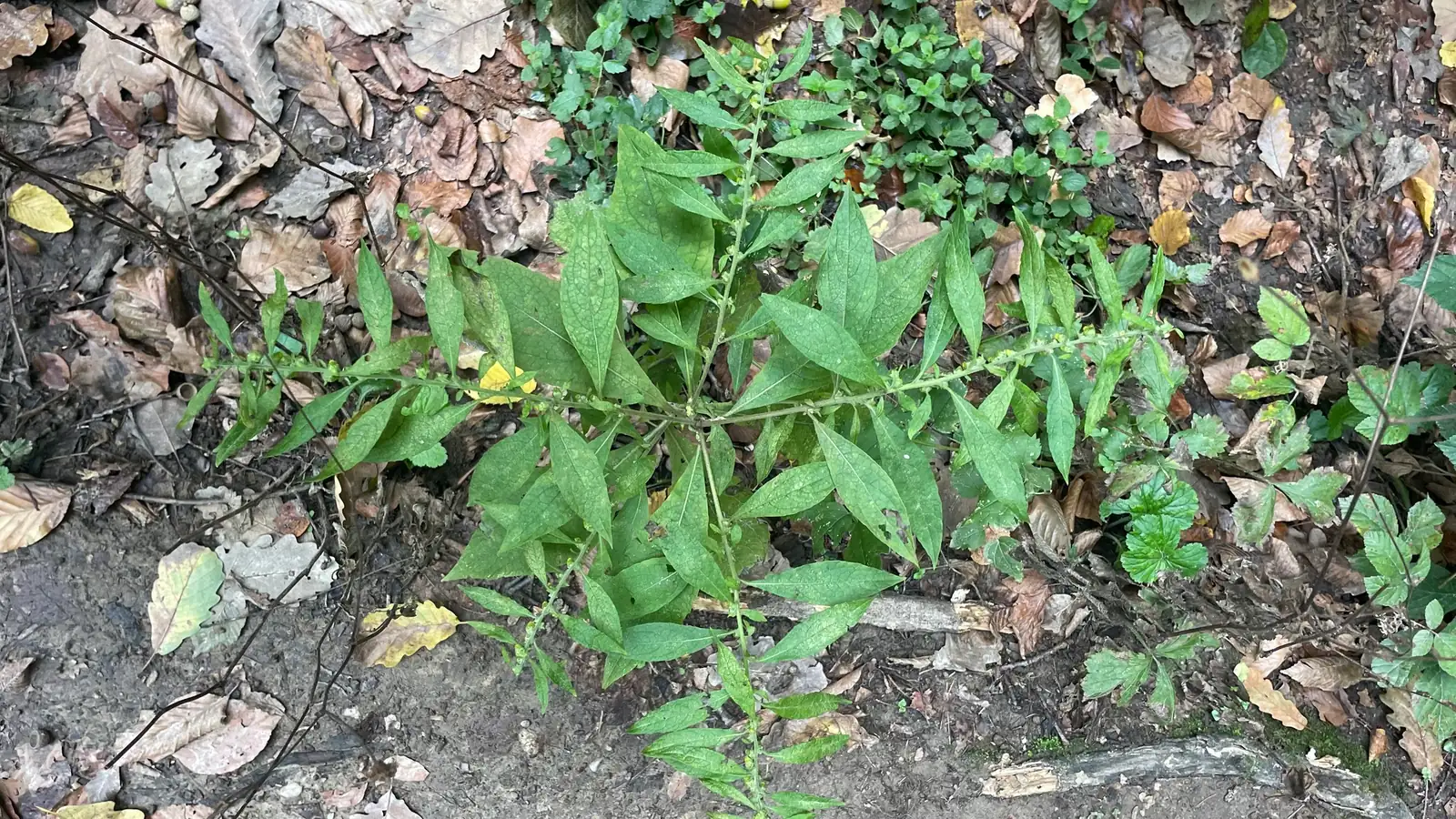
- Size: Typically 30–100 cm (12–39 in) tall, forming upright clumps more than a wide-spreading mound.
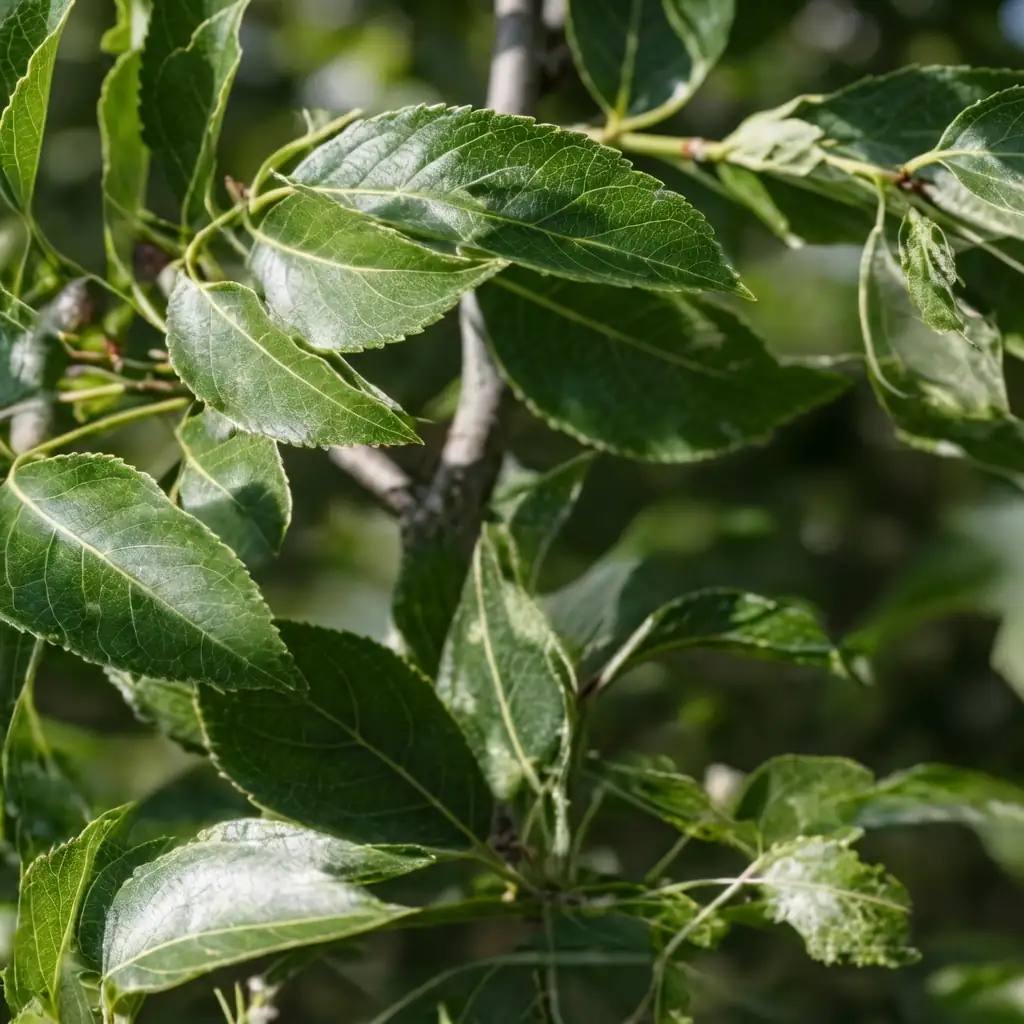
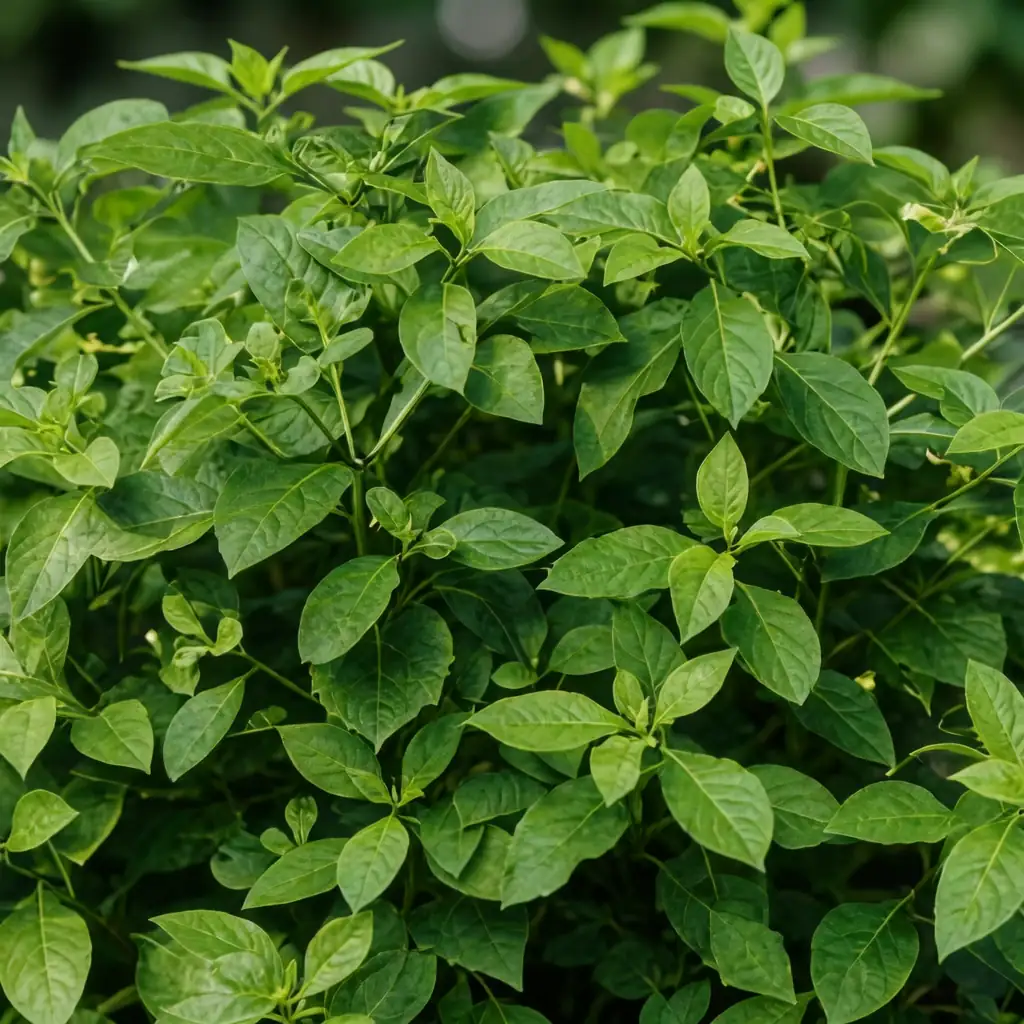
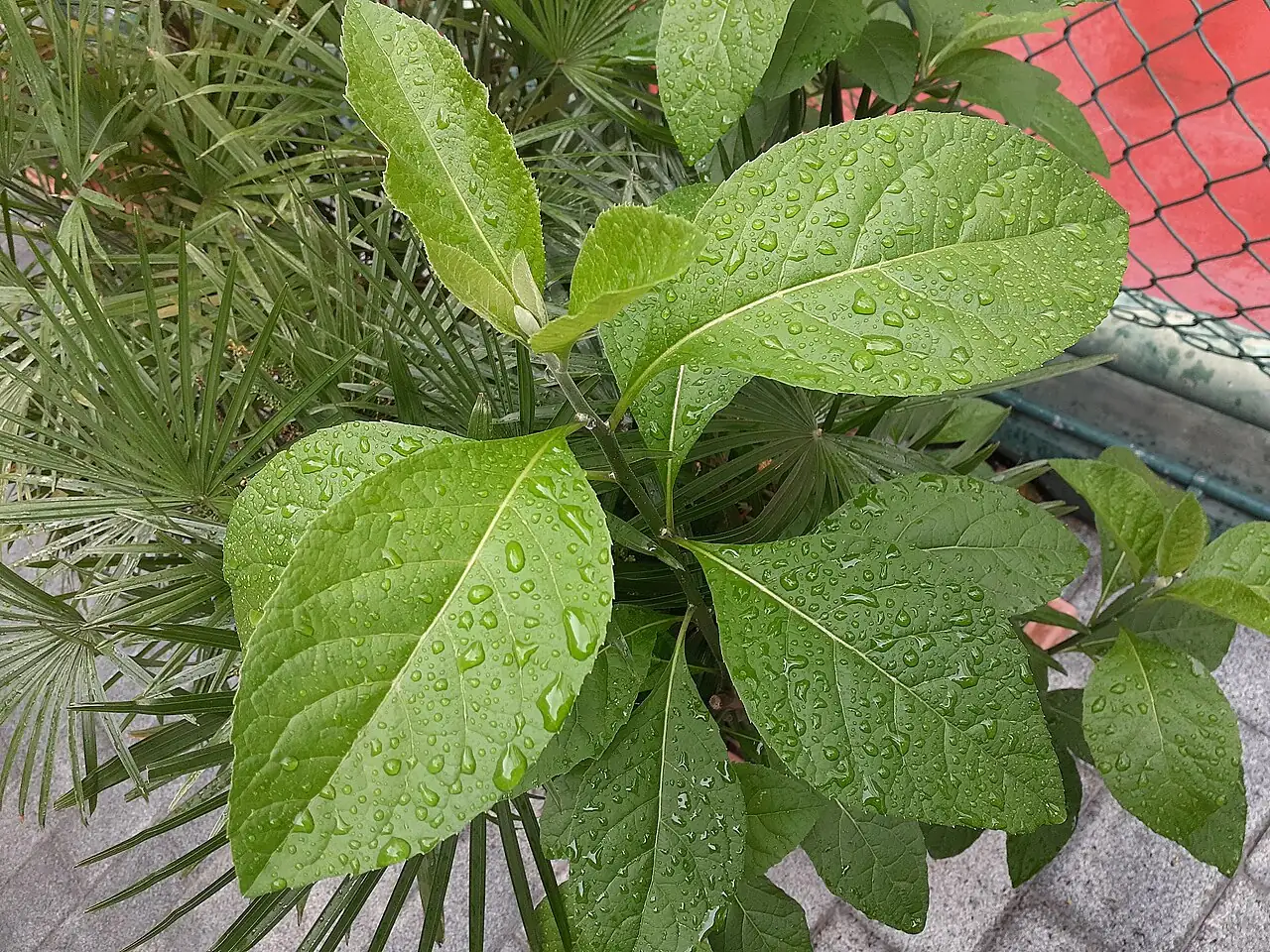
- Foliage: Leaves are arranged alternately along the stems. Lower leaves taper into a winged petiole at the base. Stems are upright and clothed in short, soft hairs, giving the plant a slightly fuzzy, wild-herb look.
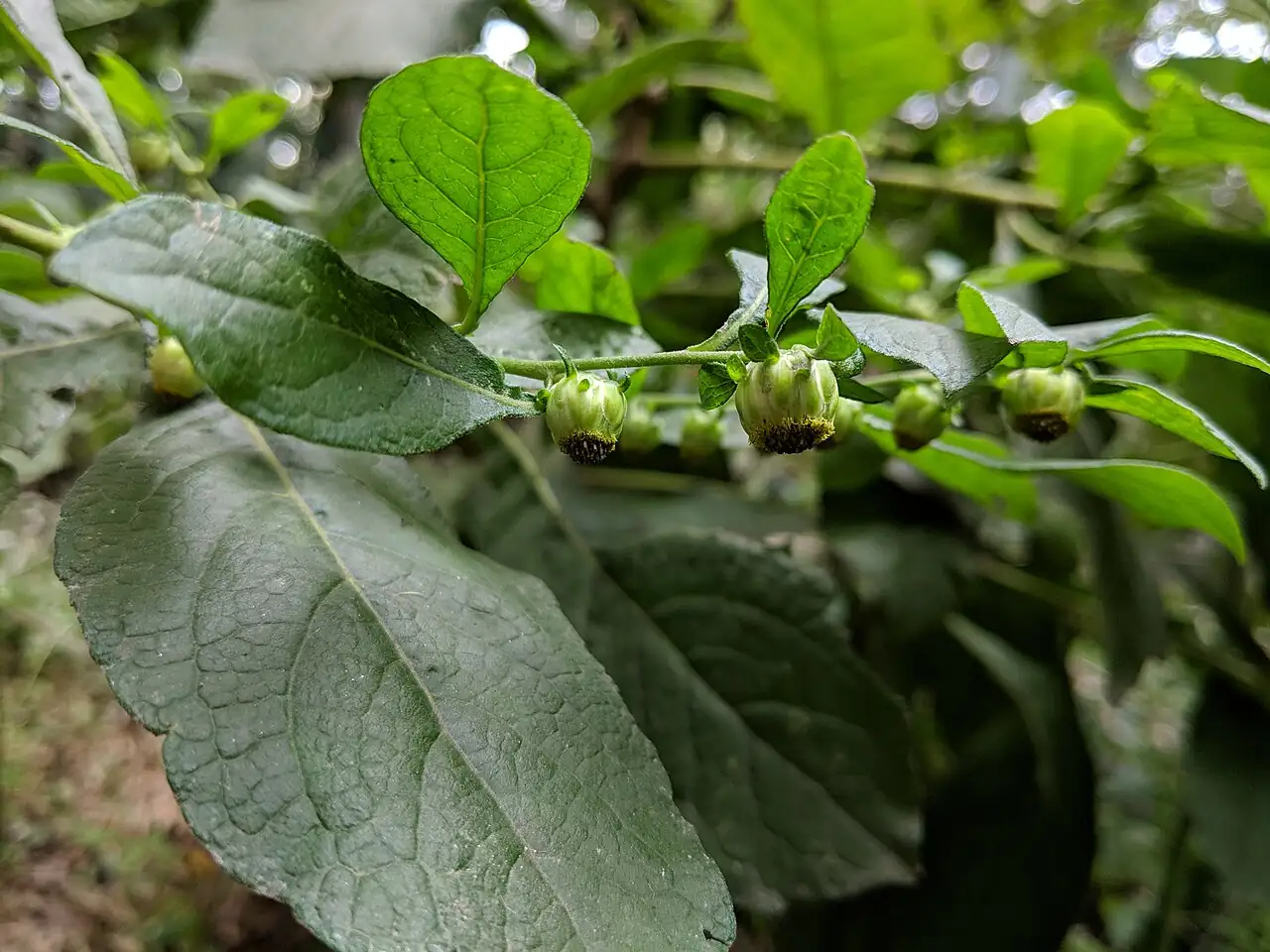
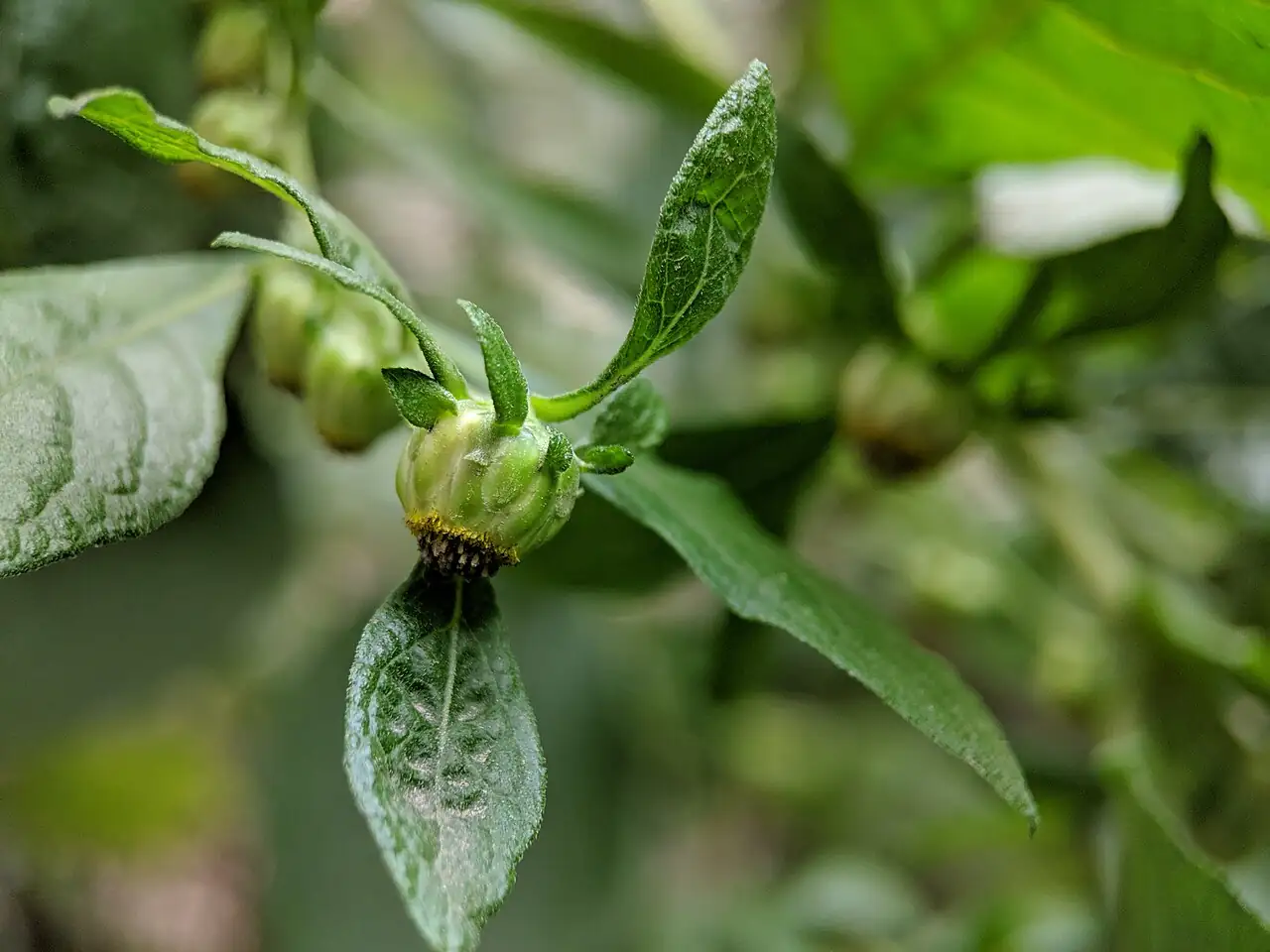
- Flower: Produces many small composite (daisy-family) flower heads from the leaf axils along the stems, often on very short stalks or nearly stalkless. Heads are yellow: the outer florets are slender, thread-like female florets, while the center is made up of tubular, bisexual florets. After flowering it sets narrow, elongated achenes (typical daisy-family fruits).
- Flowering Season: September–November
- Growth Habit: Robust, upright perennial herb; can naturalize by self-seeding where conditions suit it.
Environment
Sunlight
Partial shade to shade; happiest in sheltered sites that don’t bake dry. Will flower in partial shade; deep shade can reduce flowering and make stems lankier.
Temperature
Prefers warm, humid conditions; strongest growth around 15–28°C (59–82°F).
Humidity
Moderate to high humidity; doesn’t love very dry air or long droughts.
Soil
Adaptable, but best in evenly moist, well-drained loam. Often appears in disturbed soils on slopes, roadsides, and grassy areas—good drainage matters more than richness.
Placement
Woodland edges, naturalistic borders, meadow-style plantings, and informal wildlife-friendly gardens—especially where a bit of self-seeding is welcome.
Hardiness
A temperate perennial that is generally not frost-tender once established, but an exact USDA zone range is not consistently published; protect from severe winter cold in very exposed gardens.
Care Guide
Difficulty
Easy when given moist soil and some shade. The main “challenge” is managing self-seeding if you prefer a tidier garden.
Buying Guide
Pick plants with firm, upright stems and fresh green leaves. Avoid wilted plants and containers that smell sour or stay waterlogged (a common sign of root stress).
Watering
Keep evenly moist while establishing. Once settled, it can handle short dry spells, but it blooms best with regular moisture. Avoid constantly soggy soil, which can encourage rot.
Fertilization
Usually unnecessary in average soil. If growth is weak, give a light application of balanced fertilizer in spring at label rates.
Pruning
Deadhead after flowering if you want to reduce volunteer seedlings. Cut stems back after flowering, or leave them standing for winter interest and wildlife and then cut back in late winter/early spring before new growth starts.
Propagation
Primarily by seed, and it often self-seeds readily. Sow seeds on the surface in autumn or spring (lightly press in; don’t bury deeply).
Repotting
If grown in containers, repot in spring into a fresh, well-draining mix. A deeper pot is helpful to accommodate the root system and keep moisture steadier.
📅 Seasonal Care Calendar
Spring: tidy old stems and let new shoots emerge; feed lightly only if needed. Summer: water during dry spells to prevent stress. Autumn (Sep–Nov): peak bloom; deadhead to limit seeding if desired. Winter: leave stems for wildlife habitat or cut back once fully dormant; protect plants from harsh exposure in very cold sites.
Pests, Diseases & Safety
Common Pests & Diseases
Generally trouble-free. In still, overly damp conditions it may develop leaf spots or rot. Slugs and snails can nibble tender new shoots, especially in shady, moist gardens.
Toxicity
No well-established evidence of significant toxicity to people or pets, but it’s not considered a food plant—treat as non-edible and discourage chewing, especially for children and pets.
Culture & Symbolism
Symbolism: A great symbol of “quiet wildness”—humble, resilient beauty that suits meadow and woodland-edge planting styles.
History & Legends: Long recognized as a common wild herb in East Asia. It’s more often mentioned in practical botanical/traditional-herb contexts than in ornamental folklore.
Uses: An excellent choice for naturalistic groundcover-style patches, informal borders, or meadow plantings—especially in slightly shaded, moisture-retentive sites where you want a self-renewing autumn-flowering wildflower.
FAQ
Will it spread in the garden?
Yes—if it likes your conditions, it can self-seed freely. Remove spent flower heads (deadhead) after flowering to reduce volunteer seedlings.
Does it need full sun to flower well?
Not necessarily. It flowers well in partial shade and can tolerate light shade, especially with consistently moist soil. In deep shade it may grow taller and weaker and bloom less.
Fun Facts
- It can flower and set seed in the same season, especially from September to November.
- Its typical height range—30–100 cm (12–39 in)—makes it easy to weave into mixed borders without overwhelming neighbors.
- The flower heads have a tidy structure: thread-like outer female florets and tubular central bisexual florets.
- It’s a familiar sight in everyday landscapes across China, from roadsides to grassy slopes.